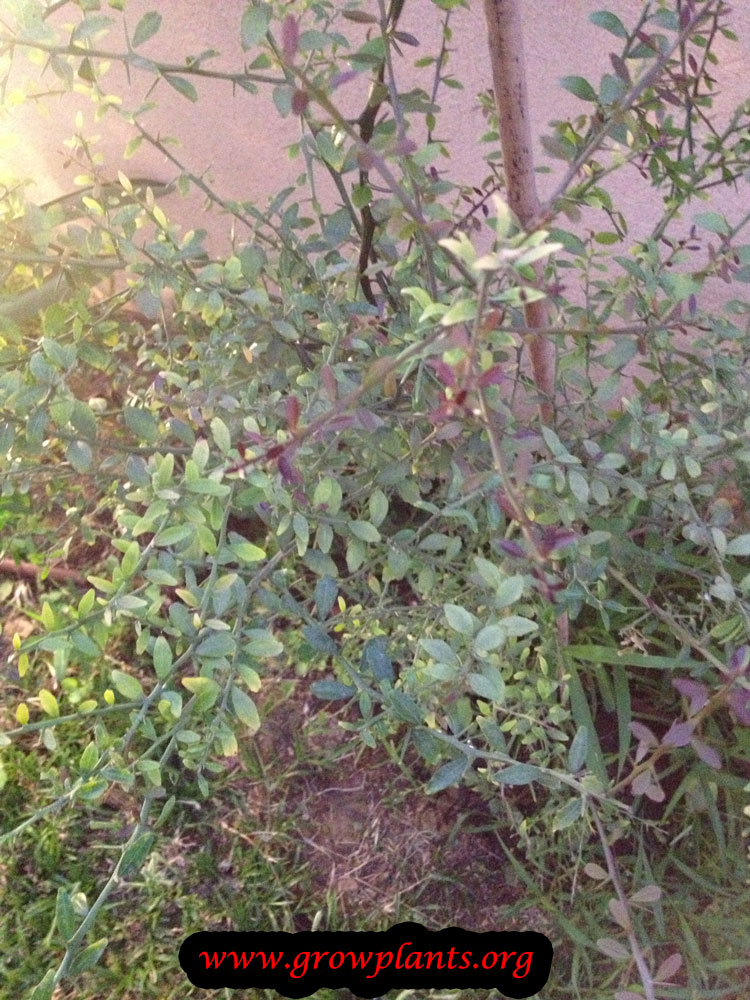
Plant Profile & Key Characteristics
Also known as: Australian finger lime, Caviar lime tree
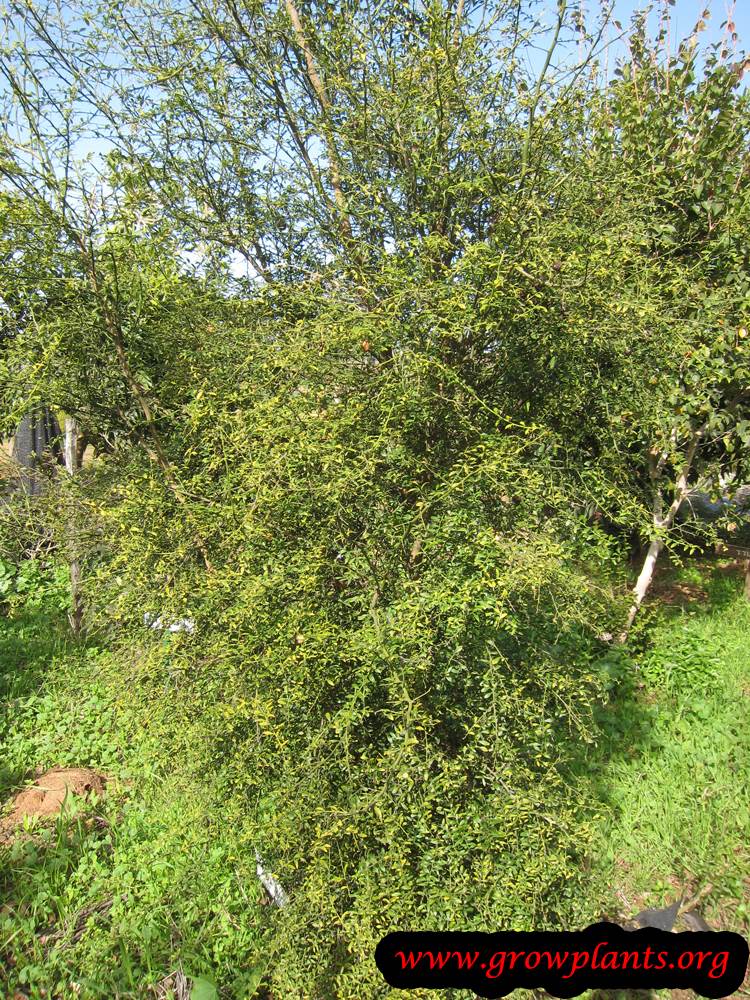
Overview: An evergreen Australian shrub or small tree grown for its finger-shaped ‘caviar lime’ fruit, whose juicy vesicles burst like tiny beads. Typically 2-7 m, it is also grown as an ornamental, dwarf or bonsai.
Quick Specifications
| Specification | Attribute |
|---|---|
| Plant Type / Life Cycle | Perennial (shrub to small tree) |
| Foliage Type | Evergreen |
| Mature Size | Shrub to small tree, roughly 2-7 m (6-23 ft) tall |
| Growth Rate | Moderate |
| Toxicity | Non-toxic / edible (fruit) |
| Hardiness | USDA zones 10+ (9b with protection) |
Growth Form & Structure
- Height & Spread: A shrub to small tree, roughly 2-7 m (6-23 ft); can be kept as a dwarf or bonsai
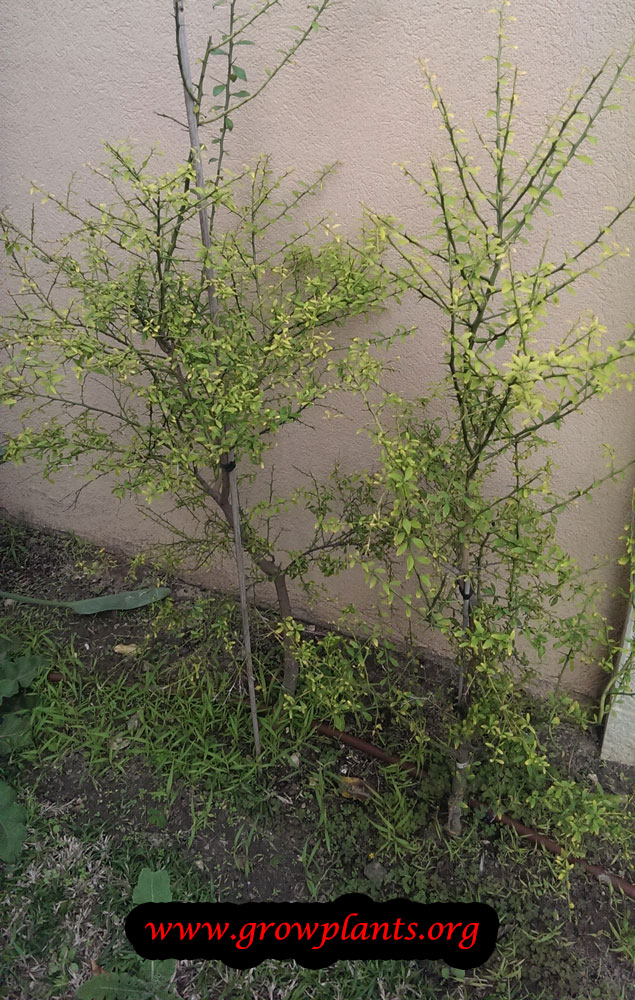
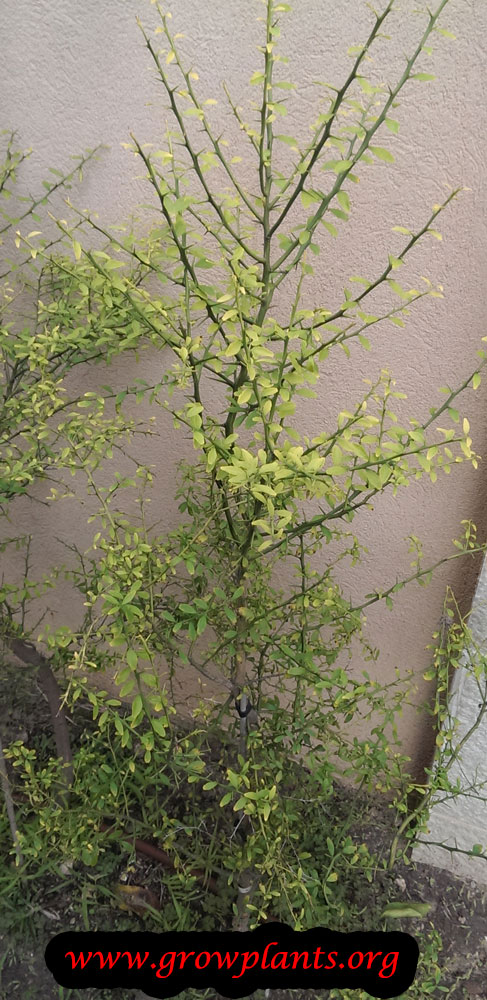
- Growth Habit & Form: Dense, thorny evergreen shrub or small tree
- Lifespan & Maturity: Long-lived; fruiting in about 2-3 years
Anatomy & Physical Features
- Leaves & Foliage: Small, green, elliptic leaves
- Flower Characteristics: White flowers (purple-tinged buds) with yellow-green stamens
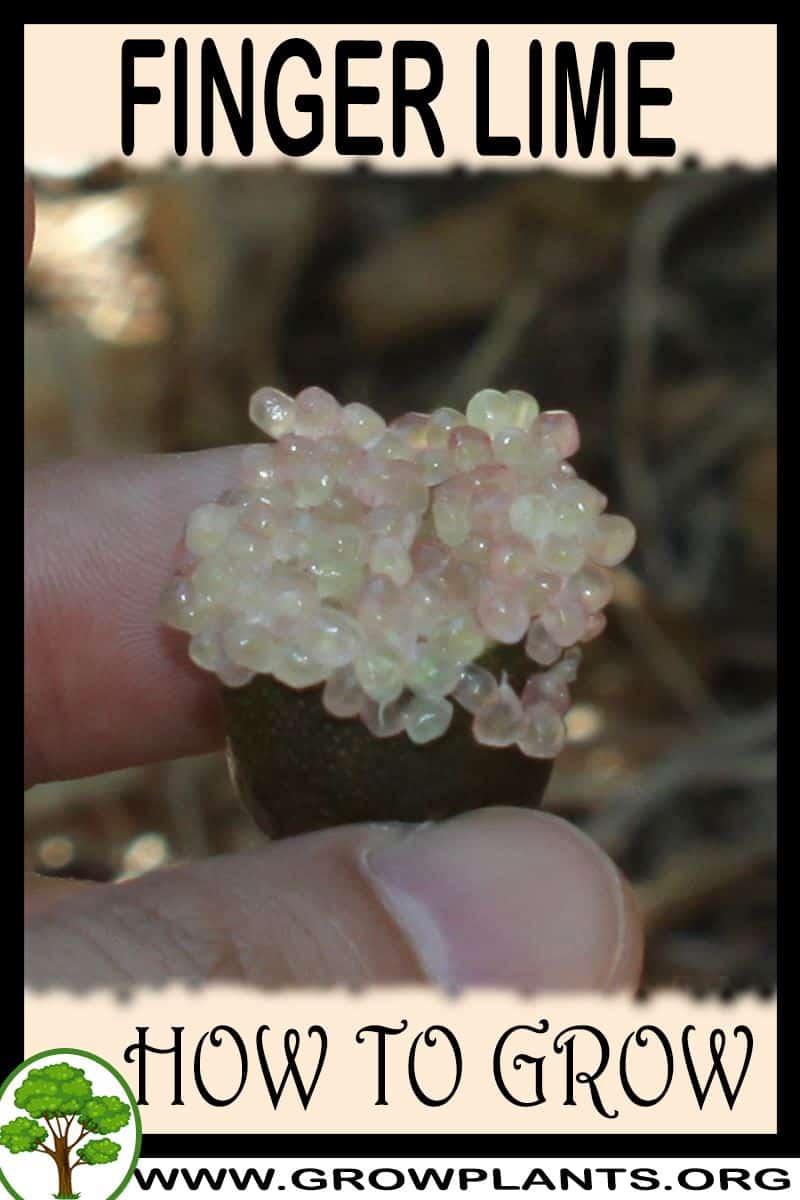
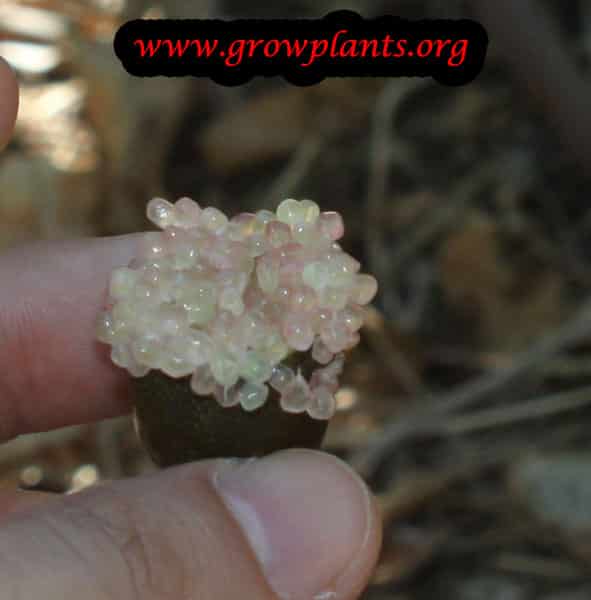
- Fruit Profile: Elongated fruit 3-10 cm filled with lemon-lime-flavoured, caviar-like juice vesicles in colours from green and yellow to red
Primary Uses & Landscape Value
- Edible Uses: Vesicles eaten fresh, used as a garnish, juiced, or used in preserves and drinks
- Functional & Ornamental Roles: Gourmet fruiting ornamental; container, dwarf and bonsai subject
Care Guide: Planting, Soil & Watering
Overview: The finger lime is a subtropical to mediterranean evergreen citrus that grows best in full sun and deep, well-draining loamy soil enriched with organic matter. It wants steady, even moisture – more while the fruit are swelling – but sharp drainage, because citrus roots rot in soggy ground.
Quick Care Requirements
| Requirement | Ideal Condition |
|---|---|
| Planting Season | Warm season – spring in cooler zones, spring or autumn in mild zones, year-round in frost-free zones (11+) |
| Growth Rate | Slow to Moderate |
| Soil Type | Deep, well-draining, loamy, organic-rich |
| Soil pH | 6.0–7.0 (slightly acidic to neutral) |
| Water Need | Moderate – keep evenly moist in the fruiting season, letting the surface dry between waterings |
Planting & Establishment
- Best Planting Season: Plant in the warm season: spring–summer in zone 9b–10a, spring–autumn in 10b, and all year in 11+; avoid the hottest summer days. Avoid planting during extreme heat or cold, which can stress or even kill a young tree.
- How to Plant:
- Hole Preparation: Dig a hole as deep as the current root ball plus an extra 20–40% in width.
- Soil Amendments: Mix organic matter, humus or compost and dried leaves into the backfill; after planting, mulch to keep the soil moist. Where the summer sun is harsh, whitewash the exposed trunk to prevent sunscald.
- Planting Depth: Loosen the root ball a little and set the tree so the root collar and the graft union sit at or just above the surrounding soil level – never bury the trunk. Firm the soil gently so the tree is stable but not compacted, and stake it with a cane if it is not steady.
- Growth Speed & Expectations: A slow-to-moderate grower; a grafted tree typically begins bearing in about 2–3 years.
Soil, Watering & Drainage Care
- Soil Mix & Drainage Needs: Sharp drainage is essential – citrus will not tolerate wet feet. In the ground, plant in loamy, organic-rich soil; in containers use a free-draining potting mix (peat-based with perlite or a little lava grit) with plenty of drainage holes, and never let water stand in the saucer beyond the same day.
- Watering Schedule & Technique:
- Young / Newly Planted: For the first two weeks water every day, preferably in the morning, to settle the roots and keep the soil evenly moist.
- Established: Water deeply, then let the top few centimetres of soil dry before watering again; keep the soil evenly moist through the fruiting season so the fruit do not dry out or split.
- Seasonal Adjustments: Increase watering in hot, dry weather and while the fruit are swelling; cut back in cool, wet winter conditions to avoid waterlogging.
Climate, Light & Hardiness
Finger lime grows in subtropical and Mediterranean climates in full sun, tolerating half shade with reduced fruiting. Native to subtropical Australian scrub, it is a cold-tender citrus, dependable outdoors only from about USDA zone 9b–10 and warmer.
Quick Climate Specifications
| Climate Zones | Subtropical and mediterranean climates |
|---|---|
| USDA Hardiness Zones | Zone 10+ outdoors; zone 9b possible for an established plant with overwinter care |
| Optimal Temp Range | approximately 18–29°C (64–84°F) |
| Cold Damage Begins | approximately 0–2°C (32–36°F) |
| Approx. Survival Minimum | approximately −2 to −3°C (27–28°F) briefly, established plant only |
| Frost Tolerance | Low |
| Light Conditions | Full sun; tolerates half shade with reduced fruiting |
| Wind Tolerance | Moderate |
| Salt / Coastal Tolerance | Low to Moderate |
Sunlight & Light Exposure
Optimal Light Setup
Full sun gives the strongest growth and best fruiting.
Direct Sun Requirement
Several hours of direct sun daily are needed for good fruit production; half shade is tolerated but produces fewer fruits.
Shade & Heat Management
In hot-summer locations the site recommends whitewashing an exposed trunk to prevent sun/heat damage.
Best Exposure / Orientation
A warm, south-facing, wind-sheltered spot suits this cold-sensitive, thorny shrub or small tree.
Temperature Extremes & Hardiness
USDA Hardiness & Regional Limits
The site rates finger lime to zone 10+ outdoors, extending to zone 9b for an established plant with overwinter care. Cold tolerance varies by cultivar, plant age, and exposure duration; young trees are more cold-sensitive than mature specimens.
Cold Damage & Winter Protection
In marginal zones, mulch the root zone, provide wind shelter, and grow in a container that can be moved under cover ahead of frost.
Frost Sensitivity
Frost tolerance is low; flowers, new growth, and developing fruit are damaged by frost.
Extreme Heat Tolerance
Tolerates hot summers well with adequate irrigation, and the site notes fruit left too long on the tree in warm weather can dry out or rot if not checked regularly.
Chilling Requirement
None - as a subtropical citrus it needs no winter chilling period to flower and fruit.
Wind, Humidity & Microclimate
Humidity Preferences
Prefers moderate to fairly high humidity typical of its native subtropical scrub habitat.
Dry-Air Tolerance
Moderate; sustained hot, dry conditions can stress foliage if watering is not adjusted.
Wind Tolerance
Moderate; a sheltered site protects thorny branches and hanging fruit from wind damage.
Coastal / Salt Tolerance
Low to moderate - avoid direct salt spray and saline irrigation water.
Rainfall & Seasonal Moisture
Suited to climates with a defined wetter season; extra irrigation is needed during fruit development if rainfall is delayed.
Microclimate Recommendations
A warm, sheltered, south-facing position with reliable moisture during the fruiting season gives the most consistent results at the cooler edge of this species’ range.
Growing in Pots, Balconies & Indoors
The finger lime (Citrus australasica) is a 1.5-6 m (5-20 ft) evergreen citrus – too large for a windowsill at full size, but an excellent container and patio tree while young or grown as a grafted dwarf. The grower doesn’t class it as a room houseplant: indoor light is usually too weak for good fruiting, though a very sunny window can carry a dwarf tree.
Quick Details
- Container Size: Don’t overpot – start close to the root-ball size and step up every few years; grow a grafted dwarf to keep it manageable.
- Indoor Suitability: Not a deep-room houseplant; a grafted dwarf can grow and slowly fruit at a very sunny window.
- Best Spot: Full sun – a bright patio, balcony, or the sunniest window; half shade is tolerated but gives fewer fruits.
- Soil & Drainage: Free-draining, aerated mix (potting soil, or peat/coir with perlite); never leave the pot standing in water.
- Watering in Pots: Keep evenly moist and water more through the fruiting period so fruit doesn’t dry or split; pots dry fast, but avoid waterlogging.
Indoors & On the Windowsill
- Houseplant reality: The grower doesn’t rate it a room houseplant – indoor light is usually too weak for good fruiting.
- Windowsill growing: Grow a grafted dwarf at the brightest, sunniest window, away from heaters and air vents; expect fruit to take longer than outdoors.
- Overwintering: In cold-winter areas a potted tree can spend winter in a bright, cool but frost-free spot indoors and return outside once frost has passed – a main reason to keep citrus potted.
- Safety: Citrus foliage and peel oils can mildly upset cats and dogs, and stems may be thorny – keep pets from chewing the plant. The ripe fruit itself is edible.
On a Balcony or Patio
- Light & warmth: Give it the sunniest, most sheltered spot; walls and paving reflect heat and dry pots fast, so check moisture often in hot weather, and shelter young trees from strong wind.
- Practicalities: Use a stable pot heavy enough not to topple, and let drainage water escape freely.
Choosing the Pot, Soil & Long-Term Care
- Pot & drainage: Strong drainage holes are essential; skip a standing saucer of water to prevent root rot. Terracotta breathes and dries faster; glazed or plastic holds moisture longer.
- Potting mix: Well-aerated – potting soil, or peat/coir with perlite or vermiculite.
- Feeding: Potted citrus need feeding more often than ground trees as nutrients leach with each watering; use a citrus feed through the growing season.
- Repotting: Refresh the mix and pot up every few years – the grower advises against leaving old, spent soil in the pot; keep a dwarf in shape with light root and top pruning.
Growing this plant in a greenhouse
A greenhouse can give finger lime tree frost protection, cold protection, humidity control and extra warmth. In the right climate it may also be kept growing through winter, depending on how much warmth and light are provided.
Greenhouse at a glance
| Greenhouse suitability | Conditional - depends on your climate |
|---|---|
| Main benefits | frost protection, cold protection, humidity control, extra warmth |
| Season extension | earlier spring & later autumn |
| Outdoor protection advisable below | about 2°C |
| Suitable types | heated greenhouse, glass greenhouse, polycarbonate greenhouse |
| Heating | Heating is optional - useful mainly for winter growing in cold areas. |
Related greenhouse guides
- Greenhouses: How to Choose the Right Greenhouse
- Best Greenhouse Heaters
- Greenhouse Climate Control: Temperature, Ventilation and Humidity
- Polycarbonate Greenhouses: What to Look for Before Buying
Fertilizing & Feeding
A lighter, unhurried feeder relative to larger citrus; finger lime’s naturally slow-to-medium growth habit means it rarely needs the heavier feeding schedule a fast-growing citrus would use. A purpose-made citrus and fruit tree fertilizer supplies that steady, season-long nutrition.
Quick Fertilizing Specs
| Feeding Level | Moderate, on the lighter side – this slower-growing shrub or small tree does not need aggressive feeding to stay healthy |
|---|---|
| young_feeding | A nitrogen-forward complete citrus fertilizer, applied at a rate matched to the plant’s naturally slow-to-medium growth |
| mature_feeding | Balanced complete citrus fertilizer with attention to potassium as the distinctive caviar-like fruit develops |
| Main Nutrient Priority | Nitrogen while the plant is establishing its framework, shifting to balanced feeding with adequate potassium once it is bearing |
| Best Feeding Period | Spring through summer during active growth, tapering off as growth naturally slows toward autumn |
| Organic Options | Compost or aged organic matter worked into the root zone, well suited to this plant’s unhurried growth habit |
| Micronutrients | Iron, manganese, and zinc are the trace elements most likely to need attention |
| Soil pH | Prefers well-drained, loamy soil that is slightly acidic to near neutral |
| Reduce/Stop Feeding | Ease off nitrogen as growth naturally slows heading into the cooler months |
Feeding by Growth Stage
Newly planted
Support root establishment without pushing tender top growth the young root system cannot yet support, which matters especially for this naturally slower-growing species
| Nutrient direction | Keep feeding to a minimum right at planting; let the organic matter worked into the planting hole and regular watering carry the tree until new growth appears |
|---|---|
| Timing | The first stretch after planting, before a flush of new growth appears |
| Frequency | Minimal feeding is usually enough until new growth appears, then step up to a fuller feeding program once the roots are clearly active |
| Fertilizer types | Well-rotted compost or aged organic matter blended into the backfill at planting, A light, balanced starter feeding only after new growth resumes |
| Precautions | Fresh roots are easily burned by concentrated fertilizer salts, so keep anything applied light and always water it in well |
Young, non-bearing tree
Build a strong framework of branches and healthy canopy before the tree is asked to carry fruit – kept in proportion to the plant’s characteristically slow-to-medium growth rate
| Nutrient direction | Lean nitrogen-forward with a complete citrus fertilizer to drive steady canopy growth |
|---|---|
| Timing | Through the active growing season while the tree is putting on new wood and leaves |
| Frequency | Several light-to-moderate feedings spread across the growing season, tapering off as growth slows toward autumn |
| Fertilizer types | A nitrogen-forward complete citrus or fruit-tree fertilizer, Organic matter such as compost or aged manure worked in around the root zone |
| Routine trace nutrients | iron, manganese, zinc |
| Precautions | Keep fertilizer away from direct contact with the trunk and taper feeding as the season cools so new growth has time to harden off before winter |
Established, approaching bearing age
Shift toward a balanced feeding rhythm that supports healthy flowering and fruit set as the tree matures toward bearing
| Nutrient direction | Move from a nitrogen-forward mix toward a balanced, complete citrus fertilizer |
|---|---|
| Timing | Spring through the main growing season, ahead of and during bloom |
| Frequency | Several balanced feedings through the active growing season, easing back once growth slows |
| Fertilizer types | A balanced, complete citrus fertilizer, Organic matter or compost as a soil-building supplement |
| Routine trace nutrients | iron, manganese, zinc |
| Precautions | Avoid a heavy nitrogen surge right at bloom, which can push leafy growth at the expense of flowering and fruit set |
Mature, fruit-bearing tree
Keep the tree fed through flowering and fruit development so fruit sizes and ripens well, without forcing excess soft new growth
| Nutrient direction | Balanced feeding with attention to potassium as fruit develops, supporting fruit size and quality alongside steady nitrogen |
|---|---|
| Timing | Spring through the main fruit-development season, easing off as the tree heads toward its harvest and cooler months |
| Frequency | Several feedings spread through the active growing and fruiting season, tapering off well before the cool season so new growth is not left tender going into winter |
| Fertilizer types | A balanced, complete citrus fertilizer with attention to potassium during fruit development, Organic matter or compost worked into the root zone as a soil-building supplement |
| Routine trace nutrients | iron, manganese, zinc |
| Precautions | Ease off nitrogen as the fruiting season winds down so late, tender growth is not left exposed heading into cooler weather |
Nutrient Deficiency Signs & Corrections
New leaves turn pale to yellow between the veins while the veins themselves stay green, sometimes progressing to an overall bleached look on the youngest growth
| Possible causes | Iron chlorosis brought on by alkaline or poorly aerated soil that locks up available iron, Waterlogged or compacted roots that cannot take up iron even when it is present, General nutrient imbalance or root stress unrelated to iron itself |
|---|---|
| Appears first on | Newest leaves at the branch tips |
| What to check | Soil drainage and whether roots are sitting in constantly wet ground, Whether the pattern is truly interveinal (yellow between green veins) rather than uniform yellowing, Recent root disturbance, compaction, or container root-binding |
| Possible correction | Improve drainage and aeration around the root zone, avoid over-watering, and apply a chelated iron product per its label if the pattern is a classic interveinal chlorosis |
Small, narrow new leaves with a mottled, blotchy yellow pattern between the veins, and noticeably shortened new growth
| Possible causes | Zinc deficiency, often linked to the same alkaline-soil conditions that cause iron chlorosis, General micronutrient lockup in cold or waterlogged soil, Heavy pruning or stress that produces distorted regrowth unrelated to nutrition |
|---|---|
| Appears first on | Newest leaves and shoot tips |
| What to check | Whether iron chlorosis symptoms are present at the same time, since the two often occur together, Soil pH and drainage in the root zone, Whether the distorted growth follows recent heavy pruning rather than a steady pattern |
| Possible correction | Apply a chelated zinc product per its label alongside correcting the underlying soil condition, ideally as part of a combined micronutrient program |
Overall pale, light-green to yellow foliage across the whole canopy rather than just the new growth, often paired with thin, sparse growth
| Possible causes | Nitrogen deficiency from too little feeding or nitrogen leaching out of sandy or heavily irrigated soil, Root stress from poor drainage or a root disease limiting uptake, A tree carrying a heavy fruit load that is outpacing the current feeding program |
|---|---|
| Appears first on | Older leaves first, spreading to the whole canopy if it continues |
| What to check | Recent feeding history and whether a routine feeding program has been kept up, Root health and drainage around the base of the tree, How heavy the current fruit set is relative to the size and vigor of the tree |
| Possible correction | Resume a nitrogen-forward complete citrus fertilizer appropriate to the tree’s growth stage and correct any drainage issue limiting root uptake |
Pruning, Training & Seasonal Maintenance
Finger Lime is a naturally shrubby, often multi-stemmed small tree (1.5–6 m) – an Australian understory citrus that does not need to be forced into a single-trunk form the way most cultivated citrus are. It tolerates moderate pruning; the objective is to manage its natural thicket-forming tendency (thin excess basal stems rather than fight the habit), keep the very thorny growth accessible for hand-picking the caviar-like fruit, and maintain airflow through dense growth. The safest window is end of winter into early spring, before the spring–summer bloom.
Quick Pruning & Maintenance Specs
| Pruning Tolerance | Moderate |
| Primary Pruning Window | End of winter – beginning of spring |
| Secondary Maintenance Window | Sanitary removal of dead wood any time |
| Typical Frequency | Annual structural pass, plus periodic basal-stem thinning |
| Main Objective | Manage natural multi-stem/thicket habit; keep thorny fruiting wood pickable |
| Young Plant Priority | Select well-spaced main stems; thin early flowers |
| Mature Plant Priority | Thin crowded basal growth and dense interior wood |
| Best Tool Type | Bypass secateurs, loppers |
| Avoid Heavy Pruning During | Spring–summer bloom and the extended autumn–spring fruit hold |
Pruning by Plant Age & Size
Newly Established
Remove only damaged growth; the plant is thorny and its own difficulty notes flag thorns as a handling issue even at the establishment stage.
Young / Formative
Rather than training a single central leader, select 2–4 well-spaced main stems from the naturally multi-stemmed growth habit and remove the rest – this works with the species’ native form instead of against it. Thin the first flowers so the young plant isn’t forced to carry fruit before its stems are established.
Mature / Established
Periodically thin new basal shoots that thicken the thicket beyond what’s useful, and remove crossing/dense interior wood so thorny branches carrying fruit stay reachable and don’t tangle.
Seasonal Pruning Schedule
Pre-Growth / Early Spring
Objective: thin the stem base and open the canopy before bloom. Remove: dead wood, excess basal stems beyond the selected framework, and crossing growth. Do not remove: stems still holding fruit, which this species can carry from autumn all the way to the end of spring. Expected response: renewed basal shoots (some of which can be selected as replacement stems) and a fresh flowering flush. Flowering impact: minimal, since the cut precedes bloom.
Flowering & Fruiting Wood
Finger lime flowers in spring/summer on current growth, and the cylindrical “caviar” fruit that follows is unusually long-holding – it can remain on the tree from autumn harvest right through to the end of spring, so growers must watch for fruit drying out or rotting on the tree rather than assuming it needs immediate picking. Because of this extended hold, avoid disturbing fruiting branches for most of the year outside the short end-of-winter window.
Structural Pruning & Training
The defining structural task is managing the natural multi-stem/thicket habit: select and retain well-placed main stems, remove excess basal growth, and thin crossing interior wood. Height and spread control matter more here than on single-trunk citrus, since an unmanaged plant thickens outward as much as it grows upward.
Special Growth to Remove
Remove rootstock suckers below the graft union – this species is commonly grafted onto other citrus rootstock, and sucker growth from below the union will not bear true finger lime fruit. Beyond that, distinguish rootstock suckers (remove) from the plant’s own basal stems (selectively retain some, as this is a naturally multi-stemmed species).
Tools
Bypass secateurs for the fine, very thorny twig growth; loppers for basal stem removal and thicker structural cuts, since gloved hand access is limited by the thorns.
Tool Hygiene & Disease Risk
Routine: clean, sharp tools are sufficient; this species shares the general citrus disease list (leaf miner, citrus black spot, Alternaria) but no pruning-transmitted pathogen is specifically indicated.
Cut Placement & Technique
Remove unwanted basal stems flush at ground level or at their point of origin rather than leaving stubs, which would resprout into more crowding; use thinning cuts on interior wood; work deliberately given the thorn density to avoid tearing bark on adjacent stems.
Heavy Pruning & Rejuvenation
An overgrown, thicket-bound plant tolerates a substantial basal thinning to reset stem spacing, best done at the end-of-winter window; because fruit can still be hanging from the previous season, check before cutting and spread a heavy thinning over two seasons if a full crop is still present.
Post-Pruning Care
Keep soil moisture even through the long fruit-hold period so fruit doesn’t dry out on the plant; watch new basal regrowth for leaf miner, to which young growth on this species is sensitive.
Common Pruning Mistakes
Trying to force a single-trunk tree form onto a naturally multi-stemmed species; leaving basal-stem stubs that resprout into denser thicket growth; forgetting fruit can still be hanging from many months earlier and cutting into a productive stem.
When NOT to Prune
Avoid pruning during the spring–summer bloom or while fruit is anywhere in its long autumn-to-spring hold period on the plant; avoid pruning a newly transplanted specimen beyond removing damaged growth.
Recommended Tools (by task)
- bypass_secateurs – fine, thorny twig and small-branch work.
- loppers – basal-stem removal and structural cuts in the thicket base.
Pruning Troubleshooting
| Problem | Possible Cause | What to Check | Corrective Action |
| Overcrowded, thicket-like base | Basal stems never selectively thinned | Number and spacing of stems at ground level | Select 2–4 main stems, remove the rest flush at their base |
| Fruit drying or rotting on the plant | Extended natural fruit hold mistaken for a problem | How long fruit has been hanging | Monitor and harvest before quality declines rather than assuming a pest/disease issue |
| Non-fruiting vigorous shoots | Rootstock suckers from below the graft union | Origin point of vigorous shoots relative to the graft | Remove rootstock suckers at their base |
| Dieback after cuts | Stub left instead of a flush basal or thinning cut | Cut placement on removed stems | Recut flush to origin/ground level |
Propagation Guide
Finger lime is best propagated by grafting or budding onto citrus rootstock, since the site’s own fruit description notes that the internal pulp color varies widely and is not predictable from the rind, so named color-selected cultivars must be propagated vegetatively to come true; it also roots from stem cuttings using the warm, humid method described on this page. Seed-grown plants will vary in pulp color and fruit quality, so vegetative propagation is preferred for named forms; overall difficulty is moderate.
Quick Propagation Specs
| Best Propagation Method | Grafting/budding onto citrus rootstock |
| Alternative Methods | Stem cuttings; air layering; seed (variable pulp color and quality, not recommended for named cultivars) |
| Propagation Difficulty | Moderate |
| Seed True-to-Type | Variable – seedlings commonly differ in pulp color and fruit quality from the parent; grafting is recommended to guarantee a specific cultivar’s characteristics |
| Vegetative True-to-Type | Yes – grafting and cuttings preserve the parent tree’s characteristics, including pulp color |
| Best Propagation Season | Spring to early summer (also possible summer-autumn) for seed and rooting; active growth periods favored for grafting |
| Seed Germination Time | 2-4 weeks, sometimes longer |
| Cutting Rooting Time | Several weeks under warm, humid conditions |
| Germination Temperature | 20-27°C (68-81°F) |
| Seed Sowing Depth | 2cm (1 inch) |
Growing from Seed
Seed Handling & Viability
Keep seed in a dry, dark spot at room temperature until sowing; avoid prolonged storage, since citrus seed generally germinates most reliably when not left to dry out for long periods.
Sowing Season
Spring to early summer, also possible in summer to autumn.
Sowing Depth & Orientation
Sow about 2cm (1 inch) deep in soil kept moist, and cover the seed lightly.
Germination Conditions
Moist, well-drained, rich soil in a sunny position at 20-27°C (68-81°F); do not let the soil dry out.
Germination Time
Usually 2-4 weeks, though it can take longer.
Seedling Care
Young seedlings are especially vulnerable to citrus leaf miner; if leaf miner is active nearby, protect seedlings in a greenhouse or indoors and mulch the soil.
Stem Cuttings
Cutting Type
Stem cuttings taken with clean, sterilized tools.
Cutting Preparation
Use a sterilized knife, and sterilize the rooting soil beforehand (for example by heating it in a microwave) to reduce disease risk.
Rooting Setup
Root in a medium that holds moisture well, such as peat soil, coconut coir, or peat moss, kept moist but not waterlogged, at 25-28°C (77-82°F) or possibly a little higher, with high humidity – ideally fog-like humidity around the cutting.
Rooting Hormone
Recommended by the site’s own guidance to support rooting.
Rooting Time
Typically several weeks under these warm, humid conditions.
Grafting & Budding
Why Grafting Is Used
The site’s own guidance is explicit that grafting or cutting propagation is necessary to guarantee the tree bears fruit and to control fruit quality – size, taste, color of the fruit, juiciness, seediness, and fruiting season all depend on the scion cultivar, and grafting more than one cultivar (or citrus type) onto the same tree is a common practice.
Rootstock
A disease-free rootstock is chosen for adaptability to local soils and drought tolerance; the rootstock does not determine fruit quality, only the scion does.
Scion Selection
Budwood should come from a confirmed, healthy finger lime tree with the desired pulp color and fruiting characteristics.
Best Grafting Season
Warmer months when the tree is in active growth and the bark separates easily are generally favored for citrus budding.
Graft Aftercare
Protect the graft union until it has healed, and remove any shoots that arise from the rootstock below the union.
Air & Ground Layering
Air layering is listed among the standard ways to start this plant. Select a pencil-thick, semi-mature branch, wound or girdle a short section, wrap it in moist sphagnum moss and plastic, and keep it consistently moist; rooting typically takes several weeks to a couple of months before the layer can be severed and potted as an own-root, true-to-type plant.
Bloom & Edible Flower Guide
Quick Details
- Bloom Season: Spring into summer
- Time to First Bloom: A grafted plant usually begins flowering within its first few years
- Flower Appearance: Small white flowers with yellow-green stamens, the buds tinted purple
- Edibility: The fragrant white blossoms are edible and aromatic
Detailed Blooming Overview
The Australian finger lime is a slender, thorny citrus whose small white flowers, opening from purple-tinted buds, appear from spring into summer. Bees do the pollinating, and thinning in the early years helps a young plant establish before it carries a full crop.
Flower Characteristics
- Small white flowers with yellow-green stamens.
- Buds tinted purple.
Bloom Care & Thinning
- Thinning: In the first years, thinning the flowers helps a young plant build strength.
- Pollination: Pollinated by bees.
Bloom Health & Protection
- Aphids and thrips: These can gather on the tender buds and new growth; a strong jet of water, insecticidal soap or neem oil keeps them down. Avoid spraying open blossoms so visiting bees are not harmed.
Fruit & Uses
Finger Lime is grown for its unusual ‘caviar lime’ fruit, whose pulp is made of small round juice-filled cells rather than conventional citrus segments; it is eaten raw straight from the fruit, no cooking required, though it is also juiced or made into preserves. The thin, colorful rind is edible too and used mainly for its fragrance.
Quick Edible Specs
| Edible Parts | Fruit (pulp ‘caviar’ and rind) |
|---|---|
| Main Use(s) | Culinary – fresh eating (as a garnish/’citrus caviar’), juice, alcohol, rind for zest/fragrance, fruit leather, candied/sugary rind |
| Eaten Raw or Cooked | Raw |
| Preparation Required | None – cut or peel open the fruit to release the pulp |
| Harvest Season | Autumn to winter, though fruit can be left safely on the tree into late spring |
| Time to First Harvest | A few years on a grafted tree – see Propagation for details |
| Storage | Fruit holds unusually well on the tree; once picked, best used fairly soon |
| Safety/Toxicity Caveat | None reported – an ordinary edible citrus fruit |
Fruit
Fruit is oval, roughly 3–10cm, and inside it is filled with small round pulp cells (the ‘caviar’) rather than conventional juicy segments. These cells can be yellow, white, red, or green, and the rind – itself edible and used as a spice/flavoring – can be green, red, brown, orange, or black; rind color does not indicate the color of the pulp inside, so the fruit is often a surprise when cut open. Taste is sour to sour-with-a-hint-of-sweet, similar to lemon or lime. Ripe fruit is unusually forgiving to harvest: it can be picked in autumn/winter but will also hold on the tree without spoiling as late as the end of spring, so growers can pick over an extended window rather than all at once.
Preparation, Uses & Safety
Eaten by cutting the fruit in half and scooping the pulp cells out with a spoon, or by peeling it and squeezing/pressing the pulp free – the little cells burst pleasantly, much like caviar, and are popular as a garnish. The fruit is also juiced, fermented into alcohol, or the whole fruit is cooked into fruit leather or candied (‘sugary’) rind, and the rind alone is used for zest and fragrance. No cooking is required to eat it fresh. No specific safety caveats beyond those of any ordinary citrus fruit.
Pests, Diseases & Troubleshooting
Overview: All citrus share a well-known pest and disease profile dominated by sap-suckers (scale, mealybugs, aphids, whitefly, mites), the leaf-mining citrus leafminer, and the psyllid that spreads the incurable greening disease, plus fungal gummosis and root rot and the bacterial canker and greening. Healthy trees on good drainage, with clean sanitation, airflow and encouragement of natural enemies, shrug off most problems; prevention and quarantine awareness matter most for the serious diseases.
Quick Troubleshooting Overview
| Issue / Pest | Main Symptom | Primary Solution |
|---|---|---|
| Citrus leafminer | Silvery serpentine mines, curled new leaves | Protect flush, prune less, oil, parasitoids |
| Scale & mealybugs | Bumps/cottony masses, honeydew, sooty mould | Horticultural oil, ant control, beneficials |
| Aphids & whitefly | Curled tips, honeydew, virus spread | Water jet, soap/oil, conserve parasitoids |
| Citrus red/rust mite | Stippling, bronzed rinds and leaves | Hose foliage, oil, predatory mites |
| Asian citrus psyllid | Twisted new growth; spreads greening (HLB) | Monitor, remove infected trees, control psyllid |
| Gummosis / root rot | Bark oozing gum, dieback, root decay | Drainage, keep trunk dry, phosphonate |
Common Pests & Management
- Citrus leafminer (Phyllocnistis citrella):
- Symptoms: Silvery, winding serpentine mines in tender new leaves with a fine dark line inside; leaves curl, twist and are stunted, and mines on shoots can open the door to citrus canker. Young trees and repeated flush are worst hit.
- Prevention & Control: Protect and synchronise new flush, avoid excess nitrogen and needless pruning that triggers off-season flush, and let established trees carry mild damage – they tolerate it well. Conserve the parasitic wasps that attack it, and coat new flush with horticultural or neem oil to deter egg-laying; time oil for the evening.
- Scale insects (Aonidiella aurantii (red scale), Coccus spp., Icerya purchasi (cottony cushion)):
- Symptoms: Fixed brown, red or waxy bumps, or the fluted white ‘cottony cushion’ bodies, on leaves, twigs and fruit; sticky honeydew and black sooty mould, with yellow spotting and dieback under heavy pressure.
- Prevention & Control: Prune out and destroy encrusted wood, open the canopy for airflow, and control the ants that farm scale so beneficials can work. Conserve parasitic wasps and the vedalia beetle (for cottony cushion scale). Horticultural oil smothers crawlers – cover thoroughly and repeat.
- Mealybugs and aphids (Planococcus citri; Aphis spp., Toxoptera aurantii (black citrus aphid)):
- Symptoms: Mealybugs form white cottony clusters in leaf axils and on fruit; aphids swarm tender flush, curling and distorting new leaves. Both drop honeydew and grow sooty mould, and aphids can spread citrus tristeza virus.
- Prevention & Control: Hose off colonies, control tending ants, and conserve ladybirds, lacewings and parasitic wasps. Treat hot-spots with insecticidal soap or horticultural oil on the undersides and flush; avoid heavy nitrogen that fuels soft growth.
- Citrus whitefly and mites (Dialeurodes citri; Panonychus citri (red mite), Phyllocoptruta oleivora (rust mite)):
- Symptoms: Whiteflies rise in white clouds and coat leaves in honeydew and sooty mould; spider mites cause stippling and leaf bronzing, while the citrus rust mite bronzes and russets the rind, downgrading fruit.
- Prevention & Control: Hang yellow sticky traps for whitefly and conserve their parasitic wasps; for mites, hose foliage, avoid dust and drought stress, and conserve predatory mites. Horticultural oil controls both whitefly and mites – treat undersides and rinds, avoiding broad-spectrum insecticides that flare mites.
- Asian citrus psyllid (Diaphorina citri):
- Symptoms: Tiny aphid-like insects feeding at a jaunty angle on new flush, with waxy tubules and twisted, notched young leaves; critically, the psyllid transmits Huanglongbing (citrus greening), the most destructive citrus disease.
- Prevention & Control: Monitor new flush closely, especially in regions where greening occurs. Conserve the psyllid’s parasitoid (Tamarixia) and predators, protect young flush, and remove and destroy any tree confirmed with greening. Follow local quarantine guidance – this vector is why greening spreads.
- Fruit flies (Ceratitis capitata, Bactrocera spp.):
- Symptoms: Females sting ripening fruit; maggots tunnel the flesh, which softens, discolours and drops. A major issue where these flies are established.
- Prevention & Control: Hang lure or protein-bait traps, bag choice fruit, and – most importantly – collect and destroy all fallen and infested fruit to break the cycle. Harvest promptly and observe local fruit-fly quarantine rules.
Diseases & Fungal Issues
- Phytophthora gummosis, foot & root rot (Phytophthora nicotianae, P. citrophthora):
- Symptoms: Oozing gum and dark, sunken, cracked bark at the trunk base and crown (foot rot/gummosis), with bark death, yellowing canopy and dieback; below ground, root rot decays feeder roots and thins the tree.
- Treatment & Management: Prevention first: plant on well-drained soil or a mound with the graft union high and dry, keep irrigation, mulch and weeds off the trunk, and avoid waterlogging. Use resistant rootstocks. Cut away diseased bark to clean wood, and apply phosphonate (phosphorous-acid) treatments; improve drainage.
- Citrus canker (Xanthomonas citri subsp. citri):
- Symptoms: Raised, corky, brown lesions with a water-soaked, yellow halo on leaves, twigs and fruit; severe cases cause defoliation, dieback and blemished, dropping fruit. Spread by wind-driven rain and worsened by leafminer wounds.
- Treatment & Management: A regulated/quarantine disease in many regions – follow local rules and report suspected cases. Use clean stock, windbreaks, and copper protectant sprays on new flush and fruit in endemic areas, control leafminer, and remove and destroy infected material; avoid working trees when wet.
- Huanglongbing (citrus greening) (Candidatus Liberibacter asiaticus):
- Symptoms: Blotchy, asymmetric leaf mottling, yellow-shoot decline, twig dieback, and small, lopsided, bitter, poorly-coloured fruit that stay green at the bottom; the tree slowly declines and dies. Spread by the Asian citrus psyllid.
- Treatment & Management: There is no cure. Buy certified disease-free trees, control the psyllid vector rigorously, and remove and destroy infected trees promptly to protect others. Keep trees vigorous and follow area-wide/quarantine programmes where greening is present.
- Greasy spot, melanose & sooty mould (Zasmidium citri-griseum (greasy spot); Diaporthe citri (melanose); sooty mould fungi):
- Symptoms: Greasy spot makes yellow blister-like blotches and greasy brown lesions that drop leaves; melanose produces rough, sandpapery dark specks on leaves and rind; sooty mould is a black film over honeydew.
- Treatment & Management: Rake and remove fallen leaves and deadwood (melanose lives in dead twigs), improve airflow, and control honeydew-producing pests to stop sooty mould. Copper protectant sprays help against greasy spot and melanose in wet climates; keep trees vigorous.
- Citrus tristeza virus (CTV) (Citrus tristeza virus):
- Symptoms: Decline, stunting, stem pitting and, on susceptible rootstocks (notably sour orange), sudden or slow collapse; spread by aphids and infected budwood.
- Treatment & Management: Use certified virus-free budwood and CTV-tolerant rootstocks – the key controls. Manage aphid vectors, and remove severely declining trees. This is why the rootstock choice matters as much as the scion.
Growing Difficulties & Abiotic Problems
- Nutrient chlorosis (iron, zinc, manganese):
- Cause & Symptoms: Yellowing between green veins on new leaves (iron), blotchy mottling (zinc/manganese), or overall paling, common on alkaline, cold or waterlogged soils where roots cannot take up micronutrients.
- Correction Strategy: Correct soil pH toward slightly acidic, improve drainage, and apply chelated iron and a citrus micronutrient feed (foliar zinc/manganese); feed regularly through the growing season with a balanced citrus fertiliser.
- Fruit splitting and premature fruit drop:
- Cause & Symptoms: Rinds split (often at the navel end) and young fruit drops after erratic watering, sudden rain after drought, heat stress or nutrient imbalance (low potassium/calcium).
- Correction Strategy: Keep soil moisture even with mulch and regular deep watering, avoid drought-then-flood swings, and maintain balanced nutrition with adequate potassium; some natural fruit thinning is normal.
- Frost and heat damage:
- Cause & Symptoms: Frost blackens and drops leaves, damages fruit and can kill young wood; extreme heat and sun scorch leaves and sunburn exposed fruit and bark.
- Correction Strategy: Site in a warm, sheltered spot, protect young or container trees over frost with covers or by moving under shelter, and whitewash or shade exposed trunks and fruit in intense heat.
- Leaf drop and stress from overwatering, salt or transplanting:
- Cause & Symptoms: Sudden leaf yellowing and drop from soggy roots, salty soil or water, cold roots, or root disturbance; container citrus is especially prone.
- Correction Strategy: Water deeply but let the top of the soil dry between waterings, ensure sharp drainage and never leave pots in standing water, flush salts from container mixes periodically, and avoid disturbing roots.
- Container and indoor stress:
- Cause & Symptoms: Indoor and potted citrus commonly drop leaves and attract scale, mealybugs and spider mites from dry air, low light and root confinement.
- Correction Strategy: Give the brightest possible position, raise humidity, water and feed correctly for pots, repot periodically with fresh free-draining mix, and inspect regularly for scale and mites, treating early with horticultural oil.
What Helps – Products & Tools
Manage citrus mainly through drainage, sanitation, canopy airflow and conserving natural enemies. Useful products include horticultural and neem oil (leafminer flush protection, scale, mealybugs, whitefly, mites), insecticidal soap (aphids, soft scale), yellow sticky traps (whitefly), fruit-fly lure/bait traps, copper protectant fungicide (canker, greasy spot, melanose, gummosis cankers), and phosphonate (phosphorous-acid) treatments for Phytophthora gummosis and root rot. Where citrus greening or canker occur, follow local quarantine guidance. Spray oils in the evening to protect pollinators.