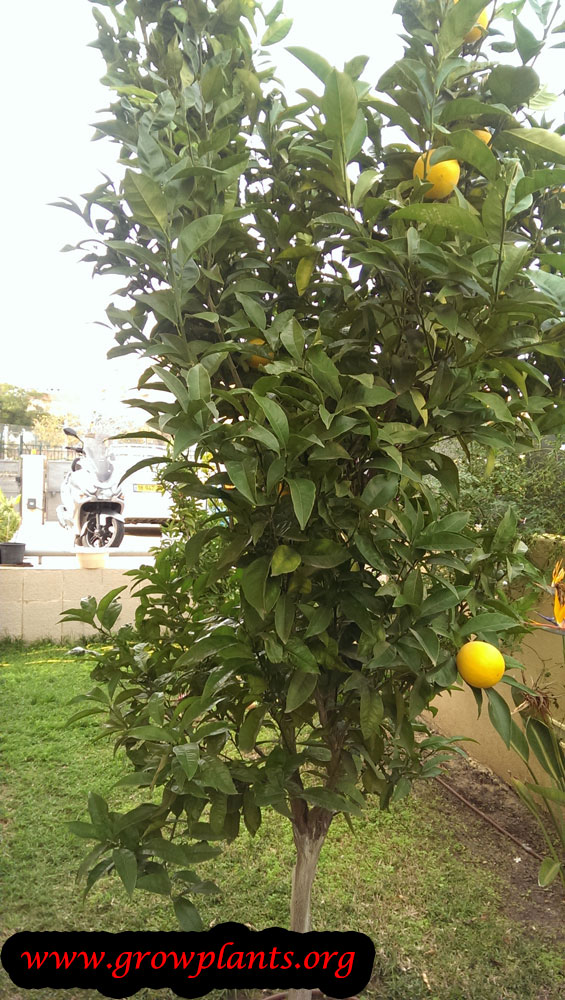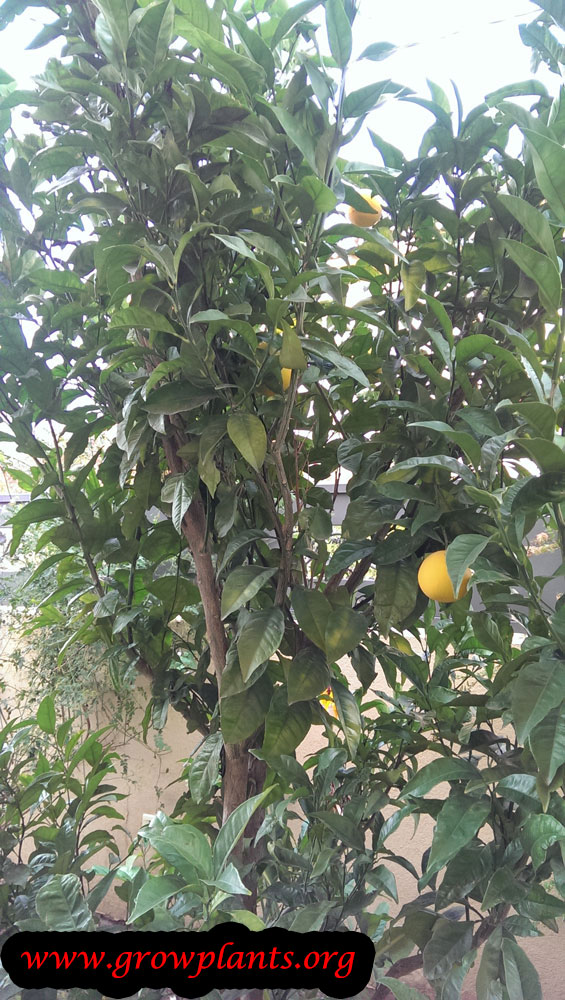
Plant Profile & Key Characteristics
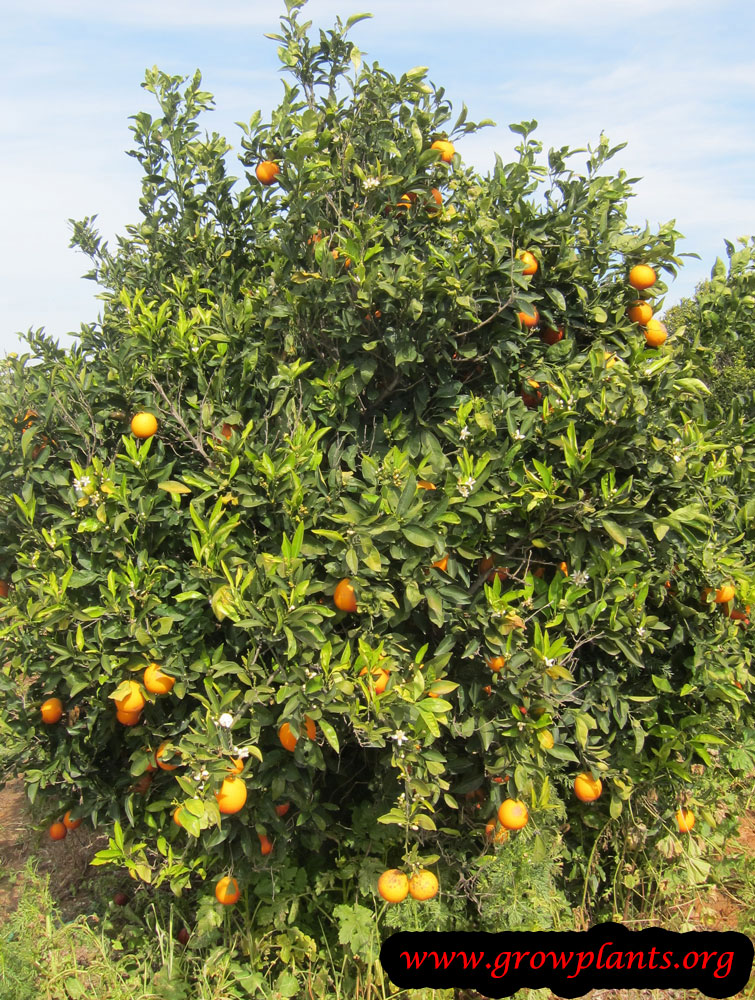
Overview: An evergreen orange tree growing 3-8 m (10-24 ft) tall, grown for its sweet, red-fleshed blood oranges. The crimson flesh colour develops in response to cool night temperatures.
Quick Specifications
| Specification | Attribute |
|---|---|
| Plant Type / Life Cycle | Perennial (tree) |
| Foliage Type | Evergreen |
| Mature Size | 3-8 m (10-24 ft) tall |
| Growth Rate | Moderate to slow |
| Toxicity | Non-toxic / edible (fruit) |
Growth Form & Structure
- Height & Spread: 3-8 m (10-24 ft); can be grown as a dwarf by a sunny window
- Growth Habit & Form: Rounded evergreen citrus tree
- Lifespan & Maturity: Long-lived; moderate to slow growth, fruiting in about 2-3 years
Anatomy & Physical Features
- Leaves & Foliage: Green, oval to elliptic leaves
- Flower Characteristics: Fragrant white flowers with yellow stamens
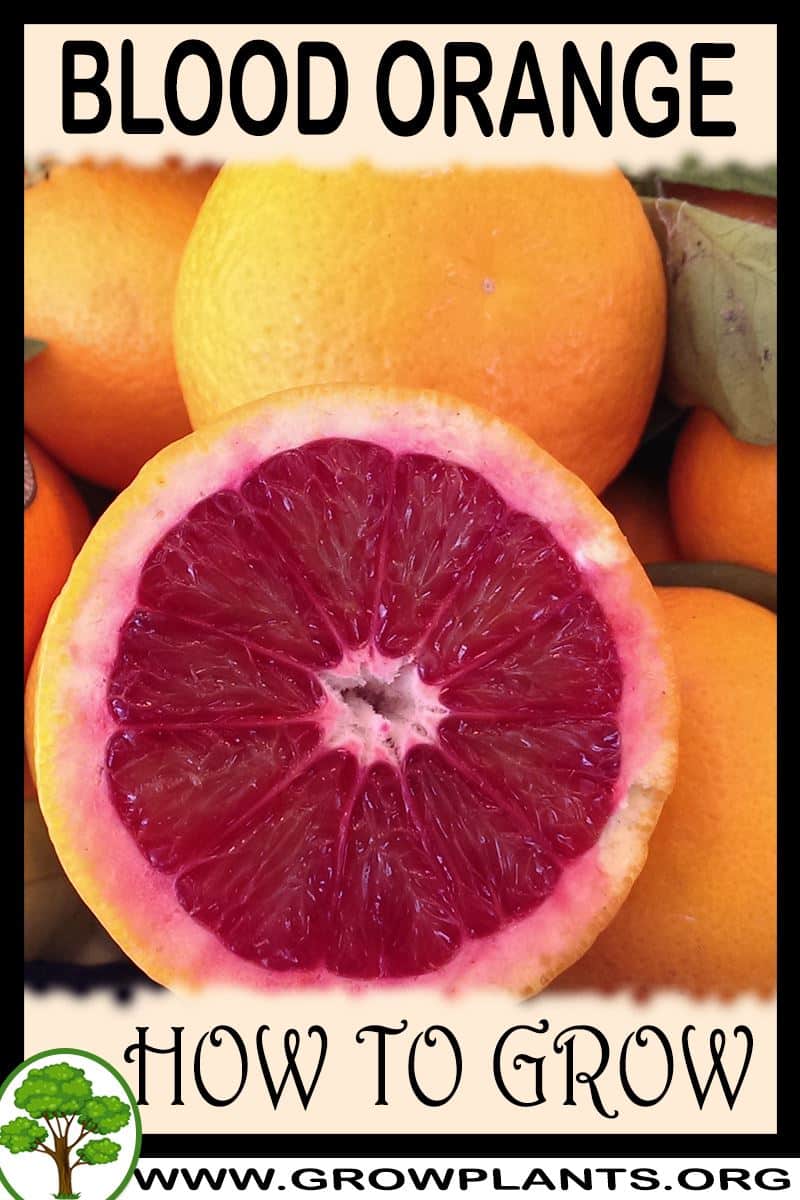
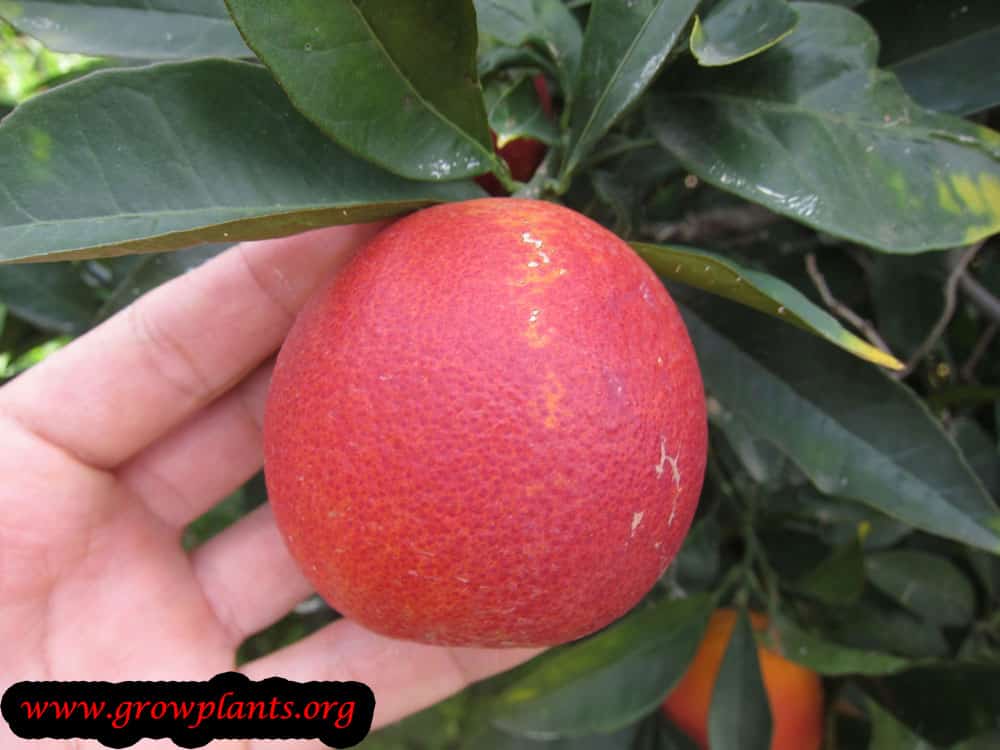
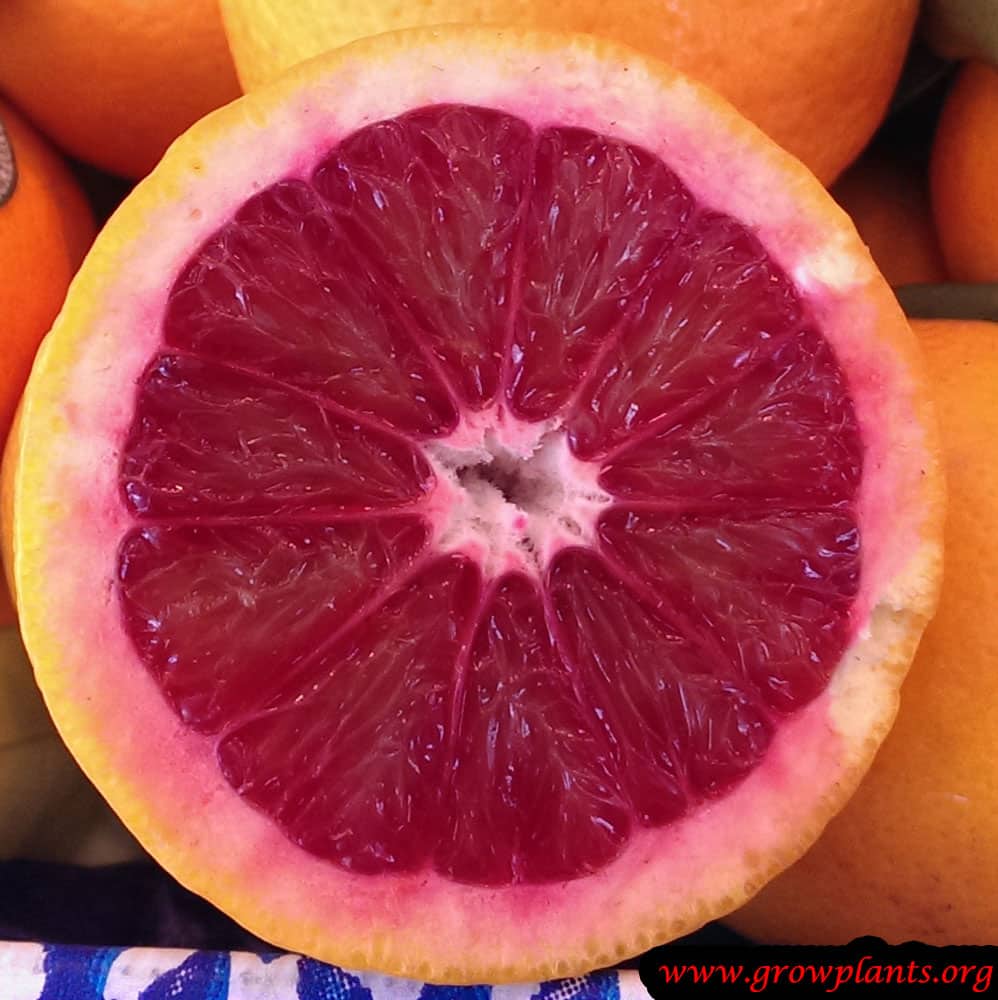
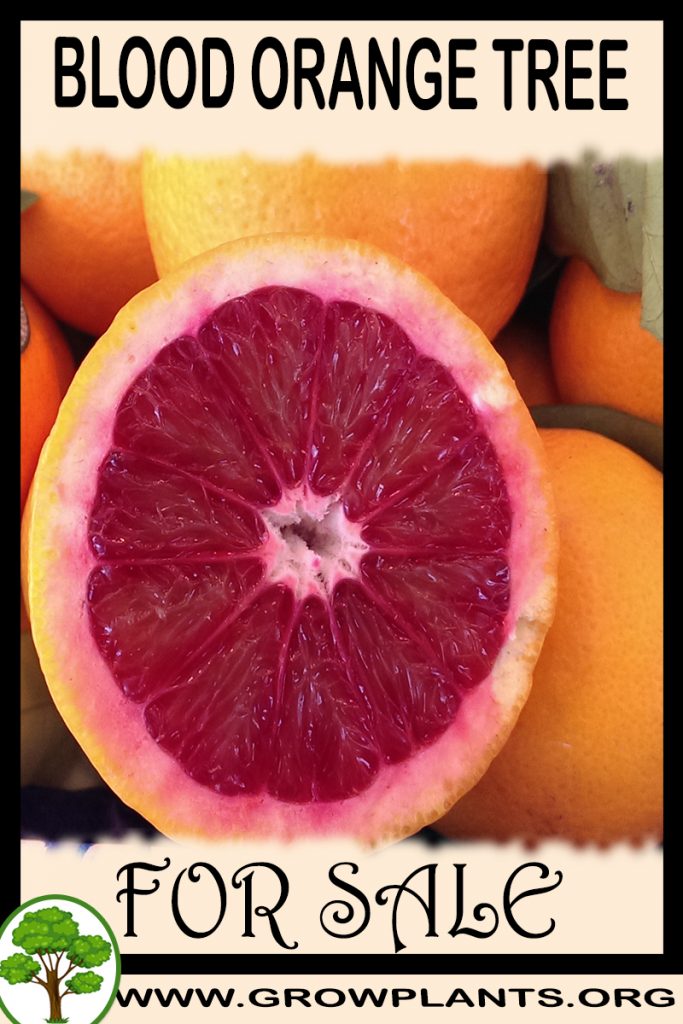
- Fruit Profile: Rounded fruit ~5-7 cm with a red-blushed rind and sweet-tart, deep red flesh
Primary Uses & Landscape Value
- Edible Uses: Eaten fresh and juiced
- Functional & Ornamental Roles: Ornamental and container/dwarf citrus
Care Guide: Planting, Soil & Watering
Overview: The blood orange is a subtropical to mediterranean evergreen citrus that grows best in full sun and deep, well-draining loamy soil enriched with organic matter. It wants steady, even moisture – more while the fruit are swelling – but sharp drainage, because citrus roots rot in soggy ground.
Quick Care Requirements
| Requirement | Ideal Condition |
|---|---|
| Planting Season | Warm season – spring in cooler zones, spring or autumn in mild zones, year-round in frost-free zones (11+) |
| Growth Rate | Slow to Moderate |
| Soil Type | Deep, well-draining, loamy, organic-rich |
| Soil pH | 6.0–7.0 (slightly acidic to neutral) |
| Water Need | Moderate – keep evenly moist in the fruiting season, letting the surface dry between waterings |
Planting & Establishment
- Best Planting Season: Plant in the warm season: spring–summer in zone 9–10a, and spring or autumn in 10b–11a. Avoid planting during extreme heat or cold, which can stress or even kill a young tree.
- How to Plant:
- Hole Preparation: Dig a hole as deep as the current root ball plus an extra 20–40% in width.
- Soil Amendments: Mix organic matter, humus or compost and dried leaves into the backfill; after planting, mulch to keep the soil moist. Where the summer sun is harsh, whitewash the exposed trunk to prevent sunscald.
- Planting Depth: Loosen the root ball a little and set the tree so the root collar and the graft union sit at or just above the surrounding soil level – never bury the trunk. Firm the soil gently so the tree is stable but not compacted, and stake it with a cane if it is not steady.
- Growth Speed & Expectations: A slow-to-moderate grower; a grafted tree typically begins bearing in about 2–3 years.
Soil, Watering & Drainage Care
- Soil Mix & Drainage Needs: Sharp drainage is essential – citrus will not tolerate wet feet. In the ground, plant in loamy, organic-rich soil; in containers use a free-draining potting mix (peat-based with perlite or a little lava grit) with plenty of drainage holes, and never let water stand in the saucer beyond the same day.
- Watering Schedule & Technique:
- Young / Newly Planted: For the first two weeks water every day, preferably in the morning, to settle the roots and keep the soil evenly moist.
- Established: Water deeply, then let the top few centimetres of soil dry before watering again; keep the soil evenly moist through the fruiting season so the fruit do not dry out or split.
- Seasonal Adjustments: Increase watering in hot, dry weather and while the fruit are swelling; cut back in cool, wet winter conditions to avoid waterlogging.
Climate, Light & Hardiness
Blood orange is a subtropical-to-Mediterranean citrus tree whose distinctive red fruit color depends on cool nights, needing a warm climate with only mild, brief cold. It thrives in full sun, which also improves fruiting, and has only moderate cold hardiness even once mature.
Quick Climate Specifications
| Climate Zones | Subtropical, Mediterranean |
|---|---|
| USDA Hardiness Zones | 9–10, and 11a with the right care |
| Frost Tolerance | Low |
| Light Conditions | Full Sun |
Sunlight & Light Exposure
Optimal Light Setup
Full sun gives the best growth and fruiting; the tree can be grown in half shade with proper care but will bear noticeably fewer fruits.
Shade & Heat Management
Like other citrus, blood orange handles hot summer sun well; where the trunk is heavily exposed, whitewashing with lime paint can prevent sun damage to the bark.
Temperature Extremes & Hardiness
USDA Hardiness & Regional Limits
Blood orange is rated for USDA zones 9–10, and can be grown with attentive care in zone 11a. Cold tolerance varies by cultivar, plant age, exposure duration, and conditions, as is typical for citrus.
Cold Damage & Winter Protection
Young trees are especially sensitive to citrus leaf miner and general cold stress; without enough cool nights in autumn and winter, the fruit still develops but stays orange rather than turning the characteristic deep red, and overall fruit flavor is also shaped by these seasonal temperatures.
Frost Sensitivity
Frost tolerance is low; this variety needs mild winters with cool but non-freezing nights, since a hard freeze threatens the tree while the cool-night effect is what produces its signature red color.
Wind, Humidity & Microclimate
Rainfall & Seasonal Moisture
Fruit development depends partly on the local rainy season; if seasonal rains are delayed, extra irrigation helps prevent the fruit from drying out or splitting.
Microclimate Recommendations
A site with cool autumn and winter nights but no hard freeze is ideal for both tree health and the deep red fruit color blood orange is grown for.
Growing in Pots, Balconies & Indoors
The blood orange (Citrus x sinensis) is a 3-8 m (10-24 ft) evergreen citrus – too large for a windowsill at full size, but an excellent container and patio tree while young or grown as a grafted dwarf. The grower doesn’t class it as a room houseplant: indoor light is usually too weak for good fruiting, though a very sunny window can carry a dwarf tree.
Quick Details
- Container Size: Don’t overpot – start close to the root-ball size and step up every few years; grow a grafted dwarf to keep it manageable.
- Indoor Suitability: Not a deep-room houseplant; a grafted dwarf can grow and slowly fruit at a very sunny window.
- Best Spot: Full sun – a bright patio, balcony, or the sunniest window; half shade is tolerated but gives fewer fruits.
- Soil & Drainage: Free-draining, aerated mix (potting soil, or peat/coir with perlite); never leave the pot standing in water.
- Watering in Pots: Keep evenly moist and water more through the fruiting period so fruit doesn’t dry or split; pots dry fast, but avoid waterlogging.
Indoors & On the Windowsill
- Houseplant reality: The grower doesn’t rate it a room houseplant – indoor light is usually too weak for good fruiting.
- Windowsill growing: Grow a grafted dwarf at the brightest, sunniest window, away from heaters and air vents; expect fruit to take longer than outdoors.
- Overwintering: In cold-winter areas a potted tree can spend winter in a bright, cool but frost-free spot indoors and return outside once frost has passed – a main reason to keep citrus potted.
- Safety: Citrus foliage and peel oils can mildly upset cats and dogs, and stems may be thorny – keep pets from chewing the plant. The ripe fruit itself is edible.
On a Balcony or Patio
- Light & warmth: Give it the sunniest, most sheltered spot; walls and paving reflect heat and dry pots fast, so check moisture often in hot weather, and shelter young trees from strong wind.
- Practicalities: Use a stable pot heavy enough not to topple, and let drainage water escape freely.
Choosing the Pot, Soil & Long-Term Care
- Pot & drainage: Strong drainage holes are essential; skip a standing saucer of water to prevent root rot. Terracotta breathes and dries faster; glazed or plastic holds moisture longer.
- Potting mix: Well-aerated – potting soil, or peat/coir with perlite or vermiculite.
- Feeding: Potted citrus need feeding more often than ground trees as nutrients leach with each watering; use a citrus feed through the growing season.
- Repotting: Refresh the mix and pot up every few years – the grower advises against leaving old, spent soil in the pot; keep a dwarf in shape with light root and top pruning.
Fertilizing & Feeding
A moderate, steady feeder – because this slower-growing tree develops its deep fruit color and juiciness gradually, consistent light feeding through the season serves it better than any single heavy application.
Quick Fertilizing Specs
| Feeding Level | Moderate |
|---|---|
| young_feeding | Nitrogen-forward to build a solid branch framework early on |
| mature_feeding | Balanced, shifting toward potassium as fruit develops and ripens |
| Main Nutrient Priority | Steady, balanced citrus feeding that supports fruit quality over rapid growth |
| Best Feeding Period | Active growing season, easing off before the coolest months |
| Soil pH | Prefers well-drained, near-neutral soil; alkaline soil raises the risk of iron chlorosis |
| Reduce/Stop Feeding | Taper off well before cool weather so the tree isn’t carrying tender growth into the cold |
| Organic Options | Compost, humus, and mulch worked into the root zone alongside citrus fertilizer |
| Micronutrients | A complete citrus fertilizer supplying iron, manganese, and zinc supports healthy foliage color |
Feeding by Growth Stage
Newly planted
Help a newly planted blood orange root in before it is asked to grow or fruit.
| Nutrient direction | Keep feeding minimal right after planting; let the tree prioritize new roots over top growth. |
|---|---|
| Timing | At planting and through the first period of root establishment. |
| Frequency | Skip fertilizer at planting itself; begin light feeding only after new growth appears. |
| Fertilizer types | Organic matter and humus mixed into the planting hole, A light, balanced citrus fertilizer once the tree shows it has rooted in |
| Precautions | A freshly planted, unrooted tree is easily stressed by fertilizer; prioritize watering and mulch over feeding at this stage. |
Young, non-bearing tree
Build a well-branched canopy over what tends to be a somewhat slower establishment period for this variety.
| Nutrient direction | A nitrogen-forward feed to encourage steady, even canopy development. |
|---|---|
| Timing | Through the growing season during the tree’s early, non-bearing years. |
| Frequency | Feed lightly and consistently through the growing season, tapering as growth slows in cooler months. |
| Fertilizer types | A nitrogen-forward citrus fertilizer applied through the growing season, Compost or organic matter to build long-term soil fertility |
| Routine trace nutrients | iron, manganese, zinc |
| Precautions | Keep new growth flushes moderate rather than forced, since soft new growth is especially vulnerable to citrus leaf miner while the tree is young. |
Established tree approaching bearing age
Shift the tree’s energy toward the flowering and fruit set that precede its first real harvest.
| Nutrient direction | Move to a balanced feed rather than staying nitrogen-heavy as the tree nears bearing age. |
|---|---|
| Timing | As the canopy fills in and the tree approaches its first bloom and fruit set. |
| Frequency | Continue light, regular feeding through the growing season as the tree settles into a bearing pattern. |
| Fertilizer types | A balanced citrus fertilizer through the growing season, Mulch and organic matter to maintain steady root-zone fertility |
| Routine trace nutrients | iron, manganese, zinc |
| Precautions | Watch foliage color closely, since iron chlorosis can show up as the tree’s nutrient demand increases heading into bearing. |
Mature, fruit-bearing tree
Support the steady fruit development and ripening this variety is prized for, rather than pushing extra vegetative growth.
| Nutrient direction | A balanced feed shifting toward potassium as fruit sizes up and ripens, favoring fruit quality over new growth. |
|---|---|
| Timing | Through the growing season, with attention around bloom and through fruit development. |
| Frequency | Feed lightly through the growing season and stop well ahead of the coolest, ripening months. |
| Fertilizer types | A balanced-to-potassium-leaning citrus fertilizer through the growing and fruiting season, Steady mulch and organic matter around the root zone |
| Routine trace nutrients | iron, manganese, zinc |
| Precautions | Avoid heavy late-season nitrogen, which can push soft new growth right as the tree should be focusing on ripening fruit. |
Nutrient Deficiency Signs & Corrections
New leaves turning yellow between dark green veins
| Possible causes | Iron becoming unavailable in alkaline or high-pH soil, Poor drainage limiting root uptake of iron, Root stress from recent transplanting or soil compaction |
|---|---|
| Appears first on | Newest leaves and shoot tips |
| What to check | Soil pH, particularly in alkaline or limestone-influenced soil, How freely water drains through the root zone, Whether roots were recently disturbed or compacted |
| Possible correction | Correct soil pH and drainage first; if chlorosis persists, apply a chelated iron product per its label. |
Fruit staying small or slow to size up through the season
| Possible causes | Insufficient potassium during fruit development, Irregular watering causing stress swings during fruiting, A crop load heavier than the tree’s current size can properly support |
|---|---|
| Appears first on | Developing fruit across the canopy |
| What to check | Consistency of watering through the fruiting season, Overall fruit load relative to canopy size, Whether potassium has been part of the recent feeding program |
| Possible correction | Stabilize watering and consider thinning a heavy crop before increasing potassium feeding. |
Good bloom but disappointing fruit set, with many flowers dropping unformed
| Possible causes | Boron deficiency reducing pollen viability, Cool, wet, or otherwise poor conditions during bloom limiting pollination, Water stress right around flowering |
|---|---|
| Appears first on | Flowers and newly set fruit |
| What to check | Weather and pollinator activity during the bloom window, Watering consistency leading up to and through bloom, Whether boron has been part of the feeding history |
| Possible correction | Address watering and pollination conditions first; use a boron-containing citrus product only where deficiency is confirmed, following its label carefully. |
Pruning, Training & Seasonal Maintenance
Blood orange tolerates only light, structural pruning, and because it grows medium-to-slow (slower than many other citrus), it recovers more slowly from heavy cuts than faster-growing types – so pruning should stay conservative. The safest window is late winter into the very start of spring, before the new flush, and the goals are removing dead/crossing wood and controlling density rather than shaping a fixed form. The tree’s signature red pigmentation is driven mainly by cool night temperatures during ripening rather than by how it is pruned, so canopy thinning has little direct effect on fruit colour.
Quick Pruning & Maintenance Specs
| Pruning Tolerance | Low–Moderate – light structural work only, conservative given its slower regrowth |
| Primary Pruning Window | End of winter, beginning of spring |
| Typical Frequency | Annual light maintenance |
| Main Objective | Remove dead/crossing/dense wood without slowing an already medium-to-slow grower |
| Young Plant Priority | Build an open framework; avoid heavy cuts during the 2–3 year wait to first fruit |
| Mature Plant Priority | Annual dead/cross/density cleanup; sucker removal below the graft |
| Best Tool Type | Bypass secateurs and loppers routinely; pruning saw or pole pruner for larger trees toward this species’ 8 m upper size |
| Avoid Heavy Pruning During | Flowering/fruit set, and periods of water stress (this species is prone to fruit cracking/"exploding" if watering is irregular in the fruiting season) |
Pruning by Plant Age & Size
Newly Established
Minimal – remove only damaged growth from transplanting; avoid heading back, which would further delay the 2–3 year wait to first fruit.
Young / Formative
Open-center framework – select well-spaced scaffold branches and remove competing leaders while the tree is still small (this species tops out at roughly 3–8 m, somewhat smaller than other citrus in this group).
Mature / Established
Light annual cleanup of dead, crossing and overly dense wood, plus removal of any rootstock suckers below the graft union, since this tree is grown grafted for fruit quality.
Flowering & Fruiting Wood
Flowers and fruits on the current season’s growth flushes, so pruning right after harvest and before spring flowering avoids removing developing flower buds; because this variety grows more slowly than many other citrus, over-pruning costs it proportionally more time to rebuild fruiting wood.
Structural Pruning & Training
Thin crossing/rubbing branches and keep the canopy open enough for light penetration, which supports even ripening; occasional removal of a branch that has grown directly into a fruit cluster prevents rub damage on the thin-skinned fruit.
Special Growth to Remove
- Rootstock suckers below the graft union.
- Dead and crossing branches.
- Watersprouts shading the interior canopy.
- Branches rubbing against developing fruit.
Container & Small-Space Pruning
Suitable as a dwarf tree or bonsai in a container, which also delays fruiting further compared with an in-ground tree; expect to prune more frequently but lightly to balance canopy against the restricted root zone, and refresh part of the potting soil every few years.
Tools
Bypass secateurs for young growth, loppers for thicker branches, a pruning saw for structural limbs on a mature tree, and a pole pruner for taller specimens toward this species’ upper size range.
Tool Hygiene & Disease Risk
Increased – the same citrus disease pressures apply here (gummosis, foot rot, black spot, Alternaria), so disinfect blades between cuts on diseased wood and avoid pruning in wet weather.
Cut Placement & Technique
Use thinning cuts back to a lateral or the trunk collar rather than stubs or flush cuts; where thinning newly exposes the trunk to strong sun, whitewashing helps prevent sunscald, as recommended for this species.
Heavy Pruning & Rejuvenation
Not recommended as routine practice given this tree’s slower regrowth – a hard rejuvenation cut costs more lost fruiting time here than on a faster citrus. If genuinely needed on a badly overgrown tree, spread the work over two or more seasons.
Post-Pruning Care
Keep watering consistent afterward, particularly into the fruiting season – irregular watering is linked to fruit cracking in this species; watch new growth for citrus leaf miner, especially on young trees.
Common Pruning Mistakes
- Pruning as hard or as often as a faster-growing citrus, which this slower variety cannot recover from as quickly.
- Cutting during bloom or fruit set and losing the coming crop.
- Leaving rootstock suckers to compete with the fruiting cultivar.
When NOT to Prune
Avoid pruning during flowering/fruit set, in the tree’s first 1–2 establishment years, and during periods of water stress given this variety’s tendency to crack fruit under irregular watering.
Pruning Troubleshooting
| Problem | Possible Cause | What to Check | Corrective Action |
| Reduced fruit colour | Mistaking a climate effect for a pruning one | Night temperatures during ripening, not pruning history | Manage expectations – colour depends on cool nights, not canopy thinning |
| Slow recovery after pruning | Cutting as hard as a faster-growing citrus | Amount removed relative to this variety’s medium-to-slow growth | Prune lighter and less often; spread larger jobs over seasons |
| Cracked/split fruit | Irregular watering, not a pruning fault | Watering consistency through the fruiting season | Stabilise irrigation; avoid pruning-driven root/canopy imbalance during fruit set |
| Dieback near cuts | Disease entry via pruning wounds | Tool sanitation, wet-weather pruning | Disinfect tools; remove affected wood back to clean tissue |
Recommended Tools (by task)
- bypass_secateurs – routine dead/cross/sucker removal.
- loppers – thicker branches.
- pruning_saw – structural limbs on a mature tree.
- pole_pruner – reaching upper canopy on taller specimens (toward this species’ 8 m upper range).
Propagation Guide
Blood orange can be grown from seed, but the site is clear that grafting or cutting-propagated stock is necessary to guarantee reliable, high-quality fruit with known size, sweetness, and seed characteristics, since seedling trees vary in these traits and won’t reliably reproduce the deep red coloring. Cuttings and air layering give a true copy of the parent quickly, while grafting onto a suitable rootstock is the standard commercial approach; overall difficulty ranges from Easy (seed) to Moderate/Specialist (grafting, for growers without prior experience).
Quick Propagation Specs
| Best Propagation Method | Grafting/budding onto rootstock, or rooted cuttings |
| Alternative Methods | Seed; air layering |
| Propagation Difficulty | Easy (seed); Moderate (cuttings); Moderate to Specialist (grafting) |
| Seed True-to-Type | Variable – citrus seed is often polyembryonic and can produce nucellar seedlings resembling the mother plant alongside true hybrid seedlings, but named fruit qualities (including the red pigmentation) are not guaranteed |
| Vegetative True-to-Type | Yes (cuttings, air layering, and grafted scion wood reproduce the parent’s fruit exactly) |
| Best Propagation Season | Sowing: spring to early summer, possibly summer to autumn; cuttings: warm season with bottom heat available |
| Seed Germination Time | 2–4 weeks, but can take longer |
| Germination Temperature | 20–27°C (68–81°F) |
| Seed Sowing Depth | 2 cm (1 inch) |
Growing from Seed
Seed Handling & Viability
Store seed dry, in a dark location at room temperature until sowing.
Sowing Season
Spring to early summer; also possible from summer into autumn.
Sowing Depth & Orientation
Sow about 2 cm (1 inch) deep in soil kept moist, covering the seed lightly.
Germination Conditions
Keep the soil consistently moist (never let it dry out) in rich soil and a sunny location, at 20–27°C (68–81°F); water seedlings with an average amount of water.
Germination Time
2–4 weeks, though it can take longer.
Seedling Care
For separate-pot sowing use individual containers; direct field spacing is about 3×4 m (10×13 ft), while nursery transplant spacing is about 5×5 cm (2×2 in). Young seedlings are very sensitive to citrus leaf miner — if leaf miner is present nearby, protect seedlings in a greenhouse or indoors, and mulch the soil around them.
Stem Cuttings
Cutting Type
Semi-hardwood stem cuttings.
Cutting Preparation
Use a sterilized knife and sterilized soil (the site notes microwaving the soil) to reduce disease risk before taking and setting cuttings.
Rooting Setup
Root in a medium that holds moisture well — peat soil, coconut coir, or peat moss — kept consistently moist (never allowed to dry out), at 25–28°C (77–82°F) or slightly higher, with high humidity maintained around the cutting, ideally fog-like moisture in the air.
Rooting Hormone
Beneficial — the site recommends using a root growth hormone for this species.
Grafting & Budding
Why Grafting Is Used
The site states grafting or cutting propagation is necessary to ensure the tree actually bears fruit and to guarantee its quality — size, taste (sweet, sour, or in between), juiciness, seed content, and fruiting season all vary by cultivar and are only reliably preserved through grafted or cutting-grown stock; the red blood-orange coloring itself depends on the cultivar and cool night temperatures, not seed origin. Grafting more than one cultivar (or more than one citrus type) onto a tree is also noted as a good option.
Rootstock
The rootstock/base is chosen for traits separate from the fruit itself: disease resistance, adaptability to different soils, drought resistance, and compatibility with grafting the desired cultivar.
Scion Selection
Choose scion wood from a tree with the known, desired fruit qualities (size, sweetness/sourness balance, juiciness, seededness, fruiting season, and reliable red coloring), since these traits are cultivar-specific and not reliably reproduced from seed.
Best Grafting Season
Typically done during the tree’s active growth period in the warmer months, when bark slips easily for budding; avoid grafting during cold spells given this species’ sensitivity to temperature extremes noted for young trees.
Graft Aftercare
Young grafted trees remain very sensitive to citrus leaf miner, so protect new growth and mulch the root zone as recommended for seedlings.
Air & Ground Layering
Air layering is listed by the site as a valid way to start this plant. In general practice for citrus, a section of healthy, semi-hardwood branch is wounded or girdled, surrounded with moist sphagnum moss, and wrapped to retain humidity; rooting is typically slow, taking a few months, after which the rooted layer can be severed and potted on. This gives a true copy of the parent tree, including its red fruit coloring, without the sterilization and humidity setup a cutting requires.
Bloom & Edible Flower Guide
Quick Details
- Bloom Season: Late winter into spring
- Time to First Bloom: A grafted tree usually flowers within its first few years
- Flower Appearance: Fragrant white flowers with yellow stamens
- Edibility: The fragrant white orange blossoms are edible and aromatic, used for orange-blossom water and to flavour teas and syrups
Detailed Blooming Overview
Blood orange is a sweet orange, and like its kin it opens sweetly scented white blossoms with yellow stamens in late winter and spring. The perfume is the familiar orange blossom. Sweet oranges are largely self-fertile, so a single tree flowers and sets fruit on its own, with bees helping the process along.
Flower Characteristics
- White flowers with yellow stamens.
- Sweetly and richly fragrant.
Bloom Care & Thinning
- Pollination: Pollinated by bees and largely self-fertile, so it fruits reliably on its own.
Bloom Health & Protection
- Aphids and thrips: These can gather on the tender buds and new growth; a strong jet of water, insecticidal soap or neem oil keeps them down. Avoid spraying open blossoms so visiting bees are not harmed.
Fruit & Uses
Blood orange is grown for its fruit, eaten fresh, juiced, or processed, with flavour ranging from sweet to sour depending on the cultivar and climate. The rind is also edible and used for its flavour and fragrance.
Quick Edible Specs
| Edible Parts | Fruit pulp and rind |
|---|---|
| Main Use(s) | Culinary – eating, mostly juicing, marmalade/fruit leather, candied (“sugary”) rind, and rind used as flavouring/fragrance |
| Eaten Raw or Cooked | Both – fresh/juiced raw, or cooked into marmalade, fruit leather and candied rind |
| Preparation Required | None to eat fresh or juice; peel and segment like other citrus; cook for marmalade/leather/candied rind |
| Harvest Season | Autumn / Winter |
| Time to First Harvest | A few years after planting (see Propagation/Growing for the typical bearing-age range) |
| Storage | Can be picked slightly before full ripeness and left to ripen further indoors |
| Safety/Toxicity Caveat | None; flavour and depth of red colour vary naturally with night temperatures and are not a safety concern |
Fruit
Fruits are about 5–7 cm, mostly red, occasionally with some orange colouring. Inside, the fruit is divided into segments, each covered by a soft thin layer around the pulp (small juice-filled cones under a thinner membrane). Flavour ranges from sweet to sour or in between, and is mostly used for juice. The rind is orange or red-orange and edible, sometimes slightly bitter, and valued for flavour and fragrance. Notably, the deep red colouring specifically develops in response to cool night temperatures – without cold nights the fruit ripens but stays orange; overall taste is likewise shaped by autumn and winter temperatures.
Harvesting
Fruit is ready in autumn/winter and is picked by hand (occasionally trimming back branches that have grown into the fruiting area – see Pruning). If needed, fruit can be picked a little early and left to finish ripening indoors.
Preparation, Uses & Safety
The pulp is eaten fresh or, most commonly, juiced. It is also processed into marmalade-style preserves, fruit leather, or candied (“sugary”) rind. The rind itself is edible and used as a fragrant flavouring in cooking and confectionery. No specific toxicity applies to the fruit or rind.
Pests, Diseases & Troubleshooting
Overview: All citrus share a well-known pest and disease profile dominated by sap-suckers (scale, mealybugs, aphids, whitefly, mites), the leaf-mining citrus leafminer, and the psyllid that spreads the incurable greening disease, plus fungal gummosis and root rot and the bacterial canker and greening. Healthy trees on good drainage, with clean sanitation, airflow and encouragement of natural enemies, shrug off most problems; prevention and quarantine awareness matter most for the serious diseases.
Quick Troubleshooting Overview
| Issue / Pest | Main Symptom | Primary Solution |
|---|---|---|
| Citrus leafminer | Silvery serpentine mines, curled new leaves | Protect flush, prune less, oil, parasitoids |
| Scale & mealybugs | Bumps/cottony masses, honeydew, sooty mould | Horticultural oil, ant control, beneficials |
| Aphids & whitefly | Curled tips, honeydew, virus spread | Water jet, soap/oil, conserve parasitoids |
| Citrus red/rust mite | Stippling, bronzed rinds and leaves | Hose foliage, oil, predatory mites |
| Asian citrus psyllid | Twisted new growth; spreads greening (HLB) | Monitor, remove infected trees, control psyllid |
| Gummosis / root rot | Bark oozing gum, dieback, root decay | Drainage, keep trunk dry, phosphonate |
Common Pests & Management
- Citrus leafminer (Phyllocnistis citrella):
- Symptoms: Silvery, winding serpentine mines in tender new leaves with a fine dark line inside; leaves curl, twist and are stunted, and mines on shoots can open the door to citrus canker. Young trees and repeated flush are worst hit.
- Prevention & Control: Protect and synchronise new flush, avoid excess nitrogen and needless pruning that triggers off-season flush, and let established trees carry mild damage – they tolerate it well. Conserve the parasitic wasps that attack it, and coat new flush with horticultural or neem oil to deter egg-laying; time oil for the evening.
- Scale insects (Aonidiella aurantii (red scale), Coccus spp., Icerya purchasi (cottony cushion)):
- Symptoms: Fixed brown, red or waxy bumps, or the fluted white ‘cottony cushion’ bodies, on leaves, twigs and fruit; sticky honeydew and black sooty mould, with yellow spotting and dieback under heavy pressure.
- Prevention & Control: Prune out and destroy encrusted wood, open the canopy for airflow, and control the ants that farm scale so beneficials can work. Conserve parasitic wasps and the vedalia beetle (for cottony cushion scale). Horticultural oil smothers crawlers – cover thoroughly and repeat.
- Mealybugs and aphids (Planococcus citri; Aphis spp., Toxoptera aurantii (black citrus aphid)):
- Symptoms: Mealybugs form white cottony clusters in leaf axils and on fruit; aphids swarm tender flush, curling and distorting new leaves. Both drop honeydew and grow sooty mould, and aphids can spread citrus tristeza virus.
- Prevention & Control: Hose off colonies, control tending ants, and conserve ladybirds, lacewings and parasitic wasps. Treat hot-spots with insecticidal soap or horticultural oil on the undersides and flush; avoid heavy nitrogen that fuels soft growth.
- Citrus whitefly and mites (Dialeurodes citri; Panonychus citri (red mite), Phyllocoptruta oleivora (rust mite)):
- Symptoms: Whiteflies rise in white clouds and coat leaves in honeydew and sooty mould; spider mites cause stippling and leaf bronzing, while the citrus rust mite bronzes and russets the rind, downgrading fruit.
- Prevention & Control: Hang yellow sticky traps for whitefly and conserve their parasitic wasps; for mites, hose foliage, avoid dust and drought stress, and conserve predatory mites. Horticultural oil controls both whitefly and mites – treat undersides and rinds, avoiding broad-spectrum insecticides that flare mites.
- Asian citrus psyllid (Diaphorina citri):
- Symptoms: Tiny aphid-like insects feeding at a jaunty angle on new flush, with waxy tubules and twisted, notched young leaves; critically, the psyllid transmits Huanglongbing (citrus greening), the most destructive citrus disease.
- Prevention & Control: Monitor new flush closely, especially in regions where greening occurs. Conserve the psyllid’s parasitoid (Tamarixia) and predators, protect young flush, and remove and destroy any tree confirmed with greening. Follow local quarantine guidance – this vector is why greening spreads.
- Fruit flies (Ceratitis capitata, Bactrocera spp.):
- Symptoms: Females sting ripening fruit; maggots tunnel the flesh, which softens, discolours and drops. A major issue where these flies are established.
- Prevention & Control: Hang lure or protein-bait traps, bag choice fruit, and – most importantly – collect and destroy all fallen and infested fruit to break the cycle. Harvest promptly and observe local fruit-fly quarantine rules.
Diseases & Fungal Issues
- Phytophthora gummosis, foot & root rot (Phytophthora nicotianae, P. citrophthora):
- Symptoms: Oozing gum and dark, sunken, cracked bark at the trunk base and crown (foot rot/gummosis), with bark death, yellowing canopy and dieback; below ground, root rot decays feeder roots and thins the tree.
- Treatment & Management: Prevention first: plant on well-drained soil or a mound with the graft union high and dry, keep irrigation, mulch and weeds off the trunk, and avoid waterlogging. Use resistant rootstocks. Cut away diseased bark to clean wood, and apply phosphonate (phosphorous-acid) treatments; improve drainage.
- Citrus canker (Xanthomonas citri subsp. citri):
- Symptoms: Raised, corky, brown lesions with a water-soaked, yellow halo on leaves, twigs and fruit; severe cases cause defoliation, dieback and blemished, dropping fruit. Spread by wind-driven rain and worsened by leafminer wounds.
- Treatment & Management: A regulated/quarantine disease in many regions – follow local rules and report suspected cases. Use clean stock, windbreaks, and copper protectant sprays on new flush and fruit in endemic areas, control leafminer, and remove and destroy infected material; avoid working trees when wet.
- Huanglongbing (citrus greening) (Candidatus Liberibacter asiaticus):
- Symptoms: Blotchy, asymmetric leaf mottling, yellow-shoot decline, twig dieback, and small, lopsided, bitter, poorly-coloured fruit that stay green at the bottom; the tree slowly declines and dies. Spread by the Asian citrus psyllid.
- Treatment & Management: There is no cure. Buy certified disease-free trees, control the psyllid vector rigorously, and remove and destroy infected trees promptly to protect others. Keep trees vigorous and follow area-wide/quarantine programmes where greening is present.
- Greasy spot, melanose & sooty mould (Zasmidium citri-griseum (greasy spot); Diaporthe citri (melanose); sooty mould fungi):
- Symptoms: Greasy spot makes yellow blister-like blotches and greasy brown lesions that drop leaves; melanose produces rough, sandpapery dark specks on leaves and rind; sooty mould is a black film over honeydew.
- Treatment & Management: Rake and remove fallen leaves and deadwood (melanose lives in dead twigs), improve airflow, and control honeydew-producing pests to stop sooty mould. Copper protectant sprays help against greasy spot and melanose in wet climates; keep trees vigorous.
- Citrus tristeza virus (CTV) (Citrus tristeza virus):
- Symptoms: Decline, stunting, stem pitting and, on susceptible rootstocks (notably sour orange), sudden or slow collapse; spread by aphids and infected budwood.
- Treatment & Management: Use certified virus-free budwood and CTV-tolerant rootstocks – the key controls. Manage aphid vectors, and remove severely declining trees. This is why the rootstock choice matters as much as the scion.
Growing Difficulties & Abiotic Problems
- Nutrient chlorosis (iron, zinc, manganese):
- Cause & Symptoms: Yellowing between green veins on new leaves (iron), blotchy mottling (zinc/manganese), or overall paling, common on alkaline, cold or waterlogged soils where roots cannot take up micronutrients.
- Correction Strategy: Correct soil pH toward slightly acidic, improve drainage, and apply chelated iron and a citrus micronutrient feed (foliar zinc/manganese); feed regularly through the growing season with a balanced citrus fertiliser.
- Fruit splitting and premature fruit drop:
- Cause & Symptoms: Rinds split (often at the navel end) and young fruit drops after erratic watering, sudden rain after drought, heat stress or nutrient imbalance (low potassium/calcium).
- Correction Strategy: Keep soil moisture even with mulch and regular deep watering, avoid drought-then-flood swings, and maintain balanced nutrition with adequate potassium; some natural fruit thinning is normal.
- Frost and heat damage:
- Cause & Symptoms: Frost blackens and drops leaves, damages fruit and can kill young wood; extreme heat and sun scorch leaves and sunburn exposed fruit and bark.
- Correction Strategy: Site in a warm, sheltered spot, protect young or container trees over frost with covers or by moving under shelter, and whitewash or shade exposed trunks and fruit in intense heat.
- Leaf drop and stress from overwatering, salt or transplanting:
- Cause & Symptoms: Sudden leaf yellowing and drop from soggy roots, salty soil or water, cold roots, or root disturbance; container citrus is especially prone.
- Correction Strategy: Water deeply but let the top of the soil dry between waterings, ensure sharp drainage and never leave pots in standing water, flush salts from container mixes periodically, and avoid disturbing roots.
What Helps – Products & Tools
Manage citrus mainly through drainage, sanitation, canopy airflow and conserving natural enemies. Useful products include horticultural and neem oil (leafminer flush protection, scale, mealybugs, whitefly, mites), insecticidal soap (aphids, soft scale), yellow sticky traps (whitefly), fruit-fly lure/bait traps, copper protectant fungicide (canker, greasy spot, melanose, gummosis cankers), and phosphonate (phosphorous-acid) treatments for Phytophthora gummosis and root rot. Where citrus greening or canker occur, follow local quarantine guidance. Spray oils in the evening to protect pollinators.
Frequently Asked Questions
What is a blood orange tree?
Blood orange is an evergreen citrus tree grown for its sweet-tart juice and striking crimson flesh, with the red pigment developing only where autumn and winter nights turn cold. It’s a rounded evergreen tree that typically reaches 3-8 m (10-24 ft) tall, bears fragrant white flowers with yellow stamens, and produces rounded fruit about 5-7 cm across with a red-blushed rind and sweet-tart, deep red flesh.
When is blood orange season, and when should you harvest the fruit?
Blood oranges are harvested in autumn and winter. Fruit is picked by hand once ready, and if needed it can be picked a little early and left to finish ripening indoors.
What does blood orange fruit look and taste like?
The fruit is about 5-7 cm across, mostly deep red inside (occasionally with some orange), divided into juicy segments. Flavor ranges from sweet to sour or in between, and it’s mostly used for juice. The orange or red-orange rind is also edible, sometimes slightly bitter, and valued for its flavor and fragrance.
Can you grow a blood orange tree from seed?
Yes, but seedling trees are unreliable for reproducing the same fruit quality and deep red coloring, so grafting or cutting-propagated stock is used to guarantee that. To sow seed, plant it about 2 cm (1 inch) deep in soil kept moist, at 20-27°C (68-81°F); germination takes 2-4 weeks, though it can take longer.
Why does blood orange fruit sometimes stay orange instead of turning red?
The deep red color depends on cool nights during ripening, not on anything done to the tree itself. Without enough cool autumn and winter nights, the fruit still develops but stays orange rather than turning the characteristic deep red, and overall fruit flavor is also shaped by these seasonal temperatures.