
Plant Profile & Key Characteristics
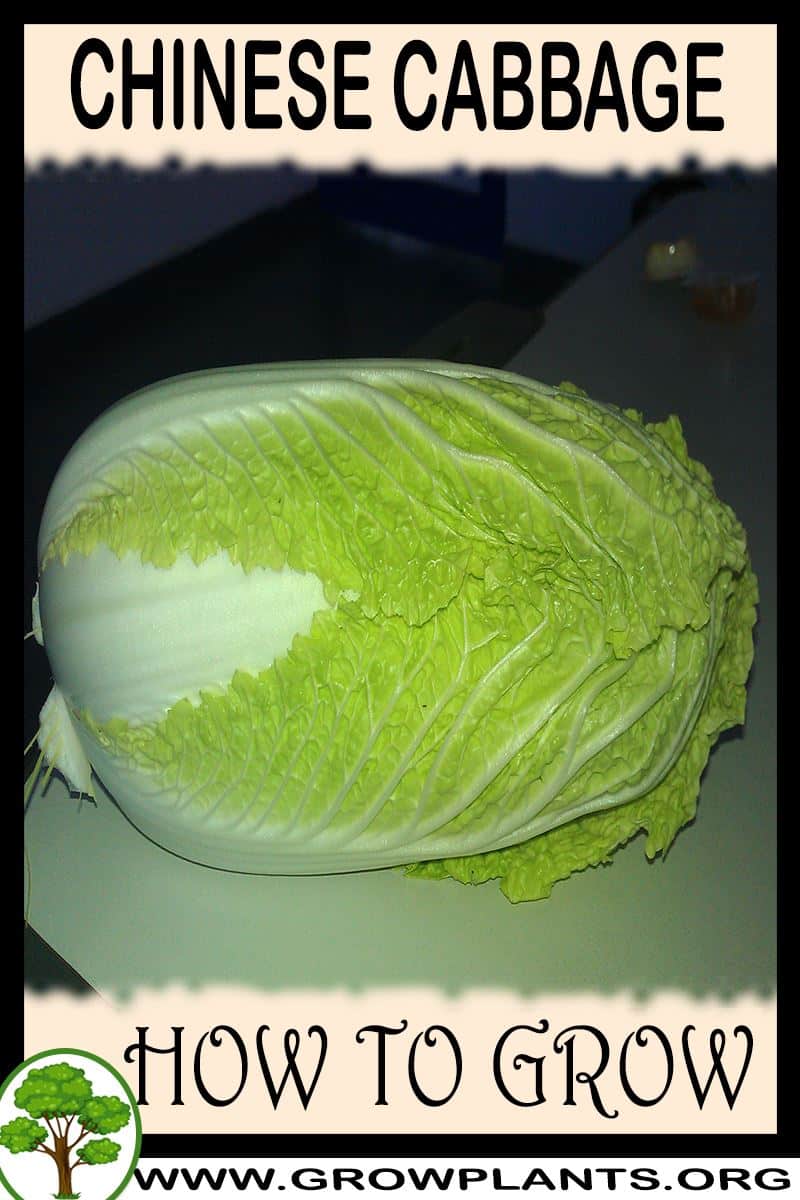
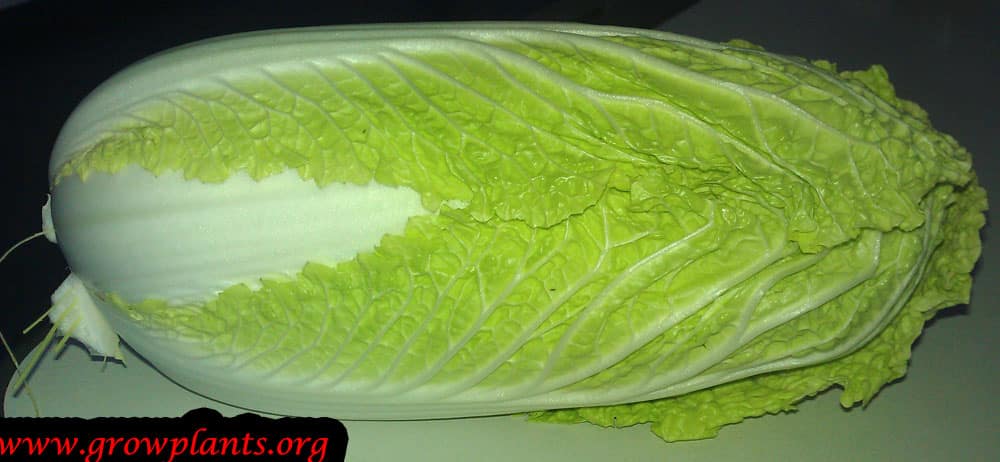
Overview: Chinese cabbage is a fast-growing leafy brassica (0.1-1 m / 4-40 in) grown as a cool-season annual, an umbrella name covering napa cabbage, bok choy, choy sum and baby pak choi. It is cultivated for its edible leaves.
Quick Specifications
| Specification | Attribute |
|---|---|
| Plant Type / Life Cycle | Annual crop (biennial for flowering) |
| Mature Size | 0.1-1 m (4-40 in) tall |
| Growth Rate | Fast |
| Toxicity | Non-toxic / edible |
| Hardiness | USDA zones 2-10a |
Growth Form & Structure
- Height & Spread: 0.1-1 m (4-40 in) tall depending on type; suits planters and containers.
- Growth Habit & Form: Leafy rosette or loose upright head, form varying by type (napa forms a tall head, bok choy an open rosette).
- Lifespan & Maturity: Single-season crop, harvested young; sensitive to heat.
Anatomy & Physical Features
- Leaves & Foliage: Leaf colour varies by type: napa bright green to white, bok choy dark green over white, choy sum green ovate on stalks.
- Flower Characteristics: Small edible yellow flowers in inflorescences, produced when bolting.
Primary Uses & Landscape Value
- Edible Uses: Leaves eaten raw in salads, cooked, stir-fried or stuffed.
- Functional & Ornamental Roles: Cool-season leafy vegetable for beds and containers.
Care Guide: Planting, Soil & Watering
Overview: Chinese cabbage is a fast, cool-season Asian brassica that grows best in full sun (or light shade where it is warm) and rich, moisture-retentive soil. The source calls for a slightly acidic, heavier soil kept steadily moist, since heat and dryness quickly turn the leaves bitter.
Quick Care Requirements
| Requirement | Ideal Condition |
|---|---|
| Planting Season | Cool season – autumn-winter in frost-free areas, spring in temperate climates |
| Growth Rate | Fast |
| Soil Type | Rich, moisture-retentive (heavier) soil high in organic matter |
| Soil pH | Slightly acidic (just below neutral) |
| Water Need | Moderate to high – keep the soil consistently moist |
Planting & Establishment
- Best Planting Season: These prize cool weather – in warm spells the leaves turn bitter and the plants bolt. In frost-free areas grow them through autumn and winter; in temperate climates plant in spring (and autumn), avoiding midsummer heat.
- How to Plant:
- Hole Preparation: For transplants, make a hole a little wider than the root ball; for direct sowing, rake the bed to a fine, crumbly tilth and thin seedlings so each plant has room to develop.
- Soil Amendments: Dig in plenty of well-rotted compost or organic matter before planting – leafy brassicas are hungry feeders that reward fertile, humus-rich ground.
- Planting Depth: Set seedlings at the same depth they grew in the tray (cabbages can go a touch deeper, up to the first true leaves) and firm gently around them without burying the growing point.
- Growth Speed & Expectations: It grows fast when cool and well fed, reaching harvest in a matter of weeks; keep it moving with steady moisture and fertile soil.
Soil, Watering & Drainage Care
- Soil Mix & Drainage Needs: These prefer a heavier, moisture-retentive but still well-draining soil enriched with organic matter; avoid ground that stays waterlogged. In containers use a quality moisture-holding potting mix.
- Watering Schedule & Technique:
- Young / Newly Planted: Water in well at planting and keep the bed consistently moist while seedlings establish – never let them wilt.
- Established: Water deeply and evenly – any check from heat or dryness makes the leaves turn bitter and the plant bolt, so keep the soil reliably moist.
- Seasonal Adjustments: Water more in warm, dry spells and ease back in cool, wet weather; a layer of mulch helps hold moisture in the soil.
Climate, Light & Hardiness
Chinese cabbage is a group of fast cool-season leafy brassicas (Napa, bok choy, choy sum and others) for temperate, cool-mediterranean and cool-subtropical gardens, grown in full sun in cool climates and partial shade in warm ones. It tolerates light frost but is sensitive to heat, which causes bolting and bitterness.
Quick Climate Specifications
| Climate Zones | Temperate, cool mediterranean and cool subtropical |
| USDA Hardiness Zones | USDA 2–10a (spring planting); 10a–11 (autumn planting) |
| Optimal Temp Range | approximately 13–20 °C (55–68 °F) |
| Cold Damage Begins | tender leaves from roughly −2 to −4 °C (28 to 25 °F) |
| Approx. Survival Minimum | hardened plants briefly to about −5 to −6 °C (23 to 21 °F) |
| Frost Tolerance | Moderate |
| Light Conditions | Full Sun (cool climate) / Half Shade (warm climate) |
| Wind Tolerance | Moderate |
Sunlight & Light Exposure
Optimal Light Setup
In cool climates give it full sun for fast, even heads and leaves; in warm climates partial or afternoon shade keeps it from bolting.
Shade & Heat Management
Heat readily triggers bolting and bitterness, so afternoon or dappled shade in warm regions and careful cool-season timing are important for tender, sweet leaves.
Best Exposure & Orientation
An open, sunny aspect suits cool climates; in warm regions an east-facing bed with afternoon shade extends the harvest.
Temperature Extremes & Hardiness
USDA Hardiness & Regional Limits
The site records a seasonal cultivation range of about USDA 2–10a for spring plantings, extending to 10a–11 for autumn plantings. This describes where Chinese cabbage can be grown as a cool-season crop: in cold-winter zones it is sown for the cool parts of the year, while in mild and frost-free zones it is grown right through autumn, winter and spring. It is fast and cold-tolerant but bolts and turns bitter in heat, so cold limits the outdoor season at one end and heat at the other - timing into cool weather matters more than a single hardiness figure.
Cold Damage & Winter Protection
Chinese cabbage is a cool-season crop that tolerates light frost but is sensitive to both extremes. Tender leaves are damaged from around −2 to −4 °C (28 to 25 °F), and hardened plants briefly survive near −5 to −6 °C (23 to 21 °F). Sudden cold on young plants can also trigger premature bolting. Cold tolerance varies by cultivar, age, hardening, and duration.
Frost Sensitivity
Frost tolerance is moderate: light frost is tolerated and can sweeten the leaves, but a hard freeze damages the succulent heads, and cold shocks can cause bolting in some types.
Extreme Heat Tolerance
Heat is the main limit - warm weather causes rapid bolting and bitter leaves - so it is grown through autumn, winter and spring in warm areas and the cool parts of the year elsewhere.
Wind, Humidity & Microclimate
Wind Tolerance
At 0.1–1 m (4–40 in) it is low to medium and generally wind-firm, though strong wind can bruise the large, tender leaves of the heading types.
Rainfall & Seasonal Moisture
Adapted to the cool, moist season, it grows best under steady cool, even moisture; hot dry weather and growth checks force bolting. This is a climate note, not an irrigation schedule.
Microclimate Recommendations
A cool, bright, even pocket with afternoon shade in warm regions gives the steady cool conditions these greens need to head or leaf well without bolting.
Growing in Pots, Balconies & Indoors
Chinese cabbage can be grown in a large, deep pot on a patio or balcony, though it needs room and a long cool season to form a solid head. The grower does not list it as an indoor houseplant; a sunny windowsill is really only useful for raising seedlings or picking baby leaves, since a full head will not firm up in a room.
Quick Details
- Container Size: A large, deep pot around 25-30 cm (10-12 in), one plant per pot
- Indoor Suitability: Not a houseplant; a bright sill suits seedlings and baby leaves, but plants must head up outdoors
- Best Spot: full sun in cool climates, part shade where summers are hot – a sunny, open balcony or patio
- Soil & Drainage: Rich, firm, well-aerated organic mix; free-draining but moisture-retentive
- Watering in Pots: Keep evenly moist – pots dry fast and uneven watering splits heads; never waterlogged
Indoors & On the Windowsill
- Houseplant limits: Not a houseplant – a heading crop needs full outdoor light and cool air to firm up; indoors it stays loose and pale.
- Windowsill use: A bright sill is fine for starting seedlings or cutting baby leaves and microgreens, but move plants outside to develop properly.
- Overwintering: Hardy types tolerate cold outdoors; over a hard winter, shelter pots in a bright, unheated spot rather than a warm room.
On a Balcony or Patio
- Light & wind: Full sun, with some relief from the fiercest afternoon heat. A big pot will not blow over, but keep exposed balconies sheltered. Reflected heat from walls and paving dries pots fast.
- Practicalities: This is a hungry crop that wants a good volume of mix – one plant per large pot – and you should mind the drainage runoff.
Choosing the Pot, Soil & Long-Term Care
- Pot & drainage: A large, deep container (roughly 25-30 cm / 10-12 in across and deep, one plant each) with strong drainage holes; no standing-water saucer. Terracotta breathes and dries faster, glazed or plastic holds moisture longer.
- Potting mix: A rich, fertile, well-aerated organic mix; brassicas like a slightly firmed medium.
- Feeding: A hungry crop in a pot – feed regularly with a balanced, nitrogen-leaning liquid feed as nutrients leach out.
- Between crops: Refresh or replace the mix each season; these are annual or biennial croppers rather than long-term pot residents.
Growing this plant in a greenhouse
A greenhouse can give chinese cabbage cold protection, a longer growing season, winter growing and a head start for propagation.
Greenhouse at a glance
| Greenhouse suitability | Good - clearly useful |
|---|---|
| Main benefits | cold protection, a longer growing season, winter growing, a head start for propagation |
| Season extension | can grow through winter |
| Outdoor protection advisable below | about -4°C |
| Suitable types | unheated greenhouse, polycarbonate greenhouse |
| Heating | No added heat is normally needed. |
Related greenhouse guides
- Greenhouses: How to Choose the Right Greenhouse
- Polycarbonate Greenhouses: What to Look for Before Buying
- Greenhouse Propagation Equipment
Fertilizing & Feeding
A hungry cool-season leaf crop that grows best in rich soil with steady, moderate feeding: lean on nitrogen while the leaves build, then balance out with potassium as the heads firm. A fertilizer formulated for tomatoes and vegetables supports that feeding pattern through harvest.
Quick Fertilizing Specs
| Feeding Level | Moderate |
|---|---|
| young_feeding | Light balanced feeding as plants establish |
| mature_feeding | Nitrogen while leaves build, balancing to potassium as heads firm |
| Main Nutrient Priority | Nitrogen for leafy growth, with balanced potassium as heads or stems firm |
| Best Feeding Period | Through the active cool-season growing period |
| Organic Options | Compost, well-rotted manure, or a balanced organic vegetable fertilizer |
| Micronutrients | Rich soil usually supplies enough; watch for boron and magnesium on light or high-pH soils |
| Soil pH | Slightly acidic to near neutral |
| Reduce/Stop Feeding | Ease off feeding as harvest nears |
Feeding by Growth Stage
Establishment after transplanting
Help young seedlings settle in and begin steady root and leaf growth.
| Nutrient direction | A balanced, complete feed to support early roots and first leaves. |
|---|---|
| Timing | From transplanting or thinning through the first stretch of growth. |
| Frequency | A light feeding as plants establish, backed by rich soil. |
| Fertilizer types | A balanced complete vegetable fertilizer, Compost or well-rotted manure worked into the bed |
| Precautions | Avoid strong fertilizer right at transplanting, which can burn tender roots. |
Leafy vegetative growth
Drive a strong, leafy frame before heads begin to form.
| Nutrient direction | Lean nitrogen-forward to push leafy growth. |
|---|---|
| Timing | During active leaf growth in the cool growing season. |
| Frequency | Several light feedings as the plant builds its leafy frame. |
| Fertilizer types | A nitrogen-forward complete fertilizer, Extra compost or a nitrogen-rich organic feed |
| Precautions | Keep nitrogen steady but not excessive, since very lush growth attracts aphids and can delay firm heads. |
Head formation and firming
Support tight, firm heads as the plant matures toward harvest.
| Nutrient direction | Shift toward a balanced feed with good potassium as heads firm. |
|---|---|
| Timing | As heads begin to form and fill. |
| Frequency | Continue light, steady feeding while heads develop, easing off toward harvest. |
| Fertilizer types | A balanced complete vegetable fertilizer with adequate potassium |
| Precautions | Ease off feeding as heads mature to reduce splitting and hold quality. |
Nutrient Deficiency Signs & Corrections
Older, lower leaves turn pale and yellow while growth slows and plants look stunted.
| Possible causes | Low available nitrogen in the soil, Nitrogen leached out by heavy rain or frequent watering on light soils, Cold, waterlogged roots limiting nitrogen uptake |
|---|---|
| Appears first on | Older, lower leaves |
| What to check | Recent rainfall or irrigation and how well the bed drains, Whether the crop has had any nitrogen since planting, General soil richness and organic matter |
| Possible correction | Side-dress with a nitrogen-forward complete fertilizer or work in compost, and improve drainage so roots can take up nutrients. |
Yellowing between the veins of older leaves while the veins themselves stay green.
| Possible causes | Low soil magnesium, Heavy potassium feeding competing with magnesium uptake, Acidic, sandy or heavily leached soil |
|---|---|
| Appears first on | Older, lower leaves |
| What to check | Soil pH and whether the soil is sandy or leached, History of heavy potassium feeding, Leaf pattern to confirm interveinal yellowing |
| Possible correction | Correct soil pH if needed and apply a magnesium source such as a magnesium-containing fertilizer per its label. |
Hollow or browning stems and discoloured internal tissue, with distorted, corky growth at the tips.
| Possible causes | Low available boron in the soil, High soil pH reducing boron availability, Dry soil limiting boron movement to the roots |
|---|---|
| Appears first on | Growing points and internal stem or head tissue |
| What to check | Soil pH and whether the soil is dry or sandy, History of liming that may have raised pH, Internal tissue when a stem or head is cut open |
| Possible correction | Keep the soil evenly moist, correct very high pH, and apply a boron source only at the low label rate because the margin between enough and too much is narrow. |
Pruning, Training & Seasonal Maintenance
Chinese cabbage covers a group of fast, cool-season leafy brassicas — from the barrel-headed napa type through loose bok choy and choy sum forms — so pruning is minimal and depends on the form: heading types are taken with a single cut, while loose types are cropped as cut-and-come-again. All of them are heat-sensitive and bolt readily, running to a yellow flower stalk when stressed or as days lengthen, after which the leaves coarsen and turn bitter. Routine work is limited to removing dead or infected leaves.
Quick Pruning & Maintenance Specs
| Pruning Tolerance | Low — sanitary leaves plus a form-dependent harvest |
| Primary Pruning Window | Cool weather, before bolting |
| Typical Frequency | Heading types: one cut; loose types: repeated picking |
| Main Objective | Firm heads or tender leaves, taken before bolting |
| Young Plant Priority | Grow on fast and unchecked; remove only damaged leaves |
| Mature Plant Priority | Harvest promptly by head or by outer leaves |
| Best Tool Type | A sharp knife; precision snips for leaf work |
| Avoid Heavy Pruning During | Heat and long days, which force bolting |
Pruning by Plant Age & Size
Newly Established
Remove only dead or damaged leaves. These crops must grow away without check, or heat and stress trigger premature bolting.
Young / Formative
No structural training. Heading forms fold their inner leaves into a head; loose forms build an open rosette — in both, keep the leaf frame intact.
Mature / Established
For heading (napa) types, leave the wrapper leaves and cut the whole head once firm. For loose types, pick outer leaves at the base for repeated harvest, or cut the whole plant low, which may resprout in cool weather.
Seasonal Pruning Schedule
Harvest by Form
Objective — firm heads or tender leaves. Remove — the whole head, or outer leaves, depending on type. Do NOT remove — the wrapper leaves on heading types before harvest. Bolting impact — once the flower stalk rises the crop turns bitter, so cut promptly.
Ongoing Sanitary
Remove dead or infected leaves and check for Pieris and Spodoptera caterpillars, slugs and aphids in the packed leaf bases.
Special Growth to Remove
Take off yellowing outer leaves and any bolting flower stalk if you want to buy a little more leaf quality, though bolting effectively ends the crop. On heading types keep the healthy wrappers, which shelter and blanch the head.
Container & Small-Space Pruning
These crops suit pots and shallow beds; on loose types pick outer leaves to keep them compact. Move containers to light shade in warm spells, as a heat-checked pot plant bolts sooner than one in open ground.
Tools
A sharp knife cuts heads and whole plants cleanly; precision snips handle individual leaves. No woody-pruning tools apply to these soft, watery plants.
Tool Hygiene & Disease Risk
Increased risk — the fleshy leaves bruise and the group carries soft rot and black rot. Use a clean, sharp blade and disinfect it after cutting a diseased plant or between plants during an outbreak.
Cut Placement & Technique
Cut heading types straight through the stem below the head, leaving a wrapper or two. On loose types cut outer leaves at the base without slicing the crown, or take the whole plant just above soil level for a possible resprout.
Heavy Pruning & Rejuvenation
Not structural plants — the only renewal is a low whole-plant cut on loose types that may resprout in cool weather. There is no hard rejuvenation, and heading types are cleared after one cut.
Post-Pruning Care
Keep watering even and the plants cool; do not push late nitrogen. After a cut-and-come-again harvest, water to support the regrowth and clear debris that draws slugs.
Common Pruning Mistakes
- Letting warmth or stress push the plant to bolt before harvest, turning leaves bitter.
- Stripping wrapper leaves from heading types, exposing the head.
- Cutting into the crown on loose types, ending any resprout.
When NOT to Prune
Avoid harvesting or disturbing the plants in a heat spell or drought check, which hastens bolting, and do not cut hard just after transplant when the young plant is recovering.
Recommended Tools (by task)
- precision_snips — clean cutting of outer leaves on loose types for repeated harvest.
- bypass_secateurs — severing the short stem of firm heading types at harvest.
- blade_disinfectant — cleaning the blade between plants when soft rot or black rot is present.
Pruning Troubleshooting
| Problem | Possible Cause | What to Check | Corrective Action |
| Plant bolts, leaves bitter | Heat, long days, or a transplant/drought check | Temperature, day length, recent stress | Grow in cool weather; harvest promptly; choose bolt-resistant types |
| Heading type stays loose | Heat, excess nitrogen, or too little time | Temperature, feeding, days to maturity | Grow cool with steady water; keep wrappers; avoid heavy late nitrogen |
| Brown, scorched inner leaf margins (tipburn) | Erratic water and calcium supply in fast heading | Watering consistency; rapid growth flush | Water evenly; avoid sudden growth surges; harvest before it worsens |
Propagation Guide
Chinese cabbage is grown from seed — the site lists starting from plant or seed — and is usually direct-sown, since it is sensitive to heat and to transplant shock, both of which cause it to bolt; no vegetative propagation is used. Being an outcrossing Brassica rapa, it crosses freely with the many B. rapa greens (napa, bok choy, choy sum and others), so isolate plants for true seed. Easy and fast from seed.
Quick Propagation Specs
| Best Propagation Method | Seed, usually direct-sown |
| Alternative Methods | Cell-raised transplants set out young, in cool weather only, to avoid bolting |
| Propagation Difficulty | Easy |
| Seed True-to-Type | Outcrossing species — crosses freely with other B. rapa greens, so isolate for true seed; F1 hybrids not true from saved seed |
| Best Propagation Season | Cool weather — autumn to spring in temperate zones, autumn and winter in frost-free areas (heat causes bolting and bitterness) |
| Seed Germination Time | Fast, often 3–7 days |
| Germination Temperature | Optimum around 20–25°C (68–77°F); germinates from about 7°C (45°F) upward |
| Seed Sowing Depth | About 1 cm (0.5 in) |
Growing from Seed
Seed Handling & Viability
Brassica rapa seed keeps for several years stored cool and dry and needs no pre-treatment before sowing.
Sowing Season
Sow in the cool part of the year as the site advises; heat and root disturbance both trigger premature bolting and bitterness.
Sowing Depth & Thinning
Sow about 1 cm (0.5 in) deep where the plants are to grow, then thin seedlings — heading types need the most room, while cut-and-come-again leaves can stay closer.
Germination Conditions & Time
Keep evenly moist; germination is quick, often within 3–7 days.
Seedling Care
Sow in place where possible; if transplanting, move plants very small and only in cool weather, and keep them steadily moist to avoid a bolting check.
Bloom & Edible Flower Guide
Quick Details
- Bloom Season: Spring to summer
- Time to First Bloom: Grown as an annual but biennial to flower – it bolts after cold or under lengthening spring days, often in its first season if chilled while young
- Flower Appearance: Small four-petalled yellow flowers on upright clusters (racemes)
- Edibility: Edible – the buds, flowers and tender flowering stems are eaten raw or cooked, with a mild mustard flavor
Detailed Blooming Overview
Chinese cabbage is grown for its leafy head and is usually harvested young, as cold snaps or long spring days push it to bolt. When it does, a spike of small yellow cruciform flowers rises from the center – best caught early, while the flowering shoots are still tender.
Flower Characteristics
- Small four-petalled (cruciform) yellow flowers on upright racemes.
- Followed by slender seed pods (siliques) if left to mature.
Bloom Care & Thinning
- Managing the bloom: Unless you want seed there is no need to wait for bloom – harvest the head young. If it bolts, pick the tender flowering shoots while the buds are still closed.
- Pollination: Pollinated mainly by bees.
Bloom Health & Protection
- Cabbage aphids: Grey-green aphids often cluster on flowering shoots and buds; a strong jet of water, insecticidal soap or neem oil keeps them in check.
- Cabbage white caterpillars: These can graze buds and open flowers – a Bacillus thuringiensis (Bt) spray is a targeted, low-impact option.
Fruit & Uses
Chinese cabbage is grown for its edible leaves (the group includes napa, bok choy, choy sum and baby pak choi types), eaten raw or cooked, and its yellow flowers are edible too. Leaves are sweetest in cool weather and turn bitter in heat.
Quick Edible Specs
| Edible Parts | Leaves and leaf-stalks; flowers |
|---|---|
| Main Use(s) | Culinary – salad, raw, cooked, stir-fried, stuffed, pickled |
| Eaten Raw or Cooked | Both |
| Preparation Required | None; wash well |
| Harvest Season | Cold areas winter–spring–summer; frost-free areas autumn–winter–spring |
| Time to First Harvest | Fast-growing; heat-sensitive, so grown in the cool season |
| Storage | Firm types keep for a couple of weeks chilled |
| Safety/Toxicity Caveat | No toxic parts; warm-grown leaves may taste bitter |
Leaves & Greens
Leaf form varies by type: napa is pale green to white and lettuce-like; bok choy is dark green above with a white, woodier base; choy sum has green ovate leaves on 5–10 cm stems; baby pak choi resembles bok choy but with a green base. Harvest either by trimming individual leaves or cutting the whole plant at once, and work in the cool season since the plant is sensitive to heat.
Flowers & Flower Buds
The small yellow flowers are edible and can be eaten if the plant bolts; usually, though, the crop is harvested before flowering.
Preparation, Uses & Safety
Use raw in salads, or cook by stir-frying, steaming, adding to soups, stuffing leaves, or pickling (as in kimchi-style ferments). No detoxifying preparation is needed. There are no toxic parts; the only caveat is bitterness when grown in heat.
Pests, Diseases & Troubleshooting
Overview: Chinese cabbage is a member of the cabbage family (Brassicaceae), so it shares the classic brassica pest and disease complex: leaf-chewing caterpillars, sap-sucking aphids, flea beetles and soil-borne root problems. The most reliable defence is cultural: rotate brassicas onto fresh ground each cycle, cover young plants with fine insect mesh from day one, keep plants unstressed and evenly watered, and clear crop debris promptly. Reach for sprays only after barriers and hand-picking.
Quick Troubleshooting Overview
| Issue / Pest | Main Symptom | Primary Solution |
|---|---|---|
| Cabbage white caterpillars | Ragged holes in leaves, green/velvety caterpillars, dark frass | Insect mesh; hand-pick; spray Bt (Bacillus thuringiensis) |
| Cabbage aphid | Grey waxy colonies in leaf hearts, distorted growth | Blast off, encourage lacewings/ladybirds; insecticidal soap |
| Flea beetles | Tiny round ‘shot-hole’ pits in leaves, worst on seedlings | Mesh, keep soil moist, sticky traps; neem on heavy attack |
| Cabbage root fly | Wilting, blue-tinged foliage, maggots tunnelling the roots | Collars around stems, mesh barrier, crop rotation |
| Clubroot | Stunting, wilting in heat, swollen distorted roots | Lime to pH 7+, long rotation, remove & bin infected roots |
| Downy mildew | Yellow leaf blotches with grey mould beneath | Airflow, avoid wet foliage; copper if persistent |
Common Pests & Management
- Cabbage white caterpillars (Pieris rapae & Pieris brassicae):
- Symptoms: Velvety green (small white) or yellow-and-black hairy (large white) caterpillars chew large ragged holes and leave wet green-brown droppings in the leaf hearts. Clusters of yellow eggs sit on leaf undersides.
- Prevention & Control: Cover plants with fine insect mesh from transplanting so egg-laying moths never reach them. Squash egg clusters and hand-pick caterpillars weekly. For heavy pressure spray Bacillus thuringiensis (Bt) or spinosad onto the caterpillars in the evening; encourage parasitic wasps by leaving flowering herbs nearby.
- Diamondback moth (Plutella xylostella):
- Symptoms: Small, slender pale-green caterpillars that wriggle backwards when touched and graze the leaf underside, leaving thin ‘windowpane’ patches and small holes. Tiny grey moths flutter up when plants are disturbed.
- Prevention & Control: Mesh exclusion and rotation. This pest resists many products, so rely on Bt/spinosad rotated with different modes of action, and protect the natural parasitoid wasps that keep it in check.
- Cabbage aphid (Brevicoryne brassicae):
- Symptoms: Dense grey-green mealy, waxy colonies packed into growing points, leaf hearts and (on sprouts) inside the buttons; causes curling, stunting and sooty mould. Distinct from generalist green peach aphid by its powdery coating.
- Prevention & Control: Inspect hearts regularly and dislodge early colonies with a water jet. Encourage ladybirds, hoverflies and lacewings. Spray insecticidal soap or neem, aiming into the leaf folds where they hide; remove badly infested outer leaves before they seed new colonies.
- Flea beetles (Phyllotreta spp.):
- Symptoms: Tiny black (sometimes striped) beetles that jump when disturbed and pepper leaves with round ‘shot-hole’ pits; seedlings and thin-leaved mustards/mizuna can be shredded and checked badly.
- Prevention & Control: Cover seedbeds with mesh, keep soil consistently moist (beetles prefer dry stressed plants), and use yellow sticky traps. A brassica-safe neem drench helps in severe outbreaks; grow past the vulnerable seedling stage under cover.
- Cabbage root fly (Delia radicum):
- Symptoms: White maggots tunnel into the roots and stem base; plants wilt in warm spells, take on a blue-grey cast and may topple. Seedlings and transplants are most at risk.
- Prevention & Control: Fit 12-15 cm cardboard or felt collars snug around each stem at planting to stop eggs reaching the soil, or grow under mesh. Rotate away from last season’s brassica ground and firm the soil around crowns.
- Cabbage looper & leaf miners (Trichoplusia ni):
- Symptoms: Loopers are smooth green caterpillars that arch their bodies as they crawl and chew large holes; leaf-mining flies scribble pale tunnels through thin leafy-brassica foliage.
- Prevention & Control: Hand-pick loopers and treat with Bt/spinosad as for cabbage whites. Remove mined leaves, keep mesh in place, and clear weeds that host both pests between crops.
Diseases & Fungal Issues
- Clubroot (Plasmodiophora brassicae):
- Symptoms: Plants wilt in the heat of the day yet recover overnight, grow slowly and stay stunted; lifting reveals swollen, distorted, club-like galls on the roots. The soil-borne spores persist for many years.
- Treatment & Management: There is no cure once soil is infested, so prevent: rotate brassicas on the longest cycle you can, raise soil pH to 7.0+ with lime, improve drainage, and never move infected soil or roots. Choose resistant cultivars where clubroot is known, and remove and bin (do not compost) affected roots.
- Downy mildew (Hyaloperonospora brassicae):
- Symptoms: Angular yellow blotches on the upper leaf with a fluffy grey-white mould on the underside, worst in cool damp weather and on crowded seedlings; badly hit leaves brown and die.
- Treatment & Management: Space plants for airflow, water at the base and keep foliage dry, and thin crowded seedlings. Remove infected leaves. Copper-based fungicide can protect new growth under persistent pressure.
- Black rot (Xanthomonas campestris pv. campestris):
- Symptoms: Yellow V-shaped lesions spreading inward from the leaf margins, with blackened veins; the bacterium can rot heads and spread on seed and in warm wet weather.
- Treatment & Management: Use clean, hot-water-treated or certified seed, rotate for at least three years, avoid working among wet plants, and remove infected plants promptly. No spray cures it, so sanitation and resistant varieties are key.
- Alternaria leaf spot (Alternaria brassicae / A. brassicicola):
- Symptoms: Dark brown circular spots with concentric ‘target’ rings, often ringed by a yellow halo, on leaves and (in seed crops) pods; spots may drop out to leave holes.
- Treatment & Management: Rotate, clear debris, and keep foliage dry with base watering and good spacing. Remove spotted lower leaves; a protectant copper or biofungicide helps in wet spells.
Growing Difficulties & Abiotic Problems
- Bolting:
- Cause & Symptoms: Plants run to a flower stalk instead of forming a head or staying leafy, triggered by heat, long days, drought or transplant shock; leaves turn bitter.
- Correction Strategy: Sow at the right season for your climate, keep water and nutrients steady, avoid root disturbance at transplanting, and choose bolt-resistant cultivars for warm spells. Harvest promptly once mature.
- Nutrient shortfalls:
- Cause & Symptoms: Overall pale yellowing from the oldest leaves signals nitrogen shortage; purpling can indicate phosphorus lockout in cold soil. Brassicas are hungry, heavy feeders.
- Correction Strategy: Enrich soil with compost before planting and side-dress leafy and heading types with a balanced or nitrogen-rich feed during active growth; warm soil before planting to ease phosphorus uptake.
What Helps — Products & Tools
For chinese cabbage the core toolkit is fine insect mesh / floating row cover, stem collars against root fly, yellow sticky traps, and hand-picking. Biological and low-toxicity sprays cover the rest: Bacillus thuringiensis (Bt) or spinosad for caterpillars, insecticidal soap or neem oil for aphids, flea beetles and whitefly, and a copper-based fungicide for downy mildew and leaf spots. Lime corrects clubroot-prone acid soil. Always spray in the evening to protect pollinators and follow the label.