
A greenhouse is the perfect place to raise seeds and cuttings, and a little propagation kit dramatically improves your success rate — steady warmth and humidity get more seeds up and more cuttings rooted. This page covers the equipment and bridges to the existing propagation guides.
GrowPlants is reader-supported. We may earn a commission from qualifying purchases made through links on this page, at no extra cost to you.
The core kit
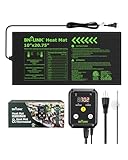
- Heated propagator / heat mat — bottom heat speeds germination and rooting; see heat mats.
- Humidity dome / propagator lid — holds humidity around seedlings and cuttings; see propagators & humidity domes.
- Seed trays & modules — for sowing and pricking out.
- Grow lights — supplement short-day or dull-weather light; see grow lights.
Heated propagators


Heat mats


How to use it
Sow into a fine seed mix, provide gentle bottom heat, keep humidity up with a dome until germination, then ventilate to prevent damping off. Harden off before planting out. The full method is in seed germination, starting seeds in a greenhouse and cuttings & division.
How to combine the kit
The pieces work as a system: seed trays/modules hold the sowing, a heat mat or heated propagator gives the bottom warmth that drives germination and rooting, a humidity dome keeps moisture steady until they’re up, and a grow light prevents leggy seedlings in dull weather. Ventilate once germinated to prevent damping off.
Heated vs unheated — which you need
An unheated propagator (dome + tray) is fine for easy spring sowings in a warm greenhouse. Choose a heated propagator or a heat mat with thermostat for early sowings, warmth-loving crops (chillies, tomatoes) and cuttings.
Related guides
Heat Mats vs Heated Propagators
A heat mat warms the compost from below and is the better choice if you already have trays and just need bottom heat — most seeds and cuttings root faster with warm roots and a cooler top. A heated propagator (a tray with a heated base and a clear vented lid) adds humidity control on top of the warmth, which matters more for cuttings than for seeds, since cuttings have no roots yet to take up water and rely on humidity to avoid wilting.
Managing Humidity Without Rot
Vents on a propagator lid exist for a reason: sealing cuttings in permanently humid air stops wilting but invites fungal rot within days. Open the vents a little more each week as roots form, and wipe condensation off the inside of the lid if it’s dripping onto the foliage. Bottom heat plus daily venting is a more reliable combination than higher humidity alone.