A greenhouse is a superb place to raise seeds — it gives warmth, light and shelter for an early start on the season. The keys are steady warmth for germination, good hygiene to prevent damping off, and hardening off before plants go outside. Here’s the method.
Timing
A greenhouse lets you sow weeks earlier than outdoors, but don’t rush tender crops — seedlings raised too early can stall or get leggy waiting for it to warm up outside. Match sowing to when you can safely plant out (with hardening off), plus growing time.
Warmth and propagators
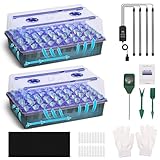
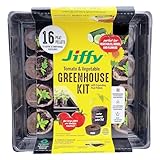
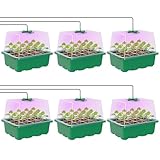
Many seeds need consistent warmth to germinate that an early-season greenhouse doesn’t provide alone. A heated propagator or heat mat gives reliable bottom heat, and a humidity dome keeps moisture steady until germination. See seed germination for the fundamentals.
Sowing and watering
- Sow into clean trays with fresh, fine seed/potting mix at the right depth.
- Keep the mix moist, not waterlogged; water gently from below where possible.
- Once germinated, remove the dome and ventilate to prevent damping off.
Preventing damping off
Damping off (seedlings collapsing at the base) is the main greenhouse seed-raising problem. Prevent it with clean trays and sterile mix, not sowing too thickly, good airflow after germination, and careful watering — see greenhouse diseases.
Hardening off
Before planting out, acclimatise seedlings gradually to outdoor conditions over a week or two — moving them out by day and back at night, or into a cold frame. Skipping this shocks tender growth.
Quick questions
Do I need a heated propagator to start seeds in a greenhouse? For early sowings and warmth-loving seeds, yes — consistent bottom heat greatly improves germination; later in spring the greenhouse may be warm enough alone.