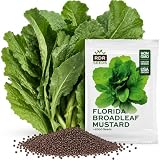


Plant Profile & Key Characteristics
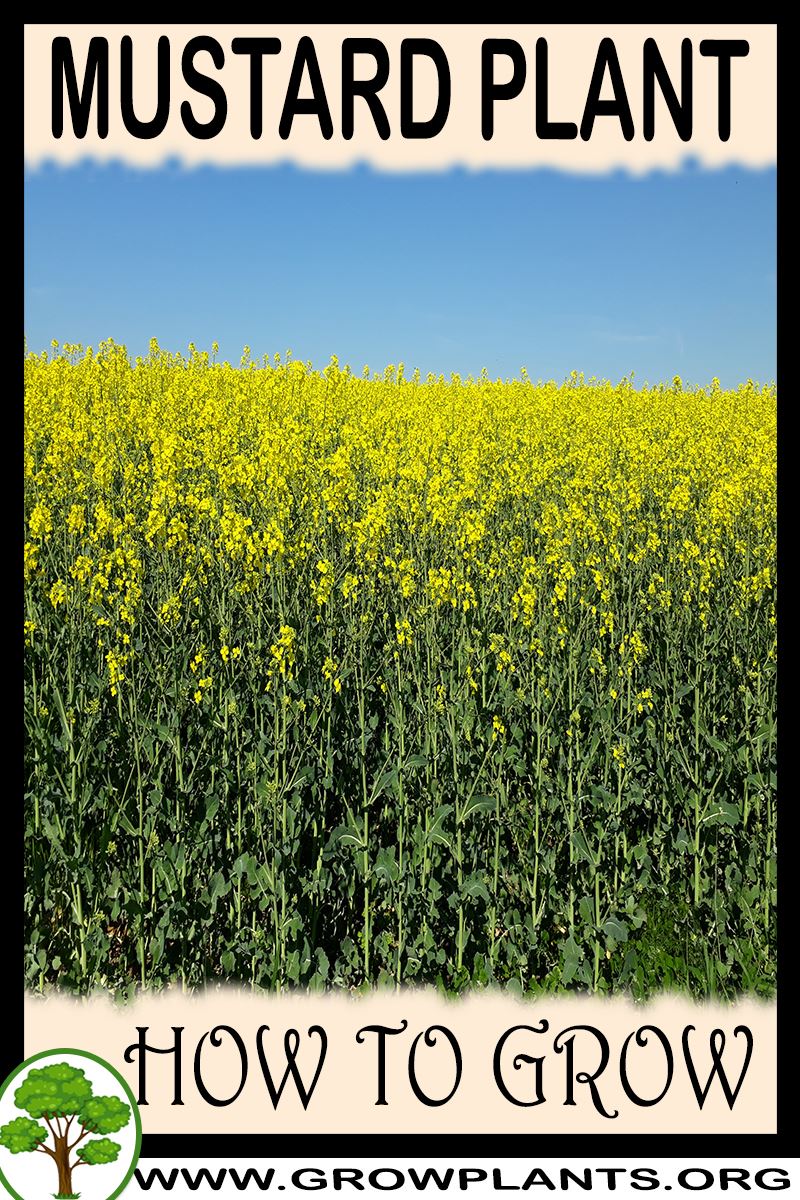
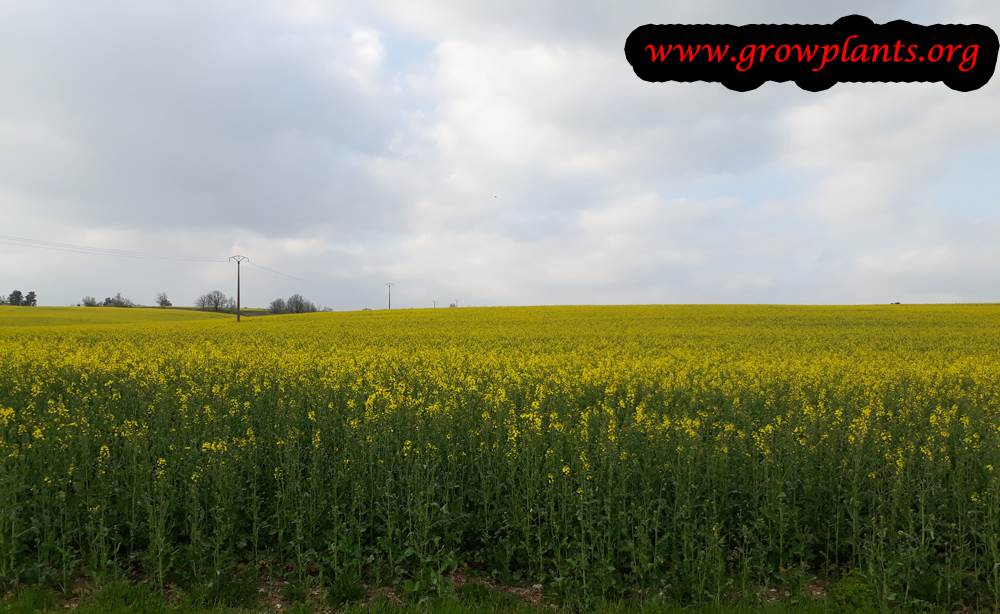
Overview: A fast-growing annual herb 0.3-1.2 m (1-4 ft) tall with lobed green leaves and heads of small yellow, cross-shaped flowers. Grown mainly as an edible crop – for mustard seed, young pods and leafy greens – and occasionally as an ornamental and pollinator plant.
Quick Specifications
| Specification | Attribute |
|---|---|
| Plant Type / Life Cycle | Annual herb (herbaceous, Brassicaceae) |
| Foliage Type | Herbaceous |
| Mature Size | 0.3-1.2 m (1-4 ft) |
| Growth Rate | Fast |
| Root System | Taproot |
| Toxicity | Non-toxic / edible (leaves, young pods and seeds) |
| Hardiness | USDA zones 2-10a (spring sowing) to 10a-11 (autumn sowing) |
Growth Form & Structure
- Height & Spread: Upright stem 0.3-1.2 m (1-4 ft) tall; suited to beds, rows and large pots.
- Growth Habit & Form: Erect, branching annual with a leafy base and slender flowering and seeding stems.
- Lifespan & Maturity: A fast annual – from sowing to flowering, pods and mature seed in a single cool season.
Anatomy & Physical Features
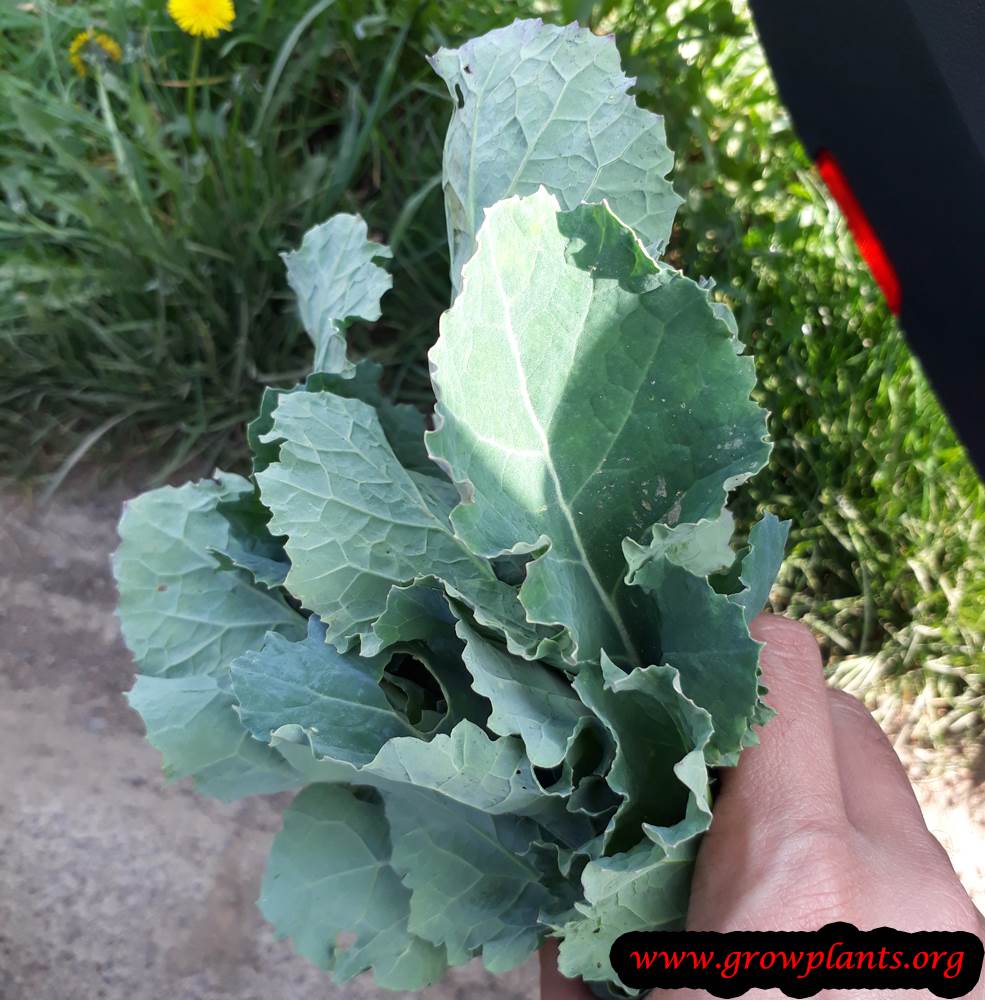
- Leaves & Foliage: Green, oval and deeply lobed leaves, edible especially when young.
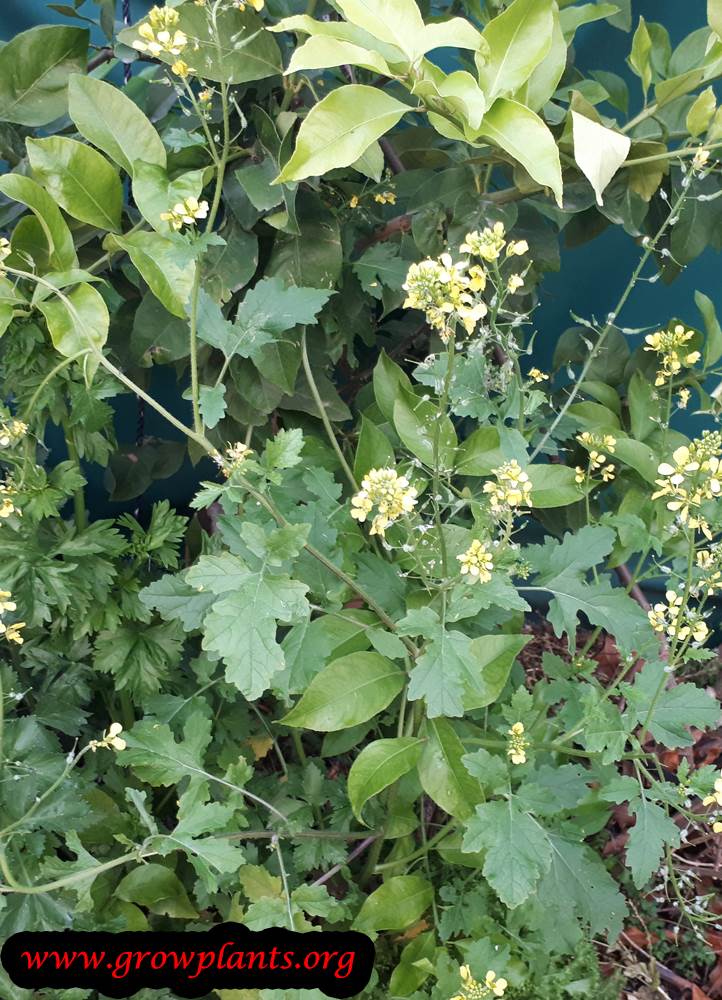
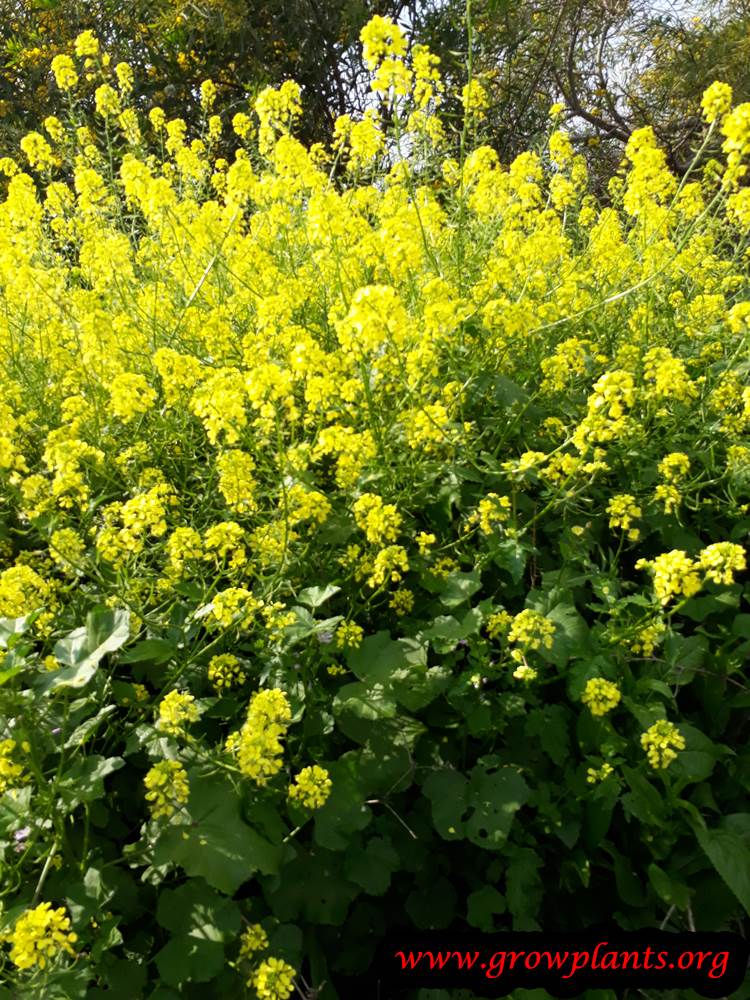
- Flower Characteristics: Small yellow, four-petalled (cross-shaped) flowers typical of the mustard family, attractive to bees.
- Fruit Profile: Green seed pods that dry to release the pungent mustard seeds.
Primary Uses & Landscape Value
- Edible Uses: Young leaves as a peppery salad or cooked green, tender young pods, and the mature seeds ground for mustard.
- Functional & Ornamental Roles: A culinary and condiment crop, a useful green-manure and cover crop, and a bee-attracting pollinator plant.
Care Guide: Planting, Soil & Watering
Overview: Mustard (Sinapis alba) is a fast-growing, cool-season leafy crop that grows best in full sun to light shade in fertile, moisture-retentive but well-drained soil. It needs steady, even moisture to grow tender leaves quickly before hot weather makes it bolt.
Quick Care Requirements
| Requirement | Ideal Condition |
|---|---|
| Planting Season | In spring in cool areas; in autumn to winter in hot areas |
| Growth Rate | Moderate to fast |
| Soil Type | Fertile, moisture-retentive but well-drained soil |
| Soil pH | Roughly neutral, about 6.0–7.0 |
| Water Need | Low to moderate — keep the soil evenly moist for tender leaves |
Planting & Establishment
- Best Planting Season: Sow in spring in cool climates, or in autumn to winter in hot climates; as a cool-weather crop (roughly zones 2–11 depending on season), it is planted to mature before the heat.
- How to Plant:
- Hole Preparation: Mustard is usually direct-sown; for transplants, dig a hole matching the root ball and firm gently.
- Soil Amendments: Work in compost or well-rotted organic matter to enrich the bed and help it hold the steady moisture leafy growth needs.
- Planting Depth: Sow seed shallowly, about 1 cm deep; set transplants at the same depth they grew, with the crown at the soil surface.
- Growth Speed & Expectations: Fast growth — leaves are ready to harvest within a few weeks; it bolts to yellow flower quickly in warmth, so pick young.
Soil, Watering & Drainage Care
- Soil Mix & Drainage Needs: Provide fertile, moisture-retentive yet free-draining soil; in containers use a rich potting mix that stays evenly damp without waterlogging.
- Watering Schedule & Technique:
- Young / Newly Planted: Keep the soil consistently moist from sowing onward so seedlings grow fast and tender without a check.
- Established: Water regularly to maintain even moisture; any drought stress makes the leaves tough, bitter and quick to bolt.
- Seasonal Adjustments: Water more in warm, dry spells to delay bolting; needs are lower in the cool, damp weather it prefers.
Climate, Light & Hardiness
White mustard is a fast cool-season herb (grown for leaves, young pods and seed) for mediterranean, desert, subtropical and temperate gardens in full sun to partial shade. It tolerates light frost and thrives in cool weather, while heat brings on rapid flowering and pungent, bitter leaves.
Quick Climate Specifications
| Climate Zones | Mediterranean, desert, subtropical and temperate |
| USDA Hardiness Zones | USDA 2–10a (spring planting); 10a–11 (autumn planting) |
| Optimal Temp Range | approximately 10–20 °C (50–68 °F) |
| Cold Damage Begins | tender growth from roughly −2 to −4 °C (28 to 25 °F) |
| Approx. Survival Minimum | hardened plants briefly to about −5 °C (23 °F) |
| Frost Tolerance | Low to Moderate |
| Light Conditions | Full Sun / Half Shade |
| Wind Tolerance | Moderate |
Sunlight & Light Exposure
Optimal Light Setup
Full sun grows fast, leafy plants and good seed set; several hours of direct light are ideal, with partial shade tolerated and useful for slowing bolting in warm regions.
Shade & Heat Management
Because heat pushes it quickly into flower, light afternoon shade in warm areas and cool-season timing keep the leaves tender and milder for longer; note it also carries some tolerance of a listed desert climate given its speed and modest water needs.
Best Exposure & Orientation
An open, sunny aspect suits cool climates; in hot regions a spot with afternoon relief extends leafy growth before bolting.
Temperature Extremes & Hardiness
USDA Hardiness & Regional Limits
The site records a broad seasonal cultivation range of about USDA 2–10a for spring plantings, extending to 10a–11 for autumn plantings. This describes where mustard can be grown as a fast cool-season crop: in cold-winter zones it is sown in spring, while in hot-summer and frost-free zones it is grown as an autumn-to-winter crop, flowering in winter into spring. Cold limits outdoor growth at one end and heat forces early flowering at the other, so it is fitted into cool weather rather than judged by a single hardiness figure.
Cold Damage & Winter Protection
Mustard is a cool-season plant that tolerates light frost but is less cold-hardy than kale or cabbage. Tender growth is damaged from around −2 to −4 °C (28 to 25 °F), and hardened plants briefly survive near −5 °C (23 °F). As a fast annual it is usually cropped before serious cold. Cold tolerance varies by cultivar, age, hardening, and duration.
Frost Sensitivity
Frost tolerance is low to moderate: young plants take light frost, but a hard freeze damages the soft foliage, so it is grown in the frost-light part of the cool season.
Extreme Heat Tolerance
Heat is the main limit - warm weather causes very rapid bolting and increasingly pungent, bitter leaves - so leaf harvest is a cool-season affair, though the plant will set seed as it flowers in warm conditions.
Wind, Humidity & Microclimate
Wind Tolerance
At 0.3–1.2 m (12–48 in) it is a fairly slender plant; the tall flowering stems can lean in strong wind, but it needs no routine staking in ordinary gardens.
Rainfall & Seasonal Moisture
Adapted to a cool growing season, it grows fast under cool, moist conditions but is noted as reasonably tolerant of modest water, fitting its listed mediterranean and desert range; hot dry weather simply speeds bolting. This is climate adaptation, distinct from watering frequency.
Microclimate Recommendations
A cool, open, bright pocket suits it; in hot or desert climates a spot with some afternoon shade lengthens the leafy stage before it runs to flower.
Growing in Pots, Balconies & Indoors
mustard is a cool-season leafy crop that thrives in pots, troughs and window boxes, which makes it a natural choice for a balcony or patio. The grower does not rate it as a true indoor houseplant, but a bright, sunny windowsill will still give you tender baby leaves and cut-and-come-again pickings.
Quick Details
- Container Size: A wide trough or pot at least about 20 cm (8 in) deep; grow several plants close together
- Indoor Suitability: Not a deep-room houseplant; a bright, sunny sill gives baby leaves and repeat cuttings
- Best Spot: full sun, with part shade welcome in hot climates – a bright balcony or patio
- Soil & Drainage: Rich, aerated organic mix (peat or coir with perlite or vermiculite); free-draining yet moisture-retentive
- Watering in Pots: Keep evenly moist – pots dry fast and brassica leaves turn tough and bitter if they dry out; never waterlogged
Indoors & On the Windowsill
- Houseplant limits: The grower lists mustard as not suited to indoors; deep in a room the light is too weak for healthy, well-flavoured leaves.
- Windowsill growing: On a bright, sunny sill it earns its place as a cut-and-come-again crop – sow thickly, pick young leaves, and resow for a steady supply.
- Overwintering: As a hardy cool-season plant it shrugs off light frost outdoors; in a hard winter, shelter a pot in a cold porch or unheated greenhouse rather than a warm room, which is too dim.
On a Balcony or Patio
- Light & wind: Give it the brightest spot, but a little afternoon shade in hot weather helps stop it bolting. Walls and railings throw back heat and wind dries pots quickly, so check moisture daily in warm spells.
- Practicalities: A broad trough or several plants sharing a large planter works well; make sure surplus water can drain clear of the balcony floor.
Choosing the Pot, Soil & Long-Term Care
- Pot & drainage: A wide container about 20 cm deep with strong drainage holes; skip a standing-water saucer to avoid root rot. Terracotta breathes and dries faster, while glazed or plastic holds moisture longer – handy for a thirsty leaf crop.
- Potting mix: A rich, well-aerated organic mix – peat or coir with perlite or vermiculite – holds the steady moisture these greens like.
- Feeding: Potted greens use up their mix quickly and nutrients leach out with watering, so feed more often than plants in the ground, with a balanced, nitrogen-leaning liquid feed for lush leaves.
- Between crops: These are fast, short-lived croppers – refresh or replace the spent mix between sowings rather than nursing old plants along.
Growing this plant in a greenhouse
A greenhouse can give mustard plant frost protection, cold protection, a longer growing season and winter growing.
Greenhouse at a glance
| Greenhouse suitability | Good - clearly useful |
|---|---|
| Main benefits | frost protection, cold protection, a longer growing season, winter growing |
| Season extension | can grow through winter |
| Outdoor protection advisable below | about -4°C |
| Suitable types | unheated greenhouse, polycarbonate greenhouse |
| Heating | No added heat is normally needed. |
Related greenhouse guides
- Greenhouses: How to Choose the Right Greenhouse
- Polycarbonate Greenhouses: What to Look for Before Buying
- Greenhouse Propagation Equipment
Fertilizing & Feeding
A fast cool-season leafy green that likes rich soil and steady, moderate nitrogen feeding to keep the leaves tender and mild through repeated harvests.
Quick Fertilizing Specs
| Feeding Level | Moderate |
|---|---|
| young_feeding | Light balanced feeding as plants establish |
| mature_feeding | Steady light nitrogen for continued leaf harvests |
| Main Nutrient Priority | Nitrogen for tender, fast leaf growth |
| Best Feeding Period | Through the active cool-season growing period |
| Organic Options | Compost, well-rotted manure, or a balanced organic vegetable fertilizer |
| Micronutrients | Rich soil usually supplies enough; watch for boron and magnesium on light or high-pH soils |
| Soil pH | Slightly acidic to near neutral |
| Reduce/Stop Feeding | Ease off feeding as harvest nears |
Feeding by Growth Stage
Establishment after sowing or transplanting
Help young plants settle in and start fast leafy growth.
| Nutrient direction | A balanced, complete feed to get roots and first leaves going. |
|---|---|
| Timing | From sowing or transplanting through the first stage of growth. |
| Frequency | A light feeding as plants establish in rich soil. |
| Fertilizer types | A balanced complete vegetable fertilizer, Compost or well-rotted manure worked into the bed |
| Precautions | Avoid strong fertilizer on tender seedlings. |
Active leaf growth
Keep tender, fast leaf growth coming for repeated cut-and-come harvests.
| Nutrient direction | Nitrogen-forward feeding to keep leaves tender and green. |
|---|---|
| Timing | Throughout the cool-season growing period between cuts. |
| Frequency | Light feedings that keep steady growth; leafy greens respond to regular but gentle nitrogen. |
| Fertilizer types | A nitrogen-forward complete fertilizer, Compost tea or a nitrogen-rich organic feed |
| Precautions | Avoid overdoing nitrogen, and keep water steady so leaves stay mild rather than bitter or tough. |
Nutrient Deficiency Signs & Corrections
Older, lower leaves turn pale and yellow while growth slows and plants look stunted.
| Possible causes | Low available nitrogen in the soil, Nitrogen leached out by heavy rain or frequent watering on light soils, Cold, waterlogged roots limiting nitrogen uptake |
|---|---|
| Appears first on | Older, lower leaves |
| What to check | Recent rainfall or irrigation and how well the bed drains, Whether the crop has had any nitrogen since planting, General soil richness and organic matter |
| Possible correction | Side-dress with a nitrogen-forward complete fertilizer or work in compost, and improve drainage so roots can take up nutrients. |
Yellowing between the veins of older leaves while the veins themselves stay green.
| Possible causes | Low soil magnesium, Heavy potassium feeding competing with magnesium uptake, Acidic, sandy or heavily leached soil |
|---|---|
| Appears first on | Older, lower leaves |
| What to check | Soil pH and whether the soil is sandy or leached, History of heavy potassium feeding, Leaf pattern to confirm interveinal yellowing |
| Possible correction | Correct soil pH if needed and apply a magnesium source such as a magnesium-containing fertilizer per its label. |
Hollow or browning stems and discoloured internal tissue, with distorted, corky growth at the tips.
| Possible causes | Low available boron in the soil, High soil pH reducing boron availability, Dry soil limiting boron movement to the roots |
|---|---|
| Appears first on | Growing points and internal stem or head tissue |
| What to check | Soil pH and whether the soil is dry or sandy, History of liming that may have raised pH, Internal tissue when a stem or head is cut open |
| Possible correction | Keep the soil evenly moist, correct very high pH, and apply a boron source only at the low label rate because the margin between enough and too much is narrow. |
Pruning, Training & Seasonal Maintenance
White mustard is a fast, herbaceous annual grown for its peppery young leaves, its edible pods and seeds, or as a pollinator and green-manure plant, and it genuinely needs no formal pruning. Management is really harvesting and containment: cut young leaves at the base, and — because the plant self-seeds freely and can become invasive — remove flower and seed stalks if you do not want it spreading. It flowers on current-season stems and then sets pods, so whether you cut those stems depends entirely on whether you want leaves, seed, or to stop it seeding.
Quick Pruning & Maintenance Specs
| Pruning Tolerance | Low — essentially no structural pruning |
| Primary Pruning Window | Young leaf harvest; stalk removal before seed drop |
| Typical Frequency | As needed for harvest and to curb self-seeding |
| Main Objective | Tender leaves, or seed, while controlling spread |
| Young Plant Priority | Let it grow; cut young leaves at the base |
| Mature Plant Priority | Decide leaf vs seed; remove stalks to stop seeding |
| Best Tool Type | Precision snips or a sharp knife |
| Avoid Heavy Pruning During | Not applicable — this plant is not shaped |
Pruning by Plant Age & Size
Newly Established
Leave seedlings to grow away; remove nothing but genuinely damaged leaves. Thin overcrowded seedlings for spacing rather than pruning established plants.
Young / Formative
No structural training. For a leaf crop, cut young leaves at the base while they are mild; older leaves grow coarse and sharp.
Mature / Established
The plant runs up to a tall flower stem on its own. If you want seed, let it flower and pod and dry; if you want to stop it colonising the plot, cut the flowering stems before the pods ripen and shed.
Seasonal Pruning Schedule
Leaf Harvest
Objective — mild young leaves. Remove — young outer leaves at the base. Do NOT remove — the whole plant if you want a further picking. Response — more leaf growth until the plant bolts in warmth.
Seed vs Containment
Objective — either seed or control. Remove — spent flower and seed stalks if containment matters. Do NOT remove — the flowering stems if you are growing for pods or seed. Note — unremoved pods shed and self-sow readily.
Special Growth to Remove
The main deliberate removal is the flower and seed stalk, cut before the pods dry, to prevent aggressive self-seeding. If the plant is grown as a pollinator or green manure, leave the flowers for the bees but cut the whole plant down before seed sets and dig it in.
Container & Small-Space Pruning
Grown in a pot for young leaves, harvest little and often to keep a supply of mild foliage before it bolts. In a container it is easy to cut the whole plant down before flowering, which neatly avoids any self-seeding problem.
Tools
Precision snips or a sharp knife are all that is needed for soft-stemmed mustard. Loppers, saws and shears have no place on this herbaceous plant.
Tool Hygiene & Disease Risk
Routine — keep tools clean and sharp. Mustard is short-lived and generally healthy; disinfect blades only if you are cutting a plant showing black rot or leaf spot before moving to other brassicas.
Cut Placement & Technique
For leaves, cut young foliage cleanly at the base. For containment, cut flowering stems low before the pods brown, and bag them rather than composting ripe pods that would scatter seed.
Heavy Pruning & Rejuvenation
Not applicable — mustard is an annual that flowers, seeds and dies within a season and cannot be rejuvenated by cutting back. Its “renewal” is simply resowing.
Post-Pruning Care
After a leaf harvest, water to encourage a further flush before the plant runs up. After cutting for containment, remove and destroy the seed-bearing material so it does not ripen and shed on the ground.
Common Pruning Mistakes
- Letting the plant flower, pod and shed seed unchecked, so it self-sows and spreads.
- Harvesting leaves too old, when they have turned coarse and harsh.
- Composting ripe pods, which scatters viable seed through the garden.
When NOT to Prune
There is no structural pruning to time. The one caution is not to leave the plant unmanaged into pod-ripening if you want to avoid a self-sown stand the following season.
Recommended Tools (by task)
- precision_snips — cutting young leaves at the base and severing soft flower stalks before seed set.
Propagation Guide
White mustard is grown from seed, direct-sown where it is to grow; it germinates and grows fast and self-seeds so freely that the site rightly notes it can become invasive. No vegetative propagation is used, and because it is a Sinapis rather than a Brassica it will not cross with cabbage-family crops. Very easy — if anything, too easy to let run to seed.
Quick Propagation Specs
| Best Propagation Method | Seed, direct-sown |
| Propagation Difficulty | Easy |
| Seed True-to-Type | Comes true from seed; self-sows freely and can become weedy |
| Best Propagation Season | Spring in cold areas; autumn to winter in hot areas |
| Seed Germination Time | Very fast, often 3–7 days |
| Germination Temperature | Germinates over a wide cool-to-warm range, roughly 10–25°C (50–77°F) |
| Seed Sowing Depth | About 0.5–1 cm (0.25–0.5 in) |
Growing from Seed
Seed Handling & Viability
The round seed is long-lived when stored cool and dry and needs no pre-treatment — it is the same seed used as a spice and for sprouting.
Sowing Season
Sow in spring in cold areas or in autumn to winter in hot areas, in the cool weather it prefers.
Sowing Depth & Germination
Sow about 0.5–1 cm (0.25–0.5 in) deep, broadcast or in rows; germination is quick, often within 3–7 days.
Self-Seeding & Containment
Because it self-sows so readily, cut or pull plants before the pods ripen and shed if you do not want volunteers — this is also how it is used as a quick green-manure cover before it seeds.
Bloom & Edible Flower Guide
Quick Details
- Bloom Season: Late winter to spring, depending on climate (earlier in hot areas, later where it is cold)
- Time to First Bloom: In its first season – white mustard is a fast annual, flowering within roughly six to eight weeks of sowing
- Flower Appearance: Bright yellow four-petalled (cross-shaped) flowers carried at the top of the plant in loose clusters
- Edibility: Edible – the flowers are eaten raw as a peppery, honey-scented garnish; the plant is also grown to attract pollinators
Detailed Blooming Overview
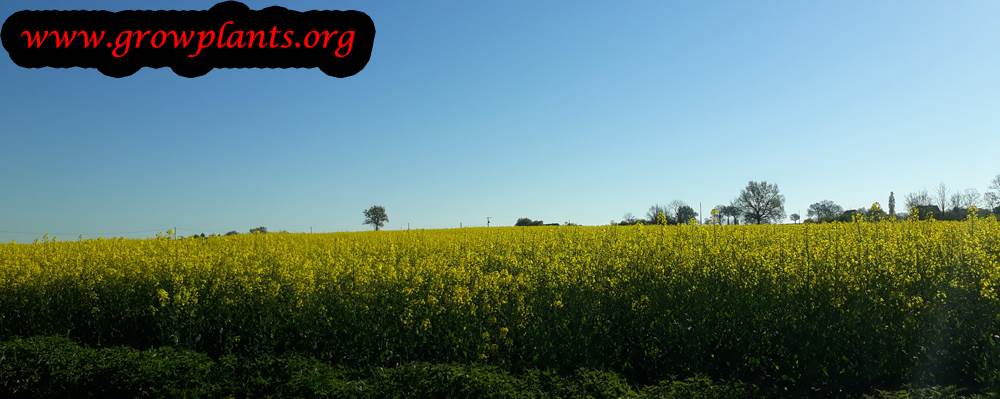
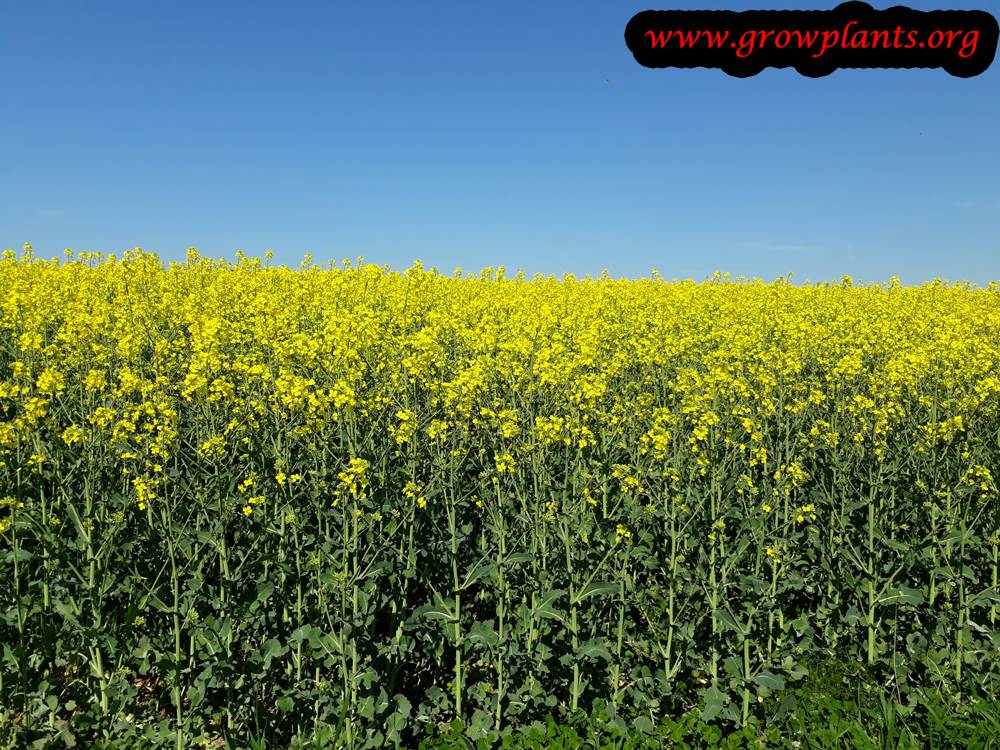
White mustard flowers quickly and freely, raising airy sprays of yellow cross-shaped flowers above the leaves. It is often sown deliberately as a pollinator plant and green manure, and the blooms themselves make a lively, peppery addition to salads.
Flower Characteristics
- Yellow four-petalled (cruciform) flowers held at the top of the plant.
- Rich in nectar and much visited by bees.
Bloom Care & Thinning
- Managing the bloom: Leave the flowers to run if you are growing it for pollinators, seed or as a cover crop; pick young flowering sprigs for the table before the petals drop.
- Pollination: Pollinated mainly by bees.
Bloom Health & Protection
- Cabbage aphids: Aphids can gather on flowering shoots; insecticidal soap or neem oil keeps them down.
- Pollen beetles: Small beetles are drawn to the open flowers but rarely harm a robust plant, and they help spread pollen.
Fruit & Uses
White mustard is a multi-purpose crop: the young leaves are eaten as a green, the young green pods can be used, and the mature seeds are the source of table mustard. Young leaves are mild enough to eat raw, while older leaves are cooked; seeds are harvested once the pods have dried.
Quick Edible Specs
| Edible Parts | Leaves; young pods; seeds |
|---|---|
| Main Use(s) | Culinary – leaves cooked or raw when young; seeds ground/prepared as mustard condiment |
| Eaten Raw or Cooked | Leaves raw (young) or cooked; seeds processed into mustard |
| Preparation Required | Seeds: dry, then grind/prepare; leaves: none beyond washing |
| Harvest Season | Leaves in spring (cold climates) or autumn (hotter climates); seeds after the pods dry |
| Time to First Harvest | Fast-growing; leaves early, seeds after flowering and pod-drying |
| Storage | Dried seeds store well; leaves best used fresh |
| Safety/Toxicity Caveat | No toxic parts; pungency comes from natural mustard compounds. Note it can be invasive |
Leaves & Greens
The green, deeply lobed, oval leaves are best cut young at the base, when they are tender and mild enough for salads. Older leaves become stronger and are better cooked.
Seeds, Pods & Nuts
The young green pods are edible while tender. Left to mature and dry on the plant, the pods yield the seeds that are the raw material for prepared mustard – ground and mixed with liquid, or used whole as a spice.
Preparation, Uses & Safety
Eat young leaves raw or lightly cooked; cook older leaves. Dry the mature pods, then thresh out the seeds and grind or steep them to make mustard, or use them whole as a pickling and tempering spice. No detoxification is required; there are no toxic parts, though the plant self-seeds readily and can become invasive.
Pests, Diseases & Troubleshooting
Overview: White mustard is a fast brassica grown for greens, seed, or green manure, and it shares all the classic cabbage-family enemies — caterpillars, flea beetles, aphids and root fly among the pests, and white blister, downy mildew and clubroot among the diseases. Its speed is its best defence: quick, healthy growth and good hygiene keep problems minor.
Quick Troubleshooting Overview
| Issue / Pest | Main Symptom | Primary Solution |
|---|---|---|
| Cabbage-white caterpillars | Chewed, holed leaves; green caterpillars & frass | Netting; hand-pick; Bt |
| Flea beetles | Tiny shot-hole pits in seedling leaves | Fleece young plants; keep moist; grow fast |
| Cabbage aphid | Grey mealy colonies on leaves/shoots; distortion | Hose off; insecticidal soap; remove tips |
| Cabbage root fly | Wilting; white maggots at the roots | Brassica collars; netting; crop rotation |
| White blister / downy mildew | White pustules or yellow patches with mould | Airflow; resistant sowing; remove leaves |
| Clubroot | Stunting, wilting; swollen distorted roots | Rotate; lime to raise pH; avoid infected soil |
Common Pests & Management
- Cabbage-white & other caterpillars (Pieris brassicae / Pieris rapae / Plutella xylostella):
- Symptoms: Green or velvety caterpillars chewing ragged holes in the leaves and leaving dark frass; large-white larvae feed gregariously and can strip plants, while diamondback moth makes small windowed holes.
- Prevention & Control: Cover crops with fine insect netting from sowing to exclude the egg-laying butterflies and moths, inspect leaf undersides and rub off egg clusters, and hand-pick larvae. Bacillus thuringiensis (Bt) gives effective, selective control; encourage parasitic wasps and birds.
- Flea beetles (Phyllotreta spp.):
- Symptoms: Tiny black or striped beetles that jump when disturbed and pepper seedling leaves with small round ‘shot-holes’; heavy attack can check or kill young plants in warm, dry weather.
- Prevention & Control: Protect seedlings with fleece or fine netting, keep the soil moist and growth fast to outpace damage, and sow into warm conditions for quick establishment. Sticky traps and firming/watering the surface reduce numbers; damage on established plants is cosmetic.
- Cabbage aphid (Brevicoryne brassicae):
- Symptoms: Dense grey-green, mealy-waxy colonies packed on shoot tips and leaf undersides, distorting growth, contaminating edible leaves, and transmitting viruses; they persist into cool weather.
- Prevention & Control: Squash or hose off early colonies, remove badly infested tips, and use insecticidal soap on heavier infestations. Encourage ladybirds, hoverflies and lacewings, avoid excess nitrogen, and clear old brassica debris where they overwinter.
- Cabbage root fly (Delia radicum):
- Symptoms: Sudden wilting, blueing and stunting of young plants, with white legless maggots tunnelling the roots just below soil; transplants and seedlings are most vulnerable.
- Prevention & Control: Fit brassica collars around the stem base to stop egg-laying at soil level, cover with insect netting, and practise crop rotation. Firm transplants well and avoid planting into recently manured, fly-attractive ground.
Diseases & Fungal Issues
- White blister / white rust (Albugo candida):
- Symptoms: Raised, shiny white pustules on the leaf undersides and distorted, swollen growth above; a common and characteristic brassica disease in cool, damp, humid conditions.
- Treatment & Management: Improve airflow with wider spacing, avoid overhead watering and prolonged leaf wetness, and remove and destroy affected leaves promptly. Rotate crops and choose less susceptible sowings; the plant’s speed usually lets a crop mature despite minor infection.
- Downy mildew (Hyaloperonospora parasitica):
- Symptoms: Yellow, angular patches on the upper leaf surface with a fluffy grey-white mould beneath, worst on seedlings in cool, wet, humid weather; heavy infection kills young leaves.
- Treatment & Management: Sow thinly for airflow, avoid overcrowding and overhead watering, and remove affected foliage. Good hygiene and drainage usually suffice; a copper fungicide is available for severe outbreaks on valued crops.
- Clubroot (Plasmodiophora brassicae):
- Symptoms: Stunted, wilting plants that flag in warm days, with grossly swollen, distorted, clubbed roots; a persistent soil-borne disease that survives for many years and is worse on acid, wet soils.
- Treatment & Management: Prevention is essential: practise long rotations away from all brassicas, raise the soil pH with lime to discourage the pathogen, improve drainage, and never introduce infested soil or plants. Remove and destroy affected roots; do not compost them.
Growing Difficulties & Abiotic Problems
- Bolting:
- Cause & Symptoms: Plants run quickly to flower and seed in heat, long days, or after a check such as drought or transplant shock, ending leaf production; natural for a fast annual but premature bolting shortens the useful crop.
- Correction Strategy: Sow in the cooler parts of the season, keep growth steady with even moisture, avoid root disturbance, and harvest young. For seed or green-manure use, bolting is the goal; for greens, succession-sow to stay ahead of it.
- Poor, dry or compacted soil:
- Cause & Symptoms: Weak, tough, quickly bolting plants result from dry, infertile, or compacted ground; mustard grows best fast and soft.
- Correction Strategy: Grow in reasonably fertile, moisture-retentive but well-drained soil, keep it evenly watered, and prepare a fine, firm seedbed for quick, even germination and lush growth.
- Green-manure / allelopathy notes:
- Cause & Symptoms: As a brassica green manure, mustard should not be followed immediately by other brassicas (shared diseases), and its residues can briefly suppress germination of fine seeds.
- Correction Strategy: Rotate so mustard green manure is not part of a tight brassica sequence, and allow a short interval after digging in the residues before sowing small-seeded crops.
What Helps – Products & Tools
The brassica toolkit applies: fine insect netting and brassica collars are the primary physical defences, Bacillus thuringiensis (Bt) and insecticidal soap handle caterpillars and aphids, and fleece protects seedlings from flea beetle. On the disease side a copper fungicide checks downy mildew and white blister, while clubroot is managed by liming to raise pH plus long rotation rather than any spray. Fast, healthy growth, hygiene and rotation are the real controls.