
Plant Profile & Key Characteristics
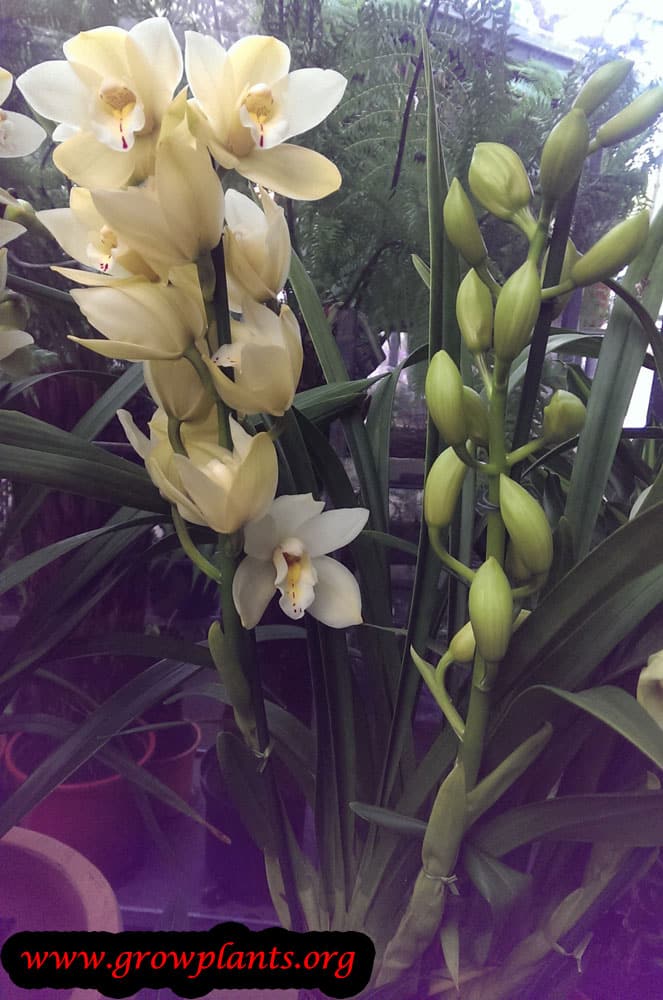
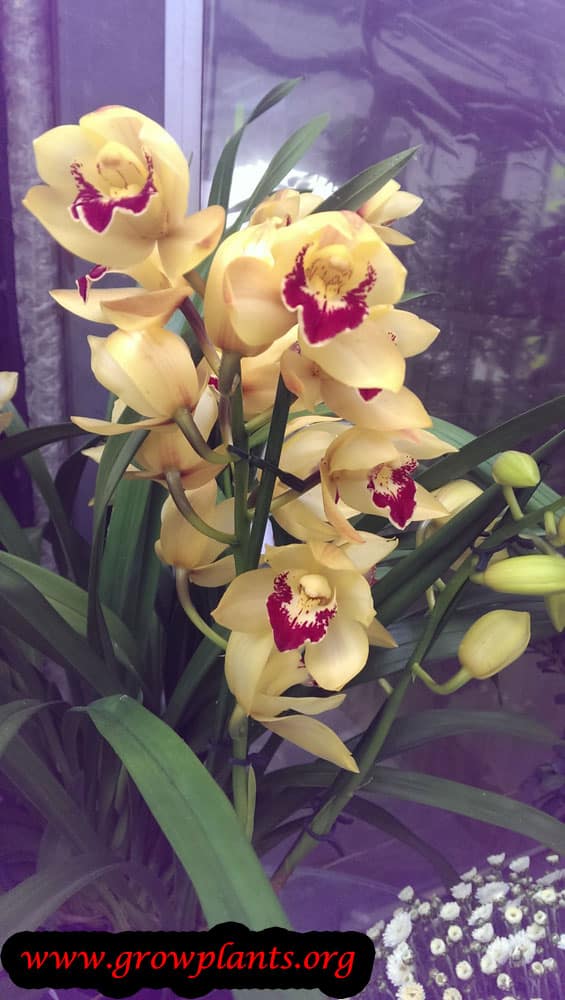
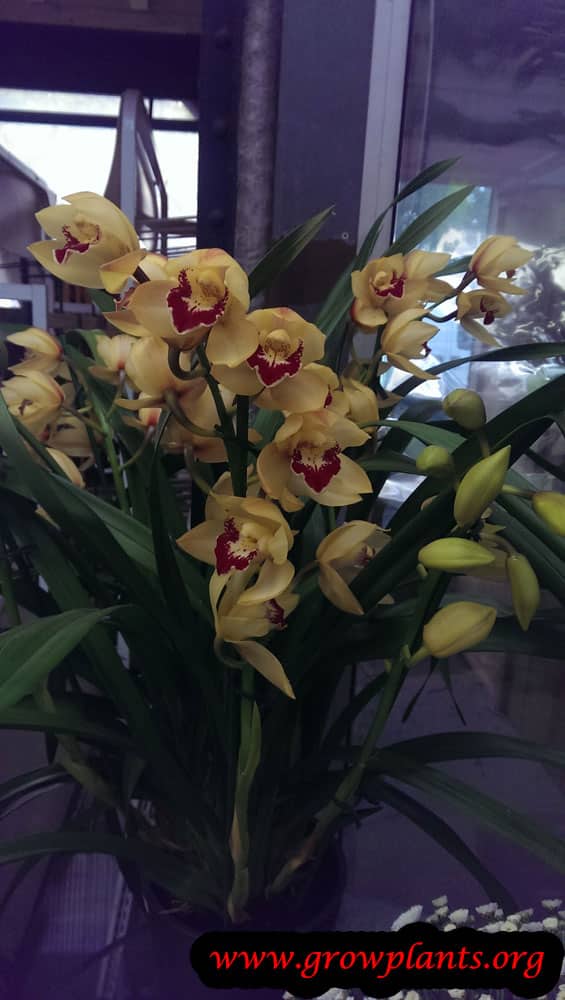
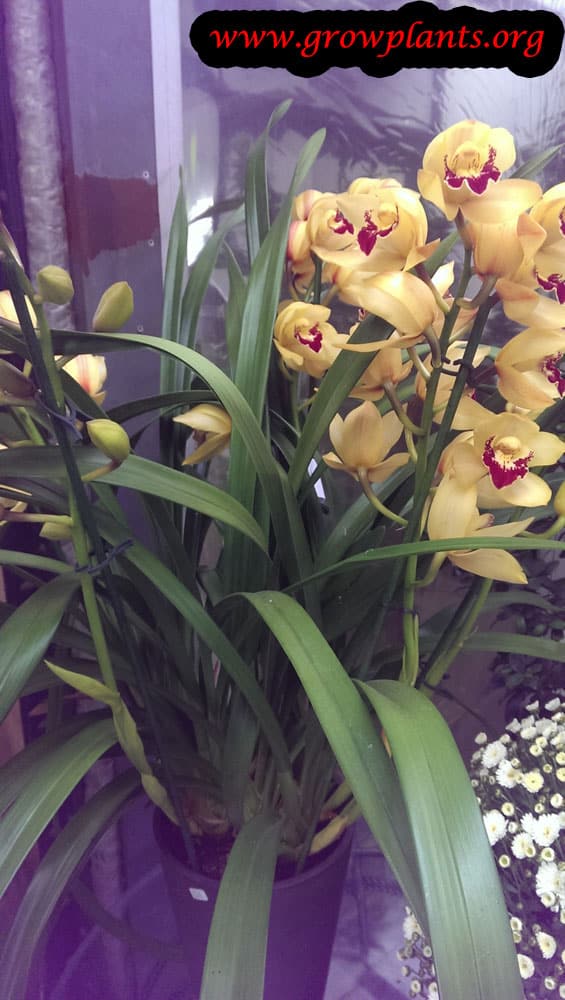
Overview: Cymbidium, the boat orchid, is an evergreen perennial orchid forming clumps 30-60 cm (12-24 in) tall from thickened pseudobulbs. It is grown as an ornamental pot plant and prized cut flower, bearing long, arching sprays of long-lasting blooms.
Quick Specifications
| Specification | Attribute |
|---|---|
| Plant Type / Life Cycle | Perennial (evergreen orchid) |
| Foliage Type | Evergreen |
| Mature Size | 30-60 cm (12-24 in) tall |
| Growth Rate | Slow to moderate |
| Root System | Thick, fleshy roots arising from pseudobulbs (semi-terrestrial orchid) |
| Toxicity | Non-toxic |
| Hardiness | USDA zones 8-11 (grown indoors in colder areas) |
Growth Form & Structure
- Height & Spread: 30-60 cm tall clumps; grown in pots indoors or outdoors and best kept slightly pot-bound.
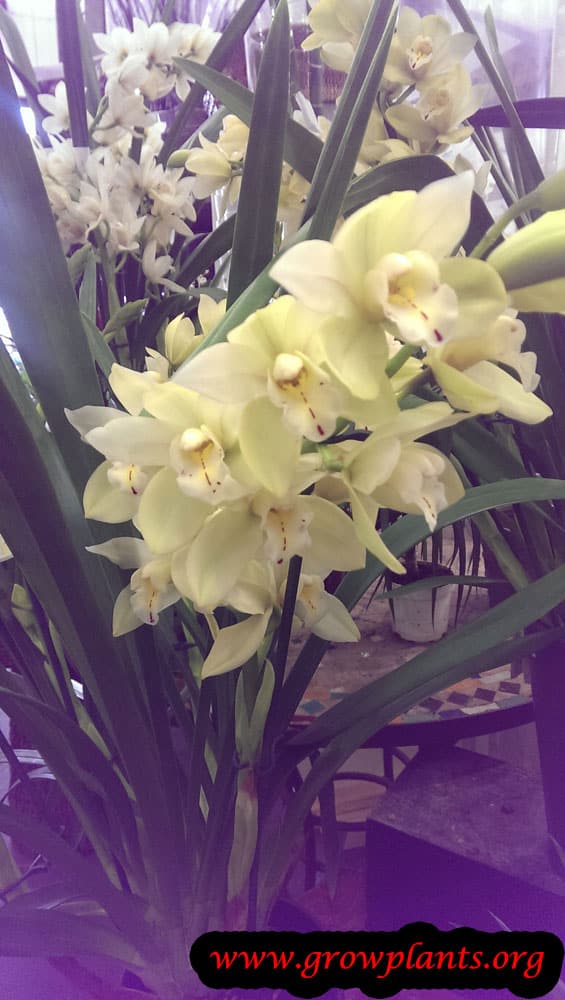
- Growth Habit & Form: Clump-forming orchid with strap-like, arching leaves rising from clustered pseudobulbs.
- Lifespan & Maturity: Long-lived; slow to moderate, dividing as clumps enlarge.
Anatomy & Physical Features
- Leaves & Foliage: Long, linear green leaves arising from bulb-like pseudobulbs at the base.
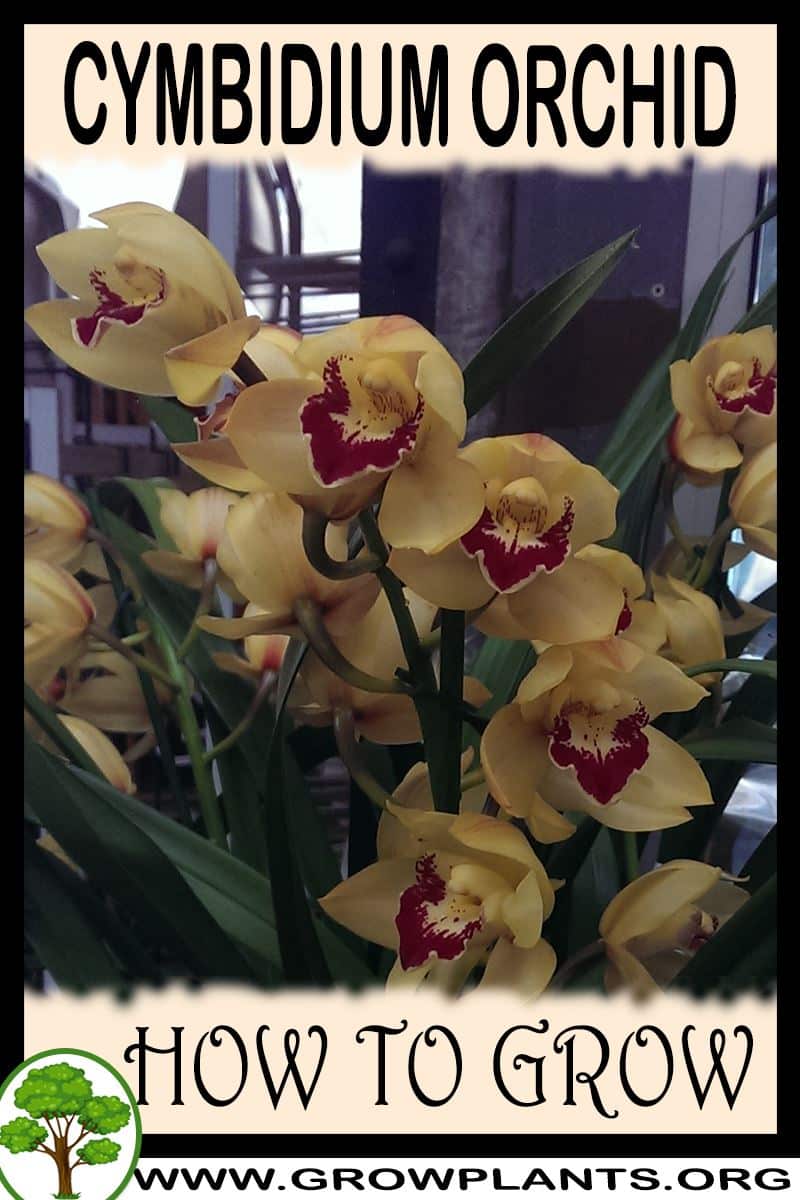
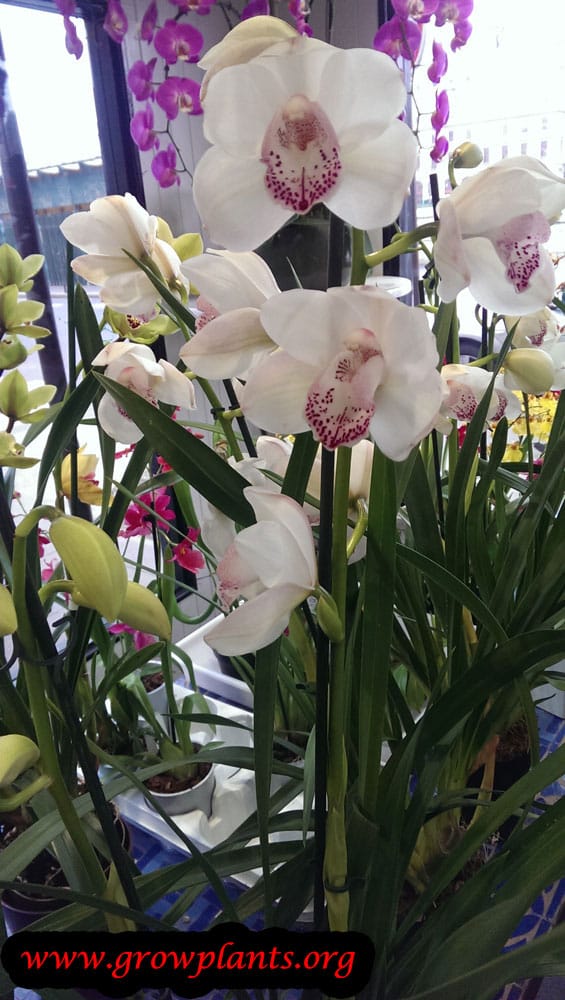
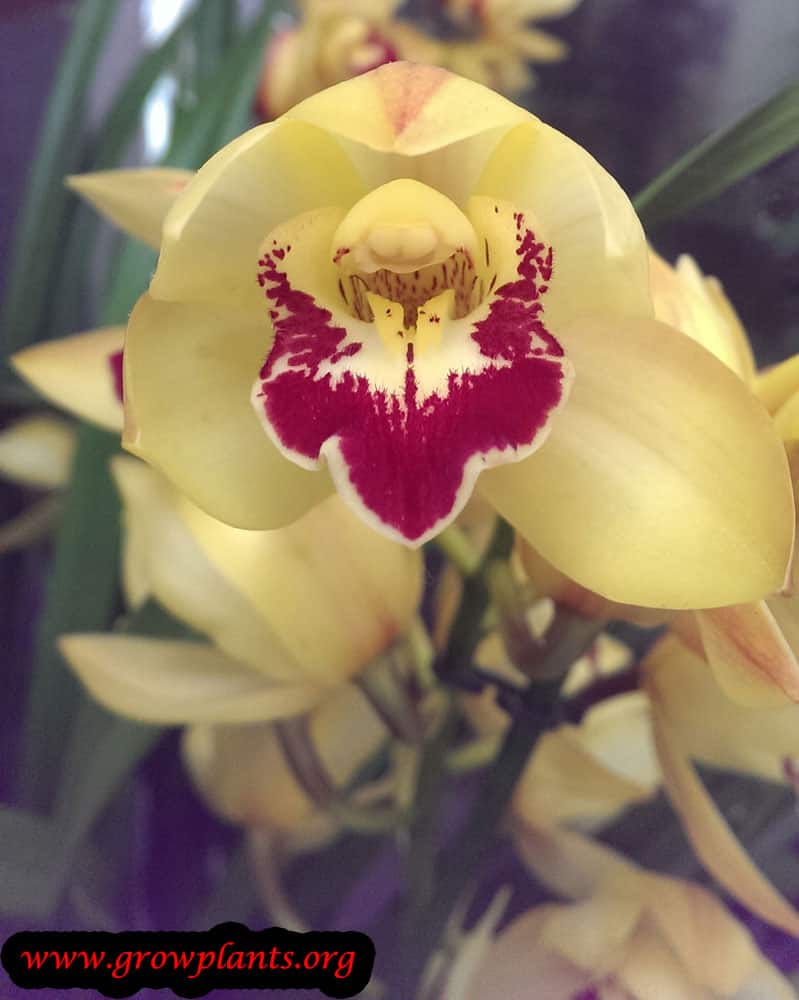
- Flower Characteristics: Waxy, long-lasting flowers (over a month) in almost every colour, often spotted or striped, with five petals and a decorated lip.
Primary Uses & Landscape Value
- Functional & Ornamental Roles: Ornamental flowering pot plant and houseplant, and a long-lasting cut flower.
Note: Benefits from repotting roughly once a year as roots fill the pot — avoid jumping to an oversized pot.
Care Guide: Planting, Soil & Watering
Overview: Cymbidium is an orchid grown in an open, free-draining bark mix rather than ordinary soil, in bright shade with good humidity. It wants moderate water and an airy, fast-draining root zone.
Quick Care Requirements
| Requirement | Ideal Condition |
|---|---|
| Planting Season | Spring to summer (indoors, any time of year) |
| Growth Rate | Slow to Moderate |
| Soil Type | Open, free-draining orchid bark mix (bark / bark chips), not garden soil |
| Water Need | Moderate – let the mix approach dryness between waterings; needs over 50% humidity |
Planting & Establishment
- Best Planting Season: pot or repot in spring to summer, ideally after flowering; indoors it can be done at any time.
- How to Plant:
- Hole Preparation: use a pot only slightly larger than the root mass – do not move it straight into a large pot.
- Soil Amendments: pot into coarse bark or bark chips (a little cork or foam adds air to the roots); trim off any dead roots when repotting.
- Planting Depth: set the base of the pseudobulbs at the surface of the mix – keep them from being buried.
- Growth Speed & Expectations: slow to moderate; the roots fill the pot and need refreshing roughly once a year.
Soil, Watering & Drainage Care
- Soil Mix & Drainage Needs: an airy bark mix in a well-drained (often transparent) pot; the open medium keeps air around the roots and prevents rot.
- Watering Schedule & Technique:
- Young / Newly Planted: after repotting, water and keep humidity high while new roots establish.
- Established: water when the mix nears dryness, using clean, room-temperature water (rain water is ideal).
- Seasonal Adjustments: reduce watering during cool weather and the plant’s resting period.
Climate, Light & Hardiness
Cymbidium is one of the more cold-tolerant orchids in cultivation, suited to temperate, subtropical, and Mediterranean climates as well as growing as a houseplant. It wants bright shade rather than harsh direct sun, and while still frost sensitive, it copes with cooler conditions than most other orchids.
Quick Climate Specifications
| Factor | Detail |
|---|---|
| Climate Zones | Temperate, subtropical, or Mediterranean; also grown as a houseplant |
| USDA Hardiness Zones | 8–11 |
| Optimal Temp Range | Approximately 15–27°C (60–80°F) by day, 10–20°C (50–68°F) at night, for best blooming |
| Frost Tolerance | Very low |
| Light Conditions | Half shade to full shade with plenty of light |
| Wind Tolerance | Low |
Sunlight & Light Exposure
Optimal Light Setup
Bright, filtered shade with plenty of ambient light suits Cymbidium best; it tolerates somewhat more light than many other orchids but still does not want harsh, direct midday sun.
Shade & Heat Management
Some shading in the hottest part of summer helps protect the leaves, though the plant can handle brief spells above 30°C (86°F).
Best Exposure/Orientation
A bright patio spot, cool greenhouse, or well-lit window suits it well; the site notes bloom timing shifts with climate, flowering in autumn or winter in warmer regions and closer to spring or autumn in cooler ones.
Temperature Extremes & Hardiness
USDA Hardiness & Regional Limits
Site data places Cymbidium in hardiness zone 8–11 – notably cooler-tolerant than most orchids in cultivation – though it still needs protection from hard freezes to grow outdoors reliably.
Cold Damage & Winter Protection
No specific cold-damage threshold is given, but growth and flower bud development are best supported when night temperatures stay within the roughly 10–20°C (50–68°F) range; move container plants under cover ahead of hard frost.
Frost Sensitivity
Still frost sensitive despite its relatively wide hardiness range; no established survival minimum is given in the source data, so hard frost should be avoided.
Extreme Heat Tolerance
Good; the site notes the plant can tolerate temperatures above 30°C (86°F), though flowering is best supported by the cooler blooming-temperature range noted above.
Wind, Humidity & Microclimate
Humidity Preferences
The site recommends more than 50% humidity for healthy growth.
Dry-Air Tolerance
Moderate; sustained dry air, especially indoors, should be offset with misting or a humidity tray, though Cymbidium is somewhat more forgiving than many warmth-loving orchids.
Wind Tolerance
Low to moderate; the open, well-drained pot this orchid needs benefits from gentle airflow but not strong or drying wind.
Rainfall & Seasonal Moisture
Prefers consistently humid conditions with regular moisture rather than a pronounced dry season.
Microclimate Recommendations
A bright, airy, moderately cool spot with some shade from the harshest sun – a covered patio, cool greenhouse, or bright indoor room – suits Cymbidium across a wider range of climates than most orchids.
Growing in Pots, Balconies & Indoors
Cymbidium is a popular, easy orchid and a good houseplant – the grower confirms it grows well indoors and in pots. It likes bright light without harsh direct sun, so a bright window suits it, and it thrives in a container on a patio or balcony in the warmer months.
Quick Details
- Container Size: 30-60 cm (12-24 in) foliage, with taller flower spikes – a medium container
- Indoor Suitability: A good houseplant in bright, indirect light
- Best Spot: Half shade / bright shade with lots of light
- Soil & Drainage: A coarse, free-draining cymbidium/orchid mix (bark-based)
- Watering in Pots: Keep evenly moist in growth, then let the surface dry; never waterlogged
Indoors & On the Windowsill
- A real houseplant: Cymbidium grows well indoors in bright, indirect light. A cooler night in autumn actually helps trigger flowering, so a bright, not-too-warm room is ideal.
- Windowsill growing: A bright window out of harsh midday sun suits it; give the arching spikes some room.
- Overwintering: Not reliably frost-hardy – keep it in a bright, cool but frost-free spot indoors over winter in cold climates.
On a Balcony or Patio
- Light & shelter: A spell outdoors in bright shade over summer suits it well and the cooler nights help it bloom; check moisture often as pots dry fast against warm walls.
- Bring it in: Move it back indoors before the first frosts.
Choosing the Pot, Soil & Long-Term Care
- Pot & drainage: A pot with strong drainage holes; never leave it standing in water. It likes to be fairly snug in its pot.
- Potting mix: A coarse, free-draining bark-based cymbidium/orchid mix rather than ordinary soil.
- Feeding: Feed with a dilute orchid fertiliser through the growing season; pots leach nutrients quickly.
- Repotting: Refresh the mix and divide crowded clumps every couple of years, after flowering.
Fertilizing & Feeding
Cymbidium is grown in a coarse bark mix rather than soil, but compared with many epiphytic orchids it is a more regular feeder during its active growing season, since it needs to build enough leaf growth over the warm months to support a strong flower spike later on.
Quick Fertilizing Specs
| Feeding Level | Moderate |
|---|---|
| Main Nutrient Priority | Nitrogen-forward feeding during leaf growth, shifting toward a more balanced or potassium-leaning feed as flower spikes form |
| Best Feeding Period | Through the warm active growing season, tapering as flower spikes develop |
| Organic Options | A coarse bark-based orchid mix refreshed periodically rather than fed with garden compost |
| Soil pH | Prefers the mildly acidic conditions typical of a bark growing medium |
Feeding by Growth Stage
Active leaf and pseudobulb growth
Build the strong new leaf growth and pseudobulbs the plant needs to support a good flower spike later
| Nutrient direction | Nitrogen-forward, balanced feeding to drive steady vegetative growth |
|---|---|
| Timing | Through the warm months when new leaf growth is actively pushing |
| Frequency | Feed regularly through this period while growth is active |
| Fertilizer types | A nitrogen-forward complete orchid fertilizer at label-appropriate dilution, Plain water flushes between feedings to prevent salt buildup in the bark mix |
| Precautions | Flush the bark mix periodically with plain water so fertilizer salts do not accumulate around the roots |
Spike initiation and bloom
Support the plant as it initiates a flower spike and carries its long-lasting flowers
| Nutrient direction | Shift toward a more balanced or potassium-leaning feed rather than continuing heavy nitrogen, without relying on a high-phosphorus bloom formula |
|---|---|
| Timing | As the weather cools and a flower spike begins to form, through to the end of flowering |
| Frequency | Reduce feeding frequency compared with the active growth period |
| Fertilizer types | A balanced or potassium-leaning complete orchid fertilizer at label-appropriate dilution |
| Precautions | Avoid pushing extra nitrogen once a spike appears, since lush new growth at this stage can come at the expense of flowering |
Nutrient Deficiency Signs & Corrections
General pale or yellowish older leaves and weak new growth
| Possible causes | Nitrogen deficiency from under-feeding during the growing season, A bark mix that has broken down and no longer holds nutrients well, Insufficient light limiting overall vigor |
|---|---|
| Appears first on | Older leaves and pseudobulbs |
| What to check | Recent feeding history through the growing season, Age and condition of the bark mix, Light levels the plant is receiving |
| Possible correction | Resume regular nitrogen-forward feeding through the growing season and repot into fresh bark mix if it has broken down |
Strong leaf growth but few or no flower spikes forming as the season cools
| Possible causes | Excess nitrogen carried too late into the season, Insufficient light or lack of a cool-night temperature drop needed to trigger spiking, Immature or stressed plant not yet large enough to bloom |
|---|---|
| Appears first on | Whole plant, seen as an absence of spikes rather than a leaf symptom |
| What to check | Feeding balance going into the cooler part of the season, Light exposure and any day-night temperature difference the plant receives, Overall plant size and maturity |
| Possible correction | Shift to a more balanced or potassium-leaning feed as the season cools and review light and temperature conditions |
Root tips browning or dying back despite a regular watering routine
| Possible causes | Fertilizer salt buildup in the bark mix, Mineral buildup from hard water, An old, broken-down mix holding excess moisture around the roots |
|---|---|
| Appears first on | Root tips, often visible through a clear pot |
| What to check | How often plain water flushes are given between feedings, Condition and age of the bark mix, Water source and mineral content |
| Possible correction | Flush the mix with plain water regularly and repot into fresh bark on its usual schedule |
Pruning, Training & Seasonal Maintenance
Cymbidium (the boat orchid) is the largest, most robust orchid in this group, with strap-like leaves and substantial pseudobulbs, and its long arching flower spikes – which can stay in bloom for a month or more – are heavy enough that staking is routine rather than occasional. Beyond that, pruning tolerance stays low: spikes are cut back only once flowering has fully finished, since a new spike always comes from the current season’s newest pseudobulb, and old yellow leaves are removed as they decline.
Quick Pruning & Maintenance Specs
| Pruning Tolerance | Low – grooming only, no shaping or heading cuts |
| Primary Pruning Window | After the spike’s long bloom period has fully finished |
| Secondary Maintenance Window | At repotting/division, roughly every 2–3 years as pseudobulbs crowd the pot |
| Typical Frequency | Once per bloom cycle plus routine leaf and root grooming |
| Main Objective | Remove the spent spike and declining leaves; support the spike while it carries its long-lasting flowers |
| Young Plant Priority | None – let a young division build pseudobulb mass before its first spike |
| Mature Plant Priority | Prompt post-bloom spike removal and periodic division of crowded pseudobulb clumps |
| Best Tool Type | Precision snips or bypass secateurs (sturdier spikes than smaller epiphytic orchids), sterilized |
| Avoid Heavy Pruning During | While the spike is still budding or in flower, which can last well over a month |
Pruning by Plant Age & Size
Newly Established
Do not prune a newly potted division beyond removing already-dead tissue; allow it to build root and pseudobulb mass toward its first mature bulb before any grooming.
Young / Formative
No structural training applies to the plant itself; the key training task is staking each new spike early, while it is still upright, so its arching growth and flower weight don’t strain or snap it later.
Mature / Established
On established clumps, cut back each spike once its long bloom has fully finished, remove yellowing leaves as they decline, and divide the pseudobulb mass every couple of years once it has outgrown its pot.
Special Growth to Remove
- Spent flower spike: cut back once flowering is completely finished – the old spike will not rebloom, and next year’s flower comes from the newest pseudobulb
- Old yellow leaves: remove as they decline, cutting frayed or browned leaf tips back to healthy tissue if needed for appearance
- Rotten roots: trim at repotting/division
- Backbulbs: leafless older bulbs still store reserves – leave attached while green, and consider keeping some aside at division to grow on as new starts rather than discarding them
Container & Small-Space Pruning
Given its larger size, Cymbidium needs a sturdier pot than the smaller orchids in this batch, sized to the pseudobulb mass rather than oversized, in an open bark-based mix. Because spikes can be tall relative to a container, anchor a stake in the pot before the spike develops weight, and expect to divide the clump periodically to keep it manageable in a small space.
Tools
- Precision snips or bypass secateurs – Cymbidium spikes and leaf bases are noticeably sturdier than smaller epiphytic orchids, often warranting secateurs over fine scissors
- Soft ties/stakes – essential for supporting the long, heavy flower spike
- Blade disinfectant – to prevent orchid virus transfer between plants
Tool Hygiene & Disease Risk
Increased risk: orchid viruses spread on unclean blades between plants; disinfect tools before moving to a different plant, and especially before dividing, since division wounds are a common entry point.
Cut Placement & Technique
Cut the spike cleanly near its base once fully spent; when dividing, cut between pseudobulbs with a sterile blade, keeping at least two to three bulbs per division for reliable re-establishment; tie the spike to its stake loosely to allow for thickening.
Heavy Pruning & Rejuvenation
Not tolerated in the sense of cutting back foliage or pseudobulbs hard. The genuine renewal tool is division of an overcrowded clump, which temporarily reduces flowering (divided pieces need to rebuild pseudobulb mass before spiking again) but restores vigor.
Post-Pruning Care
After spike removal, resume normal watering; after division, hold back on heavy watering for several days to let cut surfaces callus and reduce rot risk, and keep newly divided pieces out of strong direct sun until roots re-establish.
Common Pruning Mistakes
- Leaving a long spike unstaked until it is already arching under flower weight, risking a snap
- Cutting the spike before its extended bloom period has actually finished
- Dividing into pieces too small (single bulbs) to re-establish reliably
When NOT to Prune
Do not cut the spike while it is still budding or in flower – a Cymbidium bloom period can run well over a month – and avoid dividing outside the post-bloom window when the plant has the reserves to recover.
Recommended Tools (by task)
- bypass_secateurs – for spikes and division cuts, which are sturdier than the fine growth of the smaller orchids in this batch
- soft_ties_stakes – to support the long, heavy, long-lasting flower spike
- blade_disinfectant – to prevent virus spread between plants and at division
Propagation Guide
Cymbidium (boat orchid) is most easily and reliably propagated by dividing the pseudobulb clump at repotting; seed is possible but the site notes it is hard to start, and as with other orchids it requires sterile flask germination rather than open sowing. Division is not strictly necessary to keep the plant true, but it is far more practical; overall difficulty is easy-to-moderate by division and difficult/specialist by seed.
Quick Propagation Specs
| Best Propagation Method | Division of the pseudobulb clump |
| Alternative Methods | Back-bulbing (potting older leafless bulbs separately to force new growth); professional meristem/tissue-culture for large-scale increase of a named cultivar |
| Propagation Difficulty | Easy–Moderate (division); Difficult (seed) |
| Seed True-to-Type | Usually true-to-type for species; most cultivated Cymbidiums are hybrids and their seedlings vary |
| Vegetative True-to-Type | Yes |
| Best Propagation Season | Spring/summer (indoor: all year), typically at repotting after flowering as new growth begins |
Growing from Seed
Cymbidium seed is dust-like and, as with other orchids, requires sterile in-vitro (flask) germination rather than garden sowing, consistent with the site’s note that it is hard to start. This route is specialist/commercial, used mainly for breeding new hybrids rather than reproducing an existing named plant.
Division, Offsets, Pups & Suckers
- Divide at repotting when the clump becomes crowded or the pot too small, which the site flags as a common difficulty if left too long.
- Each division should keep at least 3 pseudobulbs, including one with an active growth point (“eye”), plus healthy roots.
- Trim dead or rotten roots at the same time and pot into fresh bark/cork-based mix sized to fit the piece.
- Older, leafless backbulbs can be potted alone in a warm, humid, shaded spot to encourage a dormant eye to break and start a new growth.
Bloom & Flower Guide
Quick Details
- Bloom Season: Autumn to winter in warmer climates; spring in colder ones
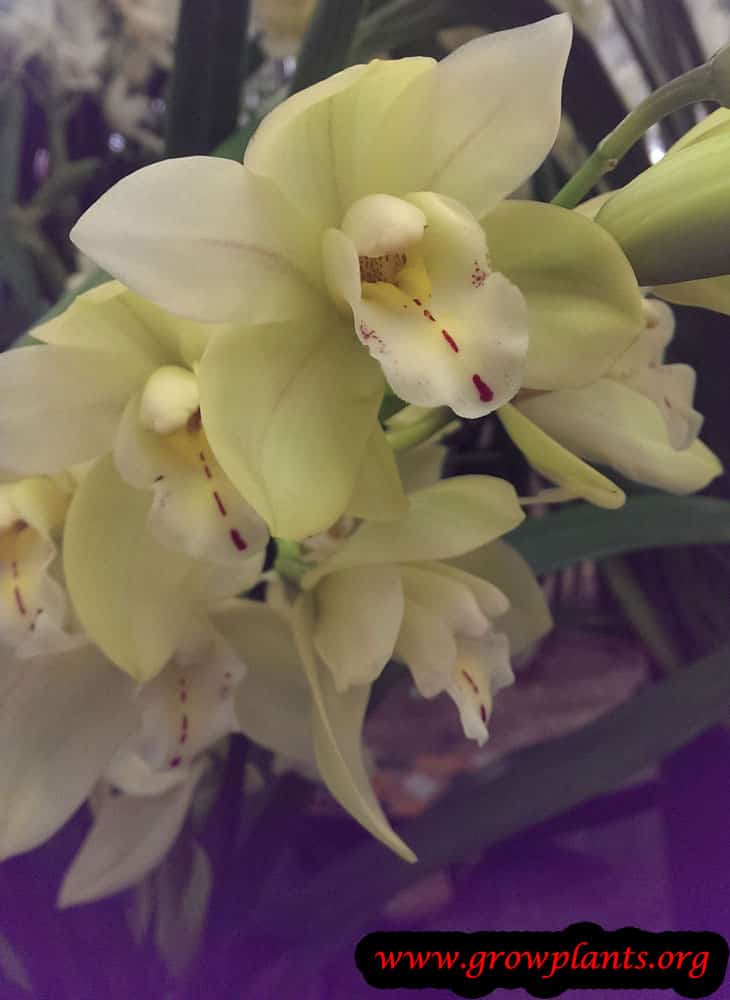
- Flower Appearance: Waxy flowers with five elliptic petals and sepals (sometimes pointed) around a decorated, mouth-like lip, in many colours including green – often multi-coloured with spots and stripes
- Edibility: Ornamental / cut flower – not eaten
Detailed Blooming Overview
The boat orchid is one of the great long-lasting bloomers: each flower can hold for more than a month on the plant, and arching spikes make superb cut flowers. Cool autumn nights are the key trigger that prompts it to set flower spikes.
Flower Characteristics
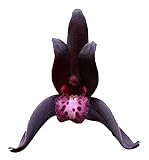
- Five elliptic petals and sepals frame a decorated lip; colours include red, yellow, white, orange, purple, maroon, black, brown, green and pink, usually multi-coloured with spots, dots or stripes.
Bloom Care & Thinning
- Triggering the bloom: Give it cool nights in autumn to encourage flower spikes.
- Supporting the display: Stake the arching spikes; an excellent, long-lasting cut flower.
Fruit & Uses
Cymbidium is grown almost entirely as an ornamental orchid for its long-lasting sprays of showy flowers, and the great majority of Cymbidium sold today are complex modern hybrids with no food use at all. A small number of traditional East Asian species within the genus – most notably Cymbidium goeringii, and to a lesser extent Cymbidium ensifolium and Cymbidium sinense – are the exception: their flowers are salt-cured or pickled and steeped as a fragrant traditional tea or used as a New Year garnish in Chinese, Japanese, and Korean cuisine.
Quick Edible Specs
| Edible Parts | Flowers (only in specific traditional species, not hybrid Cymbidium generally) |
|---|---|
| Main Use(s) | Traditional fragrant flower tea; salt- or vinegar-pickled flowers as a festive garnish |
| Eaten Raw or Cooked | Not eaten raw as food – steeped in hot water as tea or pickled/cured before use |
| Preparation Required | Salt-cure or pickle the freshly opened flowers before steeping or eating; rinse thoroughly first |
| Harvest Season | At full bloom, matching this plant’s flowering period |
| Storage | Salt-cured or pickled flowers keep for an extended period in a sealed jar, refrigerated |
| Safety/Toxicity Caveat | Only specific traditional wild/cultivated species are used this way – do not assume a hybrid Cymbidium bought as a cut flower or houseplant is edible, since florist stock is commonly treated with floral preservatives or pesticides not meant for consumption |
Flowers & Flower Buds
Where this tradition applies, only fully opened, unblemished flowers are picked, ideally soon after opening while still fragrant. They are rinsed, then layered with salt (or steeped in a light vinegar/plum-vinegar brine) to cure for a period before use, which both preserves them and mellows any raw floral bitterness. The cured flowers are steeped a few at a time in hot water to make a pale, fragrant orchid tea, or used whole as a pickled garnish on festive dishes. Because this use is tied to specific species prized in Chinese and Japanese/Korean orchid culture, it should not be assumed to extend to the modern hybrid Cymbidium most commonly grown as a houseplant or sold as cut flowers.
Preparation, Uses & Safety
Cured or pickled Cymbidium flowers from the traditional species noted above are not known to be toxic when prepared this way, and this entry makes no medicinal or health claims beyond noting the tea is a traditional beverage. The essential caveat is one of identity and sourcing rather than chemistry: readers should never eat flowers from a florist-bought or unidentified Cymbidium plant, since these are typically complex modern hybrids grown for the cut-flower trade and may have been treated with pesticides, fungicides, or floral preservative chemicals that are not food-safe. Anyone interested in the traditional flower tea should source flowers specifically grown and handled as food, with the species confirmed, rather than repurposing an ornamental pot plant.
Pests, Diseases & Troubleshooting
Overview: Cymbidium orchids are robust terrestrial-type orchids whose signature pest is Boisduval scale, alongside mealybugs, mites, thrips and aphids, while their most damaging diseases are the water-borne black rot and two orchid viruses. Because their thick pseudobulbs and long-lived foliage host pests for years, the philosophy is vigilance and hygiene: inspect regularly, sterilise every cutting tool, isolate new plants, and treat pests early before they lodge deep in leaf sheaths.
Quick Troubleshooting Overview
| Issue / Pest | Main Symptom | Primary Solution |
|---|---|---|
| Boisduval scale | White/tan crusts under sheaths; yellow blotches, weakening | Remove old sheaths; alcohol swab; horticultural oil; repeat |
| Mealybugs | White cottony masses in crevices and roots; honeydew | Alcohol swab; insecticidal soap or oil; isolate |
| Spider & false spider mites | Silvery stippling and pitting on leaves; fine webbing | Raise humidity; rinse; horticultural oil; miticide if severe |
| Black rot | Spreading soft black rot on leaves and pseudobulbs | Cut out to clean tissue; drier, airier culture; fungicide |
| Orchid viruses (CymMV/ORSV) | Colour-break, streaks, necrotic flecks | Discard; sterilise tools; buy virus-tested stock |
Common Pests & Management
- Boisduval scale (Diaspis boisduvalii):
- Symptoms: The classic Cymbidium scale – circular white to pale-tan armoured scales cluster under leaf sheaths, at the pseudobulb base and along leaves, with fluffy white male forms; heavy infestations yellow and weaken the plant and hide in every crevice.
- Prevention & Control: Strip away old dry sheaths where they shelter, scrub bulbs and leaves gently, dab with an alcohol-dipped swab, and spray horticultural oil or insecticidal soap thoroughly into crevices, repeating every one to two weeks; a systemic may be needed for entrenched infestations. Isolate affected plants.
- Mealybugs (Pseudococcus / Planococcus species):
- Symptoms: White cottony insects tuck into leaf axils, flower sheaths, new growth and even among the roots, sucking sap and dropping honeydew that grows sooty mould.
- Prevention & Control: Wipe colonies with an alcohol swab, spray insecticidal soap or horticultural oil into all crevices, check the root zone by unpotting if suspected, and repeat treatments to catch the crawlers.
- Spider and false spider mites (Tetranychus & Brevipalpus species):
- Symptoms: Fine silvery stippling and a dull sheen on the upper leaf surface, sometimes fine webbing (spider mite) or reddish pitting and necrotic flecking (false spider mite); worst in warm, dry air.
- Prevention & Control: Raise humidity, rinse and sponge the leaves regularly, and apply horticultural oil or a labelled miticide, treating undersides and repeating; false spider mites in particular need persistent follow-up.
- Thrips (Frankliniella / Dichromothrips species):
- Symptoms: Silvery streaking and black frass on leaves, distorted new growth and speckled, marked flowers; thrips also spread viruses.
- Prevention & Control: Use blue sticky traps to monitor, remove infested buds, encourage predatory mites, and spray spinosad or insecticidal soap when populations rise.
- Aphids (Aphis / Myzus species):
- Symptoms: Soft green or black insects on flower spikes, buds and new growth, sucking sap, distorting growth and leaving honeydew; they can transmit viruses.
- Prevention & Control: Rinse off with water, spray insecticidal soap, and keep new spikes clean; encourage natural predators in outdoor and greenhouse settings.
- Snails and slugs (various species):
- Symptoms: They rasp roots, root tips, new growth and flower buds at night, and can hide in the pot and among the mix.
- Prevention & Control: Hand-pick after dark, set out iron-phosphate bait, remove hiding places, and check under pots and in drainage trays.
Diseases & Fungal Issues
- Black rot (Phytophthora / Pythium species):
- Symptoms: Water-soaked spots turn into spreading soft, black, wet rot on leaves and into the pseudobulbs, moving fast in cool, wet, poorly ventilated conditions and killing plants if it reaches the crown.
- Treatment & Management: Cut out all rotted tissue back into clean green tissue with a sterile blade, dust or drench with a phosphonate or copper fungicide, then grow cooler-drier with better airflow and avoid water sitting in the crown.
- Bacterial soft rot / brown spot (Erwinia / Acidovorax species):
- Symptoms: Soft, sunken, water-soaked, often foul-smelling spots that spread rapidly in warm humid conditions, especially after leaf tissue is injured or stays wet.
- Treatment & Management: Cut out affected tissue with a sterile tool, keep foliage dry and airy, reduce overhead watering, and apply a copper bactericide; discard plants that rot into the crown.
- Cymbidium mosaic virus (Cymbidium mosaic virus (CymMV)):
- Symptoms: Chlorotic and necrotic streaks, flecks and sunken black diamond-shaped marks on leaves, plus colour-breaking in flowers; permanent and spread on cutting tools and by sap.
- Treatment & Management: There is no cure – isolate and ideally discard infected plants, sterilise every cutting tool (flame or fresh blade per plant), control sap-sucking pests, and start with virus-tested stock.
- Odontoglossum ringspot virus (Odontoglossum ringspot virus (ORSV)):
- Symptoms: Ring spots, mosaic and colour-break in flowers and chlorotic patterns on leaves; often co-infects with CymMV and worsens symptoms.
- Treatment & Management: Same as CymMV: rogue out infected plants, rigorously sterilise tools between plants, and buy tested, clean stock; there is no treatment.
- Leaf spot and anthracnose (Cercospora / Colletotrichum species):
- Symptoms: Brown or black sunken spots and blotches, sometimes with yellow halos, on older leaves in humid, crowded conditions.
- Treatment & Management: Remove spotted leaves, improve airflow and spacing, avoid wetting foliage late in the day, and apply a copper or labelled fungicide if spread persists.
Growing Difficulties & Abiotic Problems
- Failure to flower:
- Cause & Symptoms: Cymbidiums need a distinct autumn drop in night temperature and strong light to initiate spikes; too much shade, warmth or nitrogen gives lush leaves but no blooms.
- Correction Strategy: Give bright light, keep plants outdoors into cool (not freezing) autumn nights for a good day-night temperature swing, and use a lower-nitrogen, higher-potassium feed before spiking.
- Leaf-tip dieback and salt burn:
- Cause & Symptoms: Blackened, dying leaf tips come from accumulated salts and fertiliser build-up, or from fluoride and hard water, in a stale mix.
- Correction Strategy: Flush the pot with clean water periodically, feed at modest strength, repot into fresh mix every couple of years, and use rain or low-mineral water where possible.
- Sunburn and root/crown rot:
- Cause & Symptoms: Sudden strong sun scorches pale bleached-then-brown patches on leaves, while a broken-down, waterlogged mix rots the roots and pseudobulbs.
- Correction Strategy: Acclimatise to brighter light gradually and shade in peak sun; repot into a fresh, open, free-draining orchid mix and water so the mix approaches dryness between soakings.
What Helps – Products & Tools
Rely on hygiene and hand-work first – sterile blades, removing old sheaths, alcohol swabs and isolation of new or infested plants. Keep horticultural oil and insecticidal soap for scale, mealybugs and mites, spinosad for thrips, iron-phosphate bait for slugs and snails, and a copper or phosphonate fungicide for black rot and bacterial rot. There is no cure for the orchid viruses, so tool sterilisation is the key tool. Apply oils in the evening and follow the label to protect pollinators.