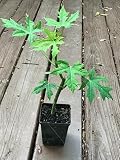

Plant Profile & Key Characteristics
Overview: Spinach (Spinacia oleracea) is a fast-growing, low leafy annual to biennial reaching 7-50 cm, grown as a cool-season edible for its green leaves. It is a herbaceous vegetable raised from seed and harvested young.
Quick Specifications
| Specification | Attribute |
|---|---|
| Plant Type / Life Cycle | Annual to biennial (cool-season leaf vegetable) |
| Mature Size | 7-50 cm (3-20 in) |
| Growth Rate | Fast |
| Root System | Taproot |
| Toxicity | Non-toxic / edible |
| Hardiness | USDA zones 2-11 |
Growth Form & Structure
- Height & Spread: 7-50 cm (3-20 in) in ground; grows well in a container or windowbox.
- Growth Habit & Form: Low leafy rosette-forming annual that bolts to a flower stalk in heat or long days.
- Lifespan & Maturity: Short-lived; leaves ready to harvest about 4-5 weeks from sowing.
Anatomy & Physical Features
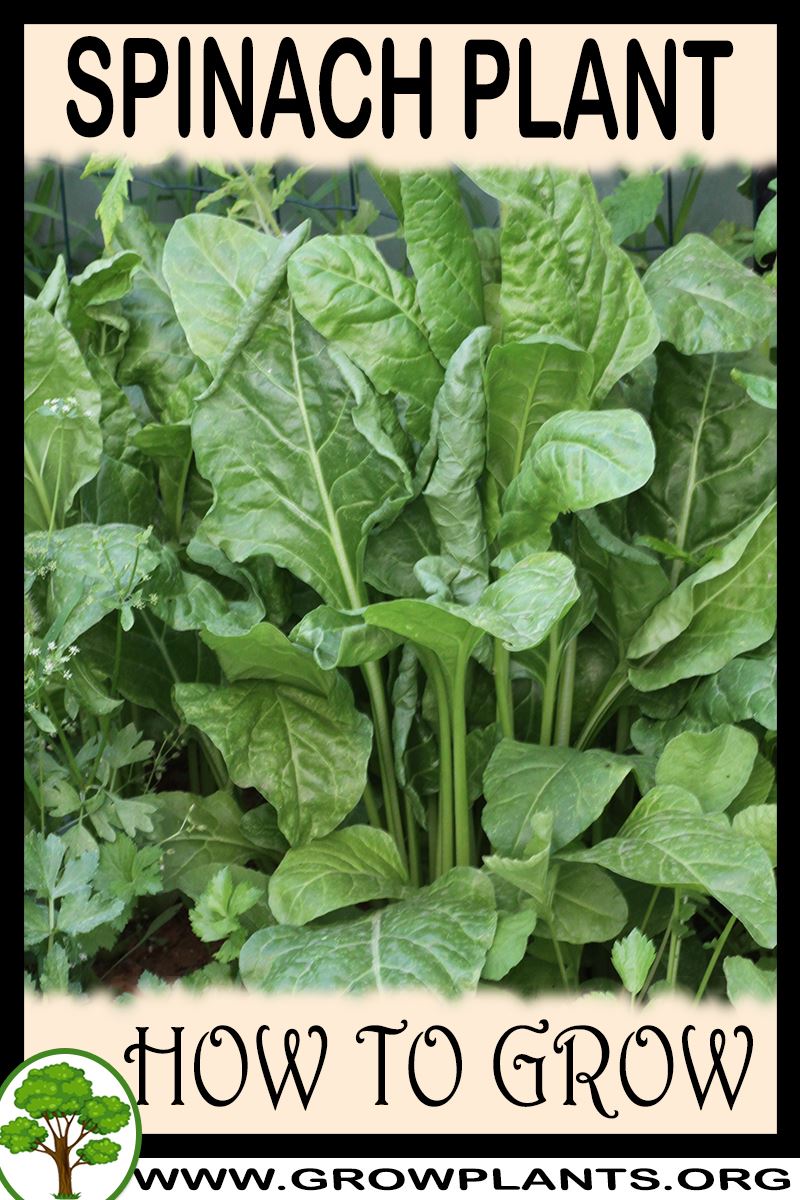
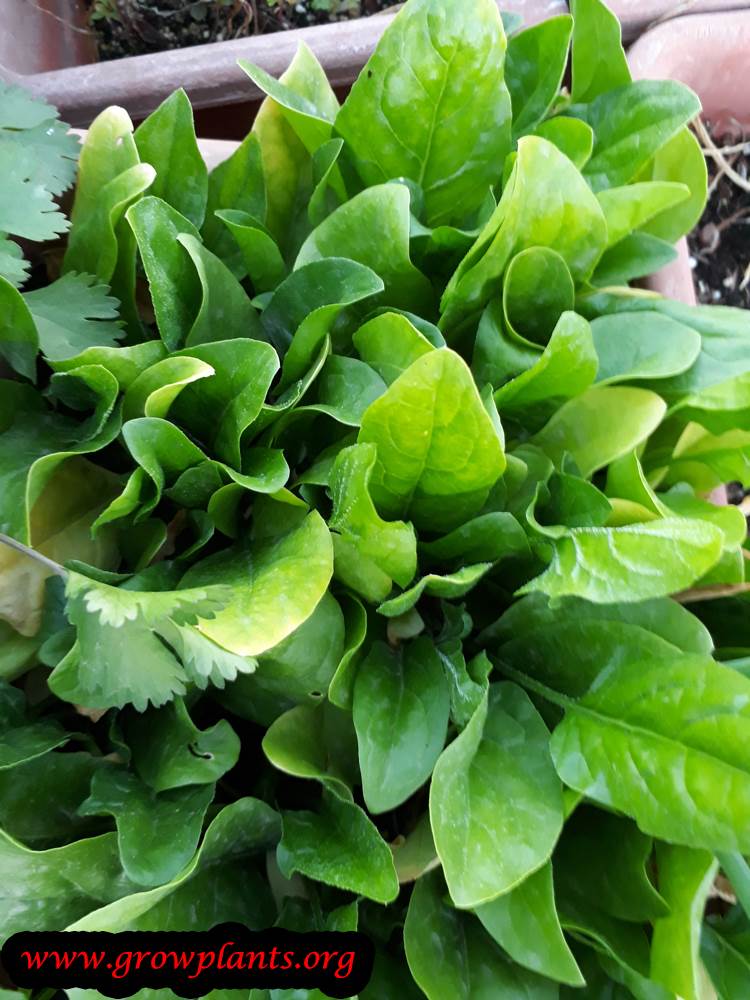
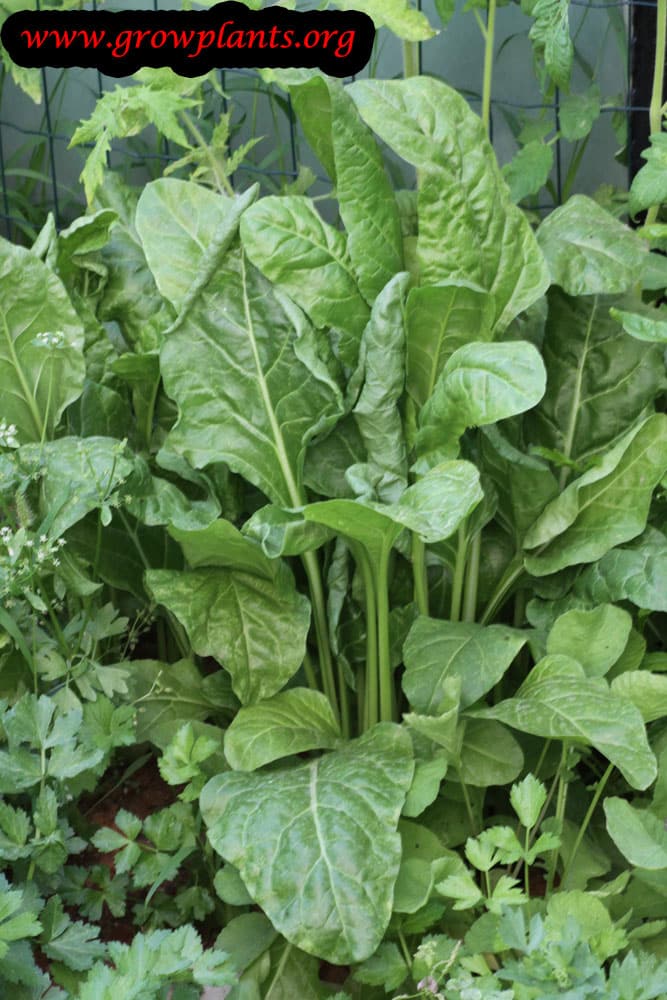
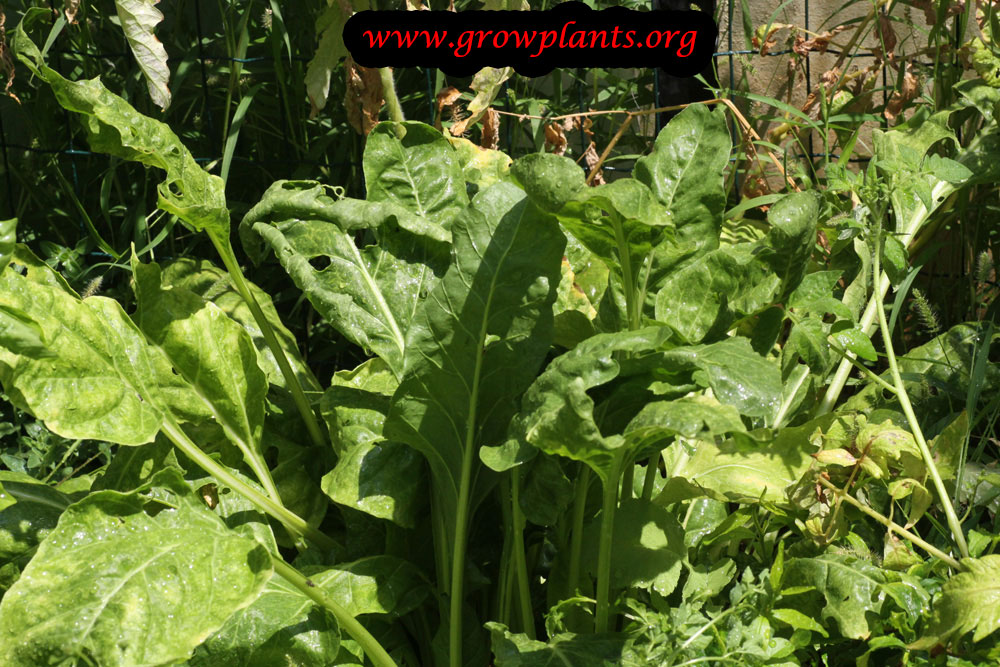
- Leaves & Foliage: Green edible leaves, flat or savoy-crinkled, oval, rounded or spear-shaped – the harvested part.
- Flower Characteristics: Small insignificant green flowers on a bolting stalk; usually removed unless saving seed (full detail in the Bloom guide).
Primary Uses & Landscape Value
- Edible Uses: Leaves eaten raw in salad, cooked, stir-fried or in spreads.
- Functional & Ornamental Roles: Productive cool-season leafy vegetable for beds, rows and containers.
Care Guide: Planting, Soil & Watering
Overview: Spinach is a fast-growing cool-season leaf crop that grows in full sun to shade in rich, moisture-retentive, well-draining soil. It needs steady moisture to stay tender, so keep the soil evenly moist and grow it in the cooler part of the year.
Quick Care Requirements
| Requirement | Ideal Condition |
|---|---|
| Planting Season | In cool weather – autumn in frost-free areas, spring in temperate climates |
| Growth Rate | Fast |
| Soil Type | Rich, moisture-retentive and well-draining |
| Soil pH | 6.5–7.0 (near neutral) |
| Water Need | Moderate to high; keep the soil evenly moist |
Planting & Establishment
- Best Planting Season: Sow or plant in cool weather: autumn in frost-free areas and spring in temperate climates, avoiding summer heat, which makes it bolt.
- How to Plant:
- Hole Preparation: Prepare loosened, fertile soil for the seedlings.
- Soil Amendments: Enrich with organic matter to feed the fast leaf growth and hold moisture.
- Planting Depth: Set seedlings at the depth they grew; sow seed shallowly.
- Growth Speed & Expectations: A fast grower reaching about 7–50 cm; harvest leaves within a few weeks and thin plants for larger leaves.
Soil, Watering & Drainage Care
- Soil Mix & Drainage Needs: Rich, moisture-retentive but well-draining soil suits it; it also grows in containers with enough light.
- Watering Schedule & Technique:
- Young / Newly Planted: Keep the soil consistently moist while seedlings establish.
- Established: Water regularly so the soil never dries out, which keeps leaves tender and delays bolting.
- Seasonal Adjustments: Water more in warm spells; grow it during the cool season for best results.
Climate, Light & Hardiness
Spinach is a fast, cool-season leafy crop that grows best in the mild temperatures of spring and autumn and stands full sun or a little shade. It is notably cold-hardy and tolerates frost, while heat and lengthening days are what push it to bolt and turn bitter.
Quick Climate Specifications
| Climate Zones | Temperate, Mediterranean and subtropical; grown in the cool season |
| USDA Hardiness Zones | 2–11 |
| Optimal Temp Range | Cool, roughly 10–20°C (50–68°F) |
| Cold Damage Begins | Tolerates frost; leaf damage generally below about −7°C (19°F) on unprotected mature plants |
| Approx. Survival Minimum | Established plants often survive near −9°C (16°F) or lower under snow or cover |
| Frost Tolerance | High |
| Light Conditions | Full sun to half shade |
| Wind Tolerance | Moderate |
Sunlight & Light Exposure
Optimal Light Setup
Full sun gives the fastest, leafiest growth in cool weather. In warm regions light afternoon shade slows bolting and extends the useful harvest window.
Shade & Heat Management
As temperatures climb above roughly 24°C (75°F), and especially under long summer days, spinach runs to seed quickly; a cooler, part-shaded spot buys extra cutting time.
Temperature Extremes & Hardiness
USDA Hardiness & Regional Limits
Commonly grown as an annual, but genuinely cold-hardy: it is planted in autumn for winter and spring harvest in frost-free and mild areas, and in spring where winters are cold. The wide zone span reflects that it can be sown wherever a cool growing window exists, from cold-winter zone 2 through warm zone 11.
Cold Damage & Winter Protection
Light frosts do little harm and can even sweeten the leaves. Hard freezes below about −7°C (19°F) damage exposed foliage, but a cloche, row cover or snow blanket lets sturdy plants overwinter in many areas.
Extreme Heat Tolerance
Heat is the real limit. Hot spells trigger rapid bolting and bitterness, so spinach is best timed to avoid mid-summer in warm climates.
Wind, Humidity & Microclimate
Humidity Preferences
It grows well in average to moist air; low, rosette-forming plants are not fussy about humidity.
Microclimate Recommendations
A cool, sheltered bed with morning sun is ideal for stretching the spring and autumn seasons; containers warm faster and bolt sooner, so keep them cool.
Growing in Pots, Balconies & Indoors
Spinach is a fast leafy crop rather than a houseplant, but it grows happily in pots and troughs on a balcony, patio or bright windowsill. Indoors it needs strong light to make good leaves.
Quick Details
- Container Size: A trough or pot at least 15-20 cm (6-8 in) deep, wider for a row of leaves (general guide)
- Indoor Suitability: Not a true houseplant, but it crops on a very sunny windowsill
- Best Spot: Full sun to part shade; it takes some shade and dislikes extreme heat
- Soil & Drainage: Rich, moisture-retentive but free-draining mix
- Watering in Pots: Keep steadily moist – pots dry fast and dryness triggers bolting
Indoors & On the Windowsill
- Houseplant limits: The grower marks it ‘yes, but with light’ – it is not a foliage houseplant, yet with enough light it grows well. A drip irrigation kit with a timer can take over that watering check automatically.
- Windowsill growing: A bright, sunny sill (or a spot under a grow light) gives the best leaves; harvest young and often. In hot spells it welcomes a cooler, part-shaded position.
On a Balcony or Patio
- Light & wind: A balcony or patio is ideal; give sun but some afternoon shade in hot climates to slow bolting. Reflected heat from walls dries pots fast, so water daily in warm weather.
- Practicalities: Shallow, wide containers suit its fibrous roots and are easy to move.
Choosing the Pot, Soil & Long-Term Care
- Pot & drainage: Use a pot with strong drainage holes and skip a standing-water saucer to avoid root rot; terracotta breathes and dries out faster, while glazed or plastic pots hold moisture longer.
- Potting mix: A rich, organic mix that holds moisture yet drains – extra compost fuels leafy growth.
- Feeding: A leafy crop is hungry – feed potted spinach regularly with a nitrogen-rich feed; Potted plants use up their soil quickly because watering leaches nutrients away, so feed a little more often than plants in open ground through the growing season.
- Season: As an annual it finishes in one season, so start each new crop in fresh mix rather than repotting.
Growing this plant in a greenhouse
A greenhouse can give spinach plant cold protection, a longer growing season, winter growing and a head start for propagation.
Greenhouse at a glance
| Greenhouse suitability | Good - clearly useful |
|---|---|
| Main benefits | cold protection, a longer growing season, winter growing, a head start for propagation |
| Season extension | can grow through winter |
| Outdoor protection advisable below | about -7°C |
| Suitable types | unheated greenhouse, polycarbonate greenhouse |
| Heating | No added heat is normally needed. |
Related greenhouse guides
- Greenhouses: How to Choose the Right Greenhouse
- Polycarbonate Greenhouses: What to Look for Before Buying
- Greenhouse Propagation Equipment
Fertilizing & Feeding
A moderate feeder grown for its leaves: steady, light nitrogen-forward feeding through the growing season, backed by organic matter, keeps foliage tender and productive. A fertilizer formulated for tomatoes and vegetables supports that feeding pattern through harvest.
Quick Fertilizing Specs
| Feeding Level | Moderate feeder |
|---|---|
| Main Nutrient Priority | Nitrogen-forward, balanced overall |
| Best Feeding Period | Through active leafy growth in the growing season |
| Organic Options | Compost, well-rotted manure, and nitrogen-rich amendments |
| Micronutrients | Usually supplied by compost and a complete fertilizer; correct specific issues only when diagnosed |
| Soil pH | Slightly acidic to near neutral |
Feeding by Growth Stage
Establishment after sowing or transplanting
Support quick rooting and early leaf development as young plants take hold.
| Nutrient direction | A balanced complete fertilizer with steady nitrogen to start leafy growth. |
|---|---|
| Timing | From sowing or transplanting through early establishment. |
| Frequency | A light feeding as growth begins, refreshed gently as the young plants settle in. |
| Fertilizer types | A balanced complete garden fertilizer, Compost or well-rotted organic matter worked into the bed |
| Precautions | Keep feeding light on tender seedlings and water in well to avoid salt burn. |
Active leafy growth and harvest
Drive lush, tender leaves, which are the harvested part of the crop.
| Nutrient direction | Lean nitrogen-forward, since the leaves are the yield, while keeping other nutrients adequate. |
|---|---|
| Timing | Through the main leafy growth and repeated cut-and-come-again harvest. |
| Frequency | Several light feedings across the growing season, easing off as weather turns unfavorable. |
| Fertilizer types | A nitrogen-forward complete or leafy-green fertilizer, Side-dressing with compost or a nitrogen-rich organic amendment |
| Precautions | Avoid heavy single doses that push soft growth or scorch leaves; regular harvest keeps plants productive. |
Nutrient Deficiency Signs & Corrections
Older, lower leaves fade to pale green or uniform yellow and overall growth slows.
| Possible causes | low available soil nitrogen, nitrogen leaching from heavy watering or rain, thin, low-organic-matter soil |
|---|---|
| Appears first on | older, lower leaves |
| What to check | recent feeding history, soil organic matter, watering and drainage |
| Possible correction | Apply a nitrogen-containing complete fertilizer and build soil organic matter, then water evenly. |
Interveinal yellowing on older leaves while the veins themselves stay green.
| Possible causes | low soil magnesium, high potassium feeding competing with magnesium uptake, leaching in light, sandy soils |
|---|---|
| Appears first on | older, lower leaves |
| What to check | soil magnesium status, how potassium-heavy recent feeding has been, soil texture and leaching |
| Possible correction | Apply a labeled magnesium source such as Epsom salt or a dolomitic amendment and rebalance feeding. |
Leaf margins brown or scorch and growth stalls despite adequate watering.
| Possible causes | fertilizer salt buildup in the root zone, under-watering that concentrates salts, excessive or too-frequent feeding |
|---|---|
| Appears first on | leaf margins and tips |
| What to check | recent fertilizer amounts, watering consistency, drainage, especially in containers |
| Possible correction | Ease off feeding, water thoroughly to flush accumulated salts, then return to lighter feeding. |
Pruning, Training & Seasonal Maintenance
Spinach is a fast cool-season annual where “pruning” means harvesting leaves and removing spent or diseased ones rather than any structural cutting. The whole management arc turns on bolting: as days lengthen and heat arrives the plant sends up a flower stalk and the leaves turn bitter, so the objective is to keep picking tender leaves and to recognise when to remove the bolting plant entirely. Leaf removal does not reshape the plant – it simply crops it.
Pruning & the Edible Harvest
For spinach, pruning and harvest are the same act – you crop the edible leaves rather than shape the plant. Taking outer leaves while sparing the central crown directly controls how much and how long you keep picking; once the plant bolts, no cut restores tender leaf, so the response is a final harvest and pull.
Quick Pruning & Maintenance Specs
| Pruning Tolerance | High for leaf harvest (cut-and-come-again); not structurally pruned |
| Primary Pruning Window | Whole harvest season (cool weather); from ~4–5 weeks after sowing |
| Typical Frequency | Pick outer leaves as needed; remove dead leaves ongoing |
| Main Objective | Sustained tender-leaf harvest before bolting |
| Young Plant Priority | Thin crowded seedlings; take only a few outer leaves |
| Mature Plant Priority | Harvest before bolting; pull once it runs to seed |
| Best Tool Type | Precision snips or fingers |
| Avoid Heavy Pruning During | Heat stress (accelerates bolting) |
Pruning by Plant Age & Size
Newly Established
Thin crowded seedlings to spacing so each plant forms a full rosette; otherwise leave the young plant to build leaf area before you begin picking.
Young / Formative
No structural training – spinach forms a low rosette from a central crown. Begin cut-and-come-again harvesting of the outer leaves once the plant has several full leaves, always leaving the central growing point intact.
Mature / Established
Harvest outer leaves regularly, or cut the whole plant. Once a flower stalk starts to rise, quality drops fast – take a final cut and remove the plant.
Seasonal Pruning Schedule
Ongoing sanitary: remove yellowing, slug-damaged or mildew-marked leaves to keep the rosette clean – spinach leaves are pest- and disease-prone, and clearing debris reduces spread.
Onset of warm weather / long days (bolting): the plant elongates and flowers; leaves turn bitter. Remove bolting plants rather than trying to prune them back – cutting the flower stalk does not restore leaf quality.
Structural Pruning & Training
None. There is no framework to train and no benefit to thinning within a plant; management is spacing between plants plus outer-leaf harvest.
Special Growth to Remove
Remove the bolting flower stalk only if you want to briefly tidy the bed before pulling, and remove dead or diseased leaves promptly. Leave the flower spike if you deliberately want to save seed.
Container & Small-Space Pruning
In pots and windowboxes, harvest outer leaves the same way but pick a little more sparingly – a small root system supports less regrowth. Cut-and-come-again suits containers well.
Tools
Precision snips or a clean pinch of the fingers are all that is needed for the soft petioles; no secateurs, loppers or saw ever apply.
Tool Hygiene & Disease Risk
Routine, tending to increased around disease. Spinach is prone to downy mildew and leaf-spot; these are mainly airborne/splash-borne rather than tool-carried, but do remove and discard (not compost) infected leaves and wipe snips if you have been cutting through diseased tissue.
Cut Placement & Technique
Pick or cut outer leaves at their base, close to the crown, without damaging the central growing point – that point keeps producing new leaves for successive harvests.
Heavy Pruning & Rejuvenation
Not applicable. Spinach is an annual: it does not rejuvenate from hard cutting, and a bolted plant will not recover into good leaf. Resow for a fresh crop rather than trying to cut one back.
Post-Pruning Care
After heavy picking, keep the soil evenly moist and lightly shaded in warm spells to slow bolting and support regrowth. Extra feeding is not required simply because leaves were removed.
Common Pruning Mistakes
- Cutting into or removing the central crown, which stops regrowth.
- Trying to “prune back” a bolted plant instead of pulling it – the leaves stay bitter.
- Stripping every leaf at once from a small plant, leaving nothing to drive recovery.
When NOT to Prune
Avoid heavy harvesting during heat stress, which pushes the plant to bolt faster. Do not strip a young plant before it has built enough leaf area.
Recommended Tools (by task)
- precision_snips – clean outer-leaf harvest and removal of damaged leaves on soft stems.
Propagation Guide
Spinach is grown only from seed, sown directly where it is to crop because the taproot resents transplanting; there is no practical vegetative method. It is Easy, the main challenge being to sow into cool conditions so plants do not run to seed (bolt).
Quick Propagation Specs
| Best Propagation Method | Seed (direct-sown) |
| Propagation Difficulty | Easy |
| Seed True-to-Type | Cultivar-dependent — open-pollinated types come fairly true, but spinach is wind-pollinated with separate male and female plants that cross freely, so saved seed needs isolation; F1 hybrids do not come true |
| Best Propagation Season | Autumn in frost-free areas; spring in temperate climates |
| Germination Temperature | Cool soil preferred; germination is poor once soil is warm (above roughly 25°C / 77°F) |
Growing from Seed
Seed Handling & Viability
Store seed dry, cool and dark. Spinach seed is relatively short-lived, so use fresh seed for even emergence.
Dormancy & Pre-Sowing Treatment
Warm soil suppresses germination; sowing into cool soil is the key. Soaking the seed for a few hours before sowing can speed emergence.
Sowing Season
Sow in autumn in frost-free areas and in spring in temperate climates, in succession, avoiding hot spells that trigger bolting.
Sowing & Establishment
Sow shallowly and directly where plants are to grow; the taproot dislikes disturbance, so avoid transplanting and instead thin seedlings to their final spacing.
Germination Conditions
Keep the seedbed evenly moist. Emergence is slow and uneven in warm soil, so time sowings for cool weather.
Bloom & Flower Guide
Quick Details
- Bloom Season: Spring to summer in frost-free areas; summer in temperate climates
- Time to First Bloom: In its first year – flowering (bolting) is triggered by heat and lengthening days
- Flower Appearance: Small green flowers (male and female flowers on separate plants)
- Edibility: Ornamental / none – spinach is grown for its leaves
Detailed Blooming Overview
Spinach “bolts” – runs up to flower – as the days warm and lengthen. Once it does, the leaves turn bitter and the leaf harvest is effectively over. The flowers themselves are small and green.
Flower Characteristics
- Tiny green flowers.
- Plants are usually either male or female, so a patch carries both.
Bloom Care & Thinning
- Managing the bloom: Unless you want to save seed, remove the flower stalks as soon as they appear to prolong the leaf harvest.
- Pollination & seed set: Pollinated mainly by wind (bees may visit).
Fruit & Uses
Spinach is grown for its edible green leaves, which are eaten raw or cooked. It is a fast leafy crop with no other edible part.
Quick Edible Specs
| Edible Parts | Leaves |
|---|---|
| Main Use(s) | Culinary |
| Eaten Raw or Cooked | Both |
| Preparation Required | None — wash before use |
| Harvest Season | Autumn to spring in frost-free areas; spring to summer in temperate climates |
| Time to First Harvest | Quick — a whole-plant cut is possible about 4–5 weeks from sowing (site value) |
| Storage | Best fresh; wilts quickly |
| Safety/Toxicity Caveat | Leaves are naturally high in oxalates — normal culinary amounts are fine; cooking reduces oxalate |
Leaves & Greens
The green leaves may be flat or curly and oval, round or spear-shaped. Harvest in two ways: pick outer leaves for a cut-and-come-again crop, or cut the whole plant at once (about 4–5 weeks from sowing). Younger, milder leaves are best for salad; larger leaves suit cooking.
Preparation, Uses & Safety
Wash well. Use raw in salads and spreads, or cooked — steamed, stir-fried or added to dishes. Spinach leaves are naturally high in oxalates; eating them in normal amounts (and cooking them) is usual, while anyone advised to limit dietary oxalate should moderate intake.
Pests, Diseases & Troubleshooting
Overview: Spinach is a fast, cool-season leafy crop whose main vulnerabilities are sap-sucking aphids (which also spread viruses), leaf-mining flies, and above all foliar fungal disease in cool humid weather. Because the whole plant is eaten raw, management leans hard on prevention – resistant cultivars, good spacing and airflow, row covers and hygiene – with sprays kept to organic, short-interval options.
Quick Troubleshooting Overview
| Issue / Pest | Main Symptom | Primary Solution |
|---|---|---|
| Downy mildew | Yellow blotches on top of leaf, grey-purple fuzz beneath | Grow resistant cultivars; improve airflow; avoid overhead watering |
| Green peach aphid | Sticky curled leaves, clusters on undersides; virus spread | Blast off with water, insecticidal soap, encourage lady beetles |
| Spinach leafminer | Pale winding tunnels then translucent blotches in leaves | Row cover, remove mined leaves, destroy crop residue |
| Armyworm / looper | Ragged holes and frass in the heart of the plant | Handpick, Bt (Bacillus thuringiensis), row covers |
| Slugs & snails | Irregular holes, slime trails, worst in cool wet spells | Iron-phosphate bait, traps, remove hiding places |
| Bolting | Sudden tall flower stalk, bitter leaves | Sow for cool season, use slow-bolt cultivars, harvest young |
Common Pests & Management
- Green peach aphid (Myzus persicae):
- Symptoms: Small green to pinkish soft-bodied insects clustering on leaf undersides and growing tips; leaves curl, pucker and turn sticky with honeydew that blackens with sooty mould. This aphid is the main field vector of cucumber mosaic and beet-transmitted viruses, so even light infestations matter.
- Prevention & Control: Inspect undersides twice weekly and dislodge colonies with a firm water spray. Conserve lady beetles, lacewings and parasitic wasps by avoiding broad-spectrum sprays; use reflective mulch to deter landing. If numbers climb, spray insecticidal soap or a light horticultural oil, coating the undersides, and repeat after several days.
- Spinach leafminer (Pegomya hyoscyami):
- Symptoms: Pale, winding tunnels that widen into translucent brown blister-blotches between the leaf surfaces; small white maggots feed inside. Whole leaves are rendered unmarketable and inedible even though the plant survives.
- Prevention & Control: Cover the bed with insect netting or floating row cover from emergence to exclude the egg-laying flies. Pick and destroy mined leaves promptly, remove nearby weeds such as lambsquarters and chickweed that host the fly, and rotate away from previous crop residue.
- Beet armyworm & cabbage looper (Spodoptera exigua, Trichoplusia ni):
- Symptoms: Ragged holes and window-pane feeding, dark frass caught in the leaf crown, and green caterpillars that curl when disturbed. Note: the source term “prodenia” refers to armyworm (formerly Prodenia), now Spodoptera.
- Prevention & Control: Handpick in the evening when caterpillars feed. Spray Bacillus thuringiensis (Bt kurstaki) while larvae are small, targeting the crown; renew after rain. Row covers before egg-laying, weed control, and encouraging birds and parasitic wasps keep populations down.
- Flea beetles (Phyllotreta spp.):
- Symptoms: Tiny black or bronze beetles that jump when disturbed, leaving dense small round “shot-hole” pits; seedlings can be stunted or killed.
- Prevention & Control: Protect young plants with row cover, keep beds weed-free, and use yellow sticky traps to monitor. Diatomaceous earth or kaolin clay on dry foliage deters them; a spinosad or pyrethrin spray is a last resort applied at dusk to spare pollinators.
- Slugs and snails (Deroceras, Cornu spp.):
- Symptoms: Irregular holes with smooth edges, slime trails on leaves and soil, damage worst in cool damp conditions and dense plantings.
- Prevention & Control: Water in the morning so foliage dries by night, remove boards, mulch and debris that shelter them, and set beer or iron-phosphate bait traps. Hand-collect after dark; a ring of diatomaceous earth or copper tape protects seedlings.
Diseases & Fungal Issues
- Downy mildew / “blue mould” (Peronospora effusa):
- Symptoms: Irregular pale-yellow patches on the upper leaf surface with a grey-violet downy mould developing on the underside in cool, humid, overcast weather; patches brown and the crop collapses fast. This is spinach’s single most destructive disease and evolves new races quickly.
- Treatment & Management: Grow the most recent multi-race resistant cultivars available. Space plants and orient rows for airflow, water at the base in the morning, and avoid dense over-fertilised stands. Remove and destroy infected leaves and crop residue, rotate at least three years, and use a copper-based fungicide preventively in high-risk cool wet periods.
- White rust (Albugo occidentalis):
- Symptoms: White to cream, blister-like raised pustules on leaf undersides with yellow spots above; heavily infected leaves distort and die.
- Treatment & Management: Favours cool humid nights; use resistant cultivars, improve airflow and drainage, avoid overhead irrigation late in the day, and remove infected debris. Copper fungicides give preventive protection where the disease is established.
- Fusarium wilt (Fusarium oxysporum f. sp. spinaciae):
- Symptoms: Yellowing and wilting of lower leaves, stunting, and browning of the inner root and stem tissue; plants collapse, worse in warm acidic soils.
- Treatment & Management: Soil-borne and long-lived, so rely on resistant cultivars and long rotations (5+ years). Raise soil pH slightly toward neutral, improve drainage, and solarise or rest heavily infested beds; there is no effective curative spray.
- Damping-off & seedling blight (Pythium, Rhizoctonia):
- Symptoms: Seeds rot or seedlings topple with a pinched, water-soaked stem at the soil line in cold wet soil.
- Treatment & Management: Sow into warm, well-drained soil at the correct depth, avoid overwatering, and do not sow too early. Use fresh clean media for transplants and thin to reduce moisture around stems.
- Cucumber mosaic & beet curly top (viruses):
- Symptoms: Mottled, puckered, yellow-streaked leaves, distorted growth and stunting (often called “spinach blight”).
- Treatment & Management: No cure once infected – control the aphid and leafhopper vectors, remove infected plants promptly, manage weeds that host the viruses, and choose tolerant cultivars where available.
Growing Difficulties & Abiotic Problems
- Bolting (premature flowering):
- Cause & Symptoms: Long days and heat trigger a tall flower stalk; leaves turn small, tough and bitter and the crop is over.
- Correction Strategy: Grow spinach in the cool part of the year, choose slow-bolt cultivars, avoid transplant shock, keep plants evenly watered, and harvest young before hot weather arrives.
- Leaf yellowing / poor colour:
- Cause & Symptoms: Uniform pale-green older leaves usually signal nitrogen shortage; interveinal yellowing on new leaves can indicate manganese or iron issues in high-pH soil.
- Correction Strategy: Feed with a balanced or nitrogen-rich organic fertiliser for this leafy crop, keep soil pH around 6.5–7, and correct micronutrients with a foliar chelate if a specific deficiency is confirmed.
- Tipburn:
- Cause & Symptoms: Brown, scorched leaf margins on inner leaves caused by calcium not reaching fast-growing tissue during heat or uneven watering.
- Correction Strategy: Keep soil moisture steady, avoid heavy nitrogen spikes, and harvest promptly in warm spells; ensure adequate soil calcium.
- Poor germination:
- Cause & Symptoms: Sparse, uneven stands when soil is too warm or crusted.
- Correction Strategy: Sow into cool, moist, well-worked soil; pre-chill seed for warm-period sowings; keep the surface damp until emergence.
What Helps – Products & Tools
For spinach keep everything short-interval and edible-crop safe: insecticidal soap and light horticultural oil for aphids, Bacillus thuringiensis (Bt) for caterpillars, iron-phosphate slug bait, yellow sticky traps and floating row cover / insect netting as your first line, and a copper-based fungicide reserved for downy mildew and white rust in cool wet spells. Resistant cultivars remain the most important “product” of all.