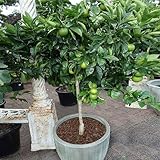
Key lime tree grow and care – tree of the genus citrus also known as Mexican lime or West Indian lime, Key lime tree perennial evergreen plant, grow for edible fruits, can be used also as ornamental plant and can grow as dwarf tree or bonsai, can grow in tropical, subtropical or mediterranean climate and growing in hardiness zone 9+.

Key lime tree Plants, Seeds & Supplies for Sale

As an Amazon Associate I earn from qualifying purchases.

Key Lime Tree Live Plant 13-22" Tall, 1 Gallon Pot by Via Citrus
Key Lime Tree Live Plant 13-22" Tall, 1 Gallon Pot by ViaCheck Price on Amazon
Gerald Winters and Son Key Lime Tree Starter Plant . Citrus aurantifolia. 3” - 5”
Gerald Winters and Son Key Lime Tree Starter Plant . Citrus aurantifolia.Check Price on Amazon
Brighter Blooms Key Lime Bush, 1 Gallon
Brighter Blooms Key Lime Bush, 1 GallonCheck Price on Amazon
Key Lime Citrus Fruit Tree Live Plant | Grafted Keylime Plants | House for Beginner | Houseplants for Indoor Outdoor Garden | Edible Plants
Key Lime Citrus Fruit Tree Live Plant | Grafted Keylime Plants |Check Price on Amazon
Garden State Bulb Persian Lime Tree, Citrus Live Plant (1 Gallon Growers Pot) Cannot Ship FL, AZ, CA, TX, LA
Garden State Bulb Persian Lime Tree, Citrus Live Plant (1 Gallon GrowersCheck Price on Amazon
Brighter Blooms - Key Lime Tree, 4-5 ft. - No Shipping to AK, AL, AZ, CA, FL, GA, HI, LA, MS, OR, TX
Brighter Blooms - Key Lime Tree, 4-5 ft. - No Shipping toCheck Price on Amazon

Don’t see the exact variety you’re looking for?

Explore all live Key lime tree plants, pots, and starter kits on Amazon ↗

Leaves color green in elliptic shape and the tree has thorns, flowers are white-purple with yellow stamen.

Key lime edible fruit

Fruit size ~3-5 cm’ and color is green, yellow, with sour taste. The inner fruit divided by segments, the segment cover with soft thin layer, it containing the pulp (little cones covered with a thinner layer). The rind color: green sometime green-yellowish, the rind is edible but little bitter also used as flavor and fragrant.

Key lime tree for sale – Seeds or Plants to Buy

How to grow Key lime tree growing and care:

Well-drained soil, better loamy soil, moist soil in the fruits season and better to put mulch

How to care:
Design for easy to pick the fruits (when there are thorns it’s important but not all cultivars have thorns), add to the soil, organic matter, humus and fertilizer, in location with hot summer sun that the main trunk is expose to the sun better to better to whitewash (lime paint)

What is the best way to start growing:
Plant / Seed / Cutting / Air layering

Is it necessary to graft or use vegetative reproduction??
Yes, necessary to ensure the existent of the fruits and quality of the fruits and better to graft more than one cultivar or more than on citrus.

Cutting need to use for the base of the tree for: disease-free, base that fit for different soils, resistance for drought, base that won’t resist for grafting.

Difficulties/Problems with growing:
Thorns

Planting season:
Spring to summer in hardiness zone 9-10a, spring or autumn hardiness zone 10b-11a, possible also in summer and winter the main problem it’s hot and cold days that might cause future problem and even kill the plant, hardiness zone 11b+ planted all year

Pests and diseases:
Citrus leaf miner, aphids, citrus foot rot, ant, citrus gummosis

Pruning season:
All the year

How to prune:
Dead branch, cross branch, too much growth density

Size of the plant?
3-6 m, 10-20 feet

Growth speed in optimal condition:
Medium growing to slow growing

Water requirement:
Average amount of water, usually the plant need more water in the fruits season, but usually it’s when there are rains and if raining season delay need to increase the amount of water that the fruits won’t be dry and won’t explode.

Light conditions in optimal condition for growing:
Full Sun and possible to grow in half shade in the right care but will produce less fruits

Is it possible to grow indoor as houseplant?
No, but possible to grow next to window with sun that possible, grow it as dwarf tree and will take more time to get fruits

Growing is also possible in a pot, planter, flowerpot or containers:
Yes, when grow in container need to choose the desirable container if it’s small plant it directly if it’s a big container bigger than 100% than the root ball consider start to grow with small container, better to switch the soil once in few years, when start to grow check that the graft of the tree not too much high and choose plant that can grow as dwarf tree or to grow it as bonsai.

Blooming information

When does flowers bloom?
Most of the year

General information about the flower
White or purple flowers with yellow stamen

Thinning / Deadheading of the blossom:
The first two years should thinning the flowers,

Pollination is done by:
Bees

Edible Fruits

When does it yield:
Most of the year

Pests or diseases in Key lime fruit:
Citrus stubborn disease, citrus black spot, Alternaria

What can be done with big quantities of Key lime fruit?
Eat, juice alcohol, the rind used fragrant, fruit leather, sugary rind

Work requirements on the fruit:
Pick up (sometimes cut brunches that grow into the fruit)

How long does it take to bear fruit?
3-4 year, and from seeds take longer

Ripening of fruit
Possible to pick up the fruit before and let them ripening them in the house (or even to use them)

Scientific name:

Citrus aurantiifolia

Alternative names: West Indian lime, bartender’s lime, Omani lime

Categories

Blooming Seasons
  • Autumn flowers
  • Spring flowers
  • Summer flowers
  • Winter flowers
Edible Parts
  • Edible Fruit
Culinary uses
  • Alcoholic beverages
  • Beverage
  • Dried fruit
  • Eaten raw
  • Fruit
  • Ice pop & Ice cream plants
  • Juice
Flower colors
  • White flower
Climate
  • Mediterranean Climate
  • Subtropics Climate
  • Tropics Climate
Harvest Season
  • Autumn Harvest
  • Spring Harvest
  • Summer Harvest
  • Winter harvest
Ornamental parts
  • Ornamental fruit
  • Ornamental leaves
  • Ornamental plant
Plant growing speed
  • Average growing plants
Plant life-form
  • Evergreen
  • Perennial plant
  • Tree
Plant Uses
  • Edible plants
  • Ornamental plants
Planting Season
  • Autumn Planting
  • Spring Planting
  • Summer planting
Plants sun exposure
  • Full sun Plants
Watering plants
  • Regularly water
  • Small amounts of water
Hardiness zone
  • Hardiness zone 10
  • Hardiness zone 11
  • Hardiness zone 12
  • Hardiness zone 13

Growing in Pots, Balconies & Indoors

The key lime (Citrus aurantiifolia) is a 3-6 m (10-20 ft) evergreen citrus – too large for a windowsill at full size, but an excellent container and patio tree while young or grown as a grafted dwarf. The grower doesn’t class it as a room houseplant: indoor light is usually too weak for good fruiting, though a very sunny window can carry a dwarf tree.

Quick Details

  • Container Size: Don’t overpot – start close to the root-ball size and step up every few years; grow a grafted dwarf to keep it manageable.
  • Indoor Suitability: Not a deep-room houseplant; a grafted dwarf can grow and slowly fruit at a very sunny window.
  • Best Spot: Full sun – a bright patio, balcony, or the sunniest window; half shade is tolerated but gives fewer fruits.
  • Soil & Drainage: Free-draining, aerated mix (potting soil, or peat/coir with perlite); never leave the pot standing in water.
  • Watering in Pots: Keep evenly moist and water more through the fruiting period so fruit doesn’t dry or split; pots dry fast, but avoid waterlogging.

Indoors & On the Windowsill

  • Houseplant reality: The grower doesn’t rate it a room houseplant – indoor light is usually too weak for good fruiting.
  • Windowsill growing: Grow a grafted dwarf at the brightest, sunniest window, away from heaters and air vents; expect fruit to take longer than outdoors.
  • Overwintering: In cold-winter areas a potted tree can spend winter in a bright, cool but frost-free spot indoors and return outside once frost has passed – a main reason to keep citrus potted.
  • Safety: Citrus foliage and peel oils can mildly upset cats and dogs, and stems may be thorny – keep pets from chewing the plant. The ripe fruit itself is edible.

On a Balcony or Patio

  • Light & warmth: Give it the sunniest, most sheltered spot; walls and paving reflect heat and dry pots fast, so check moisture often in hot weather, and shelter young trees from strong wind.
  • Practicalities: Use a stable pot heavy enough not to topple, and let drainage water escape freely.

Choosing the Pot, Soil & Long-Term Care

  • Pot & drainage: Strong drainage holes are essential; skip a standing saucer of water to prevent root rot. Terracotta breathes and dries faster; glazed or plastic holds moisture longer.
  • Potting mix: Well-aerated – potting soil, or peat/coir with perlite or vermiculite.
  • Feeding: Potted citrus need feeding more often than ground trees as nutrients leach with each watering; use a citrus feed through the growing season.
  • Repotting: Refresh the mix and pot up every few years – the grower advises against leaving old, spent soil in the pot; keep a dwarf in shape with light root and top pruning.

Grower’s Container Tip

  • Don’t overpot, and grow it dwarf: Plant a small tree straight into its pot; with a large container, start it in a smaller pot rather than one far bigger than the root ball. Change the soil every few years, check that the graft union sits well above the soil, and choose a cultivar you can keep as a dwarf tree or bonsai – even bonsai citrus bear fruit.

Bloom & Edible Flower Guide

Quick Details

  • Bloom Season: Much of the year in warm conditions
  • Time to First Bloom: A grafted tree usually begins flowering within its first few years
  • Flower Appearance: Small white to purple-tinged flowers with yellow stamens
  • Edibility: The fragrant white lime blossoms are edible and aromatic

Detailed Blooming Overview

Key lime is a thorny, tender citrus that can flower on and off for much of the year where it stays warm. The small flowers are white, sometimes flushed purple, with yellow stamens and the sweet citrus scent. Bees pollinate them.

Flower Characteristics

  • Small white flowers, sometimes purple-flushed, with yellow stamens.
  • Sweetly fragrant.

Bloom Care & Thinning

  • Thinning: In the first two years, thinning the flowers helps a young tree build strength.
  • Pollination: Pollinated by bees.

Bloom Health & Protection

  • Aphids and thrips: These can gather on the tender buds and new growth; a strong jet of water, insecticidal soap or neem oil keeps them down. Avoid spraying open blossoms so visiting bees are not harmed.