
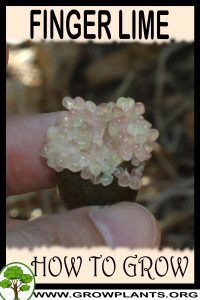
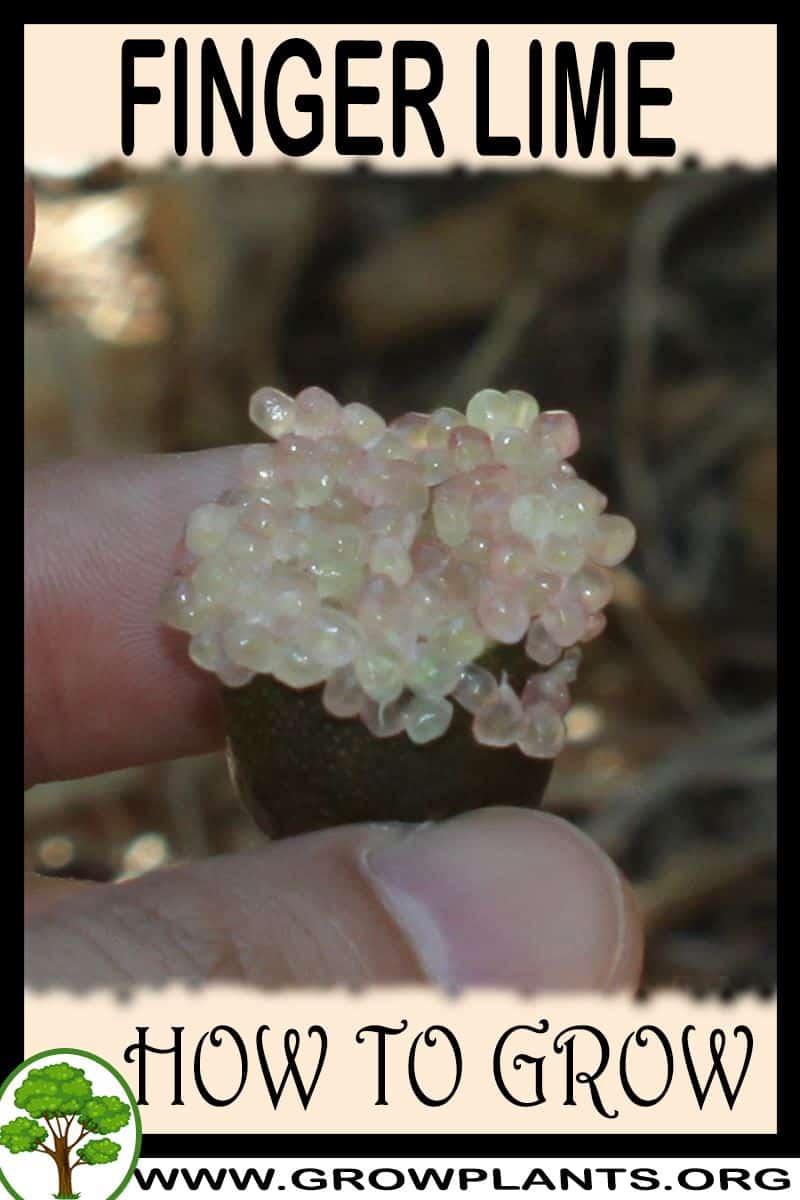
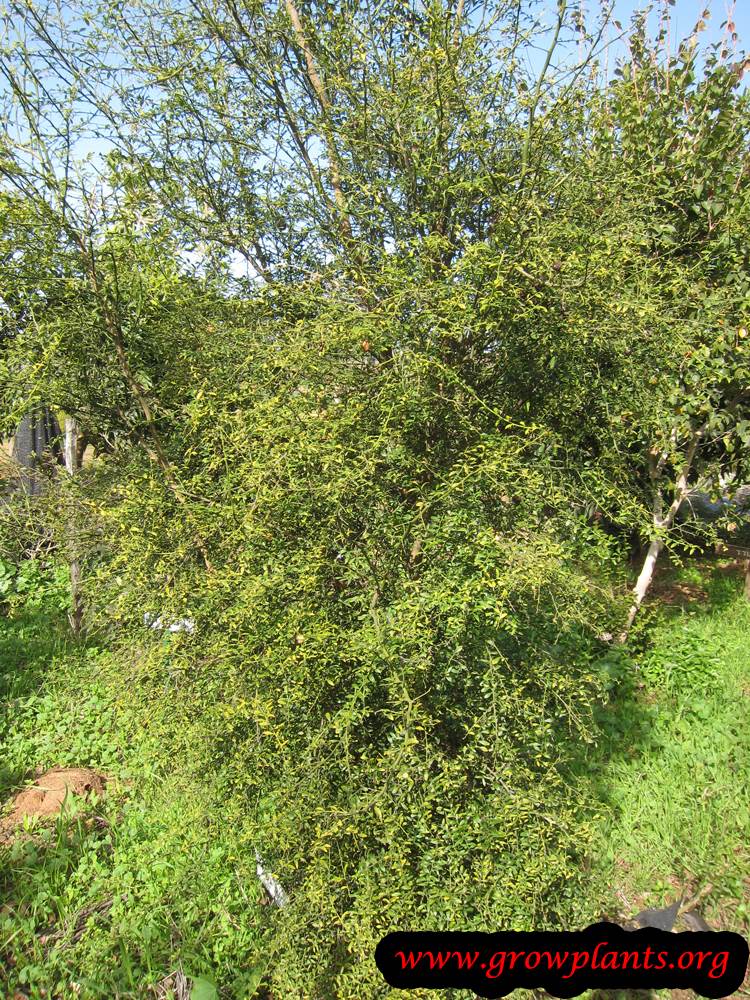
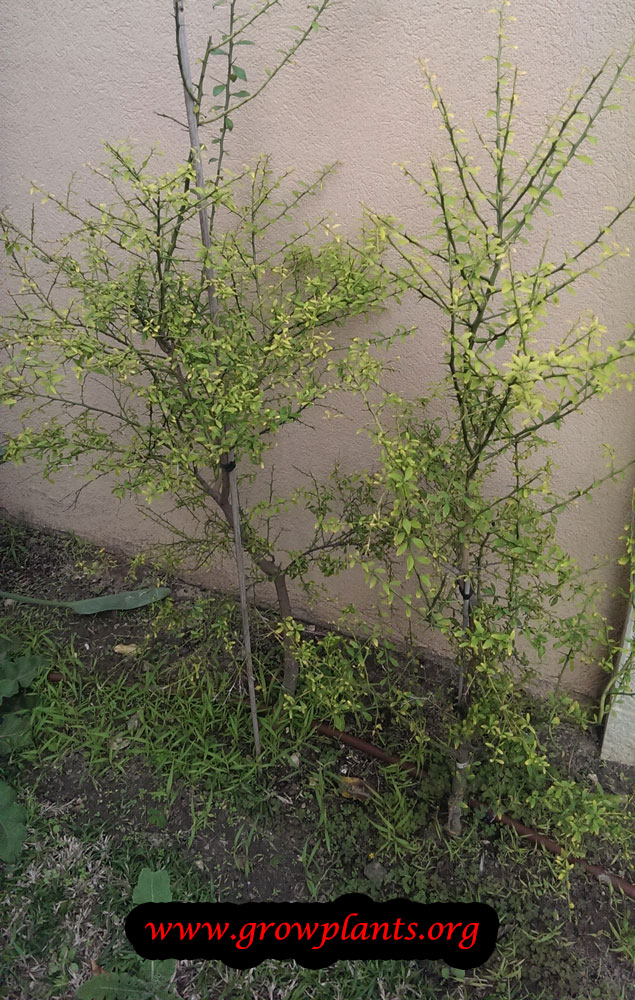
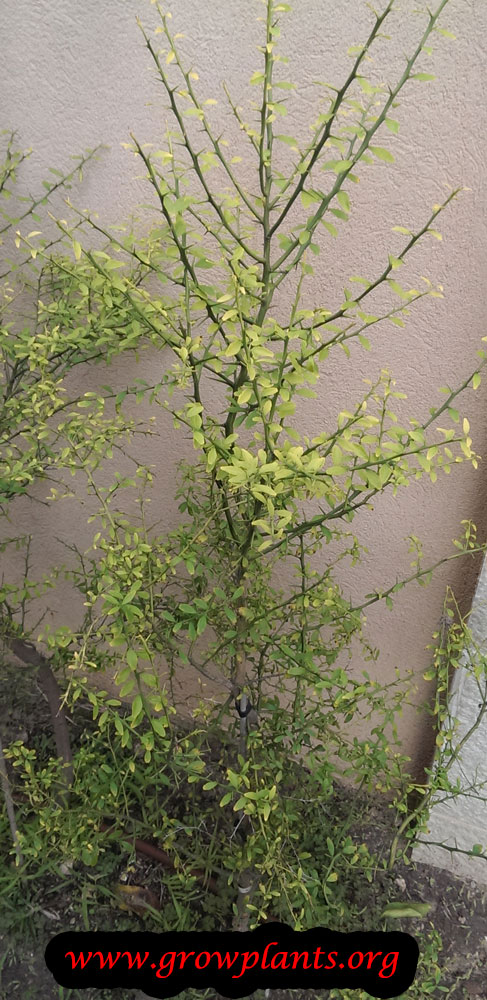
Finger Lime tree grow and care – as shrub or small tree of the genus Citrus also known as Lime caviar or Australian finger lime, is a type of Lime. Finger Lime tree perennial evergreen plant, grow for edible fruits, can be used also as ornamental plant and can grow as dwarf tree or bonsai, can grow in subtropical or mediterranean climate and growing hardiness growing zone 10+ and in hardiness zone 9b with the overwinter care.
Finger Lime tree Plants, Seeds & Supplies for Sale
As an Amazon Associate I earn from qualifying purchases.


Don’t see the exact variety you’re looking for?
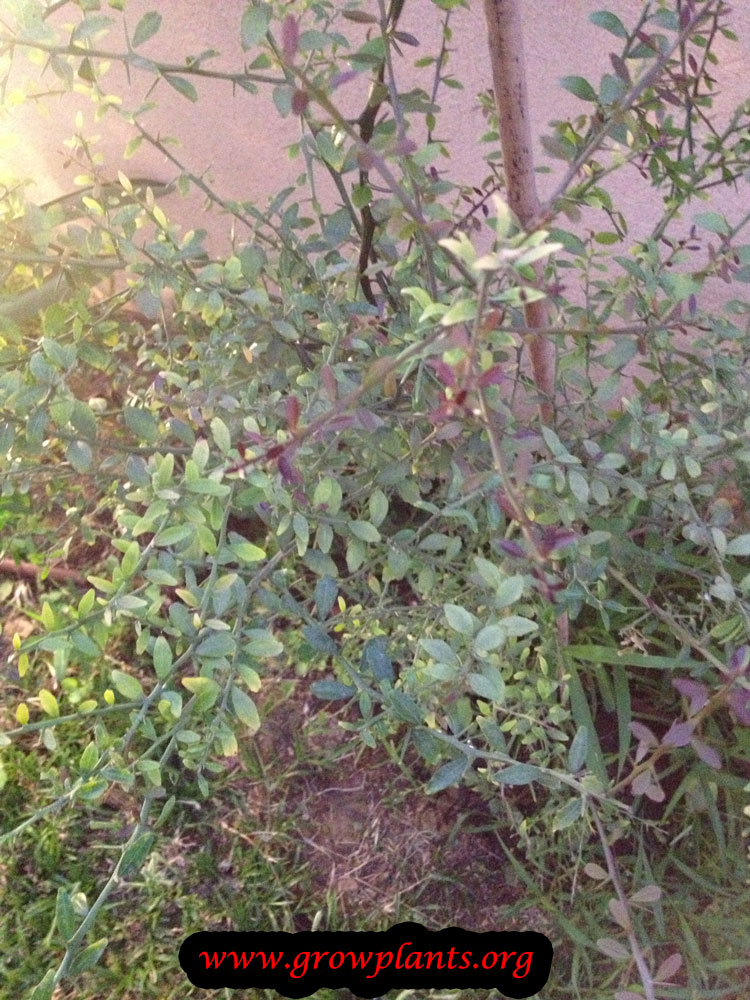
Explore all live Finger Lime tree plants, pots, and starter kits on Amazon ↗Leaves color green in elliptic shape, buds white with purple and the flowers are white with yellow/green stamen.
Finger Lime tree edible fruits
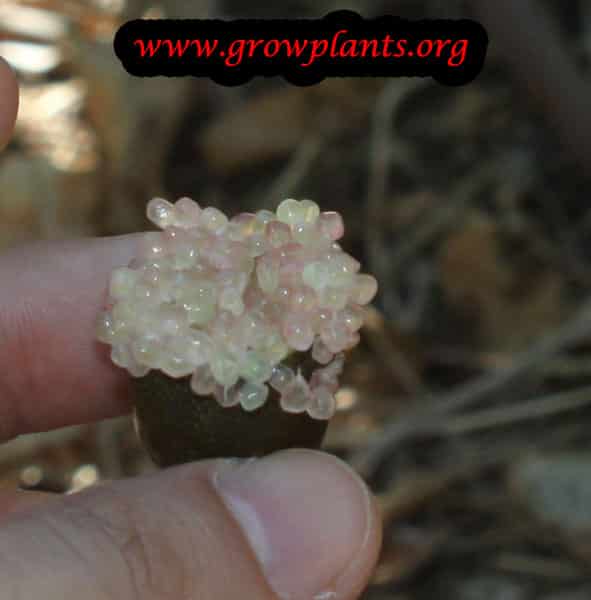
Fruit are oval in size ~3-10 cm, inside the fruit there is pulp (small round cells covered with a thinner layer). The cells can appear in a variety of colors: yellow, write, red, green, it can be sour to sour with hint of sweet the taste remind lemon or lime, rind appears in green, red, brown, orange, black, skin color is not indicative of the color of the inside spheres, the rind is edible used as spices for flavor and fragrant
Finger Lime tree for sale – Seeds or Plants to Buy
How to grow Finger Lime tree growing conditions and care:
Well-drained soil, better loamy soil, moist soil in the fruits season and better to put mulch
How to care:
Design for easy to pick the fruits (when there are thorns it’s important but not all cultivars have thorns), add to the soil, organic matter, humus and fertilizer, in location with hot summer sun that the main trunk is expose to the sun better to better to whitewash (lime paint)
What is the best way to start growing:
Plant / Seed / Cutting / Air layering
Propagate by cutting:
Propagating require: sterilize knife, sterilize soil (put the soil in microwave), soil that will keep moist like: peat soil, coconut coir or peat moss, better to do it in in temperature of 25-28C (77-82F) possible higher, high humidity, moist soil (don’t let it dry), use root growth hormone and when growing from cutting it’s important, to give humidity that will be like fog
Is it necessary to graft or cutting?
Yes, necessary to ensure the existent of the fruits and quality of the fruits and there are different parameters: size, taste (sweet, sour or something in between), color of the fruits, juicy or dry, amount of seeds or seedless, season of the fruits (different cultivars have different dates for the fruits), better to graft more than one cultivar or more than on citrus.
Cutting need to use for the base of the tree for: disease-free, base that fit for different soils, resistance for drought, base that won’t resist for grafting or specific cultivar for the fruits.
Difficulties/Problems with growing:
Thorns
Planting season:
Spring to summer in hardiness growing zone 9b-10a, spring to autumn in hardiness zone 10b, all the year in hardiness zone 11+, better not to plant it in the hot summer days
How to plant:
Dig a hole as deep as the current root ball plus extra 20-40%, put in the hole organic matter, hummus and dried leaves and mix it with some soil, put the tree and loos little bit the root ball above the hole, plant the tree and cover it and don’t push the soil too much strong but not too much lightly because it won’t be stable, after planting put mulch to keep moist on soil, put water, for the next two weeks put every day (better in the morning) , better to take that the tree will be stable, and if not support it with bamboo or a stick that it won’t fall.
Pests and diseases:
Citrus leaf miner, aphids, citrus foot rot, ant, citrus gummosis
Pruning season:
End of the winter, beginning of the spring
How to prune:
Dead branch, cross branch, need to reduce the density branches
Size of the plant:
1.5-6 m, 5-20 feet
Growth speed in optimal condition:
Medium growing to slow growing
Water requirement:
Average amount of water, usually the plant need more water in the fruits season, but usually it’s when there are rains and if raining season delay need to increase the amount of water that the fruits won’t be dry and won’t explode.
Light conditions in optimal condition for growing:
Full Sun and possible to grow in half shade in the right care but will produce less fruits
Is it possible to grow indoor as houseplant?
No, but possible to grow next to window with sun that possible, grow it as dwarf tree and will take more time to get fruits
Growing also possible in pots, planter, flowerpot, containers:
Yes, when grow in container need to choose the desirable container if it’s small plant it directly if it’s a big container bigger than 30%-50% than the root ball, every time that the tree arrive to full capacity need to switch to bigger until arrives to desirable size, better to switch the soil once in few years soil lose the viability over time and it’s efficient of care for the tree, when it’s not possible to switch all the soil just part of the soil in the side of the roots (don’t afraid from root cutting), it will bear fruits also in 5-10gallon (40 liter) container (but bigger is better), drainage it’s important and need to make holes and to use peat soil and maybe some lava grit in the bottom or something like that, put a bottom for the container and when water the plant let it fill the bottom but also need to dry in the same day, better to grow as dwarf tree or to grow it as bonsai.
Blooming information
When does flowers bloom?
Spring to summer
General information about the flower
White flower with yellow stamen
Pollination is done by:
In the first years should thinning the flowers
Pollination is done by:
Bees
Edible Fruits
Fruit harvest season:
Autumn to winter, the fruits will hold on the tree until the end of the spring but need to check that they don’t become dry or rotten
Pests or diseases in Finger Lime fruit:
Citrus stubborn disease, citrus black spot, alternaria
What can be done with big quantities of Finger Lime fruit?
Eat, juice alcohol, the rind used fragrant, fruit leather, sugary rind
Work requirements on the fruit:
Pick up (sometimes cut branches that grow into the fruit)
How long does it take to bear fruit?
2-3 years
Ripening of fruit
Possible to pick up the fruit before and let them ripening them in the house (or even to use them)
How to eat finger limes:
Taste of the fruits it’s like lemon or lime so can be used in the same way, possible to eat it by peeling the peel and also possible to cut it in the middle and taking all with teaspoon, the fruit like little bubble and it’s pleasant to eat.
How to grow Finger lime tree from seed
Sowing requirement:
Moist soil, well-drained soil, 20-27C temperature and better in sunny location
Saving and care seeds until sowing:
Dry, dark location in room temperature
Sowing season:
Spring to early summer (possible also summer to autumn)
How to plant:
Planting in soil that keep moist, cover the seed lightly
Planting spacing:
Better in separate pots, direct on the place 3*4m (10*13 feet), for transplant 5*5 cm (2*2 inches)
Depth of Sowing:
2cm (1inches)
Conditions for seeds germinate:
Keep the soil and don’t let it dry, rich soil and sunny location
Watering requires for Seeds:
Average amount of water
Germination time:
2-4 weeks, but can take longer
Condition of seedling:
If there is Citrus leaf miner in one of the trees in the area, better to put it in greenhouse or indoor to protect the tree, young tree very sensitive to citrus leaf miners, better to cover the soil with mulch.
Scientific name:
Citrus australasica
Alternative names: Australian finger lime, Caviar lime tree
Categories
| Blooming Seasons |
|
|---|---|
| Edible Parts |
|
| Culinary uses |
|
| Flower colors |
|
| Climate |
|
| Harvest Season |
|
| Ornamental parts |
|
| Plant growing speed |
|
| Plant life-form |
|
| Plant Uses |
|
| Planting Season |
|
| Plants sun exposure |
|
| Watering plants |
|
| Hardiness zone |
|