

Plant Profile & Key Characteristics
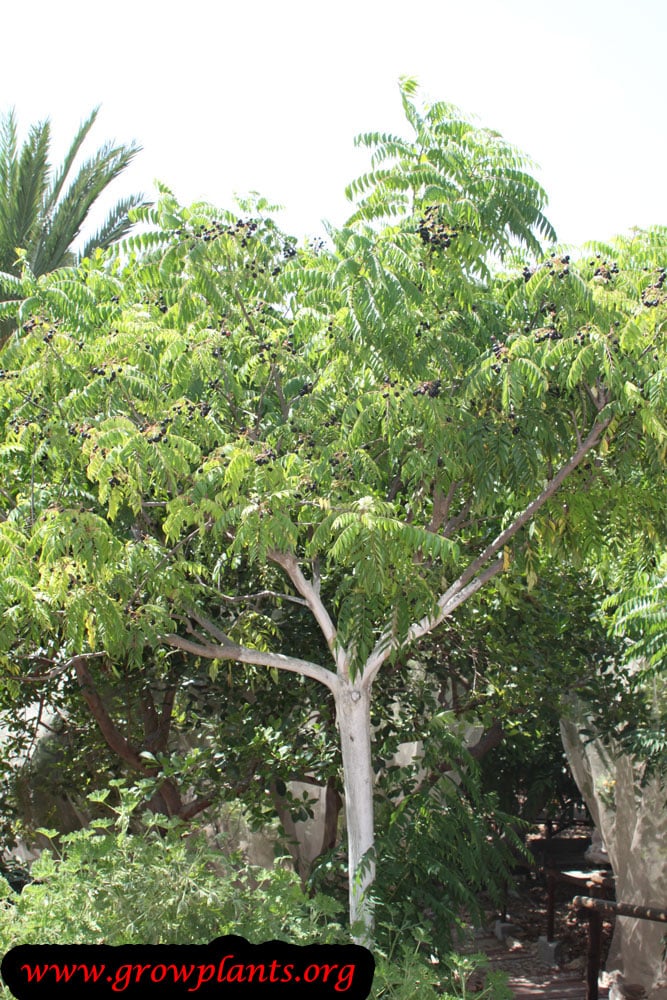
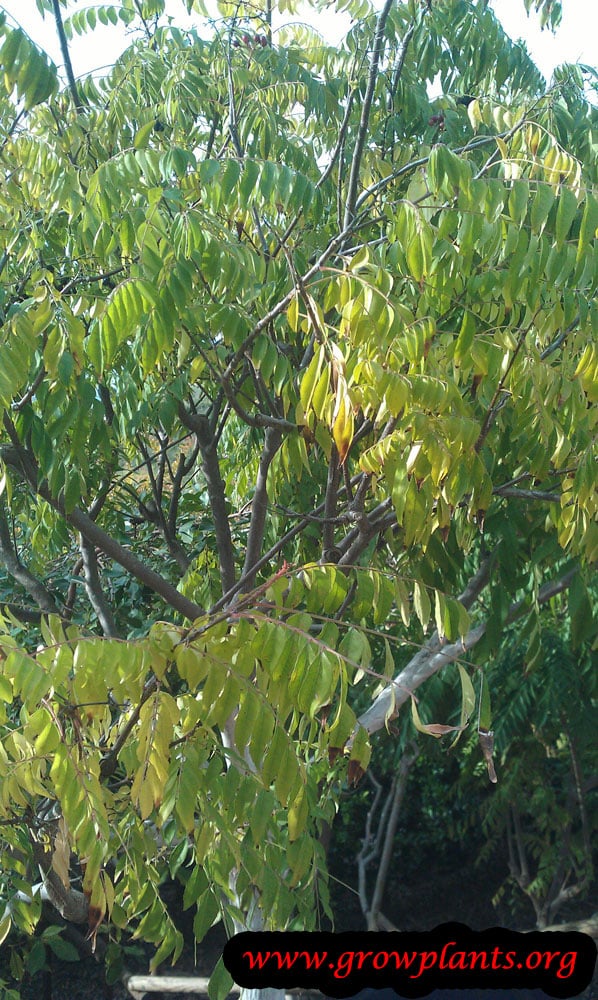
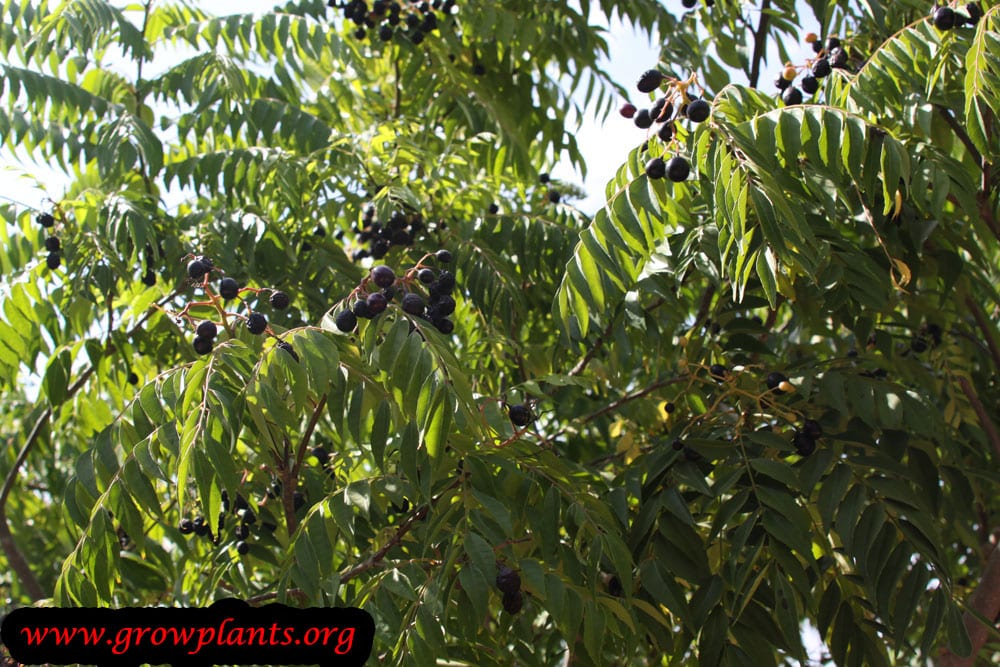
Overview: A small tree growing 2-6 m tall, evergreen in the tropics and deciduous in cooler subtropics, grown for its aromatic edible curry leaves and its edible fruit. It readily suits containers and can be grown indoors.
Quick Specifications
| Specification | Attribute |
|---|---|
| Plant Type / Life Cycle | Perennial (tree) |
| Foliage Type | Evergreen (deciduous in subtropical/cooler climates) |
| Mature Size | 2-6 m (6-20 ft) |
| Growth Rate | Moderate to Fast |
| Root System | Suckering (forms root suckers) |
| Toxicity | Aromatic leaves and ripe fruit pulp edible; the seed inside the fruit is toxic and should not be eaten |
| Hardiness | USDA zone 9+ |
Growth Form & Structure
- Height & Spread: 2-6 m (6-20 ft); readily container-grown and kept as a houseplant.
- Growth Habit & Form: Small aromatic suckering tree or large shrub.
- Lifespan & Maturity: Bears fruit in about 2-4 years.
Anatomy & Physical Features
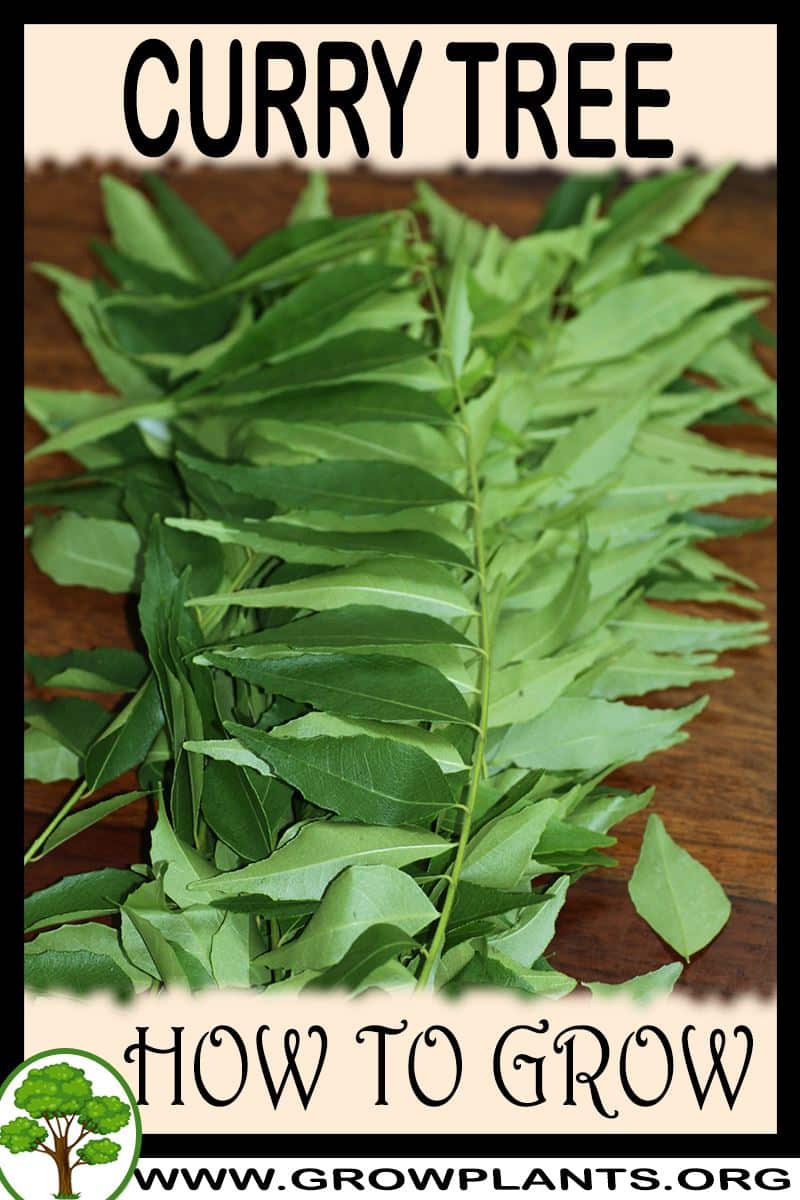
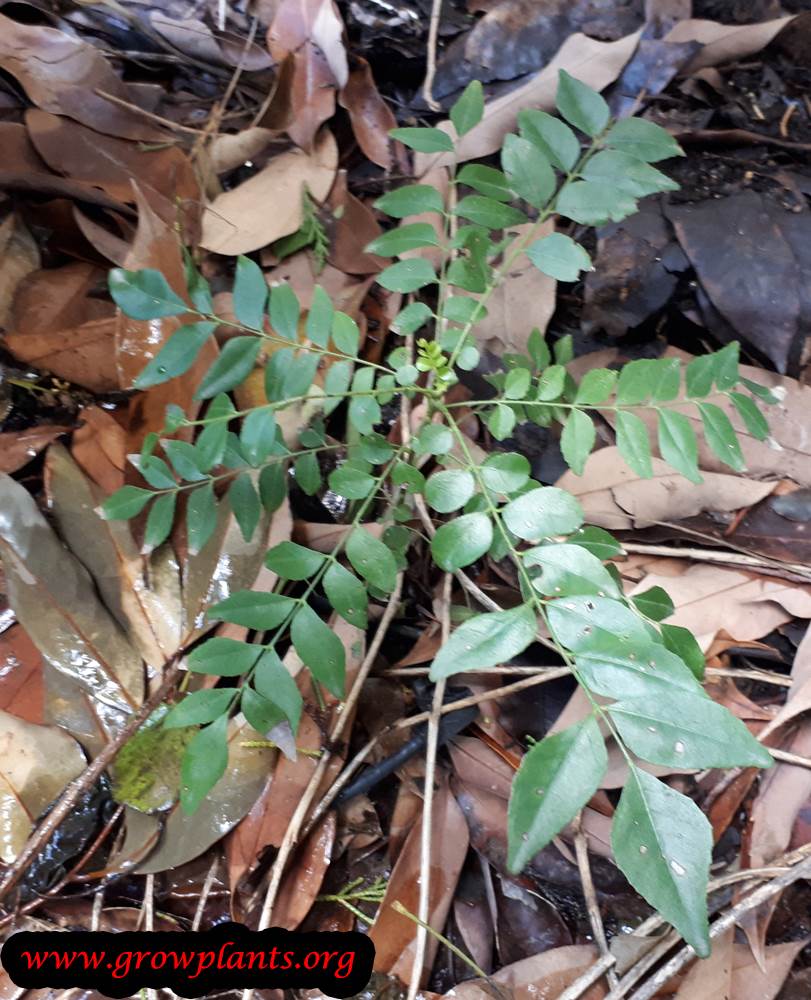
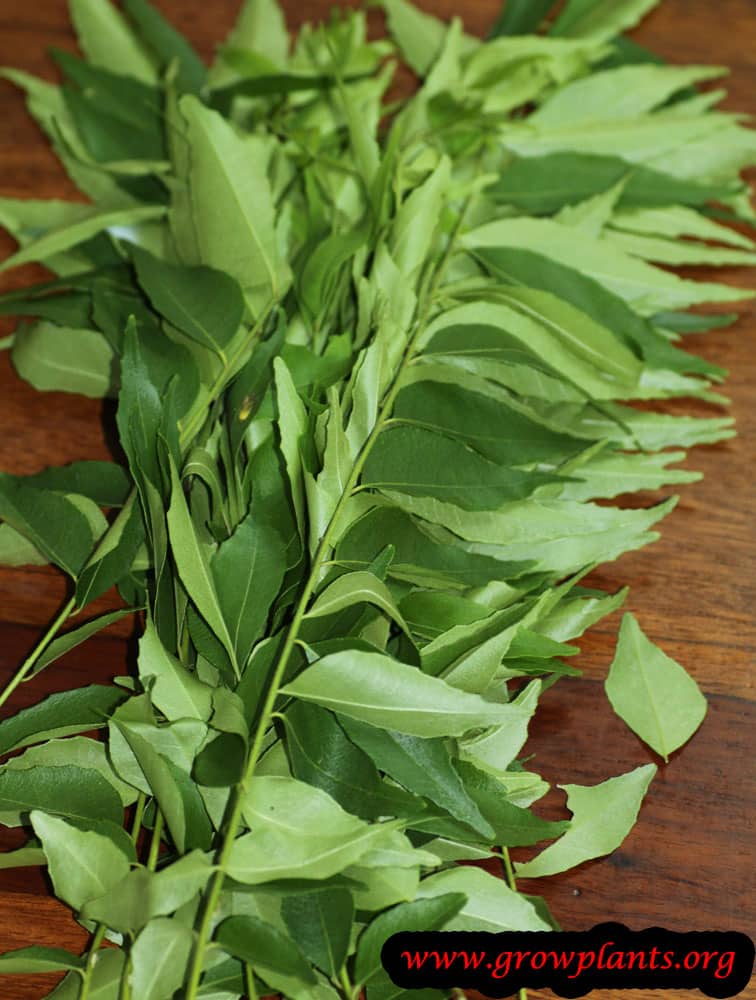
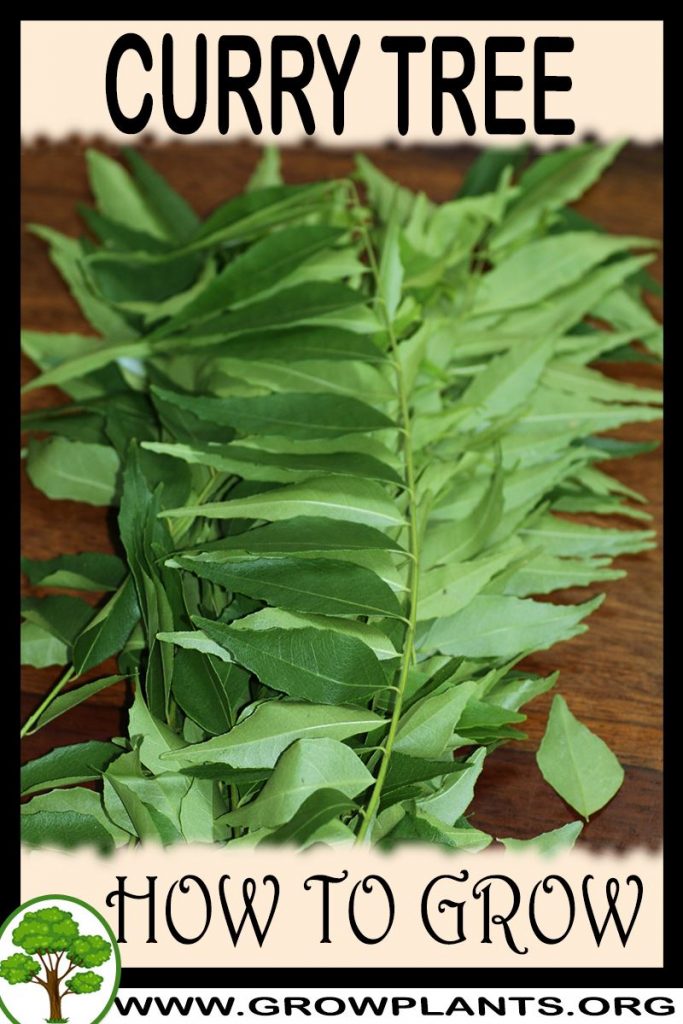
- Leaves & Foliage: Green, aromatic pinnate leaves – the culinary curry leaf.
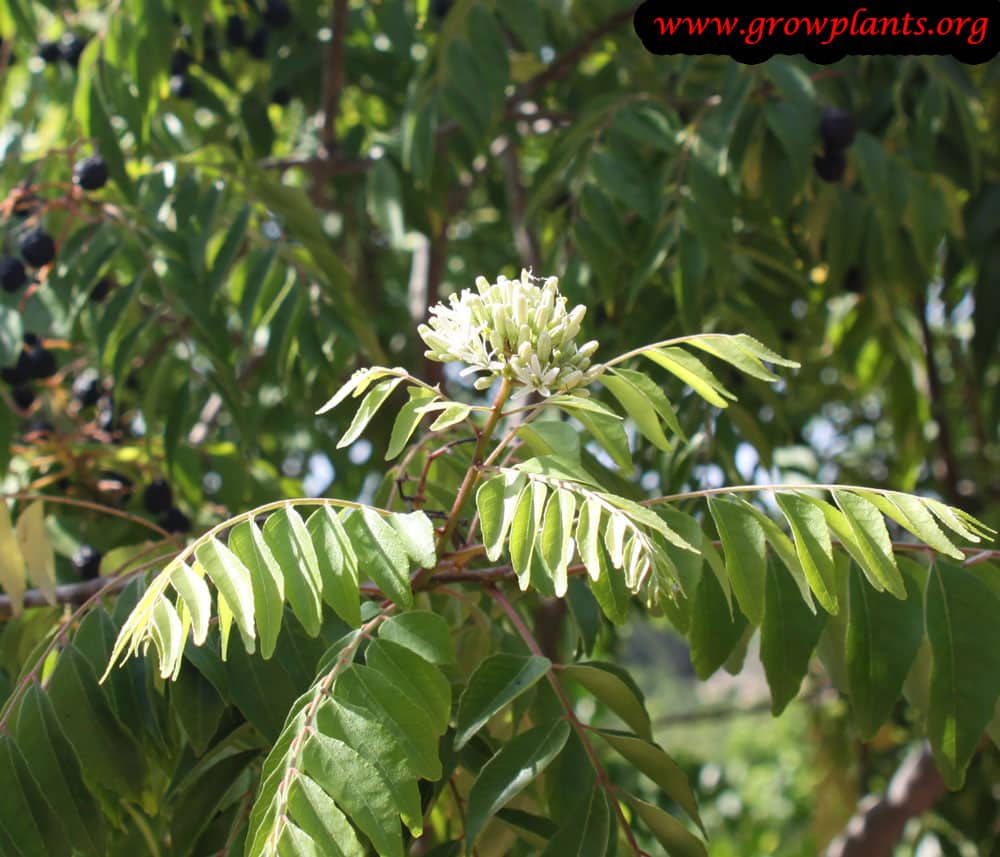
- Flower Characteristics: Small white fragrant flowers in clusters (self-pollinating).
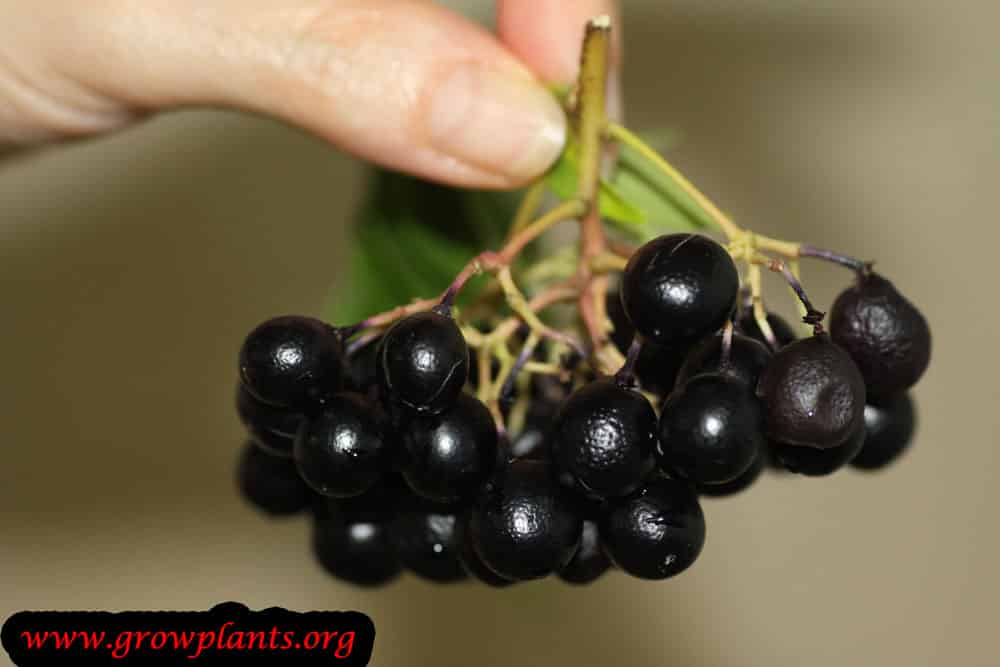
- Fruit Profile: Small red-to-dark-purple berries, sweet with a strong flavour (seed toxic).
Primary Uses & Landscape Value
- Edible Uses: Leaves used fresh in curries, stir-fries and as a herb/spice; ripe fruit pulp edible.
- Functional & Ornamental Roles: Culinary herb tree; fragrant ornamental and container/houseplant.
Care Guide: Planting, Soil & Watering
Overview: The Curry tree (Murraya koenigii) is a fragrant small tree for full sun to shade with light (hardiness zone 9+), evergreen in the tropics and deciduous where cooler. It likes rich, well-drained, slightly acidic soil and moderate, regular watering.
Quick Care Requirements
| Requirement | Ideal Condition |
|---|---|
| Planting Season | Spring; also mild autumn and winter in frost-free areas |
| Growth Rate | Moderate to Fast |
| Soil Type | Rich, well-draining |
| Soil pH | Slightly acidic |
| Water Need | Moderate – regular water, let the surface dry between |
Planting & Establishment
- Best Planting Season: Plant in spring, or during a mild autumn or winter in frost-free areas, in a warm, sheltered spot.
- How to Plant:
- Hole Preparation: Dig a hole a little wider than the root ball.
- Soil Amendments: Work compost into rich, well-drained, slightly acidic soil.
- Planting Depth: Set the root collar at soil level, matching the depth it grew in the pot.
- Growth Speed & Expectations: Moderate to fast in warm conditions.
Soil, Watering & Drainage Care
- Soil Mix & Drainage Needs: Use rich, free-draining soil; the tree is sensitive to waterlogging, so ensure excess water drains away.
- Watering Schedule & Technique:
- Young / Newly Planted: Water young trees regularly to keep the soil evenly moist as they establish.
- Established: Water moderately once established, letting the surface dry between waterings.
- Seasonal Adjustments: Reduce watering in winter (it can drop leaves where cool) and protect it from frost.
Climate, Light & Hardiness
Curry tree grows in tropical, subtropical, or mediterranean climates and tolerates full sun through to full shade with adequate light. It stays evergreen in truly tropical conditions but becomes deciduous in subtropical climates, reflecting a cold-triggered leaf drop; the site rates it to approximately zone 9 and above.
Quick Climate Specifications
| Climate Zones | Tropical, subtropical, and mediterranean climates |
|---|---|
| USDA Hardiness Zones | Approximately 9 and above |
| Frost Tolerance | Low |
| Light Conditions | Full Sun, Half Shade, or Full Shade (with adequate light) |
Sunlight & Light Exposure
Optimal Light Setup
Adapts to a wide range of light from full sun to full shade, provided shaded spots still receive reasonably bright ambient light.
Temperature Extremes & Hardiness
USDA Hardiness & Regional Limits
Reliable outdoor culture is rated from approximately zone 9 upward. In subtropical parts of that range, cooler winters trigger deciduous leaf drop rather than year-round evergreen growth seen in fully tropical climates - a seasonal response rather than plant failure.
Cold Damage & Winter Protection
Where winters bring the tree into deciduous dormancy, established roots typically survive and resprout in spring; younger plants are more vulnerable and benefit from frost protection.
Frost Sensitivity
Frost can damage or kill young plants; site in a warm, sheltered spot at the cooler edge of its range.
Wind, Humidity & Microclimate
Microclimate Recommendations
A warm, humid, sheltered microclimate supports evergreen growth further from the tropics; in cooler subtropical gardens, expect and allow for winter deciduousness rather than treating it as a problem.
Growing in Pots, Balconies & Indoors
Curry tree (Murraya koenigii) reaches 2-6 m (6-20 ft) outdoors but stays a manageable shrub in a pot, and the grower marks it as both a houseplant and a container plant. Given warmth and good light it makes a fine indoor plant, keeping fresh curry leaves within reach.
Quick Details
- Container Size: A medium tub; step up gradually as it grows
- Indoor Suitability: A good houseplant in a warm, bright spot
- Best Spot: Bright light; full sun to part shade (it tolerates shade with light)
- Soil & Drainage: A well-aerated, organic-rich mix – potting mix, or peat/coir with perlite or vermiculite. Free-draining
- Watering in Pots: Keep evenly moist – an average, steady supply; pots dry fast, but avoid waterlogging
Indoors & On the Windowsill
- As a houseplant: Grows well indoors in a warm room with bright light. Keep it out of cold draughts, water when the surface starts to dry, and it will push out fresh, aromatic leaves.
- Windowsill: A bright, sunny sill is ideal and keeps growth compact and leafy.
- Overwintering: Frost-tender – in cold climates keep it indoors in a warm, bright spot over the cold season; it may drop some leaves if it gets too cool.
On a Balcony or Patio
- Light & heat: Give it a warm, sunny, sheltered spot in the frost-free season. Walls and paving reflect heat and pots dry fast, so check moisture often.
Choosing the Pot, Soil & Long-Term Care
- Pot & drainage: Choose a pot with strong drainage holes; skip a standing-water saucer, or empty it promptly, so the roots never sit wet. Terracotta breathes and dries faster, while glazed or plastic pots hold moisture longer.
- Potting mix: A well-aerated, organic-rich mix – potting mix, or peat/coir with perlite or vermiculite.
- Feeding: Potted plants use up their soil faster because nutrients leach out with every watering, so feed a little more often than plants in open ground. Feed regularly through the growing season for lush leaves.
- Repotting: Refresh part of the mix and pot up every couple of years, lightly pruning the root ball and top growth to keep it in balance.
Fertilizing & Feeding
Curry tree is a moderate feeder. Grown mainly for its aromatic curry leaves rather than its fruit, it responds well to nitrogen-leaning feeding through the growing season, and it prefers soil on the slightly acid side.
Quick Fertilizing Specs
| Feeding Level | Moderate – regular light feeding supports steady leaf production for harvest |
|---|---|
| young_feeding | A light, balanced feed suited to slightly acid soil while roots establish |
| mature_feeding | A nitrogen-leaning, balanced fertilizer to sustain the leaf flush this tree is grown for |
| Main Nutrient Priority | Nitrogen for steady leaf production, in a fertilizer suited to slightly acid soil |
| Best Feeding Period | The active growing season, which can extend for much of the year in warm, frost-free climates |
| Organic Options | Organic matter or mulch suits this tree well, whether grown in the ground or as a container specimen |
| Soil pH | Prefers slightly acid soil; avoid liming or alkaline amendments |
Feeding by Growth Stage
Establishing Plant
Help a young curry tree root in and begin producing the leafy growth it’s grown for
| Nutrient direction | Light, balanced feeding while the root system establishes, favoring a slightly acid-tolerant soil mix |
|---|---|
| Timing | At planting and through the first period of active new growth |
| Frequency | A light feeding at planting, then hold off until fresh growth confirms the plant has rooted in |
| Fertilizer types | A diluted, balanced fertilizer suited to slightly acid soil, Organic matter worked into the planting soil or potting mix |
| Precautions | Avoid heavy feeding on a stressed or recently transplanted root system |
Active Growth and Leaf Harvest
Sustain steady leaf production for harvest through the warm growing season
| Nutrient direction | A nitrogen-leaning, balanced fertilizer supports the flush of aromatic leaves this tree is grown for |
|---|---|
| Timing | Through the active growing season; in warm, frost-free climates growth can continue for much of the year |
| Frequency | Regular light feedings through active growth, scaled back if growth slows in cooler weather |
| Fertilizer types | A balanced, nitrogen-leaning fertilizer suited to slightly acid soil, Mulch or organic matter to sustain steady leaf production |
| Precautions | This tree prefers slightly acid soil – avoid liming or alkaline amendments that could interfere with nutrient uptake |
Nutrient Deficiency Signs & Corrections
Yellowing between the veins of new leaves, with the veins themselves remaining green
| Possible causes | Iron deficiency brought on by soil that is more alkaline than this tree prefers, Waterlogged soil limiting root function and nutrient uptake, Compacted or heavy soil restricting root growth |
|---|---|
| Appears first on | Newest leaves at branch tips |
| What to check | Soil pH tendency, since this tree prefers slightly acid conditions, Drainage and recent watering pattern, Whether yellowing is limited to new growth or spread throughout |
| Possible correction | Adjust toward a slightly acid soil mix and consider a chelated iron product per its label if yellowing persists |
Pale, light-green leaves and a noticeably slower flush of new leaf growth
| Possible causes | Insufficient nitrogen from infrequent feeding, Soil low in organic matter, Heavy watering leaching nutrients from the root zone |
|---|---|
| Appears first on | Older leaves lower on the plant |
| What to check | Feeding history and organic matter level, Watering frequency and drainage, Rate of new leaf production compared with earlier in the season |
| Possible correction | Resume a nitrogen-leaning balanced feeding suited to slightly acid soil |
Crisp, browned leaf margins on a container-grown plant that otherwise looks actively growing
| Possible causes | Fertilizer salt buildup from frequent feeding in a container, Underwatering concentrating salts already in the potting mix, Naturally salty irrigation water |
|---|---|
| Appears first on | Margins of mature leaves |
| What to check | Feeding frequency and concentration used, Container drainage and thoroughness of watering, Visible mineral crust on the soil surface or pot rim |
| Possible correction | Flush the potting mix thoroughly with plain water and space out future feedings |
Pruning, Training & Seasonal Maintenance
Curry tree is grown above all for its aromatic pinnate leaves, harvested continuously as a fresh spice, with fragrant white flowers and edible fruit as secondary bonuses. It tolerates moderate-to-fairly-heavy pruning well and actually rewards it: cutting stimulates the vigorous new flush of tender leaf growth that gardeners are harvesting for in the first place. In true tropical zones the tree stays evergreen, while in cooler subtropical or marginal zone-9 sites it can turn semi-deciduous over winter, so the safest structural prune falls in late winter to early spring, just before the main spring flush, while light harvest trimming can continue right through the growing season. Because flowers and fruit set on the current season’s new growth rather than old spurs, routine leaf-harvest pruning does not sacrifice a future year’s crop the way it would on a spur-fruiting tree – it simply shifts that particular shoot’s bloom later.
Quick Pruning & Maintenance Specs
| Pruning Tolerance | Moderate–High |
| Primary Pruning Window | Late winter – early spring, before the main flush |
| Secondary Maintenance Window | Light harvest trims, spring through autumn |
| Typical Frequency | Ongoing light harvest cuts + one shaping prune per year |
| Main Objective | Bushy multi-stem habit with continuous tender-leaf flushing |
| Young Plant Priority | Tip-pinch to force branching into 3–4 low scaffolds |
| Mature Plant Priority | Height/spread control (can reach 2–6 m) and interior thinning for even flushing |
| Best Tool Type | Bypass secateurs for leaf-bearing stems; loppers for older wood |
| Avoid Heavy Pruning During | Active flower/fruit set, or the coldest weeks in marginal zone-9 sites |
Pruning by Plant Age & Size
Newly Established
Remove only damaged or dead tissue. Let a young plant build height and root reserves before any structural cut – don’t hard-prune a new whip.
Young / Formative
Once the plant reaches roughly 40–50 cm, pinch growing tips to force branching into a bushy, multi-stemmed or low-headed form. A true central leader is unnecessary for a tree grown as a leaf crop; aim instead for 3–4 well-spaced main scaffolds.
Mature / Established
Head back over-tall shoots to keep leaf harvest within reach, thin crowded interior twigs so light reaches inner leaf-producing growth, and remove crossing or rubbing branches.
Seasonal Pruning Schedule
Pre-Growth / Early Spring
Objective: shape the framework and stimulate the main new flush. Remove winter- or cold-nipped tips (relevant in marginal zone-9 sites) and overcrowded twigs; do not remove healthy older wood that is about to flower. Expect a vigorous flush of tender new leaves, which may delay that particular shoot’s bloom by a few weeks without costing the season’s overall crop.
Ongoing Sanitary
Through the growing season, remove dead, diseased, or heavily aphid-infested shoot tips as needed; this has no meaningful effect on later flowering since new growth continually opens fresh flowering sites.
Flowering & Fruiting Wood
Flowers and the fruit that follows (ripening summer into autumn, with young plants taking about 2–4 years to bear) form on the current season’s new growth. Light, frequent leaf-harvest pruning therefore just shifts bloom timing on the cut shoot rather than removing a whole season’s worth of buds the way pruning spur-borne fruit wood would.
Structural Pruning & Training
Favor an open, multi-stemmed frame; remove crossing or inward-rubbing branches; cap height and spread at a comfortable harvest reach (many home gardeners hold it at around 2 m even though it can reach 6 m); thin the canopy modestly so light reaches inner branches and flushing stays even across the plant, not just at the top.
Special Growth to Remove
Plants are grown from seed or nursery stock rather than grafted, so rootstock suckers are not a concern. Basal shoots can be left to form the desired multi-stem shrubby habit, or removed if training to a single trunk. Remove spent flower clusters if fruit is not being saved, to redirect energy back into leaf production.
Container & Small-Space Pruning
Curry tree is commonly grown as an indoor/patio houseplant. In a container, pinch tips more frequently and a bit harder than an in-ground plant to keep it compact, and keep canopy pruning lighter overall since root growth – and therefore the plant’s capacity to regrow – is naturally slower when pot-bound.
Tools
Bypass secateurs for routine leaf-branch harvest and shaping cuts; loppers for older woody branches over about 2 cm during a size-reduction or shaping prune.
Tool Hygiene & Disease Risk
Routine hygiene is sufficient – clean, sharp tools between plants. The main pest pressure noted for this species is aphids on soft new growth, not a serious transmissible disease, so there is no need for between-cut disinfection.
Cut Placement & Technique
Make thinning cuts back to a lateral bud or branch junction rather than heading indiscriminately, to keep regrowth directed outward into a bushy shape; avoid flush cuts into the parent stem.
Heavy Pruning & Rejuvenation
A fairly hard cutback (down to roughly 30–50 cm of framework) is tolerated if a plant becomes leggy or is damaged by an unusually cold winter in a marginal zone-9 site; do this in early spring. Expect a full season before leaf-harvest volume returns to normal, so stagger rejuvenation across multiple plants if the leaves are a kitchen staple.
Post-Pruning Care
Water in well after any hard cutback. In hot climates, watch newly exposed inner branches for sunscald if the canopy was opened significantly. Monitor the tender new regrowth for aphid buildup, a known pest on this species.
Common Pruning Mistakes
Stripping whole branches bare in one harvest session, which slows the tree’s recovery; pruning heavily right before fruit is wanted, when the goal that season is fruit rather than leaf; and working closely with freshly cut foliage without ventilation – the plant’s own strong smell is known to irritate some people.
When NOT to Prune
Avoid a hard structural prune during the coldest weeks in marginal (zone 9) climates – wait until frost risk has passed. Avoid heavy cutting while fruit is ripening if the fruit crop (protected from birds with netting) is also valued that season.
Recommended Tools (by task)
- bypass_secateurs – the routine tool for leaf-branch harvest and light shaping cuts on soft-to-semi-woody stems.
- loppers – for older woody branches during an annual shaping prune or an occasional rejuvenation cutback.
Pruning Troubleshooting
| Problem | Possible Cause | What to Check | Corrective Action |
| Sparse new leaf flush | Over-harvesting or recent cold stress | Check how much foliage was recently stripped and whether frost/cold damage occurred | Rest the tree, water adequately, and wait for the next natural flush before harvesting again |
| Aphid clusters on new growth | Soft, tender shoots produced right after a pruning-stimulated flush | Inspect shoot tips after any hard prune | Hose off or use insecticidal soap; avoid excess nitrogen feeding that produces overly soft growth |
| Leggy, sparse canopy | Insufficient tip-pinching while the plant was young | Review the young-plant training history | Pinch or head back current growth to force branching into a fuller shape |
Propagation Guide
Curry tree is most commonly and reliably grown from seed, which the site confirms does not need grafting or vegetative propagation to succeed; seed germinates fairly true to the species since named cultivars are uncommon. Growers wanting faster establishment sometimes use root cuttings or naturally occurring root suckers instead, making overall difficulty moderate mainly because of slow, sometimes erratic seed germination.
Quick Propagation Specs
| Best Propagation Method | Seed |
| Alternative Methods | Root cuttings; separating rooted root suckers |
| Propagation Difficulty | Moderate |
| Seed True-to-Type | Usually true-to-type |
| Vegetative True-to-Type | Yes |
| Best Propagation Season | Aligns with the plant’s general planting window: winter, spring and autumn |
| Seed Germination Time | Often slow, ranging from several weeks to a couple of months |
| Germination Temperature | Warm, roughly 20–30°C (68–86°F) |
| Seed Sowing Depth | Shallow – just covered |
Growing from Seed
Seed Handling & Viability
Seed comes from the ripe purple-black berries. Curry tree seed is commonly reported to be short-lived once dried out, so cleaning the pulp from fresh, fully ripe seed and sowing it promptly gives better results than storing it for long periods.
Dormancy & Pre-Sowing Treatment
No specific dormancy-breaking treatment is required beyond removing the fleshy pulp, which can otherwise encourage rot.
Germination Conditions & Time
Provide consistent warmth and moisture. Germination is often slow and can be uneven, sometimes taking from several weeks up to a couple of months, so allow plenty of time before assuming a batch has failed.
Seedling Care
Keep young seedlings warm and in partial shade until established, then gradually acclimate them to the tree’s preferred full sun to half-shade conditions.
Division, Offsets, Pups & Suckers
Curry trees often throw up root suckers naturally. A sucker with its own roots already formed can be severed from the parent’s root system and transplanted; suckers lifted without adequate roots of their own are unlikely to establish, so check for root development before separating.
Bloom & Flower Guide
Quick Details
- Bloom Season: Spring and summer
- Flower Appearance: Small white fragrant flowers borne in loose groups
- Edibility: Grown for its aromatic leaves – the flowers are not the part used
Detailed Blooming Overview
Curry tree (Murraya koenigii) flowers in spring and summer, opening small white, sweetly scented blooms in loose clusters. The fragrance is a bonus on a tree grown mainly for its curry-scented leaves, and the flowers are followed by small dark berries.
Flower Characteristics
- Small, fragrant white flowers.
- Borne together in loose groups.
Bloom Care & Thinning
- Pollination: Largely self-pollinating, and also worked by bees.
- Managing the bloom: No thinning is needed. If you are growing the tree purely for leaves, pinching off flower clusters keeps its energy in fresh foliage.
Fruit & Uses
Curry tree is grown for both its aromatic leaves – the “curry leaves” essential to South Asian cooking – and its small berries, whose sweet pulp can be eaten fresh once fully ripe. Leaves are used fresh or cooked as a seasoning herb, while the fruit pulp is eaten out of hand or made into jam, with the seed inside discarded.
Quick Edible Specs
| Edible Parts | Leaves (curry leaves); Fruit (pulp only) |
| Main Use(s) | Culinary – leaves as a seasoning herb; fruit eaten fresh or as jam |
| Eaten Raw or Cooked | Leaves: raw (salad, spread) or cooked (stir-fry, spice); Fruit: raw or cooked (jam) |
| Preparation Required | Leaves: none, pick and use; Fruit: remove/discard the seed before eating |
| Harvest Season | Leaves: all year in tropical climates, spring–autumn in subtropical areas; Fruit: summer/autumn |
| Time to First Harvest | Several years for the tree to begin fruiting (see Fruit for cross-reference); leaves can be picked once the young tree is established |
| Storage | Leaves best used fresh (also dried as a spice); fruit is perishable, best eaten soon after picking or processed into jam |
| Safety/Toxicity Caveat | Only the fruit pulp is eaten – the seed inside is not eaten and should be discarded |
Fruit
Berries ripen from green to red and finally dark purple/black, developing a sweet flavour with a strong aromatic note typical of the tree. They ripen through summer into autumn and can be picked slightly before fully ready. Birds are a major competitor for the crop, so netting is commonly used to protect ripening fruit. Only the pulp is eaten – the single seed inside each berry is discarded, not eaten. Ripe fruit is eaten fresh, cooked, or made into jam.
Leaves & Greens
The pinnate, green leaves are the plant’s best-known edible part – “curry leaves” – picked with their stem/branchlet once the tree is established. They can be used fresh in salads and spreads, or cooked into stir-fries and other dishes, and are also dried as a spice. Harvest is year-round in tropical climates and through the growing season (spring to autumn) in subtropical areas.
Preparation, Uses & Safety
Leaves need no special preparation beyond picking and rinsing; they are used both fresh and cooked as a foundational seasoning herb. For the fruit, eat only the ripe pulp and discard the seed. See Pruning for how cutting affects leaf regrowth.
Pests, Diseases & Troubleshooting
Overview: Curry leaf tree is a citrus relative and shares several Rutaceae pests: citrus psyllid, aphids, scale, mealybugs and the citrus swallowtail caterpillar, plus leaf spots and root rot in wet soil. Because the leaves are eaten, cultural and organic controls are strongly preferred, keeping the plant clean, airy and unstressed.
Quick Troubleshooting Overview
| Issue / Pest | Main Symptom | Primary Solution |
|---|---|---|
| Citrus psyllid | Twisted new leaves, waxy tubules, weak growth | Remove flush damage, neem, encourage predators |
| Citrus swallowtail caterpillar | Large caterpillars stripping leaves | Hand-pick, Bt, tolerate on big plants |
| Aphids | Curled tips, honeydew, sooty mold | Rinse, beneficials, insecticidal soap |
| Scale / mealybugs | Bumps or white fluff, sticky honeydew | Wash off, horticultural oil, control ants |
| Leaf spot | Brown or black spots on leaves | Airflow, remove leaves, copper if needed |
| Root rot / cold drop | Yellowing, leaf drop in wet or cold soil | Improve drainage, keep warm, ease watering |
Common Pests & Management
- Citrus / Asian psyllid (Diaphorina citri):
- Symptoms: Tiny psyllids feed on new flush, twisting and curling young leaves, leaving white waxy tubules and honeydew; in citrus regions the psyllid vectors greening disease, so it matters beyond the direct damage.
- Prevention & Control: Inspect and protect new flush, prune out and destroy heavily infested tips, and encourage ladybugs, lacewings and parasitic wasps. Neem or insecticidal soap on the flush controls nymphs; avoid pushing excess soft growth.
- Citrus swallowtail caterpillar (Papilio demoleus / Papilio spp.):
- Symptoms: Large green or bird-dropping-mimic caterpillars chew and can strip the aromatic leaves, especially on young plants.
- Prevention & Control: Hand-pick caterpillars and eggs, tolerate them on established plants for the butterflies, and use Bt on small plants if defoliation threatens; encourage predatory wasps.
- Aphids (Toxoptera / Aphis spp.):
- Symptoms: Colonies on new shoots and undersides causing curling, honeydew and sooty mold.
- Prevention & Control: Rinse off, encourage beneficials, and control ants; insecticidal soap or neem clears colonies. Avoid excess nitrogen.
- Scale insects and mealybugs (Coccidae / Pseudococcidae):
- Symptoms: Brown or waxy bumps and white cottony masses on stems, leaf undersides and axils, with honeydew and sooty mold.
- Prevention & Control: Wipe or wash off, apply horticultural oil to smother them, and control the ants that protect them; repeat and check new growth.
- Spider mites (Tetranychus / Panonychus spp.):
- Symptoms: Fine stippling and bronzing on leaves in hot, dry conditions or indoors in winter.
- Prevention & Control: Raise humidity, rinse foliage, and treat with horticultural oil or insecticidal soap if numbers build.
Diseases & Fungal Issues
- Leaf spot (Colletotrichum / Alternaria / Cercospora):
- Symptoms: Brown to black spots, sometimes with yellow halos, on leaves in warm, humid or crowded, wet-leaf conditions, causing yellowing and drop.
- Treatment & Management: Remove affected leaves, improve airflow, and avoid overhead evening watering; a copper fungicide can be used if spotting spreads, and sterilize tools.
- Damping-off / seedling rot (Pythium / Rhizoctonia):
- Symptoms: Young seedlings collapse at the soil line in wet, cold or overcrowded conditions.
- Treatment & Management: Sow in free-draining media, avoid overwatering and crowding, and provide warmth and airflow; a biological or copper drench helps.
- Root rot (Phytophthora / Fusarium):
- Symptoms: Yellowing, decline and soft, dark roots in waterlogged or heavy soil.
- Treatment & Management: Plant in well-drained soil or a gritty potting mix, avoid overwatering, and repot affected container plants into fresh airy mix.
Growing Difficulties & Abiotic Problems
- Winter leaf drop and cold damage:
- Cause & Symptoms: As a tender subtropical, curry leaf yellows and drops leaves or dies back in cold, and sulks below about 10 C.
- Correction Strategy: Keep above 10 C, bring container plants in over winter, reduce watering in the cool season, and expect regrowth from the base after mild cold damage.
- Yellowing / nutrient chlorosis:
- Cause & Symptoms: Yellowing between veins on poor, alkaline or overwatered soil signals iron or nitrogen shortage on this hungry plant.
- Correction Strategy: Feed regularly in the growing season, correct iron with chelate on alkaline soils, and ensure good drainage; avoid waterlogging.
- Leggy, sparse growth:
- Cause & Symptoms: Low light and lack of pinching give thin, sparse plants.
- Correction Strategy: Grow in full sun to bright light, pinch tips to encourage bushiness, and harvest leaves regularly to promote branching.
What Helps — Products & Tools
Because the leaves are eaten, favor organic controls: neem and insecticidal soap for psyllids, aphids, mealybugs, scale and mites, Bt for swallowtail caterpillars, ant baits to break the ant-scale link, and a copper fungicide only for leaf spot or damping-off. Observe any harvest interval on the label and rinse leaves before use; airflow, warmth and good drainage prevent most trouble.