
GrowPlants is reader-supported. When you buy through links on this page we may earn an affiliate commission, at no extra cost to you. Product suggestions are pulled from live listings — always check the current label, price and reviews before buying.
When cold is forecast, the right cover can save tender plants. This guide explains the main types of frost-protection product, what each is good for, and how to choose and use them safely. For the how-to (which plants to protect, timing, aftercare) see our guide to protecting plants from frost.
Quick recommendations

Product types & what each is for
| Type | Best for | Notes |
|---|---|---|
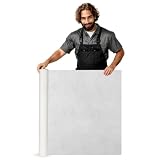
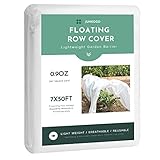
| Frost cloth / horticultural fleece | beds, rows, shrubs, group cover | breathable; lets light & some air through so it can stay on short spells; drape or support on a frame |
| Plant covers / jackets | individual shrubs & small trees | shaped covers with drawstrings; quick on/off |
| Cloches | single plants, seedlings, low crops | rigid or bell-shaped; trap ground warmth; vent on warm days |
| Reusable covers | gardeners who protect every cold snap | sturdier, better value over time than one-use materials |
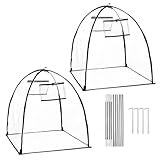
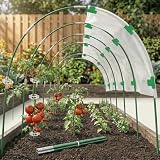
| Support frames / hoops | keeping cloth off foliage | form a tunnel/tent so the cover doesn’t touch (and chill) leaves |
| Ties / clips / pegs | securing covers against wind | stop covers blowing off — the usual failure point |
| Container insulation (pot wraps, bubble insulation) | protecting pot roots | wrap the pot, not just the top — container roots freeze first |
Covers & cloches

How to choose
- What are you covering? Fleece for beds/rows and groups; jackets/covers for individual shrubs; cloches for single small plants and seedlings; pot wraps for container roots.
- How often will you use it? For frequent use, reusable covers and a set of hoops pay off over disposable sheeting.
- Sizing: buy covers larger than the plant so they reach the ground and trap ground heat, with slack to secure — a cover that doesn’t reach the soil loses most of its benefit.
- Frame or not? If you can, add hoops/stakes so the cover doesn’t rest on the foliage.
Support frames & securing


Using covers safely (and their limits)
- Airflow & removal: vent or remove covers once temperatures rise so plants don’t overheat or stay damp; breathable fleece is more forgiving than plastic if left on briefly.
- Keep material off foliage where possible — contact points can still be cold-damaged; a frame prevents this.
- Secure against wind with clips, pegs or weights — an uncovered plant at 3 a.m. is the most common failure.
- Protection is limited. Covers raise the temperature under them by a modest amount and buy a few degrees of protection — they are not a heater and won’t save a tender plant from a hard freeze. For any manufacturer temperature rating, rely on that manufacturer’s own stated figure; treat generic “protects to X°” claims with caution.
Related guides
- How to protect plants from frost and cold — the how-to
- Climate & season protection
- Best plant pots & containers — movable containers
Quick questions
Does frost cloth actually work? Breathable fleece/frost cloth traps ground heat and buys a few degrees of protection for tender plants on cold nights — enough for light frosts, not a hard freeze. Keep it off the foliage and secured.
Fleece or plastic? Breathable fleece is safer — it lets moisture and some air through and is more forgiving if left on. Plastic must be held off foliage and removed promptly.
What about potted plants? Wrap the pot (roots freeze first) and move containers to shelter where you can.