A single cold night can undo a season’s growth. Protecting plants from frost and cold is mostly about knowing which plants are at risk, preparing before the cold arrives, and using the right temporary protection. This guide works for any climate — apply it whenever cold weather is forecast in your area, whatever the season where you live.
Frost vs freeze
- Frost forms when surfaces cool below the dew point and ice crystals settle on leaves — damage comes from ice on and in the plant tissue, often on clear, still nights.
- A freeze is when the air temperature itself drops below freezing, which can damage plants more deeply, including stems and roots (especially in containers).
- Both harm tender plants; a hard/late freeze is generally more damaging than a light frost.
Know which plants are at risk (hardiness)
Plants differ enormously in cold tolerance. Hardy plants shrug off frost; tender and tropical/subtropical plants can be damaged or killed by even a light frost. Know the cold tolerance of each plant and prioritise protection for the tender ones — there is no point covering fully hardy plants.
Container plants vs in-ground plants
- Container plants are more vulnerable — roots are above ground and freeze faster than roots in the earth. Protect the pot as well as the top growth.
- Move containers where you can: into a shed, garage, greenhouse, porch, or up against the house — even bringing them indoors overnight for the worst nights.
- In-ground plants benefit from the earth’s stored warmth; focus on covering top growth and insulating the root zone with mulch.
Use sheltered locations
A wall that stored daytime heat, a spot under an overhang or tree canopy, or a corner out of the wind all stay measurably warmer on a cold night. Group vulnerable containers together in the most sheltered spot.
Mulching
A thick layer of mulch over the root zone insulates roots and evens out soil temperature — valuable for in-ground plants and for perennials that die back but must survive at the roots.
Watering considerations
Soil that is moist (not waterlogged) holds and releases more warmth overnight than dry soil, so watering before a cold night can help slightly. Avoid watering so much that roots sit wet in the cold. Don’t water frozen soil.
Frost cloth and covers
- Cover vulnerable plants before dusk to trap ground heat; remove or vent covers once temperatures rise the next day so plants don’t overheat or stay damp.
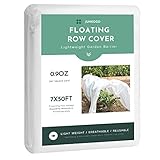
- Use breathable frost cloth / horticultural fleece, or improvised covers (old sheets, cardboard boxes). Ideally keep the material off the foliage with stakes or a frame — where a cover touches leaves, that contact point can still be damaged.
- For product types and how to choose them, see our best frost protection supplies guide.
Wind protection
Cold, drying wind worsens cold damage. Windbreaks, screens or a sheltered position reduce wind chill and desiccation on cold nights.
Temporary protection
Most frost protection is temporary — put it up when cold is forecast and take it down when the threat passes. Cloches and covers over young or tender plants for a few nights often make the difference; they are not meant to stay on permanently.
What NOT to do
- Don’t use plastic sheeting resting directly on foliage — where it touches, it conducts cold and can worsen damage; keep covers off leaves with a frame.
- Don’t leave covers on all day — heat and trapped damp cause their own problems.
- Don’t prune off frost-damaged growth immediately (see below).
- Don’t assume a warm afternoon means the danger is over — check the overnight forecast.
What to do after frost damage
- Wait before cutting back. Damaged growth looks worst days later; it also shelters the rest of the plant from further cold. Prune damaged parts only once the risk of more frost has clearly passed and you can see what is truly dead vs recovering.
- Water lightly if the soil is dry and be patient — many plants reshoot from below the damage.
Tropical & subtropical plants
These have little or no frost tolerance. In cold-prone areas grow them in containers that can be moved under cover, or treat them as indoor plants for the cold part of the year.
Tender young plants
Seedlings and new transplants are especially vulnerable. Harden them off gradually and keep frost cloth or cloches ready for unexpected late/early cold snaps.
Related guides
- Best frost protection supplies — fleece, cloches & covers
- Best plant pots & containers — for movable container growing
- Protecting plants from heat & sun – the hot-weather counterpart.
If something looks wrong with the plant beyond this, see our plant problems diagnosis guide.