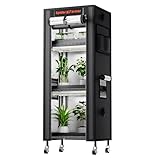
An unheated (“cold”) greenhouse is far more useful than many people expect — it just can’t do everything. It won’t keep tropical plants warm through a hard winter, but it will extend your season at both ends, shelter plants from wind and rain, and buy a degree or two of frost protection. Here’s how to get the most from one.
What an unheated greenhouse can do
- Extend the season — start earlier in spring and crop later into autumn.
- Overwinter hardy and half-hardy plants — keeping them dry and sheltered, which matters as much as warmth.
- Protect from wind, rain and the worst frost — the interior stays a little warmer than outside on cold nights.
What it can’t do
It won’t hold tender or tropical plants through a hard freeze — on the coldest nights the inside temperature falls close to outside. Plan around hardy and half-hardy plants, not frost-tender tropicals, unless you add protection.
Getting more from a cold greenhouse
- Keep plants dry — dry plants tolerate cold far better than wet ones; ventilate on milder days to prevent damp and botrytis.
- Add cheap protection on cold nights — horticultural fleece over plants, or bubble-wrap insulation on the glazing, adds a few degrees. See frost protection.
- Use thermal mass — water barrels absorb daytime heat and release it at night.
- Choose the right plants — see plants for an unheated greenhouse.
Quick questions
What can I grow in an unheated greenhouse in winter? Hardy salads, winter greens and overwintering hardy/half-hardy plants kept dry — not frost-tender tropicals without added protection.