

Plant Profile & Key Characteristics
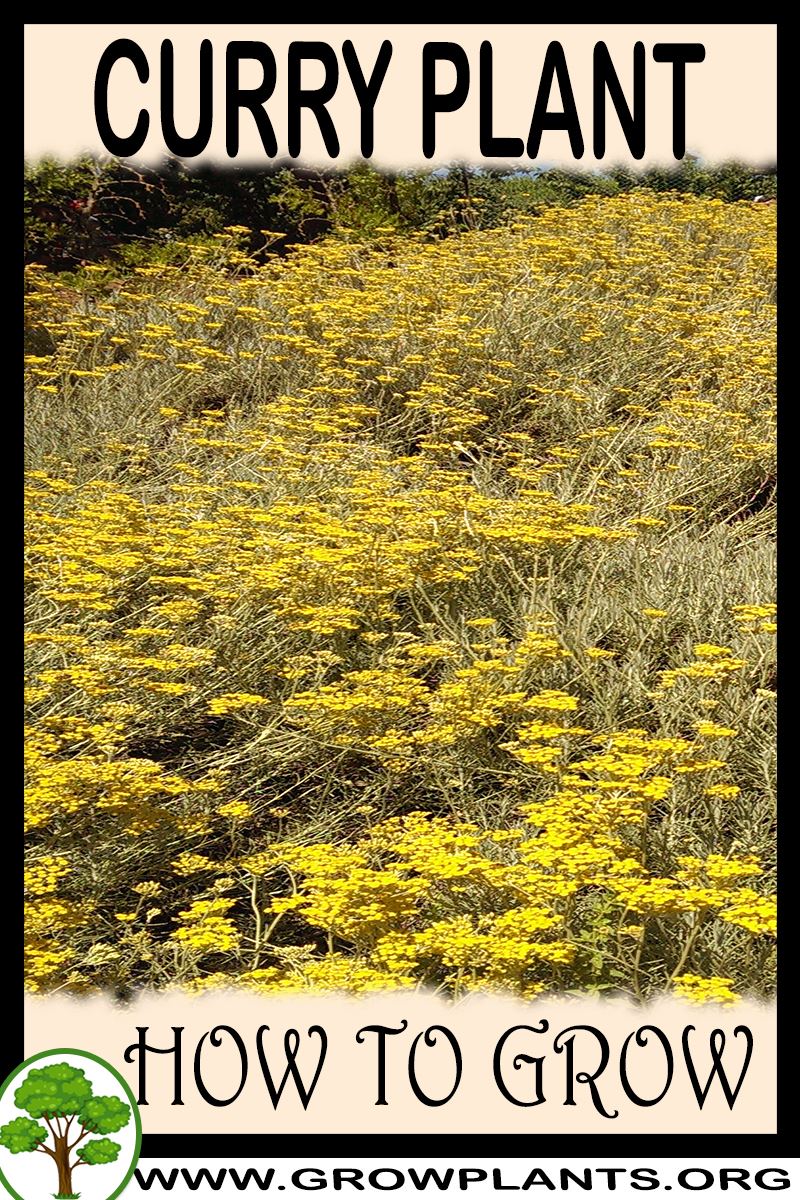
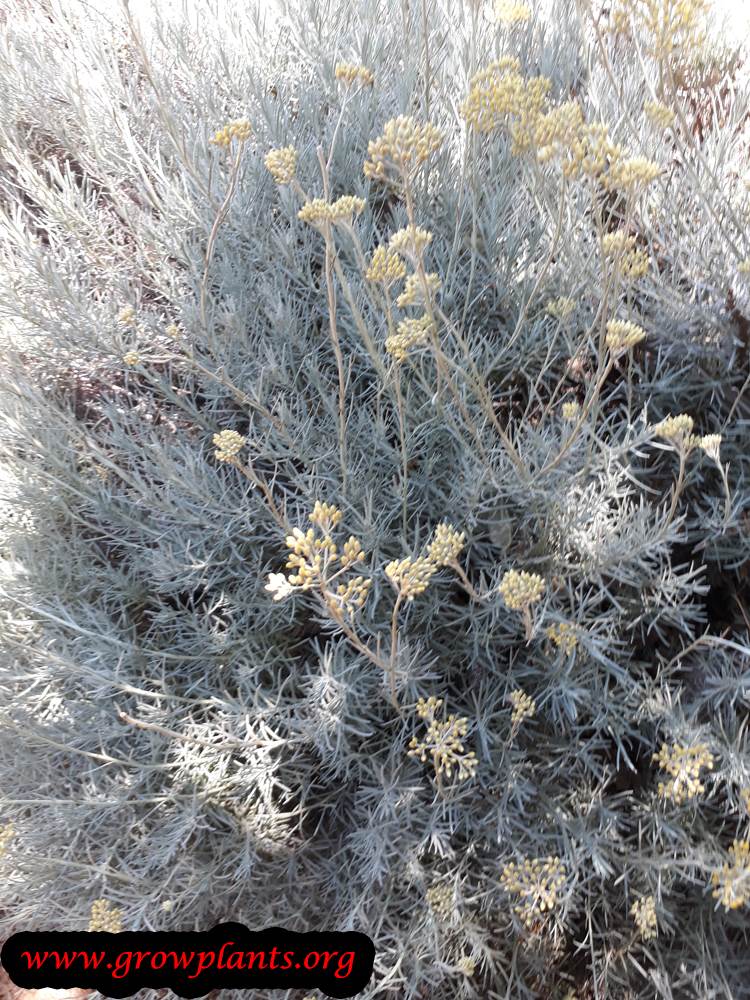
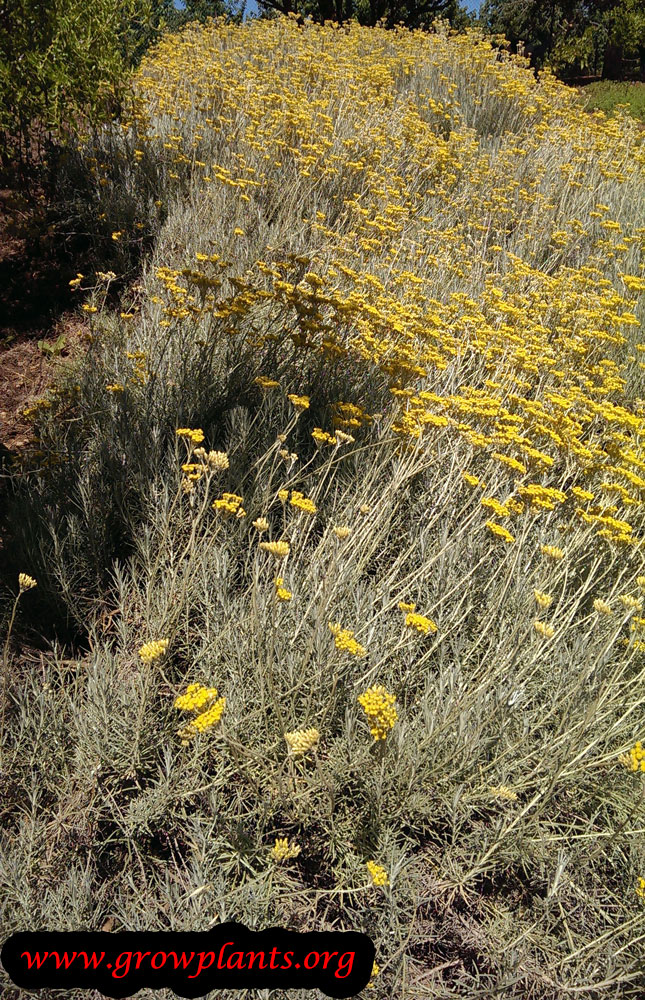
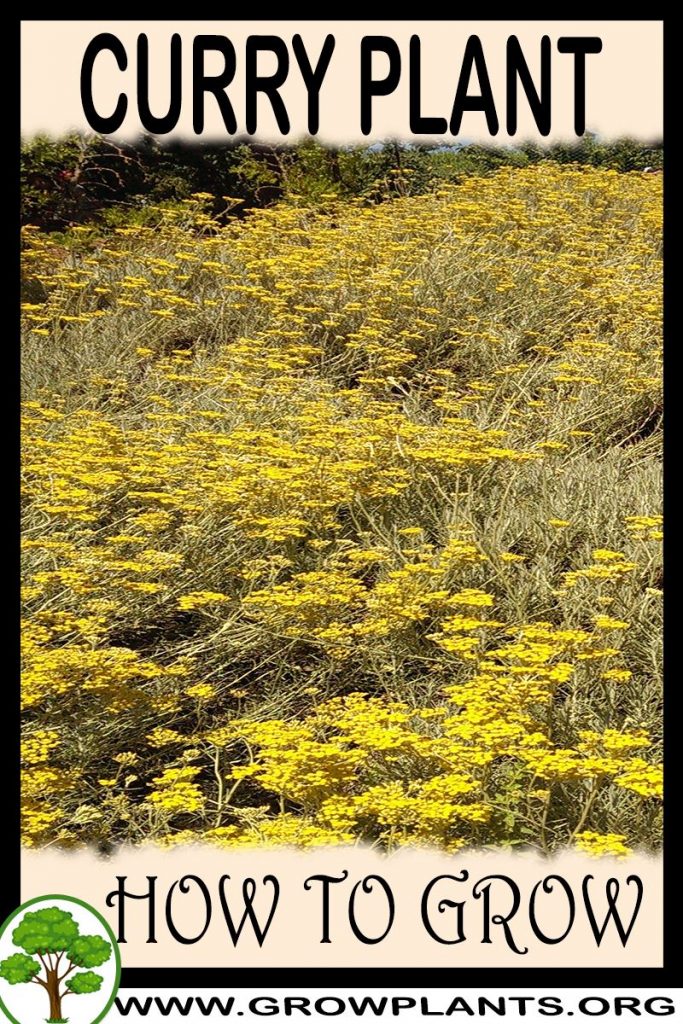
Overview: An aromatic evergreen shrub 30-60 cm (12-24 in) with silvery foliage that smells strongly of curry, grown as a fragrant ornamental and culinary herb. This perennial forms a neat silver mound topped with clusters of small yellow everlasting flowers.
Quick Specifications
| Specification | Attribute |
|---|---|
| Plant Type / Life Cycle | Perennial |
| Foliage Type | Evergreen |
| Mature Size | 30-60 cm (12-24 in) |
| Growth Rate | Moderate to fast |
| Toxicity | Non-toxic (leaves used as a culinary flavouring) |
| Hardiness | USDA zones 9-11 |
Growth Form & Structure
- Height & Spread: Bushy shrub 30-60 cm (12-24 in); suits borders and containers.
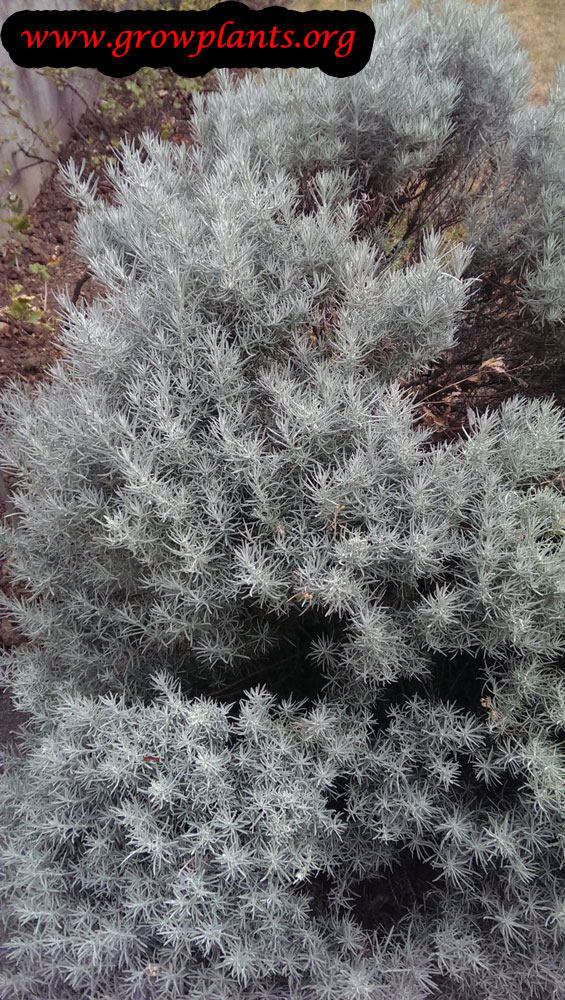
- Growth Habit & Form: Rounded evergreen sub-shrub with slender silvery stems; can be allelopathic and spread aggressively.
- Lifespan & Maturity: Perennial of moderate to fast growth.
Anatomy & Physical Features
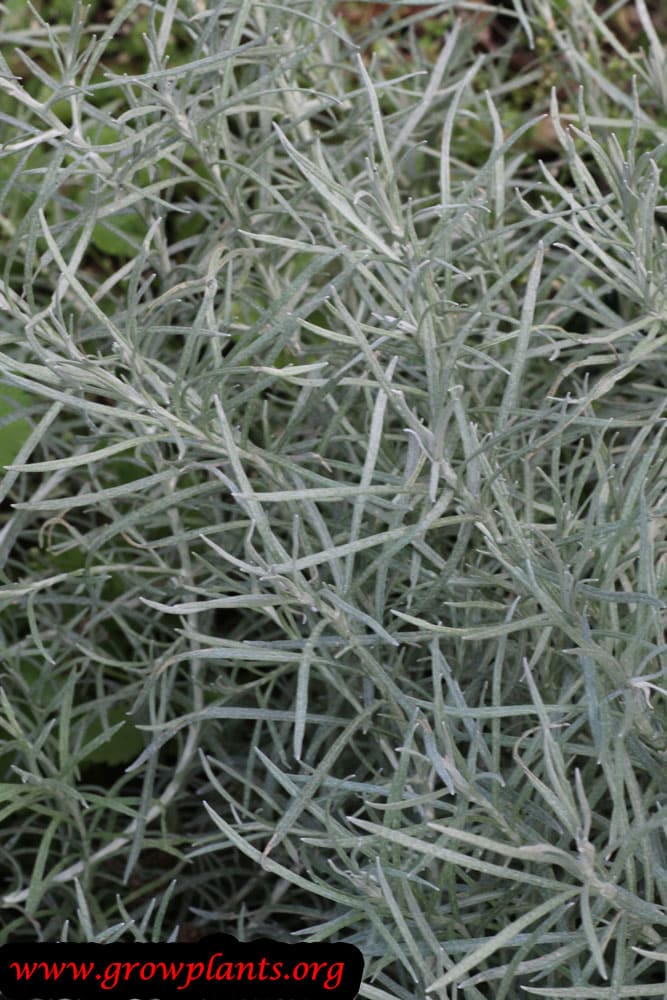
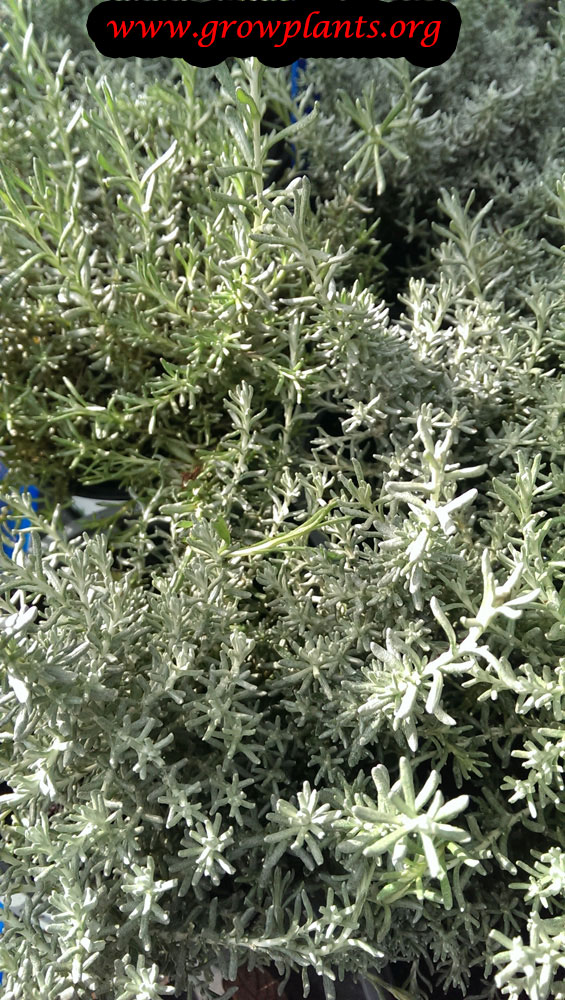
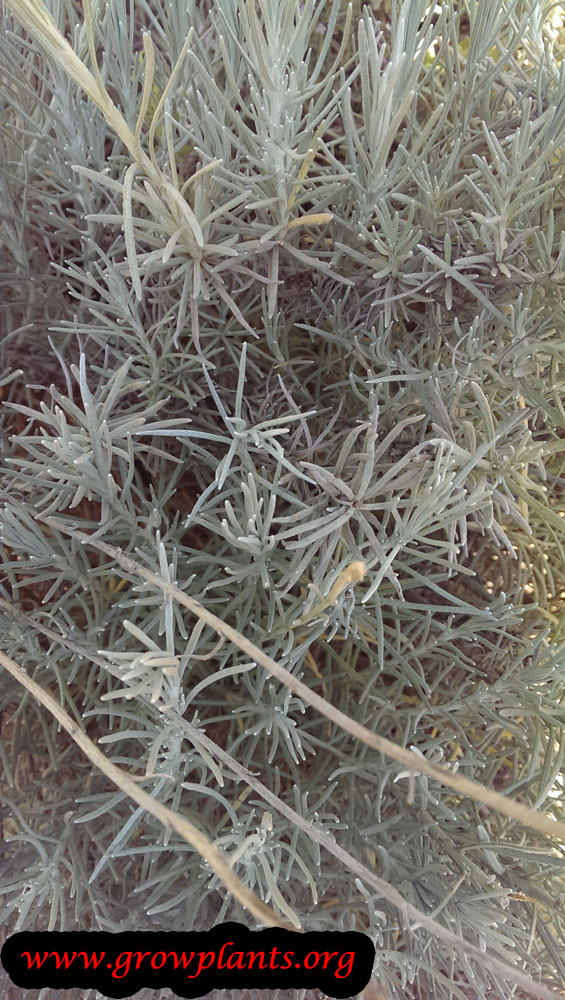
- Leaves & Foliage: Narrow, needle-like grey-green aromatic leaves that smell strongly of curry.
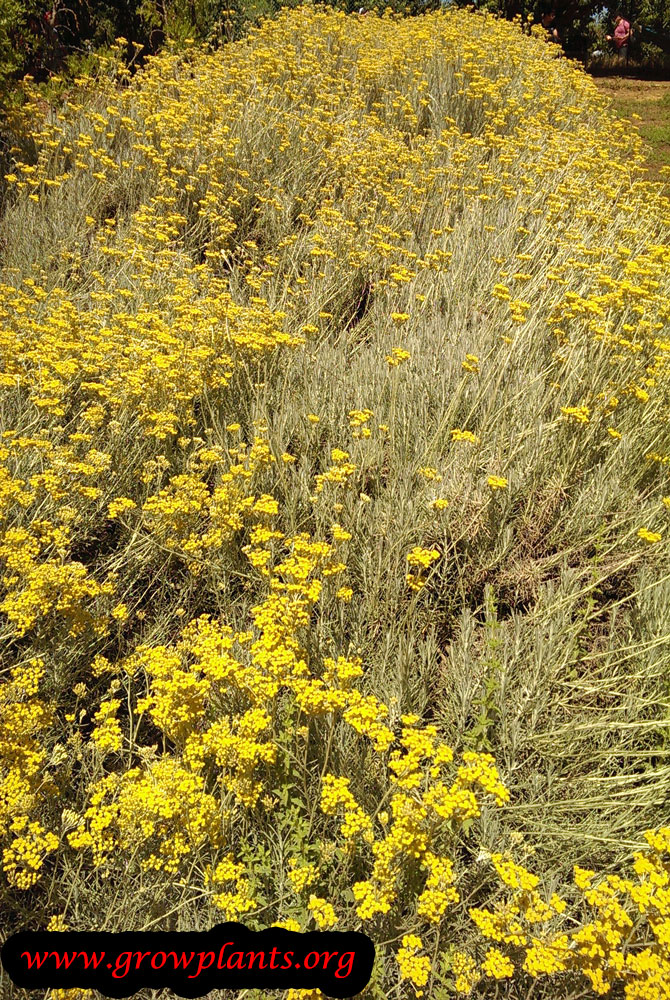
- Flower Characteristics: Clusters of small yellow everlasting flowers, pollinated by bees.
Primary Uses & Landscape Value
- Edible Uses: Aromatic leaves used as a herb/spice to flavour dishes (usually removed before serving); flavour reminiscent of wormwood.
- Functional & Ornamental Roles: Fragrant silver-foliage ornamental for borders, herb gardens and containers.
Care Guide: Planting, Soil & Watering
Overview: The curry plant (Helichrysum italicum) is an aromatic Mediterranean sub-shrub that thrives in full sun and sharply drained soil. Once established it needs little water and dislikes heavy, wet ground.
Quick Care Requirements
| Requirement | Ideal Condition |
|---|---|
| Planting Season | In spring or summer; year-round in warm climates |
| Growth Rate | Moderate to Fast |
| Soil Type | Well-draining, lean and gritty |
| Water Need | Low to Moderate – let soil dry between waterings |
Planting & Establishment
- Best Planting Season: Plant in spring or summer — year-round in mild, frost-free climates; note it can be aggressive and allelopathic, so give it space from delicate neighbours.
- How to Plant:
- Hole Preparation: Dig a hole slightly wider than the root ball on free-draining ground.
- Soil Amendments: Keep the soil lean and gritty; add sand or grit for drainage rather than heavy organic matter.
- Planting Depth: Set the root ball level with the soil surface; do not bury the stem base.
- Growth Speed & Expectations: A moderate-to-fast grower forming a mound about 30-60 cm (12-24 in) tall.
Soil, Watering & Drainage Care
- Soil Mix & Drainage Needs: Sharp drainage is essential; this Mediterranean plant rots in soggy soil, so lighten heavy ground with grit.
- Watering Schedule & Technique:
- Young / Newly Planted: Water moderately after planting to help it root in.
- Established: Once established it is drought-tolerant; water sparingly, letting the soil dry between waterings.
- Seasonal Adjustments: A little extra water in prolonged heat; keep it on the dry side over winter.
Climate, Light & Hardiness
Curry plant (Helichrysum italicum) is a Mediterranean-climate subshrub that also adapts to subtropical and temperate conditions, growing best in full sun with half shade tolerated. Cold tolerance is moderate for the site's herb collection, rated to approximately zone 9–11.
Quick Climate Specifications
| Climate Zones | Mediterranean, subtropical, and temperate climates |
|---|---|
| USDA Hardiness Zones | Approximately 9–11 |
| Frost Tolerance | Low to Moderate |
| Light Conditions | Full Sun to Half Shade |
| Wind Tolerance | High – typical of tough, silver-leaved Mediterranean shrubs |
Sunlight & Light Exposure
Optimal Light Setup
Full sun brings out the strongest silvery foliage color and most compact habit; half shade is tolerated but growth becomes looser.
Temperature Extremes & Hardiness
USDA Hardiness & Regional Limits
Reliable outdoor culture spans approximately zone 9 through 11.
Cold Damage & Winter Protection
At the cooler end of its range, well-drained soil is especially important in winter, since cold combined with wet roots is more damaging than cold alone for this drought-adapted subshrub.
Frost Sensitivity
Light frost is generally tolerated by established plants; hard freezes can kill stems, especially in poorly drained soil.
Wind, Humidity & Microclimate
Dry-Air Tolerance
Its tough, silvery, needle-like foliage is well adapted to dry air and low humidity, typical of Mediterranean scrub vegetation.
Wind Tolerance
Generally very wind-tolerant, consistent with its native exposed Mediterranean hillside habitat.
Microclimate Recommendations
Well-drained, open, sunny sites suit it best; avoid low-lying spots where cold, damp air collects in winter.
Growing in Pots, Balconies & Indoors
Curry plant (Helichrysum italicum) is a compact 30-60 cm (12-24 in) herb that grows happily in a pot. The grower does not class it as a true houseplant – it wants strong light – but a very sunny windowsill can keep a plant going, and it is excellent in a container on a sunny balcony or patio.
Quick Details
- Container Size: A medium pot suits it; step up as it fills out
- Indoor Suitability: Not a deep-room houseplant, but it can grow on a bright, sunny windowsill
- Best Spot: Full sun to part shade – lean, dry, well-drained conditions
- Soil & Drainage: A well-aerated, organic-rich mix – potting mix, or peat/coir with perlite or vermiculite. Free-draining
- Watering in Pots: Small to average water – let it dry between waterings; this Mediterranean herb dislikes wet feet
Indoors & On the Windowsill
- Not a true houseplant: Away from a window the light is too weak and growth turns thin and weak – so it is not suited to a shaded room.
- Windowsill: On your sunniest sill, with several hours of direct light, a potted plant will grow well and stay handy for the kitchen.
- Overwintering: In cold climates protect from hard frost; a bright, cool, frost-free spot suits it over the cold season.
On a Balcony or Patio
- Light & heat: Give it the sunniest spot. Walls and paving reflect heat and pots dry fast, so check moisture often in warm weather.
Choosing the Pot, Soil & Long-Term Care
- Pot & drainage: Choose a pot with strong drainage holes; skip a standing-water saucer, or empty it promptly, so the roots never sit wet. Terracotta breathes and dries faster, while glazed or plastic pots hold moisture longer.
- Potting mix: A well-aerated, organic-rich mix – potting mix, or peat/coir with perlite or vermiculite.
- Feeding: Potted plants use up their soil faster because nutrients leach out with every watering, so feed a little more often than plants in open ground.
- Repotting: Refresh part of the mix and pot up every couple of years, lightly pruning the root ball and top growth to keep it in balance.
Fertilizing & Feeding
Curry plant is a light feeder. This Mediterranean, silver-leaved shrub holds its best fragrance and compact form on lean, well-drained soil, and it tends to flop and lose aroma if fed too richly or too often.
Quick Fertilizing Specs
| Feeding Level | Light – this drought-adapted Mediterranean herb prefers lean soil over rich feeding |
|---|---|
| young_feeding | Minimal, balanced feeding while roots establish in lean, well-drained soil |
| mature_feeding | Light, low-nitrogen feeding used sparingly through the growing season |
| Main Nutrient Priority | Keeping nitrogen low – this plant holds its best aroma and tight form on lean feeding |
| Best Feeding Period | The warm, active growing season, used sparingly |
| Organic Options | Well-drained, only lightly enriched soil suits this plant better than rich compost or frequent fertilizer |
| Soil pH | Prefers lean, well-drained soil; avoid rich or waterlogged conditions |
Feeding by Growth Stage
Establishing Plant
Help a young curry plant root into lean, well-drained soil without pushing soft growth it can’t support
| Nutrient direction | Minimal feeding while roots establish – this Mediterranean shrub prefers to root into lean soil rather than rich, heavily fed soil |
|---|---|
| Timing | At planting and through the first period of new root growth |
| Frequency | At most a light feeding at planting; hold off until new growth confirms the plant has rooted in |
| Fertilizer types | A diluted, balanced fertilizer, if used at all, at planting, Well-drained soil in place of heavy feeding |
| Precautions | Rarely needs feeding at this stage – too rich a start can produce weak, floppy growth in this drought-adapted shrub |
Active Growth
Maintain the plant’s naturally tight, aromatic growth through the warm growing season
| Nutrient direction | Keep feeding light and low in nitrogen – this Mediterranean herb holds its best fragrance and form on lean feeding, and excess nitrogen tends to produce lanky, less aromatic growth |
|---|---|
| Timing | Through the active growing season, tapering off as growth slows |
| Frequency | At most a couple of light feedings across the growing season is usually enough |
| Fertilizer types | A light, low-nitrogen or balanced fertilizer used sparingly, Well-drained soil that avoids waterlogging around the roots |
| Precautions | Avoid rich, frequent feeding – this plant is prone to floppy, less fragrant growth and root problems in soil that’s too rich or too wet |
Nutrient Deficiency Signs & Corrections
Overall pale, washed-out foliage color and unusually slow growth for the season
| Possible causes | A true nutrient shortfall from very lean or depleted soil, More often, waterlogged or poorly drained soil restricting root function, Heavy shade reducing overall vigor |
|---|---|
| Appears first on | General foliage color across the plant |
| What to check | Soil drainage and recent watering pattern, Amount of direct sun the plant receives, Whether any feeding has been given this season |
| Possible correction | Improve drainage first; only add a light, balanced feeding if soil and light conditions are already good |
Yellowing leaves and dieback on stems, often starting at the base of the plant
| Possible causes | Waterlogged soil suffocating roots, especially after heavy rain or overwatering, Root rot developing in soil that stays too wet, Nutrient uptake failure caused by root damage rather than a true deficiency |
|---|---|
| Appears first on | Lower stems and leaves nearest the soil |
| What to check | Soil drainage and how quickly water moves through it, Signs of soft, dark, or rotting stem tissue at the base, Recent watering frequency |
| Possible correction | Improve drainage and let the soil dry between waterings before considering any fertilizer correction |
Crisp, browned tips on leaves of an otherwise actively growing container plant
| Possible causes | Fertilizer salt buildup from feeding more often than this light feeder needs, Underwatering concentrating salts in the potting mix, Naturally salty irrigation water |
|---|---|
| Appears first on | Tips of mature leaves |
| What to check | Feeding frequency relative to this plant’s light needs, Container drainage and watering thoroughness, Visible mineral crust on the soil surface or pot rim |
| Possible correction | Flush the potting mix with plain water and cut back on feeding frequency |
Pruning, Training & Seasonal Maintenance
Curry plant tolerates only light, regular pruning – like related Mediterranean silver-foliage subshrubs, it becomes woody and gappy if left unclipped for too long, but it does not reliably resprout from old, leafless wood, so cuts need to stay within live growth rather than cutting hard back to bare stems. The source’s own maintenance task is removing dead leaves and stems, and its stated pruning season is winter; the objective throughout is a dense, compact, aromatic mound rather than any fruiting or structural goal.
Quick Pruning & Maintenance Specs
| Pruning Tolerance | Low–Moderate (light, regular cuts only – avoid cutting into bare old wood) |
| Primary Pruning Window | Winter |
| Typical Frequency | Light trim once or twice a year, plus ongoing removal of dead material |
| Main Objective | Keep the plant dense and compact; prevent it from splaying open and becoming woody/bare in the center |
| Young Plant Priority | Early, gentle pinching to encourage a bushy base before the plant sets its shape |
| Mature Plant Priority | Regular light shaping within live growth; never cutting back into bare wood |
| Best Tool Type | Precision snips or bypass secateurs for soft, fine stems |
| Avoid Heavy Pruning During | Any time growth has already retreated to bare stems; also avoid cutting into old wood at any season |
Pruning by Plant Age & Size
Newly Established
Pinch lightly once the plant is growing well to encourage a bushy base; avoid any hard cutting on a young, still-establishing plant.
Young / Formative
Light, repeated pinching/tipping across the young plant’s live growth builds the dense, rounded mound this species is grown for; there is no leader or scaffold to select, since it forms a low spreading subshrub to 30–60 cm.
Mature / Established
Give the plant its main light trim in winter (per the source), removing dead leaves and stems and lightly shaping live growth; resist the temptation to cut hard into the woody base even on an older, gappier plant, since regrowth from bare wood is unreliable.
Seasonal Pruning Schedule
Dormant/Winter
Objective: the source’s stated main pruning window. What to remove: dead leaves and stems, plus light shaping of live growth to keep the mound tidy. What not to remove: any cut that would leave a stem with no live foliage below it. Expected response: a fuller flush of new growth from the trimmed live wood come spring.
Ongoing Sanitary
Objective: keep the aromatic foliage clean and healthy between the main winter trim. What to remove: any dead or frost-damaged leaves/stems as they appear. What not to remove: live, silver-grey foliage that is the plant’s ornamental/aromatic feature.
Structural Pruning & Training
The only real structural concern is preventing the plant from splaying open at the center, a common failure mode in this type of subshrub; light, all-over shaping within live growth each year is more effective than an occasional hard cutback, since the plant cannot reliably regenerate the mound from cut bare wood once it has gone woody and gappy.
Special Growth to Remove
Dead leaves and stems, exactly as the source specifies. Spent flower stems (small yellow blossoms) can be trimmed off once faded, both to tidy the plant and to keep its energy in foliage rather than seed production, since the flowers themselves are not a harvested feature here.
Container & Small-Space Pruning
Curry plant grows well in a container or planter (per the source). In a pot, trim a little more frequently and lightly to hold a compact mound, since a container plant that is allowed to splay open has the same bare-wood problem as an in-ground plant but less room to hide it.
Tools
Precision snips or bypass secateurs – the fine, soft-to-semi-woody stems of this low subshrub do not need loppers or a saw.
Tool Hygiene & Disease Risk
Routine. Documented pests (leafhoppers, aphids) are insects rather than cut-transmitted pathogens; clean, sharp tools between plants are sufficient.
Cut Placement & Technique
Make all cuts within live, leafy growth, never into bare or leafless wood, since this species (like related Mediterranean subshrubs) does not reliably resprout from old wood; shape lightly and evenly over the whole mound rather than deeply into one section.
Heavy Pruning & Rejuvenation
Not tolerated well – hard rejuvenation pruning into old, bare wood risks leaving permanent dead patches or losing the plant outright, since it does not reliably resprout from leafless stems. If a plant has become badly woody and gappy, the more reliable approach is taking cuttings from healthy live growth to start a replacement rather than attempting a hard cutback of the original.
Post-Pruning Care
Water normally after the winter trim; avoid extra feeding, since this species prefers lean, well-drained soil rather than rich conditions; keep an eye on the center of the mound over the following season to catch any splaying open early, before it needs more than a light correction.
Common Pruning Mistakes
Letting the plant go too long between trims and then cutting hard into bare wood to compensate, which the plant may not recover from; skipping the annual light shape and ending up with a woody, gappy, splayed-open mound; removing healthy silver foliage instead of just the dead leaves/stems the source specifies.
When NOT to Prune
Avoid cutting into any stem section that has already lost its leaves, at any time of year; avoid a first hard shaping cut immediately after planting, before the young plant is established.
Recommended Tools (by task)
- Dead-leaf/stem removal and light shaping: precision_snips – fine control for staying within live growth on this small subshrub.
- Slightly thicker basal stems on an older plant: bypass_secateurs – for the few stems too firm for snips, still cut only within live wood.
Pruning Troubleshooting
| Problem | Possible Cause | What to Check | Corrective Action |
| Dead patch or no regrowth after a cutback | Cut made into old, bare wood with no live foliage below it | Whether the cut point had any live leaves remaining | Take cuttings from remaining healthy growth to propagate a replacement; avoid repeating hard cuts into bare wood |
| Plant splaying open, bare in the center | No regular light shaping over recent years | Years since the last winter trim | Resume the annual light winter trim to keep growth dense before the center opens up |
| Sparse flowering or leggy growth | Overly rich soil or lack of any shaping | Soil fertility and last pruning date | Move to leaner, well-drained conditions and reinstate the light annual trim |
Propagation Guide
Curry plant is most easily and reliably increased from stem cuttings, which root readily and preserve the plant’s aromatic character exactly; seed-grown plants are also usually true to the species but are slower to reach a usable size. Overall difficulty is low, making this a good beginner propagation project.
Quick Propagation Specs
| Best Propagation Method | Semi-ripe stem cuttings |
| Alternative Methods | Seed |
| Propagation Difficulty | Easy |
| Seed True-to-Type | Usually true-to-type |
| Vegetative True-to-Type | Yes |
| Best Propagation Season | Spring through summer for cuttings; spring for sowing seed |
| Seed Germination Time | Typically a few weeks, sometimes uneven |
| Cutting Rooting Time | Usually a few weeks |
| Germination Temperature | Around 18–22°C (64–72°F) |
| Seed Sowing Depth | Surface sow or barely cover – the seed is very fine |
Growing from Seed
Sowing Depth & Orientation
Seed is fine and dust-like; scatter it on the surface of a well-drained sowing mix and press in lightly rather than burying it.
Germination Conditions & Time
Keep the mix lightly moist and in a bright, warm spot. Germination is generally reliable but can take a few weeks and may be somewhat uneven, so avoid discarding a tray too early.
Stem Cuttings
Cutting Type
Semi-ripe, non-flowering tip cuttings taken from firm but not yet woody growth.
Best Timing
Late spring into summer, once new growth has hardened slightly.
Cutting Preparation
Trim just below a leaf node and strip the lower leaves so only a few remain at the tip.
Rooting Setup
Insert into a free-draining, gritty or sandy propagation mix; the plant’s preference for well-drained soil carries over to its cuttings, which are prone to rotting in a wet mix.
Rooting Hormone
Optional – cuttings generally root without it, though a rooting hormone can improve consistency.
Rooting Time
Usually a few weeks under bright, humid conditions.
Bloom & Flower Guide
Quick Details
- Bloom Season: Spring
- Flower Appearance: Clusters of small bright-yellow flowers held above silvery foliage
- Edibility: Grown as a fragrant ornamental – the flowers are not eaten
Detailed Blooming Overview
Curry plant (Helichrysum italicum) flowers in spring, lifting tight clusters of small, everlasting-type yellow flowers above its silvery, aromatic foliage. The contrast of gold against silver is the main show, and the papery blooms hold their colour well as they dry.
Flower Characteristics
- Small, bright-yellow flowers in dense clusters (the papery, everlasting type).
- Held on stems above the fine silver-grey leaves.
Bloom Care & Thinning
- Pollination: Worked by bees, which visit the flowers freely.
- Managing the bloom: No thinning is needed; shearing the plant lightly after flowering keeps it compact for the next season.
Fruit & Uses
Only the leaves of curry plant are used as food, valued for their strong curry-like aroma rather than eaten as a leafy green; they are typically added whole to a dish during cooking to infuse flavour and then removed, similar to a bay leaf, since the raw leaf itself tastes bitter and reminiscent of wormwood. Note: despite the name, this is a different plant from the “curry tree” (Murraya koenigii) that produces the true curry leaves used in Indian cooking.
Quick Edible Specs
| Edible Parts | Leaves |
| Main Use(s) | Culinary (aromatic flavouring/spice, herb) |
| Eaten Raw or Cooked | Used to flavour cooked dishes; not usually eaten raw on its own due to the strong bitter taste |
| Preparation Required | None to harvest; typically infused into a dish during cooking and the leaf removed before serving |
| Harvest Season | All year, once the plant is established |
| Storage | Best used fresh; can be dried like other culinary herbs |
| Safety/Toxicity Caveat | Not toxic, but pungent and bitter – use sparingly as a flavouring herb rather than a leafy vegetable |
Leaves & Greens
The green-grey, serrated leaves carry a strong curry-spice scent with a bitter, wormwood-like taste. Established plants can be cut with the stems at any time of year. In the kitchen, sprigs are added to soups, stews and rice dishes for their aroma and usually removed before serving, much as a bay leaf would be.
Preparation, Uses & Safety
The main use is as a culinary spice/herb for its distinctive curry-like fragrance. Because the raw leaf is bitter, it is normally used in small quantities as a flavouring rather than eaten in bulk. No specific toxicity is documented, but as with any strongly aromatic herb, moderation is recommended.
Pests, Diseases & Troubleshooting
Overview: The curry plant is an aromatic, silver-leaved Mediterranean sub-shrub, and its strong scented oils make it markedly resistant to pests – most insects leave it alone. Its real vulnerability is the reverse of a thirsty plant: it deeply resents wet, heavy soil and humidity, where root rot and downy mildew take hold. Lean soil, full sun and sharp drainage keep it healthy.
Quick Troubleshooting Overview
| Issue / Pest | Main Symptom | Primary Solution |
|---|---|---|
| Aphids | Curled soft new shoots, honeydew | Water jet, insecticidal soap |
| Leafhoppers | Pale stippling, hopping insects on shoots | Usually cosmetic; soap if heavy |
| Downy mildew | Yellow blotches above, grey mould beneath | Airflow, avoid wet foliage, drainage |
| Root rot | Wilting, dieback, black roots in wet soil | Sharp drainage; avoid overwatering |
| Powdery mildew | White coating in humid, crowded sites | Airflow, sun, sulfur if needed |
Common Pests & Management
- Aphids (Aphididae):
- Symptoms: Occasional clusters of green or grey soft-bodied insects on soft new growth and flower stems, with curling and honeydew – the most likely pest, and usually a minor one thanks to the plant’s aromatic oils.
- Prevention & Control: Rinse off with water or spray insecticidal soap; natural predators keep them in check in a sunny open spot.
- Leafhoppers (Cicadellidae):
- Symptoms: Small wedge-shaped insects that hop or fly when disturbed, causing fine pale stippling on leaves.
- Prevention & Control: Usually cosmetic – encourage predators; insecticidal soap or a light oil only if numbers are high on soft new growth.
- Spider mites (Tetranychus spp.):
- Symptoms: Fine stippling and light webbing in very hot, dry, dusty, sheltered conditions.
- Prevention & Control: Rinse the foliage; horticultural oil or insecticidal soap if it persists. Rarely serious on this drought-adapted plant.
Diseases & Fungal Issues
- Root & crown rot (Phytophthora / Rhizoctonia / Pythium spp.):
- Symptoms: Wilting, yellowing and dieback of shoots or the whole plant in wet, heavy or poorly-drained soil, with dark decayed roots – the main killer of curry plant.
- Treatment & Management: Prevention is decisive: plant in poor, gritty, free-draining soil in full sun, water sparingly and never overwater, and avoid heavy clay and wet winters. Affected plants rarely recover; improve drainage before replanting.
- Downy mildew (Peronospora / Plasmopara spp.):
- Symptoms: Yellow blotches on the upper leaf surface with a greyish downy mould beneath, in cool, damp, humid conditions – this drought-lover resents such conditions.
- Treatment & Management: Improve airflow and sun exposure, water at the base and keep foliage dry, and remove affected growth. Correcting the growing conditions is the real fix.
- Powdery mildew (Erysiphales):
- Symptoms: White powdery film on leaves and shoots in crowded, humid or shaded sites.
- Treatment & Management: Space and prune for airflow, give full sun, and remove affected growth; sulfur or potassium bicarbonate for stubborn cases.
Growing Difficulties & Abiotic Problems
- Wet / humid conditions (the core problem):
- Cause & Symptoms: As a Mediterranean drought-lover, curry plant rots and develops mildew in rich, wet soil or humid, airless positions; growth goes soft and dark.
- Correction Strategy: Plant in lean, gritty, sharply-drained soil in full sun with good airflow, water only when dry, and avoid overhead watering and crowding.
- Legginess & woodiness:
- Cause & Symptoms: Old plants sprawl open and become woody and bare at the base.
- Correction Strategy: Trim after flowering to keep compact, but avoid cutting hard into old bare wood; renew very leggy plants from cuttings.
- Cold & wet winter damage:
- Cause & Symptoms: Cold, wet winters (wet cold more than dry cold) can rot or kill the plant.
- Correction Strategy: Ensure sharp drainage, site in a warm sheltered sunny spot, and protect or grow in pots in cold-wet climates.
What Helps – Products & Tools
Little is required beyond correct siting. Keep insecticidal soap for the odd aphid, leafhopper or mite, and rely on full sun, lean soil and airflow against downy and powdery mildew and root rot. Sulfur addresses persistent powdery mildew; the best ‘tool’ is dry, sharp drainage.