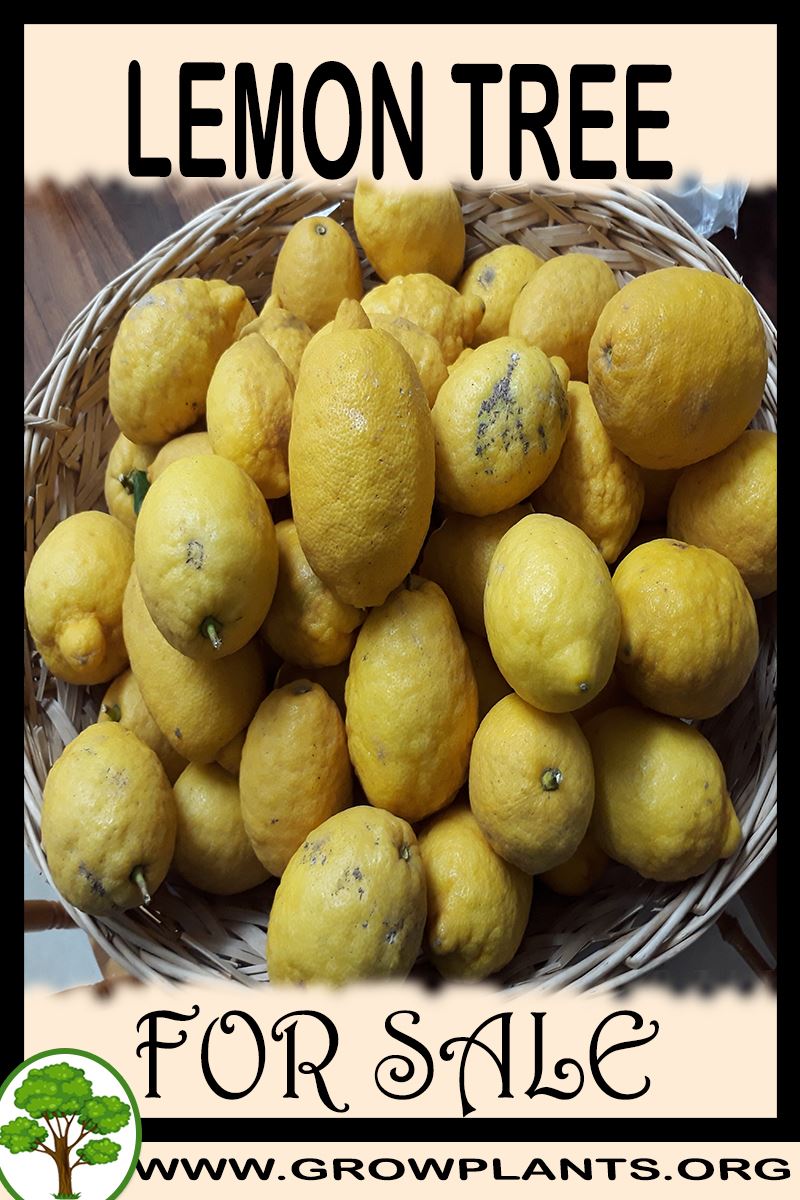
The lemon tree is a rewarding evergreen citrus that produces fragrant blossoms and edible fruit for much of the year. Buying a grafted tree is the fastest, most reliable route to a harvest – here’s what to check before you buy and how to plant and care for it.
Lemon Tree Plants, Seeds & Supplies for Sale
As an Amazon Associate I earn from qualifying purchases.


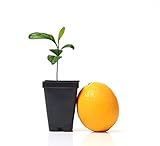


Don’t see the exact variety you’re looking for?
Explore all live Lemon Tree plants, pots, and starter kits on Amazon ↗
At-a-Glance Specifications
Grafted trees fruit sooner & true to type
Tender – protect below 0 °C / 32 °F
Dwarf/patio types stay 4–6 ft in pots
Tolerates light partial shade
Slightly acidic (pH 5.5–6.5); large pot
Keep evenly moist; never waterlogged
Pre-purchase considerations
- Grafted vs. seed-grown: A grafted tree fruits far sooner and stays true to its variety. Seed-grown lemons are cheaper but slower and unpredictable.
- Planting window: Plant from spring through autumn so roots establish in warm soil before winter.
- Climate fit: Lemons are perennial in zones 8–11. In colder areas, buy a tree you can keep in a large container and move indoors over winter.
Growing tips before you buy
- Cold snap protection: Citrus is frost-tender – plan to move potted trees indoors or wrap them whenever temperatures dip below freezing.
- Container vs. in-ground: Grow in-ground only in zones 8–11; elsewhere a large pot lets you overwinter the tree in a bright, frost-free spot.
- Sunlight mapping: Secure a spot with 6–8 hours of full sun – good light is essential for flowering and fruiting.
- Drainage readiness: Prepare rich but fast-draining soil; citrus roots rot in soggy ground, so a big drainage hole is a must.
Cultivation & care standards
- Potting: Use a large container with drainage holes and a rich, free-draining citrus mix.
- Irrigation: Keep the soil evenly moist with deep, regular watering – let the surface dry slightly between waterings, but avoid both drought stress and waterlogging.
- Feeding: Feed regularly through the growing season with a citrus or high-nitrogen fertilizer to support fruit and healthy green leaves.
- Light & pollination: Give full sun (a south-facing window indoors in winter). Lemons are self-fertile; indoors, hand-pollinate flowers with a soft brush to set fruit.
- Troubleshooting: Yellowing leaves usually signal over-watering or a nutrient shortfall; sudden leaf drop points to cold drafts or a temperature shock.
🎬 Watch: Lemon Tree – Planting, Growing & Care
Uses & benefits
Lemon trees earn their place both in the kitchen and on the patio. The fruit supplies juice, zest and slices for cooking, drinks and preserves for much of the year, while the fragrant white blossoms and glossy evergreen foliage make the tree a handsome ornamental in a large pot or in the ground.
Frequently Bought Together
Everything you need to successfully plant and grow this specimen.
Healthy, nursery-grown & ready to pot
Nutrient-rich, well-draining mix
Breathable pot that prevents root rot
Feeds for healthy, vibrant growth
*As an Amazon Associate, we earn from qualifying purchases.*
Ready to grow? Check out our complete Lemon Tree Grow & Care Guide ↗ for detailed watering schedules, sunlight tips, and troubleshooting.