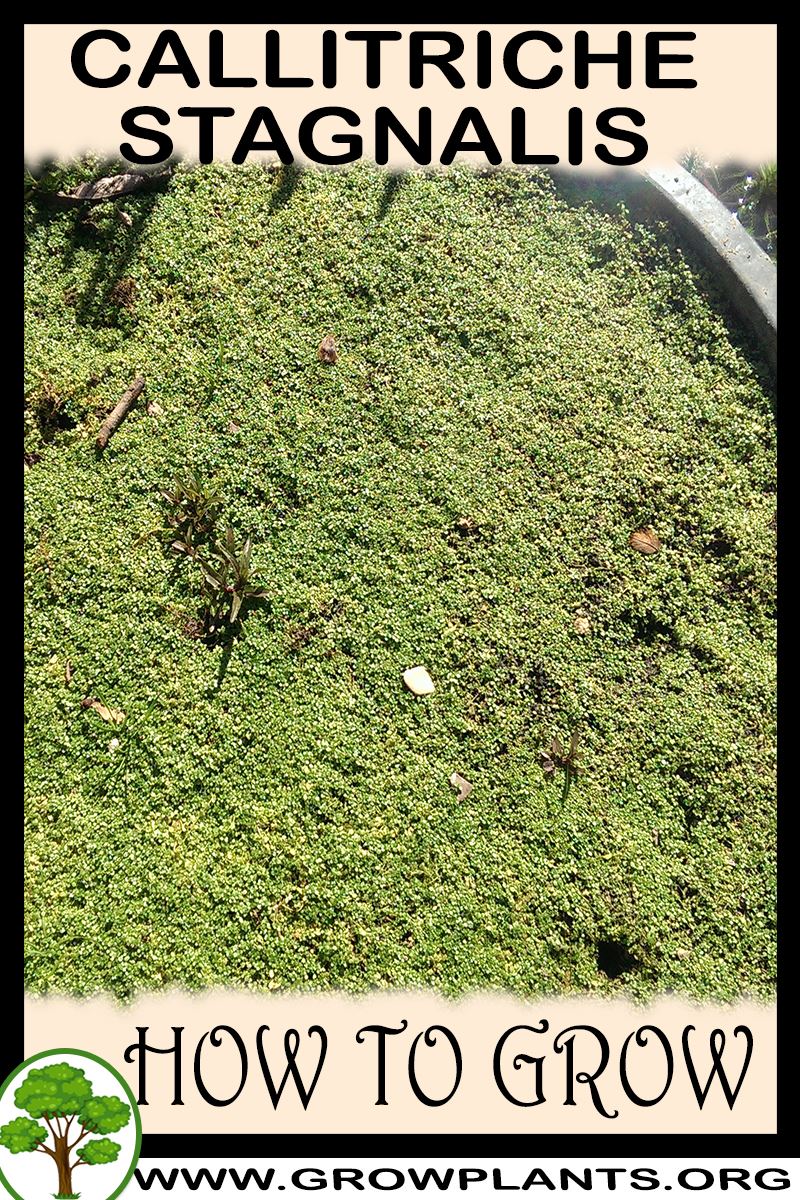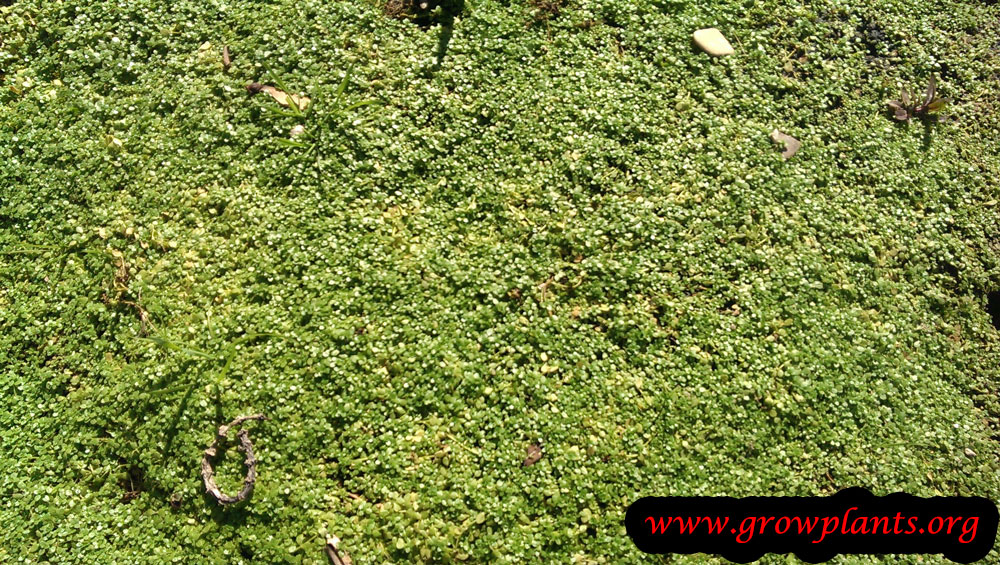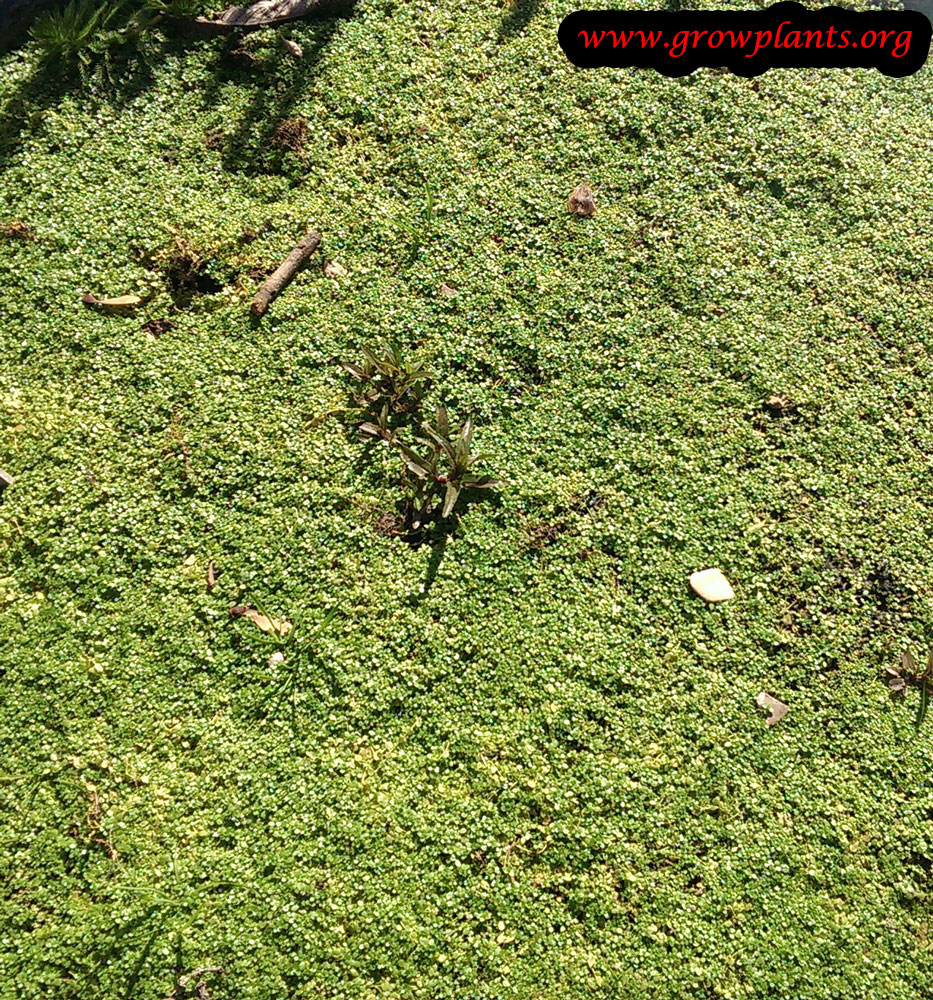


Plant Profile & Key Characteristics
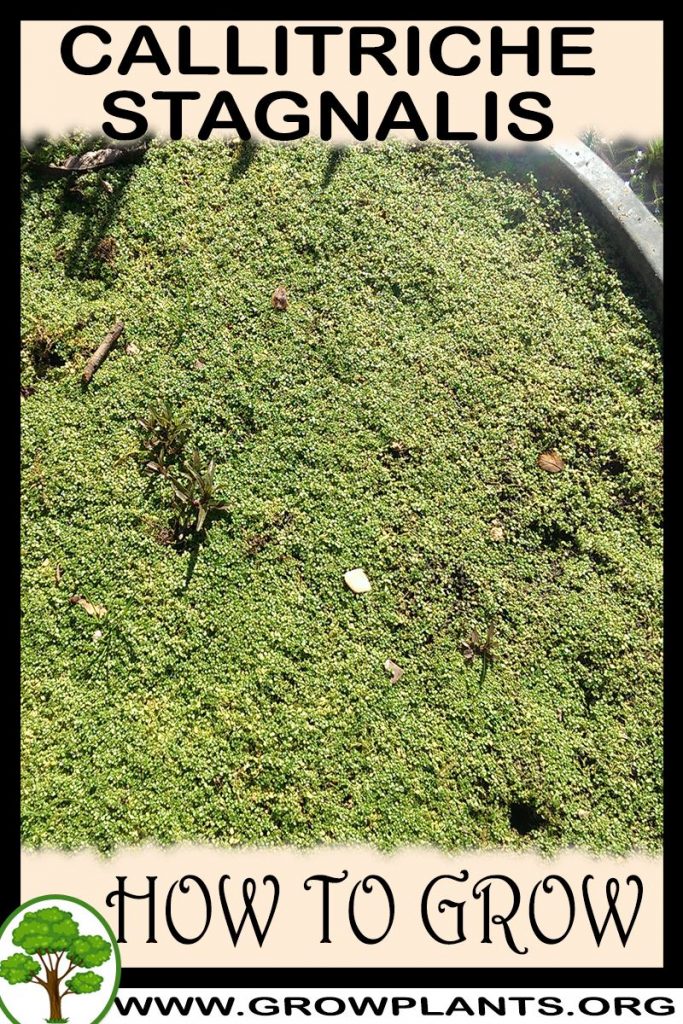
Overview: A small aquatic leaf plant that forms spreading mats of glossy foliage in and on still or slow water. It is grown as an ornamental oxygenating plant for ponds and aquaria.
Quick Specifications
| Specification | Attribute |
|---|---|
| Plant Type / Life Cycle | Annual (aquatic) |
| Foliage Type | Evergreen (in mild water) |
| Mature Size | Low, spreading mat (spreads widely) |
| Growth Rate | Fast |
| Hardiness | USDA zone 5+ |
Growth Form & Structure
- Height & Spread: Low-growing but spreads widely across the water surface; grown in ponds or water-filled containers.
- Growth Habit & Form: Aquatic, mat-forming plant with submerged stems and floating rosettes of leaves.
- Lifespan & Maturity: Very fast to establish and can spread aggressively in a single season.
Anatomy & Physical Features
- Leaves & Foliage: Small glossy green leaves 1-2 cm, round to elliptic, forming floating rosettes.
- Flower Characteristics: Tiny white, separate male and female flowers (full detail in the Bloom section).
Primary Uses & Landscape Value
- Functional & Ornamental Roles: Ornamental aquatic and pond oxygenator; provides cover for fish. Can be invasive, so contain it in managed water features.
Care Guide: Planting, Soil & Watering
Overview: An aquatic wetland plant grown in shallow water or saturated, nutrient-rich mud at pond margins. It needs constant water and a rich substrate, spreading quickly across the water surface.
Quick Care Requirements
| Requirement | Ideal Condition |
|---|---|
| Planting Season | Spring, as the water warms |
| Growth Rate | Fast |
| Soil Type | Rich, mucky substrate in shallow water or at pond margins |
| Water Need | Very High – aquatic, grown in or at the edge of water |
Planting & Establishment
- Best Planting Season: Establish in spring as the water warms.
- How to Plant:
- Hole Preparation: Press the roots into rich, mucky substrate in shallow water or a submerged planting container.
- Soil Amendments: Use a nutrient-rich aquatic or loam substrate; no free-draining amendments are needed.
- Planting Depth: Keep the crown submerged or at the waterline; roots sit in saturated soil.
- Growth Speed & Expectations: Fast and aggressive – spreads widely across available water, so contain it where needed.
Soil, Watering & Drainage Care
- Soil Mix & Drainage Needs: Unlike most plants it needs waterlogged, rich substrate with no drainage; grow in a pond, water container, or boggy margin.
- Watering Schedule & Technique:
- Young / Newly Planted: Keep newly planted stems submerged or saturated at all times.
- Established: Maintain permanent standing water or saturated mud; never allow it to dry out.
- Seasonal Adjustments: Keep water levels topped up year-round, especially during summer evaporation.
Climate, Light & Hardiness
Common water starwort is a fast-growing aquatic annual suited to Mediterranean, desert, subtropical, temperate, and tropical water gardens. It tolerates everything from full sun to full shade, provided some light reaches it, and can be grown indoors.
Quick Climate Specifications
| Climate Zones | Mediterranean, desert, subtropics, temperate, tropics |
|---|---|
| USDA Hardiness Zones | 5+ |
| Frost Tolerance | Low |
| Light Conditions | Full Sun / Half Shade / Full Shade (with light) |
Sunlight & Light Exposure
Optimal Light Setup
The plant is very flexible on light, growing in full sun through half shade to full shade as long as some light is available; it can also be kept indoors.
Shade & Heat Management
Its broad climate range from desert to full tropics reflects good tolerance of hot, sunny water surfaces.
Temperature Extremes & Hardiness
USDA Hardiness & Regional Limits
Common water starwort is rated for USDA zone 5 and warmer as a general planting range, but as an annual species it completes its life cycle within a single growing season regardless of zone, rather than persisting as a perennial through winter.
Cold Damage & Winter Protection
Being planted in spring reflects the plant's need to grow, set seed, and complete its life cycle within the warm season; it is not expected to survive as standing growth through a cold winter.
Frost Sensitivity
Frost tolerance is low, consistent with its annual habit – a hard freeze ends the season's growth outright.
Wind, Humidity & Microclimate
Microclimate Recommendations
Because it is aggressive and invasive once established, site it where its spread through the pond can be monitored and controlled during its growing season.
Growing in Pots, Balconies & Indoors
Water starwort (Callitriche stagnalis) is a floating and submerged aquatic plant. The grower rates it suitable indoors and easy in a container – as long as that container holds water. It is really an aquarium or water-bowl plant rather than a soil houseplant.
Quick Details
- Container Size: Any watertight vessel – a bowl, aquarium, or a pot stood in water; it needs standing water, not just moist soil.
- Indoor Suitability: Yes – easy in a bright indoor water container or aquarium.
- Best Spot: Bright light, full sun to light shade.
- Soil & Drainage: Grow in water over a little aquatic substrate; no free-draining potting mix is needed.
- Watering: It lives in water – just keep the vessel topped up and reasonably clean.
Indoors & On the Windowsill
- Houseplant reality: Yes – as an aquatic it thrives indoors in a water bowl or aquarium at a bright window.
- Light: Give bright light; it tolerates some shade but grows and colours best with good light.
On a Balcony or Patio
- Water gardens: A fine plant for a container pond, water bowl or bog planter on a bright balcony or patio; keep the water topped up in heat.
Choosing the Pot, Soil & Long-Term Care
- Upkeep: Thin it regularly – it grows fast and can smother small water features; refresh the water to keep it clear.
- Be responsible: It can be invasive in the wild, so never tip it or its water into natural streams or ponds.
Fertilizing & Feeding
An especially light feeder – most of its nutrition comes straight from nutrient-rich water, so deliberate fertilizing is rarely called for and can do more harm than good by feeding algae instead.
Quick Fertilizing Specs
| Feeding Level | Light |
|---|---|
| Main Nutrient Priority | Minimal, balanced feeding drawn mostly from the surrounding water itself |
| Best Feeding Period | Establishment, if fed at all |
| Soil pH | Adaptable to a wide range of wetland and aquarium water chemistry |
| Reduce/Stop Feeding | Skip added feeding once established; taper naturally as the plant finishes its annual cycle |
| Organic Options | Nutrient-rich wetland soil or aquarium substrate is usually all that’s needed |
Feeding by Growth Stage
Establishment
Help new plantings or cuttings root into wet soil or an aquatic setup before they take off.
| Nutrient direction | Minimal feeding – established nutrient-rich water or wetland soil is usually enough on its own. |
|---|---|
| Timing | Right after planting or introducing cuttings to a pond, bog area, or aquarium. |
| Frequency | Feed sparingly, if at all; this plant establishes quickly in naturally nutrient-rich water. |
| Fertilizer types | Rich wetland soil or nutrient-rich aquarium and pond water on its own, with no dedicated fertilizer typically needed, A very light aquatic-safe fertilizer only if the water or substrate is notably nutrient-poor |
| Precautions | Avoid adding fertilizer to already nutrient-rich water, since this fast-growing plant can quickly turn surplus nutrients into unwanted algae growth. |
Active growth
Support this fast, aggressive grower through its main growing period without over-feeding the water.
| Nutrient direction | Minimal supplemental feeding – rely on the ambient nutrients already present in rich wetland or aquarium water. |
|---|---|
| Timing | Spring through summer while growth is fastest. |
| Frequency | Rarely needs feeding beyond what the water or wetland soil already supplies; check growth vigor before adding anything. |
| Fertilizer types | No dedicated fertilizer in most nutrient-rich pond, wetland, or aquarium settings, A very light aquatic-safe feed only where water is unusually nutrient-poor and growth has clearly stalled |
| Precautions | Resist the urge to fertilize a plant that is already spreading aggressively; excess nutrients mainly benefit algae, not this plant. |
Seasonal decline
Let the plant finish its natural annual cycle, set seed, and die back without pushing new growth.
| Nutrient direction | None – withhold fertilizer as the plant heads toward the end of its natural annual cycle. |
|---|---|
| Timing | Late season as growth slows, flowering finishes, and the plant begins to die back. |
| Frequency | No feeding at this stage. |
| Fertilizer types | No feeding at this stage; let the plant complete its natural annual cycle and reseed on its own. |
| Precautions | Do not fertilize a plant that is naturally winding down for the season; added nutrients at this point mostly go to waste in the water. |
Nutrient Deficiency Signs & Corrections
Weak, stunted growth despite otherwise suitable water conditions
| Possible causes | Genuinely nutrient-poor water or wetland soil, Insufficient light reaching the water or planting site, Overcrowding or competition from more vigorous plants |
|---|---|
| Appears first on | New shoot tips |
| What to check | How clear and nutrient-poor the water actually is versus assumed, Light reaching the planting area or aquarium, How crowded the planting has become |
| Possible correction | Improve light first; only add a very light aquatic-safe feed if the water is confirmed nutrient-poor. |
Foliage turning pale yellow-green rather than its normal healthy green
| Possible causes | Water or substrate genuinely low in available nitrogen, Heavy shading cutting into how much light reaches the foliage, Substrate recently disturbed, stressing the root system |
|---|---|
| Appears first on | Overall foliage, starting with older growth |
| What to check | Nutrient richness of the water or wetland soil, Amount of light reaching the plant, Whether the substrate or roots were recently disturbed |
| Possible correction | Address light and substrate stability first; add a very light aquatic-safe feed only if the water is confirmed nutrient-poor. |
Pruning, Training & Seasonal Maintenance
Common water starwort is an annual, mat-forming aquatic plant that completes its life cycle from seed within a single growing season, so there is no year-on-year structural maintenance to speak of. "Pruning" here is limited to thinning the floating/submerged mat during the growing season and clearing dead material once plants finish their cycle; it does not respond to cutting the way a perennial would, since a cut plant is not being renewed for future seasons but simply tidied for the time it has left.
Quick Pruning & Maintenance Specs
| Pruning Tolerance | High – fast growing, easily thinned |
| Primary Maintenance Window | Through the growing season (spring onward), as it spreads |
| Typical Frequency | As needed – this species spreads as widely as space allows and can quickly cover open water |
| Main Objective | Prevent it smothering a water feature; remove spent/dead material at season’s end |
| Best Tool Type | Precision snips, a net or hand-collection for floating mats |
Seasonal Pruning Schedule
Ongoing Sanitary (growing season)
Objective: stop the mat from covering the whole water surface. Remove: excess floating/submerged growth, thinned out by hand or net. Do not remove: the entire population if some self-seeding for next year is wanted, since this species does not persist as the same plant – it renews annually from seed. Expected response: rapid regrowth, since it is fast growing and, per the source data, spreads as widely as space allows.
End of Season
Objective: tidy up as the annual plants die back. Remove: dead, collapsed mat material so it does not foul the water as it decomposes. Expected response: none needed – the plant will re-seed and reappear the following season where conditions suit it.
Special Growth to Remove
- Excess mat growth – this species is noted as aggressive/invasive and fast growing, so thin it regularly rather than letting it fully cover a pond or aquarium.
- Dead plant material at the end of the annual cycle – collect rather than let it decompose in place, which can affect water quality.
Container & Small-Space Pruning
In an aquarium or small water feature, thin the mat more frequently and lightly than in an open pond, since it has less room to spread before it dominates the available water surface.
Tools
Precision snips or scissors, or simple hand/net collection for the soft floating mat – no woody-tissue tools are relevant to this annual.
Tool Hygiene & Disease Risk
Routine – no disease risk is noted (the recorded issue is fish grazing rather than a pathogen); as with other invasive-classed aquatics, avoid moving cut material between separate water bodies.
When NOT to Prune
No strong restriction – being an annual with no persistent structure to protect, thinning can be done throughout the growing season as needed.
Recommended Tools (by task)
- precision_snips – thinning the soft floating/submerged mat and clearing end-of-season dead material.
Propagation Guide
Common water starwort is grown from seed, which the site lists as the plant’s best starting method, with vegetative reproduction noted as unnecessary. As an annual that self-seeds freely in wet, nutrient-rich conditions, it is an Easy plant to establish from seed.
Quick Propagation Specs
| Best Propagation Method | Seed |
| Propagation Difficulty | Easy |
| Seed True-to-Type | Usually true-to-type |
| Best Propagation Season | Spring, per the site’s planting season |
| Seed Germination Time | Generally quick under warm, wet conditions |
Growing from Seed
Sowing Depth & Orientation
Sow on the surface of wet, nutrient-rich mud or shallow water; do not bury the tiny seed.
Germination Conditions
Keep the sowing area consistently wet to shallowly flooded in full sun to light shade; this fast-growing annual germinates readily in favorable conditions.
Seedling Care
Keep seedlings constantly wet as they establish; because the site notes this plant is aggressive and invasive, thin or contain seedlings to avoid unwanted spread in ponds or wetland features.
Stem Cuttings
The site does not list stem cuttings as a needed method, since vegetative reproduction is not necessary for this seed-propagated annual. As general background for this genus, broken stem fragments can also take root in wet mud, which partly explains its tendency to spread readily once established, but seed remains the practical way to start new plants intentionally.
Bloom & Flower Guide
Quick Details
- Bloom Season: Summer into autumn
- Time to First Bloom: In its first season, once it has settled into still or slow-moving water
- Flower Appearance: Tiny, easily overlooked white flowers; male and female flowers are separate
- Edibility: Ornamental / none – grown as an aquatic foliage plant
Detailed Blooming Overview
Common water starwort is a small aquatic plant that forms soft rosettes of foliage at the water surface. Its flowers are minute and easy to miss – the plant carries separate male and female flowers rather than showy blooms, so the display is subtle. It flowers through the warmer months once established.
Flower Characteristics
- Very small white flowers, borne singly where the leaves join the stem.
- Separate male and female flowers on the same plant.
Bloom Care & Thinning
- Pollination: Pollinated by wind and water rather than by insects, which suits its aquatic habit.
- Managing the plant: It grows fast and can be invasive, so thin crowded growth regularly to keep it in bounds rather than for the sake of the flowers.
Pests, Diseases & Troubleshooting
Overview: Water starwort is a low-growing aquatic and marginal plant grown as an oxygenator and pond cover, and it is essentially free of the pests and diseases that trouble land plants. Its ‘problems’ are almost entirely about water quality, light and competition rather than insects or fungi. Manage it by keeping water clean and balanced and by thinning excess growth, not by spraying.
Quick Troubleshooting Overview
| Issue / Pest | Main Symptom | Primary Solution |
|---|---|---|
| Filamentous algae | Green blanket weed smothering plants | Reduce nutrients, remove algae by hand |
| Aphids | Colonies on floating/emergent shoots | Hose into water for fish, no sprays |
| Water snails | Grazed, holed floating leaves | Tolerate or hand-remove; usually harmless |
| Poor water quality | Yellowing, die-back, rot | Improve oxygen, reduce nutrient load |
| Overcrowding | Choked, stagnant matted growth | Thin regularly, remove excess |
Common Pests & Management
- Water-lily / aquatic aphids (Rhopalosiphum nymphaeae):
- Symptoms: Colonies of small dark aphids on floating and emergent stems and leaves in warm weather, causing sticky, distorted, weakened growth above the waterline.
- Prevention & Control: Simply hose or push the shoots under water so pond fish eat the aphids, or wipe them off by hand. Do not use insecticides in or near water, as they harm fish and beneficial pond life.
- Aquatic snails (Lymnaea and Planorbis species):
- Symptoms: Grazing and small holes on floating leaves; usually cosmetic and part of a balanced pond, but heavy numbers can shred soft growth.
- Prevention & Control: Tolerate moderate numbers as pond cleaners, or reduce them by hand-picking and by not overfeeding fish. No chemical control is appropriate in a living pond.
- China-mark moth (caddis-like aquatic caterpillars) (Elophila nymphaeata):
- Symptoms: Caterpillars that cut sections of floating leaves to make protective cases, leaving neat holes and floating leaf fragments on the water surface.
- Prevention & Control: Remove damaged leaves and visible larval cases by hand; healthy fish populations keep numbers low. This is a minor, mostly aesthetic issue and needs no sprays.
Diseases & Fungal Issues
- Stem and leaf rot in stagnant water (opportunistic Pythium and water moulds):
- Symptoms: Soft, browning, disintegrating stems and a build-up of decaying matter in warm, still, low-oxygen water, sometimes with an unpleasant smell.
- Treatment & Management: Keep water oxygenated and moving, remove decaying vegetation promptly, and avoid overloading the pond with nutrients or fish waste. Thinning congested growth restores healthy circulation.
- Algal smothering (filamentous algae / blanketweed):
- Symptoms: Not a disease of the plant itself but its main competitor: green threads and blanketweed engulf the foliage, block light and choke growth.
- Treatment & Management: Reduce the nutrients that feed algae (limit feeding, remove debris and leaves), rake or twist out blanketweed regularly, and shade part of the surface with other plants. Barley-straw treatments can help clear water naturally.
Growing Difficulties & Abiotic Problems
- Poor water quality and low oxygen:
- Cause & Symptoms: Excess nutrients, warm stagnant water and heavy organic load cause yellowing, die-back and rot rather than any pathogen.
- Correction Strategy: Maintain clean, cool, oxygenated water, avoid over-stocking and over-feeding fish, remove fallen leaves, and carry out partial water changes if the pond becomes murky.
- Overcrowding and matting:
- Cause & Symptoms: Vigorous growth can form a dense mat that shades out other plants and traps decaying matter, reducing water movement.
- Correction Strategy: Thin and lift excess growth regularly through the growing season, composting the removed material, to keep the stand open and healthy.
- Insufficient light or being uprooted:
- Cause & Symptoms: In heavy shade the plant becomes thin and pale, and fish such as koi can uproot or graze it, leaving loose floating fragments.
- Correction Strategy: Site in good light, anchor plantings in aquatic baskets with gravel topping to resist disturbance, and protect from vigorous bottom-feeding fish.
What Helps – Products & Tools
Because this is an aquatic plant in a living pond, chemical pest and disease products are not appropriate and can harm fish and wildlife. The real ‘tools’ are a pond net or rake for removing blanketweed and excess growth, aquatic planting baskets and gravel, barley-straw for natural algae control, and good pond husbandry to keep water clean and oxygenated.