Plant Profile & Key Characteristics
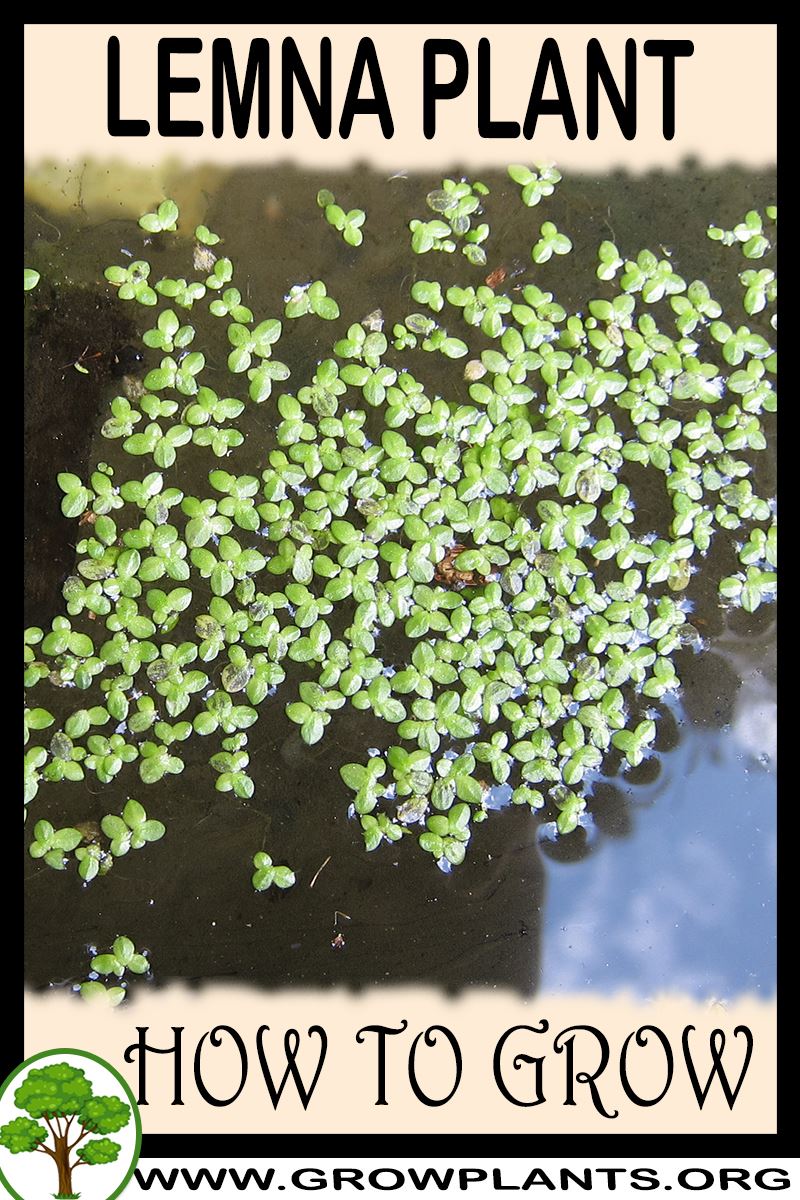
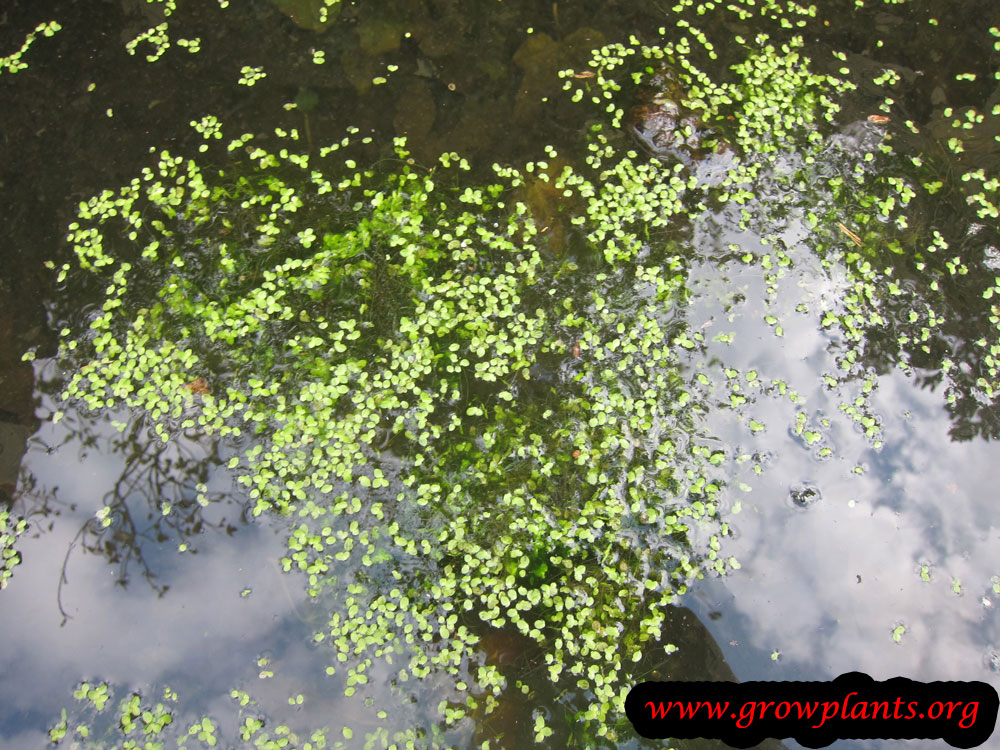
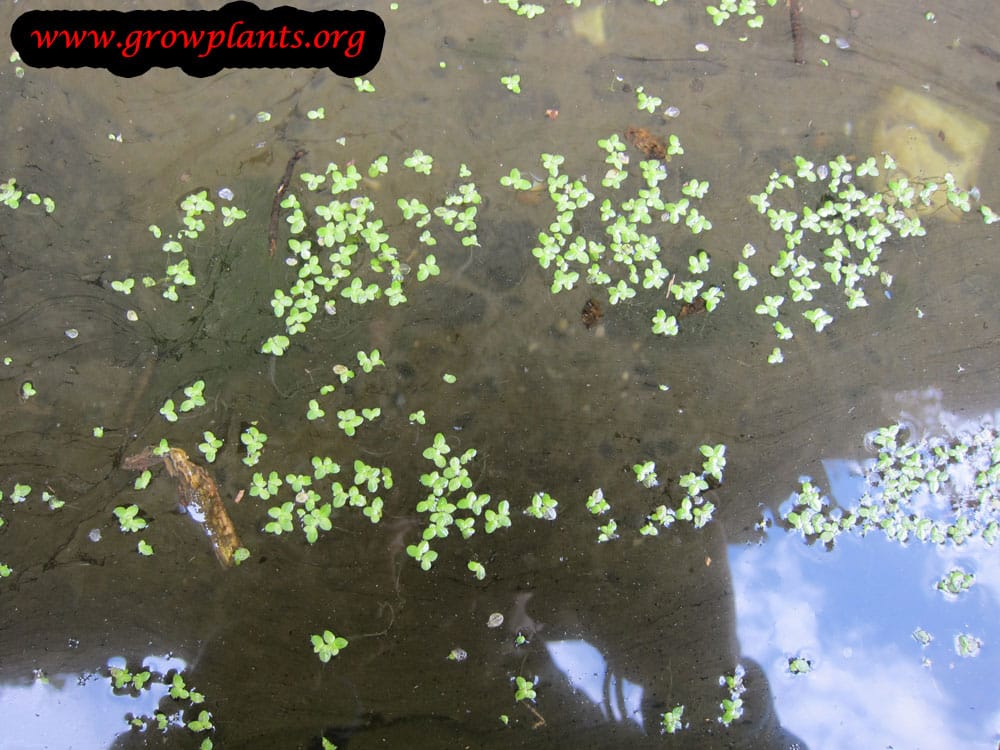
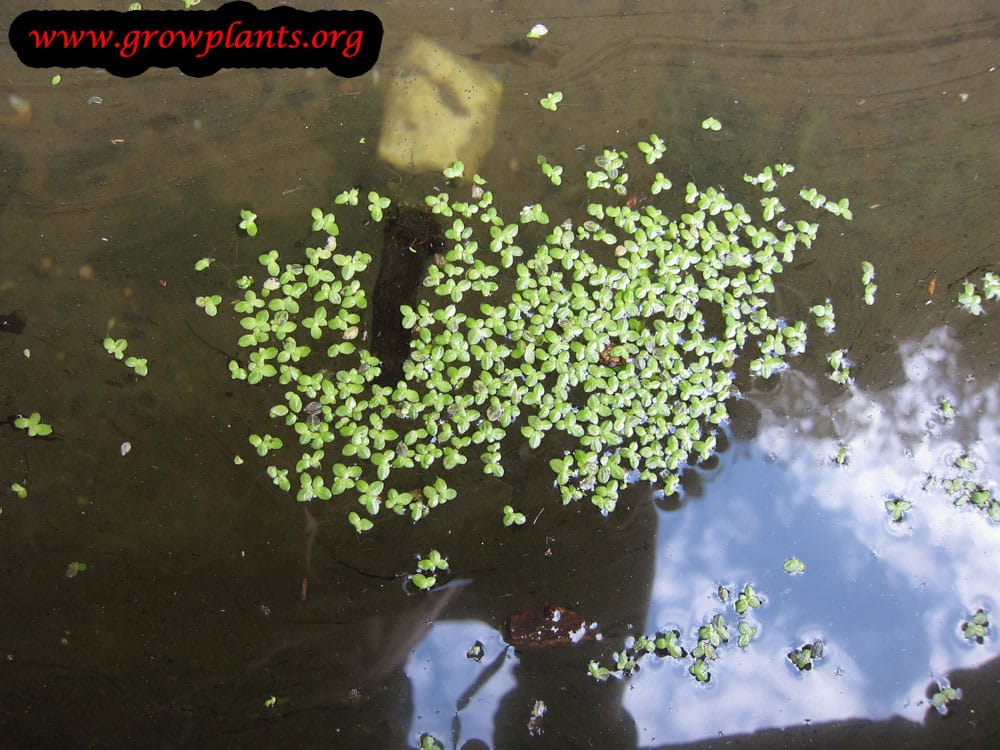
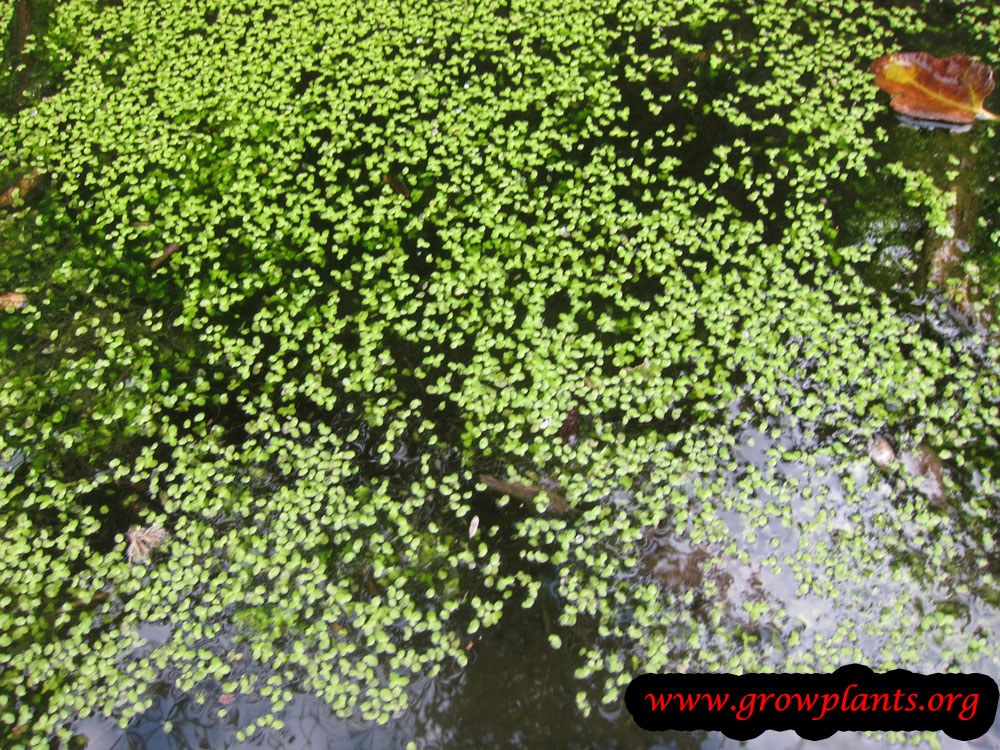
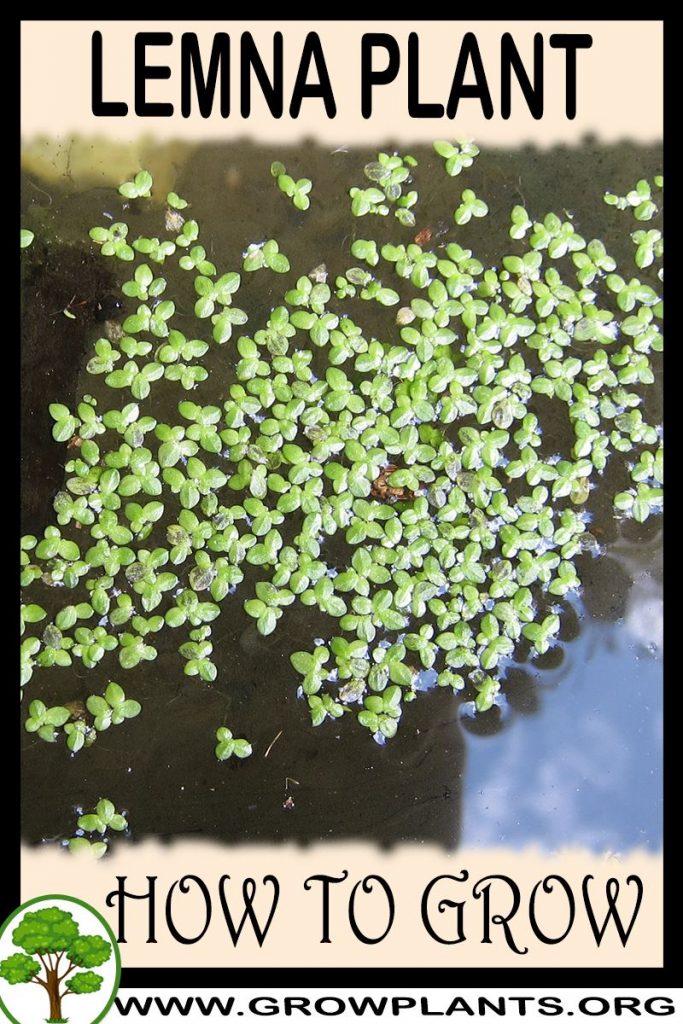
Overview: Lemna (duckweed) is a minute free-floating aquatic plant, each frond only about 0.5-1 cm across, used as an ornamental surface cover on ponds. It is a fast-growing evergreen perennial (annual in cold water) hardy from USDA zone 5 upward.
Quick Specifications
| Specification | Attribute |
|---|---|
| Plant Type / Life Cycle | Perennial (annual in cold water) |
| Foliage Type | Evergreen (aquatic) |
| Mature Size | 0.5-1 cm per frond (0.15-0.5 in) |
| Growth Rate | Fast |
| Root System | Free-floating aquatic; a single fine rootlet hangs beneath each frond |
| Toxicity | Non-toxic (edible; used as food and fodder) |
| Hardiness | USDA zone 5+ |
Growth Form & Structure
- Height & Spread: Individual fronds are only 0.5-1 cm (0.15-0.5 in); colonies spread quickly to cover the whole water surface.
- Growth Habit & Form: Free-floating aquatic groundcover that carpets still water; each frond can bud off a new plant.
- Lifespan & Maturity: Very short-lived individually but self-perpetuating, forming a continuous mat.
Anatomy & Physical Features
- Leaves & Foliage: Tiny green elliptic fronds 1-2 cm, borne in pairs; a new plantlet can grow from each frond.
- Flower Characteristics: Minute yellow or white flowers on the frond, rarely noticed.
Primary Uses & Landscape Value
- Edible Uses: Protein-rich fronds are edible and widely used as food and animal fodder.
- Functional & Ornamental Roles: Ornamental and functional pond cover that shades and filters water; grows fast and can be invasive, so contain it.
Care Guide: Planting, Soil & Watering
Overview: Lemna (duckweed) is a fast-spreading, free-floating aquatic plant that grows on the surface of still or slow-moving fresh water in full sun to part shade. It uses no soil at all and needs a constant, generous supply of water.
Quick Care Requirements
| Requirement | Ideal Condition |
|---|---|
| Planting Season | Spring and the warm season; year-round in the tropics |
| Growth Rate | Fast |
| Soil Type | None – floats on the water surface of ponds or containers |
| Water Need | High; it lives on standing fresh water |
Planting & Establishment
- Best Planting Season: Introduce it in spring or the warm season; in the tropics it can be added year-round.
- How to Plant: Instead of planting into soil, simply float the plants on the surface of a pond or a container of still, fresh water; nutrient-rich water encourages rapid spread.
- Growth Speed & Expectations: A very fast grower that multiplies quickly and can become aggressive or invasive if not contained.
Soil, Watering & Drainage Care
- Soil Mix & Drainage Needs: No soil or drainage is needed – provide still or gently moving fresh water and keep the container topped up.
- Watering Schedule & Technique:
- Young / Newly Planted: Keep the water level constant while the colony establishes on the surface.
- Established: Top up the water as it evaporates so the plants stay afloat.
- Seasonal Adjustments: Growth slows in cold weather and surges in warm, bright conditions.
Climate, Light & Hardiness
Lemna (duckweed) is a tiny floating aquatic plant that behaves as an evergreen perennial in warm climates and as a cold annual where winters freeze, growing across a broad range from Mediterranean and desert to tropical conditions. It grows best in full sun to half shade on the water surface.
Quick Climate Specifications
| Climate Zones | Mediterranean, desert, subtropics, temperate, tropics |
|---|---|
| USDA Hardiness Zones | 5+ |
| Frost Tolerance | Low |
| Light Conditions | Full Sun / Half Shade |
Sunlight & Light Exposure
Optimal Light Setup
Full sun to half shade both work well for Lemna, and the plant multiplies quickly under good light.
Shade & Heat Management
The species tolerates hot, sunny water surfaces well across its broad climate range, from desert to tropical conditions.
Temperature Extremes & Hardiness
USDA Hardiness & Regional Limits
Lemna is rated for USDA zone 5 and warmer as an evergreen perennial; in tropical climates it grows year-round, while in colder zones it behaves more as a cold-season annual, dying back over winter.
Cold Damage & Winter Protection
Where winters freeze the water surface, the floating fronds are killed off; the plant typically needs to re-establish from surviving fragments or fresh introduction the following spring.
Frost Sensitivity
Frost tolerance is low – a frozen water surface kills exposed plants, which is why Lemna is treated as a cold annual outside its warmer evergreen range.
Wind, Humidity & Microclimate
Microclimate Recommendations
In colder climates, spring planting once the water has warmed gives the colony time to multiply before autumn cold sets in.
Growing in Pots, Balconies & Indoors
Lemna (duckweed) is an aquatic plant grown in a container of water rather than in soil. The grower does not grow it as a houseplant, but it is well suited to a water tub, half-barrel or mini-pond on a balcony or patio.
Quick Details
- Container Size: A watertight tub, bowl, half-barrel or mini-pond – grown in standing water, not soil
- Indoor Suitability: Not a houseplant; for an outdoor water container
- Best Spot: Full sun to half shade
- Soil & Drainage: No drainage – the container holds water; floats freely on the surface
- Watering in Pots: Keep the container topped up; it needs a constant, generous body of water
Indoors & On the Windowsill
- Indoors: The grower does not list it as an indoor plant; it is a fast-spreading floater for an outdoor tub or pond.
- Cold tolerance: It is hardy enough to overwinter outdoors in the tub in most temperate areas, dying back and returning in the warm season.
- Important – invasive: This plant spreads aggressively and is a serious weed of natural waterways in many regions. Keep it contained and never release it or its water into ponds, streams or drains.
On a Balcony or Patio
- Light & water: Stand the water container where it gets the light levels above; top it up often, as an open tub of water evaporates fast in sun and wind.
- Weight & siting: A full water container is very heavy – make sure the balcony or shelf can take the load before filling it, and site it on a level, stable base.
Choosing the Pot, Soil & Long-Term Care
- The container: Any watertight vessel works – a glazed pot with no holes, a half-barrel with a liner, a bowl or a purpose-made mini-pond. No drainage holes here; the point is to hold water.
- Growing it: It simply floats on the surface – no soil needed; thin out and remove excess growth regularly so it does not cover the whole surface.
- Water & feeding: Keep the water topped up with rain or aged tap water; these plants feed from the water, so go easy on fertiliser and remove decaying leaves to keep it clear.
- Upkeep: Divide or thin crowded growth each year to keep it healthy and stop it swamping the container.
Fertilizing & Feeding
Lemna (duckweed) is a tiny, extremely fast-multiplying floating plant that absorbs nutrients directly from the water it floats on; it thrives on nutrient-rich water and essentially never needs deliberate fertilizing – a thriving duckweed mat is usually a sign the water already has more than enough nutrients.
Quick Fertilizing Specs
| Feeding Level | Light – effectively a non-feeder that multiplies fastest in already nutrient-rich water |
|---|---|
| Main Nutrient Priority | None as a rule; each tiny frond absorbs nutrients straight from the water |
| Best Feeding Period | Essentially never needed outside of unusually sterile, freshly filled water |
| Reduce/Stop Feeding | Stop any feeding the moment the mat begins doubling and spreading across the surface |
| Organic Options | General pond nutrient load, fish waste, and decaying matter are normally more than sufficient |
Feeding by Growth Stage
Starter fronds in unusually lean water
Help a small starter patch of fronds begin multiplying in unusually lean water
| Nutrient direction | A very light, balanced feeding only if the water is clearly nutrient-poor; otherwise skip and let the fronds find their own nutrients |
|---|---|
| Timing | Right after introducing fronds, during mild to warm weather |
| Frequency | A single light application is normally enough; duckweed multiplies so quickly that more feeding is rarely warranted |
| Fertilizer types | A heavily diluted balanced aquatic plant fertilizer |
| Precautions | Use only the smallest amount – duckweed multiplies explosively, and even modest excess nutrients can turn a small patch into a total surface cover very quickly |
Established mat, no feeding needed
Let an actively multiplying mat draw everything it needs from the water
| Nutrient direction | None – withhold fertilizer once the mat is doubling on its own |
|---|---|
| Timing | From the point the fronds are visibly multiplying and spreading, onward |
| Frequency | No feeding at this stage; established duckweed sustains itself entirely from the water |
| Fertilizer types | No feeding at this stage – fronds absorb nutrients directly from the surrounding water |
| Precautions | Do not fertilize an established mat; duckweed is already an efficient nutrient scavenger, and surplus nutrients only accelerate its aggressive, invasive spread |
Nutrient Deficiency Signs & Corrections
Individual fronds yellow and drift apart from the main mat
| Possible causes | Nutrient-poor water lacking adequate dissolved nutrients, Insufficient light reaching the water surface, Water temperature outside the plant’s preferred mild-to-warm range, Natural die-off of older fronds within a fast-turnover population |
|---|---|
| Appears first on | Scattered individual fronds rather than the whole mat |
| What to check | Water nutrient or organic load, Light levels at the surface, Water temperature trend, Overall mat density and turnover |
| Possible correction | Improve light and confirm temperature is suitable; only consider a very light feeding if the water is genuinely nutrient-poor |
The frond population stalls instead of doubling as expected
| Possible causes | Nutrient-poor or frequently changed water, Crowding and shading among fronds limiting light to each plant, Cold water slowing metabolism, Surface disturbance from wind, fish, or flow breaking up the mat |
|---|---|
| Appears first on | Across the whole population rather than any one spot |
| What to check | Water nutrient or organic load, Mat density and light penetration, Water temperature, Surface disturbance or flow |
| Possible correction | Address crowding, temperature, or disturbance first; treat this as a light feeder and only add nutrients if the water is unusually lean |
The single trailing root on each frond shortens or disappears
| Possible causes | Poor water quality or pollutant exposure, Very low dissolved nutrients in the water, Fish or invertebrates grazing on the root hairs, Natural shedding as fronds age and prepare to separate |
|---|---|
| Appears first on | Older fronds near the center of a dense mat |
| What to check | Water quality and any recent contamination, General nutrient or organic load, Signs of grazing by fish or snails, Age and turnover of the mat |
| Possible correction | Improve water quality first; root loss is rarely a fertilizer issue for this plant |
Pruning, Training & Seasonal Maintenance
Lemna (duckweed) is a minute free-floating plant – each frond only 1–2 cm – that multiplies by budding new fronds off existing ones (source: propagation “easy” vegetatively). It has no stems, leaves in the usual sense, or structure to prune. “Maintenance” is limited to skimming off dead or discolored fronds and thinning the mat, done at any time of year (source: pruning season “all year”).
Quick Pruning & Maintenance Specs
| Pruning Tolerance | Not applicable – no structural growth to cut |
| Primary Maintenance Window | Year-round, as needed |
| Typical Frequency | Whenever the mat covers more surface than desired or dead fronds accumulate |
| Main Objective | Prevent the fast-growing, invasive mat from fully sealing the water surface |
| Best Tool Type | Fine pond/aquarium net or skimmer – no cutting tool involved |
Special Growth to Remove
Skim off dead or discolored fronds and excess mat area regularly, since the source lists Lemna as aggressive/invasive and fast-growing. Unlike most maintenance targets, do not aim to clear it completely – duckweed is widely valued in ponds as a nutrient scavenger and a natural food source for fish and waterfowl, so leaving a controlled portion in place is usually the goal rather than eliminating it.
Container & Small-Space Pruning
In a small tank or trough, thin more frequently than in an open pond – duckweed’s rapid budding can fill a confined water surface within days.
Tools
No cutting tool is needed; skim with a fine net or by hand.
Tool Hygiene & Disease Risk
Routine. The main hygiene concern for this invasive, easily fragmented plant is biosecurity – rinse nets and hands and avoid moving skimmed material or drip water into a separate water body, since a single frond can start a new colony.
Common Pruning Mistakes
- Removing the entire mat at once, eliminating a food source and cover that pond fish and wildlife rely on
- Never thinning it at all, letting the fast-budding mat seal the surface and starve submerged life of light and oxygen
When NOT to Prune
No closed season is documented (all year); the only caution is against total removal in one pass given its ecological value in the pond.
Propagation Guide
Duckweed multiplies almost entirely by simple vegetative budding – the site describes each frond growing in a pair, with a new plant budding from the other – so floating a few fronds in nutrient-rich water is the standard and easiest way to start it; seed is possible but, per the site, hard to collect, making budding the practical method for nearly all growers. Overall difficulty is Easy.
Quick Propagation Specs
| Best Propagation Method | Vegetative budding/division of fronds |
| Alternative Methods | Seed (rarely used – hard to collect, per site) |
| Propagation Difficulty | Easy |
| Vegetative True-to-Type | Yes |
| Best Propagation Season | Spring; year-round in tropical climates |
Growing from Seed
Lemna can be grown from seed, but the site notes the seed is hard to collect, making vegetative budding by far the more practical route.
Division, Offsets, Pups & Suckers
Each tiny frond buds off a new daughter frond from its side; once formed, the daughter frond soon separates and floats independently as a new plant. To start a new population, simply transfer a few fronds into nutrient-rich water – easy to do, even though the site notes it isn’t strictly required when seed is available.
Bloom & Flower Guide
Quick Details
- Bloom Season: Summer (flowering is rare)
- Flower Appearance: Minute yellow or white flowers borne on the tiny frond
- Edibility: Grown as an ornamental, ground-covering water plant; the minute flowers are not eaten
Detailed Blooming Overview
Duckweed (Lemna) is among the smallest flowering plants in the world, and it almost always multiplies simply by budding new fronds rather than by flowering. On the rare occasions it does bloom, usually in summer, it produces minute yellow or white flowers on the little leaf-like fronds – so small they are hard to spot without looking closely.
Flower Characteristics
- Minute yellow or white flowers
- Borne on the frond, near the central vein
- Very rarely produced
Bloom Care & Thinning
- Managing the plant: an easy, fast-spreading floating plant – skim off excess when it blankets the surface to keep light reaching the water below.
Fruit & Uses
Note: duckweed (Lemna) is grown mainly as an ornamental pond cover and as feed for fish, poultry and livestock. Some duckweed species are also eaten by people, fresh or blended, as a high-protein ‘aquatic green,’ but this is a specialist/novel use rather than a typical home-garden vegetable, and safe consumption depends entirely on the plant being grown in clean, uncontaminated water.
Quick Edible Specs
| Edible Parts | Whole floating fronds (leaves), used fresh as a green |
|---|---|
| Main Use(s) | Novel/specialist human food (protein-rich green); much more commonly used as fish, duck and livestock feed |
| Eaten Raw or Cooked | Can be eaten raw (well rinsed) or lightly cooked |
| Preparation Required | Rinse thoroughly; source only from clean, unpolluted water |
| Harvest Season | Can be skimmed off the water through the growing season |
| Time to First Harvest | Not applicable; not grown as a food crop |
| Storage | Best used fresh; does not store well once harvested |
| Safety/Toxicity Caveat | Not toxic itself, but readily absorbs pollutants and heavy metals from the water it grows in; do not eat duckweed taken from water of unknown quality |
Leaves & Greens
The tiny floating fronds are the entire edible part; they can be skimmed off the water surface, rinsed well, and eaten fresh in salads or blended, or lightly cooked. Growth is continuous through the warm season, so fronds can be harvested repeatedly rather than in a single defined window.
Preparation, Uses & Safety
Because duckweed grows directly in water and readily takes up whatever is dissolved in it, the main safety rule is water quality: only eat duckweed grown in clean water you control, not wild pond water of unknown quality, and rinse well before use. For most home growers, duckweed is far more useful as a free, fast-growing feed for fish, ducks or chickens than as a human vegetable.
Pests, Diseases & Troubleshooting
Overview: Lemna (duckweed) is a tiny free-floating aquatic plant, and its ‘pest and disease’ picture is unlike ordinary garden plants: it is itself vigorous to the point of being weedy, so most ‘troubleshooting’ is about the water, light and nutrients around it and about competition, rather than insects. A few sap-suckers and aquatic grazers do affect it, and water-quality swings are its main enemy.
Quick Troubleshooting Overview
| Issue / Pest | Main Symptom | Primary Solution |
|---|---|---|
| Water-lily aphid | Colonies on floating fronds; distorted, sinking mats | Rinse; introduce fish; skim affected mats |
| Aquatic weevils / midge larvae | Grazed, holed or pitted fronds | Encourage fish and predators; skim debris |
| Waterfowl / snails grazing | Sudden thinning of the duckweed mat | Physical barrier; accept as part of pond life |
| Algae competition | Green water or filamentous algae crowding fronds | Reduce nutrients and light; add shade/plants |
| Nutrient / pH swings | Yellowing, whitening or die-off of fronds | Stabilise water chemistry; partial water changes |
| Overgrowth (self-weed) | Total surface cover, deoxygenated water below | Skim and remove excess regularly |
Common Pests & Management
- Water-lily aphid (Rhopalosiphum nymphaeae):
- Symptoms: Colonies of dark aphids that settle on floating aquatic foliage including duckweed, sucking sap so fronds yellow, distort and sink; honeydew can foul the surface.
- Prevention & Control: Rinse fronds with a spray to knock aphids into the water where fish take them, stock the pond with small fish (which also graze duckweed), and skim heavily infested mats. Avoid insecticides in water bodies that hold fish or wildlife.
- Aquatic weevils & midge larvae (Chironomidae / aquatic Curculionidae):
- Symptoms: Small holes, pits and grazed edges on the fronds where aquatic larvae and beetles feed; usually minor given how fast duckweed regrows.
- Prevention & Control: Encourage a balanced pond food-web with fish and predatory insects, skim debris, and simply let the fast growth outpace the damage – chemical control is neither needed nor advisable in water.
- Grazing snails & waterfowl (Lymnaea spp. / ducks):
- Symptoms: Sudden thinning or clearing of the duckweed mat where ducks and pond snails feed heavily on it (duckweed is a favoured food).
- Prevention & Control: This is natural and usually beneficial; if you are cultivating duckweed, screen a section of the surface or grow it in a separate protected container.
Diseases & Fungal Issues
- Fungal / water-mould decline (Pythium / Saprolegnia-type organisms):
- Symptoms: Patches of the mat yellow, whiten and rot, often when the water is stagnant, over-warm or overloaded with nutrients and low in oxygen.
- Treatment & Management: Improve water movement and oxygenation, remove decaying fronds promptly, and correct the underlying nutrient overload with partial water changes – there is no practical fungicide use in open water.
Growing Difficulties & Abiotic Problems
- Nutrient & pH imbalance:
- Cause & Symptoms: Fronds yellow, whiten or die back when water chemistry swings, nutrients crash or excess salts build up; duckweed is a sensitive indicator of water quality.
- Correction Strategy: Keep water chemistry stable with partial water changes, maintain moderate nutrient levels, and avoid sudden inputs of fertiliser, chlorine or salt.
- Light & temperature stress:
- Cause & Symptoms: Bleaching in intense sun or heat, and dormancy (sinking turions) in cold.
- Correction Strategy: Provide part shade in extreme heat and expect natural die-back and regrowth with the seasons; overwinter a starter culture in a frost-free spot.
- Overgrowth / self-weeding:
- Cause & Symptoms: A complete surface cover blocks light and oxygen to the water beneath, harming fish and submerged plants.
- Correction Strategy: Skim and remove excess duckweed regularly with a net, keep nutrients in check, and shade or agitate the surface to slow spread.
What Helps – Products & Tools
Chemical products are largely inappropriate on an aquatic plant sharing water with fish and wildlife – management is physical and cultural: a surface skimmer net, small fish to graze and to control aphids, partial water changes and nutrient control, and shade or aeration to steady conditions. Reserve any treatment for isolated cultures, never the open pond.