

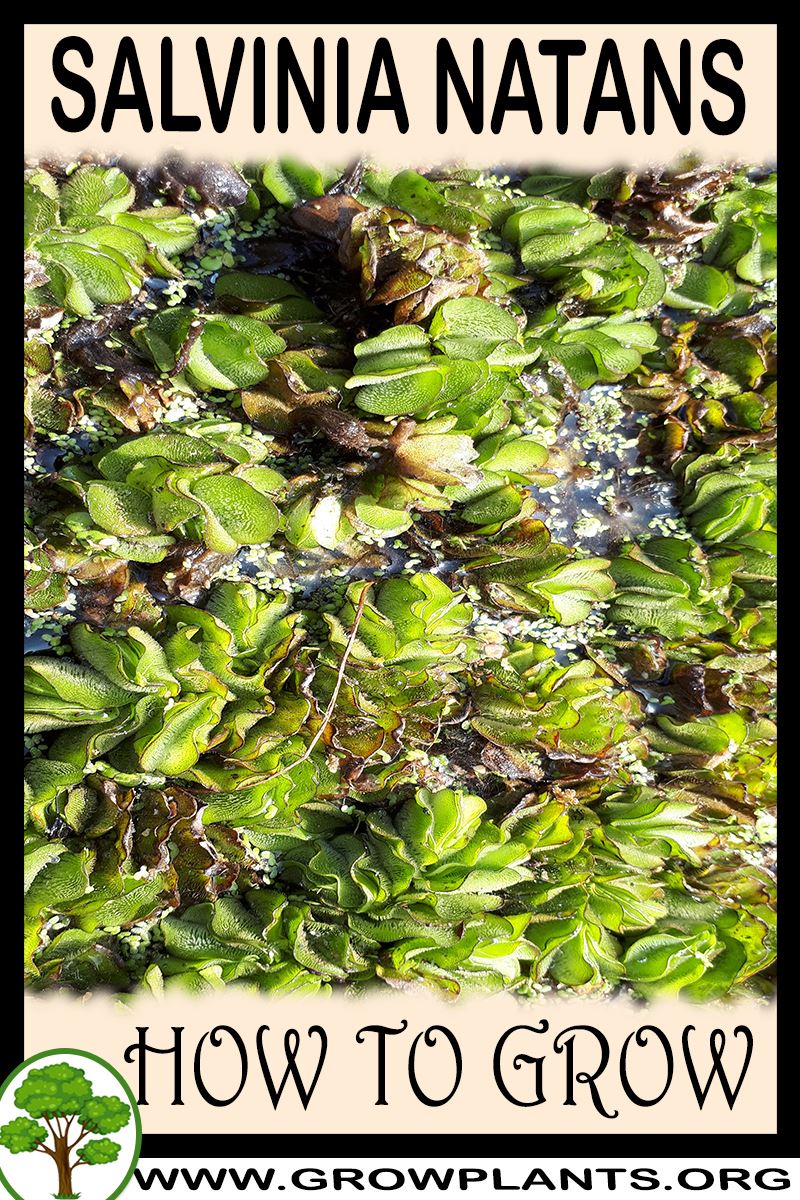
Plant Profile & Key Characteristics
Also known as: Floating watermoss, Floating moss, Water butterfly wings, Floating Fern
Overview: A small free-floating aquatic fern that forms a spreading green mat on still water. It is grown as an ornamental and functional plant for ponds and aquariums, where it clears the water, shades out algae and shelters fish.
Quick Specifications
| Specification | Attribute |
|---|---|
| Plant Type / Life Cycle | Annual free-floating aquatic fern |
| Foliage Type | Floating water fern (reproduces by spores, does not flower) |
| Mature Size | Individual floating leaves about 0.5-1 cm (0.25-0.5 in) wide; colonies spread to cover the water surface |
| Growth Rate | Fast |
| Root System | No true roots – a modified, finely divided submerged leaf hangs below and functions as the root |
| Hardiness | USDA zone 3 and warmer (grown as a warm-season/annual plant) |
Growth Form & Structure
- Height & Spread: Sits flat on the water surface; spreads horizontally to form a dense floating mat, so surface area rather than height defines its size.
- Growth Habit & Form: Free-floating, mat-forming aquatic fern; leaves are carried in whorls of three, two floating and one submerged as a root-like organ.
- Lifespan & Maturity: A fast-spreading annual that can blanket a water surface in a single season; in cold climates the spores may not survive winter outdoors.
Anatomy & Physical Features
- Leaves & Foliage: Small green, glossy, elliptic floating leaves about 1-2 cm long with a velvety water-repellent surface of fine hairs.
Primary Uses & Landscape Value
- Functional & Ornamental Roles: Pond and aquarium ornamental groundcover for the water surface; clears nutrient-rich water, suppresses algae and provides cover for fish.
Care Guide: Planting, Soil & Watering
Overview: Salvinia natans (Salvinia natans), floating moss or floating fern, is a free-floating aquatic fern that drifts on the surface of still fresh water rather than rooting in soil. It grows fast in full sun on warm, nutrient-rich water and can quickly blanket a surface, so it needs regular thinning to stay in bounds.
Quick Care Requirements
| Requirement | Ideal Condition |
|---|---|
| Placing Season | Spring in zones 3-10a; spring to summer in 10b; spring to autumn in 11; year-round in warmer zones |
| Growth Rate | Fast (can be invasive) |
| Habitat & Medium | Floats on still, nutrient-rich fresh water or an aquarium – no soil required |
| Water Temperature | Warm; about 15-30 C (60-86 F) |
| Light | Full sun for fastest growth; tolerates part shade |
Planting & Establishment
- Best Placing Season: Introduce it in spring across most zones so it establishes before the cold; in the warmest zones it can be added through summer and autumn. In cold-winter areas move some indoors to overwinter, as the spores may not survive a hard freeze.
- How to Establish:
- Placement: Simply float the plants on the surface of calm, still water – there is no hole to dig or soil to prepare.
- Water Conditions: Use nutrient-rich fresh water kept warm (about 15-30 C / 60-86 F) in a pond, puddle or aquarium; still water suits it far better than moving water.
- Containment: Because it spreads fast and can smother other plants, corral it with a floating ring or scoop out excess regularly.
- Growth Speed & Expectations: A fast grower with small 1-2 cm leaves that multiplies rapidly to form a dense floating mat; expect to thin it often to keep it from taking over.
Soil, Watering & Drainage Care
- Water & Habitat: This fern lives on the water itself, so the priority is water quality rather than soil – keep the water warm, still and nutrient-rich, and it will help shade out algae and shelter fish.
- Watering Schedule & Technique:
- Young / Newly Placed: Keep the water level topped up so the plants stay afloat and never strand on a drying edge.
- Established: Maintain a steady water level and good quality; declining plants usually signal a water problem or fish grazing rather than a watering fault.
- Seasonal Adjustments: Growth surges in warm weather and slows as water cools; protect a portion indoors over a cold winter.
Climate, Light & Hardiness
Salvinia natans is a floating aquatic fern grown as an annual across a very broad climate range, from desert and Mediterranean gardens to full tropics, and can also be kept indoors or in an aquarium. It grows fastest and best in full sun, though it tolerates half shade and even survives, more slowly, in full shade with some light.
Quick Climate Specifications
| Climate Zones | Mediterranean, desert, subtropics, temperate, tropics; also indoor/aquarium |
|---|---|
| USDA Hardiness Zones | 3+ |
| Optimal Temp Range | Approximately 15–30°C (60–86°F) water temperature |
| Frost Tolerance | Low |
| Light Conditions | Full Sun / Half Shade / Full Shade (with light) |
Sunlight & Light Exposure
Optimal Light Setup
Full sun gives the fastest growth and best performance; the plant also grows in half shade, and survives but grows slowly in full shade as long as some light reaches it.
Shade & Heat Management
Salvinia natans tolerates hot, sunny conditions well and, being a warm-water species, appreciates the higher water temperatures that come with full sun.
Temperature Extremes & Hardiness
USDA Hardiness & Regional Limits
Salvinia natans is treated as growable from USDA zone 3 upward, but only as an annual outside genuinely warm water bodies – it is not a plant that survives freezing winters as a persistent perennial.
Cold Damage & Winter Protection
Best water temperatures are approximately 15–30°C (60–86°F); in cold climates, overwintering spores in the pond may die, so growers wanting the plant back the next year sometimes keep some indoors over winter to protect the spores.
Frost Sensitivity
Frost tolerance is low – freezing water kills the floating mat, which is why the species is grown as an annual in all but the warmest, frost-free water gardens.
Wind, Humidity & Microclimate
Humidity Preferences
As a warm-water floating fern, Salvinia natans favors warm, humid growing conditions typical of a sheltered pond or aquarium.
Microclimate Recommendations
In cooler climates, spring planting after the water has warmed helps the colony establish before any autumn cold sets back growth.
Growing in Pots, Balconies & Indoors
Salvinia natans is a floating aquatic grown in water rather than soil. It can be kept indoors, but only in a very bright spot – given enough light it does well in a bowl or aquarium, and it grows fastest outdoors in a sunny water tub.
Quick Details
- Container Size: A watertight tub, bowl, half-barrel or mini-pond – grown in standing water, not soil
- Indoor Suitability: Indoors only in a very bright spot, or it declines
- Best Spot: Full sun (fastest); half shade fine; slow in shade
- Soil & Drainage: No drainage – the container holds water; floats freely on the surface
- Watering in Pots: Keep the container topped up; it needs a constant, generous body of water
Indoors & On the Windowsill
- Indoors: The grower notes it can grow indoors but demands plenty of light, or parts of the plant wither and it eventually dies – so a very bright window is essential.
- Windowsill growing: Set the bowl on your brightest sill; without strong light this plant thins out and fails, so light is the deciding factor.
- Important – invasive: This plant spreads aggressively and is a serious weed of natural waterways in many regions. Keep it contained and never release it or its water into ponds, streams or drains.
On a Balcony or Patio
- Light & water: Stand the water container where it gets the light levels above; top it up often, as an open tub of water evaporates fast in sun and wind.
- Weight & siting: A full water container is very heavy – make sure the balcony or shelf can take the load before filling it, and site it on a level, stable base.
Choosing the Pot, Soil & Long-Term Care
- The container: Any watertight vessel works – a glazed pot with no holes, a half-barrel with a liner, a bowl or a purpose-made mini-pond. No drainage holes here; the point is to hold water.
- Growing it: It simply floats on the surface – no soil needed; thin out and remove excess growth regularly so it does not cover the whole surface.
- Water & feeding: Keep the water topped up with rain or aged tap water; these plants feed from the water, so go easy on fertiliser and remove decaying leaves to keep it clear.
- Upkeep: Divide or thin crowded growth each year to keep it healthy and stop it swamping the container.
Fertilizing & Feeding
Salvinia natans is a fast-multiplying floating fern that draws nutrients directly from the surrounding water rather than from soil, so it rarely needs deliberate fertilizing; in most ponds and aquariums the water itself already supplies more nutrients than this plant needs, and adding fertilizer risks feeding an already aggressive, invasive grower.
Quick Fertilizing Specs
| Feeding Level | Light – this floating fern rarely needs added fertilizer |
|---|---|
| Main Nutrient Priority | None as a rule; nutrients are absorbed straight from the water column |
| Best Feeding Period | Only worth considering briefly while a colony is establishing in unusually clean, nutrient-poor water |
| Reduce/Stop Feeding | Stop any supplemental feeding once the mat is established and spreading on its own |
| Organic Options | Fish waste and decaying organic matter already circulating in a pond or aquarium typically cover this plant’s needs |
| Micronutrients | Usually already present in nutrient-rich pond or aquarium water; a chelated iron product is only worth trying if fronds turn persistently pale despite good light and warmth |
Feeding by Growth Stage
Establishing a new colony in low-nutrient water
Help a newly introduced patch take hold when the water itself is unusually clean or nutrient-poor
| Nutrient direction | A light, balanced boost only if the water is clearly nutrient-poor – otherwise let the colony find its own nutrients |
|---|---|
| Timing | Right after introducing the plant, during the active warm-season growing period |
| Frequency | A single light application is usually enough to get a lean-water colony started; reassess growth rather than repeating on a set schedule |
| Fertilizer types | A diluted, balanced aquatic plant fertilizer intended for floating or aquarium plants |
| Precautions | Add sparingly – this plant multiplies quickly, and any excess nutrients can trigger algae blooms or an unmanageable flush of growth |
Established, self-sufficient colony
Let an established mat rely entirely on nutrients already present in the water rather than encouraging further spread with fertilizer
| Nutrient direction | None – withhold any additional fertilizer once the colony is established |
|---|---|
| Timing | From the point the mat is visibly established and spreading across the water surface, through the rest of the growing season |
| Frequency | No feeding at this stage; this plant sustains itself from the surrounding water |
| Fertilizer types | No feeding at this stage – the floating mat draws nutrients directly from the water column |
| Precautions | Do not fertilize established plantings; excess nutrients accelerate this species’ already aggressive, invasive spread and promote algae growth |
Nutrient Deficiency Signs & Corrections
Fronds turn pale green to yellow and lose their glossy sheen
| Possible causes | Low light exposure reducing photosynthesis, Nutrient-poor (oligotrophic) water lacking dissolved nutrients, Water temperature outside the plant’s preferred warm range, Leaf-hair or frond damage from handling or pest activity |
|---|---|
| Appears first on | Older fronds throughout the mat |
| What to check | Light levels reaching the water surface, Water clarity and general nutrient status, Water temperature, Presence of the Salvinia weevil or other pests |
| Possible correction | Improve light exposure and confirm water temperature is in range; if the water is unusually nutrient-poor a light aquatic plant feeding can help, but otherwise avoid adding fertilizer since this plant typically draws enough nutrients from a rich water column |
Growth slows and the floating mat stays sparse instead of spreading
| Possible causes | Insufficient light reaching the plant, Cool water temperature slowing metabolism, Very low-nutrient water, Overcrowding or disturbance from fish breaking up the mat |
|---|---|
| Appears first on | New growth at the mat edges |
| What to check | Water temperature against this plant’s warm-water preference, Light reaching the surface, Signs of fish or other disturbance, General water quality |
| Possible correction | Warm, bright, undisturbed water is usually enough to restore vigorous growth; treat this as a light feeder and avoid heavy fertilizing |
Fronds brown and sections of the mat collapse and die back
| Possible causes | Salvinia weevil feeding damage, Water quality decline or pollutant exposure, Cold-water temperature stress, Natural seasonal decline |
|---|---|
| Appears first on | Scattered patches across the mat |
| What to check | Weevil larvae or feeding scars on fronds, Recent water quality changes, Recent temperature drops, Overall mat age and density |
| Possible correction | Remove dead material and address the underlying pest or water-quality issue; fertilizer is rarely the cause or the fix here |
Pruning, Training & Seasonal Maintenance
Salvinia natans is a small free-floating fern with no woody or structural growth, so it does not get “pruned” in the conventional sense – maintenance means pulling out dead or decaying material and thinning the mat, which can be done year-round (source: pruning season “all year”). The source’s own care note is useful here: needing to remove material from Salvinia usually signals a water-quality issue, so treat routine thinning as a check-up on the water as much as on the plant.
Quick Pruning & Maintenance Specs
| Pruning Tolerance | Not applicable – no woody or structural growth |
| Primary Maintenance Window | Year-round, as needed |
| Typical Frequency | Whenever dead fronds appear or the mat overgrows its space |
| Main Objective | Water quality, fish safety, and surface-coverage control |
| Best Tool Type | Hand or fine pond/aquarium net – no cutting tool involved |
Special Growth to Remove
Pull out dead or decaying fronds as the source’s own care guidance advises, and check while doing so whether fish are grazing the plant or whether water quality has declined – both are given as reasons the plant needs attention. Thin the floating mat periodically, since the source lists it as aggressive/invasive and capable of shading out everything beneath it.
Container & Small-Space Pruning
Suitable for aquarium culture per source, but a closed aquarium has far less buffering capacity than a pond – remove dead material more promptly and thin more conservatively to avoid a sudden water-quality swing in a small volume.
Tools
No cutting tool is needed; remove material by hand or with a fine net.
Tool Hygiene & Disease Risk
Routine. As with other floating aquatic invasives, the real hygiene concern is biosecurity: rinse nets/hands and avoid transferring plant fragments or drip water between separate water bodies.
Post-Pruning Care
After thinning, recheck water clarity and fish behavior in the following days, since the source flags both as indicators of an underlying problem rather than the plant itself.
Common Pruning Mistakes
- Treating a decline in the plant as the problem itself rather than a symptom of poor water quality
- Letting the colony grow unchecked until manual thinning can no longer keep pace – at that scale, growers often turn to the Salvinia weevil as a targeted biological control, per source, rather than hand removal
When NOT to Prune
No closed season is documented (all year). Avoid stripping the entire mat in one pass on a pond with fish – thin gradually and monitor water quality afterward.
Propagation Guide
Salvinia natans is best propagated by dividing off a piece of the floating mat, which is why the site marks vegetative reproduction as necessary for this species; it also produces spores, but in cold climates those spores can fail to survive winter, so they cannot be relied on alone. Overall difficulty is Easy.
Quick Propagation Specs
| Best Propagation Method | Vegetative division of the floating mat |
| Alternative Methods | Spores |
| Propagation Difficulty | Easy |
| Vegetative True-to-Type | Yes |
| Best Propagation Season | Spring in hardiness zones 3–10a; spring to summer in zone 10b; spring to autumn in zone 11; year-round in zone 12+ (spring establishes best across all zones) |
Division, Offsets, Pups & Suckers
New plants establish readily from a piece of an existing floating mat – this is why vegetative propagation is considered necessary for this species, per site data. Best planted in spring for the strongest establishment, though the workable window extends through summer in warmer zones and year-round in the warmest ones.
Spores
Salvinia natans also produces spores, which usually germinate the following year. In cold climates the spores can die off over winter, breaking that cycle; where winter survival is a concern, the site recommends keeping some plants indoors over winter to protect the spores and the plant itself.
Pests, Diseases & Troubleshooting
Overview: Floating water fern is a fast-growing annual aquatic that is essentially free of serious pests and diseases; its issues are almost entirely environmental. In practice you troubleshoot water quality, light, algae competition and cold rather than insects – though aphids and the host-specific salvinia weevil can appear on the floating fronds.
Quick Troubleshooting Overview
| Issue / Pest | Main Symptom | Primary Solution |
|---|---|---|
| Aphids | Insects clustered on floating fronds | Rinse/submerge fronds, encourage fish |
| Salvinia weevil | Brown, chewed, sinking fronds | Host-specific; only a concern under study/biocontrol |
| Algae competition | Green water/blanketweed smothers fern | Reduce nutrients & light, remove algae |
| Nutrient/pH imbalance | Yellow, stunted, thin fronds | Correct water chemistry, partial water change |
| Cold dieback | Fronds brown and sink in autumn | Overwinter as turions / indoors in cool climates |
Common Pests & Management
- Aphids (Rhopalosiphum / Aphis spp.):
- Symptoms: Small green or black insects clustered on the tops of floating fronds in warm, still conditions, causing yellowing and distortion.
- Prevention & Control: Simply submerge the affected fronds briefly with a jet of water so fish eat the dislodged aphids; keep fish in the pond as natural control. Avoid oils and soaps on an aquatic surface, as they harm the water film and pond life.
- Salvinia weevil (Cyrtobagous salviniae):
- Symptoms: Adults and larvae chew and tunnel fronds, which brown, become waterlogged and sink; note this weevil is a specialised biocontrol agent used against invasive Salvinia and is rarely an issue in ornamental settings.
- Prevention & Control: Not a pest to control in cultivation – it is host-specific and deployed deliberately to suppress invasive floating fern. No action is needed on a healthy ornamental population.
- Water snails (various pond snails):
- Symptoms: Minor grazing on fronds; usually cosmetic and part of a balanced pond.
- Prevention & Control: Tolerate at low numbers; remove by hand only if populations explode and start damaging plantings.
Diseases & Fungal Issues
- Fungal frond rot in stagnant water:
- Symptoms: Browning, softening and disintegration of fronds where water is stagnant, over-warm and low in oxygen.
- Treatment & Management: Maintain gentle water movement and good quality; remove decaying fronds promptly to prevent fouling. There is no meaningful fungicide use on open water – prevention through water management is the only sound approach.
Growing Difficulties & Abiotic Problems
- Algae competition / green water:
- Cause & Symptoms: Blanketweed and green water thrive on the same nutrients and light as the fern, smothering and shading it.
- Correction Strategy: Limit nutrients (avoid overfeeding fish, remove debris), provide some shade cover, and physically remove algae; a balanced, planted pond with the fern itself helps starve algae of nutrients.
- Nutrient / pH imbalance:
- Cause & Symptoms: Pale, thin, slow or stunted fronds from poor water chemistry, very soft or very hard water, or nutrient depletion.
- Correction Strategy: Test and correct pH and hardness toward the plant’s tolerant range, and refresh with partial water changes; the fern is a useful nutrient-stripper once conditions are stable.
- Cold / winter dieback:
- Cause & Symptoms: As a warm-season annual fern it browns and sinks with cold, and does not survive freezing as active plants.
- Correction Strategy: In cool climates let it set overwintering buds (turions) that sink and re-sprout in spring, or hold a starter clump indoors in a bright, frost-free container over winter.
- Excessive spread:
- Cause & Symptoms: Under warm, nutrient-rich conditions it can double rapidly and cover the entire water surface, cutting light and oxygen below.
- Correction Strategy: Skim off surplus with a net regularly to keep about half the surface open; never release it into natural waterways, where Salvinia species can become seriously invasive.
What Helps – Products & Tools
For a floating aquatic the ‘products’ are cultural, not chemical: a fine net for skimming excess growth and algae, a water test kit for pH and hardness, and pond fish to graze aphids. Avoid insecticidal soaps, oils and fungicides on open water – they damage the surface film and aquatic life; manage this plant entirely through water quality, light and physical removal.


