
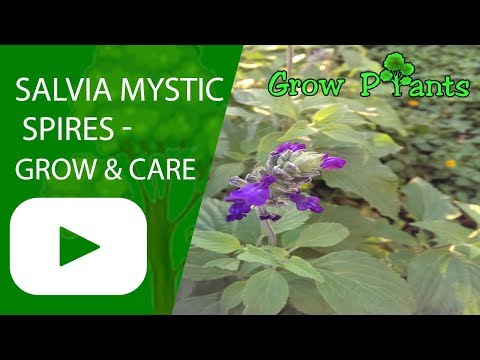

Plant Profile & Key Characteristics
Also known as: Tangerine sage
Overview: An aromatic evergreen (to deciduous) shrub 0.5-1.2 m (20-48 in) tall, grown for its pineapple-scented edible leaves and its showy red flowers. It is a tender perennial, often grown as an annual in cold climates.
Quick Specifications
| Specification | Attribute |
|---|---|
| Plant Type / Life Cycle | Perennial shrub (grown as an annual where cold) |
| Foliage Type | Evergreen to deciduous, depending on climate |
| Mature Size | 0.5-1.2 m (20-48 in) tall |
| Growth Rate | Moderate |
| Toxicity | Non-toxic / edible (aromatic leaves used in drinks) |
| Hardiness | USDA zone 10-11 (grown as an annual in colder zones) |
Growth Form & Structure
- Height & Spread: An upright, bushy shrub 0.5-1.2 m (20-48 in) tall in the ground; grows well in a 10-20 L (2.6-5.2 gal) container with free-draining soil.
- Growth Habit & Form: Soft-stemmed, branching shrub of loose upright habit; benefits from a sheltered, part-shaded spot in hot-summer areas and from winter protection at the base.
- Lifespan & Maturity: A short-lived perennial that reaches flowering size within a season, blooming heavily into autumn.
Anatomy & Physical Features
- Leaves & Foliage: Light-to-dark green oval leaves with a soft texture and a sweet pineapple scent when crushed.
- Flower Characteristics: Tubular scarlet-red flowers that are highly attractive to pollinators, especially late in the season.
Primary Uses & Landscape Value
- Edible Uses: The fragrant leaves are used to flavour beverages (teas and cold drinks); the flowers are also edible.
- Functional & Ornamental Roles: A dual-purpose culinary herb and ornamental for borders, pollinator plantings and containers.
Care Guide: Planting, Soil & Watering
Overview: Pineapple sage is a tender shrubby salvia that grows best in full sun to light shade in rich, moist, well-draining soil. It likes steady moderate moisture but resents both drought and waterlogging, and it needs afternoon shade where summers are very hot.
Quick Care Requirements
| Requirement | Ideal Condition |
|---|---|
| Planting Season | Spring to summer (zone 10a); spring or autumn (10b); year-round (11+); as an annual in spring |
| Growth Rate | Moderate |
| Soil Type | Rich, moisture-retentive but well-draining soil |
| Water Need | Moderate — keep the soil lightly moist, letting the surface dry slightly between waterings |
Planting & Establishment
- Best Planting Season: Plant in spring to summer in zone 10a, spring or autumn in zone 10b, and year-round in frost-free zones 11+; grown as an annual, plant in spring — avoid the hottest summer days.
- How to Plant:
- Hole Preparation: Dig a planting hole roughly twice as wide as the root ball but no deeper, so the roots can spread into loosened soil.
- Soil Amendments: Work in plenty of compost or well-rotted organic matter to enrich the soil and help it hold moisture while still draining freely.
- Planting Depth: Set the plant at the same depth it grew in its pot, with the root collar level with the surface — never bury the stem, which invites rot.
- Growth Speed & Expectations: Expect a moderate, steady pace of growth, reaching a good size over a season or two.
Soil, Watering & Drainage Care
- Soil Mix & Drainage Needs: Use rich, well-aerated soil that holds moisture yet drains freely, and mulch to keep the roots cool and damp; in pots use a quality potting mix with perlite so excess water can still escape.
- Watering Schedule & Technique:
- Young / Newly Planted: Keep the soil evenly moist after planting so the young roots never dry out while establishing.
- Established: Water deeply once or twice a week, letting the surface dry slightly between waterings, and adjust to rainfall.
- Seasonal Adjustments: Water more often in hot, dry spells and ease off in winter as growth slows.
Climate, Light & Hardiness
Pineapple sage is a tender perennial shrub for tropical, subtropical, and Mediterranean climates, growing well in full sun to half shade. It has limited frost tolerance and is also notably heat-sensitive, doing best with afternoon shade once temperatures climb much above 25°C (77°F).
Quick Climate Specifications
| Climate Zones | Tropical, subtropical, or Mediterranean climates |
|---|---|
| USDA Hardiness Zones | 10b and warmer; possible in zone 10a with overwinter care |
| Optimal Temp Range | Grows best up to about 25°C (77°F); benefits from afternoon shade above that |
| Frost Tolerance | Low |
| Light Conditions | Full sun or half shade |
Sunlight & Light Exposure
Optimal Light Setup
Full sun suits it well in mild weather; as temperatures rise above about 25°C (77°F), a half-shade position keeps the plant healthier.
Shade & Heat Management
This species is specifically noted as sensitive to heat waves, and is best grown in half shade wherever summers run hot.
Temperature Extremes & Hardiness
USDA Hardiness & Regional Limits
Reliable as a year-round perennial in zone 10b and warmer; zone 10a is possible with dedicated overwinter care. Where winters are colder still, it is commonly grown as an annual or brought through winter as a container plant - this reflects its cold limit, not a lack of genuine perennial potential in frost-free climates.
Cold Damage & Winter Protection
Site guidance recommends mulching over the base of the plant (wood chips or dead leaves) for winter protection at the cooler edge of its range.
Frost Sensitivity
Frost-sensitive; foliage is damaged by freezing temperatures, though a well-mulched, established root system can survive brief cold in marginal zones and resprout.
Extreme Heat Tolerance
Less heat-tolerant than many sun-loving shrubs; shade becomes important once temperatures exceed about 25°C (77°F).
Wind, Humidity & Microclimate
Rainfall & Seasonal Moisture
Prefers moist, rich, well-drained soil rather than drought conditions; site guidance calls for average watering.
Microclimate Recommendations
A site with morning sun and afternoon shade suits this species best in hot climates; a sheltered, mulched base helps it through winter near its cold limit.
Growing in Pots, Balconies & Indoors
Pineapple sage (Salvia elegans) is not a houseplant, but the grower grows it well in containers – it is an excellent sunny balcony, patio or courtyard plant in a free-draining pot, flowering generously for pollinators.
Quick Details
- Container Size: 10-20 L (2.6-5.2 gal) (grower’s value)
- Indoor Suitability: Not an indoor plant – a sunny outdoor container plant
- Best Spot: Full sun, or half shade in hot-summer areas
- Soil & Drainage: Well-ventilated, free-draining mix – potting mix, or peat with perlite/vermiculite
- Watering in Pots: Small to average – water must run straight out
Indoors & On the Windowsill
- Houseplant reality: Not a houseplant – indoors the light is too weak for good growth and flowering. A very sunny sill can hold a compact, aromatic sage for a while, but it is happiest outdoors.
- Overwintering: Where winters are too cold for it outdoors, a key reason to pot it is to move the container into a bright, frost-free spot over the cold months and keep it on the dry side.
On a Balcony or Patio
- Light & wind: Give it the sunniest spot; it thrives in the reflected warmth of walls and paving. Pots on a balcony or patio dry fast – walls, railings and paving reflect heat – so check moisture often and water more in warm, windy spells. Remember a full pot is heavy and sheds run-off when watered.
- Drainage first: Make sure water runs straight out – salvias dislike sitting wet, especially in a pot.
Choosing the Pot, Soil & Long-Term Care
- Pot & drainage: A 10-20 L (2.6-5.2 gal) pot suits it. Give a free-draining, well-ventilated mix with plenty of holes so water runs straight out, and the grower prefers no drip tray under the pot. Every few years swap out all or part of the soil. Use a potting mix, or peat with perlite or vermiculite. Use a pot with strong drainage holes and skip a standing-water saucer so the roots never sit wet – that is the fastest route to root rot. Terracotta breathes and dries faster, while glazed or plastic pots hold moisture longer.
- Watering in pots: Small to average – let the mix dry a little between waterings; the grower prefers no drip tray.
- Feeding: Potted plants need feeding a little more often than those in the ground, as regular watering steadily leaches nutrients away – feed lightly through the growing season.
- Repotting: Grown on as a perennial, replace all or part of the soil every few years to keep it fresh and free-draining.
Fertilizing & Feeding
Pineapple sage grows well on light, occasional feeding – it is not a hungry plant, and modest feeding keeps the leaves flavorful and the plant from turning leggy.
Quick Fertilizing Specs
| Main Nutrient Priority | A balanced feed suits this plant well since it is grown for both its pineapple-scented edible leaves and its red, pollinator-attracting flowers. |
|---|---|
| Best Feeding Period | Spring through the warm growing season, while the plant is actively putting out new leafy growth. |
| Organic Options | Compost worked into the bed or a diluted organic liquid feed suits a plant grown partly for the kitchen. |
| Soil pH | Grows best in moist, rich, well-drained soil; it is not fussy about soil acidity within a normal garden range. |
| Reduce/Stop Feeding | Ease off feeding as the season cools and hold off once the plant is mulched over for winter protection. |
Feeding by Growth Stage
Establishment after planting
Help newly planted or freshly rooted cuttings settle in and build a root system before heavy leaf or flower production.
| Nutrient direction | Light, balanced feeding that favors steady root and shoot establishment. |
|---|---|
| Timing | The first few weeks to months after planting or transplanting, once the plant is actively rooting. |
| Frequency | A light feeding shortly after the plant is established and rooting well is usually enough to start. |
| Fertilizer types | A balanced, general-purpose fertilizer suited to herbaceous perennial herbs |
| Precautions | Avoid feeding immediately at transplant time; let the plant show new root or leaf growth first, and keep applications light on young plants. |
Active growth and bloom
Support the leafy, aromatic growth grown for the kitchen while also supporting the fragrant red flowers that draw pollinators.
| Nutrient direction | Modest, balanced feeding – enough to keep growth vigorous without pushing soft, watery leaves that dilute flavor. |
|---|---|
| Timing | Spring through summer and into autumn where the climate allows continued growth. |
| Frequency | Light, infrequent feedings through the growing season are usually enough; this herb rarely needs more than that. |
| Fertilizer types | A balanced, general-purpose fertilizer for herbs, used at a light rate |
| Precautions | Avoid heavy or frequent feeding, which can produce lush but weak, less flavorful growth and reduce winter hardiness going into the cool season. |
Winter rest
Let the plant rest through the cool season, especially where winter protection such as mulch is needed to carry it through.
| Nutrient direction | None – withhold fertilizer while the plant is resting for winter. |
|---|---|
| Timing | Late autumn through winter, once the plant has been mulched or cut back for the cold season. |
| Frequency | No feeding at this stage. |
| Fertilizer types | No feeding during winter rest – do not fertilize until new growth resumes in spring. |
| Precautions | Do not fertilize a plant that is mulched over for winter protection; resume light feeding only once active spring growth appears. |
Nutrient Deficiency Signs & Corrections
Pale or light green leaf color and slower-than-expected growth.
| Possible causes | Nitrogen deficiency, Poor, low-organic-matter soil, Roots stressed by consistently wet soil |
|---|---|
| Appears first on | Older leaves and overall plant vigor |
| What to check | Recent feeding history, Soil organic matter, Drainage and recent rainfall or watering |
| Possible correction | Apply a light, balanced feeding and improve soil organic matter with compost. |
Yellowing between the veins of new leaves while the veins stay green.
| Possible causes | Iron deficiency linked to high soil pH, Waterlogged soil limiting root function, Root stress from compacted planting sites |
|---|---|
| Appears first on | The newest leaves |
| What to check | Soil pH, Drainage, Whether older leaves are also affected |
| Possible correction | Improve drainage, work toward a more neutral to slightly acidic soil, and apply a chelated iron product per its label if needed. |
Leaf tip or edge browning on container-grown plants.
| Possible causes | Fertilizer salt buildup from repeated container feeding, Underwatering that concentrates salts near the roots, A container that has gone too long without a soil refresh |
|---|---|
| Appears first on | Leaf tips and margins |
| What to check | Salt crust visible on the soil surface, How recently the potting soil was refreshed, Watering consistency |
| Possible correction | Flush the container with plain water to leach accumulated salts and cut back the feeding rate afterward. |
Pruning, Training & Seasonal Maintenance
Pineapple sage is a soft-stemmed, shrubby perennial with no persistent woody framework worth training, grown both for its pineapple-scented edible leaves and its hummingbird-pollinated flowers, which form on the current season’s growth. It tolerates hard seasonal cutback well, especially where winter cold knocks the top growth back to the base (the plant’s own care notes call for mulching over the base for winter protection). Pruning here serves two goals at once: cutting spent bloom stems improves leaf quality for culinary use, and a season-end cutback keeps the plant tidy and ready to resprout.
Quick Pruning & Maintenance Specs
| Pruning Tolerance | High |
| Primary Pruning Window | Autumn–winter, as the growing season ends / after frost dieback |
| Secondary Maintenance Window | Ongoing pinching and bloom-stem removal through the growing season |
| Typical Frequency | Regular light pinching, plus one seasonal hard cutback where the top growth dies back |
| Main Objective | Leaf quality for culinary use, plus continued flowering and a tidy overwintered crown |
| Young Plant Priority | Pinch young stems to build a bushy, multi-branched habit |
| Mature Plant Priority | Cut spent flowering stems to redirect energy to leaf growth; cut the whole plant back at season’s end where it diebacks |
| Best Tool Type | Precision snips – entirely soft stems, no woody framework |
| Avoid Heavy Pruning During | Active summer heat waves, when the plant is already heat-stressed per its own care notes |
Pruning by Plant Age & Size
Newly Established
Minimal – pinch the growing tip once the young plant is established to start branching.
Young / Formative
Pinching only, no leader/vase/cane system: the goal is a full, multi-stemmed clump rather than a few tall stems.
Mature / Established
Routine cutting of flowering stems to favor leaf production when grown for culinary use, plus a harder cutback at the end of the growing season, especially where the plant is being overwintered via a mulched crown.
Seasonal Pruning Schedule
Dormant / Season-End
Objective: protect the crown through winter in marginal zones. What to remove: cut top growth back after frost has finished it off (or before, if simply tidying). Expected response: the mulched crown resprouts from the base the following spring. This directly follows the plant’s own instruction to mulch the base with wood chips or dead leaves over winter.
Ongoing Sanitary
Remove spent flower stems and any floppy, leggy growth through the growing season.
Structural Pruning & Training
Minimal – there is no real branch framework to select or thin; the only structural lever is how hard and how often to cut the whole clump back.
Special Growth to Remove
Spent flower spikes: the plant’s own guidance notes that cutting back bloom stems improves leaf quality when grown for the kitchen, in addition to encouraging further flowering. Dead or frost-damaged stems in winter/early spring.
Container & Small-Space Pruning
Container growing is supported for this species. Pot-grown plants benefit from more frequent light pinching to control size in a confined space, and the same autumn/winter cutback applies before moving or protecting a container specimen through winter outside its reliably hardy range.
Tools
- Precision snips – the only tool needed; every stem on this soft-tissued subshrub (50–120cm) is well within its capacity.
Tool Hygiene & Disease Risk
Routine: clean tools are sufficient. Aphids are the only pest documented for this plant, not a tool-vectored disease concern.
Cut Placement & Technique
Pinch just above a leaf node to force branching; cut spent flower stems back to a lower leaf pair; for the seasonal hard cutback, cut stems down to a few inches above the base/crown before mulching.
Heavy Pruning & Rejuvenation
Well tolerated – an end-of-season hard cutback to near the base is standard practice here, not a rare rejuvenation measure, and the plant resprouts readily from the crown or roots the following spring provided it’s mulched over winter in marginal zones.
Post-Pruning Care
Mulch the crown after the autumn/winter cutback, directly following the plant’s own care guidance; don’t fertilize right after a hard cutback; keep some afternoon shade during hot weather to reduce stress on regrowth, matching the plant’s documented heat sensitivity.
Common Pruning Mistakes
- Leaving old flower stalks uncut when growing it for the kitchen, letting the plant put energy into seed rather than leaf production and reducing leaf quality.
- Skipping the winter mulch after cutback in marginal zones and losing the crown to cold.
When NOT to Prune
Avoid hard cutback during an active summer heat wave when the plant is already heat-stressed. Avoid pruning right as new spring growth is just emerging from an overwintered crown – let it establish first.
Recommended Tools (by task)
- All cuts – pinching, deadheading, seasonal cutback – precision_snips: this soft-stemmed subshrub has no growth that needs anything heavier.
Propagation Guide
Pineapple sage roots readily from stem cuttings or simple layering (bending a low branch down and covering it with soil), which the site describes in detail and which is the fastest, most reliable way to increase this plant. Seed is also a good option and, as this is not a hybrid selection, comes true to the species, though germination takes longer and is less certain than the vegetative methods; overall difficulty is Easy.
Quick Propagation Specs
| Best Propagation Method | Stem cuttings or simple (ground) layering |
| Alternative Methods | Seed |
| Propagation Difficulty | Easy |
| Seed True-to-Type | Yes |
| Vegetative True-to-Type | Yes |
| Best Propagation Season | Warm season, avoiding the hottest summer days, for cuttings/layering; for seed, spring to summer in hardiness zones below 10a, or spring, autumn or winter in zone 10b and warmer (never hot summer days) |
| Seed Germination Time | 2–3 weeks in optimal conditions, up to 5 weeks otherwise |
| Cutting Rooting Time | Commonly a few weeks under the warm, humid conditions the site recommends |
| Germination Temperature | 20–25°C (68–77°F) optimal, possible in a 15–29°C (59–84°F) range but slower with fewer seeds germinating outside the optimal band |
| Seed Sowing Depth | 3–6mm (0.2–0.4 inch) |
Growing from Seed
Seed Handling & Viability
Store seed in a dry, dark location, ideally at room temperature or in the refrigerator, until sowing.
Sowing Season
In hardiness zones below 10a, sow in spring to summer. In zone 10b and warmer, sow in spring, autumn, or winter. Avoid sowing on hot summer days in any zone.
Sowing Depth & Orientation
Sow 3–6mm (0.2–0.4 inch) deep, spacing plants about 30x40cm (12×16 inches) apart.
Germination Conditions
Keep the soil moist and humid in a sunny location; optimal temperature is 20–25°C (68–77°F), though germination can proceed more slowly and with a lower success rate across a broader 15–29°C (59–84°F) range.
Germination Time
Typically 2–3 weeks under optimal conditions, but can take up to 5 weeks.
Seedling Care
Keep the soil moist in a sunny position, increasing water in hot weather. Once seedlings are planted out, keep them in full sun up to about 25°C (77°F); above that, move to or provide half shade.
Stem Cuttings
Cutting Type
Softwood/herbaceous stem cuttings.
Best Timing
Warm season, but not during the hottest summer days.
Rooting Setup
Two methods work: place the cutting in water, changing the water every few days, or insert the stem into soil (preferably peat-based soil) for better results. Either way, keep humidity high and the cutting in half shade.
Rooting Hormone
Beneficial – the site notes cuttings do better with root growth hormone, though water-rooting without hormone is also a workable option.
Rooting Time
Not specified exactly by the site; commonly roots within a few weeks under these warm, humid conditions.
Air & Ground Layering
A low, flexible branch is bent down and covered with soil, kept in high humidity and half shade, during the warm season but not on hot summer days. Once the buried section has rooted – commonly a matter of weeks – it can be severed from the parent plant and grown on independently.
Bloom & Edible Flower Guide
Quick Details
- Bloom Season: Winter through spring and summer in mild climates, with the heaviest show as the days shorten in autumn
- Flower Appearance: Slender scarlet-red tubular flowers on tall spikes above the fragrant foliage
- Edibility: The flowers are edible – sweet and mild, they make a pretty garnish for salads and drinks
Detailed Blooming Overview
Pineapple sage saves its best for the cooler, shorter days, when the plant lights up with spikes of vivid red tubular flowers. The blooms carry a sweet nectar that draws hummingbirds and butterflies, and because they are edible they are as useful in the kitchen as they are in the border.
Flower Characteristics
- Scarlet-red, slender, and tubular.
- Carried on upright spikes above the pineapple-scented leaves.
- Rich in nectar and very attractive to pollinators.
Bloom Care & Thinning
- Keeping it blooming: Deadhead spent spikes and give the plant full sun to encourage a longer, fuller display.
- Pollination: Bees, butterflies, and hummingbirds all work the flowers – it is a fine plant for a pollinator garden.
- If you plan to eat the flowers: Pick only from plants you know have not been treated with pesticides.
Bloom Health & Protection
- Powdery mildew: In humid, still air a white bloom can appear on leaves and flower stems – better spacing and airflow help, and a sulfur-based or potassium-bicarbonate fungicide can be used if it takes hold.
- Aphids: They sometimes cluster on the soft flower stalks – a firm spray of water or insecticidal soap usually clears them.
Fruit & Uses
Pineapple sage is grown specifically for its edible, pineapple-scented leaves, most often used fresh to flavour beverages, teas and garnishes; its bright red tubular flowers are also edible and make a colourful raw garnish. Both are eaten fresh and raw, with no cooking or processing required.
Quick Edible Specs
| Edible Parts | Leaves; flowers |
|---|---|
| Main Use(s) | Culinary – flavouring for beverages/teas, garnish; grown partly for fragrance |
| Eaten Raw or Cooked | Raw (fresh) |
| Preparation Required | None – harvest and use fresh; leaves can also be dried for tea |
| Harvest Season | Leaves: all year in hardiness zone 11+, spring to autumn in zone 10. Flowers: during bloom season (winter through summer) |
| Time to First Harvest | Leaves can be picked once the plant is established |
| Storage | Best used fresh; leaves can be dried for later use in tea |
| Safety/Toxicity Caveat | None noted |
Leaves & Greens
The oval leaves are light to dark green with a taste reminiscent of pineapple. They are harvested together with the stems once the plant is established, and are used fresh to flavour cold drinks, teas, fruit salads and desserts, or dried for tea. Pruning off the flowering stems (see Pruning) improves leaf quality if leaves are the main goal.
Flowers & Flower Buds
The fragrant red, tubular flowers bloom from winter through summer and are edible, used raw as a colourful garnish on salads and desserts. Letting the plant flower heavily can come at some cost to leaf quality, so growers focused on leaf harvest often remove bloom stems.
Harvesting
Leaves and stems can be cut any time once the plant is established – year-round in hardiness zone 11+, mainly spring through autumn in zone 10. Light, regular picking encourages bushy regrowth. Flowers can be picked as they open during the bloom season.
Preparation, Uses & Safety
Both leaves and flowers are used fresh – steeped for tea or beverages, chopped into salads, or used whole as a garnish. No cooking, soaking or detox step is required, and no significant safety concerns are known for this plant.
Pests, Diseases & Troubleshooting
Overview: Pineapple sage is a soft-leaved, tender aromatic perennial that gets more sap-sucking pests than the woody sages – aphids, whiteflies and spider mites on its lush growth – plus powdery mildew and botrytis in humidity, and it is frost-tender.
Quick Troubleshooting Overview
| Issue / Pest | Main Symptom | Primary Solution |
|---|---|---|
| Whiteflies | White flies in clouds; sticky honeydew | Sticky traps; insecticidal soap on undersides |
| Aphids | Clustered insects on buds and shoots | Water jet, then insecticidal soap or neem |
| Spider mites | Stippling and webbing in dry heat | Raise humidity; horticultural oil / soap |
| Botrytis / powdery mildew | Grey mould or white coating in damp/crowding | Deadhead; ventilate; bicarbonate/biofungicide |
| Damping-off | Seedlings collapse at soil line | Clean media, warmth, airflow; don’t overwater |
Common Pests & Management
- Whiteflies (Trialeurodes vaporariorum):
- Symptoms: Tiny white moth-like insects that fly up in clouds when the plant is disturbed, with scale-like nymphs and honeydew on the leaf undersides, leading to yellowing, weak growth and sooty mould. Worst on soft-leaved and greenhouse-grown salvias.
- Prevention & Control: Hang yellow sticky traps to monitor and reduce adults; spray leaf undersides with insecticidal soap or neem oil every 5–7 days to break the life cycle; improve airflow and avoid excess nitrogen. Encarsia parasitic wasps help under cover.
- Aphids (Aphis / Myzus spp.):
- Symptoms: Clusters of small green, black or grey soft-bodied insects on tender new shoots, flower stalks and leaf undersides; sticky honeydew, sooty mould and distorted, curling young growth, often with ants in attendance.
- Prevention & Control: Blast colonies off with a firm jet of water in the morning; encourage ladybirds, lacewings and hoverflies by leaving some flowers; pinch out badly infested tips. If needed, treat with insecticidal soap or a light horticultural/neem oil, coating leaf undersides and repeating weekly.
- Two-spotted spider mites (Tetranychus urticae):
- Symptoms: Fine pale stippling or bronzing on the leaves, later a dusty look and delicate webbing on the undersides; leaves dry and drop. Flares up in hot, dry, dusty or indoor conditions.
- Prevention & Control: Raise humidity and hose the foliage down (mites hate moisture); remove heavily webbed leaves; avoid drought stress. Treat with horticultural oil or insecticidal soap, thoroughly wetting leaf undersides, and repeat every 5–7 days for several rounds.
- Mealybugs (Pseudococcus / Planococcus spp.):
- Symptoms: White cottony tufts tucked into leaf axils, stem joints and around the base; sticky honeydew and sooty mould, with stunted, off-colour growth. Common on tender salvias overwintered indoors.
- Prevention & Control: Dab colonies with a cotton bud dipped in surgical spirit; isolate affected plants; wash off with insecticidal soap. Repeat neem or soap sprays every 7–10 days, and inspect new plants before bringing them in.
- Thrips (Frankliniella spp.):
- Symptoms: Silvery streaking and tiny black specks on leaves and petals, distorted new growth and scarred flowers; slender insects visible only on close inspection.
- Prevention & Control: Use blue sticky traps to monitor; remove badly affected buds; encourage predatory mites and lacewings. Spray insecticidal soap or a spinosad-type product if numbers climb, treating in the evening to spare pollinators.
- Slugs & snails (Gastropoda):
- Symptoms: Ragged holes chewed in young leaves and soft new shoots, especially in spring and after rain, with slime trails on soil and foliage; most damaging to seedlings and fresh basal growth.
- Prevention & Control: Clear hiding places near the crown; hand-pick after dark; protect young plants with copper rings, grit or wool pellets; use iron-phosphate slug pellets sparingly where pressure is high.
Diseases & Fungal Issues
- Grey mould / Botrytis (Botrytis cinerea):
- Symptoms: Fuzzy grey-brown mould on faded flowers, soft stems and crowded leaves, rotting and collapsing them; common in cool, damp, still conditions and on winter-protected plants.
- Treatment & Management: Remove spent flowers and dead material promptly; increase ventilation and reduce leaf wetness; avoid overcrowding. A biofungicide or, if severe, a labelled fungicide can help – but sanitation and airflow are the real fix.
- Powdery mildew (Golovinomyces / Erysiphe spp.):
- Symptoms: White powdery patches on upper leaf surfaces and stems, spreading to coat the foliage; leaves may yellow, curl and drop. Worst in crowded plantings with poor airflow, humid nights and dry days.
- Treatment & Management: Space and prune for good air movement; avoid overhead watering late in the day; remove and bin affected leaves. Treat with a potassium-bicarbonate, sulphur or biofungicide spray, and choose mildew-tolerant varieties where it recurs.
- Damping-off (Pythium / Rhizoctonia):
- Symptoms: Seedlings of annual salvias (bedding types, chia) rot at the soil line and topple in cold, wet, overcrowded seed trays.
- Treatment & Management: Sow thinly in clean, free-draining media, use clean water, provide warmth and airflow, and avoid overwatering; a biofungicide drench helps where damping-off recurs.
- Root & crown rot (Rhizoctonia / Pythium / Phytophthora spp.):
- Symptoms: Wilting despite moist soil, blackened crown, mushy roots and sudden collapse – most often on Mediterranean sages sitting in wet, heavy ground over winter. This, not insects, is the biggest killer of shrubby salvias.
- Treatment & Management: Prevention is everything: plant in free-draining, gritty soil, avoid overwatering, and never let the crown sit wet. Improve drainage or grow in raised beds/pots. Remove and destroy collapsed plants; there is no reliable cure once rot is advanced.
- Leaf spot (Cercospora / Septoria spp.):
- Symptoms: Brown or purple-ringed spots that enlarge and merge on lower, older leaves in wet spells; heavy spotting yellows the leaves and causes drop.
- Treatment & Management: Remove and bin affected leaves; water at the base, not over the foliage; thin crowded growth for airflow. A copper-based fungicide can slow persistent outbreaks, but cultural control is usually enough.
Growing Difficulties & Abiotic Problems
- Wet feet & winter root rot:
- Cause & Symptoms: Salvias – especially shrubby Mediterranean and Mexican types – hate cold, soggy soil. Waterlogging in winter suffocates and rots the roots, causing yellowing, collapse and death often blamed on cold when drainage is the real culprit.
- Correction Strategy: Plant high in sharply drained, gritty soil; add horticultural grit to heavy ground or use raised beds and pots. Water sparingly once established, and cut back watering going into the cool season.
- Legginess & poor flowering:
- Cause & Symptoms: Too little light, sparse pruning or over-feeding with nitrogen makes plants sprawl with weak stems and few flowers.
- Correction Strategy: Give full sun; pinch young plants and cut back after each flush to keep them bushy; feed lightly. Many salvias flower far better when not over-pampered.
- Frost & cold damage:
- Cause & Symptoms: Tender salvias are cut down or killed by hard frost; foliage blackens and stems die back.
- Correction Strategy: Mulch the crown, grow in a sheltered spot, or overwinter frost-tender types under cover or as cuttings. Leave old top-growth on until the worst cold passes, then cut back as new shoots appear.
- Sunburn & heat/wind scorch:
- Cause & Symptoms: Bleached, brown-edged or crisped leaves where plants moved suddenly into fierce sun, hot drying wind or reflected heat without hardening off.
- Correction Strategy: Harden plants off gradually, keep them adequately (not excessively) watered in heat, and mulch the root zone; light afternoon shade helps in the hottest sites.
What Helps – Products & Tools
For the few pests salvias get, reach first for insecticidal soap, a light horticultural or neem oil, and yellow/blue sticky traps; a jet of water clears aphids and mites. For disease, airflow and good drainage do most of the work, backed by a potassium-bicarbonate or sulphur spray for powdery mildew and a copper fungicide for leaf spot or downy mildew. On soft bedding salvias, whitefly and botrytis are the usual battles – sticky traps, insecticidal soap and good ventilation handle most of it. Always follow the label, and spray oils in the cool of the evening to protect the bees that love salvia flowers.


