Spider mites are tiny sap-sucking pests — not insects but relatives of spiders — that can quietly wreck a plant before you notice them. They thrive in hot, dry conditions and multiply fast, so early detection and persistence are everything. This is a general guide; respond in the way that suits your specific plant and setting.
Quick identification
- Stippling: fine pale or yellow speckles on leaves (from mites feeding on individual cells) — usually the first sign.
- Bronzing / yellowing: as feeding continues, leaves take on a dull bronzed or yellow cast and may dry and drop.
- Webbing: fine silk webbing over leaves and shoot tips in heavier infestations.
- Leaf undersides: check underneath — that’s where they cluster; they look like moving specks (a hand lens helps).
Damage & commonly affected plants
Feeding drains the plant, reducing vigour, disfiguring foliage and, in heavy attacks, causing leaf drop; buds and young growth can be weakened. A very wide range of plants is affected — many houseplants, and outdoor plants in hot dry spells (beans, tomatoes, many ornamentals, fruiting plants). Mites are separate from insect pests and from other mite types — this guide is about spider mites specifically.
Why they appear (hot & dry conditions)
Spider mites explode in hot, dry, dusty conditions — which is why they’re so common on indoor plants in heated rooms and outdoors in drought spells. Low humidity and stressed, under-watered plants favour them; the population can multiply very quickly in warmth.
Indoor vs outdoor
- Indoors: dry heated air is ideal for them; they spread between touching plants and are a top houseplant pest.
- Outdoors: worst in hot, dry weather; natural predators often keep them in check unless conditions (or broad-spectrum sprays that kill predators) tip the balance.
Isolation
As soon as you suspect spider mites, isolate the plant from others (especially indoors) to stop them spreading while you treat.
Washing / rinsing
A strong rinse of water — including leaf undersides — physically removes many mites and eggs and raises humidity against them. For houseplants, rinsing in a shower or with a sprayer, repeated over time, is a simple effective first step.
Cultural control
- Raise humidity and keep plants properly watered — unstressed plants in humid air are far less prone.
- Wipe dust off foliage (dust favours mites).
- Remove heavily infested leaves.
Biological options
Predatory mites and other beneficial insects can control spider mites, particularly in greenhouses and indoors; avoid broad-spectrum insecticides that kill these natural enemies and can make mite outbreaks worse.
Treatment principles
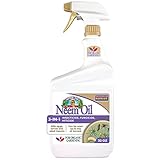
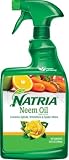
- Start with the least-toxic effective approach: rinsing, humidity, and low-toxicity products such as insecticidal soap or horticultural/neem oils, applied thoroughly to leaf undersides.
- Spider mites are not true insects, so some insecticides are ineffective against them — use a product labelled for mites and follow its label exactly. No single product suits every plant; never exceed labelled rates.
Life-cycle / repeat treatment
Mites breed quickly and eggs survive many treatments, so a single application rarely clears them. Repeat at intervals appropriate to the product and conditions to catch newly hatched mites — persistence over several rounds is usually what finishes them off.
Prevention & monitoring
- Keep humidity up and plants unstressed; avoid dusty, hot, dry corners.
- Inspect leaf undersides of susceptible plants regularly, especially in warm dry spells.
- Quarantine new plants before adding them to a collection.
Common mistakes
- Missing them until webbing appears (check for stippling early).
- Treating only leaf tops — they live underneath.
- One-and-done treatment — eggs hatch and re-infest.
- Using broad-spectrum insecticides that kill predators and worsen outbreaks.
Quick questions
Are spider mites insects? No — they’re arachnids, so some insecticides don’t work; use a miticide/approach labelled for mites.
Why do I keep getting them indoors? Dry, warm indoor air is ideal for them; raising humidity and rinsing plants helps prevent recurrence.
Do I need to treat more than once? Almost always — repeat treatments to catch mites hatching from eggs.
Related guides
◀ Back to the Plant Problems hub to diagnose by symptom, pest or disease.
- All plant pests & protection
- Mealybugs · powdery mildew · aphids
- Thrips on plants · why plants flower but don’t fruit
- Choosing a plant sprayer for applying treatments · all plant pests & protection