Slugs and snails are among the most destructive garden pests — they can strip seedlings overnight and shred soft foliage and flowers. No single method controls them everywhere; the reliable approach combines habitat management, barriers and targeted control, adjusted to your garden. This guide is informational first: understand them, then choose the mix of methods that fits your situation and plants.
Identification & typical damage
- The culprits: slugs (no shell) and snails (coiled shell), soft-bodied molluscs that rasp holes in leaves.
- Feeding damage: irregular holes with smooth edges in leaves, stems and petals; whole seedlings vanishing; slime trails on leaves and soil are the tell-tale sign.
- They feed mostly at night and in damp weather, so you see the damage but rarely the pest in daylight.
Seedlings & tender growth
Young seedlings, soft new shoots and low leafy crops (lettuce, hostas, strawberries) are most at risk — a single night can destroy a tray of seedlings. Protect vulnerable plants most heavily when they are small.
When and where they are active
- Night & moist conditions: most active after dark, after rain or watering, and in mild damp weather.
- Hiding places: by day they shelter in cool, dark, moist spots — under pots, boards, mulch, leaf litter, low foliage, stones and in dense ground cover.
Habitat management (the foundation)
Reduce the damp daytime shelter they depend on: clear debris and hiding spots near vulnerable plants, keep beds tidy, water in the morning (not evening) so surfaces dry by night, and space plants for airflow. This won’t eliminate them but makes your garden far less hospitable and improves every other method.
Barriers
Physical barriers protect specific plants: copper tape/rings (molluscs avoid it), rough or sharp mulches (grit, crushed shell), and collars around seedlings. Barriers work best kept clean and unbridged by leaves — a leaf touching over a barrier gives a route across.
Hand-picking
Simple and effective at scale for small gardens: go out after dark or after rain with a torch and collect them; check their daytime hideouts. Consistency over several nights makes a real dent, especially early in the season before they breed.
Traps
- Beer/yeast traps: sunken containers that attract and drown them — empty and refresh regularly; place away from the plants you’re protecting so you don’t draw more in.
- Board/shelter traps: lay a board or upturned pot as a daytime shelter, then collect the molluscs gathered underneath.
Biological approaches
Encourage natural predators — birds, frogs, toads, hedgehogs, ground beetles — by supporting garden biodiversity. In suitable climates, biological control using slug-parasitic nematodes (watered into moist, warm soil) can reduce slug numbers; follow the product’s conditions for it to work.
Iron-phosphate bait (principles)
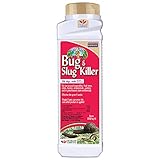
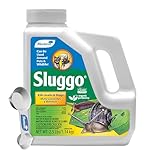
Where a bait is warranted, iron (ferric) phosphate pellets are widely regarded as a lower-risk option around pets and wildlife than older metaldehyde baits. Use any bait sparingly and strictly per its label — more is not better, and no bait replaces habitat management. Always follow current product labels and local regulations.
Prevention & monitoring
- Protect seedlings and known favourites early and hardest.
- Keep the area around vulnerable plants dry and clear.
- Monitor with board traps and after rain; act early in the season to limit breeding.
- Choose less-susceptible plants for high-pressure spots where practical.
Common ineffective or risky approaches
- Salt — kills individual slugs but damages soil and plants; not a garden control method.
- Metaldehyde baits — effective but pose risks to pets and wildlife and are restricted in many areas; prefer iron-phosphate where a bait is needed.
- Eggshells/coffee grounds alone — popular but unreliable as a sole barrier.
- Relying on any single method — combining habitat, barriers and control is what works.
Quick questions
Why do my seedlings disappear overnight? Almost certainly slugs or snails — check for slime trails and holes with smooth edges, and look under nearby debris by day.
What’s the safest control around pets? Habitat management, barriers, traps and hand-picking; if a bait is needed, iron-phosphate is generally lower-risk than metaldehyde — follow the label.
Do copper barriers work? They deter molluscs from crossing when kept clean and un-bridged by foliage, protecting specific plants or pots.
Related guides
◀ Back to the Plant Problems hub to diagnose by symptom, pest or disease.
- All plant pests & protection
- Powdery mildew · spider mites · mealybugs · aphids
- Thrips on plants · why plants flower but don’t fruit