Powdery mildew is one of the most recognisable and widespread plant diseases — a white, dusty coating on leaves, stems and sometimes flowers. It rarely kills a plant outright but weakens it, disfigures growth and, on some plants, can damage flowers and reduce fruit set. This is a general guide; the exact susceptibility and the right response vary by plant, so treat this as the framework and follow guidance specific to your plant and any product you use.
What powdery mildew is
Powdery mildew is caused by a group of fungi that grow on the surface of plant tissue. Unlike most fungal diseases it does not need wet leaves to take hold — it thrives in warm days, cool nights and humid air, even when foliage stays dry. Different powdery-mildew fungi tend to be fairly host-specific, so the strain on one plant usually won’t spread to unrelated plants.
Common visual symptoms
- White or greyish powdery patches, usually starting on upper leaf surfaces.
- Patches spreading to cover leaves, which may yellow, distort, curl or drop.
- New growth that emerges stunted or deformed.
Leaves vs stems vs flowers
- Leaves are usually affected first and most visibly.
- Stems and buds can be coated, weakening new growth.
- Flowers, inflorescences and young fruit can be infected on susceptible plants — see the flowering/fruiting section below.
Conditions that favour the disease
- Warm days with cool nights and high humidity.
- Poor air circulation and overcrowding.
- Shade and soft, lush growth (often from excess nitrogen).
- Dry foliage — unlike many fungi, powdery mildew does not need leaf wetness.
Airflow & plant spacing
Good airflow is one of the most effective preventive measures. Space plants adequately, thin congested growth, and avoid crowding pots together so humid, still air can’t build up around the foliage.
Susceptible new growth
Soft, fast new growth is the most vulnerable. Avoid over-feeding with high-nitrogen fertiliser, which pushes exactly the kind of lush growth the fungus favours.
Treatment principles
- Act early — it’s far easier to check at first signs than once it has spread.
- Remove and dispose of badly affected leaves (bin them, don’t compost heavily infected material).
- Improve the conditions (airflow, spacing, light) that let it establish — treatment without fixing conditions rarely holds.
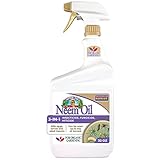
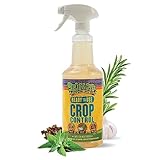
- If using a product, several low-toxicity options exist (for example sulfur-based, potassium-bicarbonate or horticultural-oil products, and biological controls). No single fungicide is right for every plant — choose one labelled for your plant and problem and follow its label exactly. Do not exceed labelled rates.
Sanitation
Clear away infected leaves and fallen debris, which can harbour the fungus, and clean tools between plants. Some powdery mildews overwinter on plant debris or buds, so end-of-season clean-up reduces next season’s pressure.
Prevention
- Choose resistant varieties where available.
- Site plants with enough sun and airflow for their needs.
- Space and prune for circulation; avoid overcrowding.
- Water at the base and avoid excess nitrogen.
- Inspect susceptible plants regularly so you catch it early.
Repeated monitoring
Powdery mildew returns whenever conditions favour it, so keep checking susceptible plants through the season — especially in warm, humid, still weather — and repeat control as the label allows if it recurs.
Flowering & fruiting impact (why it can matter beyond leaves)
On some plants powdery mildew infects flowers, inflorescences and young fruit, not just leaves — and that can reduce successful flowering and fruit set. For example, on mango the fungus can infect the flowering panicles and significantly cut fruit set, so on such plants a flowering-time disease problem is a disease issue, not a pollination one. Many other flowering and fruiting plants (roses, cucurbits, grapes, peas among them) can also have blooms or developing fruit affected. If a susceptible plant flowers but sets little fruit and shows mildew on the flowers or new growth, treat the disease as part of the cause.
Common mistakes
- Waiting until it has spread widely before acting.
- Over-feeding nitrogen, driving susceptible soft growth.
- Crowding plants / ignoring airflow.
- Assuming one fungicide suits every plant, or exceeding label rates.
Quick questions
Will powdery mildew kill my plant? Usually not directly, but it weakens the plant, disfigures it, and on susceptible plants can harm flowers and fruit set — so it’s worth controlling.
Does it spread from one plant to all my plants? Powdery-mildew fungi are largely host-specific, so it typically won’t jump between unrelated plants, though related plants are at risk.
Can I just wipe it off? Removing affected leaves helps, but without improving airflow, light and feeding it will return.
Related guides
◀ Back to the Plant Problems hub to diagnose by symptom, pest or disease.
- All plant pests & protection
- Spider mites · mealybugs · aphids
- Thrips on plants · why plants flower but don’t fruit
- Choosing a plant sprayer for applying treatments · all plant pests & protection
- Downy mildew – the cool/wet look-alike, and how to tell them apart.
- Rust – another common fungal leaf disease.
- anthracnose
- leaf spot