



Plant Profile & Key Characteristics
Overview: A large evergreen tree reaching 10-20 m (30-60 ft), grown as an ornamental and shade tree and valued for its highly aromatic, camphor-scented foliage and wood. It is a long-lived, broad-canopied species rather than a culinary spice tree.
Quick Specifications
| Specification | Attribute |
|---|---|
| Plant Type / Life Cycle | Perennial (tree) |
| Foliage Type | Evergreen |
| Mature Size | 10-20 m (30-60 ft) tall |
| Growth Rate | Slow to moderate |
| Toxicity | Foliage and wood contain camphor – toxic if ingested in quantity |
Growth Form & Structure
- Height & Spread: 10-20 m (30-60 ft) in the ground; young plants can be container-grown or kept indoors by a sunny window
- Growth Habit & Form: Large evergreen tree with a broad, dense, rounded canopy
- Lifespan & Maturity: Long-lived; slow to moderate growth
Anatomy & Physical Features
- Trunk & Bark: Brown bark; the wood and bark are aromatic and are the source of camphor
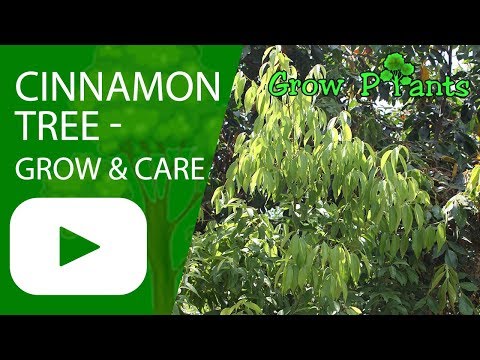
- Leaves & Foliage: Glossy, oval, light-to-dark green leaves that release a strong camphor scent when crushed
- Flower Characteristics: Small yellow flowers borne on inflorescences
Primary Uses & Landscape Value
- Functional & Ornamental Roles: Ornamental shade and avenue tree; grown for aromatic camphor oil and fragrance
Care Guide: Planting, Soil & Watering
Overview: Cinnamomum camphora (the camphor tree) is a warm-climate evergreen tree that prefers rich, moist, well-draining soil in full sun to part shade. It likes steady moisture and humidity with mulch to keep the roots cool and damp, especially while young, but never waterlogged.
Quick Care Requirements
| Requirement | Ideal Condition |
|---|---|
| Planting Season | Warm season – timing shifts with hardiness zone (see below) |
| Growth Rate | Slow to Moderate |
| Soil Type | Rich, moist, well-draining, organic |
| Soil pH | Slightly acidic |
| Water Need | Moderate to High – keep evenly moist, never waterlogged |
Planting & Establishment
- Best Planting Season: Plant in the warm season: spring, summer or autumn.
- How to Plant:
- Hole Preparation: Dig a hole wider than, and about as deep as, the root ball to loosen the surrounding soil.
- Soil Amendments: Mix organic matter, humus and dead leaves into the backfill; mulch after planting to keep the soil moist – this is especially important while the tree is young.
- Planting Depth: Cover the root ball lightly and firm the soil gently, keeping the root collar at soil level – do not bury the trunk. Stake a young tree with a cane if it is not stable.
- Growth Speed & Expectations: A slow-to-moderate grower; give it warmth, humidity and steady moisture to establish well.
Soil, Watering & Drainage Care
- Soil Mix & Drainage Needs: Rich, moisture-retentive but free-draining soil. In containers use potting soil or a peat-and-perlite mix with good drainage holes, and never let water sit in the saucer more than a day – overwatering ruins the soil and rots the roots.
- Watering Schedule & Technique:
- Young / Newly Planted: Water twice on planting day, then daily for about the first two weeks to settle the roots.
- Established: Keep the soil consistently moist with regular deep watering and good humidity; let the surface only just begin to dry between waterings, and never let it dry out.
- Seasonal Adjustments: Water more in hot, dry weather; ease off in cool winter conditions, and mulch before winter to protect the roots.
Climate, Light & Hardiness
Cinnamomum camphora (camphor tree) is a warm-climate evergreen tree needing consistently warm, humid, frost-free conditions; it grows in full sun to half shade and has little tolerance for cold. Young trees are noticeably more cold- and moisture-sensitive than established specimens.
Quick Climate Specifications
| Climate Zones | Tropical, subtropical, mediterranean (warm areas) |
| USDA Hardiness Zones | 10+ |
| Optimal Temp Range | Warm, approximately 18–30°C (64–86°F) |
| Cold Damage Begins | Foliage and growth are typically affected as temperatures approach roughly 5°C (41°F), sooner on young trees |
| Frost Tolerance | Low |
| Light Conditions | Full Sun / Half Shade |
| Wind Tolerance | Moderate (young trees benefit from shelter) |
Sunlight & Light Exposure
Optimal Light Setup
Full sun to half shade; light shade can help young trees establish, and even indoors it does best on a sunny window.
Shade & Heat Management
Tolerates full tropical/subtropical sun well once established, provided soil stays consistently moist.
Temperature Extremes & Hardiness
USDA Hardiness & Regional Limits
Zone 10+ reflects a genuinely frost-tender tree, viable outdoors only in essentially frost-free to lightly-frosted climates. Cold tolerance varies by cultivar, tree age, and exposure duration - young trees are markedly more cold-sensitive than mature, established specimens.
Cold Damage & Winter Protection
Mulching around the root zone, especially while the tree is young, helps buffer cold and keep soil moisture stable through winter.
Frost Sensitivity
Frost-sensitive, more so in young trees; even light frost can damage foliage and new growth.
Extreme Heat Tolerance
Handles warm-to-hot conditions well provided soil moisture and humidity remain adequate.
Wind, Humidity & Microclimate
Humidity Preferences
Prefers moist air and consistently moist soil, reflecting its native humid-climate origin.
Dry-Air Tolerance
Not well suited to dry air, particularly indoors, where low humidity can stress the foliage.
Wind Tolerance
Moderate; young trees especially benefit from a staked, sheltered position out of strong wind.
Rainfall & Seasonal Moisture
Prefers regular, consistent moisture and does not tolerate prolonged drought well.
Microclimate Recommendations
In marginal zones, a warm, sheltered microclimate (such as near a south-facing wall) helps; container-grown trees have more exposed roots that heat, cool, and freeze faster than trees in the ground, and are usually best moved to a sheltered spot or indoors near a sunny window over winter.
Growing in Pots, Balconies & Indoors
Camphor tree (Cinnamomum camphora) is really a tree of 4-20 m, so it is not a classic houseplant – but the grower notes it can be grown indoors on a sunny window, and it takes well to containers while young. In a pot it stays much smaller and can live on a bright sill or a warm patio for years before it outgrows the space.
Quick Details
- Container Size: Start small – a pot only about 20-30% bigger than the root ball – and step up gradually; it becomes a large tub plant over time
- Indoor Suitability: Not a true houseplant, but the grower confirms it grows indoors by a sunny window while young
- Best Spot: Full sun to half shade; the brightest window indoors, or a warm, sheltered patio
- Soil & Drainage: Potting soil, or a mix of peat and perlite; moist and humid but never waterlogged
- Watering in Pots: Water regularly to keep it moist, but never let drainage water stand – overwatering ruins the mix and roots
Indoors & On the Windowsill
- Grower’s indoor note: It is not a classic houseplant, but the grower confirms it can be grown indoors on a window with sun; give it the brightest spot you have and good humidity.
- A tree in a pot: Container growing keeps this potential forest tree to a manageable size for years; expect to keep it young and pruned rather than let it reach full height.
- Overwintering: It is frost-tender, so in cold climates it must come indoors or under cover for winter – a strong reason to keep it potted and movable.
- Safety: Camphor is present throughout this tree and is toxic to people and pets if eaten, and the aromatic foliage and oil can irritate – keep it away from children and pets and never treat any part as food.
On a Balcony or Patio
- Light & shelter: A warm, sheltered, sunny-to-lightly-shaded balcony suits it; it likes humidity, so mist or group pots in dry heat and keep the mix evenly moist.
- Practicalities: Allow for the weight of a filled pot and for drainage runoff onto the balcony below – stand pots on feet or a tray you can empty.
Choosing the Pot, Soil & Long-Term Care
- Pot & drainage: Match the pot to the plant – about 20-30% larger than the root ball – and increase size in steps; use strong drainage and never leave standing water for more than a day. Use strong drainage holes and skip a standing water saucer, which invites root rot; terracotta breathes and dries fast, while glazed or plastic pots hold moisture longer.
- Potting mix: Potting soil, or a peat-and-perlite mix; keep it open and moisture-retentive.
- Feeding: Add humus a few times a year and feed moderately in growth; avoid overwatering, which the grower warns destroys the soil and roots.
- Repotting: Every few years swap out part of the soil and root-prune – you can cut roots from the side of the pot without lifting the whole plant.
Grower’s Container Tip
- Gradual pot-up and side root-prune: Start in a pot only 20-30% bigger than the root ball. Each time you move up a size, replace some of the old soil with fresh, until you reach the container size you want. After that, every few years swap out part of the soil and trim some roots – you don’t need to lift the plant, just cut in from the side of the pot. Water regularly but never let water sit in the tray more than a day, and don’t overwater: unlike growing in the ground, too much water here ruins the soil and roots. Add humus a few times a year.
Growing this plant in a greenhouse
A greenhouse can give cinnamomum camphora frost protection, cold protection and a head start for propagation.
Greenhouse at a glance
| Greenhouse suitability | Conditional - depends on your climate |
|---|---|
| Main benefits | frost protection, cold protection, a head start for propagation |
| Season extension | earlier spring & later autumn |
| Outdoor protection advisable below | about 5°C |
| Maintain greenhouse minimum | around 5°C for active growth |
| Suitable types | unheated greenhouse, polycarbonate greenhouse, cold frame |
| Heating | Heating is optional - useful mainly for winter growing in cold areas. |
Related greenhouse guides
- Greenhouses: How to Choose the Right Greenhouse
- Polycarbonate Greenhouses: What to Look for Before Buying
- Greenhouse Propagation Equipment
Fertilizing & Feeding
A moderate feeder overall – young trees benefit from a nitrogen-forward feeding to build structure, while an established tree generally needs only light, balanced feeding to stay healthy and keep its fragrant foliage full.
Quick Fertilizing Specs
| young_feeding | A nitrogen-forward feeding supports young trees while they build structure and canopy |
|---|---|
| mature_feeding | Light, balanced feeding is generally enough once the tree is established |
| Main Nutrient Priority | Nitrogen-forward while young, shifting to balanced maintenance feeding once established |
| Best Feeding Period | The active growing season |
| Organic Options | Mulch and compost or other organic matter support soil moisture and steady nutrition, especially valuable while the tree is young |
| Reduce/Stop Feeding | Ease off feeding as the tree matures and growth naturally slows, and avoid feeding right before a cold spell in marginal climates |
| Soil pH | Prefers moist soil on the slightly acidic side |
Feeding by Growth Stage
Establishment After Planting
Help the newly planted tree establish strong roots while the surrounding soil stays consistently moist
| Nutrient direction | Balanced, light feeding to support root establishment without pushing top growth too soon |
|---|---|
| Timing | During the first growing season or two after planting, while the tree is still becoming established |
| Frequency | Feed sparingly through this period, alongside mulch to keep the root zone moist |
| Fertilizer types | A balanced, complete fertilizer suited to young landscape or evergreen trees |
| Precautions | Keep mulch away from direct contact with the trunk, and avoid heavy feeding on a tree that has not yet developed a full root system |
Young Tree Growth
Support vigorous structural growth while the tree is still young and developing its canopy
| Nutrient direction | A nitrogen-forward feeding supports the strong vegetative growth young trees need |
|---|---|
| Timing | During the active growing season while the tree is still young and building its framework |
| Frequency | Feed on a light, regular schedule through the growing season |
| Fertilizer types | A nitrogen-forward complete fertilizer suited to young evergreen landscape trees |
| Precautions | Continue mulching to protect young roots and retain soil moisture; avoid feeding right before a cold spell in marginal climates |
Established Tree Maintenance
Maintain steady, healthy growth on an established tree without over-feeding
| Nutrient direction | Light, balanced feeding is generally enough to maintain an established tree’s health and appearance |
|---|---|
| Timing | During the active growing season, once the tree is well established |
| Frequency | A single light feeding during the growing season is typically enough for an established tree; container-grown trees benefit from organic matter refreshed periodically |
| Fertilizer types | A balanced, complete fertilizer suited to established evergreen landscape trees, or a top-dressing of compost or other organic matter |
| Precautions | Avoid heavy feeding, which established trees rarely need. Since the fragrant leaves are sometimes harvested for flavor, choose a fertilizer labeled safe for edible or food-garden use and follow its label directions. |
Nutrient Deficiency Signs & Corrections
General pale green to yellow foliage and slowed growth, most noticeable on older leaves
| Possible causes | Insufficient nitrogen availability in the soil, Poor drainage or compacted soil restricting root uptake, Root competition from nearby plants or turf |
|---|---|
| Appears first on | Older, lower leaves first |
| What to check | Review recent feeding history and soil drainage, Check for root competition or compaction around the tree |
| Possible correction | Apply a balanced or nitrogen-forward fertilizer suited to young evergreen trees and address any drainage or compaction issue |
New leaves turn yellow between the veins while the veins stay green
| Possible causes | High soil pH limiting iron availability, Waterlogged or poorly drained soil, Naturally low soil iron content |
|---|---|
| Appears first on | Newest growth at the branch tips |
| What to check | Check soil drainage and moisture, Consider a soil pH test through a local extension office |
| Possible correction | Correct soil pH toward a more favorable range and apply a chelated iron product per its label if a pH test confirms the cause |
Older leaves show yellowing between the veins while the leaf margins and tips stay green, sometimes with a reddish tint
| Possible causes | Low soil magnesium availability, Excess potassium competing with magnesium uptake, Sandy or leached soil low in overall nutrients |
|---|---|
| Appears first on | Older leaves first |
| What to check | Review soil type and recent feeding balance, Look for the yellowing pattern specifically on older foliage |
| Possible correction | Apply a fertilizer that includes magnesium, or a dedicated magnesium supplement, per its label |
Pruning, Training & Seasonal Maintenance
Camphor tree grows into a large, broad-canopied evergreen shade tree (10–20 m), noticeably bigger at maturity than most other cultivated Cinnamomum in this collection. Its pruning is really large-tree structural work: establish a strong single trunk while young, then remove deadwood, crossing limbs, and raise the canopy as it matures — rather than the multi-leader, harvest-driven training used for bark-crop cinnamon species. Cutting is tolerated through most of active growth; avoid major limb removal in winter at the cooler edge of its hardiness range.
Quick Pruning & Maintenance Specs
| Pruning Tolerance | Moderate |
| Primary Pruning Window | Possible year-round in warm climates; best in active growth (spring–autumn) elsewhere |
| Typical Frequency | Structural shaping every 1–2 years while young, then occasional maintenance |
| Main Objective | Strong single-trunk shade-tree structure; canopy clearance as it matures |
| Young Plant Priority | Establish one central leader |
| Mature Plant Priority | Deadwood removal; crown raising; remove crossing limbs |
| Best Tool Type | Scales from secateurs up to a pruning saw and pole pruner as the tree gains height |
| Avoid Heavy Pruning During | Winter at the cold edge of its range; very hot/dry spells on a young, still-establishing tree |
Pruning by Plant Age & Size
Newly Established
Minimal — remove only damaged growth, and keep the young trunk mulched, as its own care notes stress while the tree is young.
Young / Formative
Central-leader training: select and keep one dominant vertical trunk, removing competing co-dominant stems and low crossing branches early. Correcting structure later on a tree this size is far harder than getting it right while young.
Mature / Established
Canopy management: raise the crown by removing lower limbs for clearance as the tree grows tall and wide, thin crossing or rubbing branches, and remove deadwood.
Seasonal Pruning Schedule
Active-Growth Structural Work (Spring–Autumn)
Objective: shape and thin while the tree can seal wounds quickly. Remove: competing leaders, crossing branches, low limbs being raised out. Do not remove: large limbs going into winter dormancy in marginal climates.
Ongoing Sanitary
Remove dead or storm-broken wood whenever it appears; a large mature canopy sheds deadwood over time.
Structural Pruning & Training
A single dominant leader while young is the priority here, unlike the multi-trunk, harvest-oriented training used for the true bark-cinnamon species in this genus. Crown-raising and canopy thinning become the main jobs at maturity, given the tree’s eventual size and spread.
Special Growth to Remove
- On a young tree, co-dominant/competing leaders and low branches that will end up shaded out or in the way as the canopy rises.
- Deadwood at any age.
- Bloom stems on a young tree if not saving seed, since flowering is incidental here.
Container & Small-Space Pruning
Only realistic while young — this species outgrows container culture. Treat any potted period as temporary rather than a long-term growing method, and plan to move it into the ground before it reaches the size where trunk and crown structure really matter.
Tools
Bypass secateurs for young growth; loppers and a pruning saw for structural branch removal as the tree matures; a pole pruner becomes genuinely useful once the canopy is above easy reach.
Tool Hygiene & Disease Risk
Routine — keep tools clean and sharp. Reported issues (aphids, brown leaf spot) are not cut-transmitted pathogens requiring disinfection between cuts.
Cut Placement & Technique
Cut outside the branch collar; avoid flush cuts and long stubs alike. On large limbs, use a staged (three-cut) technique to prevent bark tear as the tree gets bigger.
Heavy Pruning & Rejuvenation
Not typically hard-cut back for rejuvenation once mature — it is grown and shaped as a large shade tree, so heavy pruning stays limited to size and clearance management rather than whole-canopy renewal.
Post-Pruning Care
Water a newly pruned young tree normally. After any large-limb removal on a mature specimen, monitor the wound rather than dressing it, and watch for dieback.
Common Pruning Mistakes
- Allowing multiple competing leaders to develop when young, which leads to a weak, split-prone structure on a tree that eventually becomes large and heavy.
- Topping the tree to control height, which produces weak, crowded regrowth on what becomes a large canopy.
When NOT to Prune
Avoid major structural cuts right after transplanting. Avoid removing large limbs during winter dormancy at the cooler edge of its range.
Recommended Tools (by task)
- bypass_secateurs — young shoot growth.
- loppers — mid-size branch thinning while shaping the young leader.
- pruning_saw — structural limb removal on a maturing trunk.
- pole_pruner — canopy clearance once the tree is tall.
Propagation Guide
Camphor tree is best started from seed, which is the practical route for this large, fast-establishing shade tree; the site notes vegetative reproduction is not necessary, and that starting from a cutting is comparatively hard. Cuttings or air layering remain options for reproducing a particular tree. Overall difficulty: Moderate.
Quick Propagation Specs
| Best Propagation Method | Seed |
| Alternative Methods | Semi-hardwood stem cuttings; air layering |
| Propagation Difficulty | Moderate |
| Seed True-to-Type | Mostly uniform for the species |
| Vegetative True-to-Type | Yes |
| Best Propagation Season | Sowing: spring–summer to all-year depending on hardiness zone; Cuttings/air layering: spring/summer |
| Seed Germination Time | 20–30 days typically, but can take more than 4 months |
| Cutting Rooting Time | 3–6 weeks, sometimes considerably longer |
| Seed Sowing Depth | 1–2 cm (0.25–0.5 in) |
Growing from Seed
Seed Handling & Viability
Seeds are yellow with a brown outer coat; store in a dry, dark place at room temperature until sowing.
Dormancy & Pre-Sowing Treatment
Rub the seed and remove some of the outer bark before sowing, simulating the natural digestive-tract passage the seed coat would undergo in the wild; sow in slightly acidic soil.
Sowing Season
Spring–summer in hardiness zone 9–10a, spring–autumn in zone 10b–11, and all year in zone 12+.
Sowing Depth & Orientation
Dig a hole slightly bigger than the seed, cover lightly, and finish with a layer of vermiculite for better results. Depth is roughly 1–2 cm (0.25–0.5 in); deep burying is not required.
Germination Conditions
Rich, moist soil in half shade with average watering.
Germination Time
Usually 20–30 days, but can run longer than 4 months.
Seedling Care
Keep the sprout moist, mulched, and in high humidity; start in individual pots, or space around 4×5 m (13×16 ft) for plantation-style sowing.
Stem Cuttings
Cutting Type
Semi-hardwood: choose a brown, fully grown branch rather than soft new growth.
Best Timing
Spring or summer.
Rooting Setup
Keep in moist soil with high humidity; if enclosed, ventilate at least twice a day and mist to water without letting the cutting dry out.
Rooting Hormone
Use a hormone formulated for woody branches, as noted in the site’s own cutting protocol.
Rooting Time
3–6 weeks, but can take considerably longer.
Air & Ground Layering
Air layering is a workable alternative to cuttings, using the same general moist, half-shade, high-humidity conditions; like cuttings, it is described as harder than starting from seed.
Bloom & Flower Guide
Quick Details
- Bloom Season: Autumn, winter and spring
- Time to First Bloom: Several years, once the tree is well established
- Flower Appearance: Small, pale-yellow flowers in loose clusters
- Edibility: Not a food – the tree contains camphor, which is toxic if ingested
Detailed Blooming Overview
The camphor tree is grown mainly for its aromatic, camphor-scented foliage and as a shade or ornamental tree. Its flowers are modest: small, pale-yellow blooms in loose clusters that give way to small berries.
Flower Characteristics
- Small flowers in a soft yellow.
- Borne in loose clusters.
Bloom Care & Thinning
- Thinning the bloom: There is no need to keep the flowers unless you want seed; on a young tree it is better to cut the flowering stems so its energy goes into growth.
- Pollination: Carried out by bees.
Pests, Diseases & Troubleshooting
Overview: Camphor laurel is a large, resinous, aromatic tree that is fairly resistant to pests thanks to its essential oils, but it can host camphor thrips, scale, mealybugs and gall mites, and suffers root and foliar diseases in wet or crowded conditions. Good drainage, airflow and sanitation keep it healthy; its main faults are abiotic.
Quick Troubleshooting Overview
| Issue / Pest | Main Symptom | Primary Solution |
|---|---|---|
| Cinnamon gall mite | Wart-like leaf galls, distorted foliage | Prune/remove galled leaves, oil, sanitation |
| Leaf miner | Serpentine or blotch mines in leaves | Remove leaves, sticky traps, parasitic wasps |
| Scale & mealybugs | Bumps/cottony masses, honeydew, sooty mould | Prune, horticultural oil, ant & beneficial control |
| Camphor thrips | Silvery flecking, leaf distortion | Sticky traps, predatory mites, oil/soap |
| Leaf spot / anthracnose | Brown-black spots, tip dieback | Airflow, sanitation, copper fungicide |
| Stripe canker / root rot | Dark bark cankers, wilt, root decay | Drainage, avoid trunk wetting, phosphonate |
Common Pests & Management
- Cinnamon gall mite (Aceria doctersi / Eriophyes boisi):
- Symptoms: Microscopic eriophyid mites induce small wart-like or pouch galls and thickened, distorted areas on leaves; heavy galling disfigures and weakens the flush prized for spice.
- Prevention & Control: Prune out and destroy galled leaves and shoots as they appear, keep the tree vigorous and open, and remove fallen infested litter. Wettable sulfur or horticultural oil on new flush suppresses mite build-up; avoid killing the predatory mites that help control them.
- Leaf miner (Conopomorpha spp., Phyllocnistis spp.):
- Symptoms: Pale serpentine tunnels or blotches within the leaves, with silvery lower-surface mines; heavy mining on the tender flush distorts and browns young leaves.
- Prevention & Control: Remove and destroy mined leaves, monitor adults with yellow sticky traps, and conserve parasitic wasps. Manage the tree for even, un-flushed growth; avoid unnecessary sprays that harm natural enemies.
- Scale insects (Coccus viridis, Saissetia spp., Aspidiotus spp.):
- Symptoms: Green, brown or waxy bumps on leaf veins, twigs and stems, with sticky honeydew and black sooty mould; heavy scale weakens shoots and yellows leaves.
- Prevention & Control: Prune out and destroy encrusted material, and control the ants that farm scale. Conserve parasitic wasps and ladybirds. Horticultural oil smothers crawlers – cover leaf undersides and repeat for successive generations.
- Mealybugs (Planococcus citri, Ferrisia virgata):
- Symptoms: White cottony clusters in leaf axils, shoot tips and under leaves, with honeydew, sooty mould and stunted growth.
- Prevention & Control: Dislodge with a water jet or horticultural oil/insecticidal soap, control tending ants, and conserve ladybirds and lacewings. Remove badly infested shoots.
- Camphor thrips (Liothrips floridensis, Ponticulothrips diospyrosi):
- Symptoms: Rasping thrips scar new leaves with silvery-bronze flecking, curl and distort tender shoots, and can cause leaf-roll galling on camphor flush.
- Prevention & Control: Monitor new growth and sticky traps, hose off and remove distorted tips, and conserve predatory mites and lacewings. Horticultural oil or insecticidal soap in the evening controls hot-spots; avoid broad-spectrum sprays.
Diseases & Fungal Issues
- Leaf spot & grey blight (Colletotrichum gloeosporioides, Pestalotiopsis spp., Cephaleuros):
- Symptoms: Brown to greyish spots and blotches on leaves, sometimes with concentric zoning or pinkish spore masses (anthracnose) and rusty algal spots in humid shade; premature leaf fall in wet weather.
- Treatment & Management: Open the canopy for airflow and light, remove and destroy affected leaves and litter, and avoid overhead wetting. Copper-based protectant fungicide during prolonged wet spells; keep the tree vigorous.
- Stripe canker (Phytophthora cinnamomi):
- Symptoms: Dark, sunken, sometimes weeping cankers and vertical streaks on the lower trunk and stems, with wilting and dieback above; this water-mould is a serious threat in wet, poorly drained ground.
- Treatment & Management: Prevention first: plant in free-draining soil, keep irrigation and mulch off the trunk, and avoid waterlogging. Cut out and destroy cankered tissue, improve drainage, and use phosphonate (phosphorous-acid) treatments; remove trees that decline.
- Root rot (Phytophthora spp., Rosellinia / Ganoderma spp.):
- Symptoms: Wilting, thinning canopy, dieback and dark, decayed roots or basal rot on trees in heavy, wet soils; root-disease fungi can also invade stressed roots.
- Treatment & Management: Ensure sharp drainage, plant on mounds where soil is heavy, and avoid over-irrigation. Remove severely affected trees and their roots, and improve soil before replanting; phosphonates help protect Phytophthora-threatened trees.
- Pink disease (Erythricium salmonicolor (Corticium salmonicolor)):
- Symptoms: A salmon-pink, crusty fungal film on branches in warm, very humid climates, girdling and killing limbs beyond the infection.
- Treatment & Management: Prune out and destroy affected limbs well below the pink growth, improve canopy airflow, and paint or spray cut surfaces; a copper wash on susceptible trees during prolonged wet, humid weather helps.
Growing Difficulties & Abiotic Problems
- Aggressive, invasive vigour:
- Cause & Symptoms: Camphor is a fast, greedy tree that self-seeds freely, suckers, and can dominate and out-compete other plants; its roots lift paving and its litter is allelopathic.
- Correction Strategy: Site it well away from buildings, drains and prized plantings, remove seedlings promptly, and check whether it is a declared/invasive species locally before planting.
- Root and crown rot in wet soil:
- Cause & Symptoms: Waterlogged, heavy soil suffocates roots and invites Phytophthora, causing canopy thinning and dieback.
- Correction Strategy: Plant in free-draining ground, keep water off the trunk, and avoid over-irrigation.
- Frost and cold damage on young trees:
- Cause & Symptoms: Tender young growth blackens in frost, though established trees are hardier.
- Correction Strategy: Shelter young trees from hard frost and cold winds until well established.
- Iron/manganese chlorosis on alkaline soil:
- Cause & Symptoms: Interveinal yellowing of new leaves on high-pH or waterlogged soils.
- Correction Strategy: Improve drainage, adjust pH toward neutral, and apply chelated iron/micronutrients if needed.
What Helps – Products & Tools
Manage cinnamon and camphor mainly by pruning, canopy airflow, drainage and sanitation. Useful products include horticultural oil and insecticidal soap (scale, mealybugs, thrips), wettable sulfur or oil on new flush (gall mite), yellow sticky traps (leaf miner and thrips), copper-based protectant fungicide (leaf spot, anthracnose, pink disease), and phosphonate (phosphorous-acid) treatments for Phytophthora stripe canker and root rot. Spray oils in the evening to protect pollinators.