Plant Profile & Key Characteristics
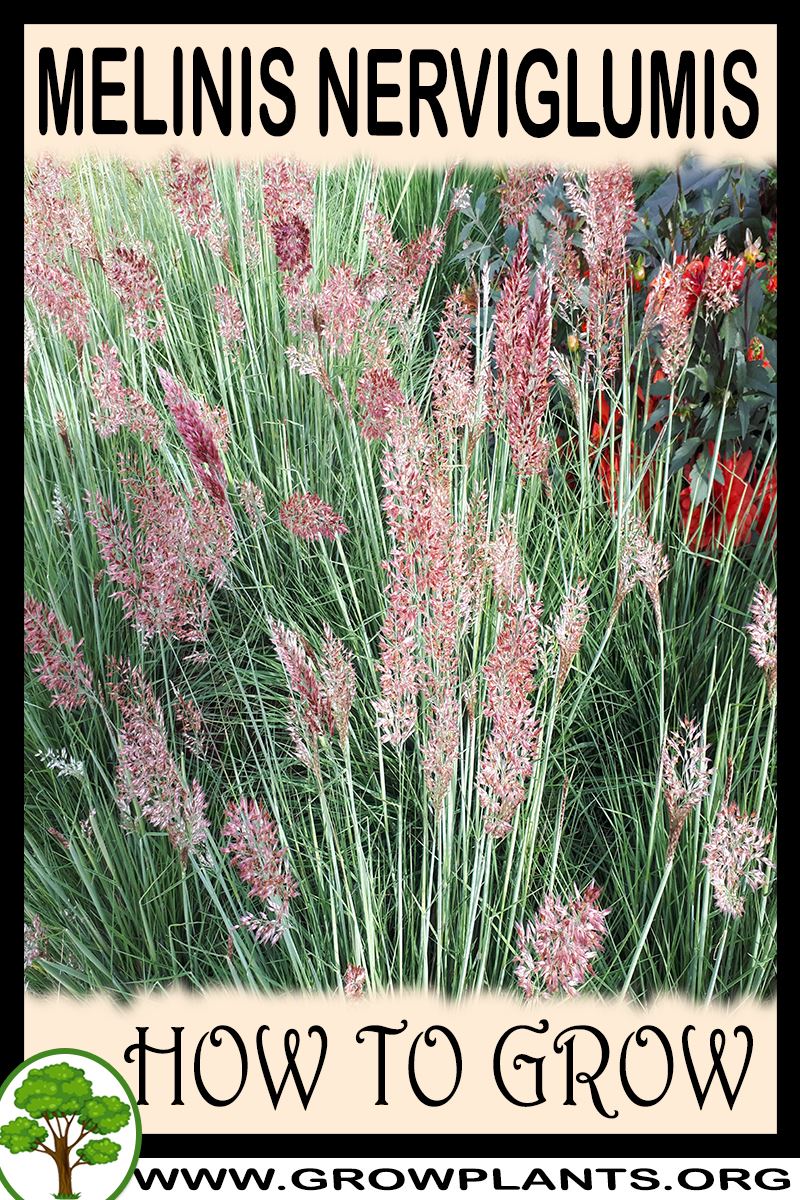
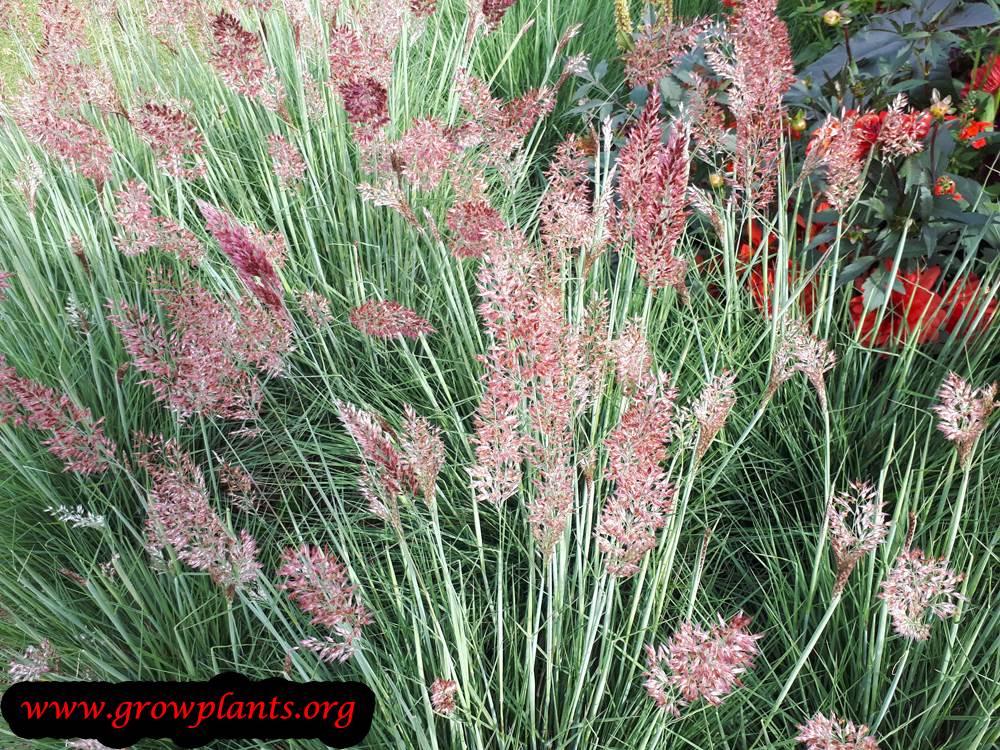
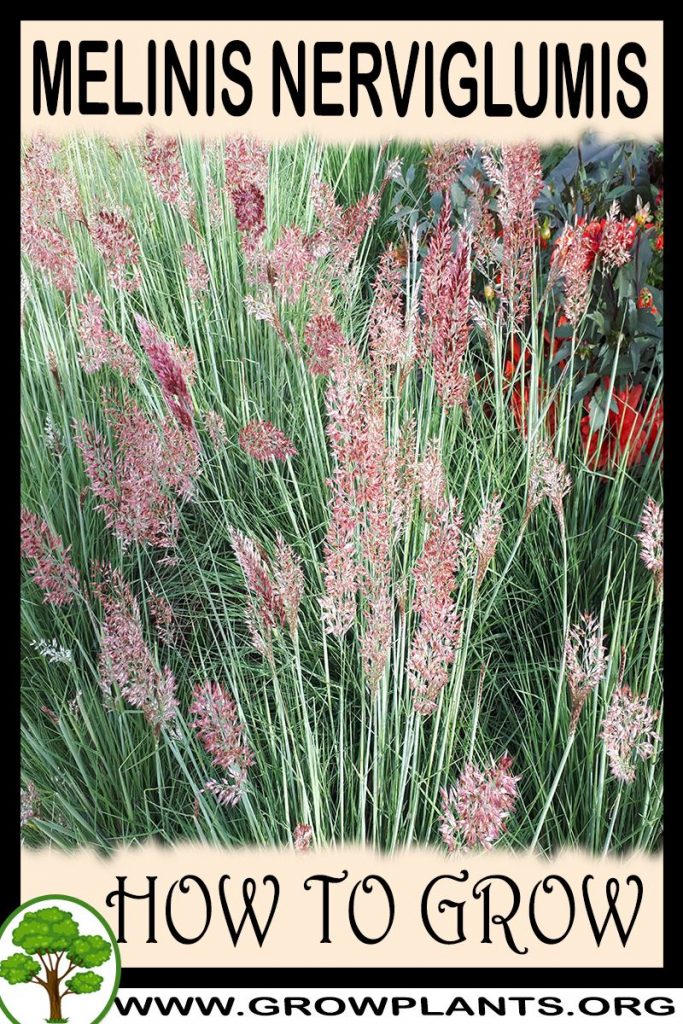
Overview: Melinis nerviglumis (ruby grass / mountain red top) is a fast-growing ornamental grass reaching 30–60 cm (12–24 in), grown for its fine foliage and feathery pink-to-white flower plumes; it also serves as a groundcover. Perennial where mild, it is grown as an annual in cold climates.
Quick Specifications
| Specification | Attribute |
|---|---|
| Plant Type / Life Cycle | Perennial (evergreen) or grown as an annual in cold zones |
| Foliage Type | Evergreen (in mild climates) |
| Mature Size | 30–60 cm (12–24 in) |
| Growth Rate | Fast to moderate |
| Root System | Fibrous (clumping grass) |
| Hardiness | USDA zones 9+ as perennial, 5–8 as annual |
Growth Form & Structure
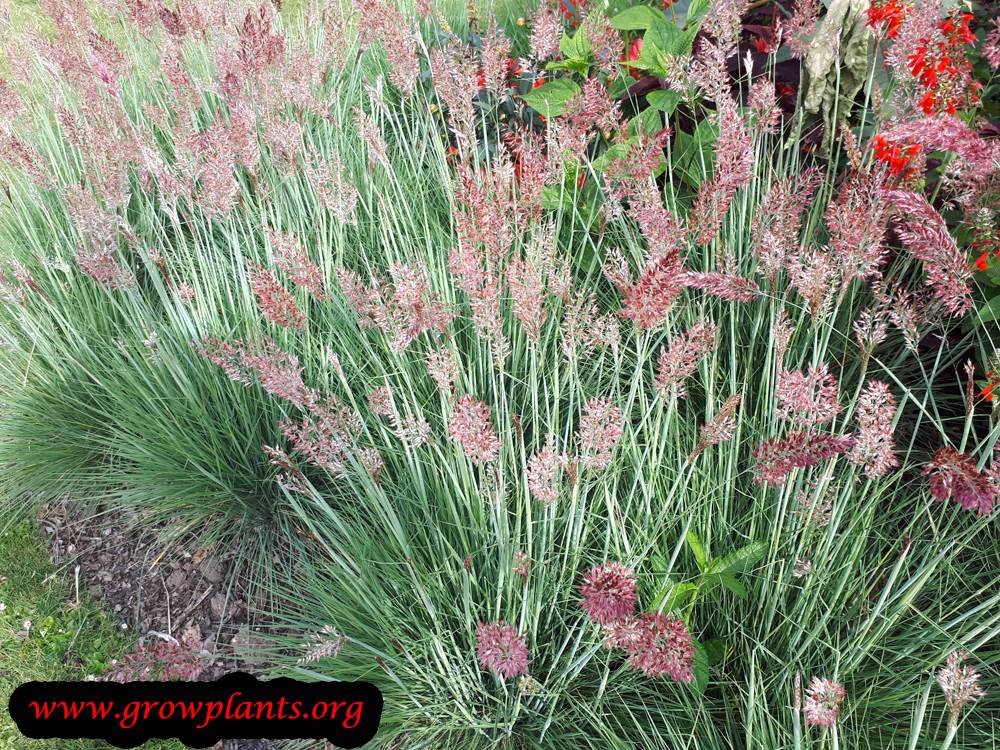
- Height & Spread: Forms a tuft 30–60 cm (12–24 in) tall; well suited to containers and borders.
- Growth Habit & Form: Tufted, clump-forming ornamental grass.
- Lifespan & Maturity: Short-lived perennial that is fast to flower.
Anatomy & Physical Features
- Leaves & Foliage: Narrow, needle-like blue-green blades.
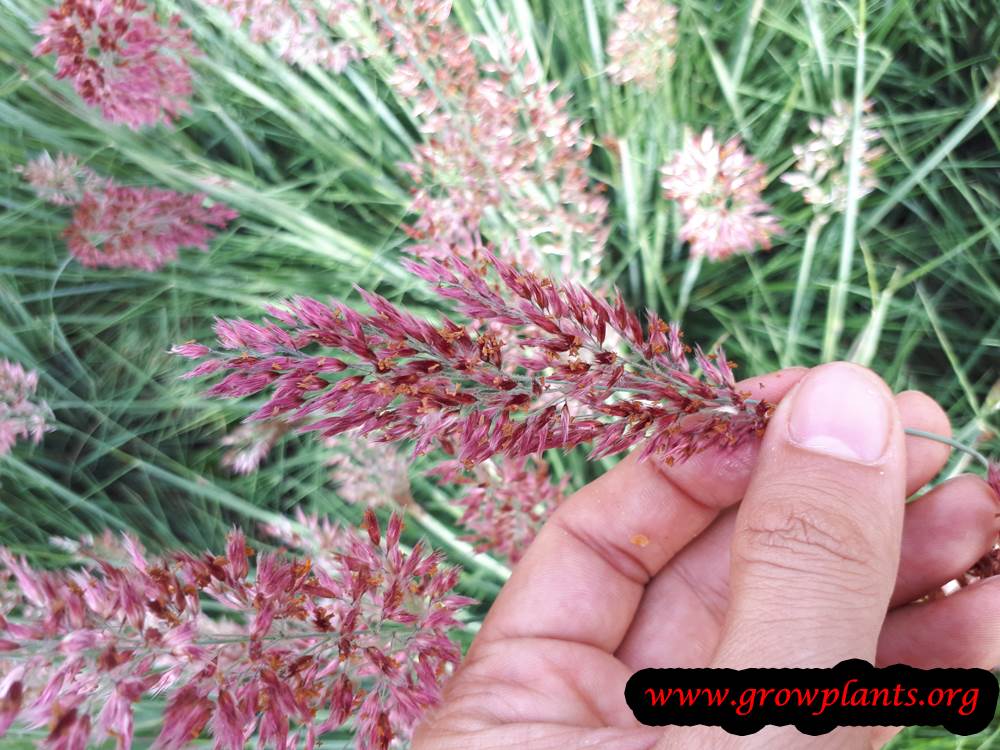
- Flower Characteristics: Feathery pink-to-white plumes in raceme-like inflorescences. (See the Bloom accordion for detail.)
Primary Uses & Landscape Value
- Functional & Ornamental Roles: Ornamental grass and groundcover for borders and containers; drought tolerant.
Care Guide: Planting, Soil & Watering
Overview: Ruby grass (Melinis nerviglumis) is a fast- to medium-growing ornamental grass (zone 9+ as a perennial, 5–8 as an annual) that grows best in full sun with light, well-draining soil. It needs only moderate watering and works well as a groundcover.
Quick Care Requirements
| Requirement | Ideal Condition |
|---|---|
| Planting Season | Spring to summer (into autumn as a perennial; year-round in the tropics) |
| Growth Rate | Fast to Moderate |
| Soil Type | Light, well-draining |
| Water Need | Moderate |
Planting & Establishment
- Best Planting Season: Plant in spring to summer (through autumn where grown as a perennial, or year-round in the tropics).
- How to Plant:
- Hole Preparation: Dig a hole a little wider than the root ball in a sunny, free-draining spot.
- Soil Amendments: Keep the soil light and open; add grit if the ground is heavy, rather than enriching it.
- Planting Depth: Set the crown at soil level and firm gently.
- Growth Speed & Expectations: Fast to medium — forms a tuft about 30–60 cm (12–24 in) tall.
Soil, Watering & Drainage Care
- Soil Mix & Drainage Needs: Light, well-draining soil is best; it also grows well in a container with a free-draining mix and drainage holes.
- Watering Schedule & Technique:
- Young / Newly Planted: Water regularly at first to help roots establish.
- Established: Water moderately, letting the top of the soil dry between waterings.
- Seasonal Adjustments: A little more in summer heat and less in cool weather.
Climate, Light & Hardiness
Melinis nerviglumis (mountain red top) is an ornamental grass grown across tropical, mediterranean, desert, subtropical, and temperate climates, thriving in full sun (half shade is possible but not ideal). Its cold hardiness depends on how it's grown: it persists as a perennial only in zone 9 and warmer, while in zones 5–8 it is grown as a frost-killed annual.
Quick Climate Specifications
| Climate Zones | Tropical, mediterranean, desert, subtropical, temperate |
|---|---|
| USDA Hardiness Zones | 9+ as a perennial; grown as an annual in zones 5–8 |
| Frost Tolerance | Low (top growth killed by frost) |
| Light Conditions | Full sun (half shade tolerated but not preferred) |
Sunlight & Light Exposure
Optimal Light Setup
Full sun for the best form and flowering.
Direct Sun Requirement
Thrives in strong direct sun.
Shade & Heat Management
Half shade is tolerated but not ideal; too much shade weakens growth and flowering.
Best Exposure / Orientation
An open, sunny site.
Temperature Extremes & Hardiness
USDA Hardiness & Regional Limits
Only reliably overwinters as a perennial in zone 9 and warmer. In zones 5–8, frost kills the plant back each year, so it is grown as a warm-season annual.
Cold Damage & Winter Protection
Frost kills top growth; foliage is cut back in autumn/winter as part of routine care.
Frost Sensitivity
Low.
Extreme Heat Tolerance
Well suited to the heat of tropical, desert, and subtropical climates.
Wind, Humidity & Microclimate
Rainfall & Seasonal Moisture
Grown with an average amount of water in light, well-drained soil.
Microclimate Recommendations
An open, sunny bed; because it can self-seed aggressively (noted as invasive), consider deadheading or containment where spread is unwanted.
Growing in Pots, Balconies & Indoors
Ruby grass is a short, ornamental grass grown for its pink-flushed plumes – not a houseplant, but a lovely full-sun container and balcony subject.
Quick Details
- Container Size: A roomy pot sized to the plant, potting on as it grows
- Indoor Suitability: Not a true houseplant; grows best outdoors
- Best Spot: Full sun (grower notes half shade is not ideal)
- Soil & Drainage: Aerated, organic-rich mix (peat or coir with perlite or vermiculite); must drain freely
- Watering in Pots: Keep lightly moist through the growing season; ease off in the cool season
Indoors & On the Windowsill
- Houseplant limits: As a sun-loving grass it colours and flowers poorly in indoor light; it belongs outdoors in strong sun.
- Overwintering: In cold climates a potted plant can be moved into a bright, frost-free spot for winter, then returned outdoors once frosts pass.
On a Balcony or Patio
- Light & wind: Give it full sun for the best plume colour; the airy flower heads sway attractively but shelter it from the fiercest wind. Walls and paving reflect heat, so pots dry quickly – check moisture often in hot weather.
- Practicalities: Set the pot where drainage runoff won’t stain, and remember a full, wet container is heavy to move.
Choosing the Pot, Soil & Long-Term Care
- Pot & drainage: A container with strong drainage holes and no standing-water saucer, to avoid root rot; terracotta breathes and dries faster, glazed or plastic holds moisture longer.
- Potting mix: A well-aerated, organic-rich mix – peat or coir with perlite or vermiculite.
- Feeding: Potted plants exhaust their soil quickly – feed a little more often, since watering leaches nutrients away.
- Repotting: Refresh the top of the mix each year and pot on every couple of years, trimming the root ball lightly.
Fertilizing & Feeding
An ornamental grass grown mainly for its feathery pink-to-white plumes and groundcover habit; like most ornamental grasses it performs well on light feeding and can flop or become weedy-looking if overfed.
Quick Fertilizing Specs
| Feeding Level | Light feeder |
|---|---|
| Main Nutrient Priority | A light, balanced feed that supports steady growth without encouraging floppy, overgrown clumps |
| Best Feeding Period | Spring into the main summer growing season |
| Organic Options | Compost worked into the bed at planting, or a light organic top-dress in spring |
| Reduce/Stop Feeding | Stop feeding as growth slows and the plant is cut back for the cooler season |
| Soil pH | Adaptable to a range of soils as long as drainage is reasonable |
Feeding by Growth Stage
Establishment after planting
Help newly planted clumps root in and begin filling out as a groundcover.
| Nutrient direction | A light, balanced feed worked into the bed at planting supports early rooting and establishment. |
|---|---|
| Timing | At planting, in spring or early in the growing season. |
| Frequency | A light feeding at planting is usually enough to get this fast to medium grower established. |
| Fertilizer types | A balanced, general-purpose fertilizer mixed into the planting bed, Compost worked into the soil before planting |
| Precautions | Avoid concentrating fertilizer directly against young crowns or roots, which can cause burn. |
Active growth and plume display
Support foliage fill-in and the feathery, tail-like flower plumes through the main growing season.
| Nutrient direction | A light, balanced feed maintains healthy color and plume display; heavier feeding tends to produce floppy, weak growth in ornamental grasses like this one. |
|---|---|
| Timing | Through spring and summer as the clump fills out and flowers. |
| Frequency | This grass typically needs only minimal feeding through the season once established. |
| Fertilizer types | A light, balanced fertilizer applied once growth is well underway, A general-purpose slow-release product for beds where feeding is otherwise infrequent |
| Precautions | Too much nitrogen can produce lax, floppy growth and reduce plume display in ornamental grasses; keep feeding on the light side. |
Cooler-season dieback and cutback
Let the clump die back for the cooler season, whether it behaves as a true perennial or as an annual in colder climates.
| Nutrient direction | None – withhold fertilizer once growth dies back or the clump is cut back for the season. |
|---|---|
| Timing | Autumn into winter, or year-round in frost-free tropical areas where growth continues. |
| Frequency | No feeding at this stage. |
| Fertilizer types | No feeding at this stage; do not fertilize until new growth resumes. |
| Precautions | Fertilizing dormant or freshly cut-back growth wastes nutrients and can encourage tender new growth vulnerable to cold. |
Nutrient Deficiency Signs & Corrections
Pale, thin-looking foliage and a clump that fills in more slowly than expected.
| Possible causes | very lean or depleted bed soil, heavy competition from nearby plants for nutrients, recent heavy rain leaching nutrients from a light, sandy soil |
|---|---|
| Appears first on | older foliage and overall clump density |
| What to check | soil fertility and organic matter in the bed, competing vegetation nearby, recent rainfall or irrigation volume |
| Possible correction | Apply a light, balanced feed once and reassess growth before feeding again. |
Lax, sprawling foliage and plumes that flop over instead of standing upright.
| Possible causes | excess nitrogen feeding relative to this light feeder’s needs, too much shade reducing stem strength, overly rich soil from repeated organic amendment |
|---|---|
| Appears first on | overall clump form rather than a single leaf |
| What to check | recent feeding rate and frequency, light exposure of the planting, soil richness in the bed |
| Possible correction | Cut back on feeding frequency and rate, and ensure the planting gets adequate sun. |
Yellowing of new foliage while older leaves remain a more normal green.
| Possible causes | high soil pH limiting iron availability, poorly drained or waterlogged soil restricting root uptake, naturally low soil iron |
|---|---|
| Appears first on | newest leaves |
| What to check | soil pH and drainage, recent watering pattern, whether older foliage is unaffected |
| Possible correction | Improve drainage and correct soil pH where practical; apply a chelated iron product per its label only if the pattern persists. |
Pruning, Training & Seasonal Maintenance
Ruby grass is a tufted ornamental grass (30–60cm) grown for its needle-fine foliage and feathery pink-to-white flower plumes carried from spring through autumn. “Pruning” here means the standard grass-maintenance cycle rather than woody shaping: an annual cutback of old foliage during its autumn/winter rest, plus ongoing removal of spent flower plumes through the bloom season. That second point matters more than it would for a well-behaved grass – the facts flag this species as invasive, and its plumes carry viable seed, so deadheading before seed shatter is a genuine control measure, not cosmetic tidying.
Quick Pruning & Maintenance Specs
| Pruning Tolerance | High – tolerates a full cutback to the base each cycle |
| Primary Pruning Window | Autumn/Winter, cutting the whole clump back before new spring growth |
| Secondary Maintenance Window | Spring–autumn, removing spent flower plumes as they fade |
| Typical Frequency | One hard cutback yearly; seedhead removal every few weeks through bloom |
| Main Objective | Fresh, upright foliage each season and control of self-seeding |
| Young Plant Priority | None – establishes as a clump with no formative training |
| Mature Plant Priority | Annual cutback to prevent a thatchy, dead-centred clump; seed control |
| Best Tool Type | Hand shears or bypass secateurs for the annual cutback; snips for seedhead removal |
| Avoid Heavy Pruning During | Active flowering, since it removes the ornamental display, and hard frost |
Pruning by Plant Age & Size
Newly Established
Skip cutting back in the first season; let the clump build size and root reserves.
Young / Formative
No structural training applies to a grass – growth is simply a spreading tuft of leaf blades from the base.
Mature / Established
From the second season on, cut the whole clump back hard at the start of the rest period; through the growing season, remove spent plumes before they shed seed.
Seasonal Pruning Schedule
Dormant/Winter
Cut the entire clump back to a few centimetres above the crown before new growth begins. This removes old, weather-worn foliage and lets a clean new flush emerge without old growth cluttering it.
Ongoing Sanitary
Through spring, summer and autumn, snip off fading flower plumes at their base – this both tidies the display and, given this species’ invasive tendency, limits self-seeding.
Special Growth to Remove
- Spent flower plumes/seedheads, removed promptly given the plant’s noted invasive habit.
- Dead or browned leaf blades at the annual cutback.
Container & Small-Space Pruning
Grows well in pots; the same annual cutback keeps a container clump fresh, and removing spent plumes before seed-set is especially worth doing in containers near other plantings to avoid self-seeding into nearby beds.
Tools
- Hand shears or bypass secateurs – the annual whole-clump cutback.
- Precision snips – individual seedhead/plume removal through the season.
No saw, loppers or pole pruner – there is no woody growth on this species to warrant them.
Tool Hygiene & Disease Risk
Routine – clean, sharp tools are sufficient; no transmissible disease is documented for this species.
Cut Placement & Technique
For the annual cutback, shear the whole clump to a low, even stub above the crown rather than cutting individual blades. For plume removal, cut the flowering stem at its base rather than just snipping the seedhead, which leaves bare stalks in the display.
Heavy Pruning & Rejuvenation
A full cutback to the crown is the normal annual practice for this species, not an occasional rejuvenation measure – it resprouts reliably from the base each time.
Post-Pruning Care
Water normally after the annual cutback to support the new flush; no fertiliser is needed specifically for pruning recovery. No wound care is relevant to a grass cutback.
Common Pruning Mistakes
- Leaving spent seedheads on the plant through the season, allowing this invasive-flagged species to self-seed freely.
- Cutting back hard mid-bloom, sacrificing the flower display for no benefit.
- Shearing lightly instead of cutting the whole clump back at the annual reset, leaving a thatchy mix of old and new growth.
When Not to Prune
Avoid a hard cutback during active flowering (it simply removes the display for nothing) and during hard frost.
Recommended Tools (by task)
- Annual whole-clump cutback – bypass_secateurs: handles the dense base of the tuft cleanly at cutback size.
- Ongoing seedhead/plume removal – precision_snips: quick, targeted cuts to limit self-seeding through the bloom season.
Propagation Guide
Melinis nerviglumis is easiest to grow from seed, which it produces and self-sows freely (consistent with the site’s Invasive note); division of established clumps is a practical alternative that guarantees an exact match to the parent plant. Difficulty is easy overall, typical of this fast-growing ornamental grass.
Quick Propagation Specs
| Best Propagation Method | Seed |
| Alternative Methods | Division of established clumps |
| Propagation Difficulty | Easy |
| Seed True-to-Type | Usually true-to-type for the species; named color selections such as ‘Pink Crystals’ are best kept true by division |
| Vegetative True-to-Type | True-to-type |
| Best Propagation Season | Spring to summer as an annual, spring through autumn as a perennial, or year-round in the tropics, matching the site’s planting season |
| Seed Germination Time | Typically 1–3 weeks in warm conditions |
| Germination Temperature | Warm, roughly 20–28°C (68–82°F) |
| Seed Sowing Depth | Very shallow – press onto the surface or barely cover, as fine ornamental-grass seed generally needs light to germinate |
Growing from Seed
Sowing Season
Sow in spring to summer as an annual, or spring through autumn where grown as a perennial, following the site’s planting season.
Sowing Depth & Orientation
Surface-sow or barely cover, since fine grass seed typically needs light to germinate well.
Germination Conditions
Warm temperatures and full sun; keep the surface consistently moist until seedlings establish.
Germination Time
Usually about 1–3 weeks under warm conditions.
Seedling Care
Given this grass’s fast growth and self-seeding tendency, thin or transplant seedlings promptly and deadhead spent seed heads if self-sowing is unwanted.
Division, Offsets, Pups & Suckers
Divide established clumps in spring as new growth begins. Lift the clump and separate it into sections that each retain roots and several tillers; cutting back the foliage by about half at division time (in line with the site’s own pruning note about controlling and tidying the plant) reduces stress while roots re-establish. This is the most reliable way to keep a specific color form, such as the ‘Pink Crystals’ selection, true to the parent.
Bloom & Flower Guide
Quick Details
- Bloom Season: Spring through autumn, peaking in the warmth of summer
- Time to First Bloom: Usually flowers in its first season from a spring start
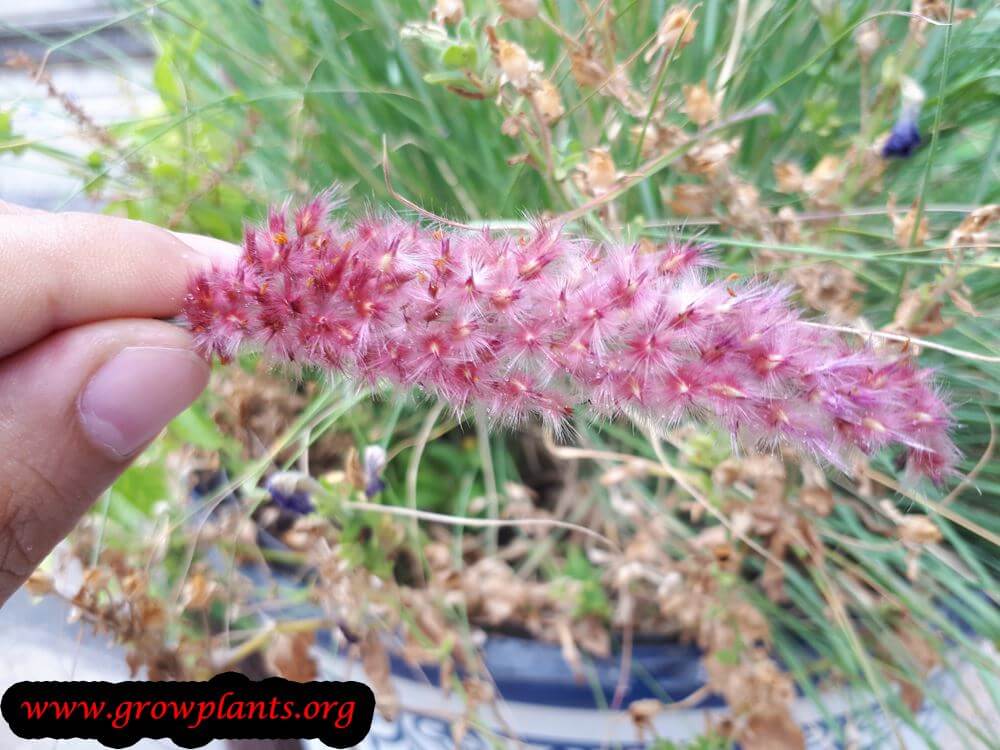
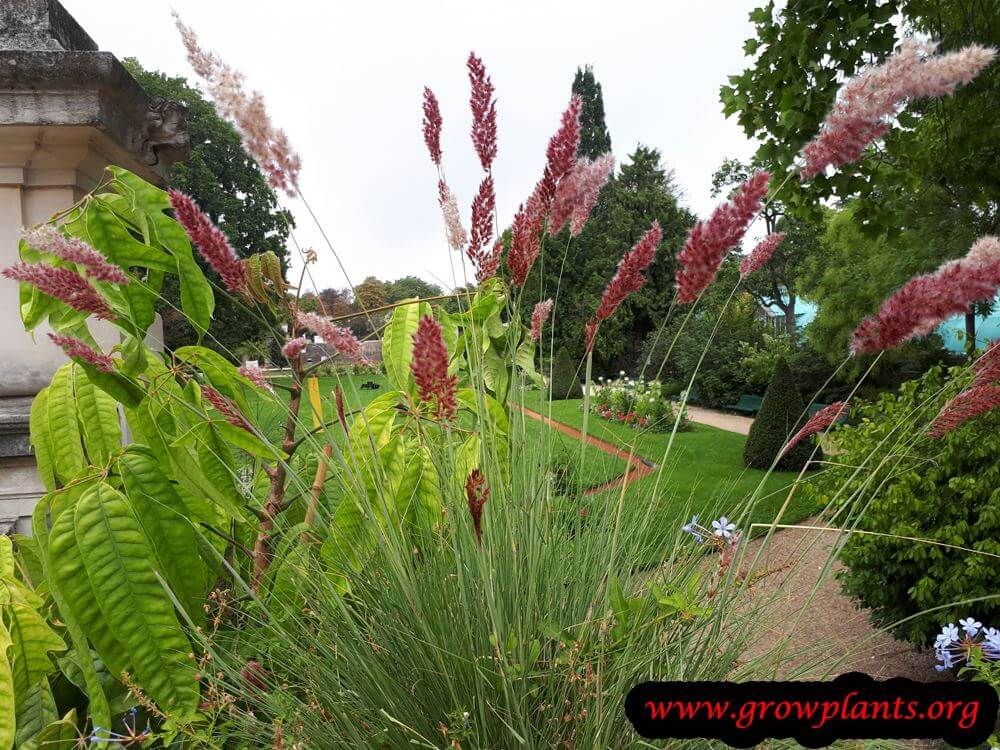
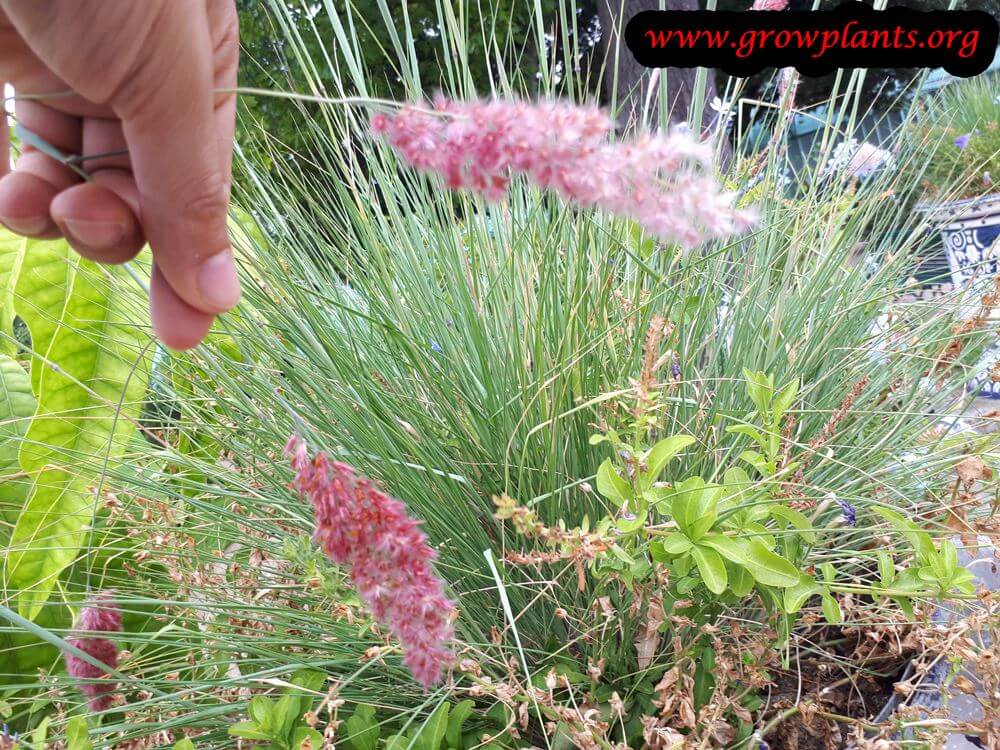
- Flower Appearance: Airy, feathery plumes in pink fading to white, carried on slender stems in a raceme
- Edibility: Ornamental only – this is a grass grown for its plumes, not for eating
Detailed Blooming Overview
Ruby grass earns its place with soft, tail-like flower plumes that open a glowing pink and gradually age to a silvery white. Held just above the fine foliage, they catch low sunlight beautifully and hold their look well into autumn.
Flower Characteristics
- Feathery plumes – the grower likens them to a feather or a horse’s tail – borne in a raceme.
- Colour shifts from pink to white as the plumes mature.
Bloom Care & Thinning
- Site for best colour: Full sun draws out the richest pink in the plumes.
- Tidying: Cut back the old flowering stems in late winter, before fresh growth begins.
- Water: Drought tolerant once established, and it flowers well without special feeding.
Pests, Diseases & Troubleshooting
Overview: Ruby grass is an ornamental grass and, like most grasses, is essentially pest-free – its issues are almost entirely cultural: it is a tender, short-lived perennial prone to rot in wet, cold soil and can self-seed in mild climates. Insects are rare and minor, so management is really about drainage, sun and lean soil.
Quick Troubleshooting Overview
| Issue / Pest | Main Symptom | Primary Solution |
|---|---|---|
| Rot / winter loss | Collapse in wet cold soil | Sharp drainage, dry crown, grow lean |
| Aphids / mealybugs | Minor colonies at leaf bases | Hose off, soap spray if needed |
| Spider mites | Stippling on dry, sheltered plants | Raise humidity, hose down |
| Rust | Orange pustules in humid crowding | Space for airflow, remove leaves |
| Self-seeding | Volunteer seedlings in mild areas | Cut seed heads before they shed |
Common Pests & Management
- Aphids (Rhopalosiphum / Sipha spp.):
- Symptoms: Occasional small colonies tucked among leaf sheaths and flowering stems, with light stickiness; grasses are rarely bothered badly.
- Prevention & Control: Hose off with water; support lady beetles and lacewings; insecticidal soap only in the rare event of a heavy build-up.
- Mealybugs (Pseudococcus spp.):
- Symptoms: White cottony tufts at the leaf bases and crown of container or greenhouse plants.
- Prevention & Control: Wash off with a soap spray; improve airflow on potted plants; oil sprays for persistent cases under cover.
- Spider Mites (Tetranychus spp.):
- Symptoms: Fine pale stippling and a dusty look on foliage kept hot, dry and sheltered, especially indoors or under glass.
- Prevention & Control: Raise humidity and hose down; avoid drought stress; encourage predatory mites; a soap or oil spray if needed.
Diseases & Fungal Issues
- Rust (Puccinia spp.):
- Symptoms: Orange-brown powdery pustules on leaf blades in crowded, humid or overly rich plantings; mostly cosmetic on this ornamental grass.
- Treatment & Management: Space plants for airflow and avoid overhead watering; cut back and remove affected foliage; rarely needs more than that, though a sulfur fungicide is an option in severe cases.
- Root & Crown Rot:
- Symptoms: Yellowing, collapse and rotted crown where soil stays wet, particularly over winter in cold climates where it is short-lived.
- Treatment & Management: Grow in sharply drained soil in full sun; keep the crown dry over winter; treat as an annual or lift and protect in very wet, cold areas.
Growing Difficulties & Abiotic Problems
- Short-Lived / Winter Loss:
- Cause & Symptoms: A tender, short-lived perennial that is killed by frost and wet cold, behaving as an annual in temperate gardens.
- Correction Strategy: Enjoy it as an annual or overwinter divisions under cover; provide a warm, dry, well-drained site to prolong its life.
- Self-Seeding:
- Cause & Symptoms: It can seed around freely in mild climates (the source flags it as invasive).
- Correction Strategy: Cut off the ruby seed heads before they shed if spread is a concern, though many gardeners grow it precisely for those plumes.
- Root Rot from Overwatering:
- Cause & Symptoms: Collapse in heavy, wet soils.
- Correction Strategy: Plant in gritty, free-draining soil and water sparingly once established.
- Flopping / Legginess in Rich Soil or Shade:
- Cause & Symptoms: Lush, floppy growth and fewer plumes in over-fed or shaded positions.
- Correction Strategy: Grow lean and in full sun for compact, well-coloured plants; avoid heavy feeding.
What Helps – Products & Tools
This grass needs almost nothing: an occasional insecticidal soap for a rare aphid or mite flush, a sulfur fungicide only if rust becomes severe, and otherwise pure cultural care – full sun, gritty free-draining soil, lean feeding and a dry crown over winter.