Plant Profile & Key Characteristics
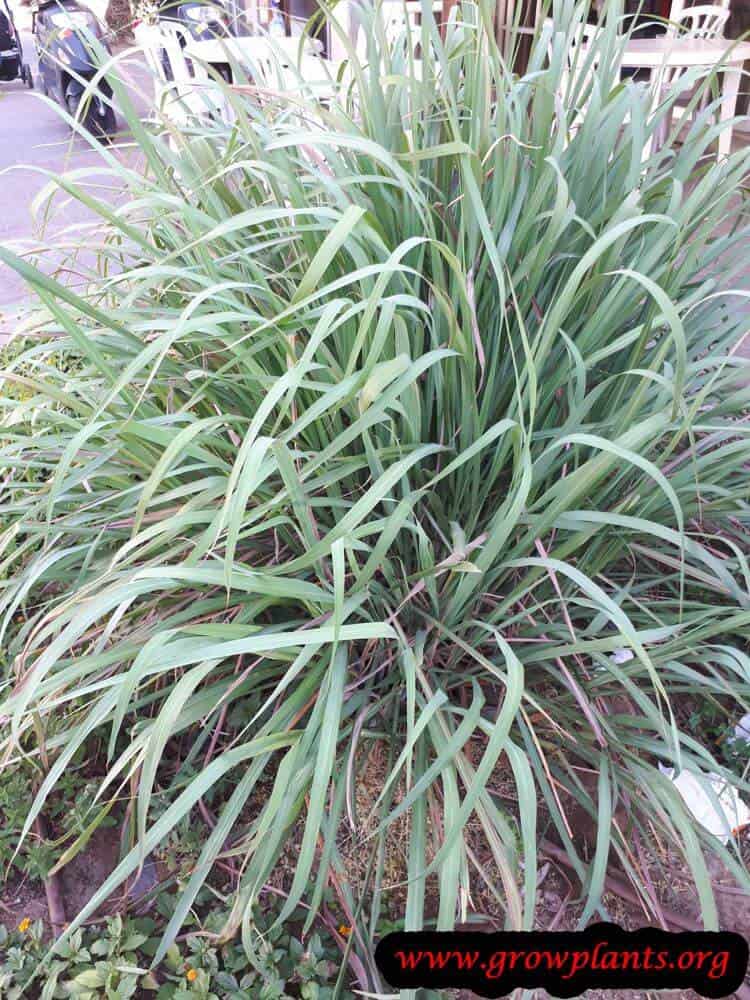
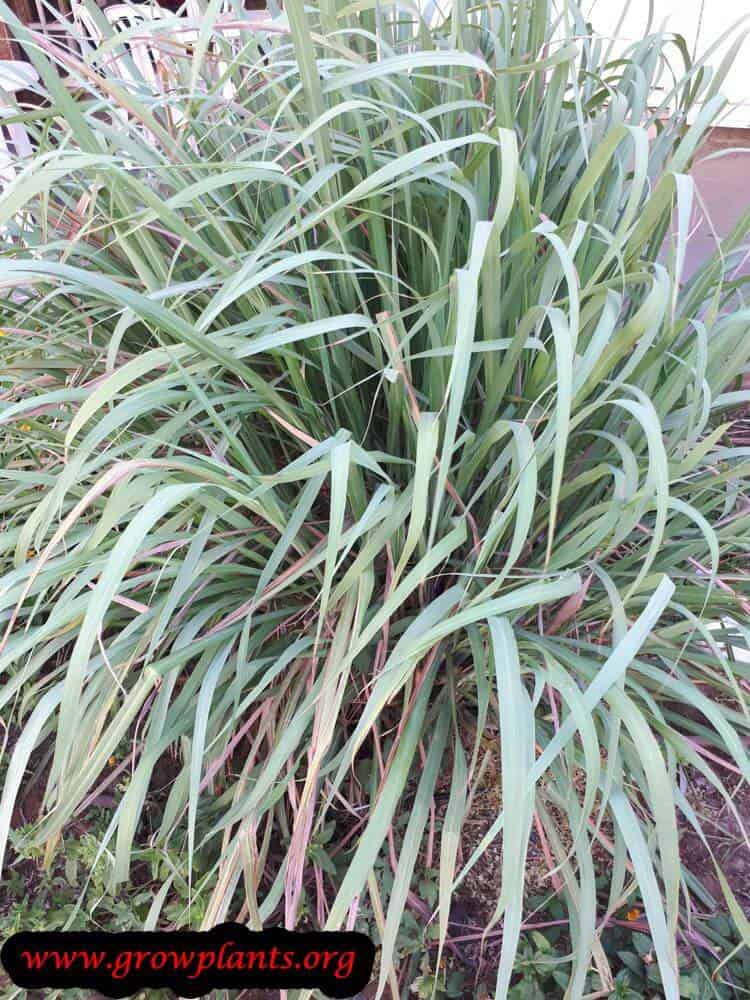
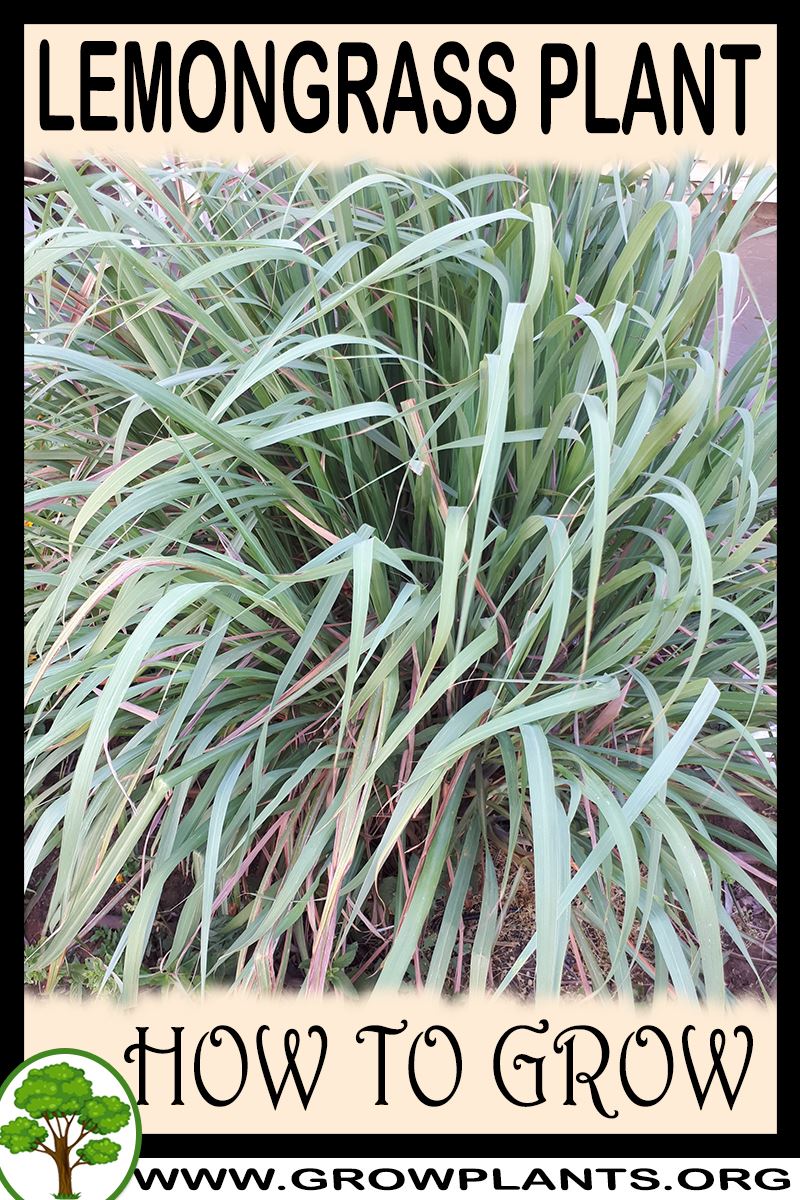
Overview: Lemongrass is a fast-growing, evergreen clumping grass, 0.5-2 m (20-80 in) tall, grown for its aromatic, lemon-scented leaves and stems. It is used as a culinary and tea herb and as a fragrant ornamental grass.
Quick Specifications
| Specification | Attribute |
|---|---|
| Plant Type / Life Cycle | Perennial (evergreen clumping grass) |
| Foliage Type | Evergreen |
| Mature Size | 0.5-2 m (20-80 in) tall |
| Growth Rate | Fast |
| Root System | Fibrous, dense and clump-forming, spreading slowly by short stolons |
| Toxicity | Non-toxic / edible (culinary herb) |
| Hardiness | USDA zone 10 and warmer |
Growth Form & Structure
- Height & Spread: 0.5-2 m tall clumps in the ground; grows well in large containers but is not suited to life as an indoor houseplant.
- Growth Habit & Form: Dense, tufted grass; the clustered leaf bases form the swollen, stem-like stalks used in cooking.
- Lifespan & Maturity: Fast-growing; harvestable clumps establish within a single season.
Anatomy & Physical Features
- Leaves & Foliage: Long (1-2 m) green to yellowish blades, oblong with sharp margins and a pointed tip; strongly lemon-scented, with a hard, stem-like base.
- Flower Characteristics: White, feathery flowers in a panicle; the plant flowers only rarely in cultivation.
Primary Uses & Landscape Value
- Edible Uses: Leaves and stems used for beverages and tea, flavouring, essential oil, cooked dishes and stir-fries.
- Functional & Ornamental Roles: Grown as a fragrant ornamental grass and container plant, and as a source of essential oil.
Care Guide: Planting, Soil & Watering
Overview: Lemongrass is a fast tropical grass that grows best in full sun and fertile, well-draining soil with steady moisture and warmth. It likes humidity and moderate water, and dislikes cold.
Quick Care Requirements
| Requirement | Ideal Condition |
|---|---|
| Planting Season | Any time in warm climates; avoid winter where it is cold |
| Growth Rate | Fast |
| Soil Type | Fertile, well-draining but moisture-retentive soil |
| Water Need | Low to Moderate – likes moisture but let the top of the soil dry a little |
Planting & Establishment
- Best Planting Season: plant in the warm season – year-round in frost-free areas, but not in winter where the climate is cold.
- How to Plant:
- Hole Preparation: dig a hole to fit the clump or division.
- Soil Amendments: work in compost, and mulch young plants to keep the roots warm and moist.
- Planting Depth: set the crown at soil level, keeping the base of the clump just at the surface.
- Growth Speed & Expectations: fast – it builds a dense clump of 0.5–2 m in a single season.
Soil, Watering & Drainage Care
- Soil Mix & Drainage Needs: rich, free-draining soil; it also grows well in a large container with a quality potting mix.
- Watering Schedule & Technique:
- Young / Newly Planted: keep evenly moist while it establishes, especially rooting divisions.
- Established: water moderately, more in heat, letting the top of the soil dry between waterings.
- Seasonal Adjustments: reduce watering in cool weather and over winter.
Climate, Light & Hardiness
Lemongrass grows in mediterranean, subtropical, or tropical climates and needs full sun. Cold tolerance is low: the site rates it to approximately zone 10 and above, with young plants needing mulch protection and planting best avoided in winter in colder areas.
Quick Climate Specifications
| Climate Zones | Mediterranean, subtropical, and tropical climates |
|---|---|
| USDA Hardiness Zones | Approximately 10 and above |
| Frost Tolerance | Low |
| Light Conditions | Full Sun |
Sunlight & Light Exposure
Optimal Light Setup
Full sun is needed for vigorous growth.
Temperature Extremes & Hardiness
USDA Hardiness & Regional Limits
Reliably perennial from approximately zone 10 upward; in cooler climates it is often grown as a die-back or container perennial, brought through winter with protection.
Cold Damage & Winter Protection
Young plants especially benefit from mulch for winter protection; the site also advises against planting in winter in colder areas, reflecting the plant's need to establish before facing any cold.
Frost Sensitivity
Frost damages or kills top growth; in marginal climates, a thick mulch layer over the crown can help roots survive a light winter.
Wind, Humidity & Microclimate
Humidity Preferences
Prefers a humid growing environment with consistently moist (but well-drained) soil, typical of its tropical grass origins.
Microclimate Recommendations
A warm, sheltered, sunny site with good mulch cover improves winter survival at the cooler edge of its range.
Growing in Pots, Balconies & Indoors
Lemongrass (Cymbopogon) is a compact 0.5-2 m (20-80 in) herb that grows happily in a pot. The grower does not class it as a true houseplant – it wants strong light – but a very sunny windowsill can keep a plant going, and it is excellent in a container on a sunny balcony or patio.
Quick Details
- Container Size: A medium pot suits it; step up as it fills out
- Indoor Suitability: Not a deep-room houseplant, but it can grow on a bright, sunny windowsill
- Best Spot: Full sun – it is a heat-loving grass
- Soil & Drainage: A well-aerated, organic-rich mix – potting mix, or peat/coir with perlite or vermiculite. Free-draining
- Watering in Pots: Small to average water – keep the soil lightly moist; it tolerates some dryness but grows best watered regularly in a pot
Indoors & On the Windowsill
- Not a true houseplant: Away from a window the light is too weak and growth turns thin and weak – so it is not suited to a shaded room.
- Windowsill: On your sunniest sill, with several hours of direct light, a potted plant will grow well and stay handy for the kitchen.
- Overwintering: Frost-tender – in cold climates bring the pot indoors to a bright, frost-free spot for the cold season; it can be cut back and kept on a sunny sill.
On a Balcony or Patio
- Light & heat: Give it the sunniest spot. Walls and paving reflect heat and pots dry fast, so check moisture often in warm weather.
Choosing the Pot, Soil & Long-Term Care
- Pot & drainage: Choose a pot with strong drainage holes; skip a standing-water saucer, or empty it promptly, so the roots never sit wet. Terracotta breathes and dries faster, while glazed or plastic pots hold moisture longer.
- Potting mix: A well-aerated, organic-rich mix – potting mix, or peat/coir with perlite or vermiculite.
- Feeding: Potted plants use up their soil faster because nutrients leach out with every watering, so feed a little more often than plants in open ground.
- Repotting: Refresh part of the mix and pot up every couple of years, lightly pruning the root ball and top growth to keep it in balance.
Fertilizing & Feeding
Lemongrass is a moderate feeder for a herb: this fast-growing, clumping grass responds well to nitrogen-forward feeding during warm weather, similar to feeding an ornamental grass, but it spreads vigorously on its own and doesn’t need to be pushed with heavy applications.
Quick Fertilizing Specs
| Feeding Level | Moderate – fast, grass-like growth benefits from steady, nitrogen-leaning feeding |
|---|---|
| young_feeding | A light, balanced feed while a new division or transplant roots in |
| mature_feeding | A nitrogen-forward feed through the warm season to fuel vigorous leaf and stem growth |
| Main Nutrient Priority | Nitrogen, in the same way it benefits other fast-growing ornamental grasses |
| Best Feeding Period | The warm, active growing season |
| Organic Options | Organic mulch or compost worked around the clump supports steady growth between feedings |
Feeding by Growth Stage
Establishing Clump
Help a newly divided clump or transplant root in and resume active growth
| Nutrient direction | Light, balanced feeding while new roots and shoots establish |
|---|---|
| Timing | At planting or dividing, through the first weeks of new growth |
| Frequency | A light feeding at planting, then hold off until fresh shoots confirm the clump has rooted in |
| Fertilizer types | A diluted, balanced liquid fertilizer at planting, Organic matter worked into the surrounding soil |
| Precautions | Keep feeding light until new growth is clearly underway – overfeeding a stressed transplant can do more harm than good |
Active Growth
Fuel the vigorous leaf and stem growth this clumping grass is grown for
| Nutrient direction | A nitrogen-forward feeding supports the lush, fast leaf growth typical of this plant, similar to feeding an ornamental grass |
|---|---|
| Timing | Through the warm, active growing season |
| Frequency | Regular light feedings through the growing season, reduced as growth slows in cooler weather |
| Fertilizer types | A nitrogen-forward, balanced fertilizer, Organic mulch or compost to sustain steady growth |
| Precautions | This plant spreads readily on its own – avoid overfeeding an already vigorous clump if space is tight |
Nutrient Deficiency Signs & Corrections
Pale, thin new leaves and a noticeably slower-growing clump
| Possible causes | Insufficient nitrogen from light or infrequent feeding, Soil depleted of organic matter, Heavy rainfall or watering leaching nutrients from the root zone |
|---|---|
| Appears first on | Older leaves toward the base of the clump |
| What to check | Feeding history and organic matter level, Watering pattern and drainage, New leaf color compared with earlier growth |
| Possible correction | Resume a nitrogen-forward balanced feeding during the active growing season |
Browning or drying starting at the tips of mature leaf blades
| Possible causes | A potassium shortfall affecting leaf tissue at the blade tips, Underwatering or drought stress, especially in fast-draining soil, Wind or heat stress drying exposed leaf tips |
|---|---|
| Appears first on | Tips of older, outer leaves |
| What to check | Watering consistency, especially in hot weather, Soil drainage and texture, Whether new inner growth looks healthy by comparison |
| Possible correction | Apply a balanced fertilizer with potassium support and check watering consistency before assuming a nutrient cause |
Crisp, browned leaf margins on an otherwise vigorous, actively growing clump
| Possible causes | Fertilizer salt accumulation from frequent feeding, especially in containers, Underwatering concentrating salts already present in the soil, Naturally salty irrigation water |
|---|---|
| Appears first on | Margins of mature leaves |
| What to check | Feeding frequency and concentration used, Container drainage and thoroughness of watering, Any visible mineral crust on the soil surface |
| Possible correction | Flush the soil thoroughly with plain water and reduce feeding frequency going forward |
Pruning, Training & Seasonal Maintenance
Lemongrass is a clumping grass, not a woody plant, so its “pruning” is really ongoing leaf/stem harvest plus occasional whole-clump renewal rather than any structural training. It tolerates cutting well and can be trimmed all year (per the source); the main objectives are removing dead leaves for a tidy, healthy clump and harvesting stems/leaves for culinary use, with a periodic hard cutback or division to keep an established clump vigorous.
Quick Pruning & Maintenance Specs
| Pruning Tolerance | High |
| Primary Pruning Window | All year (avoid planting/heavy division in winter in colder areas, per the source) |
| Typical Frequency | Ongoing light trimming/harvest; occasional hard cutback or division every couple of years on an established clump |
| Main Objective | Remove dead leaves, harvest leaves/stems, and periodically renew the clump |
| Young Plant Priority | Light trimming only while the clump establishes |
| Mature Plant Priority | Regular harvest/dead-leaf removal, with occasional hard cutback or division to prevent the clump center from thinning out |
| Best Tool Type | Precision snips or bypass secateurs for leaves/stems; a spade for dividing an established clump |
| Avoid Heavy Pruning During | Winter in colder growing areas, when the source also advises against planting |
Pruning by Plant Age & Size
Newly Established
Limit cutting to removing any dead or damaged leaves; let the clump build size before harvesting stems.
Young / Formative
No structural training applies to a grass – simply allow the clump to fill out, trimming only dead material as it appears.
Mature / Established
Harvest leaves and stems as needed (cutting leaves at their base, or stems near the ground for the thicker stalks, per the source), remove dead leaves on an ongoing basis, and every couple of years give the clump a hard cutback or lift-and-divide to remove old, congested growth and keep it productive.
Seasonal Pruning Schedule
Ongoing Sanitary
Objective: keep the clump clean and productive. What to remove: dead leaves, as the source specifies, plus leaves/stems being harvested for use. What not to remove: the actively growing center of the clump during routine trims. Expected response: continuous new leaf growth from the base.
Summer Canopy Management
Objective: renewal on an established clump that has become dense or congested at the center. What to remove: a hard cutback of old foliage close to the base, or division of the clump into smaller sections (propagated by stolons, per the source). Expected response: vigorous fresh regrowth from the crown/divisions within 1–3 weeks, matching the source’s stated rooting time for vegetative propagation.
Structural Pruning & Training
Not applicable in the woody-plant sense; the closest equivalent is renewal division, since an aging clump can develop a weaker, congested center that benefits from being split and replanted.
Special Growth to Remove
Dead leaves, per the source, should be removed on an ongoing basis. Since the plant spreads by stolons and is noted as aggressive, also remove or contain any runners spreading beyond the intended planting area.
Container & Small-Space Pruning
Lemongrass grows well in a planter or container (per the source, though not as an indoor houseplant). In a pot, harvest and trim a little more frequently to prevent the clump outgrowing the container, and divide sooner than an in-ground clump would need, since limited root volume makes crowding more of an issue.
Tools
Precision snips or bypass secateurs for cutting individual leaves and stems; a garden spade for lifting and dividing an established clump.
Tool Hygiene & Disease Risk
Routine. The only pest documented is spider mites, which are not spread by cutting tools; clean, sharp tools are sufficient.
Cut Placement & Technique
Cut leaves at their base for leaf harvest, or cut stems near ground level when the thicker stalk is wanted, matching the source’s own harvesting instruction; when dividing the clump, use a spade to separate rooted sections cleanly rather than tearing them apart.
Heavy Pruning & Rejuvenation
Tolerated well: an established clump can be cut back hard to a few inches above the base, or lifted and divided, to remove old growth and rejuvenate vigor. Expect quick regrowth (rooting in as little as 1–3 weeks per the source’s vegetative-reproduction timing) rather than any lasting setback.
Post-Pruning Care
Keep the soil consistently moist afterward, especially for newly divided sections, which the source notes need more water while establishing; avoid heavy feeding beyond the plant’s normal light-to-average water/soil needs.
Common Pruning Mistakes
Never dividing or renewing an old clump and ending up with a thin, dead center; harvesting so heavily that too little leaf area is left to regrow from; dividing or planting during winter in a colder-climate garden, against the source’s own timing advice.
When NOT to Prune
Avoid major division or hard cutback in winter in colder growing areas, when the source also advises against planting.
Recommended Tools (by task)
- Leaf/stem harvest and dead-leaf removal: precision_snips or bypass_secateurs – clean cuts on soft grass leaves and stems.
- Clump renewal/division: garden_spade – for lifting and splitting an established, congested clump.
Propagation Guide
Lemongrass is propagated almost entirely by division of its clumping stalks rather than by seed – ornamental and culinary lemongrass rarely sets viable seed in cultivation, so vegetative propagation is the standard and effectively required method. Propagation is easy and forgiving, with new divisions rooting quickly under warm, moist conditions.
Quick Propagation Specs
| Best Propagation Method | Division of rooted stalks (offshoots/stolons) |
| Alternative Methods | Rooting a fresh cut stalk in water before potting on |
| Propagation Difficulty | Easy |
| Vegetative True-to-Type | Yes |
| Best Propagation Season | All year in warm climates (avoid the coldest part of winter in marginal areas) |
| Cutting/Division Rooting Time | 1–3 weeks |
Division, Offsets, Pups & Suckers
Lemongrass spreads by short stolon-like offshoots at the base of the clump. To propagate, separate an outer stalk with some root or basal tissue attached from the main clump, or simply pull apart a purchased or kitchen stalk that already shows root nubs at its base. Pot the division into moist, well-drained soil and give it the same treatment as a mature plant, but with extra water while it settles in and rebuilds its root system. New roots typically establish within 1–3 weeks, after which normal watering can resume.
Divisions can be taken at any time of year in frost-free conditions; in cooler climates it is best to avoid dividing during the coldest part of winter, when growth has slowed.
Bloom & Flower Guide
Quick Details
- Bloom Season: Summer
- Flower Appearance: White, feathery flowers in a plume-like head (panicle) on tall stems
- Edibility: Grown for its leaves and stems – the flowers are not eaten
Detailed Blooming Overview
Lemongrass (Cymbopogon) is a grass, and like most grasses it flowers only occasionally in cultivation – usually in summer, and mainly in warm climates or when a clump is left undisturbed. When it does bloom it throws up tall stems topped with soft, feathery flower plumes.
Flower Characteristics
- White, feathery flowers gathered into a loose, plume-like head (panicle).
- Carried on tall stems well above the foliage.
Bloom Care & Thinning
- Pollination: Wind-pollinated, as is typical for grasses.
- Managing the bloom: For a leaf-and-stem harvest there is no need to encourage flowering; cutting the clump back keeps it producing tender new growth.
Fruit & Uses
Lemongrass is grown for its citrus-scented leaves and the fleshy lower leaf-base, or stalk, at their base. Both are used fresh or dried as a flavouring for beverages, oils and cooked dishes rather than eaten whole.
Quick Edible Specs
| Edible Parts | Leaves; lower leaf-base (pseudostem/stalk) |
|---|---|
| Main Use(s) | Culinary — beverages/tea, oil infusion, cooking, stir-fry |
| Eaten Raw or Cooked | Leaves are steeped/infused, not chewed; the stalk is cooked or finely minced |
| Preparation Required | Leaves: steep and strain out. Stalk: trim tough outer layers, then slice, bruise or mince |
| Harvest Season | All year |
| Time to First Harvest | After the plant is established (see Propagation) |
| Storage | Standard fresh-herb handling |
| Safety/Toxicity Caveat | Leaf blades and outer stalk layers are tough and fibrous — not meant to be chewed or swallowed whole |
Leaves & Greens
The leaf blades are green, sometimes yellowish, up to 1-2 m long, oblong with sharp edges and a pointed tip. They are harvested by cutting at the base of the leaves. Leaves are used for tea and other beverages and to infuse oils, then strained out and discarded since they are too fibrous to eat directly.
Pseudostem / Cane / Sap
The tightly clustered lower leaf bases form a firm, pale stalk — a pseudostem, and the classic culinary "lemongrass stalk." The site notes this part is harvested by cutting near the ground, distinct from cutting just the leaves. The tough outer layers are typically trimmed away, and the tender core is bruised, sliced or minced for use in stir-fries and other cooked dishes.
Harvesting
Harvest is available all year. Which part is wanted determines the method: cut at the base of the leaves for leaf blades, or cut near the ground for the fleshy stalk.
Preparation, Uses & Safety
Leaves are steeped for tea and beverages and to flavour oils, then strained out since they are too fibrous to eat. The stalk is trimmed of its tough outer layers, then bruised or minced for use in stir-fries and other cooked dishes. Both fresh and cooked/infused preparations are common. No specific toxicity concerns are noted; the main caution is textural — fibrous leaf and outer-stalk material should not be chewed or swallowed whole.
Pests, Diseases & Troubleshooting
Overview: Lemongrass and its aromatic Cymbopogon relatives are among the more pest-resistant plants you can grow – their citronella-rich oils deter many insects – so real trouble is limited to spider mites on stressed or indoor plants, occasional aphids, and rust as the main disease. The honest management approach is minimal: grow them warm, sunny and unstressed, avoid soggy soil, and intervene only for confirmed mites or rust.
Quick Troubleshooting Overview
| Issue / Pest | Main Symptom | Primary Solution |
|---|---|---|
| Spider mites | Fine stippling and webbing on dry or indoor plants | Raise humidity; hose down; horticultural oil |
| Aphids | Small colonies on tender new blades; honeydew | Rinse off; insecticidal soap; encourage predators |
| Leaf rust | Orange-brown pustules and streaks on the blades | Airflow; remove infected leaves; avoid wet foliage |
| Leaf blight / spot | Brown streaks and blotches in humid conditions | Thin clumps; sanitation; copper if persistent |
| Root rot | Yellowing, base rot in waterlogged soil | Improve drainage; water less; divide congested clumps |
Common Pests & Management
- Spider mites (Tetranychus urticae):
- Symptoms: The most likely pest, especially on indoor, potted or drought-stressed plants: fine pale stippling along the blades, a dull dusty look, and delicate webbing between leaves in bad cases.
- Prevention & Control: Raise humidity, hose down the foliage regularly, and apply horticultural oil or insecticidal soap to the blade undersides, repeating; keep the plant well-watered since drought stress invites mites.
- Aphids (Rhopalosiphum / Hysteroneura species):
- Symptoms: Small colonies of soft insects occasionally gather on the tenderest new blades and inner growth, leaving a little honeydew; uncommon thanks to the plant’s aromatic oils.
- Prevention & Control: Rinse off with water and, if needed, spray insecticidal soap; natural predators usually keep them in check.
- Scale and mealybugs (various species):
- Symptoms: Rarely, brown scale bumps or white cottony mealybugs tuck into the crowded leaf bases of old clumps, sapping vigour.
- Prevention & Control: Wipe or swab with alcohol, spray horticultural oil into the crown, and divide and refresh congested old clumps to remove hiding places.
- Yellow sugarcane aphid / grass aphids (Sipha flava):
- Symptoms: On grass-family plants these aphids can cluster along blades causing yellowing or reddening; only an occasional issue on lemongrass.
- Prevention & Control: Hose off, use insecticidal soap if colonies build, and encourage ladybirds and lacewings.
Diseases & Fungal Issues
- Leaf rust (Puccinia nakanishikii / Puccinia cymbopogonis):
- Symptoms: The main disease of Cymbopogon: orange-brown to reddish pustules and streaks erupt along the blades, which yellow and dry from the tips in warm, humid, crowded conditions.
- Treatment & Management: Space and divide clumps for airflow, avoid overhead watering and wetting the foliage, remove and destroy infected leaves, and apply a sulfur or copper fungicide only if rust is severe.
- Leaf blight and leaf spot (Curvularia / Colletotrichum species):
- Symptoms: Brown streaks, blotches and spots on the blades in prolonged humid or wet weather, sometimes causing tip die-back.
- Treatment & Management: Thin congested clumps, improve airflow, remove affected foliage and debris, avoid wetting leaves late in the day, and use a copper fungicide if it persists.
- Root and crown rot (Pythium / Fusarium species):
- Symptoms: In waterlogged or poorly drained soil the roots and clump base rot, causing yellowing, wilting and collapse of parts of the clump.
- Treatment & Management: Improve drainage, water less, plant on raised or gritty ground, and divide and replant healthy divisions from an affected clump.
Growing Difficulties & Abiotic Problems
- Brown, dry leaf tips:
- Cause & Symptoms: Low humidity, under-watering, cold draughts or salt build-up brown and crisp the blade tips, especially on indoor plants.
- Correction Strategy: Water consistently, raise humidity, flush the pot to leach salts, and simply trim browned tips; keep the plant warm and out of cold draughts.
- Cold and frost damage:
- Cause & Symptoms: Lemongrass is tender and tropical; frost browns and kills the foliage and can kill the crown if severe.
- Correction Strategy: Bring pots indoors or heavily mulch the crown before cold weather, cut back frosted growth, and expect fresh shoots when warmth returns.
- Yellowing and weak growth:
- Cause & Symptoms: Poor light, nitrogen shortage or a congested pot-bound clump yields pale, thin, weak blades.
- Correction Strategy: Give full sun, feed with a nitrogen-rich fertiliser during active growth, and divide and repot congested clumps to reinvigorate them.
What Helps – Products & Tools
Because Cymbopogon is naturally pest-resistant, you will rarely need much. Keep horticultural oil and insecticidal soap for spider mites and the occasional aphid, and a sulfur or copper fungicide for rust or leaf blight if it appears. Consistent watering, full sun and clump division do more than any product. Apply oils in the evening and follow the label.
Frequently Asked Questions
How often should you water lemongrass?
Water established lemongrass moderately, watering more in heat and letting the top of the soil dry out between waterings. Keep new divisions evenly moist while they establish, and reduce watering in cool weather and over winter.
Can lemongrass be grown in a pot or indoors?
Lemongrass grows happily in a pot and is excellent in a container on a sunny balcony or patio. It isn’t considered a true houseplant since it wants strong light, but a very sunny windowsill can keep a potted plant going; away from a bright window the light is too weak and growth turns thin and weak, so it isn’t suited to a shaded room.
How do you propagate lemongrass?
Lemongrass is propagated almost entirely by division of its clumping stalks rather than by seed. Separate an outer stalk with some root or basal tissue attached from the main clump, or pull apart a stalk that already shows root nubs at its base, then pot it into moist, well-drained soil. New roots typically establish within 1–3 weeks.
How do you harvest lemongrass?
Harvest is available all year: cut at the base of the leaves for leaf blades, or cut near the ground for the fleshy stalk. The stalk’s tough outer layers are then trimmed away, and the tender core is bruised, sliced or minced for use in stir-fries and other cooked dishes.
What pests and diseases affect lemongrass?
Lemongrass is naturally pest-resistant, so real trouble is limited to spider mites on stressed or indoor plants, occasional aphids, and rust as the main disease. The best approach is to grow the plant warm, sunny and unstressed, avoid soggy soil, and intervene only for confirmed mites or rust.
How cold-hardy is lemongrass and can it survive winter?
Lemongrass is reliably perennial from approximately zone 10 upward; in cooler climates it is often grown as a die-back or container perennial, brought through winter with protection. Frost damages or kills top growth, though in marginal climates a thick mulch layer over the crown can help roots survive a light winter.