Plant Profile & Key Characteristics
Overview: A hardy herbaceous Allium grown for its edible parts, reaching 15–50 cm (6–20 in). This culinary perennial (its bulb is biennial) is usually cultivated as an annual or biennial for the kitchen.
Quick Specifications
| Specification | Attribute |
|---|---|
| Plant Type / Life Cycle | Herbaceous perennial (usually grown as an annual/biennial) |
| Mature Size | 15–50 cm (6–20 in) |
| Growth Rate | Fast to moderate |
| Root System | Bulbous — fibrous roots from a bulb. |
| Toxicity | Edible for people; toxic to dogs, cats and livestock (onion/garlic toxicity from organosulfur compounds). |
| Hardiness | USDA zones 3–11 |
Growth Form & Structure
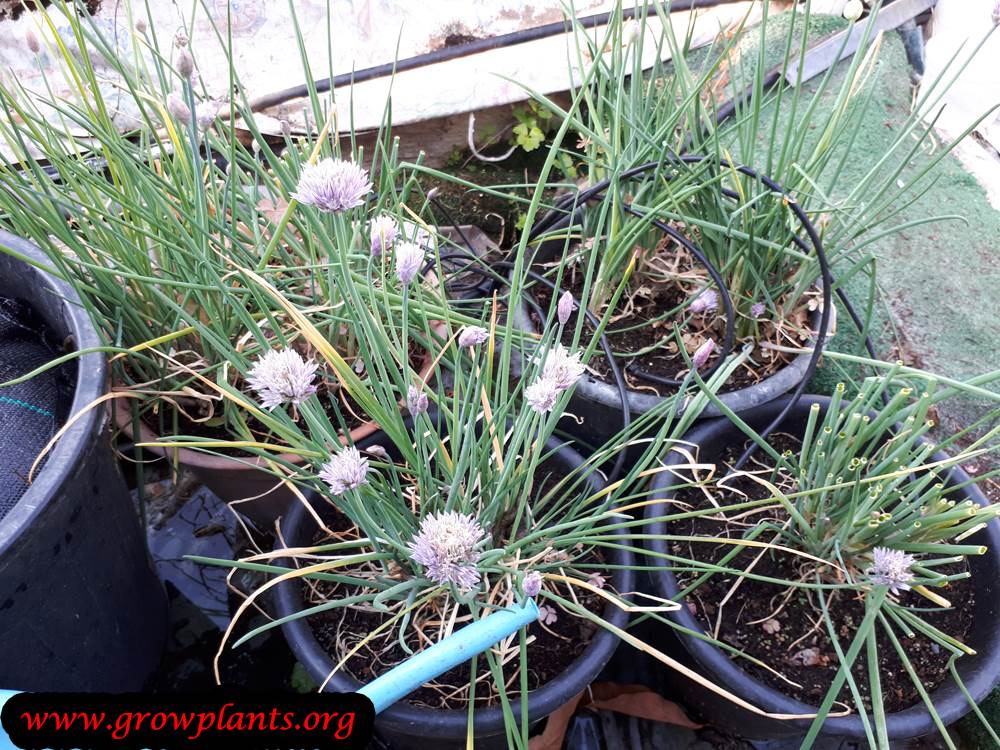
- Height & Spread: About 15–50 cm (6–20 in) in the ground; grows well in pots, troughs and window boxes.
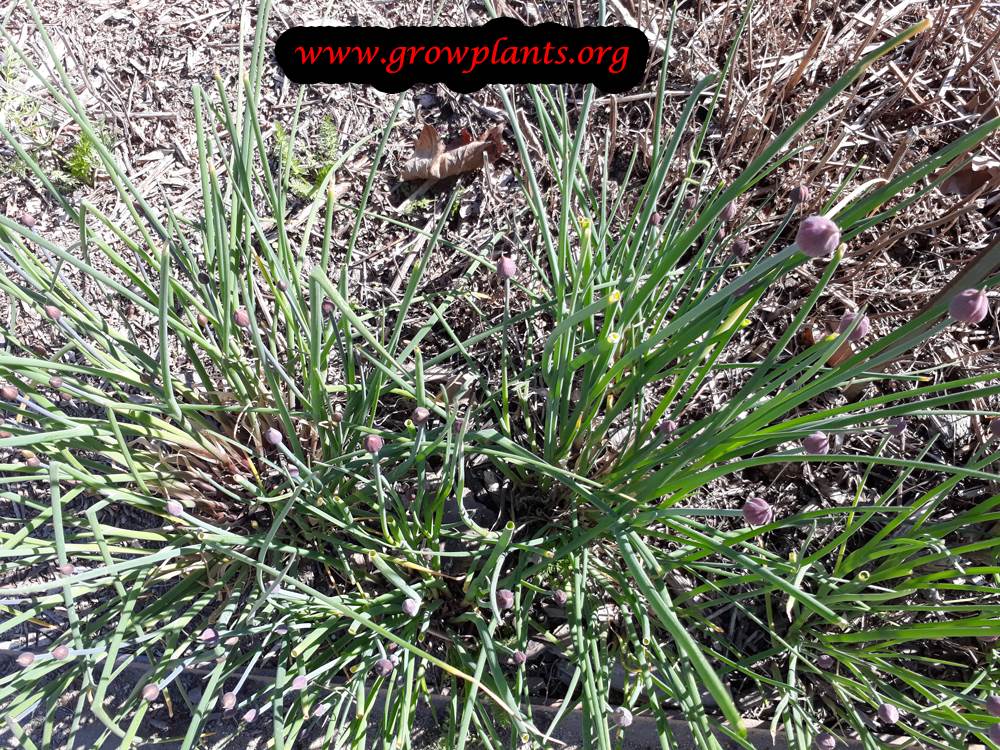
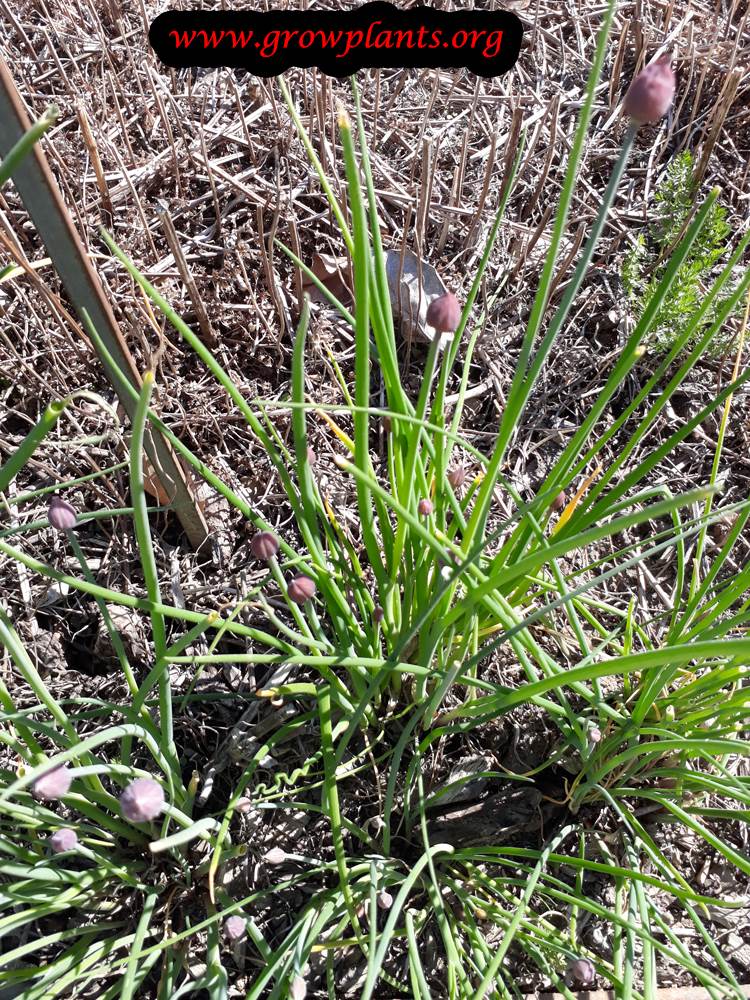
- Growth Habit & Form: Clump-forming bulbous herb with upright leaves rising from the base.
- Lifespan & Maturity: Perennial from its bulbs; usually harvested within its first season or two of growth.
Anatomy & Physical Features
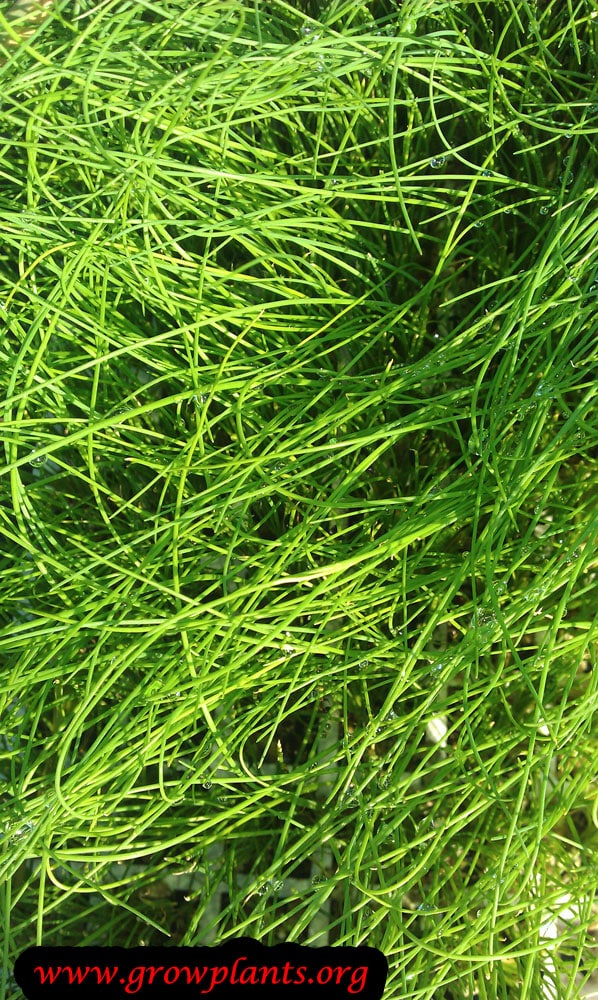
- Leaves & Foliage: Slender, hollow, grass-like green leaves rising in a dense clump from small clustered bulbs.
- Flower Characteristics: Rounded mauve-pink flower heads on thin stems in the warm season; the flowers are also edible. (see the Bloom guide for detail).
Primary Uses & Landscape Value
- Edible Uses: Mild onion-flavoured leaves snipped fresh year-round for salads, eggs, soups and as a garnish; the flowers are edible too.
- Functional & Ornamental Roles: Culinary herb for the kitchen garden, herb pots and window boxes; a tidy clump-forming edging plant whose flowers attract pollinators.
Care Guide: Planting, Soil & Watering
Overview: Chives is a hardy, sun-loving allium that grows best in loose, fertile, well-drained soil enriched with organic matter and nitrogen, and kept free of stones. It needs steady, even moisture in an open bed so the roots and leaves can develop.
Quick Care Requirements
| Requirement | Ideal Condition |
|---|---|
| Planting Season | In spring, summer or autumn |
| Growth Rate | Moderate to Fast |
| Soil Type | Loose, rich, well-drained soil, free of rocks, with added nitrogen |
| Soil pH | Neutral, about 6.0–7.0 |
| Water Need | Moderate — keep the soil evenly moist but never waterlogged |
Planting & Establishment
- Best Planting Season: Plant in spring, summer or autumn; alliums do best sown or set when temperatures suit the chosen cultivar.
- How to Plant:
- Hole Preparation: Work the bed to a loose, rock-free tilth so bulbs and roots can develop without obstruction.
- Soil Amendments: Enrich the bed with compost and a source of nitrogen before planting for strong growth.
- Planting Depth: Sow seed shallowly (about 1 cm) or set divisions so the small bulbs sit just below the surface with the leaf bases at soil level.
- Growth Speed & Expectations: Expect moderate to fast growth in good conditions.
Soil, Watering & Drainage Care
- Soil Mix & Drainage Needs: Alliums need a light, rich, free-draining bed kept clear of stones so bulbs can swell; in containers use a fertile potting mix with good drainage. Waterlogged soil causes bulb and root rot.
- Watering Schedule & Technique:
- Young / Newly Planted: Keep the soil consistently moist while seedlings, bulbs or cloves establish and root.
- Established: Water regularly and evenly through the growing season, avoiding both drought stress and waterlogging.
- Seasonal Adjustments: Water more during warm, dry spells and less in cool or wet weather.
Climate, Light & Hardiness
Chives are a cold-hardy bulb perennial suited to Mediterranean, subtropical, and temperate climates, thriving in full sun to half shade. Although the bulb itself is biennial and often managed as an annual crop, the clump persists and regrows across a very wide hardiness range.
Quick Climate Specifications
| Climate Zones | Mediterranean, subtropical, temperate |
|---|---|
| USDA Hardiness Zones | 3–11 |
| Light Conditions | Full sun to half shade |
| Frost Tolerance | High |
Sunlight & Light Exposure
Optimal Light Setup
Full sun gives the strongest, most flavorful growth; half shade is tolerated, particularly in hotter climates, with some reduction in vigor.
Temperature Extremes & Hardiness
USDA Hardiness & Regional Limits
Very cold-hardy, growing reliably from USDA zone 3 through 11. The bulb's biennial cycle means plantings are commonly refreshed like an annual for best leaf production, but this is a harvest-cycle practice rather than a sign of cold sensitivity – established clumps readily overwinter outdoors across almost this entire range.
Growing in Pots, Balconies & Indoors
Chives are a compact, easy culinary herb – the grower does not class them as a deep-room houseplant, but they are one of the classic herbs to keep in a pot on a bright, sunny kitchen windowsill for fresh snips year-round.
Quick Details
- Container Size: A pot or planter with free drainage (the grower confirms container growing but gives no set size); for a herb like this a small-to-medium pot is plenty
- Indoor Suitability: Not a deep-room houseplant, but excellent on a bright, sunny windowsill
- Best Spot: Full sun to half shade
- Soil & Drainage: Loose, free-draining, organic-rich mix
- Watering in Pots: Average, even moisture; let the pot drain freely.
Indoors & On the Windowsill
- Houseplant note: The grower marks chives as not an indoor houseplant in the full sense, but they take very well to a bright sill.
- Windowsill growing: Keep a pot on the sunniest sill and snip the hollow leaves as needed – they regrow quickly; give the brightest light you can for sturdy growth.
- Safety: Onions, garlic and their relatives are toxic to cats and dogs – keep pots out of pets’ reach if you grow them indoors, and never let pets nibble the leaves.
On a Balcony or Patio
- Light and shelter: A sunny balcony or patio suits it well; containers dry quickly, so check moisture often in warm weather.
- Practicalities: Mind the weight of a watered planter and manage drainage runoff with a tray or pot feet.
Choosing the Pot, Soil & Long-Term Care
- Pot and drainage: Choose a pot with strong drainage holes; if you stand it on a saucer, empty the saucer promptly so the roots never sit in water. Terracotta breathes and dries faster, while glazed or plastic pots hold moisture longer.
- Potting mix: Use a well-aerated, organic-rich mix – a good potting soil, or peat/coir blended with perlite or vermiculite for drainage and air.
- Watering: Water regularly to keep the mix evenly moist – pots dry out far faster than open ground, so check often in heat – but never leave it standing wet.
- Feeding: Potted plants run through their soil faster because nutrients leach out with every watering, so feed a little more often than you would in open ground.
Fertilizing & Feeding
Chives grow from a cluster of small bulbs and benefit from rich, nitrogen-forward soil to sustain repeated leaf harvest; moderate feeding through the growing season keeps the clump vigorous, with feeding paused once the foliage dies back for the season.
Quick Fertilizing Specs
| Feeding Level | Moderate feeder |
|---|---|
| Main Nutrient Priority | Nitrogen-leaning feeding that supports vigorous, harvestable leaf growth from the bulb cluster |
| Best Feeding Period | Through spring and summer while leaves are actively growing and being harvested |
| Organic Options | Compost or well-rotted organic matter worked into rich, well-drained soil |
| Soil pH | Adaptable to a range of well-drained garden soils without special pH adjustment |
| Reduce/Stop Feeding | Stop feeding as foliage dies back and the clump goes dormant for the cold season |
| Micronutrients | Rarely an issue in rich garden soil; address only if a specific deficiency appears |
Feeding by Growth Stage
Getting established after planting
Help newly planted chives, whether started from seed, bulb division, or transplant, root into rich soil and begin producing leaves.
| Nutrient direction | A balanced, nitrogen-leaning feeding at planting supports early root and leaf development in the fertile, well-drained soil chives prefer. |
|---|---|
| Timing | At planting and through the first stretch of active growth. |
| Frequency | A single feeding at planting is usually enough to help the clump establish before regular feeding begins. |
| Fertilizer types | A balanced to nitrogen-leaning complete fertilizer, Compost or well-rotted organic matter worked into the planting area |
| Precautions | Ensure soil is free of large rocks and well drained; the small bulb cluster establishes best in loose, fertile soil. |
Active growth for continuous leaf harvest
Sustain vigorous leaf production from the bulb cluster through repeated harvest across the growing season.
| Nutrient direction | Regular, nitrogen-leaning feeding supports the leaf regrowth that frequent harvest and division demand from this clump-forming herb. |
|---|---|
| Timing | Through spring, summer, and into autumn while leaves are actively growing and being harvested. |
| Frequency | Feed at a moderate, regular pace through the active growing season to keep the clump productive. |
| Fertilizer types | A nitrogen-leaning or balanced complete fertilizer, A top-dressing of compost or mulch during active growth |
| Precautions | Remove flowering stems if seed is not wanted, since diverting energy to bloom can slow leaf regrowth needed for harvest. |
Dormancy as foliage dies back
Let the bulb cluster rest through its natural dieback period without pushing new growth it cannot sustain.
| Nutrient direction | None – withhold fertilizer once foliage dies back and the clump enters its dormant period. |
|---|---|
| Timing | Once foliage yellows and dies back at the end of the growing season, through the coldest part of the year. |
| Frequency | No feeding during this rest period; resume regular feeding only once new leaf growth appears in spring. |
| Fertilizer types | No feeding at this stage; hold off fertilizing until new spring growth resumes. |
| Precautions | Do not fertilize a dormant bulb cluster; unused nutrients simply leach away before the plant can use them. |
Nutrient Deficiency Signs & Corrections
Leaves turn pale green to yellow overall and new leaf production for harvest slows noticeably.
| Possible causes | low available soil nitrogen, depleted soil from repeated leaf harvest without replenishment, nitrogen leaching after heavy rain or watering |
|---|---|
| Appears first on | the whole leaf, starting with older growth |
| What to check | recent feeding and harvest history, soil organic matter level, drainage and watering pattern |
| Possible correction | Work in compost or apply a nitrogen-leaning balanced fertilizer, then watch new leaf growth for improvement. |
New leaves emerge pale yellow while remaining thin and upright.
| Possible causes | high soil pH limiting iron availability, waterlogged or compacted soil restricting root uptake, container growing in an alkaline potting mix |
|---|---|
| Appears first on | newest leaves emerging from the bulb cluster |
| What to check | soil pH, drainage around the bulbs, whether the plant is container-grown in an alkaline mix |
| Possible correction | Improve drainage, work toward a more neutral soil pH, and apply a chelated iron product per its label if the pattern continues. |
Leaf tips brown or look scorched even though the plant is watered adequately.
| Possible causes | fertilizer salts building up from over-feeding a small bulb cluster, under-watering that concentrates salts around the bulbs, poor drainage in a container or dense soil |
|---|---|
| Appears first on | leaf tips |
| What to check | recent fertilizer amounts and frequency, watering consistency, container or bed drainage |
| Possible correction | Ease off feeding, water thoroughly to move salts through the root zone, then return to a lighter feeding routine. |
Pruning, Training & Seasonal Maintenance
Chives are a clump-forming bulb herb with hollow, tubular leaves rather than a broad-bladed rosette, so pruning has a different mechanic to a dock or sorrel: leaves are cut straight across rather than pinched at a petiole, and the plant regrows from a cluster of small bulbs rather than a single crown. Cutting is tolerated all year and IS the harvest. Unlike weedy docks, chive flowers are genuinely worth having – they are edible, ornamental and attract pollinators – so the recommendation here is to thin rather than strip every flower stem, balancing continued leaf yield against keeping some bloom. Over a few years the bulb clump becomes congested and benefits from division, which functions as this plant’s rejuvenation pruning.
Pruning & the Edible Harvest
Harvest is simply cutting leaves – either a few individual leaves at a time, or the whole clump can be taken with a portion of the bulbs if a heavier harvest is wanted. Thinning the inflorescence stems channels more of the plant’s energy into leaf production, while leaving some flower heads provides edible, pollinator-friendly blooms without materially hurting the leaf supply.
Quick Pruning & Maintenance Specs
| Pruning Tolerance | High – leaves cut repeatedly all year |
| Primary Pruning Window | All year for leaf harvest; flower-stem thinning in spring–summer bloom |
| Typical Frequency | Cut leaves every few weeks as needed; check flower stems weekly in bloom |
| Main Objective | Continuous tender leaf supply, balanced against keeping some edible/ornamental bloom |
| Young Plant Priority | Let the clump establish before cutting hard |
| Mature Plant Priority | Regular leaf harvest; thin flower stems; divide congested clumps every few years |
| Best Tool Type | Precision snips (clean cross-cut of hollow leaves); garden spade for clump division |
Pruning by Plant Age & Size
Newly Established
Let a newly planted clump build several full leaves before the first harvest, so the bulbs have reserves to regrow from.
Young / Formative
No structural training – growth is a tuft of tubular leaves from a bulb cluster. Once established, cut a portion of the leaves at a time rather than the whole clump, so regrowth is continuous.
Mature / Established
Cut leaves regularly for kitchen use; thin (rather than fully strip) the flowering stems through spring and summer. Every 3–4 years, lift and divide the clump as it becomes crowded and flowering/leaf vigour declines.
Seasonal Pruning Schedule
Spring–summer (bloom): thin inflorescence stems to favour leaf production, while leaving some for their edible flowers and pollinator value; unthinned stems don’t harm the plant, they simply shift its energy toward seed.
Ongoing sanitary: harvest leaves regularly all year in mild climates; this doubles as removal of any yellowing or wind-battered leaf tips.
Every few years (clump congestion): divide the bulb cluster in spring, which is the plant’s real form of renewal rather than any hard structural cut.
Structural Pruning & Training
None in the woody sense; the only “structural” maintenance is periodically dividing the expanding bulb clump so leaf and flower production stay strong.
Special Growth to Remove
Spent flower stems once bloom is finished (unless saving seed), and any yellowed or damaged leaf tips. No suckers, watersprouts or runners occur on this clump-forming bulb.
Container & Small-Space Pruning
Chives are one of the best-suited herbs to pots and windowsill containers; harvest little and often (a few leaves per cut) rather than shearing the whole clump, and divide and repot every couple of years as the bulb cluster fills the container.
Tools
Precision snips for leaf harvest – a clean cross-cut of the hollow leaves prevents the ragged, browning tips that tearing by hand can cause. A garden spade or hand trowel is used only for lifting and dividing the bulb clump, not for routine cutting.
Tool Hygiene & Disease Risk
Routine. Onion fly and onion thrips are the reported pest risks rather than tool-borne disease; keep snips clean and sharp for tidy cuts.
Cut Placement & Technique
Cut leaves straight across, about 2–5 cm (1–2 in) above the base, never right down into the bulb cluster, so new growth resumes cleanly from the same leaves. Cut flower stems at their base once thinned or spent.
Heavy Pruning & Rejuvenation
The whole clump can be sheared back hard once or twice a season to refresh tired, browning foliage, and it regrows quickly from the bulbs. True long-term rejuvenation, though, comes from lifting and dividing an overcrowded clump every 3–4 years rather than from any single cutting-back.
Post-Pruning Care
Water after a hard shear to support fast regrowth; division should be followed by replanting promptly in refreshed, well-drained soil. No extra feeding is needed for routine leaf harvest.
Common Pruning Mistakes
- Cutting leaves down into the bulb cluster instead of leaving a short stub, which slows regrowth.
- Stripping every flower stem when a few could be left for edible/ornamental bloom and pollinators.
- Never dividing an ageing clump, leading to a congested centre and declining leaf and flower production.
When NOT to Prune
Avoid cutting a freshly planted or divided clump hard until it shows several new leaves. Do not shear the whole clump repeatedly in quick succession – allow a rest between hard cuts for the bulbs to recover.
Recommended Tools (by task)
- precision_snips – clean cross-cutting of the hollow leaves for repeated harvest.
- garden_spade – lifting and dividing congested bulb clumps every few years.
Propagation Guide
Chives are usually started from seed or, more quickly, by dividing an existing bulb clump – the site notes dividing is not necessary but is the easier route. Both methods give true-to-type plants, and this is an Easy plant to propagate.
Quick Propagation Specs
| Best Propagation Method | Bulb/clump division |
| Alternative Methods | Seed |
| Propagation Difficulty | Easy |
| Seed True-to-Type | Usually true-to-type |
| Vegetative True-to-Type | Yes |
| Best Propagation Season | Spring, summer or autumn |
| Seed Germination Time | Typically 1–3 weeks |
| Germination Temperature | Roughly 15–21°C (59–70°F) |
| Seed Sowing Depth | Shallow, about 0.5 cm (0.2 in) |
Growing from Seed
Seed Handling & Viability
Allium seed generally has a fairly short viable life and germinates most reliably when reasonably fresh, so avoid sowing old, long-stored seed.
Sowing Season
Spring, summer or autumn, matching the plant’s general planting season; seed can also be started indoors ahead of the outdoor season.
Sowing Depth & Orientation
Sow shallowly, just lightly covered.
Germination Conditions
Keep evenly moist in rich, well-drained soil free of rocks, in full sun to half shade.
Germination Time
Usually 1–3 weeks, though it can be slower or uneven.
Seedling Care
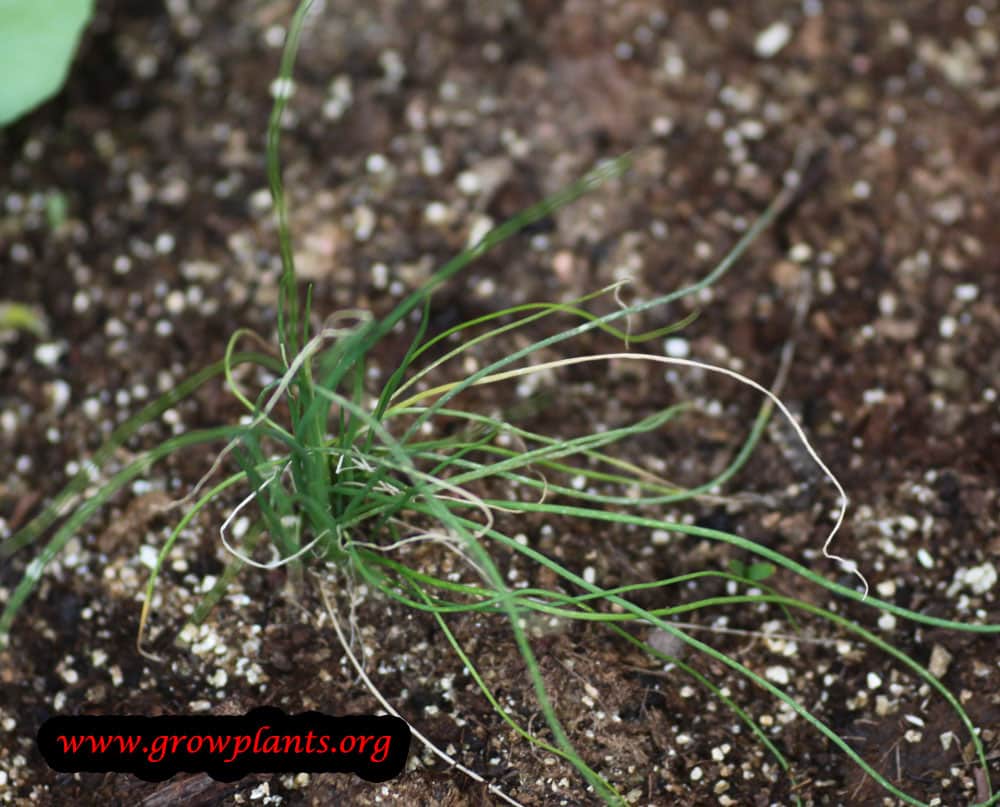
Thin or space seedlings as they grow into their characteristic narrow, hollow, grass-like leaves.
Rhizomes, Tubers, Bulbs & Corms
Chives grow from small white-yellow bulbs that multiply into a clump. Bulb (clump) division can be done any time (the site notes the bulb can be pulled up all year), though dividing during less active growth reduces transplant stress. Lift the clump and pull or cut it apart into sections of several bulbs each with roots attached, then replant promptly; this is easier and faster than growing from seed, though not required.
Bloom & Edible Flower Guide
Quick Details
- Bloom Season: Spring to summer
- Time to First Bloom: Usually from its second year, then every year after as the clump matures
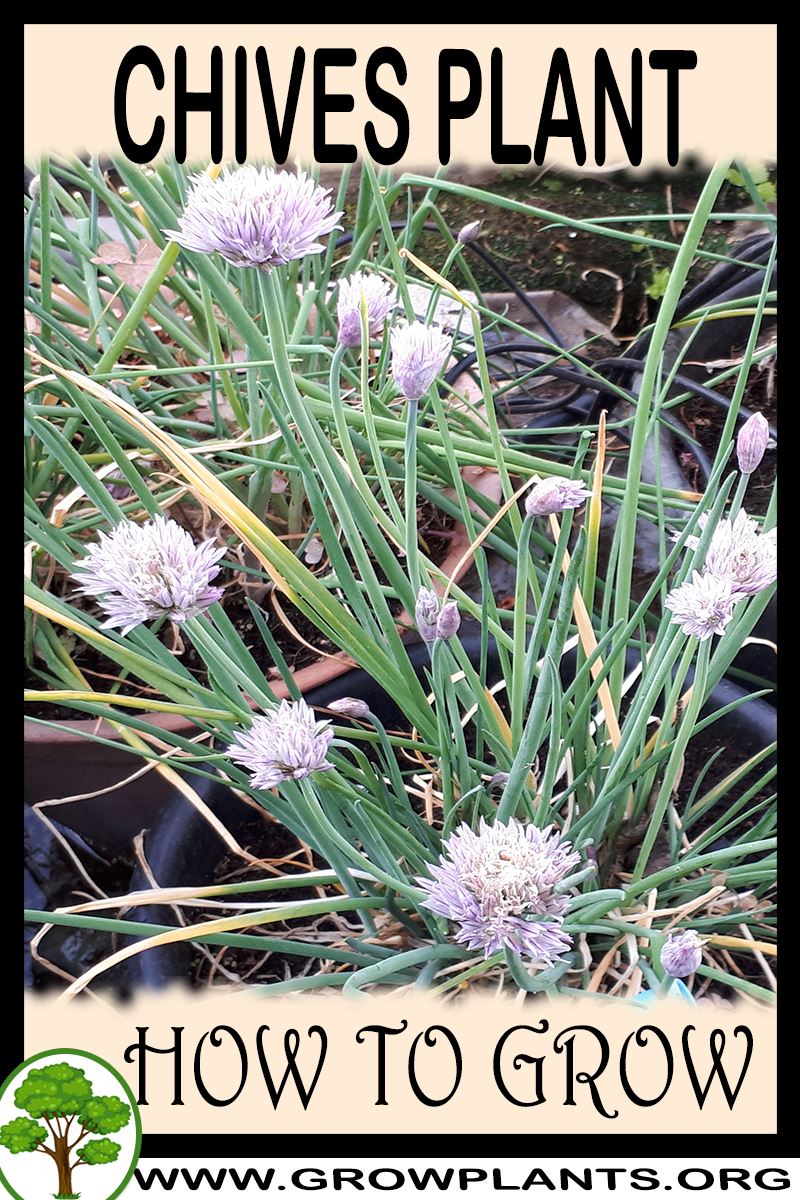
- Flower Appearance: Rounded pom-pom heads (umbels) of small pink-purple flowers on slender hollow stems
- Edibility: Edible – chive blossoms are a classic edible flower with a mild oniony flavor, lovely broken into salads or steeped in vinegar
Detailed Blooming Overview
Chives are one of the most rewarding herbs to let flower: the pink-purple globes are pretty, beloved by bees, and good to eat. There is a trade-off, though – once the plant flowers the leaves grow tougher and stronger, so many cooks snip the flower stems early for the tenderest leaves, while leaving a few clumps to bloom for the pollinators and the kitchen.
Flower Characteristics
- Many small pink-purple flowers packed into a rounded umbel.
- Carried on slender, hollow stems held above the leaves.
- Nectar-rich and very attractive to bees and hoverflies.
Bloom Care & Thinning
- Managing the bloom: Remove flower stems as they form for a longer supply of tender leaves, unless you are growing the blooms or saving seed.
- Pollination: By bees and flies.
- In the kitchen: Pull the umbel apart into individual florets to scatter over salads, eggs or soft cheese.
Fruit & Uses
Chives are grown for their mild, onion-flavored leaves and small bulbs, both eaten raw or cooked. The leaves are the part most often used as a fresh herb, while the bulb makes a milder onion or garlic substitute.
Quick Edible Specs
| Edible Parts | Leaves; bulb; flower buds/blossoms |
|---|---|
| Main Use(s) | Culinary – fresh herb, salad, cooked, stir fry; bulb as a mild onion/garlic-style flavoring; flowers as a garnish |
| Eaten Raw or Cooked | Both |
| Preparation Required | None for leaves and flowers; bulb can be used raw or cooked like a mild spring onion |
| Harvest Season | All year |
| Time to First Harvest | Leaves can be cut once the clump is established; bulbs can be lifted any time |
| Storage | Best used fresh; leaves lose flavor when dried but freeze reasonably well chopped |
| Safety/Toxicity Caveat | Safe for humans in normal culinary use, but like all onion-family (Allium) plants, chives are toxic to dogs, cats and other pets and should be kept away from them |
Leaves & Greens
Leaves are narrow and hollow, growing in linked radial clusters. They can be cut individually or taken together with the bulb, and are used fresh in salads, snipped over cooked dishes, or added to stir-fries.
Bulbs, Corms & Rhizomes
The bulb is small and white-yellow, harvestable year-round. Eaten raw, cooked, or used as a spice or salad ingredient, much like a small, mild onion.
Flowers & Flower Buds
The small pink-purple, umbrella-shaped flower clusters are also edible and popular as a mild, oniony garnish scattered raw over salads or used to flavor vinegar. Site guidance recommends thinning most flowering stems unless seed is wanted; buds picked for eating can be taken from those thinnings.
Preparation, Uses & Safety
No special preparation is needed for leaves or flowers beyond a rinse; the bulb can be used raw or cooked. Safe for people in ordinary culinary amounts, but keep chives away from dogs, cats and other pets, as with all Allium species.
Pests, Diseases & Troubleshooting
Overview: Chives (Allium schoenoprasum) is a tough perennial clump that stays largely trouble-free, but it does catch allium rust and downy mildew in damp crowded conditions and can host thrips and the leafminer. Good airflow, division of congested clumps, and quick removal of rusted or mildewed leaves keep it healthy with little or no spraying.
Quick Troubleshooting Overview
| Issue / Pest | Main Symptom | Primary Solution |
|---|---|---|
| Onion thrips | Silver streaks/stippling on leaves | Even watering; soap/spinosad in evening; beneficials |
| Onion fly / maggot | Wilting seedlings; maggots in bulb base | Rotate; insect mesh; remove culls; nematodes |
| Leaf/stem miners & moths | Windowpane mines & tunnels in leaves/shank | Mesh barrier; destroy mined leaves; Bt/spinosad |
| Downy mildew | Grey-violet fuzz; yellow collapsing leaves | Airflow; no evening overhead water; copper |
| Basal / white rot | Rotten basal plate; white mould, black sclerotia | Clean stock; long rotation; destroy infected plants |
| Neck / soft rot (store) | Soft slimy neck; bulb collapses in store | Cure & dry well; store cool, dry, ventilated |
Common Pests & Management
- Onion Thrips (Thrips tabaci):
- Symptoms: Tiny (1 mm) slender straw-yellow insects hiding in the leaf axils and inner leaf bases; feeding rasps the surface leaving silvery-white streaks, blotches and a general silvering that later browns. Worst in hot, dry weather; heavy populations distort growth and cut bulb size. Look-alikes: nutrient streaking (uniform) versus thrips (stippled with black frass specks).
- Prevention & Control: Encourage natural enemies (predatory mites, minute pirate bugs, lacewings); avoid drought stress with even irrigation and mulch, since stressed plants attract thrips. Use reflective/silver mulch and blue sticky traps for monitoring. Rotate away from other alliums. If needed, spray insecticidal soap, spinosad or horticultural oil into the leaf bases in the evening, repeating at 5–7 day intervals; rotate modes of action as thrips resist products quickly.
- Allium Leafminer (Phytomyza gymnostoma):
- Symptoms: Adults make neat rows of white feeding punctures down the leaf; larvae mine toward the base and pupate as brown seed-like puparia in the stem and bulb, opening the door to bacterial and fungal rot. Two generations, in spring and autumn.
- Prevention & Control: Exclude adults with insect netting during the spring and autumn flight periods; destroy infested debris and rotate. Delay or time plantings to miss peak flights. Spinosad or a suitable systemic can be used where pressure is high, applied at first sign of the punch-row feeding scars.
- Onion Fly / Onion Maggot (Delia antiqua):
- Symptoms: Small white legless maggots tunnel into the base of the bulb and stem; young plants wilt, yellow and collapse, older bulbs rot and are riddled with tunnels that invite secondary soft rot. Adults are grey, house-fly-like. Damage often appears in patches, worst in cool moist springs.
- Prevention & Control: Rotate crops and avoid planting into ground that grew alliums the previous year; remove and destroy culls and thinnings (their smell attracts egg-laying females). Firm the soil around transplants and cover beds with insect mesh/floating row cover at emergence to exclude the fly. Avoid heavy fresh manure. Beneficial nematodes (Steinernema) drenched into the soil help against larvae.
- Bulb Mites (Rhizoglyphus spp.):
- Symptoms: Slow, stunted, patchy growth; roots and basal plate chewed by tiny pearly-white bulbous mites that swarm on damaged and rotting tissue, especially in wet, high-organic soils. They spread rot pathogens and attack stored bulbs.
- Prevention & Control: Plant only clean, undamaged sets/cloves; avoid burying fresh undecomposed organic matter. Rotate, cure and store bulbs cool and dry. Hot-water or fungicide seed treatment of cloves reduces carry-over; discard soft, mite-infested stock.
Diseases & Fungal Issues
- Allium Rust (Puccinia allii):
- Symptoms: Bright orange-brown raised pustules that rupture and shed powdery spores along leaves; heavy infection yellows and kills foliage, cutting yield. Especially common on leeks, chives and garlic.
- Treatment & Management: Avoid overcrowding and excess nitrogen; space for airflow and rotate. Remove and destroy infected leaves and debris. Resistant/tolerant varieties help. Where severe, apply a suitable rust fungicide (triazole or, in gardens, sulfur) early.
- Downy Mildew (Peronospora destructor):
- Symptoms: Pale green to yellow oval patches on leaves and stalks, soon covered by a fuzzy grey-violet mould in humid mornings; leaves collapse and die back from the tip, bulbs mature small and soft. Favoured by cool, wet, humid weather.
- Treatment & Management: Space and orient rows for airflow and morning drying; avoid overhead evening irrigation; rotate 3+ years and destroy volunteers and culls. Use resistant varieties where available. Preventive copper or an approved downy-mildew fungicide at the first cool damp spell, on a protectant schedule.
- White Rot (Sclerotium cepivorum):
- Symptoms: Yellowing, wilting and dieback; a fluffy white mould with tiny black poppy-seed-sized sclerotia rots the base of the bulb and roots. Devastating and persistent – sclerotia survive 15–20+ years in soil, so a field once infested stays infested.
- Treatment & Management: Prevention is everything: never move soil, tools or bulbs from infested ground; plant only clean stock; practise very long rotations. Remove and destroy infected plants with surrounding soil before sclerotia form. Garlic and onion are highly susceptible; there is no reliable cure once established, so containment and sanitation are key.
- Bacterial Soft Rot (Pectobacterium / Burkholderia spp.):
- Symptoms: One or more inner scales turn soft, water-soaked and slimy with a foul smell while the outside may look sound; the bulb collapses in the field or store, usually entering through the neck or through insect and sun-scald wounds.
- Treatment & Management: Avoid bruising and sunscald; cure and dry bulbs well and store cool, dry and ventilated. Do not harvest or handle wet; control neck-rot and maggot wounds that let bacteria in. Discard any soft, weeping bulbs promptly.
Growing Difficulties & Abiotic Problems
- Leaf Tip Burn & Yellowing:
- Cause & Symptoms: Leaf tips brown and die back, older leaves yellow; from drought stress, salinity, or nitrogen/potassium shortage on the shallow allium root system.
- Correction Strategy: Water evenly, mulch to buffer moisture, and feed with a balanced fertiliser matched to a shallow-rooted crop; leach salts in over-fertilised beds and correct deficiencies.
- Cold Damage & Frost Heave:
- Cause & Symptoms: Overwintered chives/leeks/garlic pushed out of the ground by freeze-thaw, or leaf tips burnt by hard frost; loosened roots dry out and die.
- Correction Strategy: Mulch overwintering alliums to buffer soil temperature, firm and re-cover heaved plants, and choose hardy varieties for cold sites.
- Poor Bulbing (Daylength Mismatch):
- Cause & Symptoms: Plants grow lush tops but never form a proper bulb, or bulb far too early and small; caused by growing a long-day variety in the south or a short-day variety in the north, or planting at the wrong time.
- Correction Strategy: Choose the correct daylength type for your latitude (short-day, intermediate or long-day) and plant on time so leaves build up before the bulbing trigger; feed and water for strong early leaf growth.
What Helps – Products & Tools
For allium pests, reach first for insecticidal soap, horticultural/neem oil and spinosad (thrips, leek moth, leafminer), insect mesh/floating row cover as a physical barrier, blue sticky traps for thrips monitoring, reflective mulch, and beneficial nematodes for soil maggots and larvae. For disease, use protectant copper or an approved downy-mildew/purple-blotch/rust fungicide, garden sulfur for rust, a spreader-sticker so spray clings to waxy leaves, and above all clean seed/sets plus long rotations. Cure and store bulbs cool, dry and ventilated to beat neck rot and soft rot.