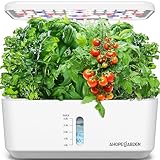
Hydroponics sounds high-tech, but the core idea is simple: grow plants in a nutrient solution instead of soil. Done well, plants often grow faster and more predictably because you control exactly what the roots get. This guide explains how it works and what a beginner actually needs — without the hype or the jargon.
What hydroponics is
Instead of drawing water and nutrients from soil, hydroponic plants sit with their roots in (or regularly bathed by) a nutrient solution — water with dissolved fertilizer salts — while an inert medium supports them. You supply everything the soil normally would, which is why control and consistency are the big advantages.
The four things roots need
- Water — the delivery system for everything else.
- Oxygen — roots must breathe; drowned roots rot. Air pumps, air gaps or flowing films keep the solution oxygenated.
- Nutrients — a complete hydroponic formula (see hydroponic nutrients).
- Light — strong light for photosynthesis; indoors that means grow lights.
pH and EC: the two numbers that matter
- pH decides whether dissolved nutrients are actually available to the roots. Test and keep it in the mildly acidic range most crops prefer.
- EC/PPM measures how strong the solution is. Too weak starves plants; too strong stresses them. A simple meter for each is the beginner’s most valuable tool.
Basic system types
You don’t need to master all of them — just know the beginner-friendly ones: wick (passive), deep water culture (roots in aerated water), and all-in-one countertop units. When you’re ready to scale, compare hydroponic systems and pick growing media to match.
Best plants to grow hydroponically
Almost any compact, fast-growing crop adapts well to hydroponics; some are easier than others. Start with fast, forgiving plants and save fruiting crops for once you’re comfortable managing pumps, pH and EC.
Lettuce and leafy greens
Lettuce is the classic hydroponic starter crop — its shallow, fast-growing roots thrive in a DWC or NFT system, and most other leafy greens (spinach, kale, pak choi, arugula) behave the same way. They are forgiving of minor pH/EC swings and ready to harvest in weeks rather than months.
Basil, mint and culinary herbs
Basil is one of the most popular hydroponic herbs: compact cultivars suit a windowsill DWC kit, while larger types do well in an NFT channel. Mint is just as easy — hydroponics contains its famously invasive running roots even more completely than a pot does. Most culinary herbs (parsley, chives, cilantro) follow the same pattern: fast, forgiving and well suited to a small countertop system.
Tomato, pepper and cucumber
These fruiting crops need more from the system than leafy greens or herbs: stronger light, sturdier support and more consistent feeding once fruit sets. Cherry and smaller-fruited tomatoes and peppers suit a compact Dutch bucket or tower system; beefsteak tomatoes and vigorous vining cucumbers need a larger setup with real trellising.
Strawberry
Strawberries’ compact size and shallow roots make them a popular choice for a vertical tower or NFT channel system, fitting several plants into a small footprint — everbearing varieties will crop over a long season rather than all at once.
Common beginner mistakes
- Ignoring pH and EC — the number-one cause of failure.
- Starving roots of oxygen (no air pump in DWC, solution too warm).
- Using regular garden fertilizer instead of a complete hydroponic formula.
- Too little light, expecting a windowsill to be enough.
- Letting solution get too warm, which lowers oxygen and invites root disease.
Quick questions
Is hydroponics hard for beginners? No — start with DWC or a countertop unit and easy crops like lettuce and herbs, and keep an eye on pH and EC.
Do I need special nutrients? Yes — a complete hydroponic formula, not ordinary soil fertilizer, because the solution supplies everything.
Can I do hydroponics without grow lights? Only with strong natural light; most indoor setups need supplemental grow lighting.
Related guides
- Hydroponic systems · nutrients · growing media · grow lights
- Seed germination · how & when to fertilize