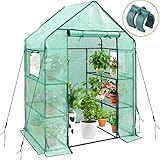
Heating a greenhouse lets you overwinter tender plants and keep growing when it’s cold outside — but running costs add up fast, so the smart approach is to lose less heat first, then heat efficiently. Here’s how to keep a greenhouse warm without a shocking bill.
Insulate first
Before adding heat, reduce the heat you lose: line the inside with horticultural bubble wrap, seal gaps and draughts, and only heat the space you need. Insulation can dramatically cut how much heating you require.
Choosing a heater
See the greenhouse heaters buyer’s guide for details. In short:
- Electric — clean, dry, thermostatic; the easiest to control if you have a safe supply.
- Gas / paraffin — no mains needed, but add moisture and fumes, so need ventilation.
Use a thermostat and target the right minimum
A thermostat means the heater only runs when needed — the biggest running-cost saver. Decide your goal: frost-free (hold just above freezing) is far cheaper than a warm greenhouse for tropicals. For most growers, frost protection is enough.
Zoning and extra protection
Group tender plants together and heat only that zone, or partition part of the greenhouse. On the coldest nights, add horticultural fleece over plants for a few extra degrees — see frost protection supplies and protecting plants from frost.
Quick questions
How do I heat a greenhouse cheaply? Insulate with bubble wrap, use a thermostatically-controlled heater, aim only for frost-free, and heat a small zone rather than the whole space.