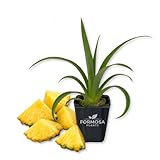
You do not need a tropical garden to grow tropical fruit — but you do need to work with, and around, the cold. In a cool or temperate climate the limiting factor is almost always winter temperature, not summer heat. This guide covers the three practical strategies (containers, protected growing, and microclimates), which species are realistic, and how to keep tender fruit alive through the cold months.
Know your limit: cold, not heat
Most tropical fruit is damaged or killed below roughly 0–10 °C (32–50 °F) depending on species, and few will ripen fruit in a short, cool summer outdoors. Match ambition to your climate: check your hardiness zone and your realistic warm-season length before buying.
Three strategies that work
- Containers you can move. Grow tender fruit in pots and bring them into a bright, frost-free room, conservatory or heated space over winter. This suits citrus, dwarf mango, guava, dragon fruit and passionfruit.
- Protected growing. A greenhouse or polytunnel extends the season and holds off frost — see our greenhouse guides for heating and climate control. This is the most reliable way to fruit true tropicals in a cold region.
- Microclimate + protection. A sunny, sheltered south-facing wall (north-facing in the Southern Hemisphere) plus fleece or temporary cover can carry borderline-hardy fruit (feijoa, loquat, some citrus) through mild winters.
Choosing feasible species
Be honest about difficulty. Easier under protection: citrus, guava, passionfruit, dragon fruit, dwarf banana, feijoa, loquat. Harder / long-term: mango and lychee (need heat to ripen), and very difficult in cool climates: mangosteen, rambutan, durian, jackfruit — these usually need year-round tropical warmth. See lychee, jackfruit and custard apple for species-specific limits.
Container culture and overwintering
Use a free-draining mix and a pot you can actually lift or wheel. Feed through the warm season and taper off in autumn. Move plants in before the first frost, keep them in the brightest spot you have, water sparingly in winter, and watch for pests that thrive on stressed indoor plants. Harden plants back outside gradually once nights are reliably warm.
Realistic expectations
Some tropicals will grow happily as foliage plants but rarely fruit without more heat and light than a cool climate provides — that is normal, not failure. If your tree grows but never crops, see why a plant flowers but doesn’t produce fruit and consider whether more heat, better pollination, or simply more years are the missing ingredient.
See also: growing an avocado from seed.
Growing this under cover? See our guide to choosing and setting up a greenhouse.
Browse our other fruit growing guides for related trees and berries.