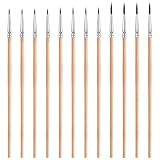
Hand pollination is a simple, satisfying way to help a plant set fruit when nature needs a hand — moving pollen yourself when bees are scarce, when you’re growing indoors, or when you want to improve set on a crop. It isn’t a cure-all, though, and it only helps when a lack of pollination is genuinely the problem. This is a general guide to the technique; the details vary by plant, so use it as the framework and check specifics for your crop.
When hand pollination helps
- Few or no pollinators — indoors, in greenhouses, on balconies, or during cold, wet, windy spells when bees aren’t flying.
- Indoor and greenhouse crops — tomatoes, peppers, chillies, cucumbers, melons and squash grown under cover often set better with help.
- Plants with separate male and female flowers — the cucumber/squash family especially, where you can transfer pollen between the two.
- Improving set and fruit quality on hand-pollinated crops such as some tree fruits and vanilla.
When it does NOT help
Hand pollination only fixes a pollination gap. It will not overcome:
- A plant that is too young/immature to fruit.
- A plant that needs a compatible second variety it doesn’t have (you can’t make incompatible pollen work).
- Disease on flowers or the plant.
- Flowers damaged by pests or weather.
- An unsuitable climate or conditions the plant can’t fruit in.
- Fruit-drop problems that happen after fruit has already set.
If you’re not sure a pollination gap is the cause, work through why plants flower but don’t produce fruit first — hand pollination is the fix for one branch of that diagnosis, not all of it.
A little flower biology
Pollination means moving pollen from the male part of a flower (the anthers, which carry pollen) to the receptive female part (the stigma). In some plants both parts sit in the same flower; in others, male and female flowers are separate. Knowing which arrangement your plant has tells you what to transfer, and where.
Identifying the flower parts
- Pollen-bearing (male) parts — the anthers, usually dusty with pollen when ripe; in plants with separate flowers, the male flower typically has a simple stalk behind it.
- Receptive (female) parts — the stigma at the centre; in plants with separate female flowers, look for a tiny immature fruit (a baby cucumber, squash or melon) behind the bloom.
Gently touch an anther to see if pollen comes off — that tells you it’s ripe and ready to transfer.
Timing
Timing is everything. Pollinate when flowers are freshly open and pollen is loose and ripe — often in the morning of a warm, dry day, when both pollen and the stigma are at their best. Many flowers are receptive for only a short window, and some (like squash) open for a single day, so check daily during bloom.
How to transfer pollen
- Small brush or cotton swab — dab it in the pollen (or on the anthers), then gently onto the stigma; move flower to flower to spread pollen around.
- Flower-to-flower — for plants with separate male and female flowers, pick a ripe male flower, remove the petals, and brush its anthers directly onto the female flower’s stigma.
- Gentle vibration — for tomatoes, peppers and other self-pollinating flowers, lightly tapping or vibrating the flower or stem shakes pollen onto the stigma within the same flower (this mimics the buzz of bees).
Male and female flowers
On monoecious plants like squash, cucumber and melon, the plant carries both male and female flowers — and early in the season it may open only males, so nothing sets until females appear. Once both are open on a warm morning, transfer pollen from a fresh male to the female (the one with the tiny fruit behind it), ideally using more than one male for good set.
Repeating for better set
One pass isn’t always enough. Pollinating over several days, using fresh pollen each time and treating several flowers, improves your odds and the quality of the fruit. For crops where you want a full set, make hand pollination a daily routine through the flowering period.
Indoor and greenhouse use
Under cover there are usually no pollinators at all, so hand pollination (or improving airflow/vibration for self-pollinating crops) is often essential for fruit. It’s the standard reason indoor tomatoes, peppers and cucumbers fail to set despite flowering well — and an easy fix once you make it a habit.
Plant-specific variation
Different crops need slightly different handling — separate-flower crops (squash, cucumber, melon), buzz-pollinated crops (tomato, pepper), and hand-pollinated specialities (vanilla, some tree fruits) each have their own quirks of timing and technique. Use the principles here, then check the specifics for your particular plant.
Common mistakes
- Expecting hand pollination to fix immaturity, incompatible varieties, disease, damage or climate — it won’t.
- Pollinating with stale, unripe or spent pollen.
- Working at the wrong time of day, when pollen or the stigma aren’t ready.
- Trying to pollinate female flowers before any males are open.
- Doing it once and stopping, instead of repeating through bloom.
Quick questions
How do I hand pollinate tomatoes? Tomatoes self-pollinate within each flower — gently vibrate or tap the open flowers or stems on a warm, dry morning to shake pollen onto the stigma.
How do I pollinate squash or cucumbers? Transfer pollen from a freshly open male flower (plain stalk) to a female flower (tiny fruit behind it) with a brush, or by brushing the male’s anthers directly on the female’s stigma.
Will hand pollination make any plant fruit? No — it only helps when missing pollination is the problem. It can’t fix immature plants, incompatible varieties, disease, damaged flowers or an unsuitable climate.
Related guides
- Why plants flower but don’t produce fruit · flower & bud drop
- Thrips (flower/pollen damage) · protecting plants from frost