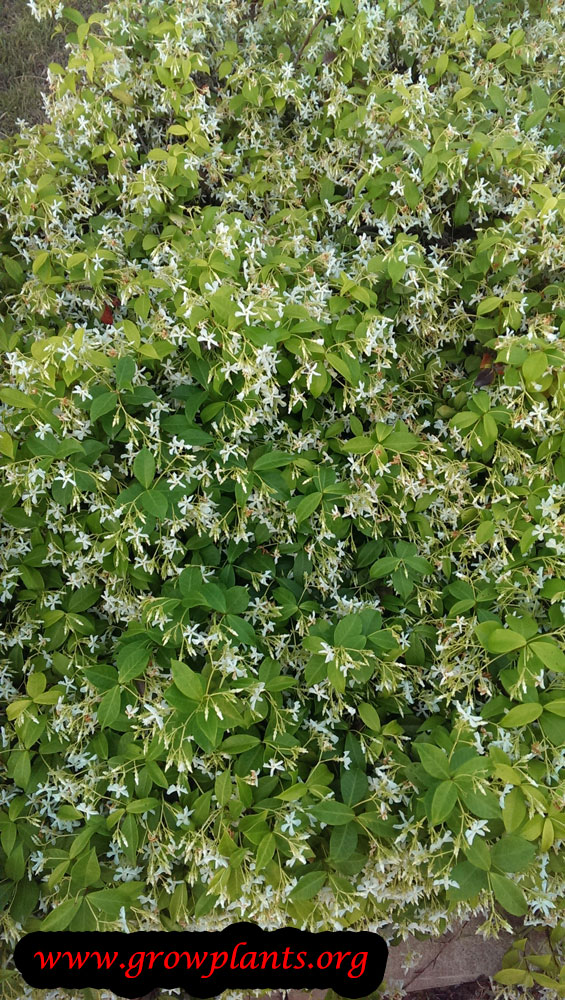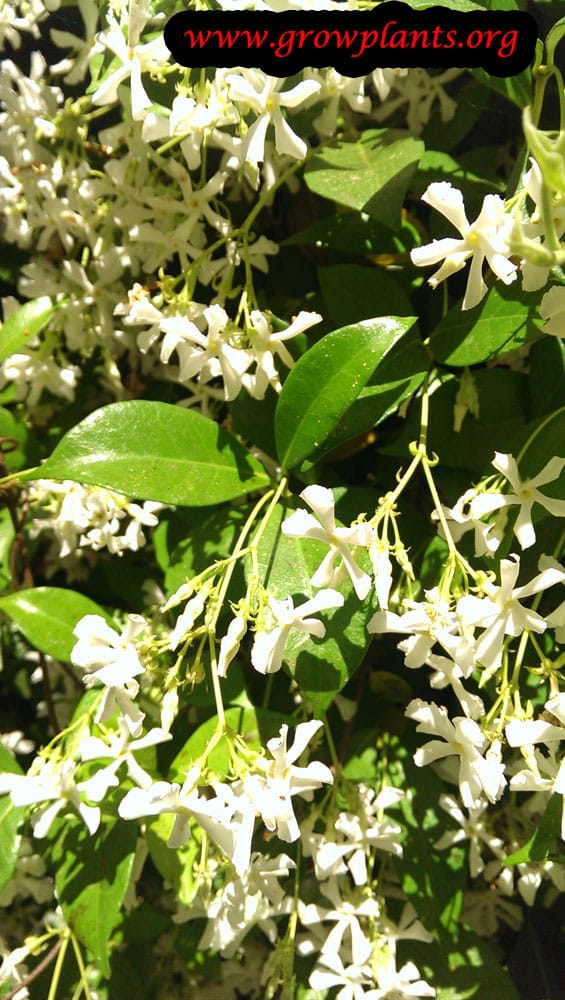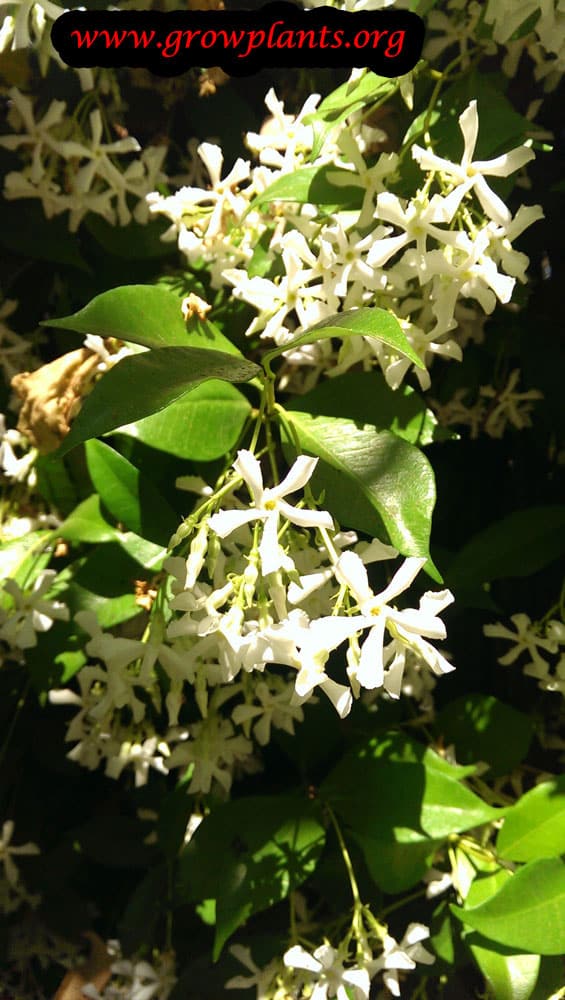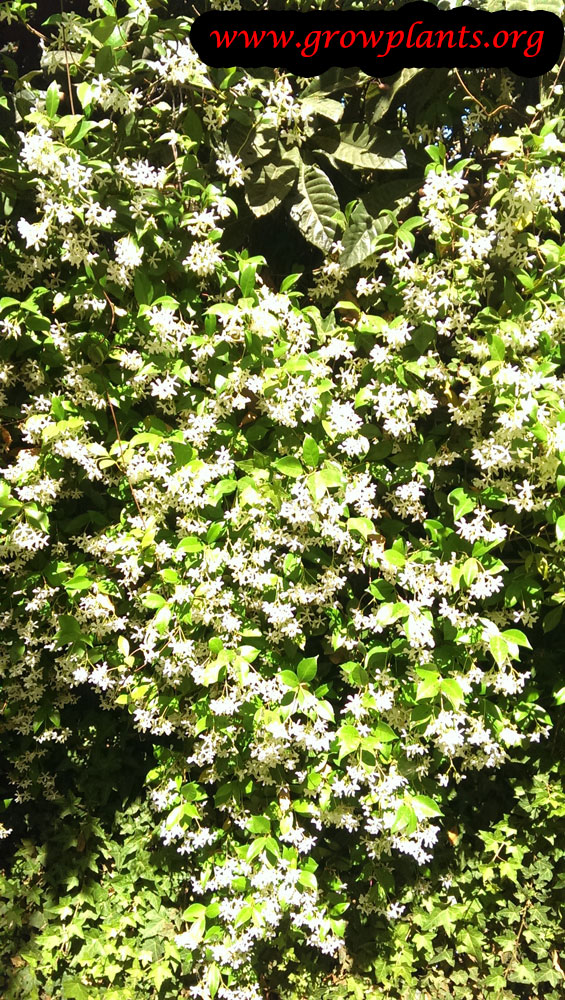


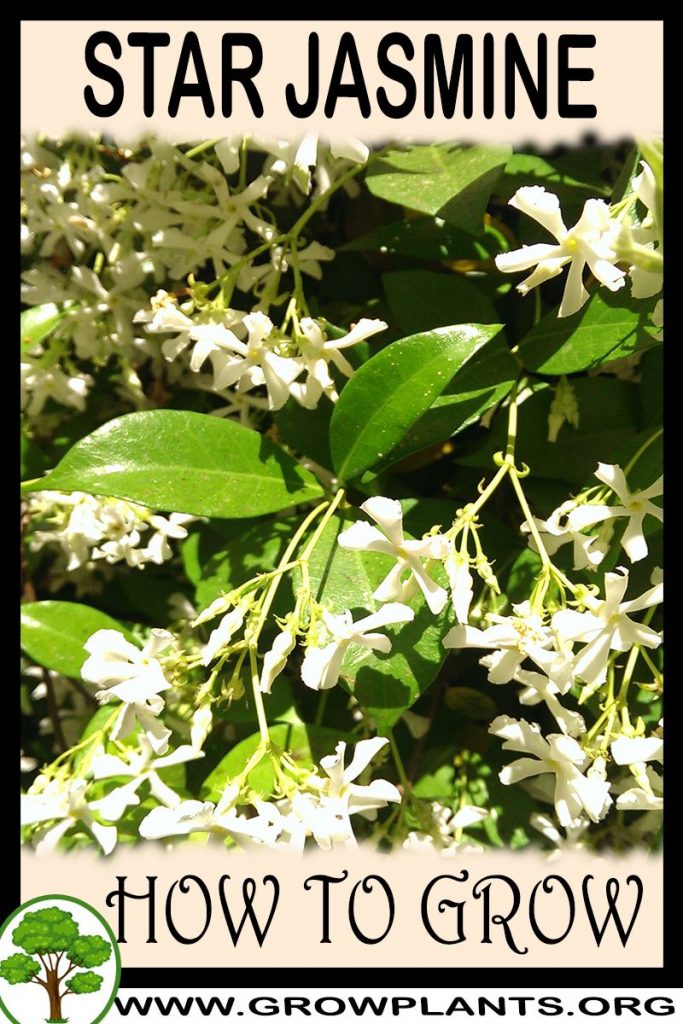
Plant Profile & Key Characteristics
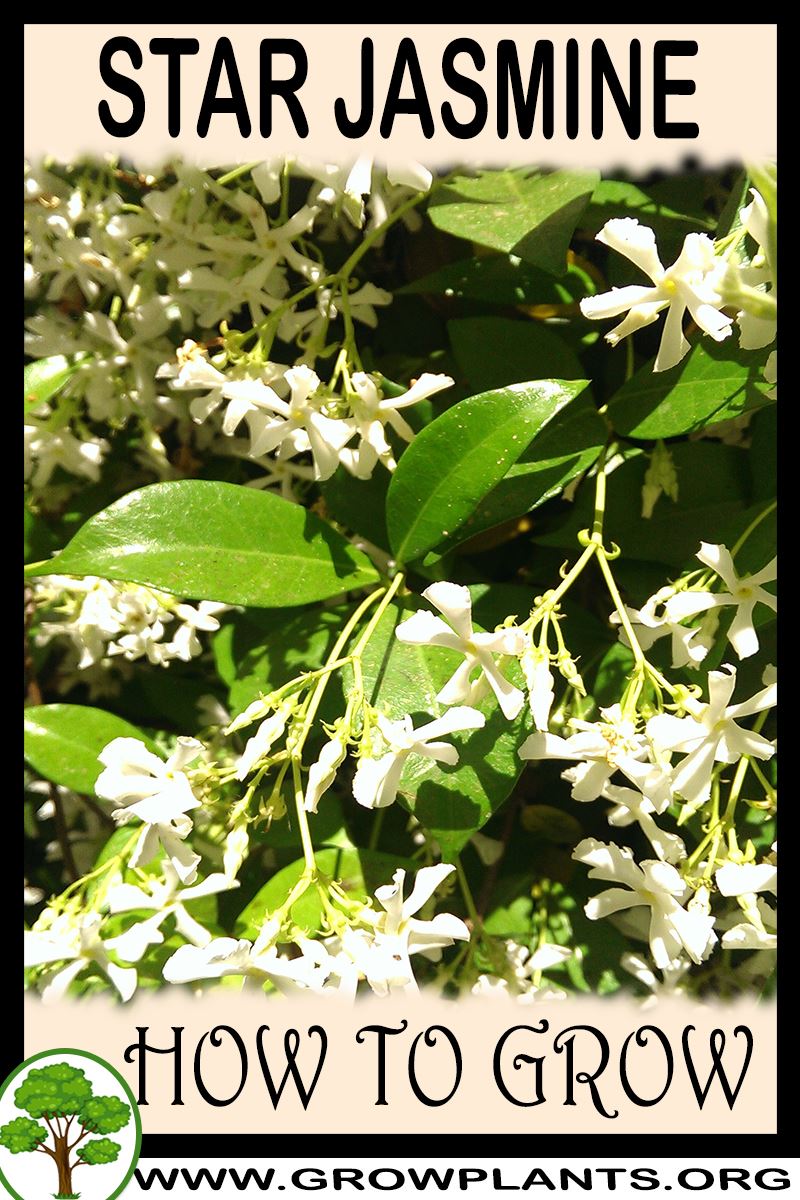
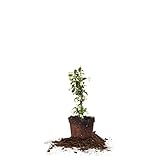
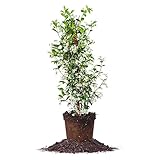
Overview: Star jasmine (Trachelospermum jasminoides, Confederate jasmine) is an evergreen twining vine or shrub reaching 0.4-3 m (3.3-10 ft), grown as a fragrant ornamental climber, hedge or groundcover. It is a hardy perennial famous for its intensely scented white flowers.
Quick Specifications
| Specification | Attribute |
|---|---|
| Plant Type / Life Cycle | Perennial (evergreen vine or shrub) |
| Foliage Type | Evergreen |
| Mature Size | 0.4-3 m climbing or shrubby (3.3-10 ft) |
| Growth Rate | Moderate to fast |
| Toxicity | Stems exude a milky sap that can irritate skin and eyes (dogbane family) |
| Hardiness | USDA zone 8 and warmer |
Growth Form & Structure
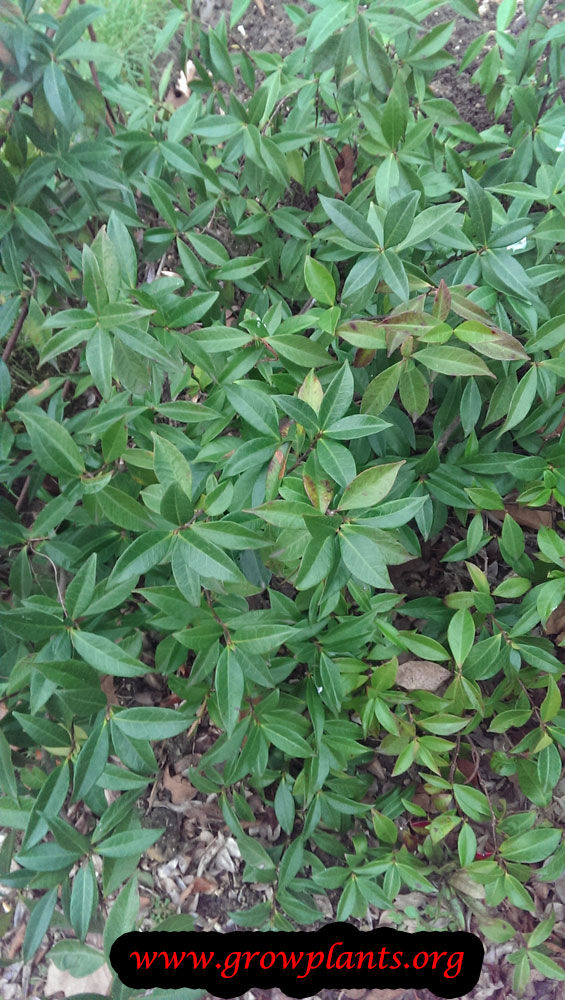
- Height & Spread: Climbs or mounds 0.4-3 m (3.3-10 ft); trained up supports, clipped as a shrub/hedge, or spread as groundcover; also container-grown but not an indoor plant
- Growth Habit & Form: Twining evergreen vine that can be kept as a shrub, hedge or groundcover
- Lifespan & Maturity: Long-lived perennial reaching full spread over a few seasons
Anatomy & Physical Features
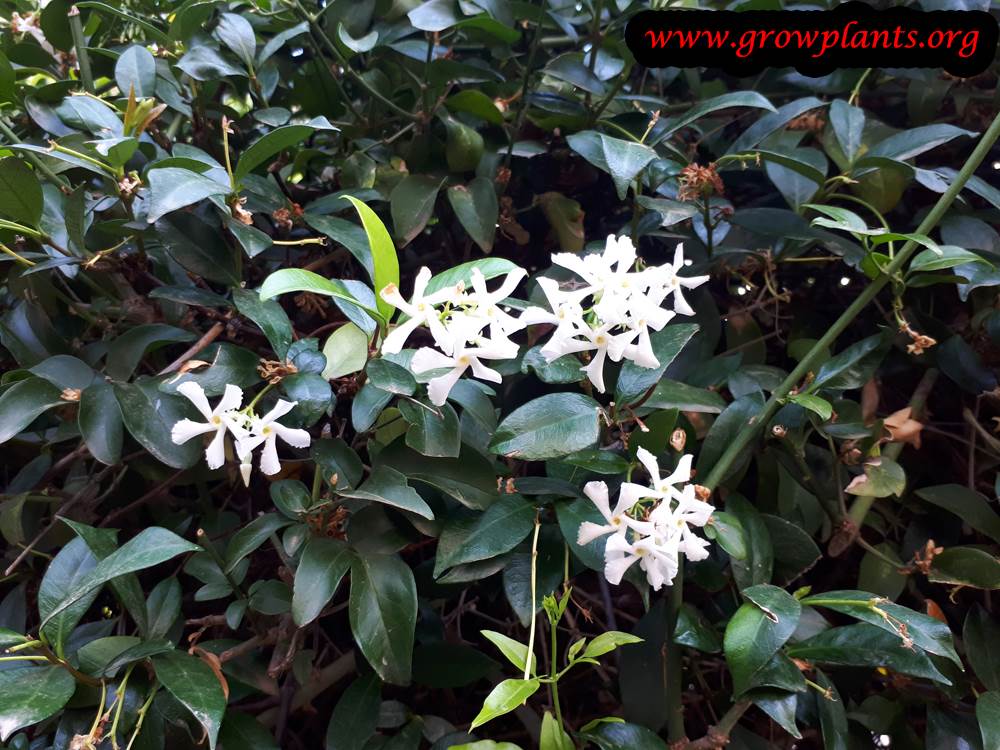
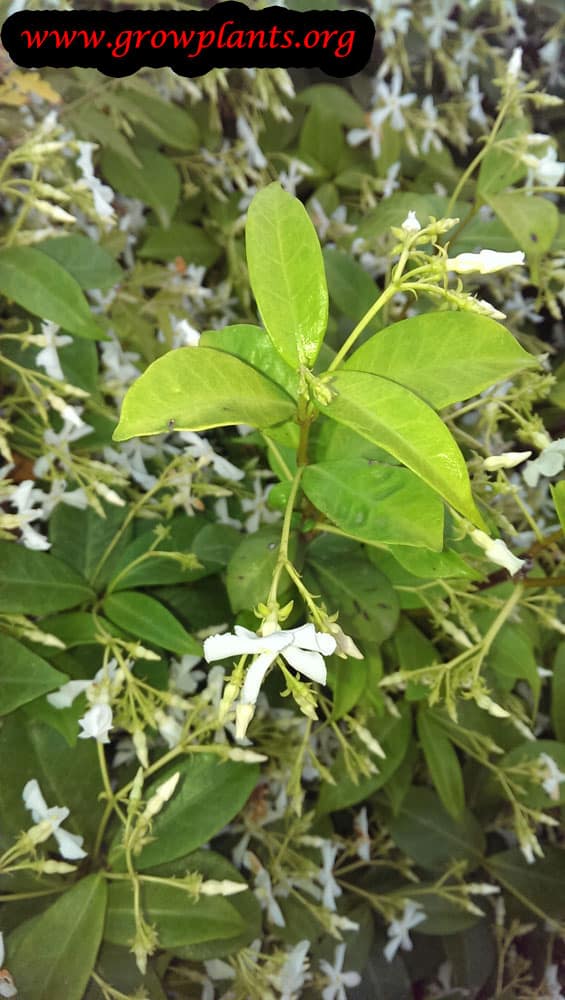
- Leaves & Foliage: Glossy green elliptic leaves
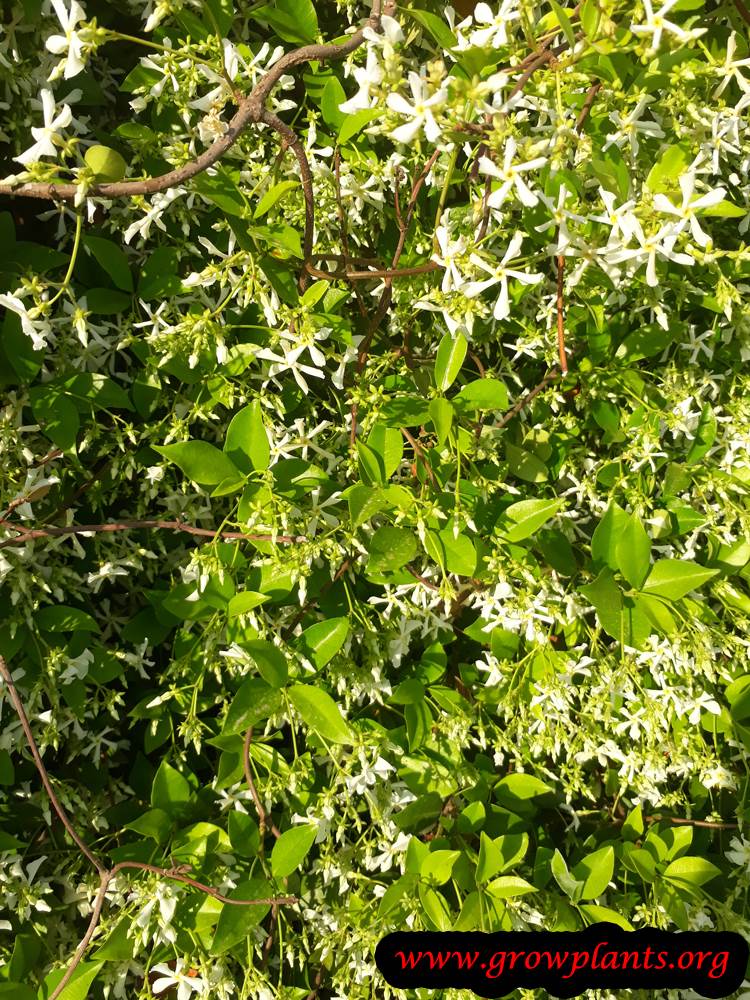
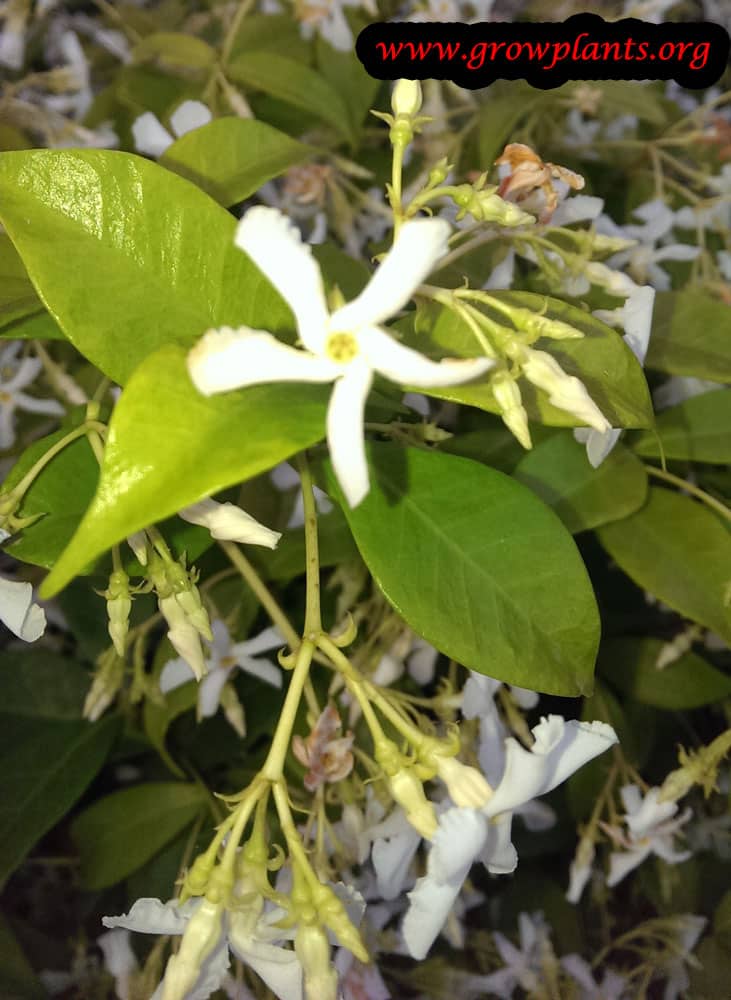
- Flower Characteristics: Intensely fragrant white five-petalled (pinwheel) flowers borne in clusters
Primary Uses & Landscape Value
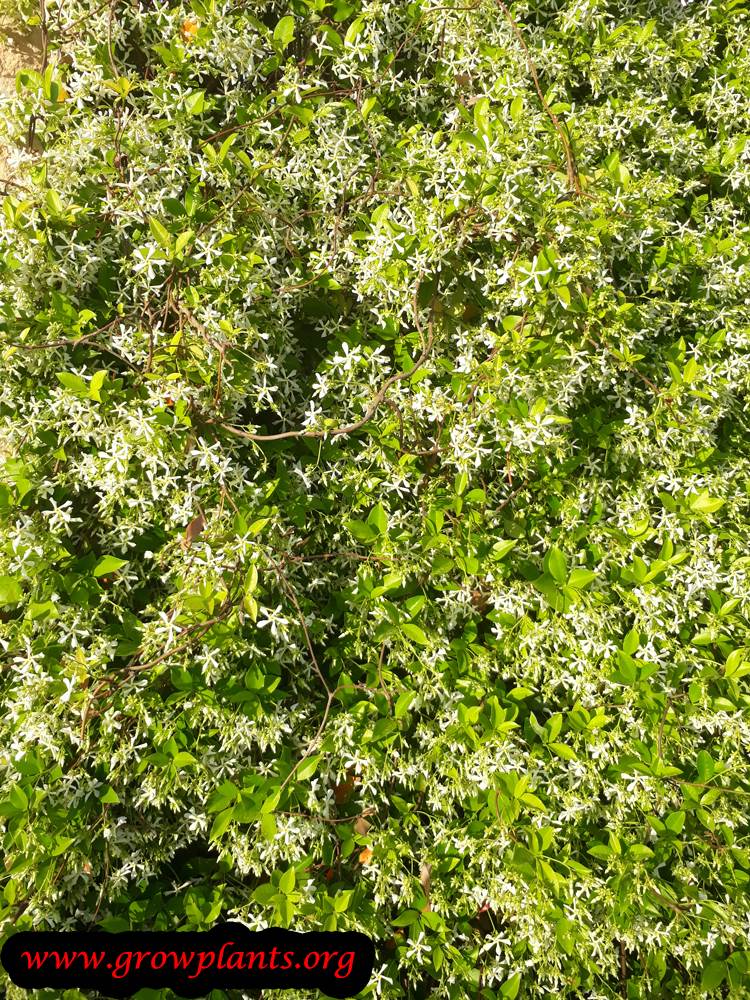
- Functional & Ornamental Roles: Fragrant climber for walls, trellises and pergolas, evergreen groundcover, clipped hedge and container plant; attracts pollinators
Care Guide: Planting, Soil & Watering
Overview: Star jasmine (Trachelospermum jasminoides) is a vigorous, evergreen twining vine grown for its intensely fragrant white flowers. Hardy to about zone 8, it thrives in full sun to part shade in fertile, well-drained soil with steady, moderate moisture, and needs a support to climb.
Quick Care Requirements
| Requirement | Ideal Condition |
|---|---|
| Planting Season | In spring, summer or autumn, avoiding frost |
| Growth Rate | Fast |
| Soil Type | Fertile, well-drained soil |
| Water Need | Moderate; keep evenly moist, letting the surface dry between waterings |
Planting & Establishment
- Best Planting Season: Plant in the milder parts of the year – spring, summer or autumn – avoiding hard frost.
- How to Plant:
- Hole Preparation: Dig a hole a little wider than the root ball and set a trellis or support in place at planting time for this climbing vine.
- Soil Amendments: Improve the soil with compost or organic matter for fertility and moisture retention.
- Planting Depth: Set the root ball level with the surrounding soil, firm and water in.
- Growth Speed & Expectations: A fast, vigorous grower reaching up to about 3 m that quickly covers a support; train and tie in young stems as it climbs.
Soil, Watering & Drainage Care
- Soil Mix & Drainage Needs: Prefers fertile, free-draining soil; in pots use a quality, free-draining potting mix. Mulch to conserve moisture but avoid waterlogged ground.
- Watering Schedule & Technique:
- Young / Newly Planted: Water regularly to establish a strong root system.
- Established: Water moderately and evenly, letting the surface dry slightly between waterings; established plants tolerate short dry spells.
- Seasonal Adjustments: More in summer heat, less over winter.
Climate, Light & Hardiness
Star jasmine grows in Mediterranean, subtropical, and tropical climates and is reliably hardy from about zone 8 upward. It prefers full sun to half shade and, as a mature evergreen vine, has moderate tolerance of winter cold.
Quick Climate Specifications
| Climate Zones | Mediterranean, subtropics, tropics |
|---|---|
| USDA Hardiness Zones | 8+ |
| Frost Tolerance | Moderate |
| Light Conditions | Full Sun to Half Shade |
Sunlight & Light Exposure
Grows well from full sun to half shade; full sun brings the heaviest, most fragrant bloom, while half shade is well tolerated on walls, fences, or as a groundcover.
Temperature Extremes & Hardiness
USDA Hardiness & Regional Limits
Hardy outdoors from about zone 8 upward, tolerating light winter freezes once established; colder climates require container culture or winter protection.
Cold Damage & Winter Protection
Hard freezes can damage foliage and stems; siting against a warm wall or providing winter mulch helps at the colder edge of its range.
Frost Sensitivity
Established plants tolerate brief light frost, but prolonged or hard freezes damage foliage and stems.
Wind, Humidity & Microclimate
Wind Tolerance
Its use as a hedge and ground–cover plant indicates reasonably good wind tolerance once established.
Growing in Pots, Balconies & Indoors
Star jasmine is not a houseplant – the grower marks it unsuitable indoors – and this fragrant evergreen climber (0.4-3 m / 3-10 ft) needs full sun to part shade to flower well. It is a superb container plant for a sunny patio or balcony, trained up a trellis or trailing, but it is not a windowsill plant.
Quick Details
- Container Size: A pot of about 20-30 L (5-8 gal) with a trellis
- Indoor Suitability: Not an indoor plant; grow it outdoors in sun
- Best Spot: Full sun to part shade – more sun means more of its scented flowers
- Soil & Drainage: Free-draining, organic-rich mix
- Watering in Pots: Keep evenly moist in growth; it tolerates short dry spells once established
Indoors & On the Windowsill
- Not a houseplant: It needs strong outdoor light to flower and its fragrance is wasted in a dim room.
- Windowsill: Not practical – it wants sun and room to climb.
- Overwintering: Fairly hardy in mild areas; in colder climates move a potted plant to a sheltered spot for the coldest weather.
On a Balcony or Patio
- Light & wind: Give it a sunny wall or railing and a support to twine up; it perfumes a whole balcony when in flower and takes wind well.
- Practicalities: Neat and slow enough for long-term pot culture; clip after flowering to keep it tidy.
Choosing the Pot, Soil & Long-Term Care
- Pot & drainage: A 20-30 L pot with strong drainage holes; skip a standing-water saucer to avoid root rot. Terracotta breathes and dries faster; glazed or plastic holds moisture longer.
- Potting mix: A light, aerated, organic-rich mix – potting compost or peat/coir with added perlite or vermiculite for drainage.
- Feeding: Nutrients wash out of pots faster than open ground, so feed potted star jasmine more often – a balanced liquid feed through the active growing season.
- Repotting: Refresh the top layer of mix each year and renew it or pot up every couple of years; lightly trim the roots and top growth when you do.
Fertilizing & Feeding
A fragrant flowering vine or shrub grown as a hedge or ground cover: moderate feeding through spring growth and bloom supports coverage and flowering, with feeding held back during its cooler rest period.
Quick Fertilizing Specs
| Feeding Level | Moderate feeder |
|---|---|
| Main Nutrient Priority | Balanced feeding with adequate nitrogen to establish coverage and support fragrant bloom |
| Best Feeding Period | Spring growth through the spring-to-summer bloom period |
| Organic Options | Compost or organic mulch worked into the root zone |
| Reduce/Stop Feeding | Hold off fertilizing during cooler, slow-growth periods |
| Micronutrients | Usually met by a complete fertilizer; correct only diagnosed deficiencies |
| Soil pH | Tolerates a wide range but does best in near-neutral, well-drained soil |
Feeding by Growth Stage
Spring growth and coverage
Push new growth so the plant fills in as a hedge, ground cover, or trained climber.
| Nutrient direction | A balanced complete fertilizer with adequate nitrogen supports dense new growth. |
|---|---|
| Timing | As new growth resumes in spring. |
| Frequency | A light feeding at the start of active growth is usually enough. |
| Fertilizer types | A balanced complete fertilizer, Compost or organic mulch as a top-dressing |
| Precautions | Keep feeding moderate; this is a vigorous grower and excess nitrogen pushes growth beyond where it is wanted. |
Fragrant star-shaped bloom
Support the clustered, star-shaped fragrant flowers that attract pollinators.
| Nutrient direction | Continued balanced feeding supports flowering; a high-phosphorus product is not needed to drive bloom. |
|---|---|
| Timing | Through the spring-to-summer flowering period. |
| Frequency | Minimal feeding is usually enough if spring feeding was already applied. |
| Fertilizer types | A balanced complete fertilizer if growth or flowering looks weak |
| Precautions | Ease off nitrogen-heavy feeding during bloom, which can favor leafy growth over flowers. |
Cool-season rest
Let the evergreen plant coast through cooler weather without pushing tender new growth.
| Nutrient direction | None – withhold fertilizer while growth is slow. |
|---|---|
| Timing | Through autumn and winter or other cool, slow-growth periods. |
| Frequency | No feeding at this stage. |
| Fertilizer types | No feeding at this stage; do not fertilize until spring growth resumes. |
| Precautions | Do not fertilize now; late feeding can trigger tender growth that is vulnerable to cold snaps. |
Nutrient Deficiency Signs & Corrections
Older leaves fade to pale green or yellow and coverage growth slows.
| Possible causes | low available soil nitrogen, nitrogen leaching from heavy rain or watering, competition from surrounding turf or weeds |
|---|---|
| Appears first on | older, lower leaves |
| What to check | recent feeding history, soil organic matter and drainage, competing vegetation nearby |
| Possible correction | Apply a balanced fertilizer with nitrogen and work in organic matter, watering evenly afterward. |
New leaves show yellowing between the veins while veins stay green.
| Possible causes | alkaline or high-pH soil limiting iron availability, poor drainage or compacted soil, irrigation water high in carbonates |
|---|---|
| Appears first on | newest growth |
| What to check | soil pH, drainage, irrigation water quality |
| Possible correction | Correct soil pH where practical and apply a chelated iron product per its label. |
Vigorous foliage growth but few or no fragrant flowers.
| Possible causes | excess nitrogen favoring leafy growth over flowering, insufficient light for a plant that flowers best in fuller sun, immature growth that has not yet reached flowering maturity |
|---|---|
| Appears first on | whole-plant flowering pattern |
| What to check | recent fertilizer nitrogen level, sun exposure, plant age and maturity |
| Possible correction | Ease off nitrogen, confirm adequate sun exposure, and allow more time for a young plant to mature before expecting heavy bloom. |
Pruning, Training & Seasonal Maintenance
Star jasmine is a vigorous, twining evergreen most often trained as a climbing vine on a trellis, fence or wall, though it can also be kept low as a shrubby groundcover with regular shearing. It flowers on the current season’s new growth, so the safest and most effective pruning window is late winter into early spring, before that growth begins – a cut then shapes and restrains the vine without sacrificing the fragrant summer bloom. The main objective is controlling its vigorous spread, training it onto its support, and periodically renewing growth that has become woody and bare at the base.
Quick Pruning & Maintenance Specs
| Pruning Tolerance | High – tolerates hard shaping and cutback |
| Primary Pruning Window | Late winter – early spring (before new growth) |
| Secondary Maintenance Window | Light tying-in and tip control during the growing season |
| Typical Frequency | One main shaping pass a year, plus ongoing training ties |
| Main Objective | Train onto support; contain vigorous spread; renew bare growth |
| Young Plant Priority | Establish leaders onto trellis/wires; encourage branching |
| Mature Plant Priority | Restrain size, thin congested growth, renew woody base sections |
| Best Tool Type | Bypass secateurs/loppers for climbing form; hedge shears if kept sheared as groundcover |
| Avoid Heavy Pruning During | Spring–summer bloom period |
Pruning by Plant Age & Size
Newly Established
Minimal cutting; tie young twining stems onto their support and remove only damaged growth while the plant establishes.
Young / Formative
Train as a twining climber on a trellis or wires, selecting and tying in leading stems to build coverage; pinch tips lightly to encourage branching and denser flowering low down rather than a few bare runners reaching the top first.
Mature / Established
Restrain and thin congested twining growth so the support doesn’t become a solid, heavy mat; cut back sections that have gone woody and bare at the base to force fresh, leafier regrowth; if kept as a sheared groundcover instead, trim to an even height and contain spreading edges.
Seasonal Pruning Schedule
Pre-Growth/Early-Spring
Objective: shape, restrain and renew before the growth surge. Remove winter-damaged growth, thin overly congested twining stems, and cut back bare woody sections. Do not remove all of a young plant’s coverage before it has filled its support. Expected response: a dense flush of new growth that will carry the summer bloom. Flowering impact: minimal, since flowers form on growth produced after this cut.
Ongoing Sanitary
Trim stems affected by scale insect (a documented pest) and remove any growth escaping its intended support or bed through the growing season.
Flowering & Fruiting Wood
Fragrant flowers form on the current season’s new growth, so a late-winter/early-spring cutback does not remove the coming bloom; once new growth is underway and budding through spring and summer, avoid heavy pruning until after that flush finishes.
Structural Pruning & Training
As a twining climber, structure comes from training stems onto a trellis, wires or wall support rather than from a self-supporting branch framework; thin overlapping stems periodically to prevent a dense, heavy mat that can strain lightweight supports, and control height and spread firmly given its vigorous growth.
Special Growth to Remove
Not typically grafted, so no rootstock suckers; remove runners that have rooted outside the intended bed or support (common given its vigorous, ground-covering tendency), and any dead growth following winter cold at the cooler end of its hardiness range.
Container & Small-Space Pruning
On a small trellis or obelisk in a pot, prune more frequently and lightly to keep it in scale rather than a single hard annual cut, since a confined root system recovers more slowly from severe reduction than an in-ground planting.
Tools
Bypass secateurs for most twining-stem cuts, loppers for thicker old woody growth at the base of an established climber; hedge shears only if the plant is being maintained as a sheared groundcover rather than trained as a climber.
Tool Hygiene & Disease Risk
Routine – clean, sharp tools; no significant tool-transmissible disease documented for this species, though the sap can be irritating (noted as poisonous in its care profile), so wear gloves and avoid contact with eyes when pruning.
Cut Placement & Technique
Use thinning cuts back to a healthy node when removing whole stems rather than shearing a trained climber; where kept as sheared groundcover, an even shear height is appropriate instead.
Heavy Pruning & Rejuvenation
Tolerates hard rejuvenation well given its vigorous growth rate; an overgrown or bare-based climber can be cut back hard in late winter and will typically regenerate full coverage within one to two growing seasons.
Post-Pruning Care
Water normally through the regrowth period; avoid heavy feeding right after a hard cutback, since the plant’s own vigor drives recovery; watch fresh growth for scale insects.
Common Pruning Mistakes
Letting a trained climber build up into a dense, heavy mat that strains or collapses lightweight trellising; shearing a climbing specimen like a hedge instead of training and thinning it, which reduces flowering; cutting hard once flower buds have already formed in spring.
When NOT to Prune
Avoid hard cutback once the plant is budding or in bloom through spring and summer; avoid pruning a newly planted or transplanted specimen until it has rooted in; handle the poisonous sap with gloves regardless of season.
Recommended Tools (by task)
- Training young stems onto a trellis/wires: soft_ties_stakes – secures growth to its support while the framework establishes.
- Restraint and renewal pruning of an established climber: bypass_secateurs – clean cuts on twining stems and spent growth.
- Thicker old woody base growth: loppers – for renewal cuts too large for secateurs.
Propagation Guide
Star jasmine roots readily from semi-hardwood stem cuttings taken in summer, and its trailing stems will often self-layer where they touch moist soil. Seed is a workable alternative for the species – the site’s own data confirms vegetative propagation is not strictly required – but cuttings are faster and more predictable for home growers. Overall this is an easy plant to propagate.
Quick Propagation Specs
| Best Propagation Method | Semi-hardwood stem cuttings |
| Alternative Methods | Ground layering; Seed |
| Propagation Difficulty | Easy |
| Seed True-to-Type | Yes (species) |
| Vegetative True-to-Type | Yes |
| Best Propagation Season | Summer (cuttings); Spring (seed) |
| Cutting Rooting Time | A few weeks under warm, humid conditions |
| Germination Temperature | Around 18–24°C (64–75°F) |
Growing from Seed
Sowing Season
Spring, once temperatures are reliably warm.
Germination Conditions
Keep the medium warm and consistently moist; germination is typically slower than raising the plant from cuttings.
Stem Cuttings
Cutting Type
Semi-hardwood cuttings from the current season’s growth.
Best Timing
Summer.
Cutting Preparation
Take cuttings a few nodes long and remove the lower leaves; wear gloves when handling cut stems, since the site notes the plant’s sap is poisonous.
Rooting Setup
Insert into a free-draining mix and keep humid until roots form.
Rooting Hormone
Optional – beneficial for more even rooting but not essential.
Rooting Time
A few weeks under warm, humid conditions.
Air & Ground Layering
As a trailing vine/ground cover, low stems that stay in contact with moist soil will often root on their own; pinning a stem down and keeping that section moist speeds this along. Once rooted, sever the new plant from the parent and pot it up separately.
Bloom & Flower Guide
Quick Details
- Bloom Season: Spring and summer
- Flower Appearance: Fragrant white pinwheel flowers with five petals, borne in clusters
- Edibility: None — this is confederate or star jasmine, not true jasmine; it carries a toxic milky sap and the flowers are not edible
Detailed Blooming Overview
Star jasmine fills late spring and summer with sweetly scented white pinwheels and is one of the most popular fragrant climbers for walls and fences. Despite the name it is not a true jasmine but a member of the dogbane family, with a milky sap that is toxic if eaten.
Flower Characteristics
- Five-petalled, pinwheel-shaped white flowers, fragrant, borne in clusters.
Bloom Care & Thinning
- Encouraging bloom: Full sun to part shade suits it; it flowers on established growth in the warm months.
- Safety: The sap is an irritant and the plant is toxic if eaten — do not confuse it with edible true jasmine.
Bloom Health & Protection
- Scale insects: Scale and the sooty mould that follows can spoil the display; horticultural oil helps.
Pests, Diseases & Troubleshooting
Overview: Star (confederate) jasmine is a tough, evergreen twining vine that is remarkably pest- and disease-resistant, its milky sap deterring many pests; the problems it does get are chiefly scale insects and their sooty mould, plus iron chlorosis on alkaline soil and root rot in wet ground. Grown in well-drained, slightly acidic soil with good airflow, it is largely self-sufficient.
Quick Troubleshooting Overview
| Issue / Pest | Main Symptom | Primary Solution |
|---|---|---|
| Scale insects | Brown/waxy bumps on stems, honeydew, sooty mould | Prune heavy growth; horticultural oil; encourage parasitoids |
| Mealybugs | White cottony tufts in leaf axils, sticky residue | Alcohol swab; horticultural oil; isolate |
| Sooty mould | Black film on leaves from pest honeydew | Control scale/mealybugs; wash foliage |
| Spider mites | Stippled bronzed leaves, webbing in heat | Rinse; raise humidity; insecticidal soap/oil |
| Iron chlorosis | Yellow leaves with green veins on new growth | Acidify soil; chelated iron; correct pH |
| Root rot | Yellowing, wilting, collapse in wet soil | Improve drainage; ease off watering |
Common Pests & Management
- Scale Insects (Coccidae / Diaspididae):
- Symptoms: The vine’s principal pest: small immobile brown, tan or waxy bumps along stems and leaf veins, with sticky honeydew, sooty mould and, when heavy, yellowing and dieback.
- Prevention & Control: Prune out heavily infested stems and scrape off light populations. Encourage parasitic wasps and predatory beetles. Smother with horticultural oil, thoroughly coating stems and leaf undersides, and repeat as crawlers emerge.
- Mealybugs (Pseudococcidae):
- Symptoms: White cottony masses tucked into leaf axils and stem joints, with sticky honeydew and weakened growth, mainly on sheltered or container plants.
- Prevention & Control: Dab with alcohol-dipped cotton buds, isolate affected plants, and improve airflow. Follow with horticultural oil or insecticidal soap, and encourage natural predators.
- Whiteflies (Trialeurodes / Bemisia spp.):
- Symptoms: Tiny white flies rising when foliage is disturbed, with yellowing, sticky leaves and sooty mould.
- Prevention & Control: Use yellow sticky traps, encourage parasitic wasps, and spray insecticidal soap or horticultural oil to leaf undersides, repeating for successive hatchings.
- Spider Mites (Tetranychus urticae):
- Symptoms: Fine stippling, bronzing and a dull cast with faint webbing, worst in hot, dry conditions or on stressed plants.
- Prevention & Control: Raise humidity, rinse foliage, and encourage predatory mites. Treat with insecticidal soap or horticultural oil, covering leaf undersides.
- Aphids (Aphidoidea):
- Symptoms: Occasional clusters of soft insects on tender new growth, with honeydew and slight distortion; usually minor on this vine.
- Prevention & Control: Blast off with water and encourage beneficials; treat only persistent colonies with insecticidal soap or light neem oil in the evening.
Diseases & Fungal Issues
- Sooty Mould (Capnodium / Cladosporium spp.):
- Symptoms: A black sooty film on leaves and stems that grows on the honeydew of scale, mealybugs and whitefly rather than infecting the plant itself, blocking light and disfiguring foliage.
- Treatment & Management: Control the underlying sap-suckers to cut off the honeydew; the mould then weathers away. Wash affected foliage where reachable.
- Root Rot (Phytophthora / Pythium spp.):
- Symptoms: Yellowing, wilting and dieback with dark, rotten roots in heavy, waterlogged soil – uncommon but serious where drainage is poor.
- Treatment & Management: Plant in well-drained soil, water when the surface dries, and avoid waterlogging. Remove badly affected plants and improve drainage before replanting.
- Fungal Leaf Spot (various fungi):
- Symptoms: Brown or black spots and blotches on leaves in warm, humid weather or where foliage stays wet; usually minor.
- Treatment & Management: Avoid overhead watering, improve airflow by thinning the vine, and clear fallen leaves. Remove spotted foliage; copper fungicide helps only where it recurs.
Growing Difficulties & Abiotic Problems
- Iron Chlorosis:
- Cause & Symptoms: On alkaline soil the newest leaves yellow while the veins stay green, as high pH locks up iron; severe cases scorch and thin the canopy.
- Correction Strategy: Acidify the soil with elemental sulfur or an ericaceous regime, apply chelated iron, and mulch with acidic organic matter; correcting pH is the lasting fix.
- Root Rot from Overwatering:
- Cause & Symptoms: In wet, poorly drained soil the roots suffocate and rot, showing as yellowing and wilting despite moist soil.
- Correction Strategy: Grow in free-draining soil, water deeply but let it dry between waterings, and avoid waterlogged sites and containers.
- Frost & Cold Damage:
- Cause & Symptoms: Hard frost browns and kills soft new growth and can scorch foliage on this half-hardy vine.
- Correction Strategy: Site in a sheltered, sunny spot, protect young plants from hard frost, and prune out cold-damaged growth once warmth returns.
- Sunburn / Poor Bloom:
- Cause & Symptoms: Harsh reflected heat can scorch foliage, while deep shade reduces flowering.
- Correction Strategy: Give full sun to part shade with steady moisture; the best flowering comes in a warm, sunny position with good root moisture.
What Helps – Products & Tools
This vine needs little intervention. Horticultural oil and insecticidal soap manage its scale, mealybugs, whitefly and mites, with dilute alcohol for spot-treating and yellow sticky traps for monitoring. For the iron chlorosis it can show on limey soil, keep chelated iron, elemental sulfur and an acid-plant fertiliser on hand, plus a copper fungicide in reserve for occasional leaf spot.
Varieties & Cultivars
- Asiatic jasmine — Learn more about Asiatic jasmine · Shop Asiatic jasmine on Amazon