Plant Profile & Key Characteristics
Overview: A fast-growing deciduous to semi-evergreen shrub reaching about 0.5-1.8 m, prized for its intensely lemon-scented foliage. Grown as a culinary herb and fragrant ornamental for warm-temperate and Mediterranean gardens.
Quick Specifications
| Specification | Attribute |
|---|---|
| Plant Type / Life Cycle | Perennial (woody shrub) |
| Foliage Type | Semi-evergreen to deciduous (drops leaves in cold winters) |
| Mature Size | 0.5-1.8 m (20-72 in) tall |
| Growth Rate | Moderate to fast |
| Toxicity | Non-toxic / edible (culinary herb) |
| Hardiness | USDA zone 9 and warmer |
Growth Form & Structure
- Height & Spread: In the ground an open shrub 0.5-1.8 m tall and roughly as wide; also grows well in large containers.
- Growth Habit & Form: Open, airy woody shrub with slender, upright branches.
- Lifespan & Maturity: Perennial; reaches full size within a few seasons and is often pruned back each year.
Anatomy & Physical Features
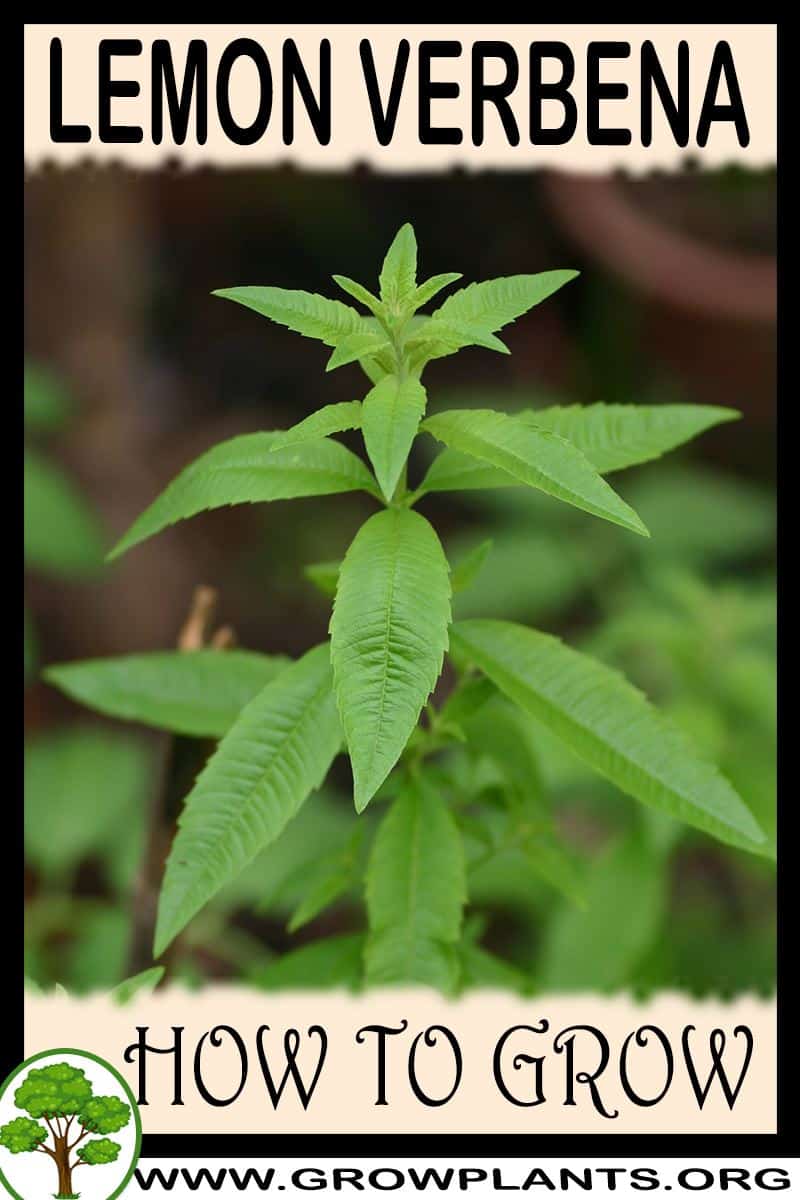
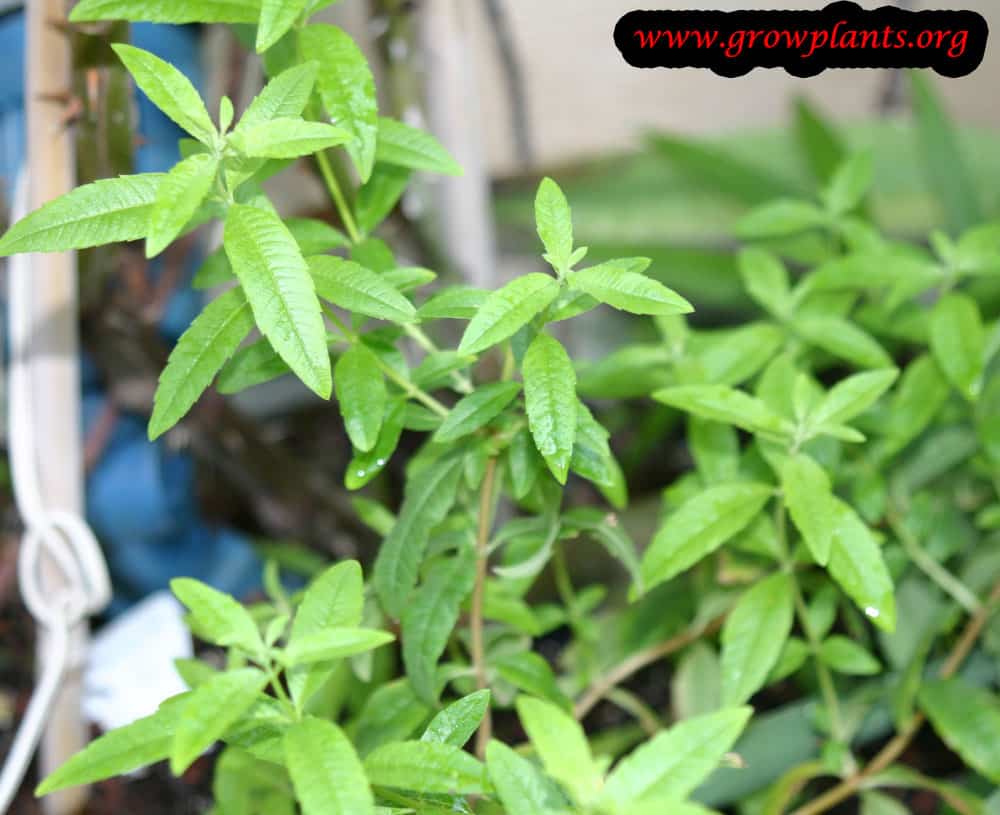
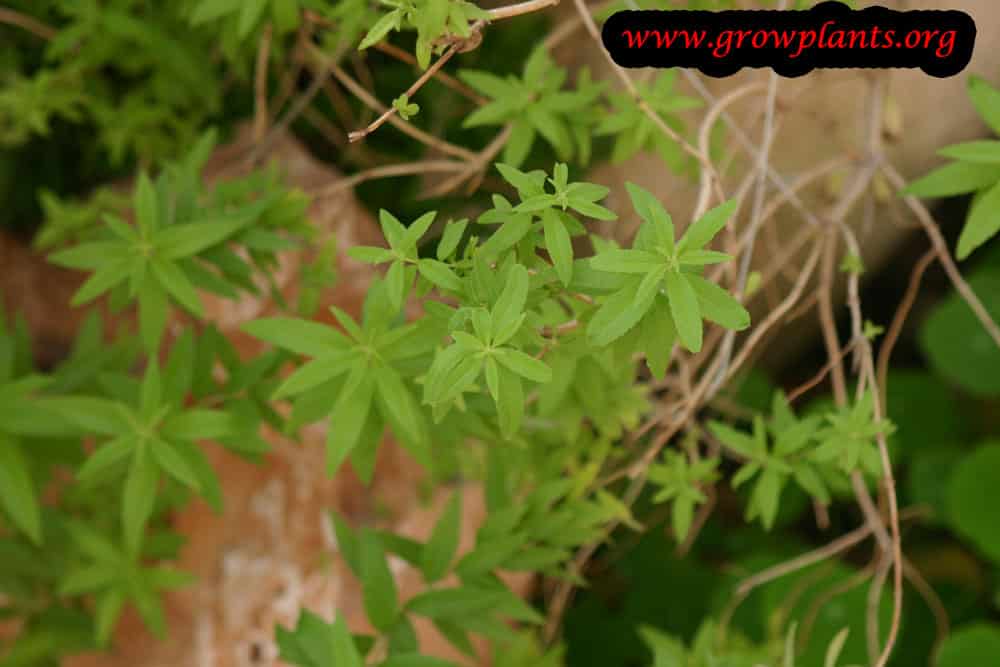
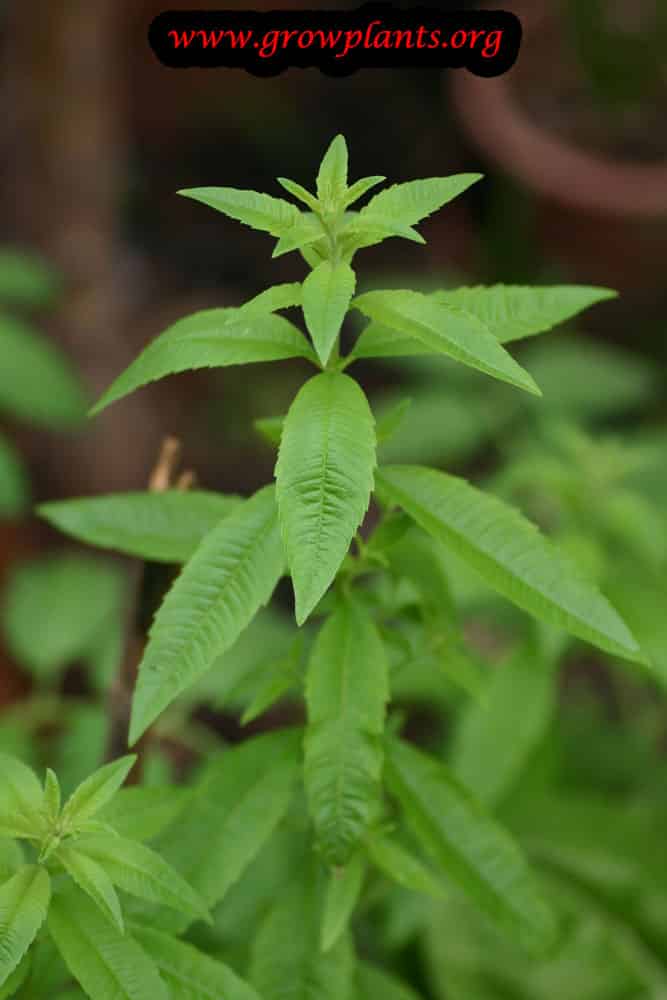
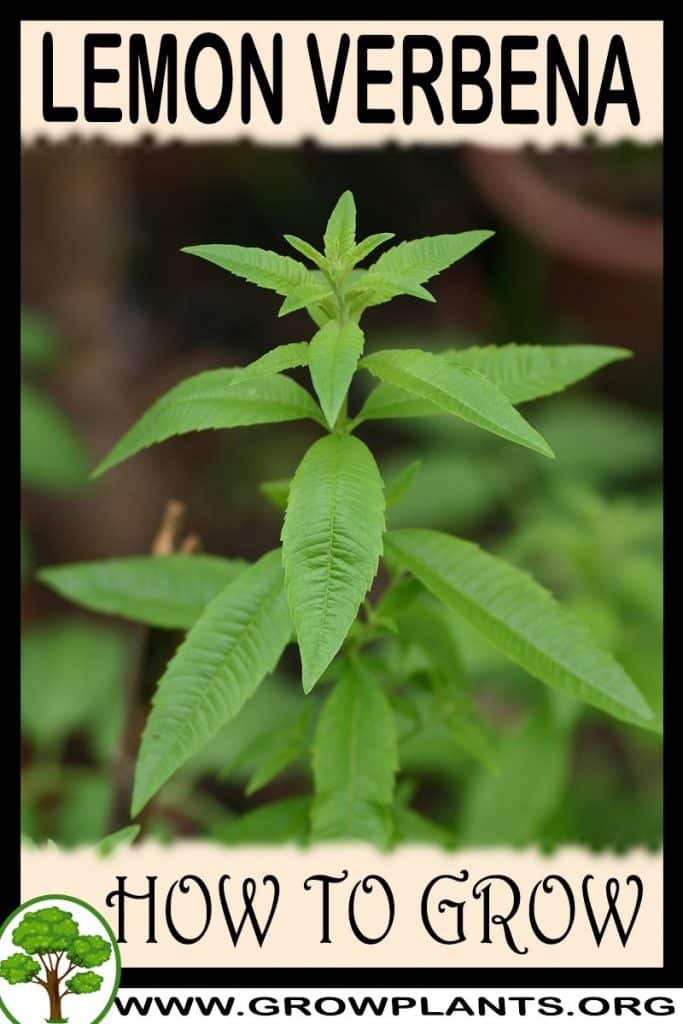
- Leaves & Foliage: Narrow, arrow- to lance-shaped leaves, light to dark green (depending on sun), rough-textured and strongly lemon-scented when brushed.
- Flower Characteristics: Sprays of tiny (about 0.5 mm) pale purple to white flowers in clusters (late spring to early summer); bee-pollinated.
Primary Uses & Landscape Value
- Edible Uses: Aromatic leaves used fresh or dried for herbal tea and other beverages, for flavouring, and to make an essential oil and paste.
- Functional & Ornamental Roles: Fragrant culinary herb and ornamental shrub for herb gardens, borders and containers.
Care Guide: Planting, Soil & Watering
Overview: Lemon verbena is a fragrant, semi-deciduous shrub that grows best in full sun and light, well-draining soil. It is frost-tender and prefers moderate, even moisture without ever sitting in waterlogged ground.
Quick Care Requirements
| Requirement | Ideal Condition |
|---|---|
| Planting Season | Through the warm season, from spring to autumn, after the last frost |
| Growth Rate | Moderate to Fast |
| Soil Type | Light, well-draining and moderately fertile |
| Water Need | Moderate — keep evenly moist but let the top of the soil dry slightly between waterings |
Planting & Establishment
- Best Planting Season: Plant in the warm season, from spring through autumn after the last frost, giving young plants a full growing season to establish before cold weather, as they are quite tender when young.
- How to Plant:
- Hole Preparation: Dig a hole a little wider than the root ball in a sunny, sheltered spot and loosen the surrounding soil.
- Soil Amendments: Work in some compost and, if the soil is heavy, coarse sand or grit to sharpen drainage — lemon verbena dislikes wet feet.
- Planting Depth: Set the plant at the same depth it grew in its pot, with the root collar at soil level.
- Growth Speed & Expectations: A moderate-to-fast grower that can reach up to about 1.8 m in a warm, sunny position, so give it room to spread.
Soil, Watering & Drainage Care
- Soil Mix & Drainage Needs: Provide light, free-draining soil; the plant will not tolerate soggy ground. In pots use a good, well-draining potting mix and make sure the container drains freely.
- Watering Schedule & Technique:
- Young / Newly Planted: Water regularly while the plant is young and establishing to keep the soil evenly moist.
- Established: Water moderately once established, letting the top few centimetres of soil dry before watering again.
- Seasonal Adjustments: Water more during hot, dry spells and much less over winter, when the plant may drop its leaves and rest.
Climate, Light & Hardiness
Lemon verbena grows in mediterranean, subtropical, or tropical climates and prefers full sun to half shade. Cold tolerance is low to moderate: the site rates it to approximately zone 9 and above, and it shifts from evergreen to semi-deciduous depending on how cold the climate is.
Quick Climate Specifications
| Climate Zones | Mediterranean, subtropical, and tropical climates |
|---|---|
| USDA Hardiness Zones | Approximately 9 and above |
| Frost Tolerance | Low |
| Light Conditions | Full Sun to Half Shade |
Sunlight & Light Exposure
Optimal Light Setup
Full sun to half shade both work; leaf color runs light to dark green depending on how much sun exposure the plant gets.
Temperature Extremes & Hardiness
USDA Hardiness & Regional Limits
Reliable outdoor culture is rated from approximately zone 9 upward. In the milder parts of its range it stays evergreen year-round; in cooler areas within its range it becomes semi-deciduous, dropping some leaves in response to cold rather than dying outright.
Cold Damage & Winter Protection
The site notes that leaf harvesting is possible all year except where winter temperatures drop below about 5°C (41°F) - below that threshold the plant effectively pauses growth for winter, so harvesting and active growth should be expected to stop seasonally in cooler zone 9 gardens.
Frost Sensitivity
Frost can damage or defoliate the plant; a sheltered, warm site helps it stay more evergreen at the cooler edge of its range.
Wind, Humidity & Microclimate
Microclimate Recommendations
A warm, sheltered spot such as a sunny wall extends the evergreen season and improves winter reliability in zone 9 gardens.
Growing in Pots, Balconies & Indoors
Lemon verbena is not a true houseplant – the grower marks it unsuitable for deep-indoor growing – but it is a superb container shrub for a sunny patio or balcony (to about 1.8 m / 6 ft). Because it is tender, growing it in a pot lets you shelter it over cold spells, and a bright sunny sill is its best indoor position.
Quick Details
- Container Size: A large pot of about 20-30 L (5-8 gal) for a mature plant
- Indoor Suitability: Not a room houseplant; overwinters indoors and grows on a very sunny sill
- Best Spot: Full sun – the more direct light, the more fragrant the leaves
- Soil & Drainage: Free-draining, aerated mix; never waterlogged
- Watering in Pots: Keep evenly moist in growth; ease off in the cool season when it drops its leaves
Indoors & On the Windowsill
- Houseplant limits: Too light-hungry to thrive in a room – indoors it turns leggy without strong sun.
- Windowsill growing: The sunniest sill you have will keep a small plant going and scented.
- Overwintering: The main reason to pot it – in a cold climate move the container into a frost-free porch, greenhouse or bright room for winter; it may drop its leaves and rest, so water sparingly until growth restarts.
On a Balcony or Patio
- Light & wind: Give it full sun and shelter from cold wind; reflected heat off walls suits it but dries pots fast – check often in summer.
- Practicalities: A big pot gets heavy – stand it on a wheeled tray if you move it under cover each year.
Choosing the Pot, Soil & Long-Term Care
- Pot & drainage: A large 20-30 L pot with strong drainage holes; skip a standing-water saucer to avoid root rot. Terracotta breathes and dries faster; glazed or plastic holds moisture longer.
- Potting mix: A light, aerated, organic-rich mix – potting compost or peat/coir with added perlite or vermiculite for drainage.
- Feeding: Nutrients wash out of pots faster than open ground, so feed potted lemon verbena more often – a balanced liquid feed through the active growing season.
- Repotting: Refresh the top layer of mix each year and renew it or pot up every couple of years; lightly trim the roots and top growth when you do.
Fertilizing & Feeding
A fragrant Mediterranean-type shrub that stays light on nutrients; modest feeding during warm active growth supports fresh, aromatic leaves without forcing tender growth that cold can damage.
Quick Fertilizing Specs
| Feeding Level | Light feeder |
|---|---|
| Main Nutrient Priority | Balanced feeding with modest nitrogen for aromatic leaf growth |
| Best Feeding Period | Spring through summer while actively growing |
| Organic Options | Compost worked into well-drained soil |
| Reduce/Stop Feeding | Stop well before the cool season so new growth has time to harden off |
| Micronutrients | Usually adequate from soil; correct only diagnosed deficiencies |
| Soil pH | Tolerates a wide range provided drainage is good |
Feeding by Growth Stage
Establishment while young
Root a young lemon verbena in without pushing soft, frost-tender growth, since this plant is notably sensitive while immature.
| Nutrient direction | A light, balanced feeding supports gentle establishment without forcing lush, cold-sensitive shoots. |
|---|---|
| Timing | At planting through the first season, spring, summer, or autumn depending on climate. |
| Frequency | A light feeding at planting is enough; young plants need care more than nutrients. |
| Fertilizer types | A balanced, light-strength complete fertilizer, Compost worked into well-drained soil |
| Precautions | Keep feeding light while the plant is young and sensitive; overfeeding pushes tender growth that cold can injure. |
Warm-season active growth
Support fresh, fragrant leaf growth for ongoing harvest through the warm months.
| Nutrient direction | Occasional light feeding with modest nitrogen keeps foliage full and aromatic. |
|---|---|
| Timing | Through spring and summer while the plant is actively growing. |
| Frequency | Feed only occasionally during active growth; this shrub rarely needs frequent feeding. |
| Fertilizer types | A balanced complete fertilizer, A light compost top-dressing |
| Precautions | Taper off feeding well before cooler weather arrives so new shoots have time to harden before any frost. |
Cool-season rest
Let this evergreen-to-semi-deciduous shrub rest through cooler weather without encouraging frost-tender regrowth.
| Nutrient direction | None – withhold fertilizer once growth slows or the plant drops leaves in cooler weather. |
|---|---|
| Timing | Autumn through winter, or whenever the plant is not in active growth. |
| Frequency | No feeding at this stage; resume once vigorous new growth returns. |
| Fertilizer types | No feeding at this stage; hold off fertilizing until active growth resumes in spring. |
| Precautions | Do not fertilize during the rest period; feeding now risks tender growth that cold can damage. |
Nutrient Deficiency Signs & Corrections
Overall pale, thin foliage and reduced leafy growth despite otherwise good care.
| Possible causes | low available soil nitrogen, poor, sandy soil low in organic matter, nutrients leached by heavy watering or rain |
|---|---|
| Appears first on | older, lower leaves first |
| What to check | feeding history, soil organic matter, drainage and watering |
| Possible correction | Apply a light, balanced fertilizer and work in some organic matter. |
New leaves emerge pale or yellow while their veins stay green.
| Possible causes | high soil pH limiting iron uptake, compacted or waterlogged roots, cold, wet soil slowing nutrient uptake |
|---|---|
| Appears first on | newest growth |
| What to check | soil pH and drainage, root health, recent temperatures |
| Possible correction | Improve drainage and aeration, and apply a chelated iron product per its label if soil is alkaline. |
Leaf margins brown or scorch on container-grown plants despite regular watering.
| Possible causes | fertilizer salt buildup in a pot with limited leaching, under-watering that concentrates salts, feeding more often than this light feeder needs |
|---|---|
| Appears first on | leaf margins and tips |
| What to check | recent feeding amounts, container drainage, watering consistency |
| Possible correction | Pause feeding, flush the pot thoroughly with plain water, then resume with lighter, less frequent feeding. |
Pruning, Training & Seasonal Maintenance
Lemon verbena is a woody-based shrub grown almost entirely for its intensely lemon-scented leaves; the small purple flower clusters are usually thinned out rather than encouraged, since letting the plant set seed offers no benefit to leaf production. It tolerates a fairly substantial annual tidy once established and responds well to cutting back weak, thin growth, but young plants are noted as distinctly sensitive and should be pruned only lightly. Because this species is hardy only to around -2°C, its safe pruning calendar has two real windows: an autumn shaping tidy once flowering has finished, and – in any planting near the cool edge of its zone-9+ range – a spring cleanup once new growth shows which stems actually survived winter.
Quick Pruning & Maintenance Specs
| Pruning Tolerance | Moderate–High once established; Low in the first year |
| Primary Pruning Window | Autumn, after flowering finishes |
| Secondary Maintenance Window | Spring, to remove any winter-killed wood once regrowth appears (cool-margin sites) |
| Typical Frequency | One shaping cut per year, plus spring dieback cleanup as needed |
| Main Objective | Remove weak/spindly growth and keep a full, leafy shrub |
| Young Plant Priority | Protect and prune minimally – remove only clearly dead tissue |
| Mature Plant Priority | Annual shaping, thinning of weak interior stems, height/spread control |
| Best Tool Type | Bypass secateurs; loppers for older woody stems |
| Avoid Heavy Pruning During | The plant’s first year, and shortly before an expected frost |
Pruning by Plant Age & Size
Newly Established
Young lemon verbena is specifically noted as very sensitive – prune only to remove clearly dead or damaged tissue, and hold off on any shaping cuts until the plant is well rooted and through its first season.
Young / Formative
Once past the first year, begin light shaping into a full, multi-stemmed rounded shrub. No leader or formal training system is needed; occasional tip pinching encourages a bushier habit.
Mature / Established
Each year, remove weak, thin stems that aren’t carrying strong leaf growth, control height and spread (plants can reach nearly 2 m), and thin crowded interior growth so the canopy stays productive rather than twiggy.
Seasonal Pruning Schedule
Post-Flowering (Autumn)
Objective: tidy and shape before the cooler months. Remove spent flower clusters and weak, spindly stems. Avoid stripping away so much foliage that the plant goes into cold weather without any canopy cover. Response: a more compact, leafy plant heading into winter; no fruit crop is affected since flowering is incidental to this species’ use.
Pre-Growth / Early Spring (cool-margin sites)
Objective: assess and clean up winter damage. Wait until new growth begins so it’s clear which stems are alive; then cut back any blackened, brittle, clearly dead wood. Don’t remove stems prematurely in late winter before growth resumes – wood that looks dormant may still be alive. Response: fresh growth from surviving wood, or from the base if the top was killed back by cold.
Structural Pruning & Training
Maintain an open, multi-stemmed shrub form; remove crossing or weak interior stems; control height and spread annually rather than letting the plant get away and require a drastic cut later; thin the canopy modestly to keep air moving through the dense, fragrant foliage.
Special Growth to Remove
Weak, spindly stems that carry thin leaf growth (the plant’s own pruning guidance flags this directly); winter-killed wood in spring on cool-margin plantings; and spent flower clusters, which are commonly thinned out in favor of leaf production once pollinator or seed needs are met.
Container & Small-Space Pruning
Container-grown plants are more exposed to cold at the roots than in-ground plants, so in marginal climates it’s often more effective to move the pot to shelter over winter than to rely on hard pruning to save it. Pinch tips a little more often in a container to keep growth compact and proportionate to the pot.
Tools
Bypass secateurs for routine shaping and deadheading; loppers only for older woody stems on a mature, multi-year plant or during a rejuvenation cut.
Tool Hygiene & Disease Risk
Routine hygiene – clean, sharp tools. The pests noted (aphids, nematodes) are not spread by pruning cuts – nematodes in particular are a soil/root issue that pruning tool hygiene doesn’t address – so no special disinfection protocol is needed.
Cut Placement & Technique
Cut just above a healthy leaf node or bud, avoiding flush cuts into the parent stem. When removing frost-killed wood, keep cutting back stem by stem until you reach visibly green, pliable tissue rather than stopping at an arbitrary height.
Heavy Pruning & Rejuvenation
Established plants tolerate a substantial cutback well and will resprout vigorously from the base, which is exactly what happens naturally after a hard winter in marginal climates. In warmer parts of its range it can also be cut back hard annually simply to control size. This treatment is not appropriate for plants in their first year, which should be protected rather than rejuvenated.
Post-Pruning Care
After any hard cutback, water in and be patient – regrowth from a cold-damaged base can be slower to start than from healthy wood. If pruning in spring, keep an eye on the forecast, since fresh new growth stimulated too early is itself frost-tender.
Common Pruning Mistakes
Cutting back hard in autumn right before an unexpected cold snap, leaving the plant without protective canopy; removing stems in early spring before it’s clear which ones are actually dead; and giving a first-year plant the same treatment as an established shrub.
When NOT to Prune
Avoid heavy pruning shortly before an expected frost, avoid any structural pruning on plants younger than one full growing season, and avoid cutting visibly dormant (not yet clearly dead) wood in early spring before new growth clarifies what survived winter.
Recommended Tools (by task)
- bypass_secateurs – the main tool for the annual autumn shaping cut and spring dieback removal.
- loppers – for thicker woody stems on a mature plant, or when doing a hard rejuvenation cutback.
Pruning Troubleshooting
| Problem | Possible Cause | What to Check | Corrective Action |
| No regrowth on some stems by late spring | Winter cold damage/dieback | Scratch the bark lightly to check for green tissue underneath | Cut that stem back to live wood, or to the base if the whole stem is dead, and allow fresh growth from the crown |
| Weak, thin stems with sparse leaves | Overcrowded, shaded interior growth | Check canopy density in the plant’s center | Thin out crossing interior stems to improve light and airflow to the rest of the plant |
| Leggy, sparse shrub overall | Skipped or delayed annual autumn shaping cut | Review pruning history | Resume a yearly post-flowering tidy rather than letting growth go unchecked for multiple seasons |
Propagation Guide
Lemon verbena is best propagated from stem cuttings, which the site favours over seed even though it is not strictly required; cuttings preserve the plant’s strong lemon fragrance reliably and establish faster than seedlings. Overall difficulty is easy, though young plants and rooted cuttings are noticeably cold-sensitive and need frost protection while establishing.
Quick Propagation Specs
| Best Propagation Method | Softwood/semi-ripe stem cuttings |
| Alternative Methods | Seed |
| Propagation Difficulty | Easy |
| Vegetative True-to-Type | Yes |
| Best Propagation Season | Spring through summer |
| Cutting Rooting Time | Usually a few weeks |
Stem Cuttings
Cutting Type
Softwood cuttings in spring, or semi-ripe cuttings later in summer.
Best Timing
Spring to summer, during the plant’s active planting season.
Rooting Setup
A free-draining propagation mix suits this plant, which the site notes is only reliably hardy above about −2°C (28°F); keep young cuttings sheltered from cold, as they are especially sensitive while small.
Rooting Hormone
Optional – can improve consistency but is not essential.
Rooting Time
Usually a few weeks under warm, humid conditions.
Bloom & Flower Guide
Quick Details
- Bloom Season: Spring to early summer
- Flower Appearance: Tiny pale purple to white flowers, only about 0.5 mm, in slender sprays
- Edibility: Grown for its lemon-scented leaves – the tiny flowers are not the part used
Detailed Blooming Overview
Lemon verbena (Aloysia citrodora) flowers from spring into early summer, producing airy sprays of minute pale-purple to white blooms at the stem tips. The flowers are delicate and easy to overlook against a plant grown above all for its intensely lemon-scented foliage.
Flower Characteristics
- Very small flowers, roughly 0.5 mm, in pale purple to white.
- Carried in loose, slender sprays toward the ends of the branches.
Bloom Care & Thinning
- Managing the bloom: For the best leaf harvest, trim off the flowering shoots as they appear – this keeps the plant bushy and the foliage fragrant. Leave some to flower only if you want the blooms or seed.
- Pollination: Worked by bees.
Fruit & Uses
Lemon verbena is grown for its intensely lemon-scented leaves, most often used to make a fragrant herbal tea, and also as a flavouring in oils and pastes. Leaves are eaten/used fresh or dried, with no special preparation beyond picking.
Quick Edible Specs
| Edible Parts | Leaves |
| Main Use(s) | Culinary/beverage (tea), flavouring oil and paste |
| Eaten Raw or Cooked | Raw (fresh leaf, infused as tea) |
| Preparation Required | None – pick and use fresh, or dry for tea/extracts |
| Harvest Season | All year in mild climates (except winter where temperatures regularly drop below about 5°C / 41°F) |
| Storage | Best fresh; also dried for tea, or processed into flavouring oil/paste |
| Safety/Toxicity Caveat | None documented for normal culinary/tea use; as with any concentrated essential oil, avoid ingesting undiluted lemon verbena oil in large amounts |
Leaves & Greens
Leaves are arrow-shaped, light to dark green depending on sun exposure, with a strong lemon fragrance. Harvest by cutting leaves together with their branch, available nearly year-round except during colder winter spells. Fresh or dried leaves are steeped as a herbal tea, and are also used to make flavouring oils and pastes for culinary and fragrance use.
Preparation, Uses & Safety
No preparation is required for fresh use; drying preserves the leaves for tea and extracts. This is a widely used, well-tolerated culinary/tea herb with no significant documented safety concerns in normal use.
Pests, Diseases & Troubleshooting
Overview: Lemon verbena is an aromatic, tender deciduous shrub that is largely shrugged off by pests thanks to its citrus-scented oils, but it has one signature weakness – spider mites in hot, dry, still air, especially under glass or indoors. Its other classic quirk is dramatic leaf drop whenever it is stressed by cold, transplanting, drought or a move; grown lean, airy and in strong light it stays clean and healthy.
Quick Troubleshooting Overview
| Issue / Pest | Main Symptom | Primary Solution |
|---|---|---|
| Spider mites | Fine stippling, bronzing and webbing, worst indoors/dry | Raise humidity, hose foliage; horticultural oil |
| Whitefly | Tiny white flies rising in clouds, honeydew, sooty mould | Yellow sticky traps; insecticidal soap, encourage parasites |
| Aphids | Green/black colonies on soft new shoots, curled tips | Hose off; insecticidal soap, conserve ladybirds |
| Powdery mildew | White powdery film on leaves in humid, crowded, shady sites | Airflow, sun, spacing; sulfur or bicarbonate spray |
| Root rot | Wilting, yellowing, collapse in wet or heavy soil | Sharp drainage; water only when soil dries |
| Sudden leaf drop | Whole plant sheds leaves after a shock or chill | Steady care; usually re-leafs – don’t overwater |
Common Pests & Management
- Two-spotted spider mite (Tetranychus urticae):
- Symptoms: The signature pest of lemon verbena – fine pale stippling that turns the leaves dull, greyish and bronzed, with delicate webbing on the undersides and shoot tips; it explodes in hot, dry, still conditions and quickly defoliates indoor or greenhouse plants.
- Prevention & Control: Keep humidity up and hose the foliage, especially the undersides, and avoid drought stress and dusty air. Treat with horticultural oil or insecticidal soap, repeating every few days to break the cycle, and introduce predatory mites (Phytoseiulus) under cover.
- Whitefly (Trialeurodes vaporariorum):
- Symptoms: Clouds of tiny white flies lift off when the plant is disturbed, with scale-like nymphs, honeydew and sooty mould on the undersides; common on greenhouse and indoor plants.
- Prevention & Control: Hang yellow sticky traps to monitor and thin adults, and encourage or release the parasitic wasp Encarsia formosa under cover. Spray insecticidal soap or horticultural oil to the leaf undersides, repeating to catch emerging adults.
- Aphids (Aphis / Myzus spp.):
- Symptoms: Clusters of green or black soft-bodied insects on tender new shoots and flower stems, causing curled, distorted tips, honeydew and sooty mould.
- Prevention & Control: Dislodge with a jet of water and squash small colonies; conserve ladybirds, lacewings and hoverflies. Use insecticidal soap or neem for persistent infestations, and avoid over-feeding with nitrogen that fuels soft aphid-prone growth.
- Mealybugs (Pseudococcus spp.):
- Symptoms: White cottony tufts in leaf axils, along stems and at growing points, with sticky honeydew; most troublesome on plants overwintered indoors.
- Prevention & Control: Dab colonies with an alcohol-dipped cotton bud and wipe stems clean. For heavier infestations use insecticidal soap, neem or horticultural oil, and inspect plants before bringing them indoors for winter.
Diseases & Fungal Issues
- Powdery mildew (Erysiphe / Podosphaera spp.):
- Symptoms: A white to greyish powdery coating on leaf surfaces, worst on crowded, shaded plants in humid air with poor circulation; heavy coating yellows and drops leaves.
- Treatment & Management: Space and prune for open airflow, grow in full sun, and avoid overhead watering late in the day. Remove affected leaves and treat with sulfur, potassium bicarbonate or a light horticultural-oil spray if it spreads.
- Leaf spot (Septoria / Cercospora spp.):
- Symptoms: Small brown or tan spots, sometimes with a darker margin, on the foliage in prolonged wet, humid weather; usually cosmetic but disfiguring.
- Treatment & Management: Water at the base, improve airflow, and clear fallen affected leaves. Copper fungicide is rarely needed and only where spotting becomes severe in a wet season.
- Root & crown rot (Pythium / Phytophthora / Rhizoctonia spp.):
- Symptoms: Wilting, yellowing and collapse despite moist soil, with dark, decayed roots and stem base – the result of heavy, cold or waterlogged soil and overwatering.
- Treatment & Management: Prevention only: plant in light, sharply drained soil or a gritty container mix, water only as the soil dries, and never let the roots sit wet. Remove and destroy collapsed plants; do not replant into the same unimproved wet spot.
Growing Difficulties & Abiotic Problems
- Sudden leaf drop / stress defoliation:
- Cause & Symptoms: Lemon verbena is notorious for shedding all its leaves in response to almost any shock – repotting, a move indoors or out, cold draughts, drought, or overwatering; the bare stems can look dead but usually are not.
- Correction Strategy: Keep conditions steady – stable light, warmth and even (not excessive) moisture – and be patient. Scratch a stem to check for green, keep it barely moist, and it will re-leaf; avoid overwatering the leafless plant, which invites rot.
- Winter dieback (tender deciduous):
- Cause & Symptoms: The plant is frost-tender and naturally deciduous, dropping leaves and dying back in cold weather; hard frost kills unprotected top growth or the whole plant.
- Correction Strategy: Overwinter under cover or indoors in cold climates, keeping it cool, bright and barely watered while dormant; mulch the roots outdoors in mild areas. Prune back and it reshoots from the base in warmth.
- Leaf yellowing & poor growth:
- Cause & Symptoms: Pale, yellowing leaves and weak growth from cold wet roots, poor drainage, low light, or nutrient shortage in a tired container mix.
- Correction Strategy: Give full sun, warmth and free-draining soil, feed lightly through the growing season, and refresh container mix. Correct watering – neither bone-dry nor waterlogged – restores healthy green growth.
- Legginess in low light:
- Cause & Symptoms: In shade or a dim indoor spot the shoots stretch, thin and sparse with widely spaced leaves and little fragrance.
- Correction Strategy: Move to full sun or the brightest available position, and pinch and prune regularly to force bushy, well-clothed growth that carries the strongest scent.
What Helps – Products & Tools
Lemon verbena needs little more than sun, airflow and sharp drainage. The useful kit is horticultural oil and insecticidal soap for spider mites, whitefly, aphids and mealybug; yellow sticky traps and the parasitic wasp Encarsia for whitefly under glass; predatory mites for mite outbreaks; and sulfur or potassium bicarbonate for powdery mildew. Because the leaves are eaten and brewed, favour these soft, low-residue options and observe any harvest interval. Ignore the source’s generic pest list – spider mites and stress leaf-drop are the real issues.