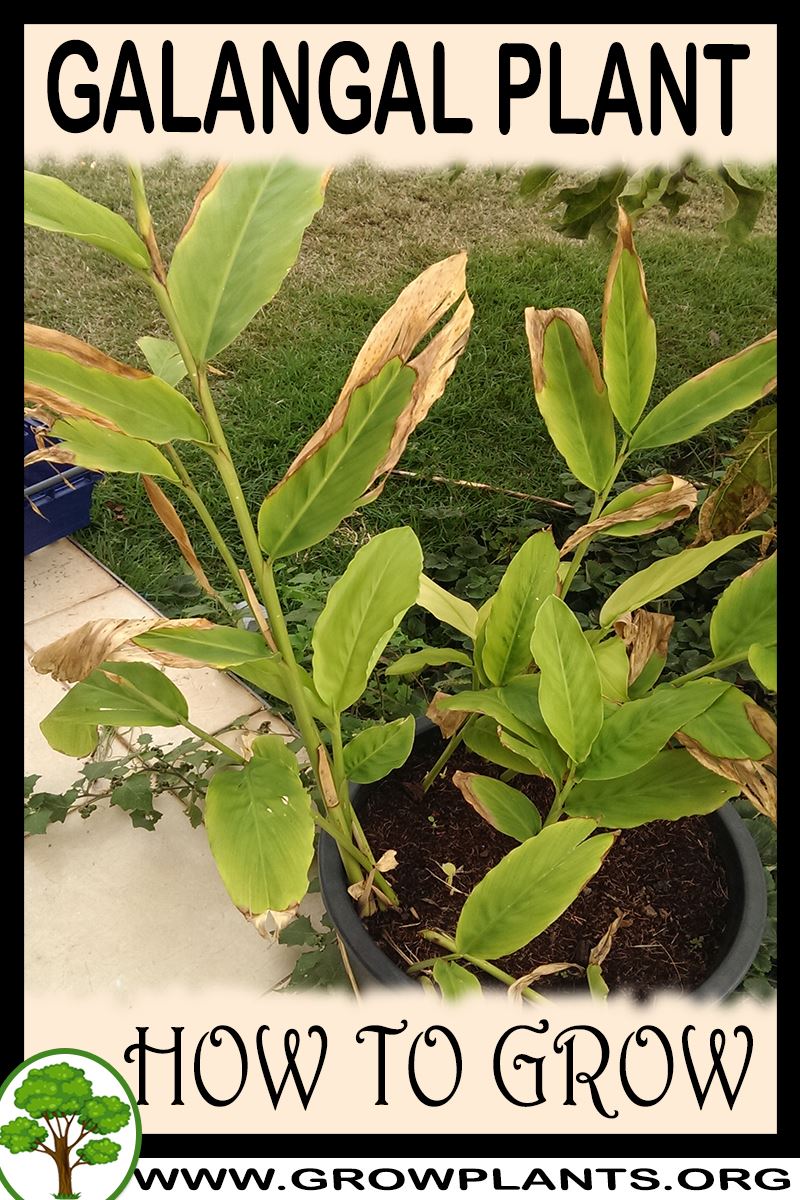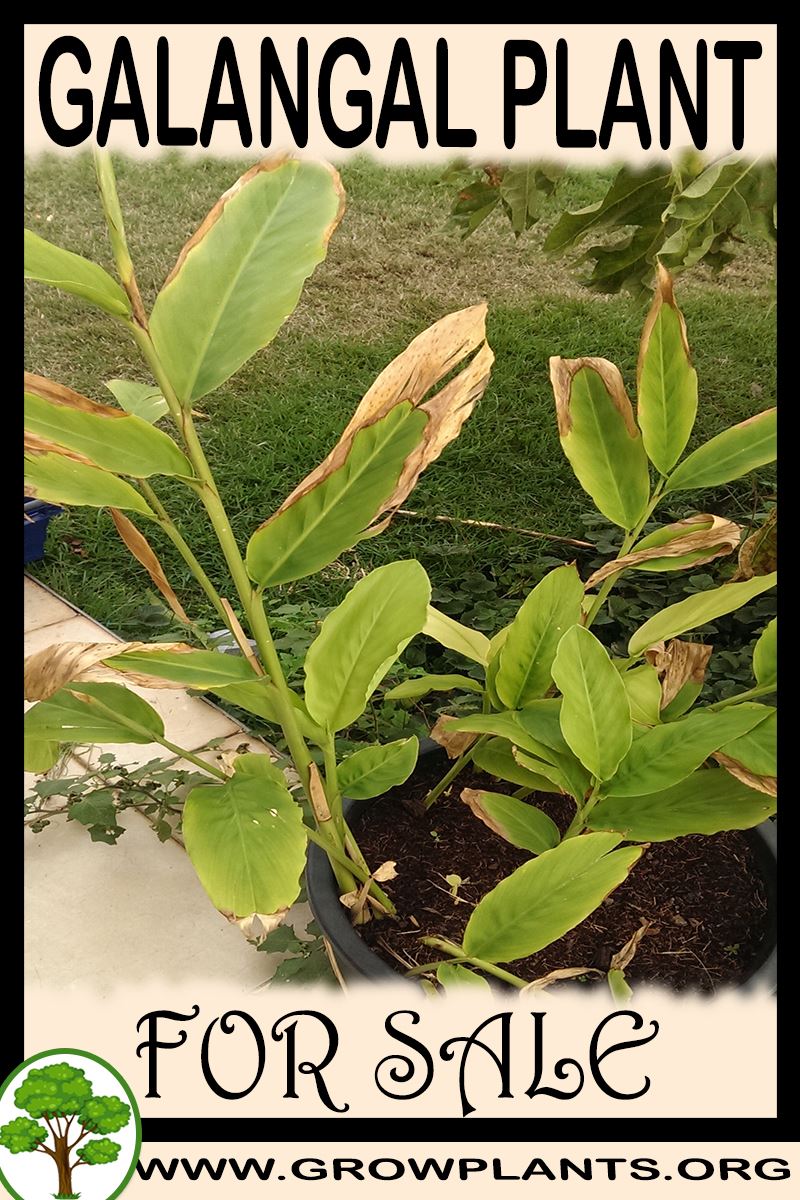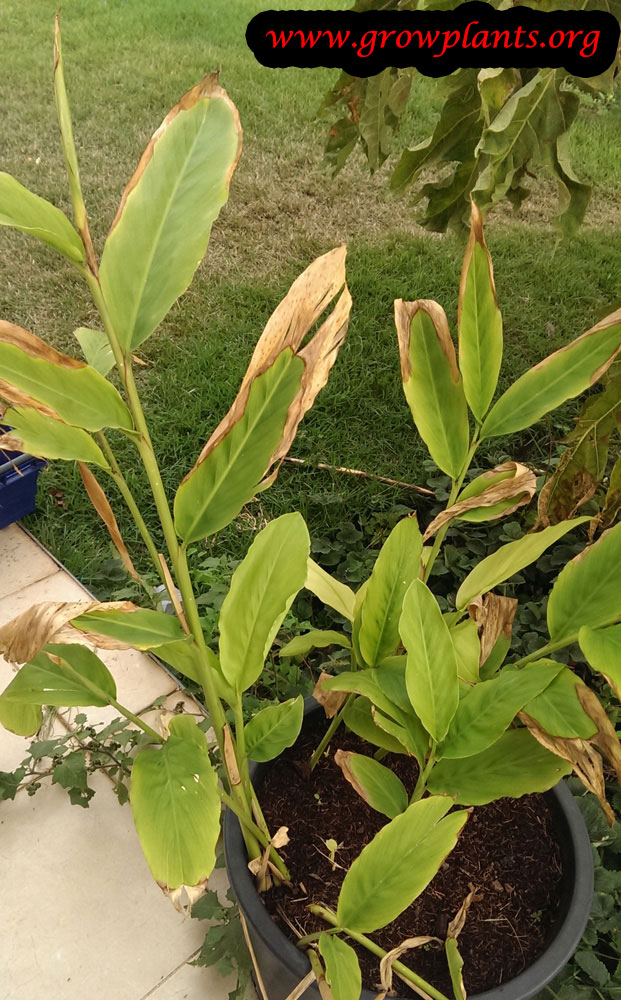

Plant Profile & Key Characteristics
Overview: A rhizomatous ginger with annual leafy stems to about 0.7-1.2 m, grown for its edible, spicy rhizome. Also valued as a fragrant, medicinal and ornamental plant.
Quick Specifications
| Specification | Attribute |
|---|---|
| Plant Type / Life Cycle | Perennial (rhizome with annual stems) |
| Foliage Type | Deciduous (stems die back) |
| Mature Size | 0.7-1.2 m (2.2-4 ft) tall |
| Growth Rate | Moderate to fast |
| Root System | Rhizomatous (edible rhizome) |
| Toxicity | Non-toxic / edible |
| Hardiness | USDA zone 8 and warmer |
Growth Form & Structure
- Height & Spread: Clumps of leafy stems 0.7-1.2 m tall spreading by rhizomes; can also be grown in large containers or as a houseplant.
- Growth Habit & Form: Clump-forming herbaceous ginger with upright, leafy pseudostems from a branching rhizome.
- Lifespan & Maturity: Long-lived perennial; stems are annual and regrow each season, with rhizomes lifted in autumn to winter.
Anatomy & Physical Features
- Leaves & Foliage: Edible linear leaves along the upright stems; the stems are also edible.
- Flower Characteristics: White flowers with pink edges at the stem tips (summer).
Primary Uses & Landscape Value
- Edible Uses: Aromatic brown-skinned, yellow-fleshed rhizome with a spicy taste — eaten raw, cooked, stir-fried, used as a spice and in beverages.
- Functional & Ornamental Roles: Culinary and medicinal spice plant; also grown as a fragrant ornamental.
Care Guide: Planting, Soil & Watering
Overview: Galangal is a moderate-to-fast-growing, rhizomatous ginger that thrives in warm, frost-free, humid conditions and rich, constantly moist soil. It is a thirsty plant that appreciates plenty of water and shelter from cold.
Quick Care Requirements
| Requirement | Ideal Condition |
|---|---|
| Planting Season | Through the warm season, from spring to autumn |
| Growth Rate | Moderate to Fast |
| Soil Type | Rich, fertile, organic and consistently moist, yet free-draining |
| Water Need | Moderate to High — keep the soil consistently moist, never letting it dry out |
Planting & Establishment
- Best Planting Season: Plant during the warm season, from spring through autumn, once the soil has warmed and there is no further risk of frost.
- How to Plant:
- Hole Preparation: Dig a generous hole, roughly twice the width of the rhizome or root ball, and work plenty of compost into the surrounding soil.
- Soil Amendments: Enrich the planting area with compost and other organic matter to build the rich, moisture-retentive soil this ginger needs, while keeping the ground free-draining so the rhizome does not rot.
- Planting Depth: Set rhizomes shallowly, just below the soil surface, and plant divisions at the depth they were previously growing.
- Growth Speed & Expectations: A moderate-to-fast grower in warm conditions that spreads vigorously by rhizome to form a clump, so give it plenty of room.
Soil, Watering & Drainage Care
- Soil Mix & Drainage Needs: Grow in rich, organic soil that holds moisture but still drains, as heavy, permanently waterlogged ground can rot the rhizome. In containers use a fertile, moisture-retentive potting mix with good drainage holes.
- Watering Schedule & Technique:
- Young / Newly Planted: Keep the soil evenly moist while the plant establishes, watering whenever the surface starts to dry.
- Established: Water generously and regularly so the soil stays consistently moist, especially in warm weather and while in active growth.
- Seasonal Adjustments: Reduce watering in cooler weather and over winter when growth slows, but never let the rootball dry out completely.
Climate, Light & Hardiness
Galangal is a root-hardy rhizome perennial whose stems behave as annual growth, tolerating a broader climate range (tropical through temperate) than most gingers thanks to the cold-tolerant rhizome. It prefers half to full shade and can also be grown indoors as a houseplant.
Quick Climate Specifications
| Climate Zones | Tropical, Subtropical, Temperate, Mediterranean |
|---|---|
| USDA Hardiness Zones | 8+ |
| Frost Tolerance | Low to Moderate (rhizome; top growth is more tender) |
| Light Conditions | Half Shade to Full Shade |
Sunlight & Light Exposure
Optimal Light Setup
Prefers half to full shade rather than intense direct sun.
Temperature Extremes & Hardiness
USDA Hardiness & Regional Limits
Root-hardy across USDA zone 8 and warmer, a broader cold tolerance than many tropical gingers because the rhizome survives conditions that kill the top growth.
Cold Damage & Winter Protection
The stems die back annually with frost as normal seasonal behavior; keeping the rhizome in rich, moist soil (with mulch at the cooler edge of its range) allows it to resprout the following season.
Frost Sensitivity
Top growth is frost-sensitive and dies back readily, while the established rhizome tolerates considerably more cold, letting the plant persist as a perennial outside strictly frost-free climates.
Wind, Humidity & Microclimate
Humidity Preferences
Prefers humid conditions typical of its tropical-to-temperate growing range.
Rainfall & Seasonal Moisture
Needs average to generous, consistent moisture rather than a pronounced dry season.
Growing in Pots, Balconies & Indoors
Galangal (Alpinia) is a tropical ginger the grower rates as a genuine houseplant, and it grows well in containers. Its tolerance of shade makes it one of the easier gingers for indoor light, and its edible rhizomes make it a productive as well as ornamental pot plant.
Quick Details
- Container Size: A roomy, deep pot for the edible rhizomes; pot up as the clump grows
- Indoor Suitability: A good houseplant – shade-tolerant and forgiving of indoor light
- Best Spot: Half to full shade; bright, indirect light indoors
- Soil & Drainage: Rich, aerated potting mix that stays moist yet drains
- Watering in Pots: Average to generous – it likes steady moisture, never sodden
Indoors & On the Windowsill
- A real houseplant: The grower confirms it can be grown indoors; as a shade-loving ginger it accepts ordinary room light.
- Best light indoors: Bright, indirect light gives the fullest foliage; it tolerates lower light but grows more slowly.
- Care: Give it warmth and humidity, keep the mix moist in growth, and ease off in the cooler resting season.
On a Balcony or Patio
- Light & exposure: A sheltered, part-shaded balcony suits it; shield the broad leaves from strong wind and harsh midday sun.
- Practicalities: Big leaves lose water fast – check pots often in warm, reflected-heat spots and keep the mix evenly moist.
Choosing the Pot, Soil & Long-Term Care
- Pot & drainage: A roomy, deep pot for the edible rhizomes; pot up as the clump grows – use a container with strong drainage holes; skip a standing-water saucer to avoid root rot.
- Pot material: Terracotta breathes and dries fast (good where you tend to overwater); glazed or plastic pots hold moisture longer.
- Potting mix: a light, aerated potting mix – peat or coir blended with perlite or vermiculite, plus some organic matter/compost.
- Feeding: Potted plants exhaust their feed faster because water washes nutrients out, so feed a little more often than plants in open ground during active growth.
- Repotting: Refresh the top of the mix each growing season and pot up or divide roughly every couple of years, trimming crowded roots.
Fertilizing & Feeding
A moderate feeder: balanced feeding supports early shoot growth, a nitrogen-forward feed builds the leafy canopy, and a shift toward potassium favors rhizome development, with feeding stopped entirely as the plant dies back before harvest.
Quick Fertilizing Specs
| Feeding Level | Moderate feeder through the growing season |
|---|---|
| Main Nutrient Priority | Balanced feeding early, shifting toward potassium as the rhizome bulks up |
| Best Feeding Period | Spring through summer while the canopy is actively growing |
| Organic Options | Compost or organic matter worked into rich, moisture-retentive soil |
| Reduce/Stop Feeding | Stop feeding as foliage yellows and dies back ahead of harvest |
| Micronutrients | Usually met by organic matter and a complete fertilizer; correct only a diagnosed deficiency |
| Soil pH | Prefers rich, moist, well-drained soil; tolerates a range of pH |
Feeding by Growth Stage
Establishment after planting
Support the young shoots as roots and the rhizome network begin to establish.
| Nutrient direction | A balanced fertilizer supports steady root and early shoot development. |
|---|---|
| Timing | At planting and through early shoot emergence. |
| Frequency | Light, regular feeding as the planting becomes established. |
| Fertilizer types | A balanced complete fertilizer, Compost or organic matter worked into rich soil |
| Precautions | Keep soil consistently moist in its shaded planting site and avoid overfeeding tender young shoots. |
Leafy canopy growth
Build a full, healthy stand of foliage to fuel rhizome growth below ground.
| Nutrient direction | A nitrogen-forward feeding supports strong, leafy top growth. |
|---|---|
| Timing | Through the main leafy growth period in spring and summer. |
| Frequency | Regular light feedings support steady canopy development. |
| Fertilizer types | A nitrogen-forward balanced fertilizer, Compost or organic mulch to keep soil rich and moist |
| Precautions | Ease back on nitrogen later in this stage so the plant can shift energy toward the rhizome. |
Rhizome bulking
Support rhizome development and bulking as the planting matures.
| Nutrient direction | Shift toward a potassium-emphasis feeding to favor rhizome growth over more leafy top growth. |
|---|---|
| Timing | As the canopy matures and the rhizome begins bulking underground. |
| Frequency | An occasional feeding through this stage supports steady rhizome development. |
| Fertilizer types | A potassium-emphasis or balanced fertilizer with reduced nitrogen |
| Precautions | Heavy nitrogen at this point favors leaves over the rhizome; keep nitrogen modest. |
Maturation before harvest
Let the planting finish out and the rhizome mature without further feeding.
| Nutrient direction | None – withhold fertilizer as the plant matures toward harvest. |
|---|---|
| Timing | As foliage yellows and dies back before the rhizome is dug. |
| Frequency | No feeding during this final maturation period. |
| Fertilizer types | No feeding at this stage; do not fertilize as the planting winds down toward harvest. |
| Precautions | Do not fertilize now; feeding this late does not improve the rhizome and can affect its keeping quality. |
Nutrient Deficiency Signs & Corrections
Older leaves turn pale green or yellow and canopy growth slows.
| Possible causes | low available soil nitrogen, nitrogen leaching from frequent watering in rich, moist soil, thin, low-organic-matter soil |
|---|---|
| Appears first on | older, lower leaves |
| What to check | recent feeding history, soil organic matter, watering and drainage |
| Possible correction | Apply a nitrogen-containing fertilizer during the leafy growth stage and build soil organic matter. |
Leaf margins scorch or turn yellow-brown while the leaf center stays green, and rhizome bulking lags.
| Possible causes | low available soil potassium, heavy nitrogen feeding without enough potassium, leaching in light or sandy soil |
|---|---|
| Appears first on | older leaf margins |
| What to check | recent fertilizer balance, soil texture and drainage, rhizome size compared to expected development |
| Possible correction | Shift toward a potassium-emphasis fertilizer as the rhizome begins bulking and correct soil potassium per a soil test. |
Interveinal yellowing on younger leaves, milder and less sharply defined than iron chlorosis.
| Possible causes | waterlogged or poorly aerated soil in a consistently moist, shaded planting, high soil pH reducing manganese availability, low native soil manganese |
|---|---|
| Appears first on | younger leaves |
| What to check | how saturated the soil stays, soil pH and aeration, light and shade conditions at the planting site |
| Possible correction | Improve soil aeration and drainage where possible, and apply a chelated manganese product per its label if a deficiency is confirmed. |
Pruning, Training & Seasonal Maintenance
Galangal is grown chiefly for its pungent rhizome rather than for ornamental bloom, so pruning here centers on seasonal cane clean-up and clearing top growth ahead of the autumn/winter rhizome harvest, rather than protecting a flowering display. Because the crop value is underground, canes can be cut back harder at harvest time than an ornamental Alpinia’s canes without any real loss.
Quick Pruning & Maintenance Specs
| Pruning Tolerance | Moderate |
| Primary Pruning Window | Autumn–Winter, at rhizome harvest |
| Secondary Maintenance Window | Spring clean-up of frost-damaged growth in marginal (zone 8) sites |
| Typical Frequency | One harvest-linked cutback per year, plus spot leaf sanitation |
| Main Objective | Sanitation and clearing top growth for rhizome harvest |
| Young Plant Priority | Let the clump establish 8–10+ months before any harvest cutback |
| Mature Plant Priority | Cut canes to near ground level at harvest; remove infected leaves through the season |
| Best Tool Type | Bypass secateurs for canes, precision snips for leaves |
| Avoid Heavy Pruning During | Active spring/summer growth, while the plant is bulking up rhizomes |
Pruning by Plant Age & Size
Newly Established
Remove only damaged planting-stock leaves. Do not harvest or cut back the clump until it has had at least one full growing season to build rhizome reserves.
Young / Formative
No structural training applies to this clump-forming cane habit.
Mature / Established
Cut canes back to near ground level each autumn/winter as part of the rhizome harvest, leaving part of the clump undug with canes intact to keep the planting going into the next season. Remove Phyllosticta-spotted leaves as they appear.
Seasonal Pruning Schedule
Dormant/Autumn–Winter
Objective: harvest-linked clearance. Cut canes to facilitate digging rhizomes, but leave a portion of the clump undisturbed with canes intact as planting stock. Expected response: a flush of new canes from the remaining rhizome the following growing season.
Ongoing Sanitary
Remove Phyllosticta zingiberi-spotted leaves as seen through the growing season.
Structural Pruning & Training
Cane renewal here is tied to the harvest cycle rather than a bloom cycle. Because the rhizome, not flowering, is the crop, canes can be cut back each harvest without the flowering-cane preservation concerns that apply to purely ornamental Alpinia species.
Special Growth to Remove
- Spent, harvest-cut canes – cleared at ground level
- Phyllosticta-infected leaves
- Thin, weak canes competing with productive ones
Container & Small-Space Pruning
Galangal grows well in pots. Cut old canes back at the base seasonally to keep the clump from overfilling the container, and rhizomes can be harvested from container-grown plants the same way as in-ground, leaving some rhizome behind to keep the pot productive.
Tools
- Bypass secateurs – cutting canes at harvest
- Precision snips – leaf sanitation
At this plant’s modest 0.7–1.2 m size, canes are easily handled with secateurs; no saw or loppers are needed.
Tool Hygiene & Disease Risk
Increased risk: Phyllosticta zingiberi is a foliar fungal pathogen present on this plant. Disinfect blades after cutting spotted leaves before moving to clean canes or another plant.
Cut Placement & Technique
Cut canes near ground/rhizome level at harvest rather than partway up, and take care not to disturb the rhizome section left behind as planting stock.
Heavy Pruning & Rejuvenation
A full cutback of the harvested portion of the clump at digging time is standard practice here – unlike an ornamental Alpinia, there is no flowering display to protect. The plant regrows readily from the rhizome left in the ground the following season.
Post-Pruning Care
After the harvest cutback, avoid waterlogging the bed – cut cane bases and disturbed rhizome are more vulnerable to rot. Mulch over the remaining rhizome through winter in cooler sites.
Common Pruning Mistakes
- Harvesting and cutting back the entire patch at once without leaving rhizome behind as next season’s planting stock
- Ignoring leaf-spot until harvest time instead of removing infected leaves through the season
When NOT to Prune
Avoid hard cutback during active spring/summer growth, when the plant is bulking up the rhizomes that are the actual crop.
Recommended Tools (by task)
- bypass_secateurs – cane cutback at harvest
- precision_snips – leaf sanitation cuts
- blade_disinfectant – limits spread of Phyllosticta leaf spot
- garden_spade – lifting/dividing rhizome at harvest
Propagation Guide
Galangal is kept genus-level where exact species is uncertain. Rhizome division is the primary practical propagation method.
Quick Propagation Specs
| Primary Method | Rhizome division |
| Identity Scope | Genus-level Galangal page; no exact species is forced here |
Rhizome Division
Select a healthy rhizome section with viable buds, divide it into plantable pieces, and replant in warm, fertile, well-drained soil. Keep the medium evenly moist while shoots establish.
Bloom & Flower Guide
Quick Details
- Bloom Season: Summer
- Time to First Bloom: Established clumps flower in the warm season
- Flower Appearance: White flowers edged with pink, borne at the tips of the stems
- Edibility: Grown mainly for its edible rhizome (the leaves and stems are also edible) – the flower itself is ornamental
Detailed Blooming Overview
Galangal is a culinary ginger relative grown chiefly for its aromatic rhizome, but in summer established clumps also produce pretty white, pink-edged flowers at the stem tips – a bonus above the useful foliage and roots.
Flower Characteristics
- White with a pink edge, held at the ends of the leafy stems.
- Typical ginger-family form, with an enlarged lip petal.
Bloom Care & Thinning
- Care: Warmth and humidity bring the best flowering.
- Pollination: Bees, birds and butterflies visit the flowers.
Fruit & Uses
Galangal is grown for its aromatic rhizome, a classic Southeast and East Asian spice with a sharp, spicy flavour. The rhizome can be used raw or cooked, and is a common flavouring in beverages and stir-fries.
Quick Edible Specs
| Edible Parts | Rhizome |
|---|---|
| Main Use(s) | Culinary spice; beverage flavouring |
| Eaten Raw or Cooked | Both – eaten raw (thinly sliced/grated) or cooked |
| Preparation Required | Peel; slice, grate, or pound as needed for the dish |
| Harvest Season | Autumn / Winter (when rhizomes are lifted) |
| Storage | Fresh rhizome keeps short-term in a cool place; can be sliced and dried for longer storage, as with related gingers |
Bulbs, Corms & Rhizomes
The rhizome is the edible part: its peel is brown and the flesh inside is yellow, with a distinctly spicy, pungent flavour. It is lifted from the soil in autumn or winter once the clump is established. Fresh rhizome can be eaten raw (thinly sliced or grated into dressings and beverages), or cooked into stir-fries and other dishes, much as ginger is used. Note: leaf and stem edibility is not confirmed for this species – see notes.
Harvesting
Rhizomes are dug up (not cut-and-come-again) once mature, in autumn or winter; younger rhizomes are milder, while more mature ones are more pungent.
Preparation, Uses & Safety
No detoxification step is required – simply peel before use. The rhizome is used fresh (raw or cooked) as a spice and in beverages; drying and powdering is also common for longer-term storage, as with other edible Zingiberaceae rhizomes. No specific toxicity caveat applies to normal culinary use of the rhizome.
Pests, Diseases & Troubleshooting
Overview: Alpinia gingers are lush, tender tropicals that stay largely trouble-free outdoors in warm humid climates, but under glass or indoors they attract spider mites, mealybugs and scale, and their fleshy rhizomes are vulnerable to soil-borne rots and nematodes. The real threats are below ground – bacterial wilt, rhizome and root rot in warm wet soil – so clean stock, good drainage and warmth without waterlogging are the foundation of healthy plants. Grown for its culinary rhizome, so the below-ground threats dominate – root-knot nematode, rhizome and soft rot, and bacterial wilt – making clean seed rhizomes and drainage paramount.
Quick Troubleshooting Overview
| Issue / Pest | Main Symptom | Primary Solution |
|---|---|---|
| Spider mites | Stippling, bronzing and webbing, worst in dry indoor air | Raise humidity, hose foliage; horticultural oil |
| Mealybugs & scale | White fluff or brown discs on stems, leaf sheaths, rhizomes | Alcohol/oil; inspect and clean rhizomes before planting |
| Root-knot nematode | Stunting, yellowing, galled and knotted roots/rhizomes | Clean stock, rotate soil; solarise, add organic matter |
| Bacterial wilt | Sudden wilt, yellowing, milky ooze from cut stem base | Rogue and destroy; never replant clumps or wet soil |
| Rhizome / soft rot | Soft, foul, water-soaked rhizome; plant collapses | Sharp drainage; clean seed pieces, avoid waterlogging |
| Cold damage / chlorosis | Blackened tips after chill; yellowing on wet or poor soil | Keep warm and drained; feed, correct iron |
Common Pests & Management
- Spider mites (Tetranychus urticae):
- Symptoms: Fine pale stippling and bronzing of the broad leaves with webbing on the undersides and along the midrib, worst on plants kept in hot, dry, still indoor or greenhouse air.
- Prevention & Control: Raise humidity, mist and hose the foliage (especially undersides), and keep plants unstressed. Treat outbreaks with horticultural oil or insecticidal soap, repeating to break the cycle, and use predatory mites under cover.
- Mealybugs (Pseudococcus / Planococcus spp.):
- Symptoms: White, cottony, waxy clusters tucked into leaf sheaths, stem bases and among the rhizomes, with honeydew and sooty mould; a root/rhizome form stunts potted plants.
- Prevention & Control: Wipe or dab clusters with alcohol and rinse the crown; inspect and clean rhizomes before planting. Use insecticidal soap, neem or horticultural oil for heavier infestations, and repot into fresh mix after washing the roots.
- Scale (Coccus / Aspidiotus spp.):
- Symptoms: Flat brown or greyish discs and bumps along stems, leaf sheaths and midribs; heavy colonies sap vigour, yellow the foliage and drip honeydew that blackens with sooty mould.
- Prevention & Control: Scrape off and wipe stems clean, and prune out badly encrusted canes. Smother crawlers with horticultural oil or insecticidal soap, repeating for successive generations, and conserve natural enemies outdoors.
- Root-knot nematode (Meloidogyne spp.):
- Symptoms: Above ground, unexplained stunting, yellowing, wilting in heat and poor vigour; below ground, swollen galls and knots on roots and rhizomes that cripple water and nutrient uptake and open the door to rots.
- Prevention & Control: Start with clean, nematode-free rhizomes and fresh or solarised soil, and rotate planting sites. Build soil organic matter and beneficial microbes, and discard heavily galled clumps rather than replanting infested stock.
- Chewing pests – beetles & caterpillars (leaf-rollers, Cnaphalocrocis and beetles):
- Symptoms: Ragged holes, notched margins and rolled or tied leaves from caterpillars and leaf-eating beetles, common on gingers in warm humid gardens; damage is usually cosmetic.
- Prevention & Control: Hand-pick caterpillars and beetles, unroll and remove leaf-rollers, and encourage birds and predatory insects. For heavier caterpillar pressure use a targeted Bacillus thuringiensis (Bt) spray, which spares beneficials.
Diseases & Fungal Issues
- Bacterial wilt (Ralstonia solanacearum):
- Symptoms: The most serious ginger disease – sudden wilting and yellowing of shoots that does not recover overnight, browning from the base up, and a milky bacterial ooze when a cut stem is stood in water; the rhizome rots and smells foul.
- Treatment & Management: There is no cure. Rogue out and destroy affected plants with the soil around them, never save or replant rhizomes from an infected clump, sterilise tools, and avoid working plants when wet. Use clean stock and fresh, well-drained, disease-free soil, and rotate away from the ginger and tomato families.
- Rhizome & soft rot (Pythium / Fusarium spp.):
- Symptoms: Yellowing and wilting of shoots, then a soft, water-soaked, foul-smelling rot of the rhizome (Pythium soft rot) or a slower, drier yellows-and-decline with rotting rhizomes (Fusarium); both thrive in warm, wet, poorly drained soil.
- Treatment & Management: Prevention is everything: plant clean, undamaged rhizomes in raised, sharply drained beds or gritty container mix, avoid waterlogging, and do not injure the rhizomes. Remove and destroy rotting clumps and improve drainage before replanting elsewhere.
- Leaf spot (Phyllosticta / Colletotrichum spp.):
- Symptoms: Small brown, tan or grey spots, sometimes with yellow halos or water-soaked margins, coalescing into blotches on the leaves in prolonged warm, wet, humid weather.
- Treatment & Management: Improve air movement and spacing, water at the base to keep foliage dry, and clear fallen affected leaves. Copper fungicide helps where spotting spreads in a persistently wet season; it is otherwise mostly cosmetic.
- Fusarium yellows (Fusarium oxysporum):
- Symptoms: Progressive yellowing, stunting and wilting of shoots with dry, discoloured internal rhizome tissue; slower than bacterial wilt but similarly persistent in the soil.
- Treatment & Management: Use clean stock and fresh soil, ensure sharp drainage, and rotate. Remove and destroy affected clumps; the fungus persists in soil, so do not replant gingers into a known-infected bed.
Growing Difficulties & Abiotic Problems
- Cold & frost damage:
- Cause & Symptoms: These are warm-tropical plants; chill blackens and collapses the foliage and hard frost cuts the top growth to the ground, while cold wet soil rots the rhizomes.
- Correction Strategy: Grow in warmth and shelter, mulch the rhizomes heavily in marginal areas, and lift or protect containers over winter. Keep the soil on the dry side in cold weather; established rhizomes often reshoot from below once warmth returns.
- Chlorosis (yellowing leaves):
- Cause & Symptoms: Pale or yellow leaves with green veins from iron shortage on alkaline or waterlogged soil, or overall yellowing from cold wet roots or nutrient shortage in a tired mix.
- Correction Strategy: Improve drainage, feed with a balanced fertiliser through the growing season, and apply chelated iron and organic matter or acidify slightly on alkaline soils. Correct watering usually greens the plant back up.
- Leaf-tip & margin scorch:
- Cause & Symptoms: Brown, crisped leaf tips and edges from dry air, drought, salt build-up in containers, or hot dry wind – gingers want steady moisture and humidity.
- Correction Strategy: Keep humidity and even soil moisture up, shelter from drying wind, and flush containers periodically to leach salts. Mulch outdoor plants to hold moisture around the roots.
- Sun scorch / too much light:
- Cause & Symptoms: Bleached, scorched patches and faded, crisped leaves on plants in fierce full sun, especially the variegated forms and those grown in low light then moved out.
- Correction Strategy: Give bright light with shade from the harshest midday sun, and acclimatise gradually when moving plants. Filtered light or morning sun keeps the foliage lush and unmarked.
What Helps – Products & Tools
For Alpinia gingers the priorities are clean rhizomes and sharp drainage. Useful items are horticultural oil and insecticidal soap for spider mites, mealybug and scale; Bt for caterpillars; copper fungicide for leaf spot in wet spells; and chelated iron plus balanced feed for chlorosis. There is no spray cure for bacterial wilt, Fusarium or rhizome rot – the defences are disease-free stock, raised well-drained beds and rotation. The source’s “Phyllosticta zingiberi, rhizome flies” points only at leaf spot and soil pests; the graver risks are the below-ground wilts and rots above.