Plant Profile & Key Characteristics
Also known as: Krachai plant, Lesser galangal, Chinese ginger, Fingeroot, Chinese keys, Temu kunci
Overview: A herbaceous rhizomatous ginger relative reaching 1-2 m (40-80 in) with annual leafy stems, grown for its edible finger-like rhizome, culinary and medicinal use, and fragrant flowers. It is perennial in the tropics; elsewhere the rhizome is lifted over winter.
Quick Specifications
| Specification | Attribute |
|---|---|
| Plant Type / Life Cycle | Perennial (geophyte; grown as a lift-and-store ‘annual’ in cold zones) |
| Foliage Type | Evergreen or deciduous (dies back in cool seasons) |
| Mature Size | 1-2 m (40-80 in) tall |
| Growth Rate | Fast to moderate |
| Root System | Rhizomatous (edible finger-like rhizome) |
| Hardiness | USDA zone 10b+ (to 10a with winter protection; rhizome liftable in zone 5+) |
Growth Form & Structure
- Height & Spread: 1-2 m (40-80 in) tall from a rhizome; container growing needs at least 10 L (2.6 gal).
- Growth Habit & Form: Clumping ginger-like herb with annual leafy stems rising from an underground rhizome.
- Lifespan & Maturity: Fast to moderate growth each season; rhizome harvested in autumn/winter.
Anatomy & Physical Features
- Leaves & Foliage: Edible, linear leaves arranged around the stem.
- Flower Characteristics: Fragrant pink-and-white spotted, spoon-shaped flowers (full detail in the Bloom section).
Primary Uses & Landscape Value
- Edible Uses: Edible finger-like rhizome (brown skin, yellow spicy ginger-like flesh) used raw, as a spice, in cooking, pickles and beverages; young leaves eaten in salads, stir-fries or cooked.
- Functional & Ornamental Roles: Grown as a culinary and medicinal crop and as an ornamental for its fragrant flowers; suits containers and indoors with ample light.
Care Guide: Planting, Soil & Watering
Overview: Fingerroot (a ginger relative) is a tender rhizomatous herb for part to full shade that wants a rich, moist, organic soil and frost-free conditions. It likes steady moisture and a mulch to hold it, especially over winter and while the young rhizome is establishing.
Quick Care Requirements
| Requirement | Ideal Condition |
|---|---|
| Planting Season | In spring after frost; grown as an annual (lifting the rhizome for winter) in cool zones, and as a perennial in frost-free zones (10b+) |
| Growth Rate | Moderate to fast |
| Soil Type | Rich, moist, humus-heavy and well-draining |
| Water Need | Moderate to high – keep evenly moist, not waterlogged |
Planting & Establishment
- Best Planting Season: Plant the rhizome in spring once the soil is warm; where winters are cold, lift and store it over winter and replant in spring.
- How to Plant:
- Hole Preparation: Dig a hole in loosened, organic-rich soil, roughly 200% the size of the rhizome (in pots, at least 10 L / 2.6 gal).
- Soil Amendments: Work in organic matter and humus, and mulch the surface to conserve moisture; lighten the mix with perlite for aeration.
- Planting Depth: Set the rhizome shallowly and cover it lightly; mulch over young rhizomes for warmth and moisture.
- Growth Speed & Expectations: Moderate to fast in warmth; forms a 1–2 m (40–80 in) leafy clump in a season.
Soil, Watering & Drainage Care
- Soil Mix & Drainage Needs: Rich, moisture-retentive but airy soil; in containers use a potting or peat mix with perlite and refresh it every year or two, always with good drainage.
- Watering Schedule & Technique:
- Young / Newly Planted: Keep the soil consistently moist while the rhizome sprouts and roots.
- Established: Water regularly for even moisture, easing slightly as the top dries; mulch reduces watering frequency.
- Seasonal Adjustments: Water freely in the warm growing season; reduce sharply as the leaves die back, keeping stored or dormant rhizomes barely moist over winter.
Climate, Light & Hardiness
Fingerroot is a frost-sensitive tropical to subtropical rhizome plant that prefers half to full shade and consistently moist, rich soil. It grows year-round outdoors only where winters stay frost-free, but its rhizome can also be grown further north as a dig-and-replant annual.
Quick Climate Specifications
| Climate Zones | Subtropical, Mediterranean, Tropical |
|---|---|
| USDA Hardiness Zones | 10b+ (10a possible with winter protection) |
| Frost Tolerance | Very Low |
| Light Conditions | Half Shade to Full Shade |
Sunlight & Light Exposure
Optimal Light Setup
Prefers half shade to full shade rather than direct full sun; when grown as an indoor houseplant it needs a good amount of light to compensate for the absence of outdoor conditions.
Temperature Extremes & Hardiness
USDA Hardiness & Regional Limits
Reliably perennial outdoors in USDA zone 10b and warmer, and possible in zone 10a with dedicated overwinter care. The rhizome itself is frost-sensitive and does not survive freezing in the ground.
Cold Damage & Winter Protection
In zone 10a, mulch and organic matter over the rhizome through winter, especially while the plant is young, help it survive marginal cold. Commonly grown as a dig-and-replant annual as far north as zone 5, where the rhizome is lifted in autumn before frost and stored indoors, then replanted the following spring - frost limits year-round outdoor culture there, but the plant itself is not incapable of growth, only of surviving winter in the ground.
Frost Sensitivity
Very frost-sensitive; even light freezing can kill the rhizome if left unprotected in the ground outside its warm-climate comfort zone.
Wind, Humidity & Microclimate
Humidity Preferences
Prefers a humid, rich, and consistently moist growing environment, in keeping with its tropical understory origins.
Rainfall & Seasonal Moisture
Needs average to generous, consistent moisture rather than a pronounced dry season.
Growing in Pots, Balconies & Indoors
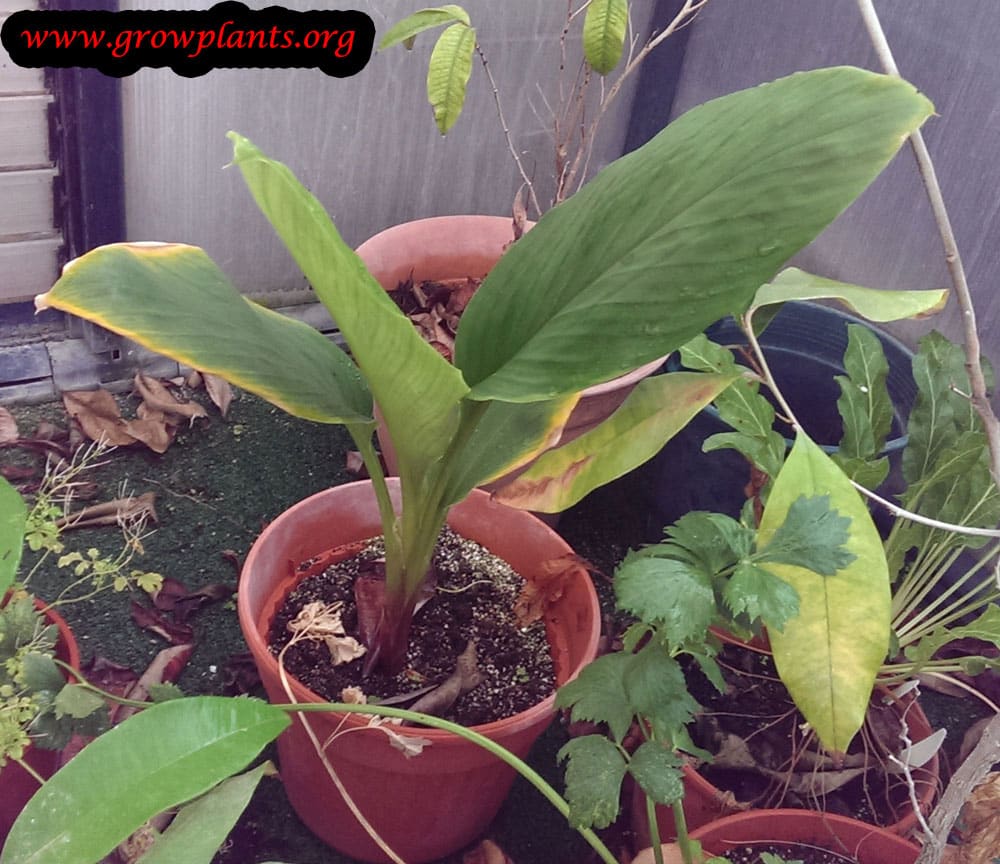
Fingerroot is a leafy tropical ginger the grower rates as a genuine houseplant, provided you give it plenty of light. It grows well in containers – he specifies a pot of at least 10 L – and its shade tolerance makes it forgiving indoors, though brighter light gives stronger growth.
Quick Details
- Container Size: At least 10 L (2.6 gal), or about 200% wider than the rhizome
- Indoor Suitability: A good houseplant given plenty of light
- Best Spot: Half to full shade; bright, indirect light indoors
- Soil & Drainage: Potting mix or peat with perlite, plus organic matter; mulch on top
- Watering in Pots: Average to generous – keep the mix moist but never waterlogged
Indoors & On the Windowsill
- A real houseplant: The grower confirms it grows indoors, stressing that it needs a lot of light to do well.
- Best light indoors: A bright spot near a window is ideal; as a shade-tolerant ginger it copes with less, but growth slows.
- Care: Warmth and humidity suit it; keep the rhizome moist in growth and let it rest cooler and drier in the off-season.
On a Balcony or Patio
- Light & exposure: A sheltered, part-shaded balcony is ideal; protect the soft foliage from strong wind and hot midday sun.
- Practicalities: The grower’s mulch layer helps keep the container moist – useful where reflected heat dries pots quickly.
Choosing the Pot, Soil & Long-Term Care
- Pot & drainage: At least 10 L (2.6 gal), about 200% wider than the rhizome – use a container with strong drainage holes; skip a standing-water saucer to avoid root rot.
- Pot material: Terracotta breathes and dries fast (good where you tend to overwater); glazed or plastic pots hold moisture longer.
- Potting mix: a light, aerated potting mix – peat or coir blended with perlite or vermiculite, plus some organic matter/compost.
- Feeding: Potted plants exhaust their feed faster because water washes nutrients out, so feed a little more often than plants in open ground during active growth.
- Repotting: Refresh the top of the mix each growing season and pot up or divide roughly every couple of years, trimming crowded roots.
- Grower’s soil care: Change the mix every year or two; if not fully replacing it, mix in fresh perlite or similar to keep airflow, and add organic matter/humus.
Grower’s Container Tip
- Pot & mix: Choose a container of at least 10 L (or 200% larger than the rhizome), using potting mix or peat with perlite plus organic matter.
- Keep it aerated & moist: Refresh or re-aerate the soil each year with extra perlite, and top it with a thin mulch to hold moisture in the pot.
Fertilizing & Feeding
A moderate feeder: balanced feeding gets the canopy going, a nitrogen-forward feed builds leafy growth, and a shift toward potassium favors rhizome development, with feeding stopped entirely as the plant matures toward harvest.
Quick Fertilizing Specs
| Feeding Level | Moderate feeder through the growing season |
|---|---|
| Main Nutrient Priority | Balanced feeding early, shifting toward potassium as rhizomes bulk up |
| Best Feeding Period | Spring through summer while the canopy is actively growing |
| Organic Options | Compost, humus, and organic mulch worked into rich, moisture-retentive soil |
| Reduce/Stop Feeding | Stop feeding as foliage begins to yellow and die back before harvest |
| Micronutrients | Usually met by organic matter and a complete fertilizer; correct only a diagnosed deficiency |
| Soil pH | Prefers rich, moist, well-drained soil; tolerates a range of pH |
Feeding by Growth Stage
Establishment after planting
Support the young plant as it puts down roots and the rhizome begins to establish.
| Nutrient direction | A balanced fertilizer supports root and early shoot development. |
|---|---|
| Timing | At planting and through early leaf growth. |
| Frequency | Light, regular feeding as the plant gets going. |
| Fertilizer types | A balanced complete fertilizer, Compost or organic matter worked into rich soil |
| Precautions | Keep soil consistently moist and avoid overfeeding tender new growth. |
Leafy canopy growth
Build a full, healthy leaf canopy that will fuel rhizome development.
| Nutrient direction | A nitrogen-forward feeding supports strong, leafy growth. |
|---|---|
| Timing | Through the main leafy growth period in spring and summer. |
| Frequency | Regular light feedings support steady canopy growth. |
| Fertilizer types | A nitrogen-forward balanced fertilizer, Compost or organic mulch to keep soil rich and moist |
| Precautions | Avoid heavy nitrogen late in this stage, which can delay the shift toward rhizome bulking. |
Rhizome bulking and development
Support rhizome bulking and development as the plant matures.
| Nutrient direction | Shift toward a potassium-emphasis feeding to favor rhizome development over leafy growth. |
|---|---|
| Timing | As the canopy matures and rhizomes begin to bulk up. |
| Frequency | An occasional feeding through this stage supports steady rhizome development. |
| Fertilizer types | A potassium-emphasis or balanced fertilizer with reduced nitrogen |
| Precautions | Too much nitrogen now favors leaves over rhizomes; ease back on nitrogen-heavy feeding. |
Maturation before harvest
Let the plant finish out and the rhizome mature without further feeding.
| Nutrient direction | None – withhold fertilizer as the plant matures toward harvest. |
|---|---|
| Timing | As foliage begins to yellow and die back before rhizomes are pulled. |
| Frequency | No feeding during this final maturation period. |
| Fertilizer types | No feeding at this stage; do not fertilize as the plant winds down toward harvest. |
| Precautions | Do not fertilize now; feeding this late does not improve the rhizome and can affect storage quality. |
Nutrient Deficiency Signs & Corrections
Older leaves turn pale green or yellow and canopy growth slows.
| Possible causes | low available soil nitrogen, nitrogen leaching from frequent watering in rich, moist soil, thin, low-organic-matter soil |
|---|---|
| Appears first on | older, lower leaves |
| What to check | recent feeding history, soil organic matter, watering and drainage |
| Possible correction | Apply a nitrogen-containing fertilizer during the leafy growth stage and build soil organic matter. |
Leaf margins scorch or turn yellow-brown while the leaf center stays green, and rhizome development lags.
| Possible causes | low available soil potassium, heavy nitrogen feeding without enough potassium, sandy soil prone to potassium leaching |
|---|---|
| Appears first on | older leaf margins |
| What to check | recent fertilizer balance, soil texture and drainage, rhizome size compared to expected development |
| Possible correction | Shift toward a potassium-emphasis fertilizer as rhizomes begin bulking and correct soil potassium per a soil test. |
Interveinal yellowing on older leaves while the veins themselves stay green.
| Possible causes | low soil magnesium, heavy potassium feeding competing with magnesium uptake, leaching in light, sandy soils |
|---|---|
| Appears first on | older, lower leaves |
| What to check | soil magnesium status, recent fertilizer balance, soil texture and drainage |
| Possible correction | Apply a labeled magnesium source such as Epsom salt and rebalance overall feeding. |
Pruning, Training & Seasonal Maintenance
Fingerroot has no woody structure to train — its leafy stems are individually annual, rising from an underground rhizome and dying back on their own cycle. "Pruning" here means seasonal foliage maintenance: removing spent or dying stems as they yellow, and promptly removing any leaves showing the plant’s documented fungal leaf-spot (Phyllosticta zingiberi) to limit its spread. This has no effect on flowering or the edible rhizome crop, which forms below ground regardless of foliage grooming.
Quick Pruning & Maintenance Specs
| Pruning Tolerance | High for foliage/stem removal — there is no permanent wood to damage |
| Primary Pruning Window | Autumn to winter, as stems naturally decline; also promptly whenever infected leaves appear |
| Typical Frequency | Ongoing light removal through the season; heavier cleanup at seasonal dieback |
| Main Objective | Remove spent/dying stems and infected foliage to keep the clump clean and limit disease spread |
| Young Plant Priority | Minimal — protect young shoots, remove only clearly dead or damaged growth |
| Mature Plant Priority | Regular sanitary removal of declining stems and diseased leaves |
| Best Tool Type | Precision snips or bypass secateurs — all growth is soft, herbaceous stem, never woody |
| Avoid Heavy Pruning During | Active flowering/foliage growth in spring-summer, unless removing diseased material |
Pruning by Plant Age & Size
Newly Established
Remove only visibly dead or damaged leaves; avoid cutting back healthy young foliage while the plant is still establishing its rhizome system.
Young / Formative
No structural training applies to this rhizomatous herb. Thin overcrowded weak stems in a container clump if growth becomes dense, to keep air moving through the foliage.
Mature / Established
Ongoing removal of individual stems as they naturally yellow and decline, plus prompt removal of any leaf showing the characteristic spotting of Phyllosticta leaf-spot disease.
Seasonal Pruning Schedule
Dormant/Winter
Objective: seasonal foliage cleanup as annual stems die back naturally, particularly in cooler or marginal zones where the plant is treated as a dieback perennial or lifted as an annual. What NOT to remove: the rhizome itself and any still-green, healthy stems.
Ongoing Sanitary
Remove infected leaves as soon as leaf-spot symptoms appear, at any time of year, rather than waiting for the seasonal cleanup — this is the single most useful pruning action for this species’ documented disease risk.
Special Growth to Remove
Yellowing or collapsed annual stems past their productive life, and any leaf showing fungal leaf-spot symptoms, should be removed promptly and disposed of away from the remaining clump rather than left as mulch, to reduce reinfection risk.
Container & Small-Space Pruning
Grown in containers or as a houseplant, thin crowded weak stems periodically to maintain airflow through the clump (important given this species’ fungal leaf-spot susceptibility in the humid, still conditions containers can create), rather than letting the whole pot fill with unthinned growth.
Tools
Precision snips are sufficient for individual leaf and stem removal; bypass secateurs can be used for thicker stem bases in a large, established clump. No saw or loppers are needed — nothing on this plant is woody.
Tool Hygiene & Disease Risk
Increased risk: this species has a documented fungal leaf-spot pathogen (Phyllosticta zingiberi). Disinfect blades after removing infected leaves and before moving on to healthy growth or another plant, to avoid spreading the fungus on the cutting edge.
Cut Placement & Technique
Cut individual stems close to their point of emergence from the rhizome, and remove infected leaf tissue with a clean cut well below the visible spotting rather than just trimming the leaf tip.
Post-Pruning Care
No feeding is required specifically after grooming. Keep the crown’s surroundings tidy and avoid overhead watering onto remaining foliage right after removing infected leaves, since wet conditions favour the leaf-spot fungus.
Common Pruning Mistakes
Leaving infected leaves in place instead of removing them promptly; composting diseased foliage back near the same plant; cutting back healthy green stems on the same schedule as clearly spent ones.
When NOT to Prune
Avoid cutting back healthy green foliage during active spring-summer growth — only remove stems that are genuinely spent, damaged, or diseased during that period.
Recommended Tools (by task)
- precision_snips — routine leaf and stem removal on this entirely herbaceous plant.
- bypass_secateurs — thicker stem bases in a large, established clump.
- blade_disinfectant — essential given the documented Phyllosticta leaf-spot pathogen on this species.
Propagation Guide
Fingerroot is propagated almost entirely by dividing its rhizome, which the site notes is easier than starting from seed, described as hard. Rhizome division is not strictly required to grow the plant, but it is the standard, reliably true-to-type practical method, making overall propagation difficulty easy by division and difficult by seed.
Quick Propagation Specs
| Best Propagation Method | Rhizome Division |
| Alternative Methods | Seed (reported as difficult) |
| Propagation Difficulty | Easy (rhizome division); Difficult (seed) |
| Seed True-to-Type | Likely true-to-type as a species, but germination is reported as difficult and inconsistent |
| Vegetative True-to-Type | Yes |
| Best Propagation Season | Autumn into winter for rhizome division; if the rhizome has no clear separation point, wait until the end of winter, just before new growth starts |
Growing from Seed
Seed propagation is possible but is noted as difficult for this plant, with germination that can be slow and inconsistent for this ginger-relative; most growers rely on rhizome division instead. Where seed is attempted, warm, humid conditions typical of Zingiberaceae germination are appropriate, though specific timings are not well established for this species.
Rhizomes, Tubers, Bulbs & Corms
Rhizome Division
Divide the rhizome, ideally in autumn into winter. If there is no clear separation point on the rhizome, it is better to wait and divide at the end of winter, just before the plant begins its new growth. Each division should include at least one healthy growth bud/eye to be viable. Because this plant prefers consistently moist, frost-free, rich soil rather than a dry dormancy, avoid drying or extended curing of divisions – replant promptly after dividing.
In cooler climates (roughly hardiness zone 5 up to 10a) the rhizome is not left in the ground over winter; instead it is lifted in autumn and replanted the following spring, effectively treating the plant as an annual with a stored rhizome, whereas in warmer zones (10a and above) it can be left in place and grown as a perennial. This lifting cycle is a convenient point at which to divide the rhizome for propagation as well as for storage.
Bloom & Flower Guide
Quick Details
- Bloom Season: Summer
- Time to First Bloom: Established clumps flower in the warm season of their growing year
- Flower Appearance: Fragrant, pink-and-white flowers with fine spotting and a large lip-like (spoon-shaped) petal, typical of the ginger family
- Edibility: Grown mainly for its edible, ginger-flavoured rhizome – the flower itself is ornamental and fragrant
Detailed Blooming Overview
Fingerroot is a ginger relative valued for its aromatic rhizome, but it also rewards with fragrant summer flowers. The blooms nestle low among the leafy shoots, showing the enlarged lip petal that is characteristic of the ginger family.
Flower Characteristics
- Pink and white with fine spotting and a broad, spoon-shaped lip.
- Fragrant, held low among the shoots.
Bloom Care & Thinning
- Care: Warmth and humidity bring the best flowering.
- Pollination: Bees and butterflies visit the flowers.
Fruit & Uses
Fingerroot is grown mainly for its aromatic, finger-like rhizome, which has a spicy, ginger-like flavor and is a staple seasoning in Southeast Asian cooking; the young linear leaves are also eaten as a vegetable. Both parts are most often used cooked, though the rhizome can also be eaten raw or pickled.
Quick Edible Specs
| Edible Parts | Rhizome (root), Leaves |
| Main Use(s) | Rhizome – culinary (spice, stir-fry, pickles, beverage); Leaves – culinary (salad, stir-fry, cooked) |
| Eaten Raw or Cooked | Rhizome – raw or cooked; Leaves – raw (salad) or cooked |
| Preparation Required | Rhizome – peel the brown outer skin to reveal the yellow flesh; Leaves – none beyond washing |
| Harvest Season | Leaves – spring/summer; Rhizome – autumn/winter |
| Time to First Harvest | Rhizome is best lifted once the plant is established and finger-like tubers have formed; exact timing not specified on site |
| Storage | Fresh rhizome stores similarly to ginger; pickled rhizome keeps longer |
| Safety/Toxicity Caveat | None reported for either part |
Roots & Tubers
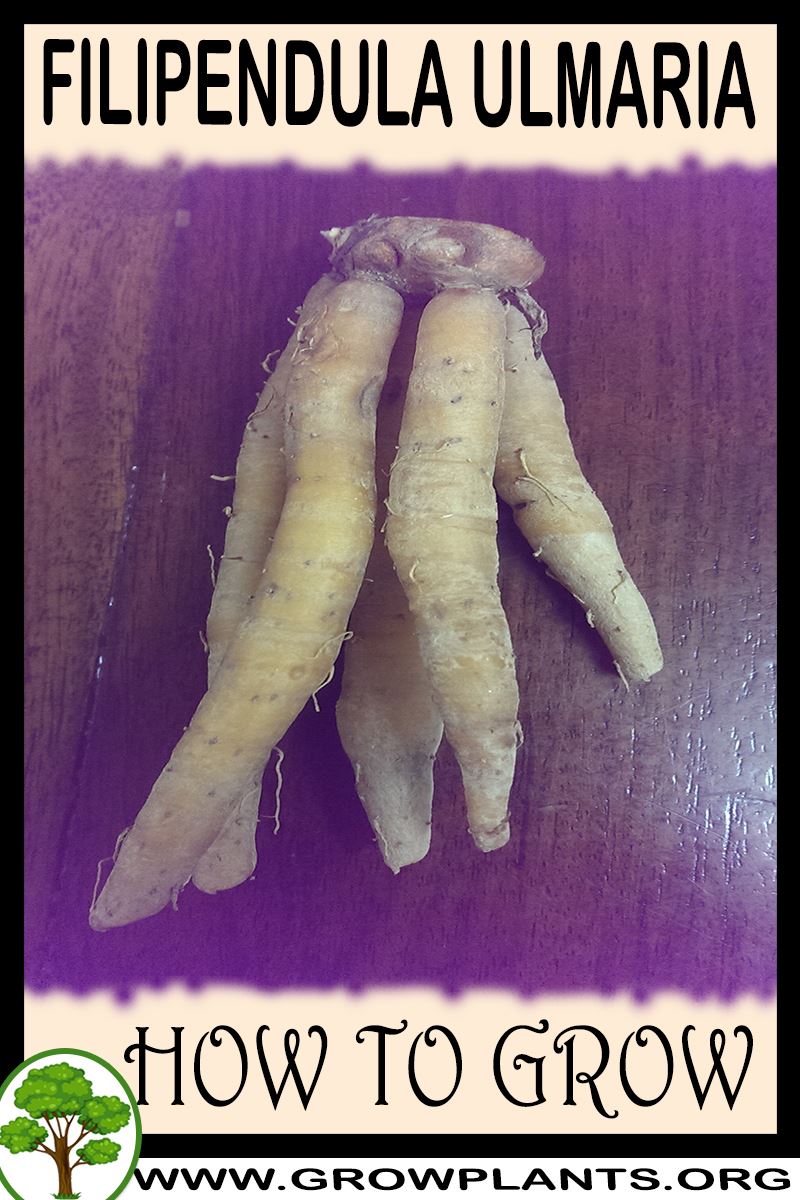
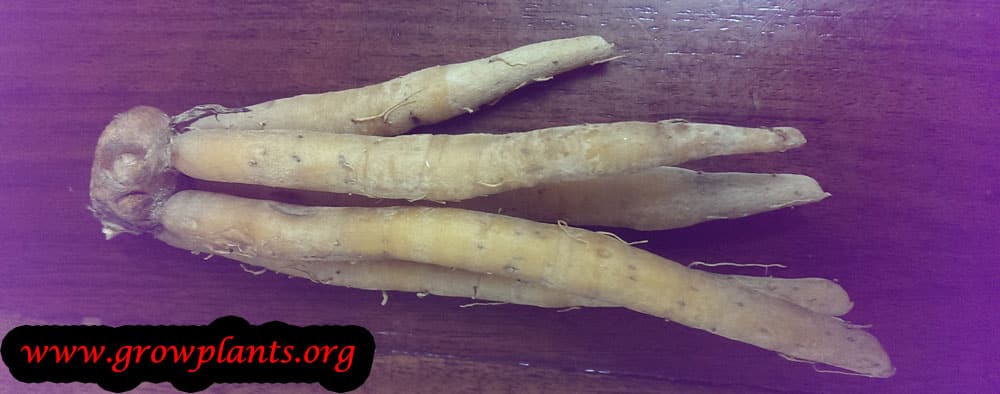
The rhizome grows in a distinctive finger-like cluster attached to a central top; the outer peel is brown and the inner flesh yellow, with a spicy flavor recalling ginger. It’s dug up in autumn/winter once the top growth has matured. Site-documented uses include eating it raw, as a spice, in beverages, stir-fried, cooked, or pickled – one of the more versatile edible rhizomes among the geophytes on this site.
Leaves & Greens
The linear leaves are also edible, used in salads, stir-fries or cooked dishes. The site notes it is best to harvest the leaves at the same time the rhizome is pulled, since removing leaves earlier reduces the plant’s ability to build up the rhizome – the two harvests are linked rather than independent.
Harvesting
Leaves are best taken alongside the autumn/winter rhizome harvest rather than picked repeatedly through the season, since ongoing defoliation competes with rhizome development. When lifting the rhizome, the whole finger-like cluster is dug out; unused rhizome can be left to re-establish or divided for propagation (see Propagation).
Preparation, Uses & Safety
The rhizome only needs peeling before use and is versatile enough for raw eating, pickling, spicing, or cooking. Leaves need no more than washing. No safety concerns or required detoxification steps are noted for this plant.
Pests, Diseases & Troubleshooting
Overview: Fingerroot is a rhizomatous ginger-family plant (Zingiberaceae), and its problems mirror those of ginger and turmeric: the decisive threats are soft rots and rhizome rots below ground (bacterial wilt, Pythium and Fusarium), with leaf spots, shoot and rhizome borers, and root-knot nematodes in the soil. Clean planting material, drainage and rotation are the foundation of control. Species-specific pest records are limited, so this profile is drawn from close ginger relatives.
Quick Troubleshooting Overview
| Issue / Pest | Main Symptom | Primary Solution |
|---|---|---|
| Rhizome rot / soft rot | Yellowing shoots; mushy, foul rhizome | Clean seed rhizomes, sharp drainage, rotate |
| Leaf spot | Brown spots with yellow halos on leaves | Sanitation, airflow, copper fungicide |
| Shoot / rhizome borer | Tunnelled shoots and holed rhizomes | Remove affected shoots, clean seed, sanitation |
| Root-knot nematode | Galled roots and stunted plants | Rotate, solarise soil, clean planting stock |
| Aphids / scale | Honeydew on leaves and shoots | Insecticidal soap, predators |
Common Pests & Management
- Rhizome fly (shoot fly) (Mimegralla / Eumerus spp.):
- Symptoms: Maggots tunnel into the base of shoots and into the rhizome, causing yellowing, wilting shoots and rotting rhizomes – matching the source’s ‘rhizome flies’.
- Prevention & Control: Plant clean, undamaged seed rhizomes, earth up the base, remove and destroy affected shoots with their maggots, keep the crop unstressed, and rotate.
- Shoot borer (Conogethes punctiferalis):
- Symptoms: Caterpillars bore into pseudostems and shoots, leaving frass-filled holes and dead central shoots (‘dead heart’).
- Prevention & Control: Cut out and destroy bored shoots, handpick larvae, encourage parasitic wasps, and use Bacillus thuringiensis on young larvae.
- Root-knot nematode (Meloidogyne spp.):
- Symptoms: Root galls, stunting, yellowing and poor rhizome development, and entry wounds that invite rot.
- Prevention & Control: Rotate with non-hosts, solarise or amend soil with organic matter, plant nematode-free stock, and avoid moving infested soil.
- Aphids & scale (Aphididae / Coccidae):
- Symptoms: Sap-sucking colonies on leaves and shoots with honeydew and sooty mould.
- Prevention & Control: Spray insecticidal soap or neem, wipe off scale, and encourage predators.
Diseases & Fungal Issues
- Bacterial wilt / soft rot (Ralstonia solanacearum / Pectobacterium spp.):
- Symptoms: Rapid yellowing and wilting of shoots, water-soaked mushy rhizomes with a foul smell, and milky ooze from cut tissue in warm, wet soil.
- Treatment & Management: Use certified disease-free seed rhizomes, plant in well-drained soil on raised beds, rotate on a long cycle, remove and destroy infected clumps, and avoid moving contaminated soil, water or tools.
- Rhizome rot (Pythium / Fusarium spp.):
- Symptoms: Yellowing lower leaves, collapse of shoots, and soft, water-soaked or dry-rotted rhizomes.
- Treatment & Management: Improve drainage, treat seed rhizomes before planting, rotate, avoid waterlogging and injury, and remove affected plants; a labelled fungicide drench helps in valued plantings.
- Leaf spot / leaf blast (Phyllosticta zingiberi / Colletotrichum spp.):
- Symptoms: Small water-soaked spots that enlarge into brown lesions with yellow halos and pale centres, sometimes blighting the foliage – consistent with the source’s Phyllosticta note.
- Treatment & Management: Space for airflow, avoid overhead watering, remove affected leaves, maintain sanitation, and apply copper or a labelled fungicide in humid conditions.
Growing Difficulties & Abiotic Problems
- Waterlogging rhizome rot:
- Cause & Symptoms: Heavy, saturated soil rots the rhizome and invites soft rot – the main abiotic risk.
- Correction Strategy: Grow on raised, free-draining beds, water regularly but never waterlog, and improve soil with organic matter.
- Storage rot:
- Cause & Symptoms: Bruised or wet-stored rhizomes rot in storage and carry disease to the next crop.
- Correction Strategy: Cure and dry rhizomes, store cool and dry, and discard damaged or rotting pieces before planting.
- Sunscald / leaf scorch:
- Cause & Symptoms: Harsh full sun scorches the leaves of this part-shade plant.
- Correction Strategy: Grow in dappled shade to part sun and keep evenly moist.
What Helps – Products & Tools
For fingerroot the priorities are clean seed rhizomes, sharp drainage and rotation; keep copper or a labelled fungicide for leaf spot and rhizome-rot seed treatment, insecticidal soap or neem for aphids and scale, and Bacillus thuringiensis for shoot borers. Below-ground rots, not foliar pests, are the real threat.
Frequently Asked Questions
Can fingerroot be grown as a houseplant?
Yes, fingerroot makes a good houseplant as long as it gets plenty of light. A bright spot near a window is ideal; as a shade-tolerant ginger it will tolerate less light, but growth will slow. Give it a container of at least 10 L (2.6 gal), or about 200% wider than the rhizome, with good drainage.
How much water does fingerroot need?
Fingerroot needs moderate to high water – keep the soil evenly moist without letting it become waterlogged. Water freely during the warm growing season, then cut back sharply as the leaves die back, keeping a stored or dormant rhizome only barely moist over winter.
How do you propagate fingerroot?
Fingerroot is propagated mainly by dividing the rhizome, ideally in autumn into winter; if there’s no clear separation point, wait until the end of winter, just before new growth starts. Each division needs at least one healthy growth bud to be viable, and should be replanted promptly rather than dried or cured. Growing from seed is possible but difficult, with slow and inconsistent germination.
What’s the biggest pest or disease risk for fingerroot?
The decisive threats are below-ground rots rather than foliar pests: soft rot and rhizome rot from bacterial wilt, Pythium and Fusarium. Leaf spot, shoot and rhizome borers, and root-knot nematodes are secondary problems. Clean planting material, sharp drainage and rotation are the foundation of control.
Can fingerroot survive winter outdoors, or does it need to be lifted?
Fingerroot is reliably perennial outdoors only in USDA zone 10b and warmer, and possible in zone 10a with dedicated winter protection; the rhizome itself is frost-sensitive and does not survive freezing in the ground. In colder areas, as far north as zone 5, it’s commonly grown as a dig-and-replant annual – lifted in autumn before frost, stored indoors, and replanted the following spring.
How and when should you fertilize fingerroot?
Fingerroot is a moderate feeder: use balanced feeding to get the canopy going, shift to a nitrogen-forward feed to build leafy growth, then move toward potassium to favor rhizome development. Stop feeding entirely once the plant matures toward harvest, since fertilizing this late doesn’t improve the rhizome and can affect storage quality.