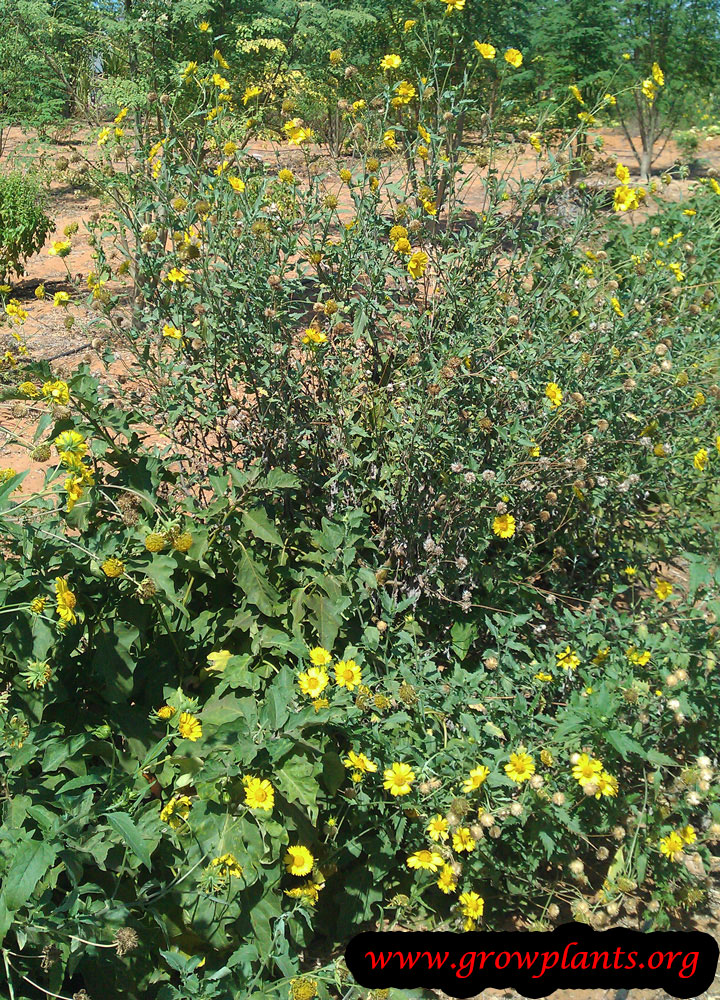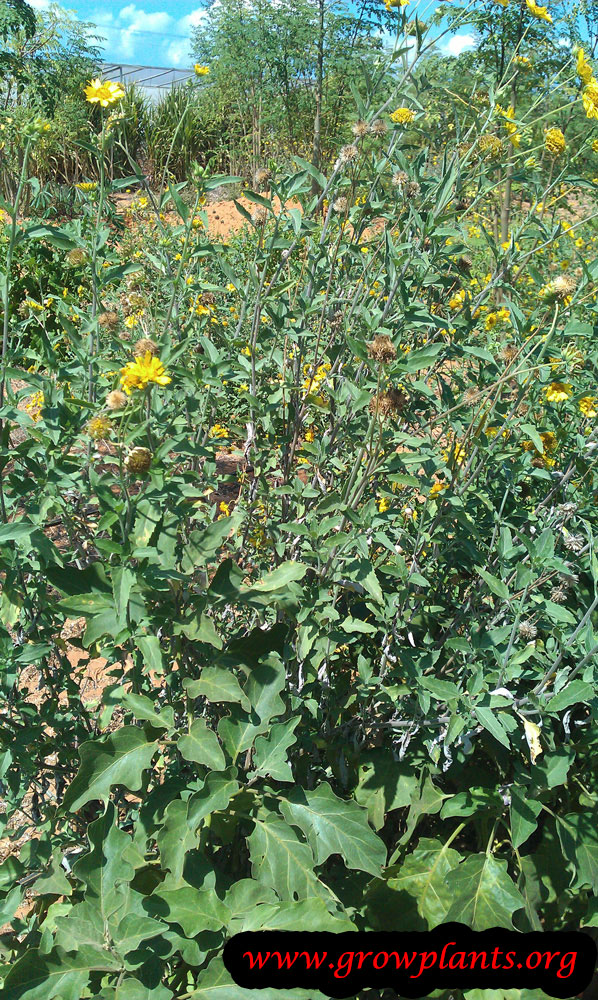
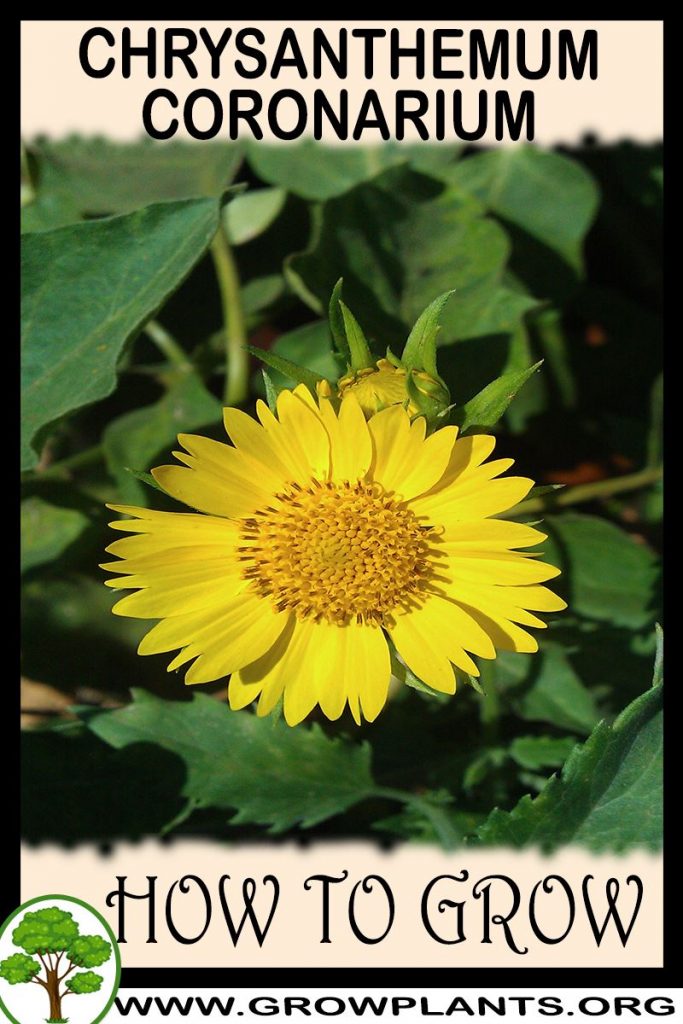
Plant Profile & Key Characteristics
Overview: An annual herbaceous plant, 20-50 cm (8-20 in) tall, grown as an edible leafy vegetable (shungiku) and ornamentally for its yellow and white daisy flowers. It suits Mediterranean, desert, subtropical and temperate gardens.
Quick Specifications
| Specification | Attribute |
|---|---|
| Plant Type / Life Cycle | Annual |
| Mature Size | 20-50 cm (8-20 in) tall |
| Growth Rate | Fast to moderate |
| Toxicity | Non-toxic; leaves edible (shungiku greens) |
| Hardiness | USDA zone 5-10 |
Growth Form & Structure
- Height & Spread: 20-50 cm (8-20 in) tall; grows well in containers.
- Growth Habit & Form: Upright, bushy annual.
- Lifespan & Maturity: Fast-growing annual; leaves harvested through the season.
Anatomy & Physical Features
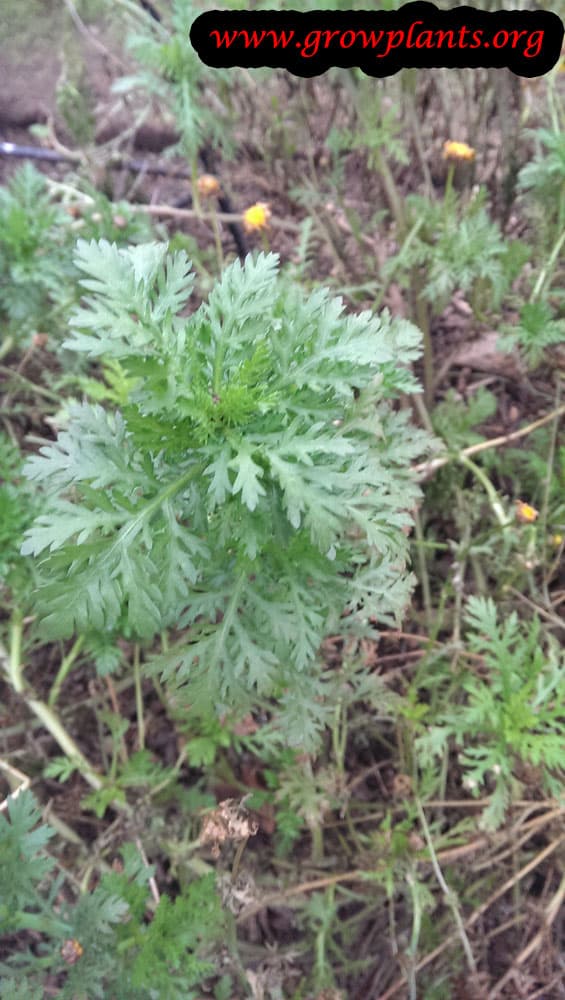
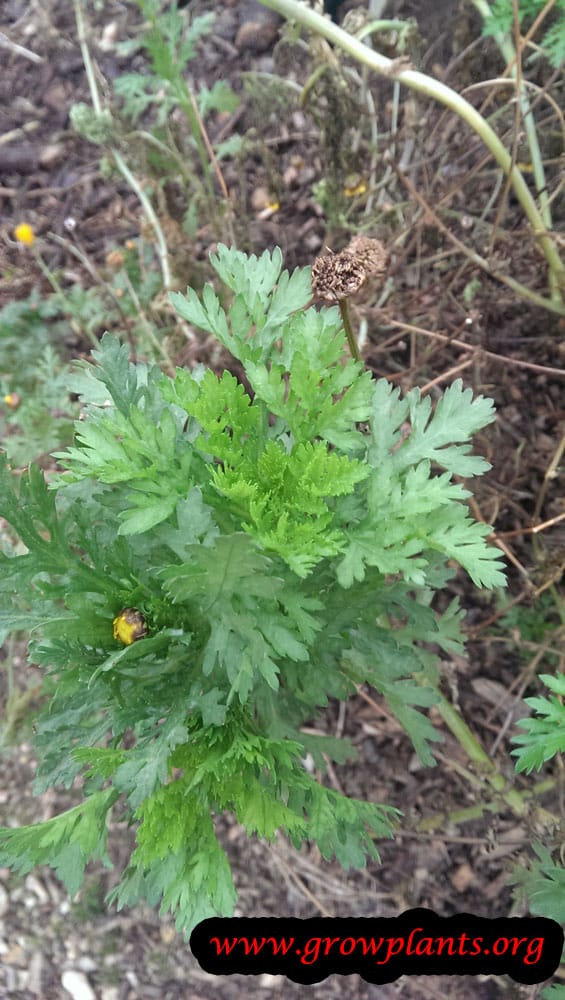
- Leaves & Foliage: Edible green leaves, lobed like teeth, aromatic.
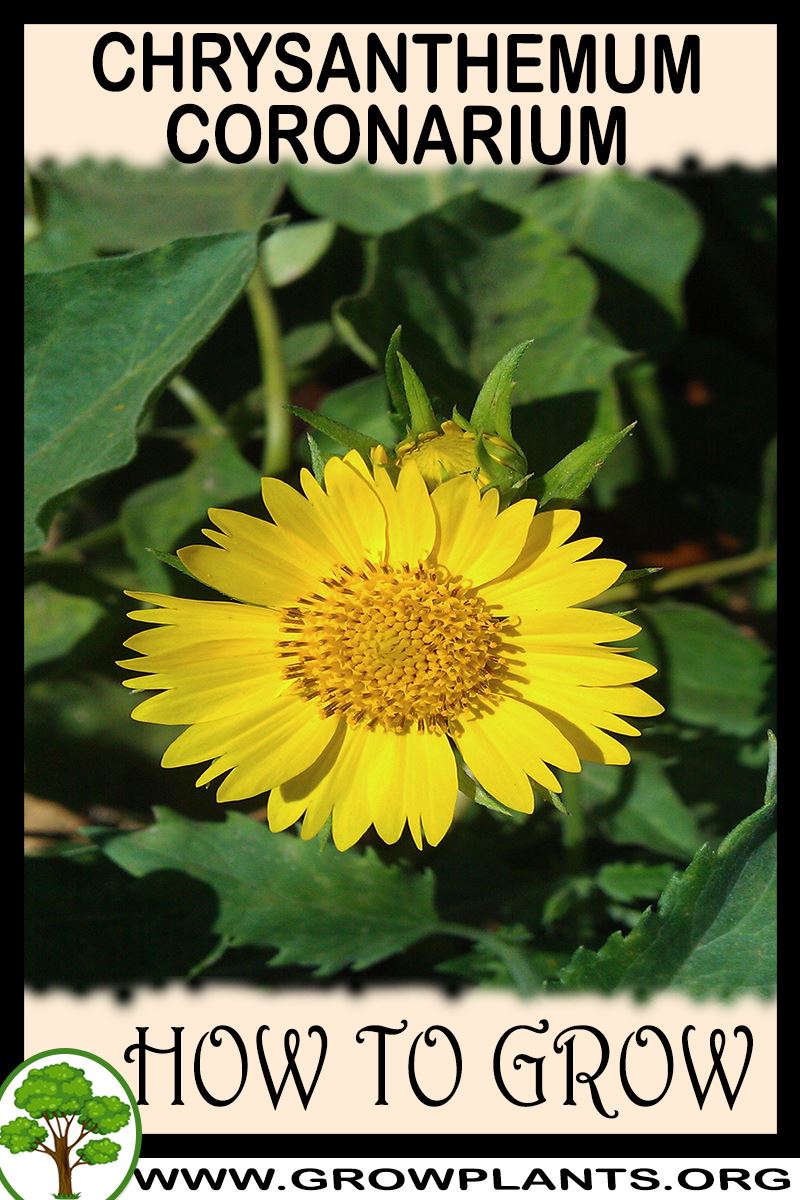
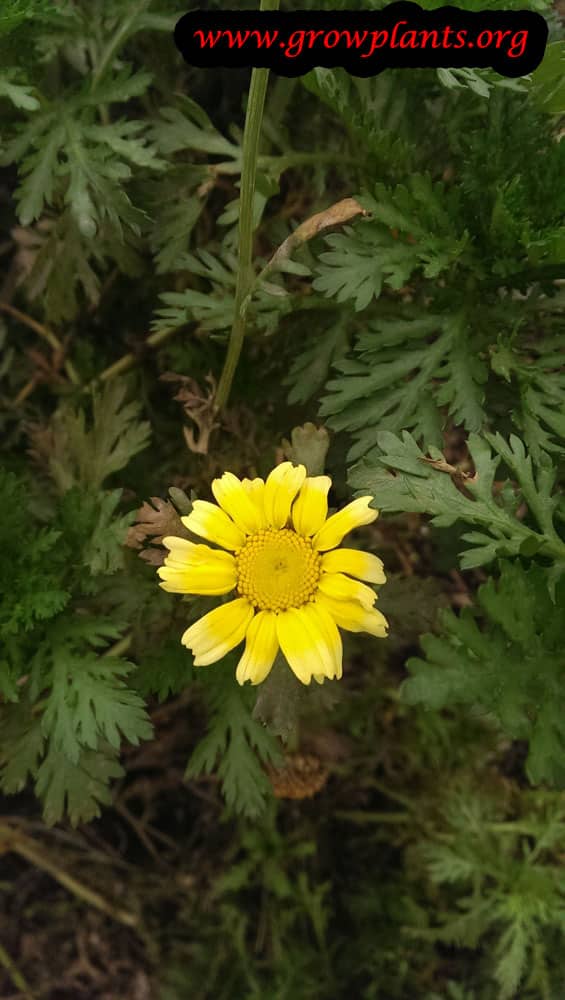
- Flower Characteristics: Yellow, white or bicoloured daisy-like flowers with multiple petals (full detail in the Bloom section).
Primary Uses & Landscape Value
- Edible Uses: Aromatic leaves eaten raw in salads, or cooked in stir-fries and stews (Asian greens).
- Functional & Ornamental Roles: Grown as an ornamental edible; attracts pollinators.
Care Guide: Planting, Soil & Watering
Overview: This edible garland chrysanthemum prefers full sun and cool growing weather in rich, well-drained soil. It is fairly frugal with water, needing only a low to moderate supply.
Quick Care Requirements
| Requirement | Ideal Condition |
|---|---|
| Planting Season | Spring, or autumn in warmer climates |
| Growth Rate | Moderate to fast |
| Soil Type | Rich, well-draining |
| Water Need | Low to moderate – keep lightly moist, letting the surface dry between waterings |
Planting & Establishment
- Best Planting Season: In spring, or in autumn in warmer climates.
- How to Plant:
- Hole Preparation: Dig a hole about twice the width of the root ball and just as deep, loosening the sides so young roots spread easily.
- Soil Amendments: Mix compost or well-rotted organic matter into the backfill to give these hungry plants a rich, fertile root run.
- Planting Depth: Set the plant so the root collar sits level with the surrounding soil; never bury the stem or trunk base.
- Growth Speed & Expectations: A fast, moderate grower forming a leafy edible clump 20-50 cm tall.
Soil, Watering & Drainage Care
- Soil Mix & Drainage Needs: Grow in rich, free-draining soil with added organic matter; sharp drainage keeps the roots healthy. It also grows well in a container of good potting mix.
- Watering Schedule & Technique:
- Young / Newly Planted: Water regularly for the first few weeks so the root ball never dries out completely while the plant establishes.
- Established: Once settled, water deeply but let the top few centimetres dry before watering again; it copes well with short dry spells.
- Seasonal Adjustments: Increase watering during hot, dry weather and cut right back in winter as growth slows.
Climate, Light & Hardiness
Garland chrysanthemum is an edible, cool-season annual for mediterranean, desert, subtropical, and temperate gardens, grown in full sun to half shade. It is planted to grow through the cool part of the year, since heat is the main factor limiting leaf quality and prolonging the season.
Quick Climate Specifications
| Climate Zones | Mediterranean, desert, subtropics, temperate |
|---|---|
| USDA Hardiness Zones | Zones 5–10 |
| Frost Tolerance | Moderate |
| Light Conditions | Full sun / half shade |
Sunlight & Light Exposure
Optimal Light Setup
Full sun to half shade both work; some shade in hot climates helps prolong tender leaf production.
Temperature Extremes & Hardiness
USDA Hardiness & Regional Limits
Grown across zones 5–10 as a cool-season annual, timed for spring in temperate climates or autumn through winter where winters are mild.
Extreme Heat Tolerance
Heat is the main limiting factor for this crop - hot weather pushes it to flower and toughens the edible leaves, so it is best grown in cool conditions rather than through summer heat.
Growing in Pots, Balconies & Indoors
This edible garland chrysanthemum is a fast, sun-loving annual that grows well in pots and troughs, though the grower notes it is not a true houseplant – indoor light is usually too weak unless it sits on a very bright, sunny sill.
Quick Details
- Container Size: Roughly 5-15 L (1-4 gal) troughs or pots suit this compact annual
- Indoor Suitability: Not a deep-room houseplant, but a bright, sunny windowsill can raise the young edible leaves
- Best Spot: Full sun to part shade – a bright balcony or patio is ideal
- Soil & Drainage: Well-aerated, organic-rich mix (potting mix or peat/coir with perlite or vermiculite); must drain freely
- Watering in Pots: Keep the mix evenly moist – pots dry faster than open ground; let the top slightly dry between waterings and never leave it waterlogged
Indoors & On the Windowsill
- Houseplant limits: The grower marks it as not a houseplant – in a room the light is too weak for sturdy growth.
- Windowsill growing: A bright, sunny sill with direct light will support a crop of young leaves; sow in shallow pots and pick often to keep it tender.
On a Balcony or Patio
- Light, wind & heat: Give it the sunniest spot you have. Walls and paving reflect heat so pots dry quickly – check moisture often in warm weather. On an exposed balcony, stake tall stems and shelter from strong wind.
- Practicalities: A full pot is heavy once watered – make sure the balcony can take the load and that drainage runoff has somewhere to go.
Choosing the Pot, Soil & Long-Term Care
- Pot & drainage: Use a pot with strong drainage holes and skip a standing-water saucer to avoid root rot. Terracotta breathes and dries faster; glazed or plastic pots hold moisture longer.
- Potting mix: A well-aerated, organic-rich mix – potting mix or peat/coir blended with perlite or vermiculite for free drainage.
- Feeding: Potted plants need feeding more often than those in open ground, as nutrients leach out with each watering – feed regularly through the growing season.
- Season to season: As a short-lived plant there is no long-term repotting – empty and refill the pot with fresh, clean mix each cycle so pests and disease are not carried over.
Fertilizing & Feeding
A moderate feeder grown mainly for its edible leaves: nitrogen-leaning feeding through the cool growing season keeps the harvested foliage tender and productive.
Quick Fertilizing Specs
| Feeding Level | Moderate feeder |
|---|---|
| young_feeding | Light, balanced feeding as seedlings establish |
| mature_feeding | Regular, nitrogen-leaning feeding through the harvest window |
| Main Nutrient Priority | Nitrogen for continuous tender leaf growth, on a balanced base |
| Best Feeding Period | The cool-season active growing period |
| Organic Options | Compost or aged organic matter worked into the bed |
| Soil pH | Tolerates a range of garden soils |
| Reduce/Stop Feeding | Taper feeding as the plant finishes its season or begins to flower and set seed |
Feeding by Growth Stage
Establishment after sowing or transplanting
Help seedlings or transplants root in before the plant’s fast growth pushes out tender, edible leaves.
| Nutrient direction | A balanced complete fertilizer at a light rate. |
|---|---|
| Timing | At sowing or transplanting, in spring or, in warmer climates, autumn. |
| Frequency | A light feeding as seedlings establish. |
| Fertilizer types | Balanced complete garden fertilizer, Compost or aged organic matter worked into the bed |
| Precautions | Keep early feeding light on tender young roots. |
Leafy vegetative growth
Fuel the tender, edible foliage that is harvested through the season.
| Nutrient direction | Nitrogen-forward complete feeding to keep leaves coming fast and tender. |
|---|---|
| Timing | Through the plant’s fast-growing cool season. |
| Frequency | Feed regularly through active growth to sustain leaf production. |
| Fertilizer types | Nitrogen-forward complete fertilizer, A diluted organic liquid feed |
| Precautions | Avoid overly soft growth that invites aphids and spider mites, both common pests on this plant. |
Ongoing leaf harvest
Sustain regrowth of tender leaves as they are repeatedly picked from the base.
| Nutrient direction | Steady, balanced-to-nitrogen feeding to replace what harvesting removes. |
|---|---|
| Timing | During the harvest window as leaves are cut. |
| Frequency | Light, regular feeding after harvest flushes keeps new growth tender. |
| Fertilizer types | A balanced or nitrogen-leaning complete fertilizer, A gentle organic liquid feed between harvests |
| Precautions | This plant can self-seed aggressively; keep feeding moderate and remove spent plants promptly. |
Nutrient Deficiency Signs & Corrections
Overall pale, yellow-green leaves with slowed, stunted growth.
| Possible causes | Low available nitrogen in the soil, Nitrogen leached away after heavy watering or rain, Cold soil limiting root uptake |
|---|---|
| Appears first on | Older, lower leaves. |
| What to check | Recent feeding history, Soil moisture and drainage, How much leaf has already been harvested |
| Possible correction | Feed with a nitrogen-forward complete fertilizer during active growth and keep watering consistent. |
New leaves yellow between the veins while the veins stay green.
| Possible causes | High or alkaline soil pH limiting iron availability, Waterlogged or cold roots reducing uptake, Genuine iron shortage in poor soil |
|---|---|
| Appears first on | Youngest leaves at the growing tips. |
| What to check | Soil pH, Drainage and root health, Whether symptoms follow cold, wet spells |
| Possible correction | Correct soil pH where it is too high and, if needed, apply a chelated iron product per its label. |
Leaf edges browning or scorched despite adequate watering.
| Possible causes | Fertilizer salt buildup from overfeeding, Under-watering that concentrates salts in the root zone, Poor drainage trapping salts near the roots |
|---|---|
| Appears first on | Leaf margins, especially on the largest leaves. |
| What to check | Recent feeding amount and frequency, Watering consistency, Signs of a salt crust on the soil surface |
| Possible correction | Ease off feeding, water thoroughly to flush salts, then return to a lighter routine. |
Pruning, Training & Seasonal Maintenance
Chrysanthemum coronarium is a fast-growing annual grown mainly for its edible leaves, so its "pruning" behaves more like a cut-and-come-again herb than an ornamental mum: pinching and repeated cutting keep the plant leafy and bushy and delay it from bolting to flower, rather than being aimed at multiplying bloom. Tolerance for cutting is high through the vegetative stage, but once the plant bolts and flowers in warm weather, leaf quality declines and cutting back has less to offer.
Quick Pruning & Maintenance Specs
| Pruning Tolerance | High during vegetative growth; declining value once the plant bolts |
| Primary Pruning Window | Cool-season vegetative growth (spring, or autumn–winter in warm climates) |
| Typical Frequency | Repeated pinching/cutting through the growing season |
| Main Objective | Encourage bushy leaf production and delay bolting to flower |
| Young Plant Priority | Pinch the growing tip once several true leaves have formed, to force side branching |
| Mature Plant Priority | Remove infected/damaged leaves; once it bolts, treat flowering as the end of the productive leaf phase |
| Best Tool Type | Precision snips (soft, herb-like stems and leaves) |
| Avoid Heavy Pruning During | Hot weather once the plant has already bolted – cutting back won’t restore leaf quality |
Pruning by Plant Age & Size
Newly Established
Let the seedling put on several true leaves before the first pinch; don’t cut a very young plant.
Young / Formative
Pinch the growing tip to force branching once the plant is established, then continue lightly and repeatedly cutting new growth – there is no structural framework to build on an annual grown this way, only ongoing pinching for leafiness.
Mature / Established
Continue light, repeated cutting while conditions stay cool; once the plant bolts and flowers, further cutting back mainly just removes the flowering stems rather than restoring the earlier leaf quality.
Seasonal Pruning Schedule
Cool-season vegetative growth: objective is bushy leaf production; pinch tips and take repeated light cuts of new growth; don’t strip the plant bare in one pass, since regrowth needs some leaf area left behind; response is continued branching and fresh leaf flushes.
Onset of bolting/flowering (warm weather): objective shifts from leaf production to accepting the plant’s natural end-of-cycle; removing the forming flower stems can modestly slow bolting, but won’t indefinitely prevent it in an annual responding to heat and day length.
Special Growth to Remove
Infected or damaged leaves, removed as needed; developing flower stems can be pinched out to modestly delay bolting, but this is a minor, temporary effect rather than a reliable control.
Container & Small-Space Pruning
Grows well in containers; pinch and cut slightly more frequently than an in-ground bed, since a container plant has less root volume to fuel continuous regrowth after each cutting.
Tools
Precision snips for pinching tips and cutting leaves – the stems and foliage stay soft and herb-like through the plant’s productive phase, so heavier tools are never warranted.
Tool Hygiene & Disease Risk
Routine, with a food-safety note: since the cut material is eaten, use clean tools and avoid cutting visibly pest-damaged growth into the same batch as healthy leaves.
Cut Placement & Technique
Pinch or cut just above a leaf node or side-shoot so the plant can branch from the cut point; avoid cutting so low that no leaf tissue remains to regrow from.
Heavy Pruning & Rejuvenation
Not applicable in the woody sense – this is a fast-cycling annual, so "rejuvenation" is really just resowing a fresh crop once a planting bolts or is spent, rather than pruning an existing plant back into leaf production.
Post-Pruning Care
Water normally to support quick regrowth after cutting; no special wound care is needed on this soft-tissued annual. Watch for aphids and spider mites (both noted pests) on regrowth.
Common Pruning Mistakes
Cutting the whole plant down to bare stem in one pass instead of leaving some leaf area to regrow from; expecting cutting back to indefinitely postpone bolting once hot weather sets in.
When NOT to Prune
Avoid heavy cutting once the plant has clearly bolted in hot weather – leaf quality has already declined and the plant’s productive cycle is ending regardless of pruning.
Recommended Tools (by task)
- Pinching and repeated leaf cutting: precision_snips – the only tool this soft-stemmed annual calls for.
Propagation Guide
Crown daisy (Chrysanthemum coronarium, also known as Glebionis coronaria) is a fast-growing annual grown from seed; because plants are typically harvested for their leaves within one season, cuttings and division are not part of normal propagation. Growing it from seed is easy and reliable.
Quick Propagation Specs
| Best Propagation Method | Seed, direct-sown or started as seedlings |
| Alternative Methods | Starting seedlings in trays for later transplanting |
| Propagation Difficulty | Easy |
| Seed True-to-Type | Usually true-to-type |
| Best Propagation Season | Spring; also autumn in warmer climates |
| Seed Germination Time | Typically one to two weeks |
| Germination Temperature | Cool conditions, around 15–20°C (59–68°F) |
| Seed Sowing Depth | Roughly 0.5–1 cm (about ¼ inch) |
Growing from Seed
Sowing Season
Sow in spring, or in autumn where climates are warm enough to grow it as a cool-season crop.
Sowing Depth & Orientation
Sow shallowly, roughly 0.5–1 cm (about ¼ inch) deep.
Germination Conditions
Cool, moist conditions suit this cool-weather crop best; keep the seed bed evenly moist.
Germination Time
Typically one to two weeks.
Seedling Care
Thin seedlings to give plants room to develop, and keep the bed evenly moist; harvest leaves starting near the base as plants mature.
Bloom & Edible Flower Guide
Quick Details
- Bloom Season: Spring into summer; in warm climates, autumn through winter into spring
- Time to First Bloom: An annual – it flowers within the season from sowing, once warmth and longer days trigger bolting
- Flower Appearance: Daisy-like heads with a central disc and many petals, in yellow, white or bicoloured yellow-and-white
- Edibility: Yes – this is crown daisy (shungiku); the young leaves and the flower petals are edible
Detailed Blooming Overview
Better known in the kitchen as crown daisy or shungiku, this annual chrysanthemum relative is grown both for its aromatic leaves and its cheerful daisy flowers. As the days warm and lengthen it bolts and throws up a succession of yellow and white daisies. The petals are edible too and make a pretty, mildly aromatic garnish, so the plant is genuinely dual-purpose.
Flower Characteristics
- Open, daisy-shaped heads with a central disc and a single ring of broad petals.
- Colours are yellow, white, or yellow with a white outer zone.
- Carried freely once the plant bolts, on branching leafy stems.
Bloom Care & Thinning
- Leaves or flowers: For a longer leaf harvest, pinch out buds to delay bolting; to enjoy and eat the flowers, simply let it bloom.
- Harvesting petals: Pick freshly opened, unsprayed flowers and use the petals as an edible garnish.
- Pollination: The open daisies attract bees and other pollinators.
Bloom Health & Protection
- Aphids on buds: May gather on soft flower buds; a water jet or an insecticidal soap clears them, which is preferable where the flowers will be eaten.
Fruit & Uses
Chrysanthemum coronarium, also known as garland chrysanthemum or shungiku, is grown mainly for its edible young leaves, a popular leafy green in Mediterranean and East Asian cooking. The aromatic, deeply toothed leaves can be eaten raw in salads or cooked in stews and stir-fries; the plant’s yellow-and-white daisy-like flowers are ornamental and are not a documented edible part.
Quick Edible Specs
| Edible Parts | Leaves (young growth) |
|---|---|
| Main Use(s) | Culinary – salad green and cooked leafy vegetable |
| Eaten Raw or Cooked | Both – raw in salads, or cooked in stews, stir-fries and soups |
| Preparation Required | None for raw use beyond washing |
| Harvest Season | Spring; also autumn into winter in warmer climates |
| Time to First Harvest | Once young growth is established (see Propagation for germination timing) |
| Storage | Best used fresh, like other leafy greens; short fridge storage only |
| Safety/Toxicity Caveat | None known – a widely eaten culinary green |
Leaves & Greens
The green, linear, deeply toothed leaves are the part that is eaten. They are best picked young and tender, before the plant bolts to flower, by cutting or pinching at the base of the leaf, which encourages the plant to keep producing new growth. As with other leafy greens, letting the plant flower and set seed toughens the remaining foliage and makes it more bitter, so regular, light picking keeps the crop tender.
Harvesting
Leaves are harvested through spring, or from autumn into winter in warmer climates, using a cut-and-come-again approach rather than a single harvest. Picking little and often keeps new leaves coming and delays bolting.
Preparation, Uses & Safety
Leaves are eaten raw in salads or cooked – stewed, stir-fried, or added to soups and hot pot, in the style of the East Asian vegetable shungiku. No specific safety caveats or detoxifying preparation are noted for this species; as with any leafy green, wash before eating raw.
Pests, Diseases & Troubleshooting
Overview: Garland chrysanthemum is grown as a fast edible leaf crop (shungiku) as well as an ornamental, and while it shares the mum pests – aphids, leafminers, leafhoppers and thrips – its aromatic foliage makes it fairly resistant, and the priority is food-safe, organic control. Diseases are mainly leaf spot and downy mildew in wet, crowded stands.
Quick Troubleshooting Overview
| Issue / Pest | Main Symptom | Primary Solution |
|---|---|---|
| Aphids | Colonies on tips and undersides | Water jet; soap; beneficials |
| Leaf miners | Pale winding tunnels in leaves | Remove leaves; fleece |
| Leafhoppers | Stippling, distorted growth, virus | Sticky traps; soap |
| Thrips | Silvery flecking on leaves | Sticky traps; tolerate light |
| Caterpillars | Chewed, holed leaves | Handpick; Bt |
| Leaf spot / downy mildew | Spots or yellow patches with mould | Airflow; spacing; avoid wet leaves |
Common Pests & Management
- Aphids (Aphidoidea):
- Symptoms: Clusters of small green, black or grey soft-bodied insects on new shoots, buds and leaf undersides; curled distorted growth, honeydew and sooty mould.
- Prevention & Control: Blast off with a strong jet of water and squash colonies early. Encourage ladybirds, lacewings and hoverflies; avoid excess nitrogen that fuels soft growth. Use insecticidal soap or neem for stubborn outbreaks, sprayed in the evening to spare pollinators.
- Leaf miners (Chromatomyia / Agromyzidae larvae):
- Symptoms: Pale winding or blotchy tunnels mined inside the leaves, spoiling the edible crop.
- Prevention & Control: Cover with insect-mesh or fleece to exclude adult flies, pick off and destroy mined leaves, and harvest young; encourage parasitic wasps rather than spraying an edible crop.
- Leafhoppers (Cicadellidae):
- Symptoms: Pale stippling and distorted growth, with insects darting sideways; can spread plant diseases.
- Prevention & Control: Use sticky traps and floating covers, encourage predators, and treat heavy pressure with insecticidal soap, observing harvest intervals.
- Thrips (Thysanoptera):
- Symptoms: Fine silvery flecking on leaves; usually minor on this aromatic crop.
- Prevention & Control: Monitor with sticky traps and tolerate light feeding; insecticidal soap for occasional heavier bouts.
- Caterpillars (Lepidoptera larvae):
- Symptoms: Chewed and holed leaves from loopers and moth larvae.
- Prevention & Control: Hand-pick and use Bacillus thuringiensis (Bt), which is suitable for edible crops when used to label.
Diseases & Fungal Issues
- Leaf spot (Septoria / Alternaria spp.):
- Symptoms: Brown-black spots on leaves that spread in wet, crowded plantings and spoil the harvest.
- Treatment & Management: Space plants and improve airflow, avoid overhead watering, remove affected leaves, and rotate crops; harvest young for the cleanest leaves.
- Downy mildew (Peronospora spp.):
- Symptoms: Yellow patches on the upper leaf with greyish mould beneath in cool, damp, humid conditions.
- Treatment & Management: Improve airflow and spacing, keep foliage dry, and remove affected leaves; choose airy planting layouts over sprays on an edible green.
- Powdery mildew (Golovinomyces spp.):
- Symptoms: White powdery coating in crowded, humid stands late in the crop.
- Treatment & Management: Thin and space plants, harvest promptly, and remove affected leaves; a sulfur spray is a last resort observing harvest intervals.
Growing Difficulties & Abiotic Problems
- Bolting in heat / long days:
- Cause & Symptoms: Rapid flowering and tough, bitter leaves as the plant runs to seed.
- Correction Strategy: Sow in cool conditions, harvest young leaves and shoots repeatedly, and make successional sowings for a steady supply.
- Overcrowding & damping off:
- Cause & Symptoms: Weak, disease-prone seedlings and collapse at soil level from dense, wet sowings.
- Correction Strategy: Sow thinly into warm, free-draining media, thin seedlings, and avoid overwatering.
- Drought / heat stress:
- Cause & Symptoms: Wilting, scorch and bitterness in hot dry spells.
- Correction Strategy: Keep soil evenly moist, mulch, and provide light shade in extreme heat for tender, mild leaves.
What Helps – Products & Tools
As an edible crop, favour physical and organic controls: insect-mesh/fleece against leaf miners and leafhoppers, water jets and insecticidal soap for aphids (minding harvest intervals), Bt for caterpillars, and airflow/spacing to hold off the leaf-spot and mildews. Harvest young for the cleanest, tastiest leaves.