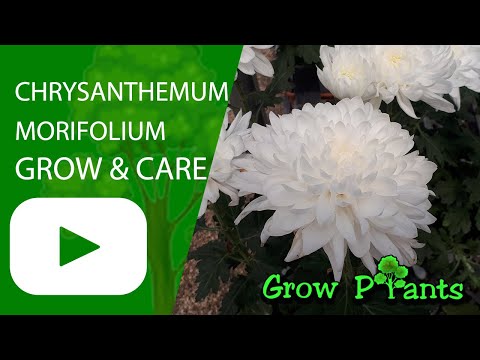

Plant Profile & Key Characteristics
Overview: A herbaceous plant, 20-50 cm (8-20 in) tall, grown as an ornamental and cut flower for its showy, many-coloured daisy-like blooms. It may be perennial or annual and attracts pollinators in temperate, Mediterranean and subtropical gardens.
Quick Specifications
| Specification | Attribute |
|---|---|
| Plant Type / Life Cycle | Perennial or annual (evergreen or deciduous) |
| Mature Size | 20-50 cm (8-20 in) tall |
| Growth Rate | Fast to moderate |
| Toxicity | Toxic to pets (contains pyrethrins) |
| Hardiness | USDA zone 5-10 |
Growth Form & Structure
- Height & Spread: 20-50 cm (8-20 in) tall; grows well in containers and can be kept as a houseplant with plenty of light.
- Growth Habit & Form: Bushy, mounding herbaceous plant.
- Lifespan & Maturity: Fast-to-moderate; flowers the same season.
Anatomy & Physical Features
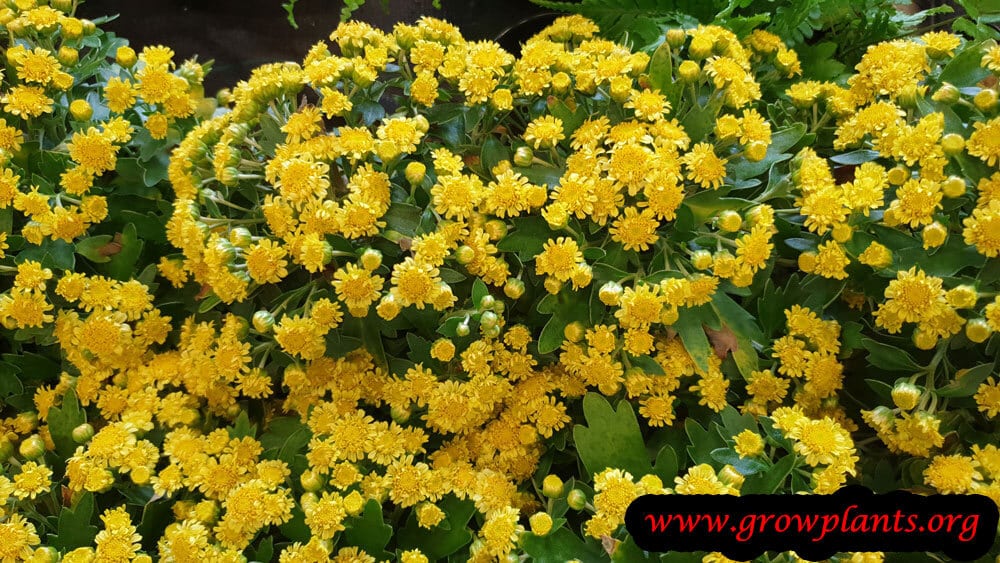
- Leaves & Foliage: Green, deeply lobed leaves.
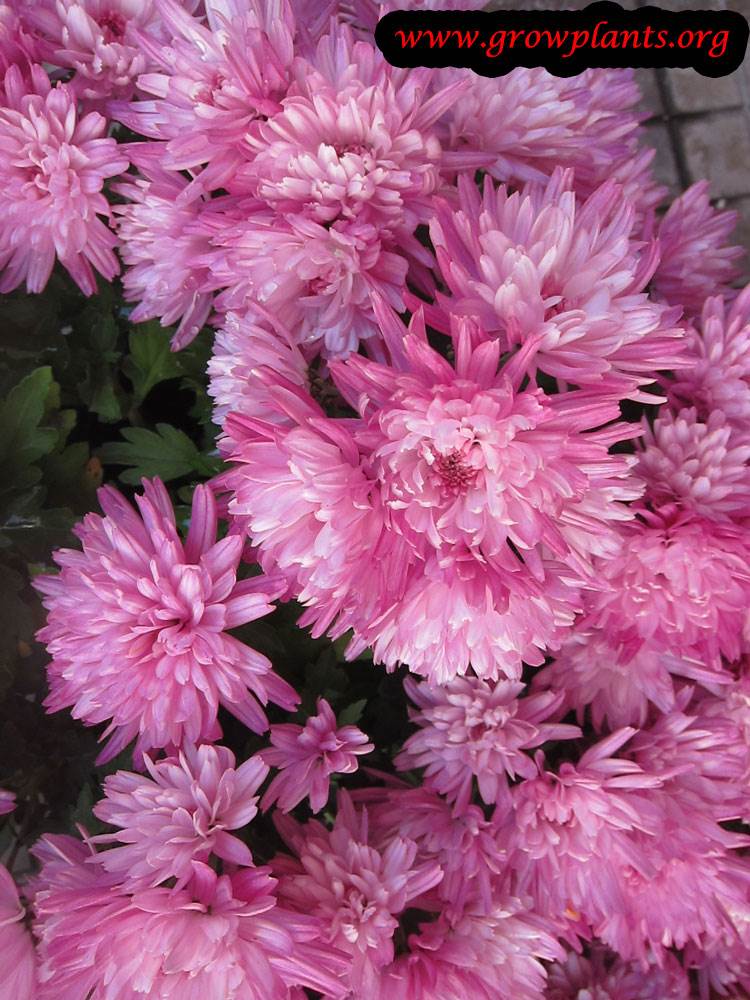
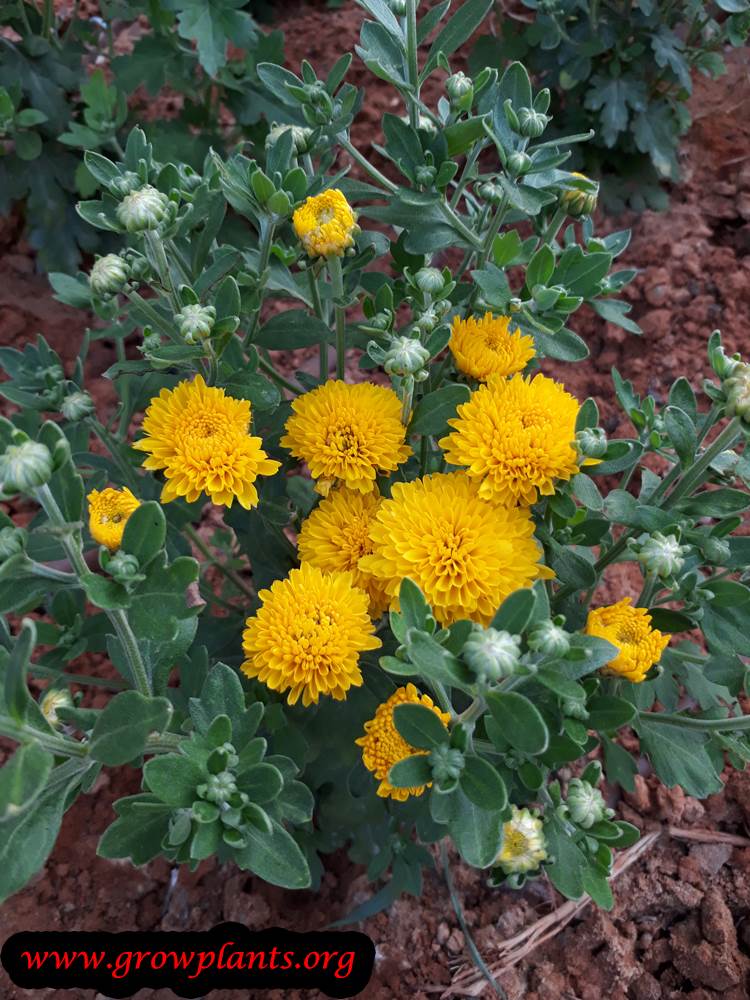
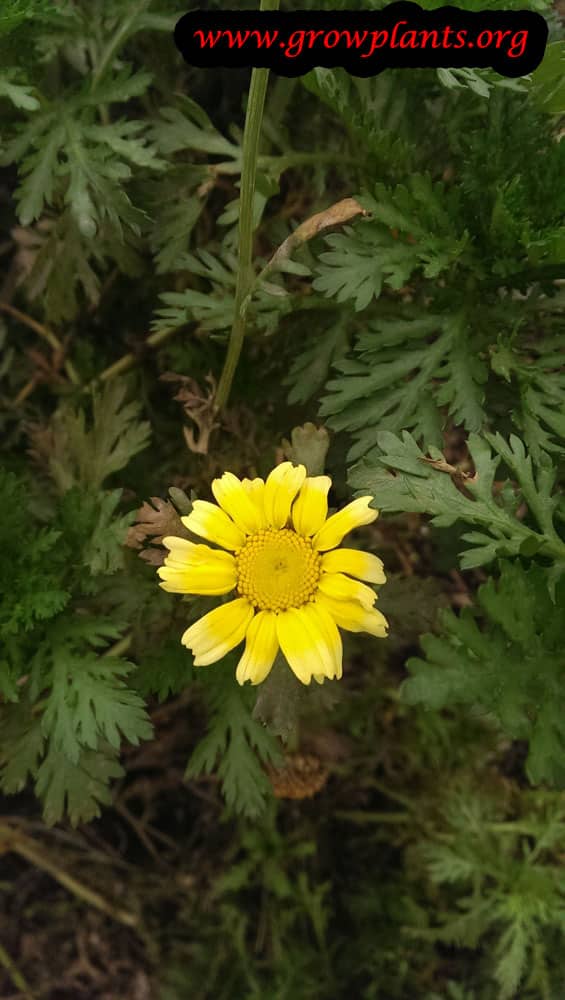
- Flower Characteristics: Daisy-like disc or fully double flowers in many colours (full detail in the Bloom section).
Primary Uses & Landscape Value
- Functional & Ornamental Roles: Ornamental bedding, border and container plant, cut flower, and pollinator plant.
Care Guide: Planting, Soil & Watering
Overview: This classic autumn-flowering mum prefers full sun and cool growing weather in rich, well-drained soil. It needs a moderate, steady supply of water to flower well.
Quick Care Requirements
| Requirement | Ideal Condition |
|---|---|
| Planting Season | Spring to summer, or autumn in warmer climates |
| Growth Rate | Moderate to fast |
| Soil Type | Rich, well-draining |
| Water Need | Moderate – keep evenly moist, letting the surface dry between waterings |
Planting & Establishment
- Best Planting Season: From spring to summer, or in autumn in warmer climates.
- How to Plant:
- Hole Preparation: Dig a hole about twice the width of the root ball and just as deep, loosening the sides so young roots spread easily.
- Soil Amendments: Mix compost or well-rotted organic matter into the backfill to give these hungry plants a rich, fertile root run.
- Planting Depth: Set the plant so the root collar sits level with the surrounding soil; never bury the stem or trunk base.
- Growth Speed & Expectations: A moderate to fast grower forming a bushy clump 20-50 cm tall.
Soil, Watering & Drainage Care
- Soil Mix & Drainage Needs: Grow in rich, free-draining soil improved with organic matter; good drainage prevents root and stem rot. It grows well in containers and can be kept indoors given plenty of light.
- Watering Schedule & Technique:
- Young / Newly Planted: Keep the soil evenly moist for the first several weeks, watering whenever the surface begins to dry.
- Established: Water deeply and let the top few centimetres dry before watering again, rather than giving frequent shallow sips.
- Seasonal Adjustments: Water more often through summer heat and reduce it in winter as growth slows.
Climate, Light & Hardiness
Garden mums prefer cool weather and are grown as perennials, deciduous plants, annuals, or houseplants depending on climate, suited to temperate, Mediterranean, and subtropical gardens in full sun to half shade (full shade is possible but not recommended). Cold tolerance is genuine within their stated zone range, while sustained heat is what limits flowering in warm climates.
Quick Climate Specifications
| Climate Zones | Temperate, Mediterranean, subtropics |
|---|---|
| USDA Hardiness Zones | Zones 5–10 |
| Frost Tolerance | Moderate to high for the crown within its hardy range |
| Light Conditions | Full sun / half shade / full shade (possible but not recommended) |
Sunlight & Light Exposure
Optimal Light Setup
Full sun gives the strongest stems and heaviest bloom; half shade is tolerated, and full shade, while survivable, is not recommended since flowering suffers.
Best Exposure / Orientation
When grown indoors as a houseplant, place it at a bright window with as much light as possible.
Temperature Extremes & Hardiness
USDA Hardiness & Regional Limits
Reliably perennial through zones 5–10; where winters are mild, plants may bloom across autumn, winter, and spring instead of the single spring-to-summer flush seen in colder climates.
Cold Damage & Winter Protection
Foliage dies back with winter cold within the hardy range as part of the normal cycle, and the crown resprouts in spring; container and indoor plants should be kept above freezing.
Extreme Heat Tolerance
Prefers cool weather - sustained heat can suppress flowering, which is why warm-climate growers shift bloom time toward the cooler months.
Growing in Pots, Balconies & Indoors
Chrysanthemum (mum) is one of the classic flowering pot plants – the grower marks it as suitable indoors given plenty of light, and it makes a bright, if usually short-lived, indoor bloomer, as well as an excellent balcony and patio container plant.
Quick Details
- Container Size: A pot about 7-20 L (2-5 gal) for a plant of 20-50 cm (8-20 in); garden types need the larger size
- Indoor Suitability: Yes, with lots of light (the grower’s own note) – it flowers indoors on a very bright, sunny sill, though it is often short-lived inside
- Best Spot: Full sun to half shade outdoors; the brightest possible spot indoors
- Soil & Drainage: Rich, free-draining mix that holds some moisture
- Watering in Pots: Average – keep evenly moist while in bud and flower; do not let it wilt or waterlog
Indoors & On the Windowsill
- As a houseplant: The grower marks it as suitable indoors given a lot of light. On a very bright, sunny sill it will hold and open its flowers well; in a dim room it fades fast, so light is everything.
- After flowering: Indoor pot mums are often treated as a temporary display; for a longer life, move the plant outdoors to a sunny spot or into the garden once it finishes.
- Overwintering: Hardy garden types die back and reshoot outdoors; florist types are more tender and are best kept bright and frost-free.
On a Balcony or Patio
- Light & wind: A superb autumn container plant for a sunny balcony; give it a bright spot and it flowers generously. Taller kinds may need light support in wind, and pots dry fast in sun – check moisture regularly.
- Practicalities: Deadhead spent blooms to tidy it and prolong the show; ensure water drains freely.
Choosing the Pot, Soil & Long-Term Care
- Pot & drainage: A 7-20 L pot with strong drainage holes; skip a standing water saucer to avoid root rot.
- Potting mix: A rich, well-aerated, free-draining organic mix.
- Feeding: Feed through the growing season and while budding, as potted plants leach nutrients with watering; a balanced feed keeps flowering strong.
- Repotting: Pot on hardy types and refresh the mix each year; pinch growth early in the season for bushier, better-flowering plants.
A Note on Safety
- Toxic to pets: Chrysanthemums contain pyrethrins that are toxic to cats and dogs if chewed; grown indoors, keep it out of their reach.
Fertilizing & Feeding
A moderate feeder while building branching growth: keep balanced feeding going through spring, ease back as flower buds form, and stop altogether once bloom ends and the plant rests.
Quick Fertilizing Specs
| Feeding Level | Moderate feeder |
|---|---|
| Main Nutrient Priority | Balanced feeding, with nitrogen eased back as flower buds form |
| Best Feeding Period | Spring through bud set, tapering off as bloom begins |
| Organic Options | Compost or organic matter worked into soil or potting mix |
| Reduce/Stop Feeding | Hold off once bloom finishes and the plant rests |
| Micronutrients | Usually met by a complete fertilizer; correct only diagnosed issues |
| Soil pH | Tolerates a wide range of well-drained soils |
Feeding by Growth Stage
Spring vegetative growth
Build bushy, well-branched growth early in the season, which sets up a fuller bloom later.
| Nutrient direction | A balanced, complete fertilizer with adequate nitrogen fuels vigorous branching growth. |
|---|---|
| Timing | In spring as new growth begins, or after transplanting. |
| Frequency | Regular light feeding through this vegetative stage supports strong branching. |
| Fertilizer types | A balanced complete fertilizer, Compost or organic matter worked into the soil or potting mix |
| Routine trace nutrients | iron, manganese |
| Precautions | Pinch growing tips as part of routine care; heavy nitrogen without pinching produces tall, floppy stems. |
Bud set and flowering
Support the transition into bud formation and the long-lasting flower display mums are grown for.
| Nutrient direction | Ease back to a lighter, balanced feeding as buds form; extra phosphorus is not needed to drive bloom – steady balanced nutrition with reduced nitrogen supports strong flowering and sturdy stems. |
|---|---|
| Timing | As flower buds form and through the bloom period. |
| Frequency | Light, infrequent feeding through bud set and bloom is enough. |
| Fertilizer types | A balanced complete fertilizer used sparingly, with reduced nitrogen as buds form |
| Precautions | Cut back nitrogen once buds appear; too much promotes leafy growth at the expense of flowers. |
Post-bloom rest or dormancy
Let the plant rest after flowering, whether that means winter dieback outdoors or a slower period indoors.
| Nutrient direction | None – withhold fertilizer once bloom finishes and growth slows. |
|---|---|
| Timing | After flowering ends and through winter dormancy or any indoor low-light rest. |
| Frequency | No feeding at this stage; resume only when active growth restarts. |
| Fertilizer types | No feeding at this stage; hold off fertilizing until active growth resumes. |
| Precautions | Do not fertilize a plant that has finished blooming and is not in active growth; cut back spent stems instead. |
Nutrient Deficiency Signs & Corrections
Older leaves fade to pale green or yellow and overall growth slows.
| Possible causes | low available soil nitrogen, nitrogen leaching from frequent watering, especially in containers, thin, low-organic-matter soil or depleted potting mix |
|---|---|
| Appears first on | older, lower leaves |
| What to check | recent feeding history, soil or potting mix organic matter, watering and drainage |
| Possible correction | Apply a balanced fertilizer with nitrogen and refresh potting mix or garden soil organic matter. |
Interveinal yellowing on older leaves while the veins themselves stay green.
| Possible causes | low soil or potting mix magnesium, heavy potassium feeding competing with magnesium uptake, leaching from frequent watering, especially in containers |
|---|---|
| Appears first on | older, lower leaves |
| What to check | recent feeding balance, container versus garden growing conditions, watering frequency and drainage |
| Possible correction | Apply a labeled magnesium source such as Epsom salt or a dolomitic amendment and rebalance overall feeding. |
Weak stems and browning along older leaf margins, with reduced flower size or quality.
| Possible causes | low soil or potting mix potassium, potassium leaching from frequent watering, a feeding routine skewed heavily toward nitrogen |
|---|---|
| Appears first on | margins of older leaves |
| What to check | recent fertilizer balance, container versus garden growing conditions, overall stem strength and flower quality |
| Possible correction | Move to a more balanced fertilizer rather than a nitrogen-heavy one, especially as buds are forming. |
Pruning, Training & Seasonal Maintenance
Mums (Chrysanthemum) are herbaceous plants whose most important pruning act isn’t cutting back spent growth but pinching young stems – the standard way to turn a single leggy shoot into a bushy, many-flowered plant. Because flower buds are triggered by day length later in the season, pinching has a hard cutoff: done early it multiplies bloom, done too late it delays or removes it entirely, so timing matters more here than for most ornamentals in this batch.
Quick Pruning & Maintenance Specs
| Pruning Tolerance | High – regrows readily from pinches and cutbacks |
| Primary Pruning Window | Repeated pinching from young growth until roughly 8–10 weeks before the target bloom time |
| Secondary Maintenance Window | Year-round removal of infected/damaged leaves; post-bloom cutback where grown as a perennial |
| Typical Frequency | Pinch every 2–3 weeks of active growth until the pinching cutoff |
| Main Objective | Build a bushy, self-supporting plant with many flowering stems rather than one tall single bloom |
| Young Plant Priority | Pinch the growing tip once the plant has several sets of leaves, then pinch each resulting branch again |
| Mature Plant Priority | Stop pinching on schedule and let buds form; deadhead spent blooms |
| Best Tool Type | Precision snips or fingers for pinching; bypass secateurs for coarser stems on older plants |
| Avoid Heavy Pruning During | After the pinching cutoff, once flower buds are initiating |
Pruning by Plant Age & Size
Newly Established
Let a young plant put on several sets of leaves before the first pinch; don’t pinch a very small seedling or fresh transplant.
Young / Formative
Pinch out the growing tip above a leaf node once the plant is established, then pinch each new side-branch again as it lengthens, repeating every couple of weeks. This is the plant’s entire "training system" – there is no leader or framework to build, only repeated pinching for branching. Stop pinching well ahead of the expected bud/bloom period so the plant has time to set and open flowers.
Mature / Established
Once buds are forming, stop pinching and switch to removing only damaged or infected leaves and deadheading spent flowers. Where grown as a hardy perennial, cut the plant back after bloom finishes.
Seasonal Pruning Schedule
Active vegetative growth (spring into summer, or the equivalent early period for the local bloom window): objective is branching; pinch stem tips repeatedly; don’t pinch after the cutoff needed for buds to form in time; response is a fuller, multi-stemmed plant.
Bud set through bloom: objective is display and plant health; remove only infected or damaged leaves and deadhead spent flowers; don’t pinch or cut back hard, since this would remove developing or open flowers.
After bloom (perennial types): objective is seasonal clean-up; cut spent flowering stems back; don’t cut into a crown that hasn’t finished dying back, especially in colder zones.
Special Growth to Remove
Infected or damaged leaves (an explicit fact for this plant, reflecting real susceptibility to leaf-spotting fungal issues) removed promptly; spent flower heads deadheaded to keep the plant tidy and encourage any remaining buds to open fully.
Container & Small-Space Pruning
Container-grown mums (a common way to grow this genus, including indoors with enough light) benefit from slightly more frequent, lighter pinching than an in-ground planting, since a compact habit matters more in a pot and over-tall growth is more likely to topple a container plant.
Tools
Fingers or precision snips for pinching soft young growth; bypass secateurs for deadheading and any coarser stem material later in the season.
Tool Hygiene & Disease Risk
Increased – chrysanthemums as a genus are prone to several transmissible fungal issues (leaf spots, and more seriously verticillium wilt in some situations), and infected leaves are specifically called out as material to remove, so avoid moving directly from visibly diseased foliage to healthy plants without wiping the blade.
Cut Placement & Technique
Pinch just above a leaf node with fingers or snips – a clean pinch, not a torn one, resprouts more reliably. Deadhead spent flowers back to the next leaf or side-bud.
Heavy Pruning & Rejuvenation
Where grown as a perennial, a full cutback of spent top growth after bloom is the normal seasonal reset and the plant resprouts from the base the following season; this isn’t a rejuvenation technique so much as routine annual maintenance.
Post-Pruning Care
No feeding is needed immediately after pinching; ordinary watering supports the branching response. Watch for aphids and spider mites (both noted pests) on the flush of soft growth that follows each pinch.
Common Pruning Mistakes
Pinching too late and missing the flower-bud window entirely, ending up with a tall, sparsely-flowered plant instead of a bushy, floriferous one; never pinching at all; leaving infected leaves in place instead of removing them promptly.
When NOT to Prune
Stop pinching once buds are initiating – further pinching at that stage removes the developing flowers rather than encouraging more of them; avoid hard cutback while the plant is actively in bloom.
Recommended Tools (by task)
- Repeated tip-pinching for branching: precision_snips – small, clean cuts on soft young growth, the plant’s single most important pruning action.
- Deadheading and removing infected leaves: bypass_secateurs – suits slightly coarser stem material later in the season.
Propagation Guide
Garden mums (Chrysanthemum) can be started from seed, but because most garden and florist mums sold today are named hybrid cultivars, seed-grown plants will not reliably match the parent’s exact flower color or form – stem cuttings or division are used whenever keeping the exact flower matters. Propagation is easy by any of these methods.
Quick Propagation Specs
| Best Propagation Method | Division of the clump or stem/tip cuttings |
| Alternative Methods | Seed (species or open-pollinated types) |
| Propagation Difficulty | Easy |
| Seed True-to-Type | Hybrid offspring vary; named cultivars do not come true from seed |
| Vegetative True-to-Type | Yes |
| Best Propagation Season | Spring |
| Seed Germination Time | Usually one to a few weeks at room temperature |
| Cutting Rooting Time | Usually two to three weeks under humid conditions |
| Germination Temperature | Around 18–21°C (65–70°F) |
| Seed Sowing Depth | Sow shallowly and cover lightly |
Growing from Seed
Sowing Season
Spring, whether direct-sown or started as seedlings for transplanting.
Sowing Depth & Orientation
Sow shallowly, covering lightly.
Germination Conditions
Moist, warm growing medium; keep in good light once germinated.
Seedling Care
Grow seedlings on until well rooted before transplanting; expect variation in flower color from hybrid or mixed seed.
Stem Cuttings
Cutting Type
Soft tip cuttings from vigorous, non-flowering shoots.
Best Timing
Spring, as new growth emerges.
Cutting Preparation
Take a 5–8 cm (2–3 inch) tip, remove the lower leaves, and cut just below a node.
Rooting Setup
Root in a moist, free-draining cutting mix under high humidity.
Rooting Hormone
Optional – can speed and even out rooting but is not strictly required.
Rooting Time
Usually within two to three weeks.
Division, Offsets, Pups & Suckers
Perennial mums form clumps that are readily divided in spring; lift and separate rooted sections with several shoots each and replant. Division is a quick way to multiply an established plant true to type.
Bloom & Flower Guide
Quick Details
- Bloom Season: Late summer into autumn; in warm climates, autumn through winter into spring
- Time to First Bloom: Cutting-grown plants flower within the same season
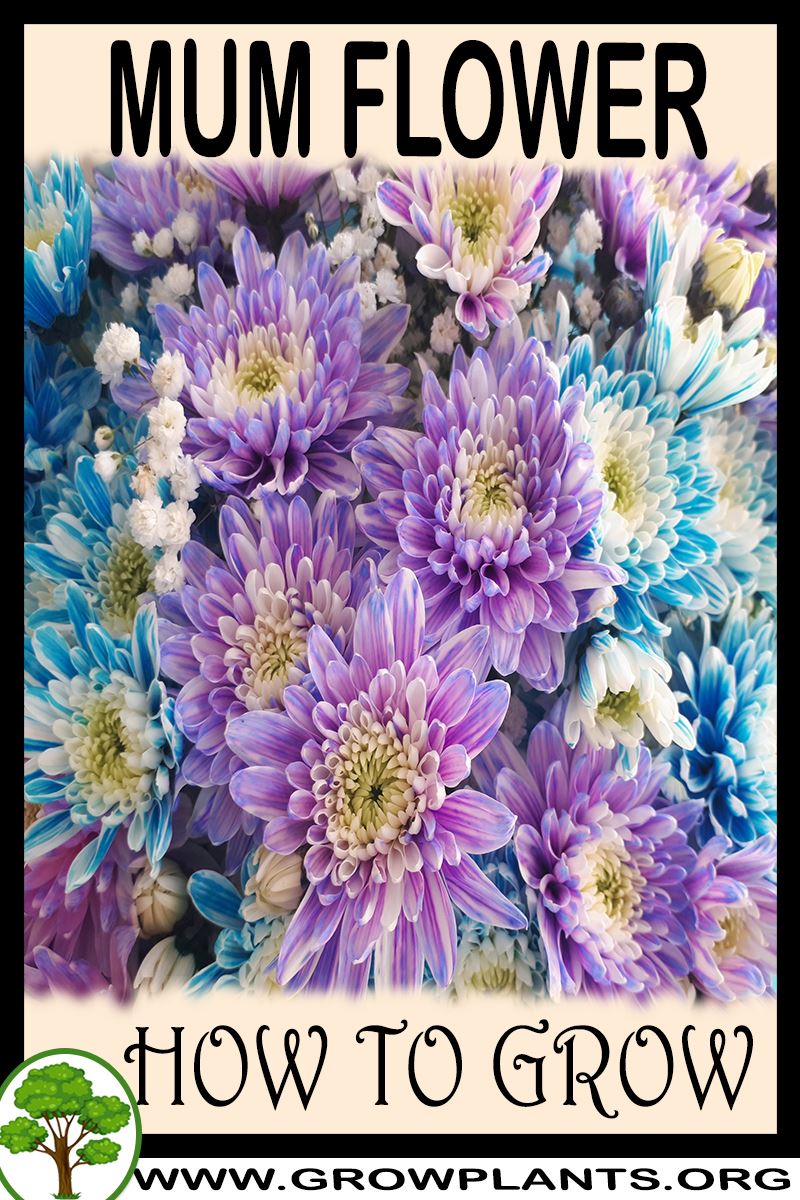
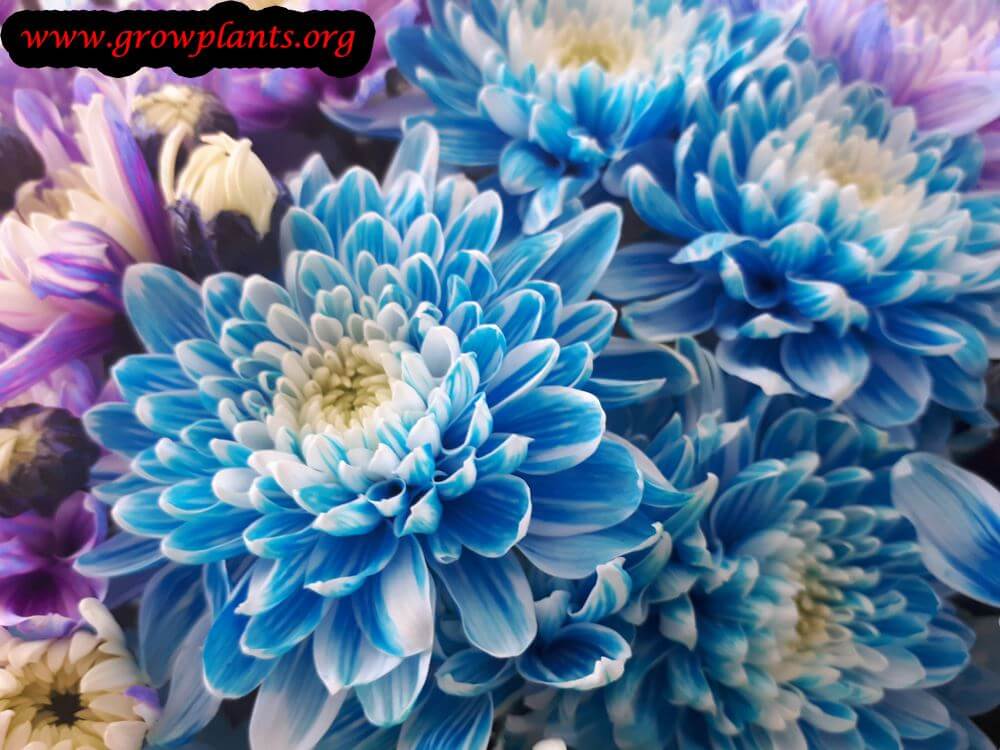
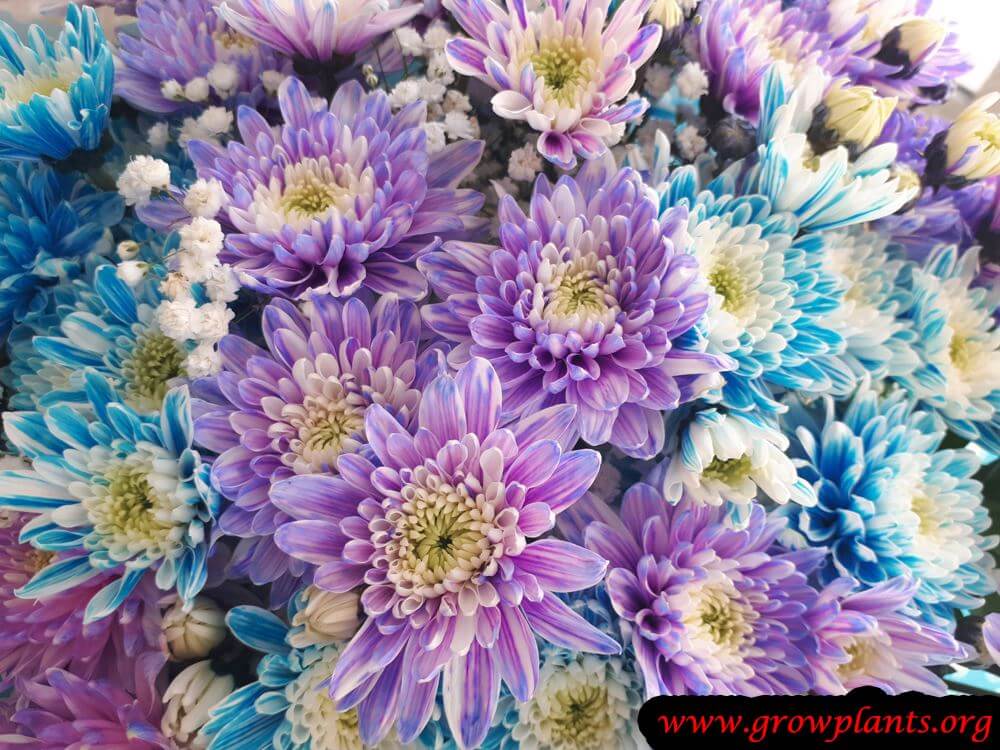
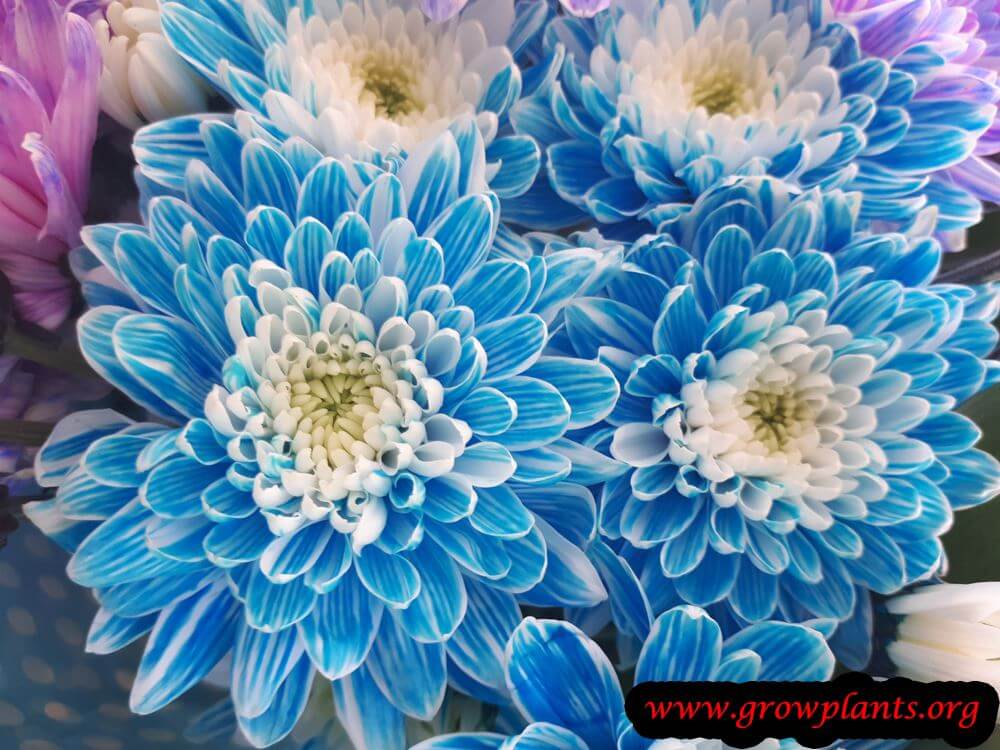
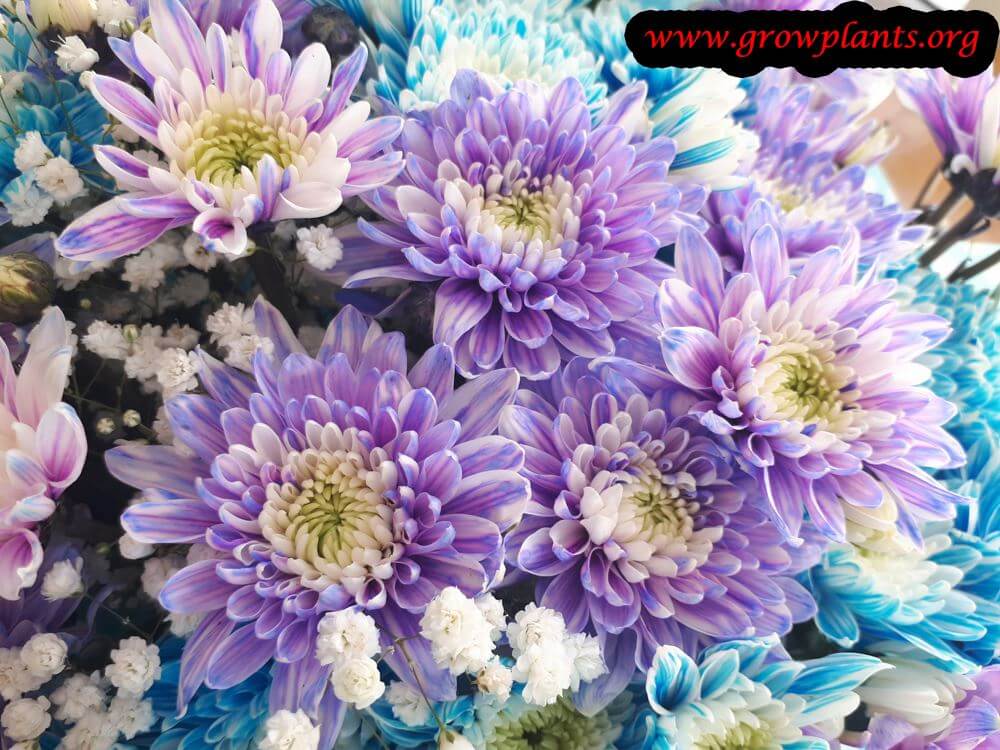
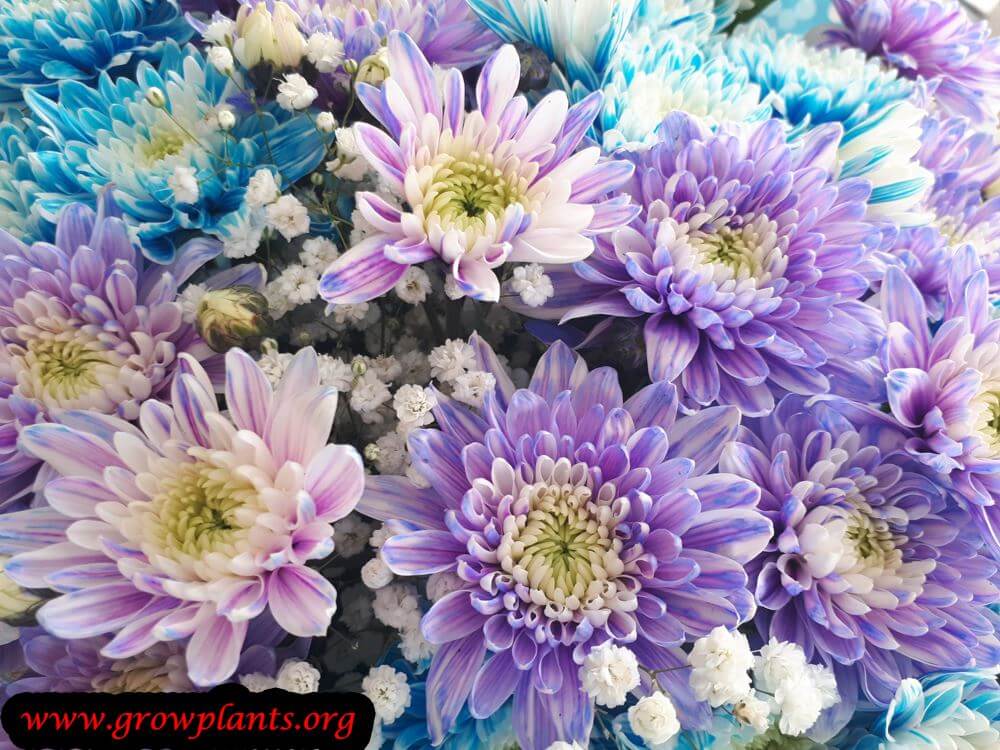
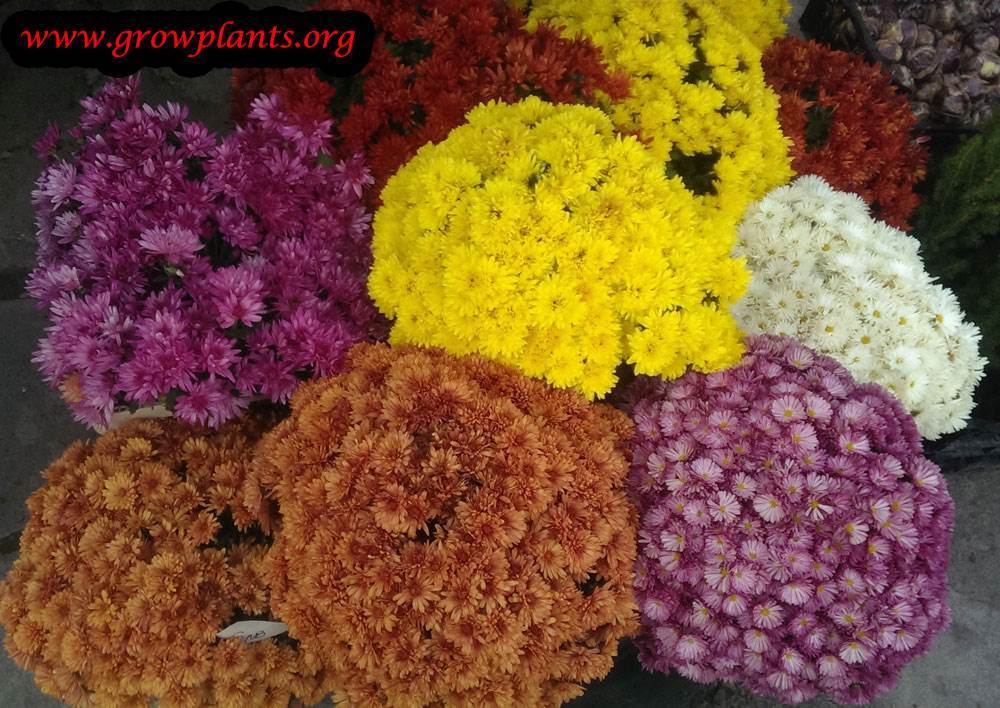
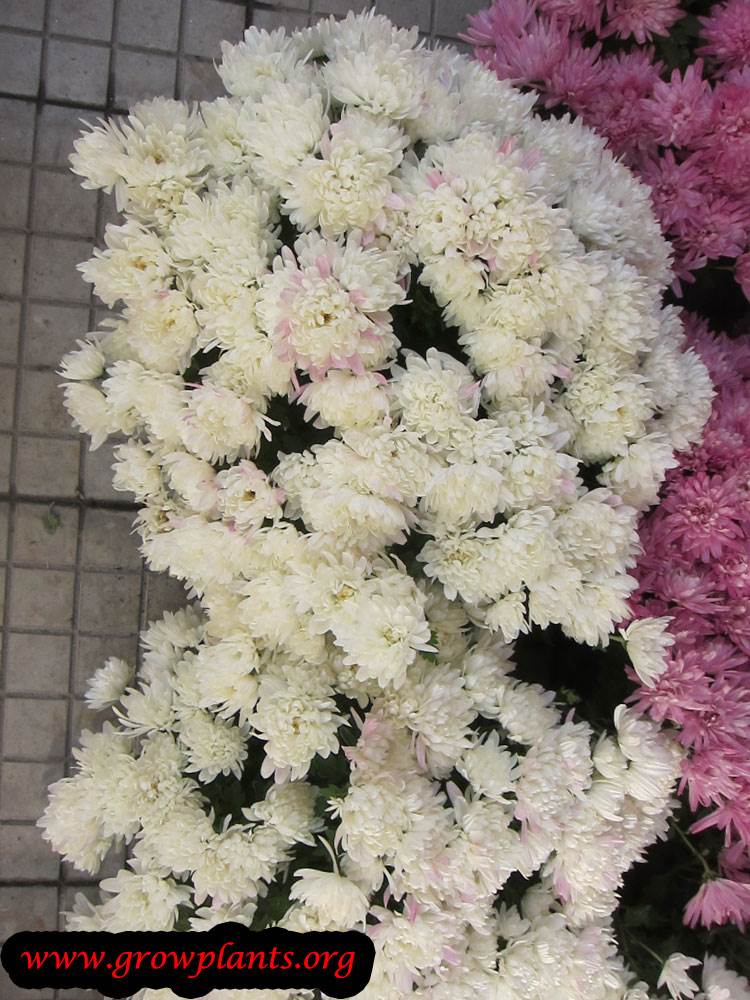
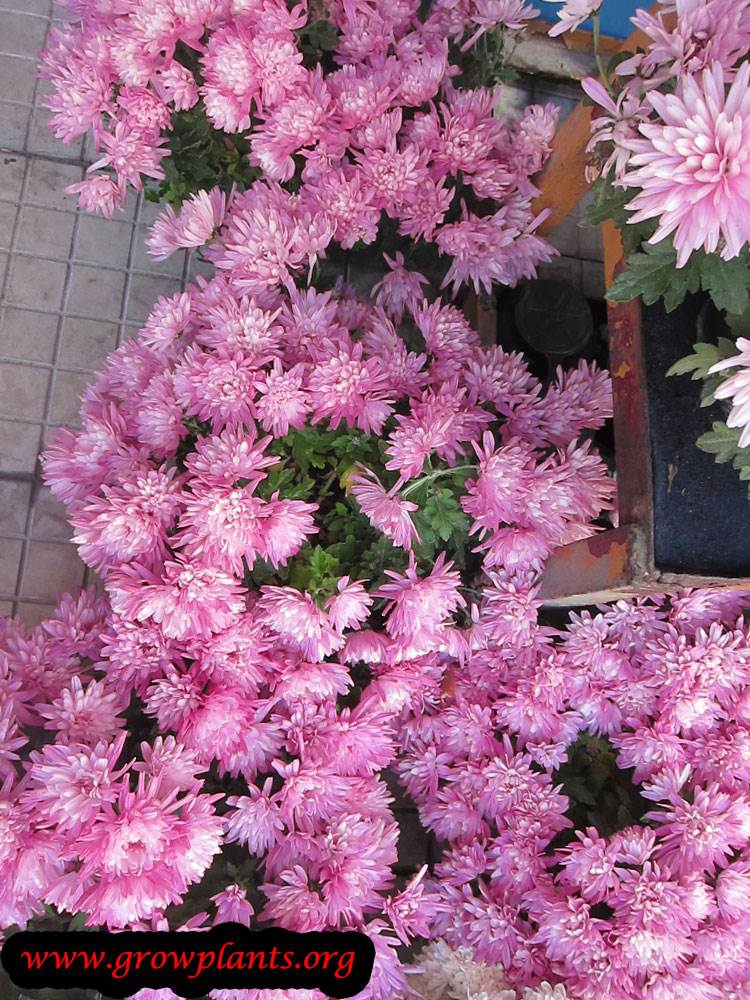
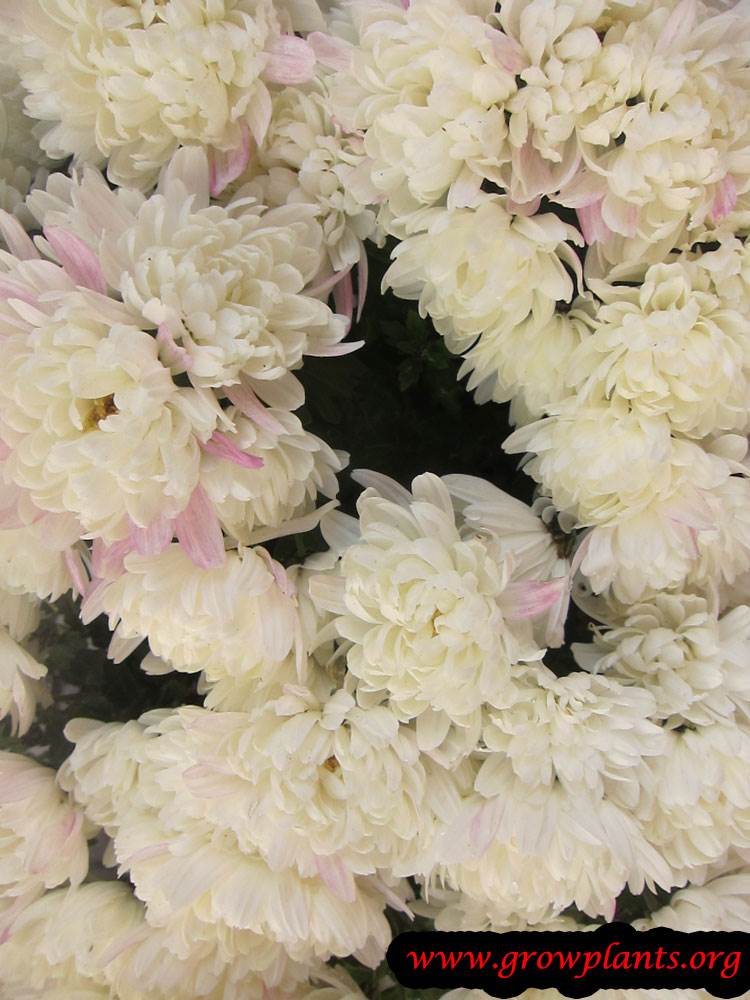
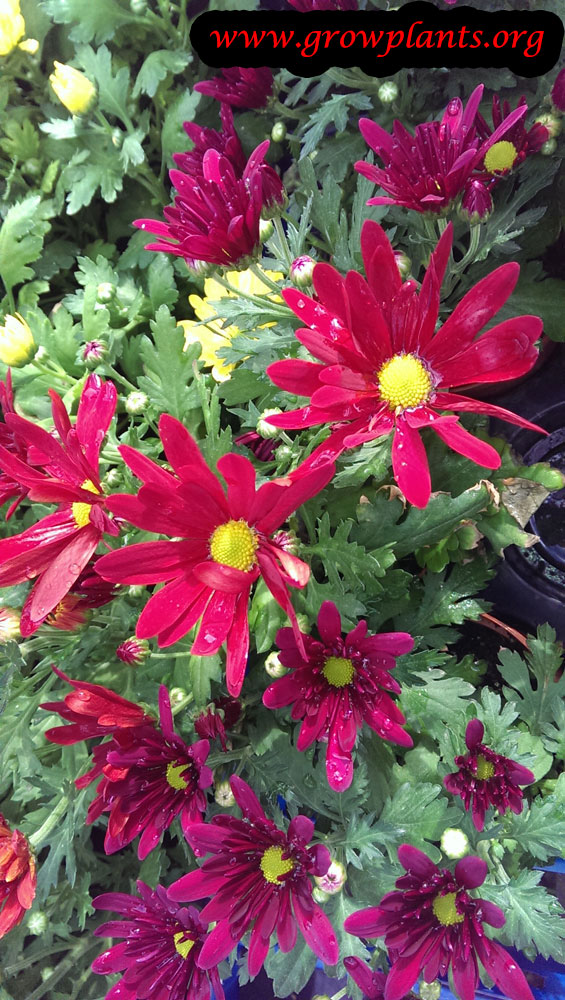
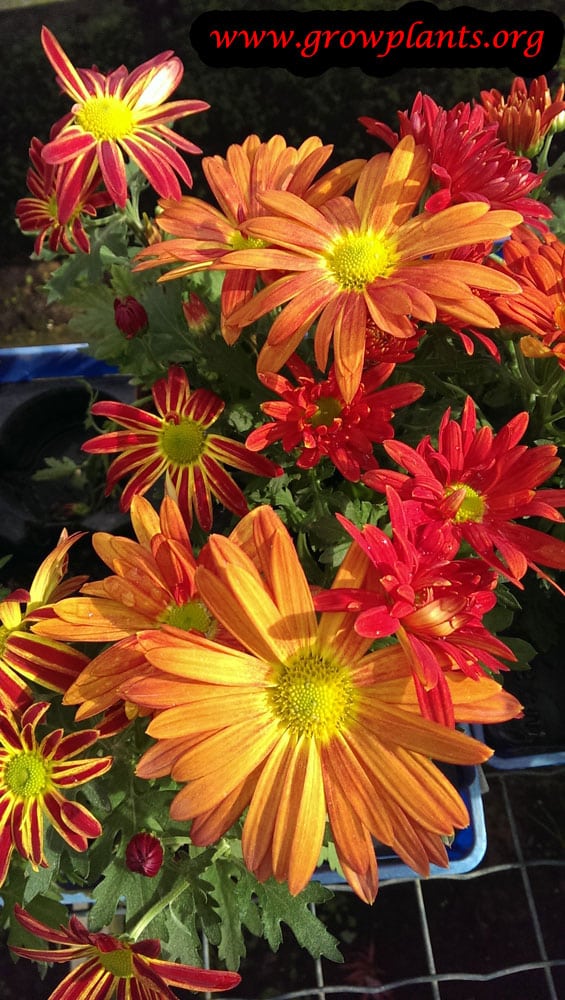
- Flower Appearance: Disc or fully double heads in an enormous colour range – pink, orange, red, green, purple, yellow, white or mixed
- Edibility: Ornamental – grown for display, not eaten
Detailed Blooming Overview
Mums are short-day plants, which is why they come into their own as the days shorten in late summer and autumn. The heads range from simple open daisies to densely packed pompons and shaggy doubles, in just about every colour but true blue. With the right pinching and timing a single plant becomes a dome of bloom – one reason they are such a mainstay of the autumn garden and the cut-flower bench.
Flower Characteristics
- Heads range from single discs to fully double forms with many petals.
- Colours span pink, orange, red, green, purple, yellow, white and multicolours.
- Long-lasting both in the garden and as cut flowers.
Bloom Care & Thinning
- More, bushier bloom: Pinch the shoot tips through early summer to build a dense, well-branched plant covered in flowers.
- Bigger single blooms: For exhibition-size flowers, disbud instead – remove side buds so energy goes into one large head per stem.
- Upkeep: Deadhead spent flowers to keep the display fresh; single-flowered types also feed pollinators.
Bloom Health & Protection
- Aphids on buds: Cluster on soft buds and shoot tips; a water jet or an insecticidal soap or neem oil manages them.
- Chrysanthemum white rust: Pale spots above and buff pustules beneath the leaves near flowering; remove affected leaves, improve airflow, and use a suitable fungicide on serious outbreaks.
- Powdery mildew: A white film in humid, crowded conditions; better spacing or a sulfur-based fungicide keeps it down.
Pests, Diseases & Troubleshooting
Overview: Chrysanthemums are prone to a broad range of pests and diseases, most notably aphids, leafminer, thrips and spider mites among insects, and – importantly – chrysanthemum white rust, a serious and in many regions notifiable disease. Good hygiene, airflow, resistant varieties and prompt removal of diseased leaves are the backbone of management.
Quick Troubleshooting Overview
| Issue / Pest | Main Symptom | Primary Solution |
|---|---|---|
| Aphids | Curled tips, honeydew, virus spread | Water jet; soap; beneficials |
| Leafminer | White winding tunnels in leaves | Remove leaves; sticky traps |
| Thrips | Silvery flecks, distorted buds, virus | Sticky traps; soap/spinosad |
| Spider mites | Stippling, webbing in dry heat | Humidity; oil/soap |
| White rust | Buff/pink pustules under leaves, yellow spots above | Remove/destroy; isolate; notify if required |
| Powdery mildew / Botrytis | White coating; grey mould on blooms | Airflow; hygiene; fungicide if needed |
Common Pests & Management
- Aphids (Aphidoidea):
- Symptoms: Clusters of small green, black or grey soft-bodied insects on new shoots, buds and leaf undersides; curled distorted growth, honeydew and sooty mould.
- Prevention & Control: Blast off with a strong jet of water and squash colonies early. Encourage ladybirds, lacewings and hoverflies; avoid excess nitrogen that fuels soft growth. Use insecticidal soap or neem for stubborn outbreaks, sprayed in the evening to spare pollinators.
- Chrysanthemum leafminer (Chromatomyia (Phytomyza) syngenesiae):
- Symptoms: White, winding, blister-like tunnels mined within the leaves, weakening and disfiguring the plant; a classic mum pest.
- Prevention & Control: Pick off and destroy mined leaves, use yellow sticky traps to catch adult flies, and encourage parasitic wasps. Avoid blanket spraying, which harms the natural enemies that usually keep it in check.
- Thrips (Frankliniella occidentalis / Thrips spp.):
- Symptoms: Silvery streaks and flecking on leaves and petals, distorted buds and browned flowers; western flower thrips also spread tomato spotted wilt virus.
- Prevention & Control: Monitor with blue/yellow sticky traps, remove affected buds, and use predatory mites under cover; insecticidal soap or spinosad-type products help in heavy infestations. Rogue out virus-symptomatic plants.
- Spider mites (Tetranychus urticae):
- Symptoms: Fine pale stippling on leaves, a dull bronzed look, and fine webbing on undersides in hot, dry conditions. Leaves dry and drop as numbers build.
- Prevention & Control: Raise humidity and hose down foliage to break the cycle; mites thrive on dry, dusty plants. Release predatory mites where practical, and treat with insecticidal soap or horticultural oil, coating leaf undersides over repeat applications.
- Whitefly (Trialeurodes / Bemisia spp.):
- Symptoms: Tiny white moth-like insects that flutter up in clouds when foliage is disturbed; honeydew, sooty mould and yellowing weaken the plant.
- Prevention & Control: Hang yellow sticky traps to monitor and trim heavy populations; encourage Encarsia parasitic wasps under cover. Spray insecticidal soap or horticultural oil to leaf undersides, repeating to catch new hatches.
- Caterpillars (Lepidoptera larvae):
- Symptoms: Chewed leaves and flowers and boring into buds from various moth larvae.
- Prevention & Control: Hand-pick, encourage birds and parasitic wasps, and spot-treat with Bacillus thuringiensis (Bt) for heavy attacks.
Diseases & Fungal Issues
- Chrysanthemum white rust (Puccinia horiana):
- Symptoms: Yellow to pale spots on the upper leaf with buff, pink or white waxy pustules on the undersides; leaves brown and die and the disease spreads fast. This is a serious, in many countries notifiable/quarantine disease.
- Treatment & Management: Isolate and remove affected plants immediately, destroy infected material, and improve airflow and reduce leaf wetness; where required by law, report outbreaks and follow official guidance. Buy clean stock, avoid overhead watering, and use protectant fungicides on valuable crops under advice.
- Powdery mildew (Golovinomyces / Erysiphe spp.):
- Symptoms: White powdery coating on leaves and stems in crowded, humid conditions.
- Treatment & Management: Space and stake for airflow, avoid excess nitrogen, remove affected growth, and use a sulfur or potassium-bicarbonate spray if it persists.
- Grey mould (Botrytis cinerea):
- Symptoms: Fuzzy grey-brown rot of flowers, buds and soft growth in cool, damp, still air.
- Treatment & Management: Deadhead spent blooms, improve airflow and ventilation, avoid wetting flowers, and remove affected material promptly.
- Leaf spot (Septoria / Alternaria spp.):
- Symptoms: Dark brown-black leaf spots that yellow and drop lower leaves upward in wet weather.
- Treatment & Management: Remove and destroy affected leaves, mulch to stop soil splash, avoid overhead watering, and use a labelled fungicide on valuable plants if severe.
- Verticillium wilt & aster yellows (Verticillium dahliae / phytoplasma):
- Symptoms: One-sided wilting and yellowing (wilt), or greened, distorted, stunted flowers (aster yellows, spread by leafhoppers).
- Treatment & Management: Remove affected plants, control leafhoppers for aster yellows, rotate and use clean stock; neither has a chemical cure.
Growing Difficulties & Abiotic Problems
- Overwatering / root rot:
- Cause & Symptoms: Yellowing, wilting and rot from soggy soil or containers without drainage.
- Correction Strategy: Grow in free-draining soil, water at the base, and avoid waterlogging; ensure pots drain freely.
- Poor flowering & legginess:
- Cause & Symptoms: Sparse, late or floppy bloom from insufficient light, missed pinching, or day-length issues.
- Correction Strategy: Grow in full sun, pinch young plants to encourage branching, feed appropriately, and stake tall types; remember flowering is triggered by shortening days.
- Leaf scorch & nutrient issues:
- Cause & Symptoms: Marginal leaf browning from drought, salt or potassium/magnesium shortage; general yellowing when hungry.
- Correction Strategy: Keep watering even, feed with a balanced fertiliser through growth, and correct specific deficiencies; mulch to buffer moisture.
What Helps – Products & Tools
Hygiene and airflow lead the way, backed by resistant varieties and prompt removal of diseased leaves. Keep insecticidal soap, neem/horticultural oil and spinosad for the insect range, yellow/blue sticky traps for leafminer and thrips, Bt for caterpillars, and sulfur or potassium-bicarbonate for mildew – but treat white rust as a serious, potentially reportable disease.