




Plant Profile & Key Characteristics
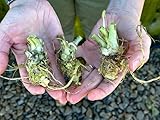
Overview: Wasabia japonica (Japanese horseradish) is a small evergreen perennial herb, reaching about 30–60 cm tall with a thick edible rhizome of 5–15 cm. It is cultivated in cool temperate to subtropical shade for its spicy rhizome, leaves and stems used as the culinary condiment wasabi.
Quick Specifications
| Specification | Attribute |
|---|---|
| Plant Type / Life Cycle | Perennial |
| Foliage Type | Evergreen |
| Mature Size | 30–60 cm (12–24 in) tall; rhizome 5–15 cm (2–6 in) |
| Growth Rate | Slow |
| Root System | Rhizomatous – thick edible cone-shaped rhizome |
| Toxicity | Non-toxic / edible (rhizome, leaves and stems) |
| Hardiness | USDA zones 7–10a |
Growth Form & Structure
- Height & Spread: Low clumping herb 30–60 cm tall; grows equally well in the ground beside cool running water or in a shaded container.
- Growth Habit & Form: Herbaceous rosette-forming perennial rising from a stout upright rhizome, with long-stalked heart-shaped leaves.
- Lifespan & Maturity: Slow-growing; the rhizome is usually harvested about 2 years from planting.
Anatomy & Physical Features
- Leaves & Foliage: Green, heart-shaped leaves with serrated margins on long edible stalks; the foliage has a spicy taste.
- Flower Characteristics: Small white flowers borne in clusters in the warm season.
Primary Uses & Landscape Value
- Edible Uses: The grated rhizome is the classic wasabi condiment; young leaves and stems are eaten as a spicy herb or spread, fresh or dried.
- Functional & Ornamental Roles: Specialty edible crop for cool shaded, water-rich sites; can be grown indoors as a houseplant.
Care Guide: Planting, Soil & Watering
Overview: Wasabi is a demanding, shade-loving semi-aquatic herb that grows best in cool, humid conditions with rich, well-draining soil kept constantly wet by fresh, clean, chlorine-free (ideally running) water. It needs abundant moisture around the roots without stagnation, and it grows slowly.
Quick Care Requirements
| Requirement | Ideal Condition |
|---|---|
| Planting Season | Spring, as conditions turn mild but stay cool |
| Growth Rate | Slow |
| Soil Type | Rich, humus-laden, moisture-retentive yet free-draining soil |
| Water Need | High — keep soil and roots constantly moist with clean, cool, chlorine-free (ideally running) water |
Planting & Establishment
- Best Planting Season: Plant in spring, once conditions are mild but still cool; wasabi dislikes heat and dry air, so a shaded, damp position is essential.
- How to Plant:
- Hole Preparation: Dig a hole a little wider than the root system in a shaded, consistently moist spot — ideally beside running water or on a damp, shaded bank.
- Soil Amendments: Work in plenty of compost and organic matter for richness while keeping the mix open enough to drain; wasabi wants fertile ground that never dries out or turns stagnant.
- Planting Depth: Set the crown at soil level so the growing point stays just above the surface — keep it moist but not buried and prone to rot.
- Growth Speed & Expectations: Growth is slow; the prized rhizome takes roughly two years from planting to reach harvest size.
Soil, Watering & Drainage Care
- Soil Mix & Drainage Needs: Provide rich, humus-laden soil that stays evenly wet yet still lets water move through — stagnant, oxygen-poor conditions cause rot. Cool, shaded ground and clean water are the keys to success.
- Watering Schedule & Technique:
- Young / Newly Planted: Keep the soil constantly moist from planting, shielding young plants from sun and heat.
- Established: Water generously and often with fresh, chlorine-free water so the roots are never dry; a gentle flow of clean, cool water is ideal.
- Seasonal Adjustments: Maintain moisture year-round, but protect from both fierce summer heat and hard frost; growth slows in cold.
Climate, Light & Hardiness
Wasabi is a slow, cool-loving semi-aquatic plant of shaded mountain streams, grown in full shade in cool temperate and cool-subtropical climates with constant clean, cool running water and high humidity. It is exacting about climate - it dislikes both heat and hard frost - and the deep shade and cool, moving water are as important as the air temperature.
Quick Climate Specifications
| Climate Zones | Cool temperate and cool subtropical; shaded, moist, flowing-water sites |
| USDA Hardiness Zones | Approx. 7–10 |
| Optimal Temp Range | approximately 8–20 °C (46–68 °F) |
| Cold Damage Begins | leaves nipped by frost around −2 to −3 °C (28 to 27 °F) |
| Approx. Survival Minimum | established plants briefly to about −5 °C (23 °F) with protection; young plants more tender |
| Frost Tolerance | Low |
| Light Conditions | Full Shade |
| Wind Tolerance | Low |
Sunlight & Light Exposure
Optimal Light Setup
The facts give full shade as optimal - wasabi is a woodland-stream plant that scorches in sun and needs deep, cool shade.
Shade & Heat Management
Heavy shade keeps both the plant and its water cool; direct sun and warmth quickly stress it, cause leaf scorch and check its already slow growth, so cool shade is the single most important condition.
Best Exposure & Orientation
A cool, north-facing (shaded) position beside clean flowing water, or dense overhead shade, mimics its native shaded stream banks.
Temperature Extremes & Hardiness
USDA Hardiness & Regional Limits
The site lists USDA 7–10, a narrow band reflecting a plant that wants cool but essentially frost-free-to-lightly-frosted, shaded, humid conditions. It is limited at the warm end by heat and at the cold end by hard freezing, so genuinely cool-temperate maritime-type climates suit it best.
Cold Damage & Winter Protection
Foliage is nipped by frost around −2 to −3 °C (28 to 27 °F); established plants may survive brief dips to about −5 °C (23 °F) with mulch or cover, while young plants are more tender. Prolonged hard freezing, especially of the water or root zone, kills it.
Frost Sensitivity
Frost-sensitive: it takes only light, brief frost and needs protection where hard freezes occur.
Extreme Heat Tolerance
Heat is a defining limit - sustained temperatures much above approximately 25 °C (77 °F), or warm water, stress the plant, scorch leaves and can rot the crown; keeping it cool and shaded through summer is the main challenge.
Wind, Humidity & Microclimate
Humidity Preferences
Wasabi demands consistently high humidity and constant moisture around cool, clean, flowing (chlorine-free) water; dry air quickly damages the foliage.
Dry-Air Tolerance
Very low - it will not tolerate dry, warm air and depends on a humid, sheltered, shaded microclimate.
Wind Tolerance
Low: exposed, drying wind damages the soft leaves and works against the humid conditions it needs.
Rainfall & Seasonal Moisture
Adapted to cool, wet, shaded stream environments with year-round moisture and clean flowing water; it is a plant of humid mountain valleys rather than seasonal rainfall. This is a climate-adaptation note, separate from routine irrigation.
Microclimate Recommendations
A deeply shaded, humid, sheltered spot with cool, constantly moving clean water is essential; sun, heat, dry air and stagnant warm water are all to be avoided.
Growing in Pots, Balconies & Indoors
Wasabi is one of the few crops here the grower actually rates as a houseplant – and it makes sense, because it wants deep shade and constantly moist, cool conditions, which are often easier to provide indoors or on a shaded, sheltered patio than in open sun. It is slow and famously fussy, but a shady spot with steady moisture suits it well.
Quick Details
- Container Size: A medium pot with good depth for the rhizome; grows well in a container or indoors
- Indoor Suitability: A genuine houseplant – the grower marks it yes for indoors; a cool, shaded, humid spot suits it
- Best Spot: full shade and cool – deep shade indoors, or a shaded, sheltered patio corner
- Soil & Drainage: Rich, moisture-retentive organic mix; drainage that stays wet but never stagnant
- Watering in Pots: Keep constantly moist and cool – it never wants to dry out, and it likes high humidity
Indoors & On the Windowsill
- A genuine houseplant: The grower marks it yes for indoors; a cool room out of direct sun, with high humidity and never-dry mix, mimics its shady streamside home.
- Light: It wants full shade to dappled light – bright direct sun scorches the leaves, so keep it away from hot, sunny windows.
- Care: Keep it cool; warm, dry rooms are its enemy. Mist it or stand the pot on a humidity tray, and be patient – it is slow.
On a Balcony or Patio
- Light & shelter: Only a deeply shaded, sheltered, humid corner will do outdoors – never full sun. Keep the mix wet and the plant cool.
- Practicalities: Group it with other pots to hold humidity, and shelter it from drying wind and heat reflected off walls.
Choosing the Pot, Soil & Long-Term Care
- Pot & drainage: A pot with drainage holes that still holds plenty of moisture – keep it wet but not stagnant; standing sour water rots the rhizome.
- Potting mix: A rich, moisture-retentive organic mix.
- Feeding: Light, regular balanced feeding through growth suits this slow plant; nutrients still leach from a pot.
- Long term: A slow perennial grown for its rhizome over a couple of years – pot it on into fresh mix as it grows.
Growing this plant in a greenhouse
A greenhouse can give wasabia japonica frost protection, cold protection, humidity control and extra warmth.
Greenhouse at a glance
| Greenhouse suitability | Conditional - depends on your climate |
|---|---|
| Main benefits | frost protection, cold protection, humidity control, extra warmth |
| Season extension | earlier spring & later autumn |
| Outdoor protection advisable below | about -3°C |
| Suitable types | unheated greenhouse, polycarbonate greenhouse, lean-to |
| Heating | Heating is optional - useful mainly for winter growing in cold areas. |
Related greenhouse guides
- Greenhouses: How to Choose the Right Greenhouse
- Best Lean-To Greenhouses
- Polycarbonate Greenhouses: What to Look for Before Buying
Fertilizing & Feeding
A light feeder: kept in cool, clean, chlorine-free water, it needs only gentle, occasional feeding, and heavy fertilizer fouls the water and hurts the plant. A fertilizer formulated for tomatoes and vegetables supports that feeding pattern through harvest.
Quick Fertilizing Specs
| Feeding Level | Light |
|---|---|
| Main Nutrient Priority | A gentle, balanced feed throughout; this is a slow, light feeder grown in cool clean water. |
| Best Feeding Period | During its long, slow growing period in cool water or wet soil. |
| Organic Options | Compost or well-rotted manure worked in ahead of planting, plus diluted liquid feeds during growth. |
| Micronutrients | Usually supplied by fertile soil; boron shortfalls can cause internal browning of the root in sandy or high-pH ground. |
| Soil pH | Near neutral; rich, well-drained soil in cool water. |
| Reduce/Stop Feeding | Keep feeding minimal at all times and never heavy. |
Feeding by Growth Stage
Establishment after sowing
Settle young plants into cool, moving fresh water or wet, rich soil and build early roots.
| Nutrient direction | A gentle balanced feed and rich, well-drained soil; this is a light feeder, so keep it modest. |
|---|---|
| Timing | From sowing until seedlings are actively growing. |
| Frequency | Minimal feeding while plants establish. |
| Fertilizer types | Balanced complete garden fertilizer, Well-rotted compost worked into the bed |
| Precautions | Grown in cool, clean, chlorine-free water: keep fertilizer very light and out of open water to avoid fouling it. |
Slow active growth
Support steady leaf and stem growth on a slow-growing plant.
| Nutrient direction | A gentle, balanced feed; nitrogen only in modest amounts as this is a light feeder. |
|---|---|
| Timing | During early leaf growth before the root begins to swell. |
| Frequency | Feed sparingly during active growth. |
| Fertilizer types | Nitrogen-forward complete fertilizer, Diluted liquid feed |
| Precautions | Keep feeding light and the water clean; overfeeding fouls the water and softens growth. |
Rhizome development
Support slow, firm rhizome development over its long growing period.
| Nutrient direction | A gentle balanced-to-potassium feed as the rhizome develops; keep it light. |
|---|---|
| Timing | As the root starts to enlarge through to near-maturity. |
| Frequency | A light feed now and then as the rhizome develops. |
| Fertilizer types | Potassium-leaning complete fertilizer, A potassium source such as wood ash used sparingly |
| Precautions | Keep feeding minimal and the water cool and clean through the long development period. |
Nutrient Deficiency Signs & Corrections
Older leaves turn pale and yellow, tops stay small and weak, and root growth is slow.
| Possible causes | Low soil nitrogen or nitrogen leached by heavy watering or rain, Cold or waterlogged soil limiting uptake, Poor, low-organic-matter soil |
|---|---|
| Appears first on | Older, lower leaves |
| What to check | Recent heavy rain or irrigation, Soil organic matter and fertility, Soil temperature and drainage |
| Possible correction | Apply a modest nitrogen-forward feed early in growth and keep the soil evenly moist; avoid overdoing nitrogen once the root is bulking. |
Scorched, browning margins on older leaves with weak, poorly-filled roots.
| Possible causes | Low soil potassium, Sandy soil low in nutrients, Drought stress limiting potassium uptake |
|---|---|
| Appears first on | Margins of older leaves |
| What to check | Soil test for potassium, Watering consistency during bulking, Soil type and organic matter |
| Possible correction | Use a complete fertilizer that includes potassium as the root bulks, and keep watering consistent. |
Internal browning, hollow or corky spots inside the root, sometimes with cracked skin.
| Possible causes | Low soil boron, often in sandy or high-pH soils, Dry soil limiting boron movement to the root, Over-liming raising soil pH |
|---|---|
| Appears first on | Inside the developing root |
| What to check | Soil test for boron before adding any, Soil moisture consistency during bulking, Recent liming or high pH |
| Possible correction | Only if a soil test confirms low boron, apply a boron product very carefully per its label – the margin between enough and too much is narrow; otherwise correct moisture and pH. |
Pruning, Training & Seasonal Maintenance
Wasabi (Wasabia japonica, also classified as Eutrema japonicum) is a slow-growing, semi-aquatic shade perennial grown for its prized rhizome, which takes about two years to mature. Its own note says cutting is ‘just for design’ — there is no structural pruning. Maintenance is gentle and specific: remove old outer leaves and their stalks as they age (they are edible), remove the offsets/plantlets it throws (used for propagation), and cut off the flower stalk so the plant’s energy stays in the slow-building rhizome. Because wasabi is very prone to rot in warm, stagnant conditions, clean cuts and prompt removal of decaying tissue matter more here than on almost any other plant in this group.
Quick Pruning & Maintenance Specs
| Pruning Tolerance | Low — a slow single crown that resents heavy leaf removal; do not hard-prune |
| Primary Maintenance | Removing aged outer leaves and petioles; removing the flower stalk |
| Secondary Maintenance | Removing offsets/plantlets (for propagation or to keep one leading crown) |
| Typical Frequency | Light, ongoing, year-round — a few leaves at a time |
| Main Objective | Keep energy in the rhizome; keep the crown clean and free of rot |
| Time to Harvest | About 2 years from planting for a mature rhizome |
| Best Tool Type | Precision snips and a clean, disinfected knife |
Pruning by Plant Age & Size
Newly Established
A young wasabi plant is slow and needs all its foliage — remove only clearly dead or rotting leaves. Do not strip a young crown; every leaf is feeding the two-year build toward a harvestable rhizome.
Young / Formative
No training. As it grows, take only the oldest, outermost leaves (which are edible) a few at a time, always leaving the central crown of new leaves intact. Remove offsets if you want a single strong rhizome, or pot them up to propagate.
Mature / Established
Continue light removal of aged outer leaves and petioles, and cut the flower stalk each spring so the plant does not spend energy on seed. At about two years, the rhizome is harvested whole — effectively ending that crown — while offsets carry the planting on.
Seasonal Pruning Schedule
Spring — Flower-Stalk Removal
Wasabi flowers in spring; cut the flower stalk out (the flowers are edible) so the slow rhizome is not drained by flowering and seeding.
Ongoing (Year-Round) Leaf Management
In its cool, shaded, wet setting wasabi grows and sheds leaves continuously. Remove aged, yellowing or damaged outer leaves as they appear, cutting the petiole cleanly at the base — both to use them and to stop decaying tissue sitting against the crown.
Structural Pruning & Training
None. The only structure to manage is keeping one clean leading crown: remove side offsets if you want the main rhizome to size up, rather than letting the plant split its energy among many small crowns. This is selective removal, not training.
Special Growth to Remove
- Flower stalk — cut in spring to keep energy in the rhizome.
- Old outer leaves and petioles — remove as they age (edible); never strip the central crown.
- Offsets / plantlets — remove for propagation or to maintain a single strong rhizome.
- Any rotting tissue — remove promptly; wasabi rots easily in warm, still conditions.
Container & Small-Space Pruning
Wasabi is often grown in containers in deep shade with constant cool moisture and clean water. In a pot, keep it to one leading crown by removing offsets, and be even more careful not to over-remove leaves — a confined, slow plant has little reserve to recover from heavy defoliation.
Tools
Precision snips for leaves and flower stalks; a clean, sharp knife for separating offsets and harvesting the rhizome. Given the rot risk, the tool must be clean and the cuts neat — ragged or bruised cuts invite soft rot. No coarse tools apply to this small, soft plant.
Tool Hygiene & Disease Risk
Elevated. Wasabi is notably susceptible to fungal and bacterial rots (including soft rot and Fusarium), especially in warm or stagnant water. Use a clean, disinfected blade, make clean cuts, and always remove and dispose of rotting leaves or crown tissue rather than leaving it in the water. Keeping the water cool, clean and moving does more for plant health than any other single measure.
Cut Placement & Technique
Cut outer leaf petioles cleanly at their base without nicking the central crown; remove the flower stalk at its base. When separating an offset, cut with a clean knife so both the parent crown and the division have a neat surface that will not rot.
Heavy Pruning & Rejuvenation
Not tolerated — state this plainly. Wasabi is a slow single crown with no capacity to be cut back hard and regrow; there is no rejuvenation pruning. Renewal comes only through its offsets and through harvesting the rhizome at maturity, not through cutting the plant down.
Post-Pruning Care
After removing leaves or the flower stalk, keep the plant cool, shaded and in clean, moving water, and watch the cut sites for any sign of rot. Do not feed heavily to force regrowth — wasabi’s pace is set by its cool, wet niche, not by pushing it.
When NOT to Prune
Do not strip more than a few outer leaves at once, and never cut into the central crown — a slow plant cannot afford it. Avoid any leaf removal during warm spells or in stagnant water, when cut wounds are most likely to rot.
Recommended Tools (by task)
- precision_snips — clean removal of aged outer leaves, petioles and the flower stalk.
- blade_disinfectant — wasabi’s high rot susceptibility makes a disinfected blade genuinely worthwhile when cutting leaves or separating offsets.
Pruning Troubleshooting
| Problem | Possible Cause | What to Check | Corrective Action |
| Crown or petioles rotting after leaf removal | Dirty/bruising cuts, warm or stagnant water, debris left to decay | Water temperature and flow; cleanliness of cuts and blade | Cool, clean, moving water; disinfected blade; remove all cut debris promptly |
| Plant stalls / stays small | Too many offsets splitting energy, or over-removal of leaves | Number of crowns; how much foliage was taken | Reduce to one leading crown; leave more foliage; be patient with its slow pace |
| Poor rhizome despite time | Flowering left on; energy lost to seed | Whether spring flower stalks were removed | Cut flower stalks each spring so energy builds the rhizome |
Propagation Guide
Wasabi is normally increased from the offsets (side plantlets) that form around the base of the rhizome, which root and grow away far more reliably than seed. Seed is short-lived and slow to germinate, and the plant demands cool, deep shade and constantly moving, chlorine-free water, so it is a Specialist plant to propagate.
Quick Propagation Specs
| Best Propagation Method | Offsets / side plantlets from the rhizome |
| Alternative Methods | Seed (fresh) |
| Propagation Difficulty | Specialist |
| Seed True-to-Type | Variable; offsets reproduce the parent |
| Vegetative True-to-Type | Yes — offsets are clones of the parent plant |
| Best Propagation Season | Spring |
| Seed Germination Time | Slow and erratic |
Growing from Seed
Seed Handling & Viability
Wasabi seed is recalcitrant — it is short-lived and must not be allowed to dry out. Sow it fresh, or keep it cool and moist for only a short time before sowing.
Dormancy & Pre-Sowing Treatment
A spell of cold, moist stratification helps break dormancy. Even so, germination is slow and uneven.
Germination Conditions
Keep the medium constantly moist and cool in shade; do not let it warm up or dry out.
Division, Offsets, Pups & Suckers
The dependable method is to detach the side plantlets (offsets) that develop around the rhizome.
- Separate offsets that already carry their own roots; those without roots are less likely to take.
- Divide in spring, and grow the divisions on in cool, wet, shaded conditions with clean flowing water.
Bloom & Edible Flower Guide
Quick Details
- Bloom Season: Summer
- Time to First Bloom: Usually in its second year, once the crown is well established
- Flower Appearance: Small white four-petalled (cross-shaped) flowers held in loose clusters
- Edibility: Edible – the blossoms and flower stalks (hana-wasabi) are eaten, carrying a gentle wasabi heat
Detailed Blooming Overview
Wasabi is grown mainly for its pungent rhizome, but a settled, healthy crown will send up airy sprays of small white flowers in summer. As a member of the cabbage family (Brassicaceae), it carries the classic four-petalled, cross-shaped bloom on a slender stalk rising above the heart-shaped leaves.
Flower Characteristics
- Pure white flowers, each with four petals arranged in a cross.
- Carried in small clusters (racemes) on stalks above the foliage.
- The whole plant is edible – leaves, stems and the flowering shoots all share a mild, spicy wasabi flavour.
Bloom Care & Thinning
- Managing the bloom: If you are growing for a large rhizome, pinch out the flower stalks as they appear so the plant’s energy stays below ground – but the shoots are edible, so pick and enjoy them rather than discarding.
- Conditions for flowering: Wasabi flowers best in cool, shaded, constantly moist conditions that mimic its native stream-side habitat.
- Pollination: Flowers are visited by flies and bees.
Bloom Health & Protection
- Aphids: Soft new flower stalks can attract aphids; a rinse of water or insecticidal soap usually keeps them in check.
Fruit & Uses
Wasabi is grown chiefly for its spicy rhizome, which is grated into the familiar green paste, and its leaves and stems are edible too. The rhizome is grated fresh and briefly rested before use; the leaves and stems are used as a pungent herb or spread.
Quick Edible Specs
| Edible Parts | Rhizome (and root), leaves and stems |
|---|---|
| Main Use(s) | Culinary – grated rhizome as a hot paste/condiment; leaves and stems as a spicy herb or spread |
| Eaten Raw or Cooked | Rhizome grated fresh (raw); leaves and stems used fresh or dried |
| Preparation Required | Grate the rhizome; after cutting, let it rest about 5 minutes to develop flavour, then use or preserve promptly |
| Harvest Season | Rhizome all year, about 2 years from planting; leaves spring–summer |
| Time to First Harvest | Slow — roughly two years from planting for the rhizome (see care notes) |
| Safety/Toxicity Caveat | Intensely pungent; the heat is volatile and fades quickly, so use fresh and in small amounts |
Bulbs, Corms & Rhizomes
The cone-shaped rhizome (with its roots) is the most prized edible part, about 5–15 cm long and very spicy. It is ready roughly two years from planting and can be lifted through the year. Grate the fresh rhizome and, as the site notes, let the cut/grated flesh rest for about five minutes to let the flavour develop, then eat or preserve it — the pungency is volatile and dissipates, so it is used fresh.
Leaves & Greens
The leaves are edible, heart-shaped and serrated with a spicy taste, and are used as a herb or spread; they can also be dried. Harvest leaves in spring–summer, ideally when the rhizome is lifted.
Shoots & Stems
The leaf stems are also edible and share the plant’s spicy character; use them fresh like the leaves.
Preparation, Uses & Safety
For the paste, grate the fresh rhizome finely, rest it a few minutes and use it straight away, since the heat quickly fades. Leaves and stems can be chopped as a pungent herb or made into a spread, or dried. The plant is very hot to taste rather than toxic — add to taste.
Pests, Diseases & Troubleshooting
Overview: Wasabi is a slow, cool-water-loving member of the cabbage family, so its pests are the classic brassica insects and its diseases are the rots and wilts that strike when its exacting demands for cool, clean, flowing water and shade are not met. Most failures are cultural – heat and stagnant water – as much as pest-driven; get the environment right and it stays relatively clean.
Quick Troubleshooting Overview
| Issue / Pest | Main Symptom | Primary Solution |
|---|---|---|
| Aphids | Curled leaves, sticky growth, virus spread | Water blast; insecticidal soap; row cover |
| Flea beetles | Tiny shot-holes in leaves | Fine mesh cover; sticky traps |
| Caterpillars | Chewed leaves, green frass | Hand-pick; Bacillus thuringiensis |
| Slugs & snails | Ragged holes, slime in the damp bed | Hand-pick at night; iron-phosphate bait |
| Root/rhizome rot | Wilting, soft rotten crown | Cool flowing water; sharp drainage; sanitation |
Common Pests & Management
- Aphids (Myzus persicae / Brevicoryne brassicae):
- Symptoms: Clusters of soft green or grey insects on new leaves and undersides, curling and sticky with honeydew; they also transmit the mosaic viruses that damage wasabi.
- Prevention & Control: Rinse them off with water, protect ladybirds and lacewings, and use floating row cover on young plants. Insecticidal soap treats outbreaks; prompt control matters because of virus spread.
- Flea beetles (Phyllotreta spp.):
- Symptoms: Tiny black beetles that jump when disturbed and pepper the leaves with small round shot-holes, worst on young plants in warm, dry weather.
- Prevention & Control: Cover plants with fine insect mesh, keep them vigorous, and use yellow sticky traps. Diatomaceous earth on foliage deters them; a light spray is a last resort.
- Cabbage caterpillars (Pieris / Plutella / Mamestra spp.):
- Symptoms: Green caterpillars of cabbage white and diamondback moth chew holes in the large leaves and leave green-black frass; heavy feeding shreds the foliage.
- Prevention & Control: Hand-pick and squash eggs and caterpillars, use mesh to exclude the moths, and encourage parasitic wasps. Bacillus thuringiensis (Bt) is a selective, effective control.
- Slugs & snails (Deroceras / Helix spp.):
- Symptoms: Irregular holes and silvery slime trails on leaves in the constantly damp, shaded bed wasabi requires; they can devastate young plants.
- Prevention & Control: Hunt at night, remove damp hiding places, and use copper barriers on containers. Scatter iron-phosphate pellets sparingly where pressure is high.
- Root maggots (Delia radicum):
- Symptoms: Larvae tunnel into the crown and rhizome, causing wilting, stunting, and entry points for rot; a serious brassica pest in the soil.
- Prevention & Control: Use collars and fine mesh to stop the fly laying at the base, rotate planting sites, and keep the crown zone clean. Beneficial nematodes help against soil larvae.
Diseases & Fungal Issues
- Rhizome / root rot (Phytophthora / Pythium / Fusarium spp.):
- Symptoms: Wilting despite ample water, a soft, discolored, foul crown and rhizome, and collapse; triggered by warm or stagnant water and poor drainage – the commonest way wasabi is lost.
- Treatment & Management: Provide cool (ideally flowing) clean water, sharp drainage, and shade; never let it sit in warm, stagnant water. Remove and destroy rotted plants, use clean planting material, and rotate sites.
- Clubroot (Plasmodiophora brassicae):
- Symptoms: Stunting, wilting in warmth, and swollen, distorted galls on the roots; a persistent brassica soil disease favored by acidic, wet soil.
- Treatment & Management: Never plant into ground with a brassica clubroot history, raise pH toward neutral with lime, and improve drainage. Use clean stock and long rotations away from all brassicas.
- White rot / Sclerotinia (Sclerotinia sclerotiorum):
- Symptoms: Water-soaked crown rot with white cottony mold and hard black resting bodies, in cool, wet, crowded conditions.
- Treatment & Management: Space plants for airflow, avoid overcrowding and injury, and remove infected plants with surrounding soil. Rotate away from susceptible crops for several years.
- Leaf spot & mosaic virus (Alternaria / Cercospora / turnip mosaic virus):
- Symptoms: Dark fungal leaf spots in humid conditions, or yellow mottling, distortion, and stunting from aphid-spread mosaic viruses.
- Treatment & Management: Remove spotted leaves and control aphid vectors, water at the base, and rogue out virus-suspect plants. Copper checks fungal leaf spot; there is no cure for virus, so prevention is key.
Growing Difficulties & Abiotic Problems
- Heat stress:
- Cause & Symptoms: Wilting, scorched leaf edges, bolting, and rapid decline when temperatures rise; wasabi demands cool, shaded, stable conditions.
- Correction Strategy: Grow in deep shade with cool running or frequently refreshed water, and choose a cool climate or a controlled setting. Avoid warm spells; it will not tolerate heat.
- Stagnant water / low oxygen:
- Cause & Symptoms: Yellowing, weak growth, and rot where water is still and warm rather than cool and moving.
- Correction Strategy: Provide gently flowing or regularly changed clean water and free-draining media so roots stay oxygenated and cool. Stagnation invites the rots that kill it.
- Nutrient imbalance / leaf scorch:
- Cause & Symptoms: Pale or scorched leaves from nutrient shortage, salt buildup, or hard water on the foliage.
- Correction Strategy: Feed lightly and evenly during active growth, use clean soft water, and flush media periodically to remove salts.
What Helps – Products & Tools
The tools that matter for wasabi are cultural first: cool flowing clean water, deep shade, and sharp drainage prevent the rots that cause most losses. Beyond that, use fine insect mesh and floating row cover against flea beetles, aphids, and root-fly, Bacillus thuringiensis for caterpillars, insecticidal soap for aphids, iron-phosphate bait for slugs, and copper for fungal leaf spot. Follow the label and protect pollinators.


