

Plant Profile & Key Characteristics
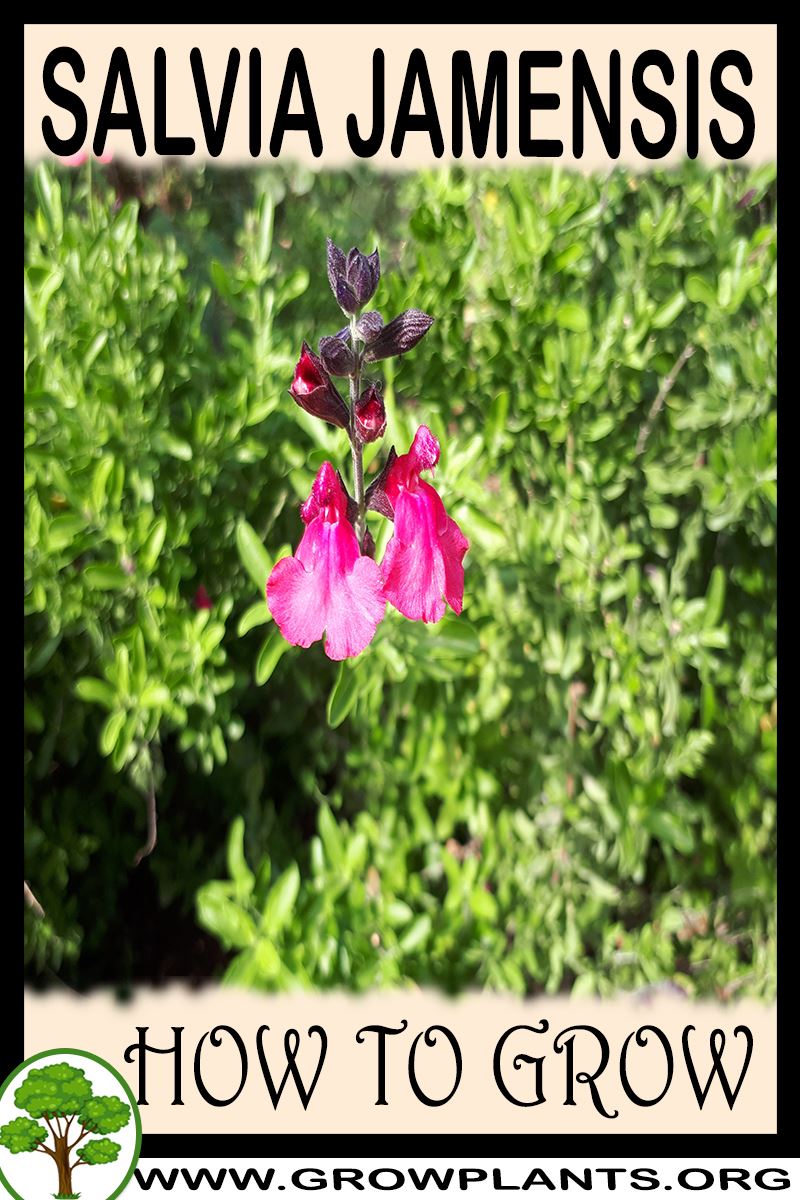
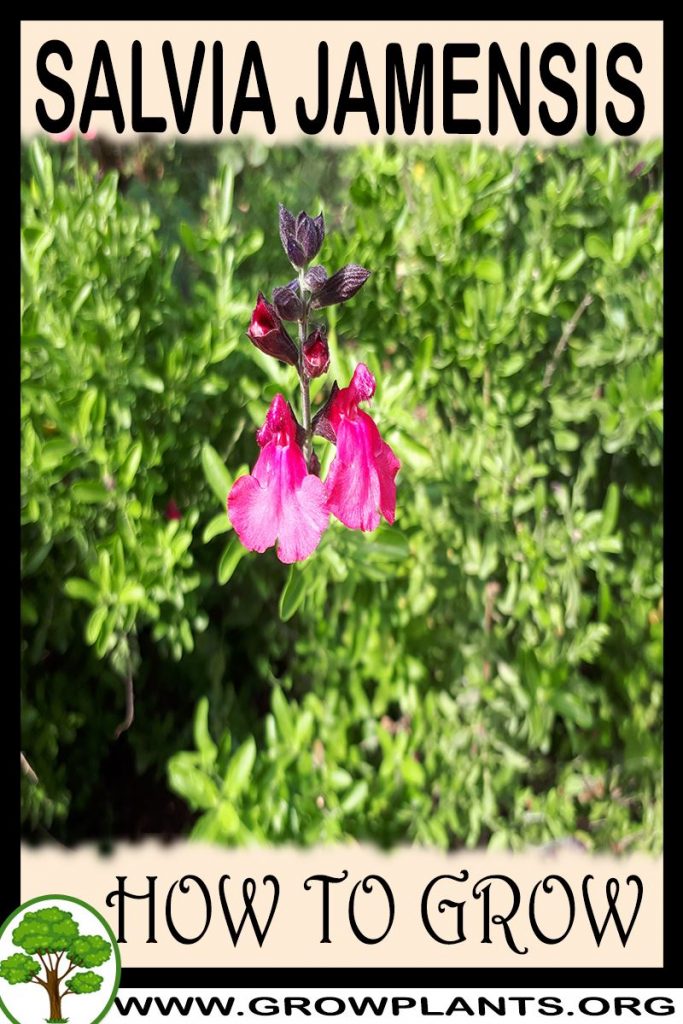
Overview: A small aromatic evergreen subshrub reaching about 0.7-1.2 m (28-48 in) tall, forming a bushy mound of fragrant foliage. It is grown purely as an ornamental, prized for its very long season of colourful two-lipped flowers.
Quick Specifications
| Specification | Attribute |
|---|---|
| Plant Type / Life Cycle | Woody perennial subshrub (grown as an annual in cold climates) |
| Foliage Type | Evergreen (aromatic) |
| Mature Size | 0.7-1.2 m (28-48 in) tall, with a similar spread |
| Growth Rate | Moderate |
| Hardiness | USDA zones 9-11 as a perennial; grown as an annual in zones 5-8 |
Growth Form & Structure
- Height & Spread: In the ground a rounded subshrub about 0.7-1.2 m (28-48 in) tall and wide; stays more compact in a 10-20 L (2.6-5.2 gallon) container.
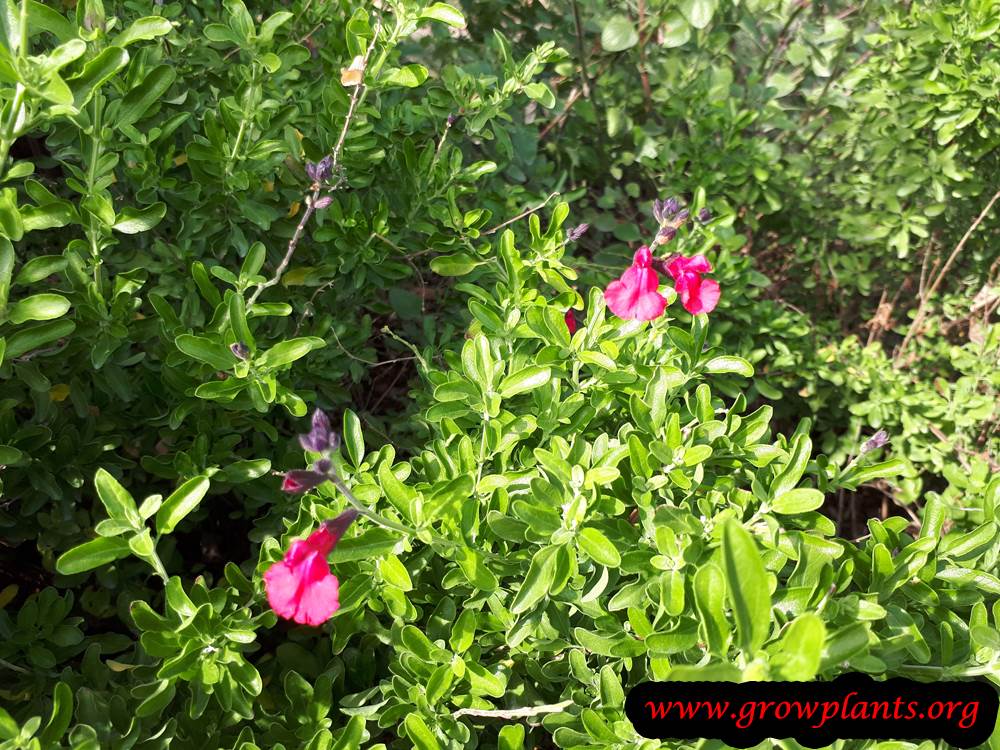
- Growth Habit & Form: Bushy, well-branched subshrub building a dense mound of soft aromatic stems, needing only light shaping.
- Lifespan & Maturity: A short-lived shrubby perennial that reaches flowering size in its first season and blooms almost year-round in mild climates.
Anatomy & Physical Features
- Leaves & Foliage: Small, fragrant green leaves, ovate to elliptic in shape, carried densely on the branching stems.
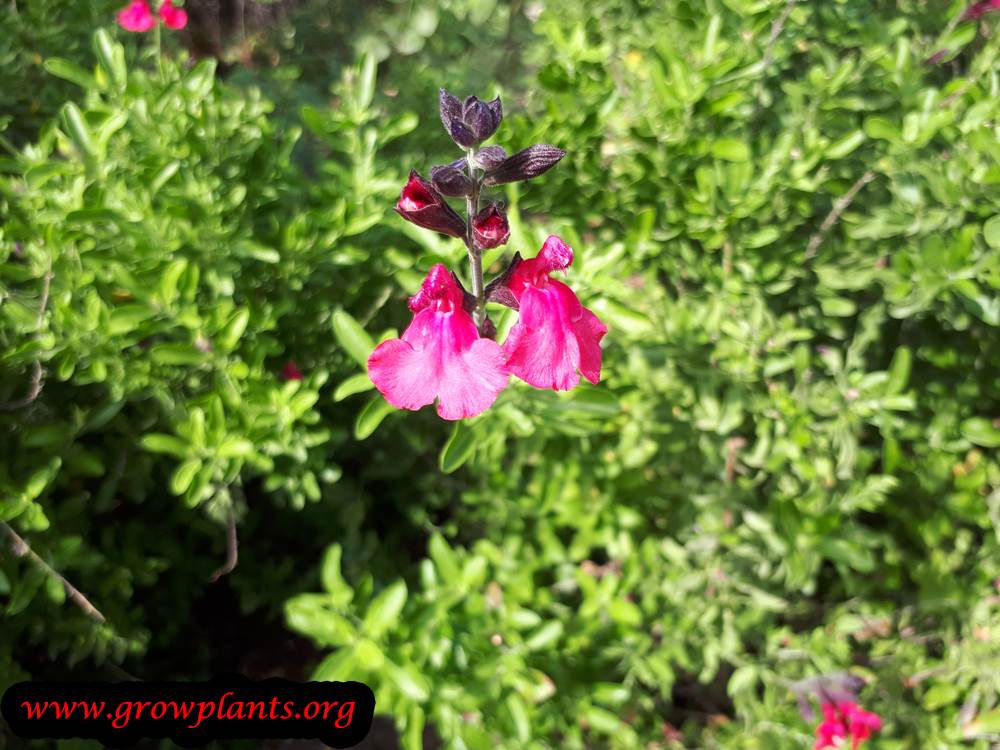
- Flower Characteristics: Small two-lipped “dancer” flowers in pink, red, white, yellow, purple or bicolours, produced over a very long season.
Primary Uses & Landscape Value
- Functional & Ornamental Roles: Border, cottage-garden and Mediterranean-garden ornamental, excellent in containers and valued as a pollinator plant for its long-lasting colour.
Care Guide: Planting, Soil & Watering
Overview: Salvia jamensis is a compact shrubby hybrid sage for full sun to light shade in light, well-draining soil. It is drought-tolerant once established and needs excellent drainage to thrive.
Quick Care Requirements
| Requirement | Ideal Condition |
|---|---|
| Planting Season | Spring (as an annual); spring to summer (9); spring or autumn (10b); year-round (11) |
| Growth Rate | Moderate |
| Soil Type | Light, well-draining soil |
| Water Need | Low to moderate — drought-tolerant once established; let the top few cm dry out between waterings |
Planting & Establishment
- Best Planting Season: Plant in spring as an annual, spring to summer in zone 9, spring or autumn in zone 10b, and year-round in zone 11; avoid planting in peak summer heat.
- How to Plant:
- Hole Preparation: Dig a planting hole roughly twice as wide as the root ball but no deeper, so the roots can spread into loosened soil.
- Soil Amendments: Work in a little compost to improve structure, and add grit or coarse sand to sharpen drainage on heavier soils — these sages dislike rich, soggy ground.
- Planting Depth: Set the plant at the same depth it grew in its pot, with the root collar level with the surface — never bury the stem, which invites rot.
- Growth Speed & Expectations: Expect a moderate, steady pace of growth, reaching a good size over a season or two.
Soil, Watering & Drainage Care
- Soil Mix & Drainage Needs: Provide light, aerated, sharply drained soil; in containers use a free-draining potting mix with added perlite or vermiculite rather than heavy garden soil, and make sure excess water escapes freely, since waterlogged roots quickly rot.
- Watering Schedule & Technique:
- Young / Newly Planted: Water regularly right after planting to settle the roots, keeping the soil lightly moist while the plant establishes.
- Established: Once established it is drought-tolerant — water deeply but infrequently, letting the top few centimetres dry out before watering again.
- Seasonal Adjustments: Increase watering during prolonged heat and cut right back over the cool, wet season, since soggy soil is the main cause of rot.
Climate, Light & Hardiness
Salvia jamensis thrives in warm-temperate, Mediterranean, and subtropical climates with plenty of sun. It performs best in full sun to half shade, and while it stays evergreen as a perennial in mild-winter regions, hard frost limits it to annual bedding use in colder areas.
Quick Climate Specifications
| Climate Zones | Subtropical, Mediterranean, Temperate |
|---|---|
| USDA Hardiness Zones | 9–11 as a perennial; typically grown as an annual in zones 5–8 |
| Approx. Survival Minimum | Established plants may briefly survive to approximately −7°C / 20°F (typical zone 9 cold extreme); colder snaps kill the plant outright |
| Frost Tolerance | Low |
| Light Conditions | Full Sun to Half Shade |
Sunlight & Light Exposure
Optimal Light Setup
Give Salvia jamensis a full-sun position for the heaviest, most fragrant bloom; it also tolerates half shade, though flowering becomes lighter.
Shade & Heat Management
In hot-summer climates, light afternoon shade helps prevent leaf and flower scorch without noticeably reducing bloom.
Temperature Extremes & Hardiness
USDA Hardiness & Regional Limits
Reliably perennial in USDA zones 9–11, where it stays evergreen year-round. In zones 5–8, winter freezes kill the plant, so gardeners grow it as a reseeding or replanted annual, planting only after the last frost.
Cold Damage & Winter Protection
Frost blackens foliage and flowers; a hard freeze kills the plant to the ground or outright outside its hardy zones. Cold tolerance varies with cultivar, plant age, and how sheltered the planting site is.
Frost Sensitivity
Frost-sensitive - even light frost can damage open flowers and soft new growth.
Wind, Humidity & Microclimate
Microclimate Recommendations
A warm, sheltered, sun-facing spot near a wall or in a raised bed improves winter survival at the cooler edge of its range and speeds spring regrowth.
Growing in Pots, Balconies & Indoors
Salvia jamensis is a sun-loving shrubby sage, first-rate in a patio or balcony pot but not a houseplant – it wants full sun and airy outdoor conditions. The grower gives a clear container recipe: a modest 10-20 L (2.6-5.2 gal) pot with sharp drainage.
Quick Details
- Container Size: 10-20 L (2.6-5.2 gal) – the grower’s recommendation
- Indoor Suitability: Not a houseplant – a full-sun Mediterranean-type sage
- Best Spot: Full sun to half shade
- Soil & Drainage: Well-drained, well-ventilated mix; water must run out freely
- Watering in Pots: Small to average – let it dry between waterings
Indoors & On the Windowsill
- Houseplant limits: Not a houseplant – it needs full sun and moving air to grow well and flower; indoors it grows soft, leggy and shy to bloom.
- Overwintering: It is only half-hardy, so in cold-winter areas move the pot into a bright, frost-free, airy spot (cool porch or unheated greenhouse) over winter and return it to the sun once frosts pass.
On a Balcony or Patio
- Light & air: Give it the sunniest, most open spot; it thrives in the bright, breezy conditions of a balcony and enjoys reflected heat from walls. Pots dry fast in sun, so check moisture in warm spells.
- Practicalities: A filled pot is heavy once watered – check the balcony can take the load, and stand it where drainage runoff will not be a nuisance.
Choosing the Pot, Soil & Long-Term Care
- Pot & drainage: The grower’s guide: a 10-20 L (2.6-5.2 gal) pot, well ventilated with enough holes for good drainage so water runs straight out – he advises against a saucer under the pot. strong drainage holes and never leave it standing in a saucer of water, or the roots rot. Terracotta breathes and dries faster; glazed or plastic holds moisture longer.
- Potting mix: Potting mix or peat soil with perlite or vermiculite, as the grower advises.
- Soil renewal: Every few years change the soil – all of it, or just the outer soil around the roots, as the grower suggests.
- Feeding: Potted plants use up their feed quickly as nutrients leach away with each watering, so feed more often than plants in open ground through the growing season.
Fertilizing & Feeding
Like other sages, Jamensis sage flowers best and holds its fragrance best on light feeding – this near-continuous bloomer does not need rich or frequent fertilizing to perform well.
Quick Fertilizing Specs
| Feeding Level | Light – a fragrant, near-continuous-bloom sage that does not want rich feeding. |
|---|---|
| Main Nutrient Priority | A light balanced fertilizer with restrained nitrogen; container plants need slightly more consistency than garden plants. |
| Best Feeding Period | Spring through autumn during active growth, easing off through the cooler months. |
| Soil pH | Tolerates a wide range; not a demanding factor for this species. |
| Reduce/Stop Feeding | Ease off feeding as growth slows in cooler months; where grown as an annual, no feeding is needed once the plant is lost to frost. |
Feeding by Growth Stage
Establishment After Planting or Potting
Help a newly planted or newly potted Jamensis sage establish roots and begin steady growth.
| Nutrient direction | A light, balanced fertilizer with restrained nitrogen – like other sages, this species flowers and holds its fragrance best without rich feeding. |
|---|---|
| Timing | In spring or shortly after planting, given this species’ long growing season. |
| Frequency | A light feeding as the plant settles in is usually enough to start it off well. |
| Fertilizer types | Light balanced fertilizer for flowering perennials, Well-draining potting mix amended with a slow-release feed for container plants |
| Precautions | Avoid heavy feeding at this stage; soft, over-fed growth is more susceptible to aphids and spider mites, pests this species can attract. |
Active Growth and Bloom
Sustain foliage growth and the plant’s long, fragrant bloom season through the warmer months.
| Nutrient direction | A balanced complete fertilizer with steady, moderate nitrogen keeps foliage full and supports continuous flowering; there is no benefit to a high-phosphorus bloom formula. |
|---|---|
| Timing | Through spring, summer, and into autumn while temperatures stay warm. |
| Frequency | Regular light feeding through the main growing season keeps this long-blooming sage well supplied without overdoing it. |
| Fertilizer types | Balanced complete fertilizer, light application, Slow-release granular feed suited to continuous bloomers |
| Precautions | Watch for soft, lush growth that attracts aphids or spider mites as a sign feeding is too heavy or too frequent. |
Cooler-Season Slowdown
Maintain light, reduced nutrition as growth and flowering slow in cooler months, without a full stop for plants that keep some bloom through winter.
| Nutrient direction | Ease off to a lighter, less frequent feeding as growth slows with shorter days and cooler temperatures. |
|---|---|
| Timing | Through the cooler part of the year, when flowering typically continues but at a reduced pace. |
| Frequency | Feeding needs drop off substantially here – light, infrequent feeding is usually enough, and skipping a feeding cycle is fine once growth has clearly slowed. |
| Fertilizer types | Light balanced fertilizer at a reduced rate, Diluted liquid feed for light maintenance |
| Precautions | This stage rarely needs feeding; resume normal feeding once warm-season growth picks back up in spring. Where grown as an annual in colder climates, no further feeding is needed once frost ends the season. |
Nutrient Deficiency Signs & Corrections
Pale leaves and noticeably reduced flowering.
| Possible causes | Nitrogen deficiency in poor soil, Root stress from poor drainage, Insufficient light reducing overall vigor |
|---|---|
| Appears first on | Older leaves first, then overall canopy |
| What to check | Leaf color trend and flower count, Soil richness and feeding history, Drainage and root health |
| Possible correction | Apply a light balanced feeding at the start of active growth and reassess leaf color and flowering as new growth appears. |
Stippled, yellowing, or curling leaves that can resemble a nutrient problem at a glance.
| Possible causes | Spider mite or aphid infestation rather than a true nutrient deficiency, Genuine nitrogen shortage in poor soil, Heat or drought stress reducing overall vigor |
|---|---|
| Appears first on | New growth and the undersides of leaves |
| What to check | Leaf undersides for pests or fine webbing, Recent heat or drought stress, Fertilizer and watering history |
| Possible correction | Rule out pests first with a close inspection before treating this as a nutrient issue; address any pest problem, then apply a light balanced feeding only if leaf color does not improve. |
Yellowing between the veins of new leaves while the veins stay green.
| Possible causes | High soil or potting-mix pH limiting iron availability, Poor drainage or waterlogged roots, Root stress from a recent transplant or repotting |
|---|---|
| Appears first on | Newest leaves |
| What to check | Soil or potting mix pH and drainage, Recent lime application or alkaline irrigation water, Root health |
| Possible correction | Improve drainage and pH first, then apply a chelated iron product per its label if the pattern persists. |
Pruning, Training & Seasonal Maintenance
Salvia jamensis is a woody-based hybrid subshrub bred in numerous named colour cultivars and valued for near-continuous bloom, tolerating pruning at any time of year. It grows larger than related garden salvias such as S. greggii or S. lycioides (up to about 1.2m), so it needs somewhat more regular shaping to stay in proportion and to keep flowering along its length rather than only at the shoot tips. Because facts note that named cultivars must be propagated from cuttings to stay true to colour (seedlings are unreliable, being hybrids), routine tip prunings are also a convenient source of cutting material rather than simply waste.
Quick Pruning & Maintenance Specs
| Pruning Tolerance | Moderate–High |
| Primary Pruning Window | Early spring renewal cutback, then light shaping through the growing season |
| Secondary Maintenance Window | Ongoing deadheading/shearing to sustain the long bloom season |
| Typical Frequency | One harder spring cutback, plus shaping every few weeks in active growth |
| Main Objective | Keep the larger habit in scale and flowering along the stems, not just at the tips |
| Young Plant Priority | Pinch to build a well-branched framework given its ultimate larger size |
| Mature Plant Priority | Annual renewal cutback plus regular shaping to prevent an oversized, sprawling plant |
| Best Tool Type | Bypass secateurs / hand shears for semi-woody stems |
| Avoid Heavy Pruning During | Peak summer heat stress; deep winter in the colder end of its perennial range |
Pruning by Plant Age & Size
Newly Established
Pinch young plants repeatedly to build multiple branching points early, since this cultivar group grows larger and can become leggy at the base if left unpinched while young.
Young / Formative
No formal leader/framework training – branching is built through pinching. Because it reaches a larger mature size than related salvias, earlier and slightly more frequent pinching pays off.
Mature / Established
Give an annual spring cutback (roughly a third to half of the previous year’s growth) and continue light shearing/deadheading through the season to sustain its long bloom period and keep its larger frame in scale.
Seasonal Pruning Schedule
Pre-Growth / Early-Spring
Objective: renew the plant and control size ahead of the main growing season. Remove: about a third to half of the prior season’s growth, plus any winter dieback. Do not remove: cut into completely bare, leafless old wood. Expected response: a fuller flush of new flowering stems. Flowering impact: positive, since bloom occurs on new growth.
Ongoing Sanitary
Objective: sustain the long bloom season and manage size. Remove: spent flower spikes and overextended shoots. Do not remove: more than light amounts at a time during summer heat. Expected response: continued repeat flowering typical of this cultivar group.
Flowering & Fruiting Wood
Like other garden salvias in this group, S. jamensis flowers on the current season’s new growth rather than old wood, which is why regular cutting back and shearing extends rather than reduces the bloom display.
Structural Pruning & Training
Given its larger ultimate size, the main structural task is keeping the plant compact and well-branched rather than tall and sparse – regular shaping through the season, on top of the spring renewal cut, does more work here than on the smaller-growing salvias in this group.
Special Growth to Remove
Spent flower spikes (deadhead to sustain the long bloom period this cultivar group is prized for); overly long or lax shoots that have outgrown the rest of the plant.
Container & Small-Space Pruning
In a container, prune a little more assertively than in the ground to compensate for its larger natural size potential; regular light shearing keeps a container specimen proportional rather than letting it outgrow the pot.
Tools
Bypass secateurs or hand shears handle the semi-woody stems this species produces even at its larger mature size; heavier tools are not needed.
Tool Hygiene & Disease Risk
Routine – clean, sharp tools are sufficient. Facts note aphids and spider mites as pest risks, neither transmitted by pruning tools.
Cut Placement & Technique
Cut just above an outward-facing bud or leaf node; when taking prunings for propagation, select healthy, non-flowering tip sections about 8–10cm long as cutting material, since named cultivars must be rooted from cuttings to stay true to colour.
Heavy Pruning & Rejuvenation
Tolerated moderately – the annual third-to-half cutback is standard and keeps the larger habit in check; avoid cutting into completely bare old wood, where regrowth is unreliable.
Post-Pruning Care
Water normally after cutting back; if propagating from the prunings, root cuttings promptly in a free-draining mix. Avoid extra feeding purely to push post-pruning recovery.
Common Pruning Mistakes
Under-pruning given this cultivar’s larger size, leading to a sprawling, floppy plant; letting spent flowers accumulate, which slows the repeat-bloom cycle; discarding healthy prunings instead of using them as free propagation material for a cultivar that won’t come true from seed.
When NOT to Prune
Avoid a hard cutback during peak summer heat stress; in the colder parts of its perennial range, avoid heavy pruning in deep winter and wait for spring regrowth to show what survived.
Recommended Tools (by task)
- Mature plant – annual spring renewal cutback, stems to ~1cm: bypass_secateurs – clean cut through semi-woody stems on this larger-growing salvia.
- Any age – deadheading, shaping, and taking cutting material: precision_snips – precise cuts for both maintenance and propagation-quality tip cuttings.
Propagation Guide
Because Salvia jamensis is naturally a hybrid, seed-grown plants cannot be relied on to come true to the parent’s flower color, so stem cuttings are the essential method for keeping a particular color or named cultivar true — the site is explicit that vegetative propagation is required for this reason, and is also required when growing the plant as an annual. Cuttings root readily either in water or in a peat-based mix with rooting hormone. Overall this is an easy plant to propagate by cuttings, though seed is not a reliable route to a known flower color.
Quick Propagation Specs
| Best Propagation Method | Stem cuttings |
| Alternative Methods | Simple/ground layering |
| Propagation Difficulty | Easy |
| Seed True-to-Type | No — hybrid offspring vary; as a naturally occurring hybrid, seedlings cannot be relied on to reproduce the parent’s flower color |
| Vegetative True-to-Type | Yes |
| Best Propagation Season | Warm spring or in autumn, rooted in half shade in hardiness zone 10b-11 |
| Cutting Rooting Time | Typically a few weeks under warm, humid conditions |
Stem Cuttings
Cutting Type
Stem/tip cuttings.
Best Timing
Warm spring or in autumn; root in half shade in hardiness zone 10b-11. Where this plant is grown as an annual, starting from a cutting rather than seed is necessary.
Cutting Preparation
Take a stem section with a few nodes and remove the lower leaves before rooting.
Rooting Setup
Root either in water, changing the water every few days, or in soil, ideally a peat-based mix; keep enough humidity around the cutting either way.
Rooting Hormone
Beneficial when rooting in soil.
Rooting Time
Typically a few weeks under warm, humid conditions.
Air & Ground Layering
A low, flexible stem can also be propagated by simple layering — bend a branch down and cover a section of it with soil while still attached to the parent plant, then sever and grow it on once rooted.
Bloom & Edible Flower Guide
Quick Details
- Bloom Season: Nearly year-round, easing off in winter in colder climates
- Time to First Bloom: In its first season – young plants flower quickly once established
- Flower Appearance: Two-lipped (labiate) flowers in pink, red, white, yellow, purple, or bicolours
- Edibility: The flowers are edible and mildly sweet, like those of its parent sages; nice as a garnish
Detailed Blooming Overview
Jamensis sage is a hybrid of the greggii and microphylla sages, and it inherits their gift for long, generous flowering – nearly all year in mild climates, slowing only through a cold winter. The small, two-lipped flowers (each like a little dancer’s body and dress) come in an unusually wide colour range and are fragrant, keeping bees and hummingbirds busy.
Flower Characteristics
- Labiate (two-lipped) flowers with a hooded top and a flared lower lip.
- Colours span pink, red, white, yellow and purple, often more than one to a flower.
- Fragrant and nectar-rich, drawing bees and hummingbirds.
Bloom Care & Thinning
- Managing the bloom: Shear lightly after each flush to keep the plant tidy and encourage repeat flowering.
- Harvesting flowers: Pick fresh, open blooms and use them soon after.
- Pollination & wildlife: A reliable, long-season nectar plant for pollinators.
Pests, Diseases & Troubleshooting
Overview: Shrubby Jame sage is aromatic and among the most trouble-free salvias – its oily foliage deters most chewing pests, and healthy plants shrug off minor aphid or mite attacks. Its real weakness is wet, heavy soil, which brings on root and crown rot, so management is cultural first: full sun, sharp drainage, restraint with water, and only occasional soft-touch treatment for sap-suckers.
Quick Troubleshooting Overview
| Issue / Pest | Main Symptom | Primary Solution |
|---|---|---|
| Aphids | Sticky, distorted new shoots & buds | Water jet, beneficials, insecticidal soap |
| Whitefly | White clouds & sooty mould, esp. under glass | Sticky traps, airflow, horticultural oil |
| Spider mite | Stippled, bronzed leaves in heat | Raise humidity, predatory mites, oil spray |
| Powdery mildew | White powder on leaves in crowding/shade | Spacing, airflow, sulphur/bicarb spray |
| Root / crown rot | Wilting in wet soil, black mushy roots | Sharp drainage, avoid overwatering |
Common Pests & Management
- Aphids (Aphis spp. / Myzus persicae):
- Symptoms: Clusters of soft green, grey or black insects on soft new shoots, flower stalks and leaf undersides; sticky honeydew, sooty mould and distorted tips; ants farming them.
- Prevention & Control: Blast off with a strong jet of water; encourage ladybirds, lacewings and hoverflies; pinch out badly infested tips. For persistent colonies use insecticidal soap or a light horticultural/neem oil, spraying undersides in the evening to spare pollinators.
- Whitefly (Trialeurodes vaporariorum):
- Symptoms: Tiny white moth-like insects that fly up in clouds when disturbed; sticky honeydew and sooty mould; worst on tender salvias under glass or in still, warm air.
- Prevention & Control: Improve airflow and avoid over-feeding with nitrogen; hang yellow sticky traps; introduce Encarsia parasitic wasps under cover. Spray insecticidal soap or horticultural oil on leaf undersides, repeating every few days to catch new hatches.
- Two-spotted spider mite (Tetranychus urticae):
- Symptoms: Fine pale stippling and bronzing of leaves in hot, dry conditions; delicate webbing on undersides and shoot tips; leaves dry and drop.
- Prevention & Control: Raise humidity and hose foliage in hot spells; remove badly affected growth. Release predatory mites (Phytoseiulus) under cover, or treat with horticultural oil / insecticidal soap, ensuring undersides are covered.
- Mealybugs (Pseudococcus / Planococcus spp.):
- Symptoms: White cottony tufts in leaf axils, stem joints and the crown; honeydew and sooty mould; slow, stunted growth. Common on salvias overwintered indoors.
- Prevention & Control: Dab colonies with a cotton bud dipped in dilute alcohol; wash plants and isolate new stock. For heavier infestations use horticultural oil or insecticidal soap, repeating to reach protected crevices.
- Spittlebugs (froghoppers) (Philaenus spumarius):
- Symptoms: Frothy white ‘cuckoo spit’ on stems and leaf joints in spring, hiding a soft green nymph; minor cosmetic distortion of shoots.
- Prevention & Control: Largely harmless – simply wash the froth off with a hose. No chemical control is needed on established plants.
Diseases & Fungal Issues
- Powdery mildew (Golovinomyces / Erysiphe spp.):
- Symptoms: White powdery patches on upper leaf surfaces and stems, spreading to coat foliage; worst in crowded plantings, shade, and humid nights with dry days.
- Treatment & Management: Space and thin plants for airflow, avoid overhead watering late in the day, and cut out affected growth. Grow in good light; if needed apply a sulphur or potassium-bicarbonate fungicide, or a milk/bicarb spray at first signs.
- Botrytis / grey mould (Botrytis cinerea):
- Symptoms: Fuzzy grey-brown mould on damaged shoots, dying flowers and crowded stems in cool, damp, still conditions; soft rotting patches.
- Treatment & Management: Remove faded flowers and dead material promptly, improve ventilation, and avoid wetting foliage. Water at the base and thin congested growth; fungicide is rarely needed if hygiene and airflow are good.
- Root and crown rot (Phytophthora / Rhizoctonia / Pythium spp.):
- Symptoms: Wilting despite moist soil, blackened stem bases, and roots that are brown and mushy rather than white; the classic killer of salvias in wet, heavy ground. This species is especially prone to it in damp winters.
- Treatment & Management: Prevention is everything: plant in free-draining soil, never let salvias sit in waterlogged winter ground, and avoid overwatering. Raise beds or add grit; remove and destroy collapsed plants and do not replant salvias in the same spot.
Growing Difficulties & Abiotic Problems
- Winter root rot / waterlogging:
- Cause & Symptoms: Most salvias die not from cold alone but from cold, wet, poorly drained soil that suffocates and rots the roots over winter.
- Correction Strategy: Plant on free-draining ground or a raised bed with added grit; go easy on watering in cool weather. In heavy clay, grow in pots of gritty mix that can be sheltered.
- Legginess and flopping:
- Cause & Symptoms: Soft, sprawling stems and sparse flowering caused by too much shade, rich soil, or excess nitrogen.
- Correction Strategy: Grow in full sun on lean soil; pinch young plants to bush out, and trim after the first flush to encourage compact regrowth and repeat bloom.
- Frost / cold damage:
- Cause & Symptoms: Foliage and soft tips are cut by hard frost, and plants in cold, wet soil may not survive winter even though the top looks hardy.
- Correction Strategy: Mulch the crown in cold areas, or lift and overwinter tender types under frost-free cover; delay hard cut-back until spring so old growth protects the crown.
- Woody, bare base with age:
- Cause & Symptoms: Old plants become woody and sparse at the base with flowering pushed to the tips.
- Correction Strategy: Prune lightly after flowering and again in spring, cutting back to green growth (not into bare old wood, which resprouts poorly); replace very old, leggy plants from cuttings.
What Helps – Products & Tools
Salvias respond well to a light touch: insecticidal soap or horticultural/neem oil handles aphids, whitefly, mites and mealybugs; yellow sticky traps monitor and reduce whitefly; and a sulphur or potassium-bicarbonate fungicide manages powdery mildew. The best ‘product’, though, is sharp drainage and good airflow – most salvia losses are wet-soil root rot, not insects.
Varieties & Cultivars
- Nachtvlinder: Maroon-purple flowers. Very long blooming period, from late spring until autumn. Reaches about 75cm (30in) tall, 60cm (24in) wide.
- Ignition Purple: Violet-purple flowers. Used for decorative pots.
- Pluenn: Pink flowers. Reaches about 80cm (32in) tall and 80cm (32in) wide at maturity.
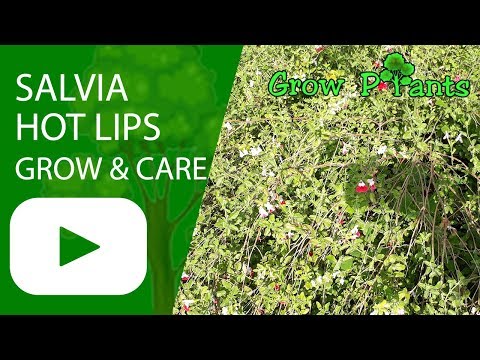
- Hot Lips: Red and white bicolor flowers. Reaches 60 to 90cm (24 to 35in) tall and wide. Blooms from early summer to the first frosts. — Shop Hot Lips on Amazon
- California Sunset: Pale salmon pastel colored flowers.
- Royal Bumble: Shiny red flowers. Reaches about 80cm (32in) tall, 100cm (40in) wide at maturity.
- Dyson's Orangey Pink: Coral-salmon colored flowers. Reaches 60 to 90cm (24 to 36in) tall and wide at maturity.
- Sierra San Antonio: Light pinkish-peach flowers. Reaches about 80cm (32in) tall, 30cm (12in) wide at maturity.