

Plant Profile & Key Characteristics
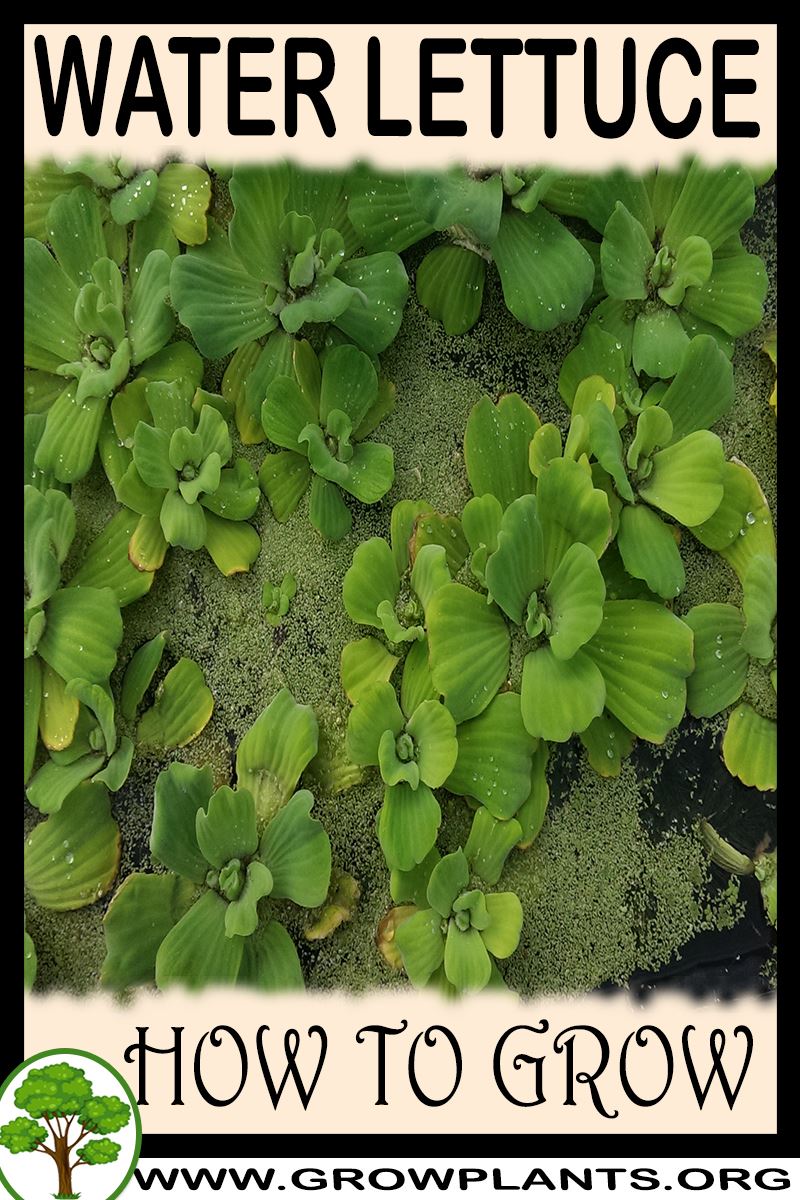
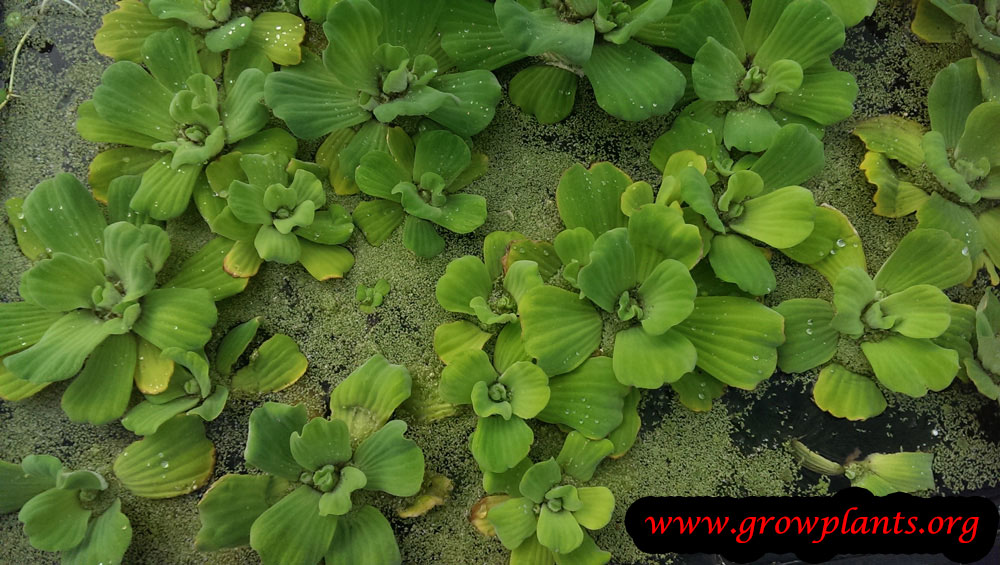
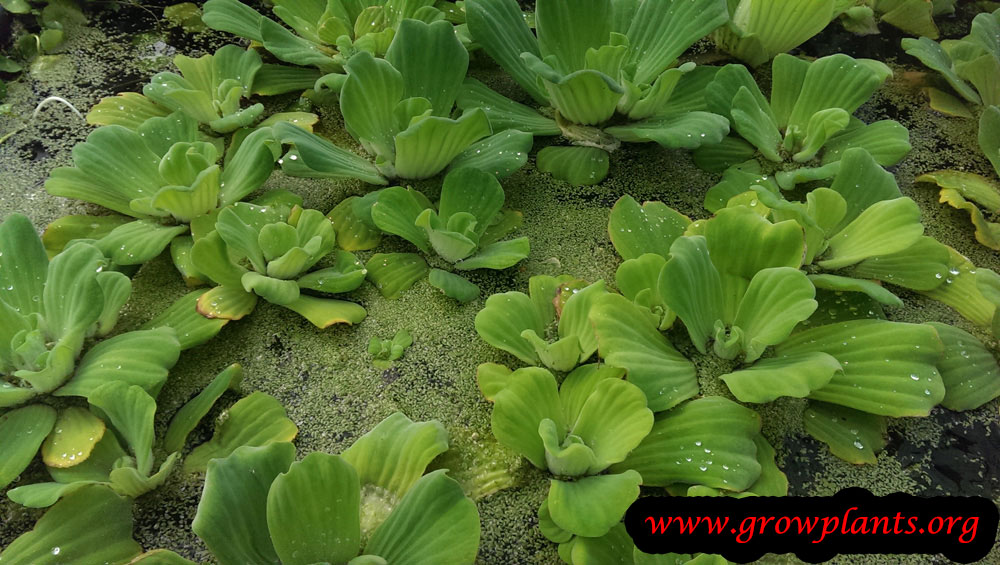
Overview: Water lettuce (Pistia stratiotes) is a free-floating aquatic plant forming rosettes 2–20 cm (1–8 in) across on the water surface. It is grown as an ornamental for ponds and water features but spreads aggressively.
Quick Specifications
| Specification | Attribute |
|---|---|
| Plant Type / Life Cycle | Perennial (or annual in cold areas) free-floating aquatic |
| Foliage Type | Evergreen in warm water; killed by frost |
| Mature Size | Rosettes 2–20 cm (1–8 in) across, floating on the surface |
| Growth Rate | Fast |
| Root System | Free-floating with trailing feathery roots dangling in the water (no soil anchorage) |
| Hardiness | USDA zone 4 and warmer (as a warm-season aquatic) |
Growth Form & Structure
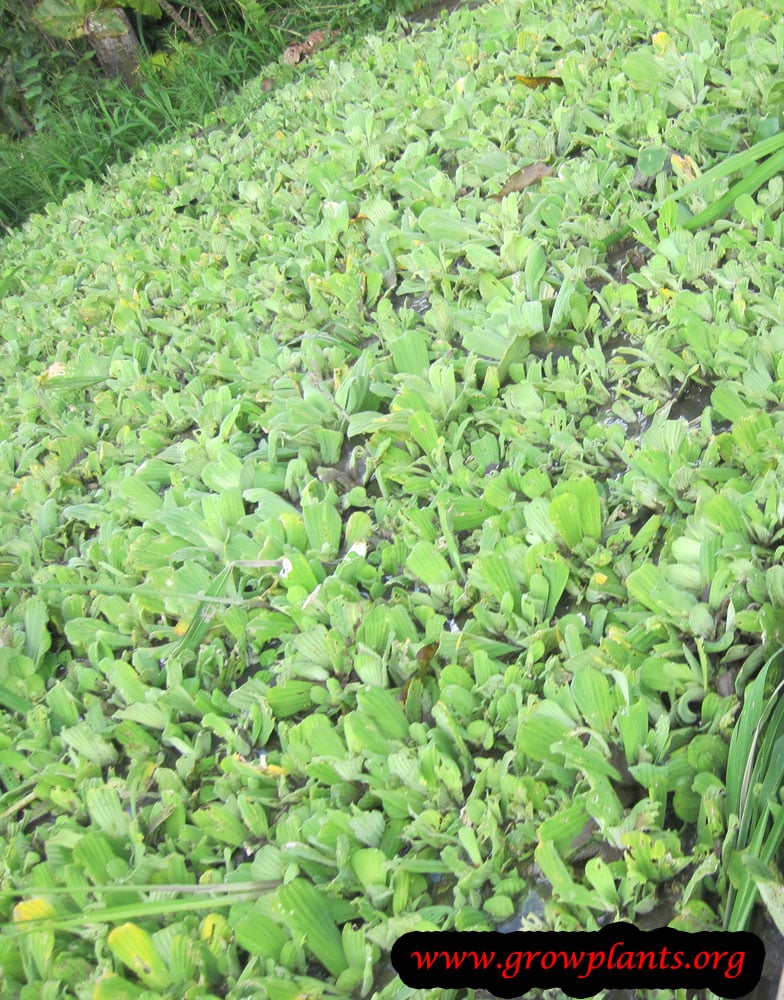
- Height & Spread: Individual rosettes are small, 2–20 cm (1–8 in), but plants multiply rapidly by runners to blanket the surface; best grown in a contained pond, bowl or water container.
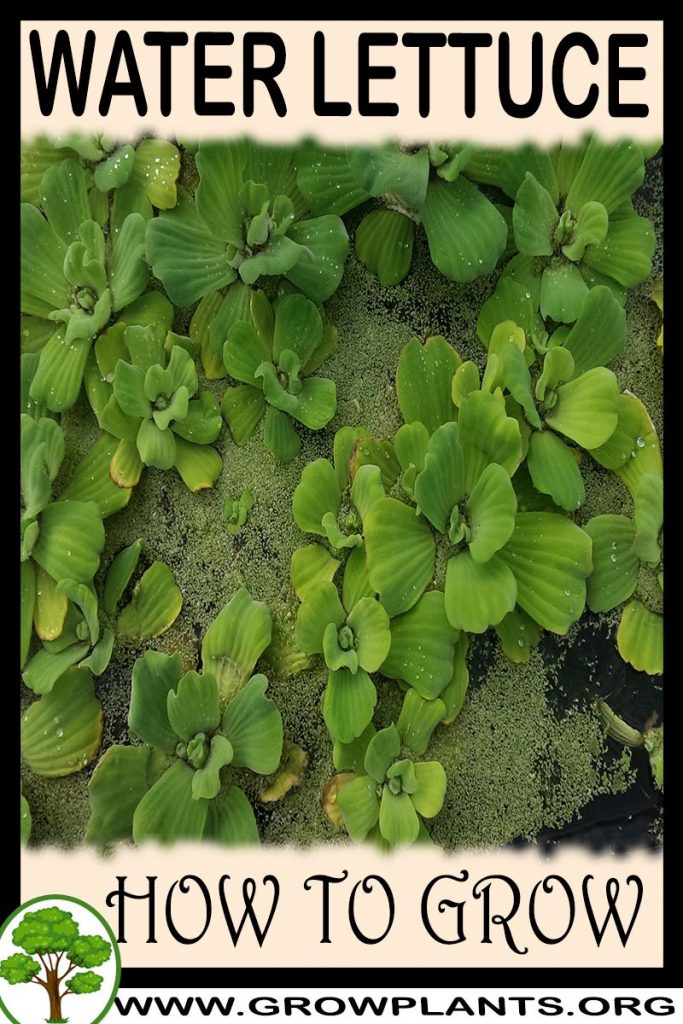
- Growth Habit & Form: A floating rosette of soft leaves that sits on the water like an open lettuce, spreading by daughter plants on short stolons.
- Lifespan & Maturity: Perennial in frost-free water and treated as an annual where winters are cold; colonies establish and expand within a single season.
Anatomy & Physical Features
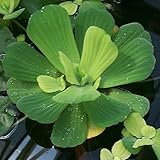
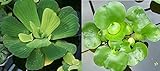
- Leaves & Foliage: Soft, pale green, wavy-ribbed leaves 5–30 cm long, held in a floating rosette.
- Flower Characteristics: Tiny white flowers hidden in the centre of the rosette.
Primary Uses & Landscape Value
- Functional & Ornamental Roles: Floating ornamental and shade/cover plant for ponds and aquariums that also takes up nutrients and helps limit algae; because it is invasive, grow it only in contained water and never release it into the wild.
Care Guide: Planting, Soil & Watering
Overview: Water lettuce (Pistia stratiotes) is a free-floating aquatic perennial that grows on the surface of still, nutrient-rich, frost-free water rather than in soil. It spreads rapidly in warm conditions and is considered invasive in many regions, so grow it only in contained ponds or tanks.
Quick Care Requirements
| Requirement | Ideal Condition |
|---|---|
| Planting Season | Year-round in frost-free water; from spring in cooler areas once the water warms |
| Growth Rate | Fast |
| Soil Type | None – floats on nutrient-rich fresh water |
| Water Need | Aquatic – roots remain permanently submerged |
Planting & Establishment
- Best Planting Season: Add plants to the water in spring once it has warmed; in frost-free climates they persist and multiply year-round.
- How to Plant:
- Placement: Simply set the rosette on the surface of still or slow-moving fresh water; no soil or planting is required.
- Water Conditions: Provide warm, nutrient-rich, non-chlorinated water in a sheltered, sunny to lightly shaded spot.
- Containment: Because it is invasive, keep it in a contained pond or tank, never release it into natural waterways, and thin out excess plants regularly.
- Growth Speed & Expectations: Growth is fast; rosettes 2-20 cm (1-8 in) across multiply quickly to cover the surface.
Soil, Watering & Drainage Care
- Soil Mix & Drainage Needs: No soil or drainage is involved; instead maintain clean, nutrient-rich water and remove surplus plants so the surface does not become overcrowded.
- Watering Schedule & Technique:
- Young / Newly Planted: New plants simply float; ensure the water level stays stable so roots remain submerged.
- Established: Maintain a steady water level and warm temperatures, topping up water lost to evaporation.
- Seasonal Adjustments: In cooler climates overwinter a few plants indoors in a frost-free container, as they will not survive freezing.
Climate, Light & Hardiness
Water lettuce is a floating aquatic plant that behaves as an evergreen perennial in warm climates and as an annual where winters are cold, growing across a broad range from Mediterranean and desert to full tropical conditions. It grows best in full sun to half shade on the water surface.
Quick Climate Specifications
| Climate Zones | Mediterranean, desert, subtropics, temperate, tropics |
|---|---|
| USDA Hardiness Zones | 4+ |
| Frost Tolerance | Low |
| Light Conditions | Full Sun / Half Shade |
Sunlight & Light Exposure
Optimal Light Setup
Full sun to half shade both suit water lettuce, letting the floating rosettes be placed in a variety of pond positions.
Shade & Heat Management
The species tolerates hot, sunny water surfaces well across its wide climate range, from desert to tropical conditions.
Temperature Extremes & Hardiness
USDA Hardiness & Regional Limits
Water lettuce is rated for USDA zone 4 and warmer as a general planting range, but it only persists year-round as an evergreen perennial in genuinely warm, frost-free water; in colder zones it is effectively grown as a warm-season annual.
Cold Damage & Winter Protection
Planting season is described as all-year in hot climates but limited to spring in colder areas, reflecting the plant's need for warm water to establish and its inability to persist through a cold winter outdoors.
Frost Sensitivity
Frost tolerance is low; freezing water kills the floating rosettes, which is why the species behaves as an annual outside consistently warm zones.
Wind, Humidity & Microclimate
Microclimate Recommendations
In cooler climates, plant after the water has warmed in spring, and be aware of the plant's aggressive, invasive spreading habit when siting it in open water.
Growing in Pots, Balconies & Indoors
Water lettuce is an aquatic plant grown in a container of water rather than in soil. The grower does not grow it as a houseplant, but it is well suited to a water tub, half-barrel or mini-pond on a balcony or patio.
Quick Details
- Container Size: A watertight tub, bowl, half-barrel or mini-pond – grown in standing water, not soil
- Indoor Suitability: Not a houseplant; for an outdoor water container
- Best Spot: Full sun to half shade
- Soil & Drainage: No drainage – the container holds water; floats freely on the surface
- Watering in Pots: Keep the container topped up; it needs a constant, generous body of water
Indoors & On the Windowsill
- Indoors: The grower does not list it as an indoor plant; it is a floating plant for an outdoor tub or pond.
- Overwintering: This is a tender aquatic; where winters are cold it will not survive a frozen tub, so lift a portion into a bright, frost-free container of water indoors to carry it over.
- Important – invasive: This plant spreads aggressively and is a serious weed of natural waterways in many regions. Keep it contained and never release it or its water into ponds, streams or drains.
On a Balcony or Patio
- Light & water: Stand the water container where it gets the light levels above; top it up often, as an open tub of water evaporates fast in sun and wind.
- Weight & siting: A full water container is very heavy – make sure the balcony or shelf can take the load before filling it, and site it on a level, stable base.
Choosing the Pot, Soil & Long-Term Care
- The container: Any watertight vessel works – a glazed pot with no holes, a half-barrel with a liner, a bowl or a purpose-made mini-pond. No drainage holes here; the point is to hold water.
- Growing it: It simply floats on the surface – no soil needed; thin out and remove excess growth regularly so it does not cover the whole surface.
- Water & feeding: Keep the water topped up with rain or aged tap water; these plants feed from the water, so go easy on fertiliser and remove decaying leaves to keep it clear.
- Upkeep: Divide or thin crowded growth each year to keep it healthy and stop it swamping the container.
Fertilizing & Feeding
Water lettuce forms dense floating rosettes that pull nutrients directly from rich, nutrient-laden water; because it already thrives in nutrient-rich ponds and slow-moving water, it rarely benefits from added fertilizer, and extra nutrients mostly fuel this aggressive, invasive grower’s spread rather than plant health.
Quick Fertilizing Specs
| Feeding Level | Light – this floating rosette plant is a strong natural nutrient scavenger and rarely needs feeding |
|---|---|
| Main Nutrient Priority | None as a rule; the rosettes take up nutrients directly from the surrounding water |
| Best Feeding Period | Only worth a light boost while a few young rosettes are getting established in unusually clean water |
| Reduce/Stop Feeding | Stop supplemental feeding as soon as the rosettes multiply and cover open water on their own |
| Organic Options | Fish waste, decomposing leaf litter, and general pond nutrient load usually meet this plant’s needs without any added product |
Feeding by Growth Stage
Establishing young rosettes in lean water
Help a small starter batch of rosettes multiply into a floating colony when introduced to unusually clean water
| Nutrient direction | A light, balanced feeding only if the water is clearly nutrient-poor; otherwise let the rosettes find their own nutrients |
|---|---|
| Timing | Shortly after introducing rosettes, during warm active-growth weather |
| Frequency | A single light application is usually plenty to get lean-water rosettes going; check growth before considering more |
| Fertilizer types | A diluted balanced aquatic or pond plant fertilizer |
| Precautions | Use sparingly – this plant is an aggressive, fast-multiplying grower, and surplus nutrients quickly push it toward invasive coverage of the water surface |
Established, self-sufficient colony
Let an established floating colony rely on the nutrients already present in the water
| Nutrient direction | None – withhold additional fertilizer once rosettes are multiplying freely |
|---|---|
| Timing | Once the colony is visibly spreading and covering open water, through the remainder of the growing season |
| Frequency | No feeding at this stage; established rosettes sustain themselves from the water |
| Fertilizer types | No feeding at this stage – nutrients are drawn directly from the surrounding water |
| Precautions | Do not fertilize established plantings; this aggressive, invasive grower needs no encouragement, and excess nutrients can also drive algae blooms |
Nutrient Deficiency Signs & Corrections
Rosettes stay small and pale green instead of forming full, velvety leaf clusters
| Possible causes | Nutrient-poor water lacking the rich organic load this plant expects, Insufficient light reaching the floating rosettes, Water too cold for active growth, Weevil feeding damage weakening the rosette |
|---|---|
| Appears first on | Inner, newer leaves of the rosette |
| What to check | Water clarity and general nutrient or organic load, Light levels over the water surface, Water temperature, Weevil larvae or feeding scars on the leaves |
| Possible correction | Confirm light and temperature are adequate and check for weevil damage; only consider a light feeding if the water is genuinely nutrient-poor |
Leaf edges brown and curl inward
| Possible causes | Cold water or sudden temperature swings, Water quality decline or pollutant exposure, Excess direct sun combined with low water nutrients, Root damage from fish or handling |
|---|---|
| Appears first on | Outer, older rosette leaves |
| What to check | Recent temperature changes, Water quality parameters, Sun exposure pattern, Condition of the root mass |
| Possible correction | Address the underlying temperature or water-quality issue; fertilizer is rarely the cause here |
The floating colony thins out or stops multiplying after a period of vigorous spread
| Possible causes | Nutrient depletion in an unusually clean or frequently changed water body, Weevil infestation reducing plant vigor, Overcrowding limiting light to individual rosettes, Seasonal cooling slowing growth |
|---|---|
| Appears first on | Across the mat, starting at the crowded center |
| What to check | Weevil presence, Water nutrient or organic load, Crowding and light penetration, Seasonal water temperature trend |
| Possible correction | Thin overcrowded mats and confirm water quality before considering any feeding |
Pruning, Training & Seasonal Maintenance
Water lettuce (Pistia stratiotes) is a floating rosette plant with no woody or structural growth, so “pruning” means removing individual dead or yellowing outer leaves and separating/thinning the daughter rosettes it produces by stolon (vegetative reproduction, per source). This can be done year-round (source: pruning season “all year”) and has no bearing on flowering, since its flowers are small and hidden in the crown rather than a display feature.
Quick Pruning & Maintenance Specs
| Pruning Tolerance | Moderate – leaf and offset removal only, no structural cuts |
| Primary Maintenance Window | Year-round, as needed |
| Typical Frequency | Whenever outer leaves yellow or the colony of rosettes overgrows its space |
| Main Objective | Remove dead leaf tissue; control spread of the fast-growing, invasive colony |
| Best Tool Type | Fingers or precision snips for individual leaves; hand separation of stolon-connected offsets |
Special Growth to Remove
Pinch or snip off individual dead/yellowing outer leaves at the rosette base as they appear. Because the plant spreads vegetatively by stolon-connected daughter rosettes and is documented as aggressive/invasive, separate and remove excess offsets regularly rather than letting the colony fill the entire water surface.
Container & Small-Space Pruning
Suited to planters/containers with standing water per source. In a small container, thin daughter rosettes more often than in an open pond, since the confined space fills with offsets quickly and can crowd out light and oxygen exchange at the water surface.
Tools
No cutting tool is strictly required for the soft leaf tissue – remove by hand, or use precision snips for a cleaner cut on individual leaves.
Tool Hygiene & Disease Risk
Routine. The source’s only pest note (weevil) is not tool-transmitted. As with other invasive floating aquatics, avoid moving removed rosettes or drip water to a separate water body.
Post-Pruning Care
After thinning a dense colony, check that remaining rosettes still have clear access to light and open water – overcrowded remnants can quickly refill the gap given the plant’s fast growth rate.
Common Pruning Mistakes
- Leaving dead outer leaves in place to decompose in the water instead of removing them
- Letting stolon offsets accumulate unchecked until the entire surface is colonized, per the plant’s documented invasive habit
When NOT to Prune
No closed season is documented (all year); the only caution is not to thin the entire colony in one pass, which can destabilize water chemistry in a small container.
Propagation Guide
Water lettuce is propagated by separating the small daughter rosettes that form around the mother plant and floating them independently; the site marks vegetative reproduction as the necessary method, and seed is not a practical route for this plant. Overall difficulty is Easy.
Quick Propagation Specs
| Best Propagation Method | Separating daughter rosettes (offsets) |
| Propagation Difficulty | Easy |
| Vegetative True-to-Type | Yes |
| Best Propagation Season | Year-round in hot climates; spring in colder areas |
Runners & Stolons
Water lettuce spreads by sending out short runners that each form a small daughter rosette. Once a daughter rosette has grown a few roots of its own, gently separate it from the runner and let it float independently. The site marks this vegetative route as necessary for increasing the plant, rather than seed.
Bloom & Flower Guide
Quick Details
- Bloom Season: Summer
- Flower Appearance: Small white flowers hidden in the center of the leaf rosette
- Edibility: Grown as an ornamental floating plant; the tiny, hidden flowers are not used as food
Detailed Blooming Overview
Water lettuce is grown for its soft, ribbed rosettes of floating leaves, and its flowering is easy to miss. In summer it produces small white flowers tucked deep in the center of the rosette, largely hidden by the foliage, so the plant is valued for its greenery rather than its bloom.
Flower Characteristics
- Small white flowers
- Held hidden in the middle of the leaf rosette
- Appear in summer
Bloom Care & Thinning
- Managing the plant: a fast-spreading floating plant – thin out or scoop off excess rosettes to keep it from blanketing the surface.
Fruit & Uses
Safety note first: water lettuce is an aroid, the same family as taro and dieffenbachia, and like many of its relatives contains calcium oxalate crystals that irritate the mouth and throat if eaten raw or undercooked. The site notes this plant as edible, and in some regions the young leaves have been used as a cooked, last-resort leafy green, but it is not a mainstream food crop and should never be eaten raw.
Quick Edible Specs
| Edible Parts | Young leaves (marginal, traditional/famine food) |
|---|---|
| Main Use(s) | Cooked leafy green in some traditional diets; more widely used as livestock/fish feed than human food |
| Eaten Raw or Cooked | Cooked only; never raw |
| Preparation Required | Cook thoroughly (boiling) to break down irritant oxalate crystals |
| Harvest Season | Young leaves can be taken through the growing season |
| Time to First Harvest | Not applicable; not grown as a food crop |
| Storage | Best used fresh; not typically stored |
| Safety/Toxicity Caveat | Raw leaves irritate the mouth and throat (oxalate crystals) and are listed as an irritant to pets; only thoroughly cooked young leaves have any traditional food use |
Leaves & Greens
The soft, pale-green rosette leaves are the only part with any food history, and only younger leaves are used. They must be well cooked (boiled) before eating to neutralize the irritant crystals typical of this plant family; raw leaves are not safe to eat. Even cooked, this is a marginal, traditional last-resort green rather than an everyday vegetable, and most growers today keep water lettuce purely as an ornamental pond and floating aquarium plant.
Preparation, Uses & Safety
Any edible use requires thoroughly cooking young leaves; raw plant material should be kept away from children and pets, since irritation from the oxalate crystals is the main safety concern (this plant is also listed as an irritant to cats and dogs). Given how marginal and undocumented in detail this traditional use is, treat water lettuce mainly as an ornamental and water-quality plant rather than a food source.
Pests, Diseases & Troubleshooting
Overview: Water lettuce is a free-floating tropical aquatic whose ‘pests’ are unusual: the most notable insects are the water lettuce weevil and a leaf-feeding moth, both used deliberately as biological control agents because the plant is a serious invasive weed in warm regions. In cultivation its real problems are cold sensitivity and fungal leaf-melt in stagnant, over-fertile or salty water. Importantly, it is banned or regulated in many jurisdictions — check local law before growing it, and never release it into natural waterways.
Quick Troubleshooting Overview
| Issue / Pest | Main Symptom | Primary Solution |
|---|---|---|
| Water lettuce weevil | Feeding scars and ‘windows’ in leaves; rosettes decline | This is a biocontrol agent; in ponds it simply thins plants |
| Leaf-feeding moth / armyworm | Chewed, skeletonized leaves | Hand-remove larvae; also used as biocontrol on invasive stands |
| Aphids | Sticky, distorted leaves; sooty mold | Rinse off with a hose; skim heavily infested rosettes |
| Leaf rot / melt | Yellow-brown, mushy, collapsing leaves | Improve water flow/quality; remove decaying plants; reduce crowding |
| Cold damage | Blackened, collapsing plants below ~15°C | Overwinter indoors in warmth; treat as an annual in cool climates |
| Nutrient / algae imbalance | Yellowing or overgrowth and green water | Balance nutrients; thin plants; keep water moving |
Common Pests & Management
- Water lettuce weevil (Neohydronomus affinis):
- Symptoms: Adults chew small feeding ‘windows’ and holes in the leaves while larvae mine within, causing rosettes to yellow, thin and sink; deployed as a biocontrol agent against invasive mats.
- Prevention & Control: In ornamental ponds this simply thins the plants; remove damaged rosettes if desired. It is generally beneficial where water lettuce is a weed, so no control is warranted except skimming excess plants.
- Water lettuce moth / semi-aquatic armyworm (Spodoptera pectinicornis, Samea multiplicalis):
- Symptoms: Caterpillars skeletonize and chew ragged holes in leaves, sometimes tying foliage; also used as a biocontrol.
- Prevention & Control: Hand-pick larvae from valued container plants and remove badly chewed rosettes; on invasive stands the feeding is helpful and needs no intervention.
- Aphids (Rhopalosiphum, Aphis spp.):
- Symptoms: Colonies of soft insects on the upper leaf surfaces and centers, leaving sticky honeydew and sooty mold and distorting growth.
- Prevention & Control: Blast off with a hose (avoiding chemical insecticides that harm fish and aquatic life), skim heavily infested rosettes, and rely on the many natural predators around ponds; never use broad insecticides in water gardens with livestock.
- Grasshoppers and chewing insects (Orthoptera and misc.):
- Symptoms: Irregular chewed margins on emergent leaves near pond edges.
- Prevention & Control: Minor and cosmetic; hand-remove pests and trim damaged leaves — no chemical treatment is appropriate in open water.
Diseases & Fungal Issues
- Fungal / bacterial leaf rot and melt (Cercospora, Rhizoctonia spp. and soft-rot bacteria):
- Symptoms: Leaves yellow, brown and turn mushy and translucent, and rosettes collapse, especially in stagnant, over-crowded, over-fertile or warm still water.
- Treatment & Management: Improve water movement and quality, thin crowded mats to boost airflow and light, and promptly remove decaying plants before rot spreads; avoid excess nutrients that fuel both rot and algae.
- Crown / root rot (water molds):
- Symptoms: The central growing point rots and the plant disintegrates, often following cold shock or poor water quality.
- Treatment & Management: Remove affected plants, correct water conditions, and keep plants warm and unstressed; there is no practical fungicide treatment in a living pond.
Growing Difficulties & Abiotic Problems
- Cold sensitivity:
- Cause & Symptoms: As a tropical species, water lettuce blackens and collapses when water and air turn cold (roughly below 15°C), dying out over winter in cool climates.
- Correction Strategy: Overwinter a few rosettes indoors in a warm, bright tank, or simply treat it as a seasonal annual and restock in spring; do not rely on it surviving cold winters outdoors.
- Sun bleaching / heat:
- Cause & Symptoms: Intense direct sun can bleach and scorch leaves, while very hot, still water stresses plants.
- Correction Strategy: Provide some shade in the hottest climates and keep water moving; a partly shaded pond suits it best.
- Nutrient and salt problems:
- Cause & Symptoms: Low nutrients cause yellowing (chlorosis); high salinity is not tolerated and browns the plant, while excess nutrients trigger overgrowth and green water.
- Correction Strategy: Balance pond nutrients, avoid saline water, and thin the fast-growing mats regularly to keep the pond healthy; never let it cover the whole surface.
What Helps — Products & Tools
Because this plant lives on open water with fish and wildlife, chemical pesticides are inappropriate; the real ‘tools’ are a hose to dislodge aphids, a net to skim and thin plants, good water circulation and quality, and winter protection or annual replacement. Above all, contain it — bag and bin excess plants and never release it into natural waters, as it is a regulated invasive in many regions.