Plant Profile & Key Characteristics
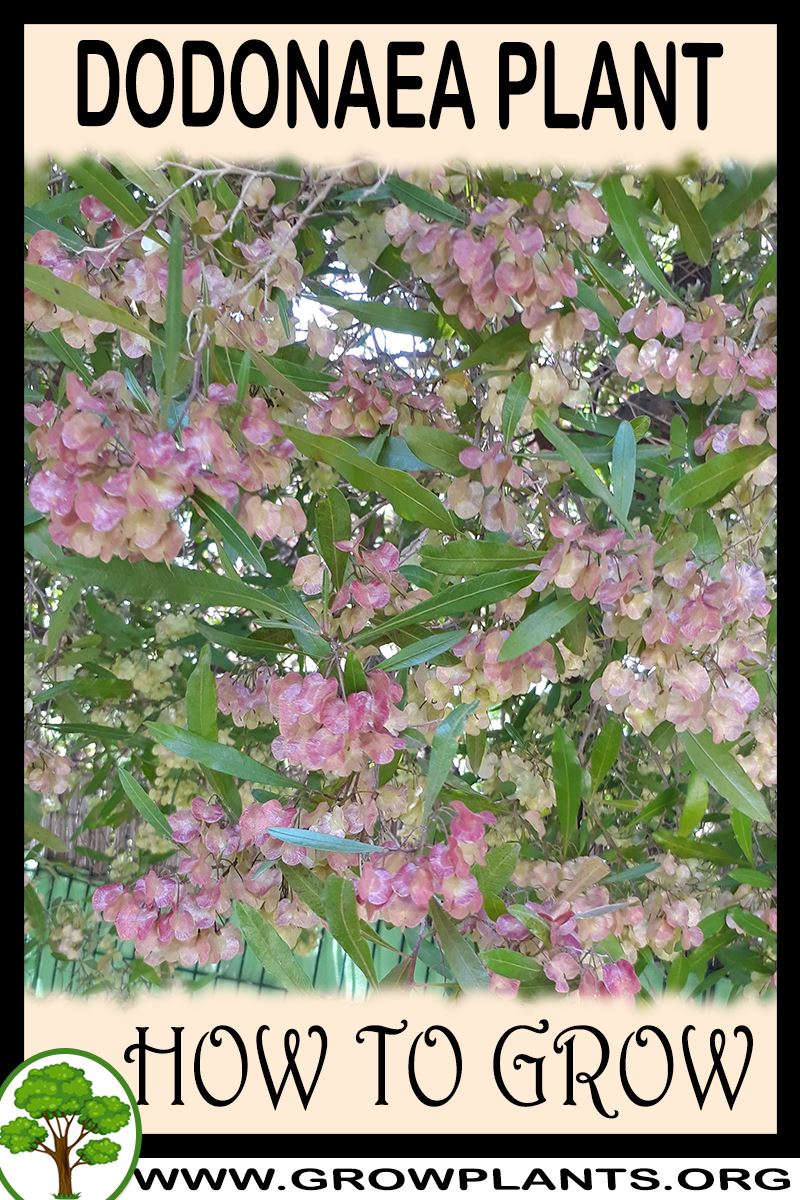
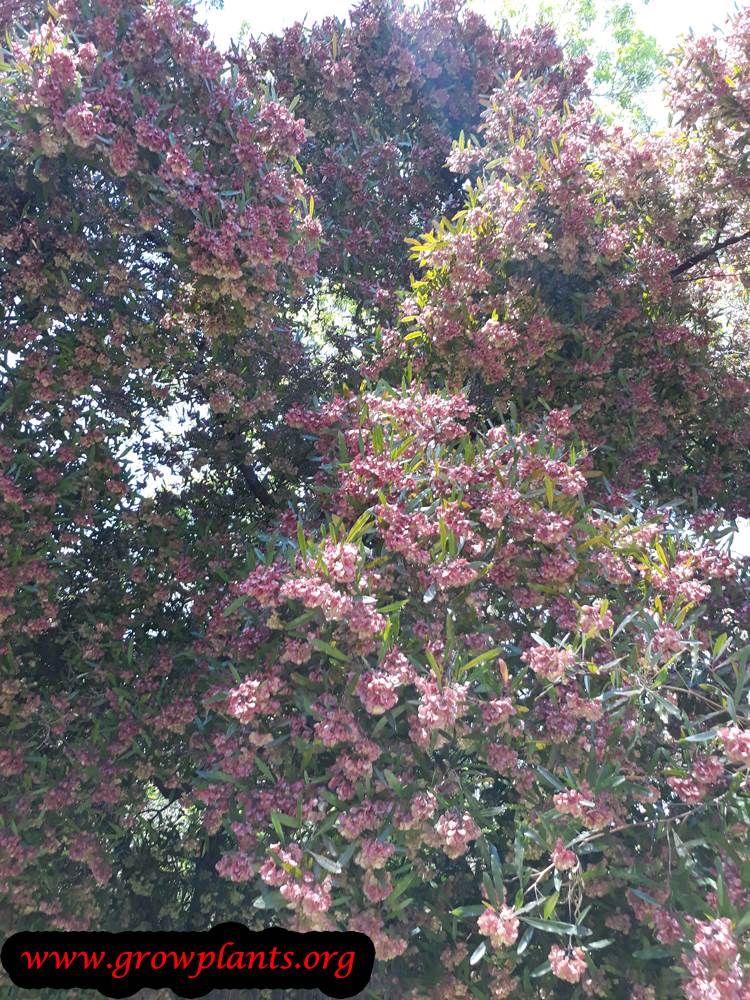
Overview: Evergreen shrub to small tree, 2-6 m, tough and adaptable across many climates. Grown as an ornamental and hedging/screening plant, often for its coloured (green to purple) foliage and decorative papery seed capsules.
Quick Specifications
| Specification | Attribute |
|---|---|
| Plant Type / Life Cycle | Perennial (evergreen shrub to small tree) |
| Foliage Type | Evergreen |
| Mature Size | 2-6 m tall (6-18 ft) |
| Growth Rate | Fast to moderate |
| Hardiness | USDA zone 9+ |
Growth Form & Structure
- Height & Spread: 2-6 m (6-18 ft) tall as a shrub to small tree; also grows in large containers.
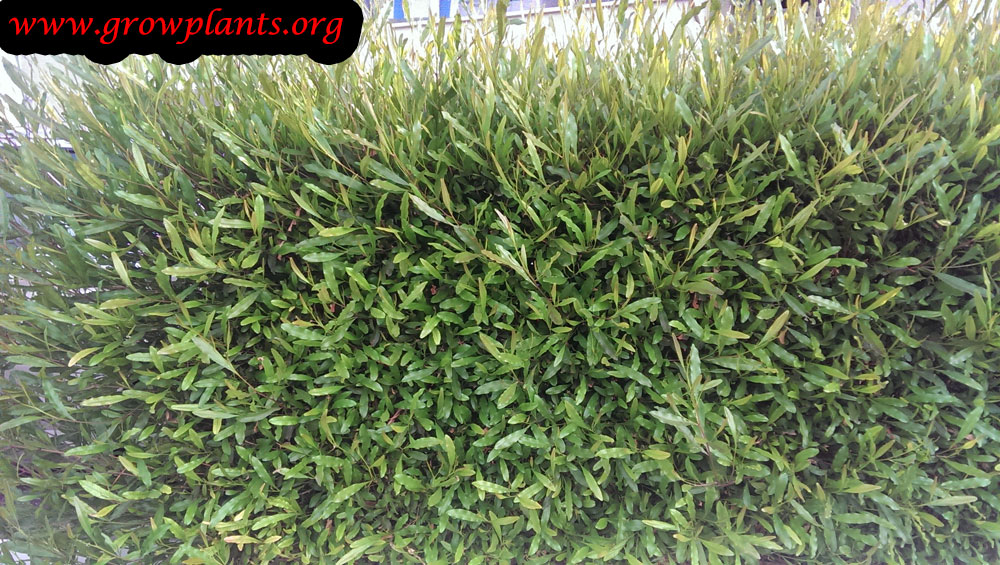
- Growth Habit & Form: Upright, bushy evergreen shrub/small tree that responds well to clipping as a hedge.
- Lifespan & Maturity: Fast to moderate growth, quickly forming a screen.
Anatomy & Physical Features
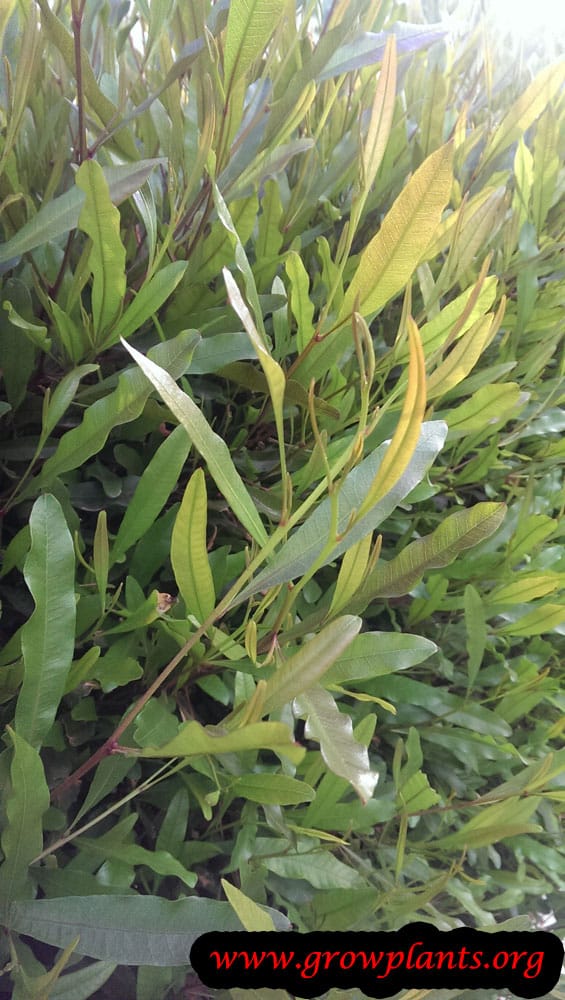
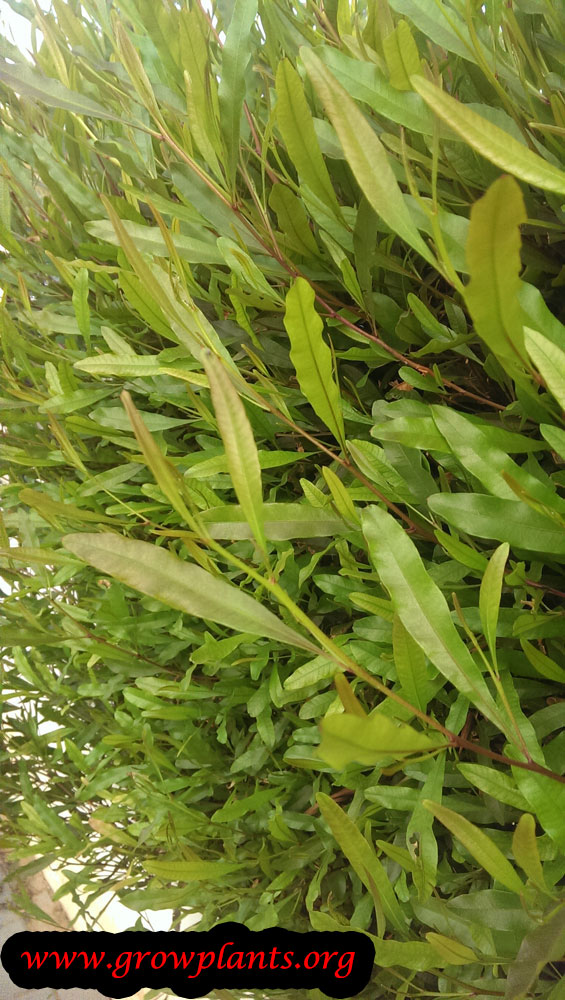
- Leaves & Foliage: Narrow, linear leaves, green or purple (the purple-leaved forms are especially popular).
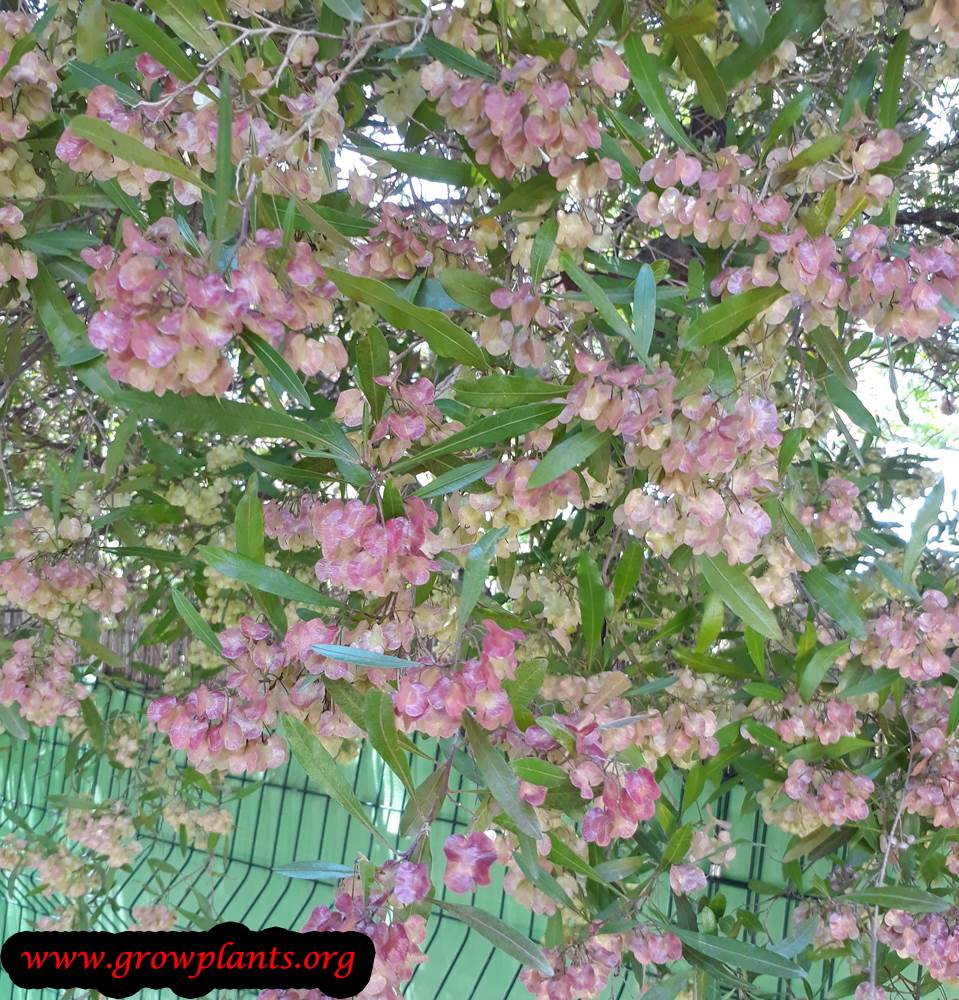
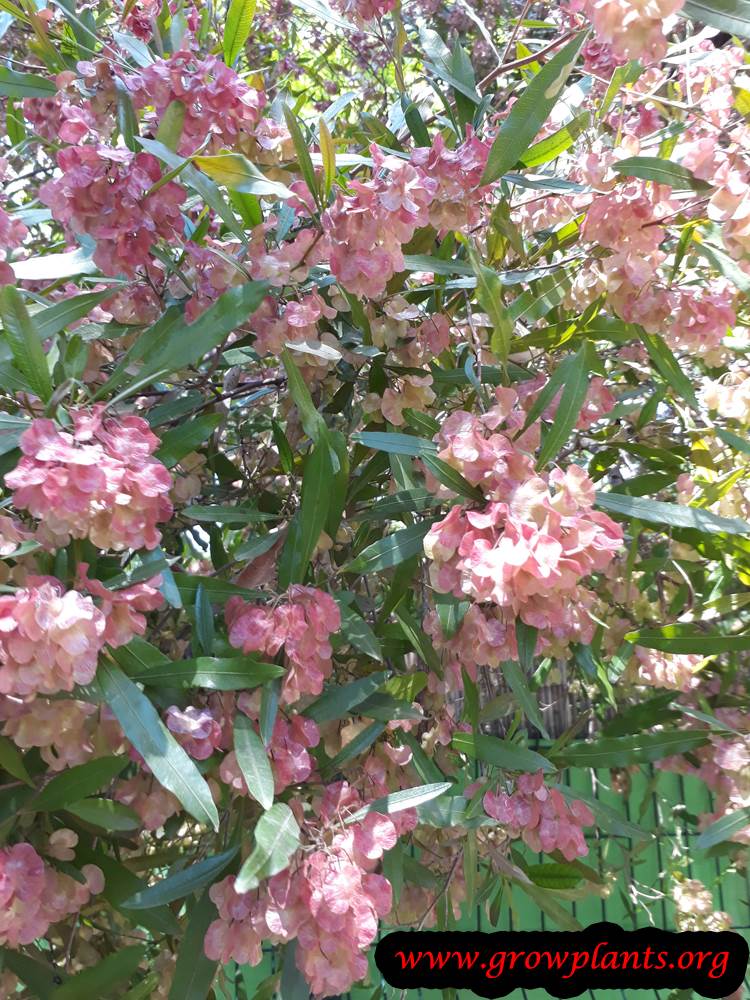
- Flower Characteristics: Small, inconspicuous clustered flowers (red, purple, white or pink); the papery, winged seed capsules (‘hops’) are the true ornamental feature.
Primary Uses & Landscape Value
- Functional & Ornamental Roles: Hedge/screen, windbreak and drought-tolerant foliage shrub for many climates, including desert and coastal.
Care Guide: Planting, Soil & Watering
Overview: Dodonaea (hop bush) is a tough, adaptable shrub to small tree that grows best in full sun to partial shade in well-draining soil. It is drought-tolerant once established and needs only moderate, occasional watering.
Quick Care Requirements
| Requirement | Ideal Condition |
|---|---|
| Planting Season | In spring or summer, through the warm season |
| Growth Rate | Fast to moderate |
| Soil Type | Well-draining soil |
| Water Need | Moderate — drought-tolerant once established |
Planting & Establishment
- Best Planting Season: Plant in spring or summer during the warm season, in full sun to partial shade.
- How to Plant:
- Hole Preparation: Dig a hole about the size of the root ball so the shrub sits level with the surrounding soil.
- Soil Amendments: Loosen the surrounding soil and improve drainage on heavy ground; this adaptable shrub does not need rich soil.
- Planting Depth: Set the plant with the root collar level with the soil surface — do not bury the base of the stem.
- Growth Speed & Expectations: Grows fairly quickly into a dense shrub, making it a useful, fast hedge or screen.
Soil, Watering & Drainage Care
- Soil Mix & Drainage Needs: Provide well-draining soil; in containers use a free-draining potting mix so surplus water escapes freely and roots never sit wet.
- Watering Schedule & Technique:
- Young / Newly Planted: Water regularly to keep the soil lightly moist while the young shrub establishes.
- Established: Once established it is drought-tolerant — water moderately and only when the soil has dried out.
- Seasonal Adjustments: Water more in prolonged heat and reduce it in cool, wet weather.
Climate, Light & Hardiness
Dodonaea (hop bush) is a tough, warm-climate evergreen shrub suited to subtropical, tropical, Mediterranean, temperate and even desert conditions, prized as a wind- and drought-hardy hedge. It grows in full sun to partial shade and is frost-tender at the harder end of winter, with the site placing it in hardiness zone 9 and warmer.
Quick Climate Specifications
| Climate Zones | Subtropical, tropical, temperate, Mediterranean, desert |
|---|---|
| USDA Hardiness Zones | Approximately 9 and warmer (site data) |
| Cold Damage Begins | Foliage damaged by frost; hard freezes cut back growth |
| Frost Tolerance | Low (light frost only, once established) |
| Light Conditions | Full sun to partial shade |
| Wind Tolerance | High |
| Salt / Coastal Tolerance | High (a noted coastal shrub) |
Sunlight & Light Exposure
Optimal Light Setup
Full sun gives the densest habit and the best foliage colour on purple-leaved forms. It also grows in partial shade, though hedges may become more open.
Direct Sun Requirement
Well adapted to strong, direct sun and reflected heat, which makes it a reliable choice for exposed, hot sites.
Temperature Extremes & Hardiness
USDA Hardiness & Regional Limits
The site places hop bush in zone 9 and above – the lower edge of zone 9 corresponds to winter lows around −7 to −1°C (20 to 30°F). Cold hardiness varies between species and forms, so treat the zone as a general guide.
Cold Damage & Winter Protection
Foliage and soft tips are burned by frost; a hard freeze can cut plants back, though established shrubs often re-shoot from the base in marginal areas. Young plants are more cold-sensitive than mature ones.
Extreme Heat Tolerance
Excellent. Hop bush thrives in high heat and dry air, holding up in desert and reflected-heat situations that stress many shrubs.
Wind, Humidity & Microclimate
Dry-Air Tolerance
Very tolerant of dry, arid air – one of the reasons it succeeds in desert and Mediterranean gardens.
Wind Tolerance
Outstanding wind resistance, which is why it is planted as a windbreak and screening hedge in exposed positions.
Coastal / Salt Tolerance
Highly tolerant of salt spray and coastal exposure, making it a dependable seaside hedge. (This refers to airborne salt spray; tolerance of saline soil or irrigation water can differ.)
Growing in Pots, Balconies & Indoors
Hop bush (Dodonaea) is a tough, fast-growing, drought-tolerant evergreen shrub for patios and balconies rather than indoors – the grower does not class it as a houseplant. In a large container it makes a good screening or hedge plant and takes hard sun, wind and dry spells in its stride.
Quick Details
- Container Size: Large – start around 15-20 L and pot up toward 40-60 L (10-16 gal), as it can reach 2-6 m if unpruned
- Indoor Suitability: Not a houseplant – an outdoor shrub for patio or balcony pots
- Best Spot: Full sun to half shade; the more sun and air, the tougher and denser the growth
- Soil & Drainage: Sharp, free-draining mix – it thrives on lean, dry soils
- Watering in Pots: Average and undemanding – let the surface dry between waterings; it dislikes wet feet
Indoors & On the Windowsill
- Not a houseplant: The grower marks it unsuitable indoors – it needs strong outdoor light, sun and moving air to stay compact.
- Overwintering: Tender (zone 9+), so in cold climates a potted plant can be moved to a bright, frost-free spot over winter and back out when mild.
On a Balcony or Patio
- A tough screen: Its dense, wind- and drought-tolerant growth makes an excellent container hedge or privacy screen on an exposed balcony.
- Wind & pruning: It shrugs off wind but grows fast – trim regularly to keep a potted plant to size and dense.
Choosing the Pot, Soil & Long-Term Care
- Pot & drainage: A large, stable pot with strong drainage holes; skip a standing water saucer to prevent root rot. Terracotta breathes and dries faster, glazed or plastic holds moisture longer.
- Potting mix: A gritty, free-draining mix – potting compost with coarse sand or grit.
- Feeding: Feed lightly through the growing season; it is not hungry, but potted nutrients leach, so a little regularly is enough.
- Repotting: Refresh the mix and pot up every couple of years; regular pruning of top and roots keeps a fast grower in a workable tub.
Fertilizing & Feeding
A tough, drought-tolerant hedge shrub and a light feeder; a little balanced fertilizer in the warm season keeps it dense, with none needed in the cool season.
Quick Fertilizing Specs
| Feeding Level | Light |
|---|---|
| Main Nutrient Priority | A balanced feed; nitrogen for leafy hedge growth |
| Best Feeding Period | Warm active growing season |
| Organic Options | Compost or slow-release granules |
| Micronutrients | Rarely needed except iron on alkaline soils |
| Soil pH | Well-drained soil; tolerates a wide range |
| Reduce/Stop Feeding | Ease off feeding in autumn and winter |
Feeding by Growth Stage
Newly planted / establishing
Help a young hedge shrub root in and begin steady growth.
| Nutrient direction | A light, balanced feed after the shrub is settled; do not push hard. |
|---|---|
| Timing | After planting in the warm season, as roots take hold. |
| Frequency | A light feeding during the first growing season is plenty. |
| Fertilizer types | A balanced complete fertilizer, Slow-release granular fertilizer |
| Precautions | This is a tough, drought-tolerant plant; avoid heavy feeding. |
Active growth and hedging
Sustain dense, healthy foliage for hedging and screening.
| Nutrient direction | A balanced complete fertilizer in the warm season supports steady leafy growth. |
|---|---|
| Timing | Spring into the warm growing season. |
| Frequency | Light feeding during the active growing season is usually enough. |
| Fertilizer types | A balanced complete fertilizer, Compost or slow-release granules |
| Precautions | Over-feeding can force weak, leggy growth on this fast shrub; keep it moderate. |
Cool-season rest
Allow the shrub to harden off as growth slows in the cool season.
| Nutrient direction | None – withhold fertilizer while the shrub is not actively growing. |
|---|---|
| Timing | Autumn and winter, when growth slows. |
| Frequency | No feeding at this stage. |
| Fertilizer types | No feeding at this stage until spring growth resumes. |
| Precautions | Do not fertilize going into cold weather; wait for active spring growth. |
Nutrient Deficiency Signs & Corrections
Older leaves turn pale and growth becomes slow and sparse.
| Possible causes | Low soil nitrogen, Leaching in sandy or fast-draining soil, Competition from nearby plants or turf |
|---|---|
| Appears first on | Older, lower leaves |
| What to check | soil fertility, drainage and leaching, surrounding competition |
| Possible correction | Apply a light balanced feed and improve organic matter. |
Younger leaves yellow between the green veins.
| Possible causes | Iron uptake limited by high or alkaline soil pH, Waterlogged or poorly drained soil, Root stress |
|---|---|
| Appears first on | Younger leaves |
| What to check | soil pH, drainage, root health |
| Possible correction | Correct pH and drainage; apply a chelated iron product following its label if needed. |
Leaf tips and margins brown and scorch after feeding or in dry conditions.
| Possible causes | Excess fertilizer salts, Drought stress on a drought-tolerant plant, Poor leaching |
|---|---|
| Appears first on | Leaf tips and margins |
| What to check | recent feeding, soil moisture, drainage |
| Possible correction | Water thoroughly to flush salts and lighten feeding. |
Pruning, Training & Seasonal Maintenance
Dodonaea (hop bush) is a fast-growing evergreen shrub to small tree, often used as an informal or clipped hedge and screen. It tolerates pruning very well – from light shaping to hard renovation – and resprouts readily from old wood, so pruning mainly controls size, thickens the screen and keeps a tidy outline. Its garden value is the foliage (green or bronze-purple forms) and the papery winged seed capsules on female plants rather than the small, inconspicuous flowers, which frees you to shape it for form.
Quick Pruning & Maintenance Specs
| Pruning Tolerance | High – takes shaping, shearing and hard renovation |
| Primary Pruning Window | Autumn to winter, after the seed-capsule display and before the spring flush |
| Secondary Maintenance Window | Light tip trims in the growing season on formal hedges |
| Typical Frequency | 1–2 times a year as a hedge; occasionally as a specimen |
| Main Objective | Density, size control and a clean screen outline |
| Young Plant Priority | Choose a tree or a shrub/hedge form; pinch for branching |
| Mature Plant Priority | Hold the outline; renew the oldest leggy stems |
| Best Tool Type | Bypass secateurs and loppers; hedge shears only for a formal hedge |
| Avoid Heavy Pruning During | Just before frost – soft regrowth is cold-tender |
Pruning by Plant Age & Size
Newly Established
Tip-pinch a young plant to encourage branching if you want a dense hedge; on a specimen, remove only damaged shoots and let it build its natural arching form.
Young / Formative
Decide the form early. For a single-trunk small tree, select one leader and clear the lowest side shoots; for a multi-stem shrub or hedge, head the growing tips repeatedly to build density from the base up.
Mature / Established
Maintain the outline, remove crossing or rubbing stems, and renew the oldest, leggiest stems by cutting a few back to the base each year so younger wood keeps the screen furnished low down.
Seasonal Pruning Schedule
Dormant / Late-Winter Structural
Objective: main framework and size work before the spring flush. Remove: overlong, crossing and worn-out stems. Do NOT remove: all of the previous season’s growth if you want the capsule display on females. Expected response: vigorous spring resprouting from the cut wood.
Summer Canopy Management
Objective: hold a formal hedge face. Remove: soft tip growth with a light shear. Do NOT remove: so much that you open holes to bare wood. Expected response: quick re-greening in warm weather.
Ongoing Sanitary
Objective: remove dead twigs and shoots damaged by the aphids and spider mites noted for this plant. Expected response: cleaner, healthier growth.
Flowering & Fruiting Wood
Flowers are small and easily overlooked, carried on current-season growth; on female plants they are followed by the decorative winged seed capsules that give the “hop bush” name. If that capsule show is valued, delay hard shaping until after the capsules colour; grown purely for foliage or as a hedge, timing is flexible and shearing off the minor flowers costs nothing ornamental.
Structural Pruning & Training
Select and space the main stems, remove crossing and inward growth, and head back the fast, sometimes lax shoots to control size. Thinning genuinely helps an over-dense specimen keep an open, arching shape; a hedge, by contrast, is deliberately kept dense by repeated shearing.
Special Growth to Remove
- Leggy basal whips – retain them for renewal of a shrub/hedge, or remove them to keep a clean single trunk.
- Dead and pest-damaged twigs – remove as seen; the plant is on its own roots, so there are no graft suckers to manage.
Container & Small-Space Pruning
Dodonaea takes well to pots and can be kept compact by regular tip-pruning; it responds to heading cuts without sulking, so a container plant can be held to size and even trained as a small standard.
Tools
Use bypass secateurs for twigs, loppers for older stems, and hedge shears only where a formal clipped face is wanted; a pruning saw is needed only to renovate a thick old trunk.
Tool Hygiene & Disease Risk
Routine – there is no major transmissible disease here. Clean blades between plants only if you are cutting through heavy aphid or mite infestation.
Cut Placement & Technique
On a specimen, use thinning cuts back to a junction for a natural shape; to build density, use heading cuts to an outward-facing bud. Shear only formal hedges, and keep the base slightly wider than the top so the lower stems keep their light.
Heavy Pruning & Rejuvenation
Well tolerated. A leggy, bare-based plant can be cut back hard and will resprout from old wood; carry out severe renovation in the cooler season and expect fast, vigorous regrowth that you then thin to the best shoots.
Post-Pruning Care
Water after hard cuts in dry or desert conditions to fuel regrowth. The new soft growth is more frost-tender, so time heavy work well away from cold snaps rather than feeding to push it faster.
Common Pruning Mistakes
- Shearing a plant you wanted informal, losing the graceful arching habit.
- Hard pruning just before frost, so soft regrowth is burned.
- Letting the base go bare by only ever clipping the top of a hedge.
- Removing all female flowering wood when you wanted the seed-capsule display.
When NOT to Prune
Do not prune hard just before a frost, and avoid heavy cutting on a plant under establishment or drought stress.
Recommended Tools (by task)
- bypass_secateurs – twiggy shaping, thinning and sanitary cuts.
- loppers – older, thicker stems during renewal and renovation.
- hedge_shears – only where Dodonaea is grown as a formal clipped hedge.
Pruning Troubleshooting
| Problem | Possible Cause | What to Check | Corrective Action |
| Bare, leggy base on a hedge | Only the top clipped; base shaded | Whether the hedge is wider at the top than the base | Taper the face wider at the base; hard-renew a few basal stems to refurnish low down |
| Dense soft regrowth after hard cuts | Vigorous resprouting from old wood | Number of new shoots at each cut | Thin to the best-placed shoots once they harden |
| New growth frost-burned | Heavy pruning too close to cold | Timing of the last hard cut | Prune earlier in the cool season; delay hard work until frost risk passes |
| No seed-capsule display on a female plant | Flowering wood sheared off before capsules set | Whether current-season growth was removed | Delay shaping until after capsules colour |
Propagation Guide
Hop bush is grown from seed or from semi-hardwood cuttings; seed is the usual way to raise many plants for a hedge, while cuttings are used to reproduce a chosen form (such as purple-leaved selections) that does not come true from seed. It is moderately easy, the main step being to scarify the hard-coated seed.
Quick Propagation Specs
| Best Propagation Method | Seed (scarified) |
| Alternative Methods | Semi-hardwood cuttings |
| Propagation Difficulty | Moderate |
| Seed True-to-Type | Variable — seedlings differ; selected leaf-colour forms will not come true |
| Vegetative True-to-Type | Yes — cuttings keep the parent form |
| Best Propagation Season | Sow in spring; take cuttings in the warm season |
| Germination Temperature | About 20–25°C (68–77°F) |
Growing from Seed
Seed Handling & Viability
Seed is small and hard-coated and stores well dry for a long period. Because the species is dioecious (separate male and female plants), seed forms only where both sexes are present.
Dormancy & Pre-Sowing Treatment
The hard seed coat restricts water uptake. Germination is markedly improved by scarifying the coat — a well-documented method is to pour near-boiling water over the seed and let it soak as the water cools before sowing.
Sowing Season
Sow in spring into warm conditions.
Germination Conditions
Keep the mix moist and warm, roughly 20–25°C (68–77°F).
Germination Time
Germination is often irregular and may take several weeks even after scarification.
Stem Cuttings
Cutting Type
Semi-hardwood cuttings of the current season’s growth, taken once it has begun to firm.
Best Timing
The warm growing season (spring to summer).
Rooting Hormone
A rooting hormone is beneficial but not essential.
Rooting Setup & Time
Root in a free-draining, moist medium under high humidity; expect rooting over several weeks. Cuttings are the way to reproduce a selected form, such as the purple-leaved types, which do not come true from seed.
Bloom & Flower Guide
Quick Details
- Bloom Season: Spring, summer and into autumn
- Flower Appearance: True flowers are small, greenish and petal-less; the eye-catching red, purple, pink or white colour comes from the papery, hop-like seed capsules that follow
- Edibility: Ornamental hedge plant – not eaten
Detailed Blooming Overview
Hop bush is grown as a tough evergreen hedge, and its flowering is easily misread. The true flowers are small, greenish and without petals, borne on separate male and female plants and pollinated by wind. What catches the eye – the red, purple, pink and white tones – actually comes from the winged, papery seed capsules that give the shrub its hop-like common name and its long season of colour from spring into autumn.
Flower Characteristics
- True flowers small, greenish-yellow and petal-less
- Male and female flowers usually on separate plants (dioecious), wind-pollinated
- The showy red-to-pink colour is carried by the papery, hop-like seed capsules
Bloom Care & Thinning
- Enjoying the colour: leave the capsules to develop and colour up rather than trimming them off
- Hedging: time any clipping so it does not remove the developing capsules if you want the display
- Pollination: pollinated by wind, so no insects are needed for the capsules to form
Pests, Diseases & Troubleshooting
Overview: Dodonaea (hopbush) is a genus of tough, drought- and wind-tolerant shrubs in the soapberry family that are genuinely near pest-free; the few insects they get are scale, aphids, psyllids, mealybugs and spider mites, and their main real weakness is root rot in poorly drained, overwatered soil. Grown in full sun with sharp drainage they thrive on neglect and tolerate heat, wind, drought and coastal salt; heavy wet ground and hard frost on tender types are what actually cause trouble.
Quick Troubleshooting Overview
| Issue / Pest | Main Symptom | Primary Solution |
|---|---|---|
| Scale insects | Brown or waxy bumps on stems and leaves, sooty mould | Prune, horticultural oil; control ants, conserve predators |
| Aphids | Colonies on soft new growth, honeydew, distortion | Hose off; insecticidal soap only if heavy |
| Psyllids / lerp | Pimpling, distortion, or sugary lerp coverings on leaves | Tolerate light damage; prune tips, conserve predators |
| Spider mites | Stippling and dull foliage in hot, dry, dusty spells | Hose foliage; horticultural oil if persistent |
| Root rot | Yellowing, wilt and dieback in wet, heavy soil | Sharpen drainage, ease off water; plant high |
| Chlorosis | Yellowing leaves on waterlogged or alkaline ground | Improve drainage; chelated iron if needed |
Common Pests & Management
- Scale insects (Coccus / Aspidiotus / Ceroplastes spp.):
- Symptoms: Brown, black or waxy limpet-like bumps on the stems, twigs and leaf undersides, with honeydew from soft scales and black sooty mould, weakening growth where colonies build up on stressed or sheltered plants.
- Prevention & Control: Prune out heavily encrusted growth, and control the ants that farm and protect soft scales with sticky bands. Horticultural or neem oil smothers scale, and conserving ladybirds and parasitic wasps usually keeps this tough shrub scale-free.
- Aphids (Aphis spp.):
- Symptoms: Colonies of soft green or black insects on the soft new flush and shoot tips, with honeydew, sooty mould and some distortion of the new leaves, mainly a brief problem on vigorous spring growth.
- Prevention & Control: Usually a strong jet of water and natural predators are enough on this robust plant. Insecticidal soap or neem clears heavy colonies; heavy nitrogen feeding that drives soft growth is best avoided.
- Psyllids and lerp insects (jumping plant lice):
- Symptoms: Tiny sap-sucking psyllids whose feeding causes pimpling, yellow spotting or leaf distortion, with some species forming small protective sugary ‘lerp’ coverings on the leaves; usually cosmetic on a healthy shrub.
- Prevention & Control: Tolerate light damage, prune out heavily affected tips, and conserve the ladybirds, lacewings and parasitic wasps that control them. Avoid broad-spectrum sprays that kill these predators; the shrub outgrows minor infestations.
- Mealybugs and spider mites (Planococcus / Tetranychus urticae):
- Symptoms: White cottony mealybugs in leaf axils and on stems with honeydew, and fine pale stippling with webbing from spider mites in hot, dry, dusty conditions, mostly on stressed or container plants.
- Prevention & Control: Wash off mealybugs and hose down mite-prone foliage, keeping the plant unstressed and un-dusty. Horticultural oil or insecticidal soap controls both; avoid drought stress and broad-spectrum sprays that trigger mite flare-ups.
Diseases & Fungal Issues
- Root and crown rot (Phytophthora / Pythium spp.):
- Symptoms: Yellowing, wilting, thinning canopy and dieback in heavy, wet, poorly drained soil or from overwatering, with dark, decayed roots; the main real disease threat to these drought-adapted shrubs.
- Treatment & Management: Grow in free-draining soil, plant high on heavy ground, and water sparingly once established, since they tolerate drought far better than wet feet. Remove badly affected plants and improve drainage before replanting; avoid irrigating established plants heavily.
- Fungal leaf spot (Cercospora / general leaf-spot fungi):
- Symptoms: Brown or greyish spots on the leaves, sometimes with yellow halos, in warm, wet, humid or crowded conditions, usually a minor and cosmetic problem on an otherwise healthy shrub.
- Treatment & Management: Improve airflow, avoid overhead watering, and remove badly spotted leaves and debris. This tough shrub rarely needs spraying; a copper fungicide is only justified under unusually persistent damp pressure.
- Sooty mould (secondary):
- Symptoms: A black, soot-like coating on the leaves and stems growing on the honeydew of scale, aphids, psyllids or mealybugs, which blocks light and disfigures the foliage but does not itself infect the plant.
- Treatment & Management: Control the underlying sap-suckers and the ants that farm them, then wash or wipe off the mould. Once the honeydew source is removed the mould weathers away.
Growing Difficulties & Abiotic Problems
- Overwatering and root rot:
- Cause & Symptoms: Yellowing, wilting and dieback where the soil stays wet; hopbush is a drought-adapted shrub that resents heavy, constantly moist ground and rots at the roots if overwatered.
- Correction Strategy: Grow in full sun with sharp drainage, water deeply but infrequently while establishing, then leave established plants to fend for themselves. Err firmly on the dry side and avoid low, wet, poorly drained spots.
- Chlorosis on wet or alkaline soil:
- Cause & Symptoms: Yellowing leaves, especially between the veins, on waterlogged or strongly alkaline ground that locks up iron and other nutrients, with weak growth.
- Correction Strategy: Improve drainage first, since wet roots are the usual cause, and correct persistent iron shortage on alkaline soils with a chelated iron feed. Good drainage and a sunny position keep the foliage green.
- Frost sensitivity of tender types:
- Cause & Symptoms: Browned, scorched or killed young growth after frost on the more tender species and in cold-winter areas, though many hopbushes are hardy once established.
- Correction Strategy: Match the species to the climate, protect young or tender plants from hard frost, and site them in a warm, sheltered spot. Prune out frost-damaged wood in spring once the danger has passed; established hardy types shrug off light frost.
- Wind, drought and salt exposure (strengths):
- Cause & Symptoms: Hopbush is exceptionally tough, tolerating strong wind, drought, heat and coastal salt, so scorch or dieback from these usually signals a poorly established plant or root problems rather than the exposure itself.
- Correction Strategy: Use hopbush deliberately as a windbreak, hedge or coastal and dry-garden shrub, establish it well with occasional deep watering in the first season, and thereafter let it cope. Persistent decline in such a tough plant points to root rot or waterlogging, not the exposure.
What Helps — Products & Tools
For Dodonaea the kit is minimal, reflecting a genuinely tough, near pest-free shrub: horticultural or neem oil (with ant control) for the occasional scale or mealybug, a hose or insecticidal soap for aphids and mites, and tolerance of minor psyllid damage. On the disease side, sharp drainage and restrained watering prevent the root rot that is its only real threat, controlling sap-suckers removes sooty mould, and leaf spots are cosmetic. The main lever is not overwatering this drought-adapted plant. The source pest names are unreliable and were not used.