Not every room has a bright windowsill — but plenty of houseplants tolerate the lower light of north-facing rooms, hallways and shady corners. This is a curated selection of reliably low-light-tolerant houseplants, with realistic expectations. Important: “low light” means these plants cope with less light, not that they need none — no houseplant grows in true darkness, and all of these grow better with more (indirect) light.
What “low light” realistically means
In a low-light spot, even tolerant plants grow more slowly, stay smaller, produce fewer or no flowers, and variegated types may fade toward plain green. That’s normal — you’re choosing plants that stay healthy and attractive in dim conditions, not ones that flourish there. If a plant leans, stretches or goes leggy, it’s asking for more light (see light requirements for houseplants).
How to succeed with plants in low light
- Water less. Low light means slow growth and slow drying — the biggest killer here is overwatering. Let the soil dry appropriately and check before watering (see overwatering vs underwatering).
- Keep leaves clean. Dust blocks the little light there is — wipe foliage occasionally.
- Rotate for even growth, and give plants a spell nearer a window if they decline.
- Feed sparingly — slow growth needs little fertiliser.
The best low-light houseplants
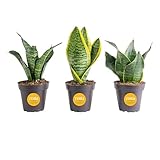
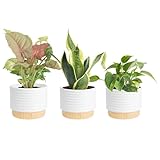
- Snake plant (Sansevieria/Dracaena trifasciata) — nearly indestructible, tolerates low light and infrequent watering.
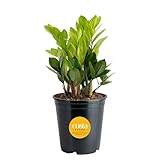
- ZZ plant (Zamioculcas zamiifolia) — glossy, drought- and shade-tolerant, ideal for neglected corners.
- Pothos / golden pothos — trailing and forgiving; grows in low light (variegation fades in deep shade).
- Peace lily (Spathiphyllum) — one of the few that may still flower in modest light; tells you when it’s thirsty by drooping.
- Cast iron plant (Aspidistra) — famously tough, thrives in shade and neglect.
- Chinese evergreen (Aglaonema) — handsome foliage; darker-leaved varieties handle low light best.
- Spider plant (Chlorophytum) — adaptable and easy, tolerates lower light.
- Heartleaf philodendron — trailing, forgiving, low-light-tolerant like pothos.
- Calathea & prayer plants — prefer lower, indirect light and dislike direct sun (they do want humidity).
- Dracaena — several species tolerate medium-to-low light.
- Lucky bamboo (Dracaena sanderiana) — copes with low light and can grow in water.
- Maidenhair fern and many ferns — adapted to shady forest floors (keep them humid and evenly moist).
There is no “no-light” plant
Beware claims of plants that live in windowless rooms — all plants photosynthesise and need some light. For a genuinely dark spot, either use a plant only temporarily and rotate it out to recover, or add a grow light.
When to add a grow light
If even tolerant plants stretch, pale or decline, a small grow light transforms a dark corner and lets you grow a much wider range. See grow lights and grow lights for indoor plants.
Quick questions
What’s the best plant for a dark room? Snake plant, ZZ plant, pothos, cast iron plant and peace lily are among the most shade-tolerant — but even these need some light and prefer bright-indirect.
Do low-light plants grow slower? Yes — expect slower growth, smaller leaves and few flowers in dim spots, and water less to match.
Are there plants that need no light at all? No — every plant needs some light; for truly dark spots, add a grow light or rotate plants out to recover.
Related guides
- Light requirements for houseplants · how to water houseplants · increasing humidity
- Equipment: grow lights
Looking for more houseplant ideas? See our best indoor plants guide.