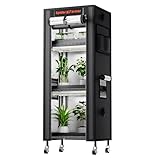
Growing in a greenhouse is hugely rewarding, but it isn’t quite like growing outdoors — the plants rely on you to manage their environment. This beginner-friendly guide walks through the essentials so you avoid the classic first-year mistakes (mostly overheating and stale, humid air).
Siting and setup
Put the greenhouse in a bright, sheltered, level spot with good winter light, away from frost pockets and deep shade. Firm, well-drained flooring and secure anchoring come first. If you’re still choosing, see the greenhouses buyer’s guide.
The daily essentials
- Ventilate — open vents/doors on warm days; an automatic vent opener does it for you. See ventilation.
- Water well — greenhouses dry fast; water at the base, ideally in the morning. See watering greenhouse plants.
- Watch the temperature — a max-min thermometer shows the highs and lows. See temperature.
Feeding and potting
Greenhouse plants in pots and grow-bags need regular feeding in active growth — see how and when to fertilize — and a good growing medium. Stage plants on benches at working height.
Season by season (in brief)
- Spring — start seeds, pot on, harden off.
- Summer — manage heat: shade, ventilate, water more. See cooling and summer growing.
- Autumn/Winter — protect tender plants, reduce watering, keep air moving. See winter growing.
Common beginner mistakes
- Letting it overheat (no daytime ventilation).
- Overwatering and wetting foliage late in the day (invites disease).
- Stagnant, humid air with no circulation.
- Crowding plants so nothing dries or gets light.
Quick questions
What can I grow in a greenhouse as a beginner? Tomatoes, peppers, cucumbers, salad leaves and herbs are classic, forgiving greenhouse crops — see greenhouse plants.
Related guides
- Greenhouse growing hub · ventilation · temperature · what to grow