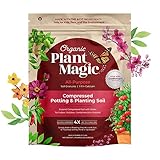
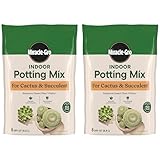
The best raised-bed soil is a blend, not a single product: enough good soil for body and water-holding, plenty of compost for fertility and structure, and adjustments for what you grow. Getting the ratio right gives you a bed that drains freely yet stays moist, and feeds crops for years. Here’s how to build it.
Why a blend beats any single product
- Pure garden soil — often too heavy/compacted for a bed and may carry weeds and disease.
- Pure compost — too rich and light on its own; it slumps, dries unevenly and can be too high in nutrients/salts.
- Pure bagged “topsoil” — variable quality and often low in fertility.
Blending them balances water retention, drainage, structure and fertility.
A reliable general mix
A well-tested starting point for vegetables and most crops:
- ~50% quality topsoil
- ~30–40% compost / well-rotted organic matter
- ~10–20% aeration/drainage material (composted bark, leaf mould, or grit where drainage is poor)
Think of it as “soil for body, compost for life, and something to keep it open.” For the underlying components and how they behave, see how to choose the right soil and soil amendments.
Adjusting for what you grow
- Leafy greens & heavy feeders — a bit more compost.
- Root crops (carrots, parsnips) — looser, stone-free, not too rich, or roots fork and split.
- Mediterranean herbs — leaner and sharper-draining (add grit).
- Acid-lovers (blueberries) — a dedicated ericaceous mix, not the general blend.
Yearly maintenance
Raised-bed soil is a living system that gets consumed. Each season, top up with 2–5 cm of compost, which replaces lost organic matter, feeds soil life and offsets settling. Avoid heavy digging — a “no-dig” compost mulch keeps structure and reduces weeds. Feed hungry crops through the season per the fertilizing guide.
Quick questions
What’s the best soil mix for a raised vegetable bed? Roughly half good topsoil and half compost/organic matter, with extra grit if drainage is poor — then top up with compost yearly.
Can I fill a raised bed with just compost? No — it slumps, dries unevenly and can be too rich; blend it with topsoil.
Related guides
- How to fill a raised bed · soil amendments · choosing soil
- Raised bed supplies · bagged soil & compost
- raised bed kits