Good drainage is one of the biggest hidden factors in plant health: most plants need air at their roots, and soil that stays waterlogged suffocates and rots them. The good news is that drainage is something you can improve — and understanding how it actually works helps you avoid the popular fixes that make it worse. This is a general guide; the ideal drainage depends on the plant, so treat it as the framework.
Signs of poor drainage
- Water sits on the surface or in a planting hole and drains away slowly.
- Soil stays wet and heavy for days after watering.
- A sour, stagnant smell from the soil.
- Yellowing lower leaves, wilting despite wet soil, and stalled growth.
- In pots, water that takes a long time to appear at the drainage holes — or none that do.
Wilting in wet soil is the classic clue: the roots are drowning, not thirsty, and often heading toward root rot.
Container vs ground drainage — they’re different problems
Drainage in a pot and drainage in the ground have different fixes, so diagnose which you’re dealing with:
- Containers depend on the potting mix, the pot and its drainage holes — you control all three.
- Open ground depends on the soil’s structure and texture, compaction, and where water can go — a bigger, slower thing to change.
Drainage holes (containers)
The simplest container fix: make sure the pot has drainage holes and they’re not blocked. A pot with no way out will waterlog whatever mix you use. Avoid leaving a pot standing in a saucer of water, and if you love a hole-less decorative pot, use it as a cover-pot with the plant in a draining liner you can lift out.
Soil structure and texture
Drainage is really about structure — the spaces between soil particles that let water pass and air return. Heavy clay soils have tiny particles and tiny gaps, so they hold water and drain slowly; sandy soils drain fast. The reliable way to improve either extreme is to build better structure, mainly with organic matter, rather than chasing a single ingredient.
Compaction
Compacted soil — squeezed by foot traffic, heavy machinery, or just years of settling — loses the pore spaces water and air need, and drains poorly even if the texture is fine. Loosening compacted ground (and avoiding walking on wet beds) restores those spaces. In pots, old, broken-down mix compacts too, which is one reason periodic repotting helps.
Organic matter — the workhorse fix
Well-rotted organic matter (compost, leaf mould, aged manure) is the most broadly effective drainage improver for ground soil. It opens up heavy clay so water moves through, and helps sandy soil hold together — improving structure either way. Work it in and top up over time; improving soil is ongoing, not a one-off.
Raised beds and mounding
Where ground drainage is genuinely poor and hard to change — heavy clay, a high water table, a low wet spot — the most effective answer is often to lift the plants above the problem. Raised beds and planting on mounds or ridges let excess water drain away below the roots, and are a standard solution for wet sites.
Choosing the right growing media (containers)
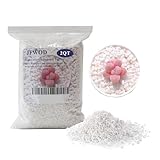
For pots, the mix is the drainage. A quality potting mix drains far better than garden soil (which compacts in containers), and you can tailor it: adding materials like perlite, pumice or bark opens up a mix for plants that want sharp drainage, while moisture-retentive mixes suit thirstier plants. Match the mix to the plant — cacti and succulents want a fast, gritty mix; many others want moisture-retentive but still free-draining. See our guides to potting soil and cactus & succulent soil.
Repotting to fix container drainage
If a potted plant sits wet, the fix is often to repot into fresh, well-structured mix in a pot with working drainage holes — especially if the old mix has broken down and compacted. Repotting also lets you check the roots for rot at the same time.
Drainage myths — what not to do
- “Just add sand to clay.” Adding a little sand to clay can make it worse — without enough of the right coarse material and organic matter, it can set more like concrete. Organic matter is the dependable improver.
- “Put gravel/crocks in the bottom of pots for drainage.” A layer of gravel under the mix does not improve drainage — it actually raises the waterlogged zone up into the root area. A pot with drainage holes and good mix drains better than one with a gravel layer.
- “More drainage is always better.” Not for every plant — moisture-lovers and bog plants want retentive conditions; the goal is the right drainage for the plant, not the fastest.
When drainage is NOT the problem
Wet, unhappy soil isn’t always a drainage fault. Overwatering — watering too often — keeps even well-draining soil saturated, so the fix is to water less, not to re-engineer the soil. Symptoms like yellowing and wilting also overlap with pests, disease and nutrient issues. Before rebuilding your soil, check that you’re not simply watering too much, and confirm the soil genuinely drains slowly.
Common mistakes
- Adding sand to clay and making it worse.
- Putting gravel in the base of pots and raising the wet zone.
- Using garden soil in containers, where it compacts.
- Blaming drainage when the real issue is watering too often.
- Giving moisture-loving plants a fast, gritty mix they dislike.
Quick questions
How do I improve drainage in clay soil? Work in plenty of well-rotted organic matter over time, avoid compaction, and where it’s very wet, grow in raised beds or mounds. Don’t rely on adding sand.
Should I put stones in the bottom of my pots? No — a gravel layer doesn’t help and can raise the waterlogged zone. Use a good mix and a pot with drainage holes.
My soil is always wet — is it drainage or watering? Check watering first: watering too often keeps even good soil saturated. If the soil genuinely drains slowly, then improve structure.
Related guides
- Root rot · when & how to repot plants · how to water houseplants
- Media: potting soil · cactus & succulent soil
- how to choose the right soil
For broader soil improvement beyond drainage (nutrients, structure, pH), see our soil amendments guide.