
GrowPlants is reader-supported. When you buy through links on this page we may earn an affiliate commission, at no extra cost to you. Product suggestions are pulled from live listings — always check the current label, price and reviews before buying.
Roses and flowering plants put enormous energy into blooms, and they reward good feeding with more flowers, stronger colour and healthier growth. This guide explains which nutrients drive flowering, how the fertilizer types differ, and how to choose and time feed for roses, flowering shrubs and bedding plants — in the ground or in pots.
What nutrients matter for flowering plants
The N-P-K ratio on the label tells you what a feed emphasises:
- Nitrogen (N) builds the leaves and stems that support blooming — needed, but an excess produces foliage at the expense of flowers.
- Phosphorus (P) supports root development and flower formation.
- Potassium (K) is the key nutrient for abundant, well-coloured, longer-lasting blooms — “bloom booster” and rose feeds are typically higher in potassium.
Roses in particular also appreciate magnesium, which supports lush foliage and flower colour. Many dedicated rose feeds include it along with trace elements. For the full picture on the numbers, see our NPK and fertilizer types guide.
Recommended rose & flower fertilizers


Fertilizer types for roses and flowers
| Type | How it works | Best for | Trade-off |
|---|---|---|---|
| Granular rose feed | Worked into the soil around the plant; releases over weeks | Established roses and shrubs in beds | Slower to act; water in well |
| Liquid / bloom booster | Diluted and watered on; fast, high-potassium | Container flowers, a push before/through bloom | Short-lived — repeat through the season |
| Slow / controlled-release | Coated granules feeding for months | Patio pots and low-maintenance borders | Less control over timing |
| Organic feeds (compost, manure, bone meal) | Feed soil life and release gradually | Long-term soil health for roses | Nutrient levels vary; slower acting |
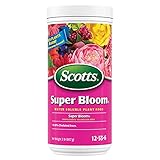
Liquid bloom feeds


How to choose
- Established roses in beds? A granular rose feed in spring, topped up after the first flush, is the classic approach.
- Flowers in containers? A high-potassium liquid feed through the season keeps blooms coming, or use a slow-release granule at planting.
- Want maximum blooms? Switch to a higher-potassium “bloom” feed as buds form.
- Prefer organic? Mulch with compost or well-rotted manure and use an organic rose feed in season.
Application timing
- Early spring: as new growth begins, apply a granular rose or flower feed to fuel the first flush.
- After the first flush: repeat-flowering roses benefit from a second feed to power the next round of blooms.
- Through the flowering season: container flowers appreciate regular liquid feeding at the label rate.
- Late summer onward: stop high-nitrogen feeding so plants can harden off before winter; soft late growth is easily damaged by cold.
Follow the amount and frequency on your chosen product — formulations differ, so there is no single universal dose.
Container vs in-ground
Roses and flowers in pots have a limited nutrient reserve and are watered often, so they need more frequent feeding — a regular liquid feed or a slow-release granule at planting. In-ground roses draw on the soil and mulch, so a granular feed once or twice in the season, plus compost, usually suffices. Good soil underpins all of this — see our soil & growing media guide.
Common mistakes to avoid
- Too much nitrogen — leafy, soft plants with few flowers and more disease.
- Feeding late into autumn — encourages tender growth that winter damages.
- Feeding dry roots — water first, then feed, to prevent scorch.
- Skipping the second feed — repeat-flowering roses fade without it.
- Over-applying granules — more is not better; stick to the labelled rate.
Safety and label-first guidance
Store fertilizers in their original labelled containers, away from children and pets. Concentrated feeds and bone/blood-based organics should be handled with gloves. Apply only at the labelled rate and water in as directed — over-application wastes product and can harm plants and soil life.
Useful related guides
- All plant fertilizers & nutrition
- NPK explained & fertilizer types
- Soil & growing media
- Best fertilizer for tomatoes & vegetables
- Best fertilizer for indoor & houseplants
Quick questions
What is the best fertilizer for roses? A feed formulated for roses — higher in potassium, often with added magnesium and trace elements — applied in spring and again after the first flush. Follow the label rate.
Is bloom booster worth it? A higher-potassium feed as buds form can improve flowering, but balanced nutrition and good watering matter more than any single product.
Can I use rose fertilizer on other flowers? Yes — high-potassium rose and “bloom” feeds suit most flowering shrubs and bedding plants. Follow the product label.