Plant Profile & Key Characteristics
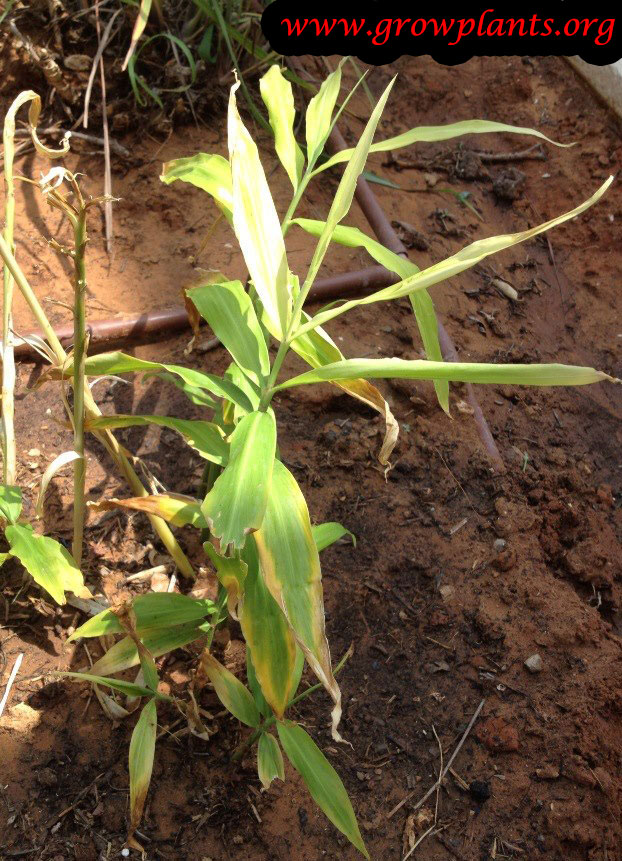
Overview: Ginger is a deciduous herbaceous perennial (with annual leafy stems) reaching about 0.7-1.2 m (28-48 in), grown mainly for its aromatic edible rhizome and also as a fragrant ornamental. It grows from a spreading underground rhizome and dies back in the cool season.
Quick Specifications
| Specification | Attribute |
|---|---|
| Plant Type / Life Cycle | Perennial (herbaceous; annual stems) |
| Foliage Type | Deciduous |
| Mature Size | 0.7-1.2 m tall (28-48 in) |
| Growth Rate | Moderate to fast |
| Root System | Rhizomatous (spreading edible rhizome) |
| Toxicity | Non-toxic / edible |
| Hardiness | USDA zone 9+ (frost-free) |
Growth Form & Structure
- Height & Spread: Reaches 0.7-1.2 m (28-48 in) with upright reed-like stems; grows well indoors and in planters, where the rhizome can be lifted for harvest.
- Growth Habit & Form: Clumping herbaceous plant with cane-like leafy stems arising in rounded growth from a branching rhizome.
- Lifespan & Maturity: Rhizome fattens over a single warm season; typically harvested after about 8-10 months of growth.
Anatomy & Physical Features
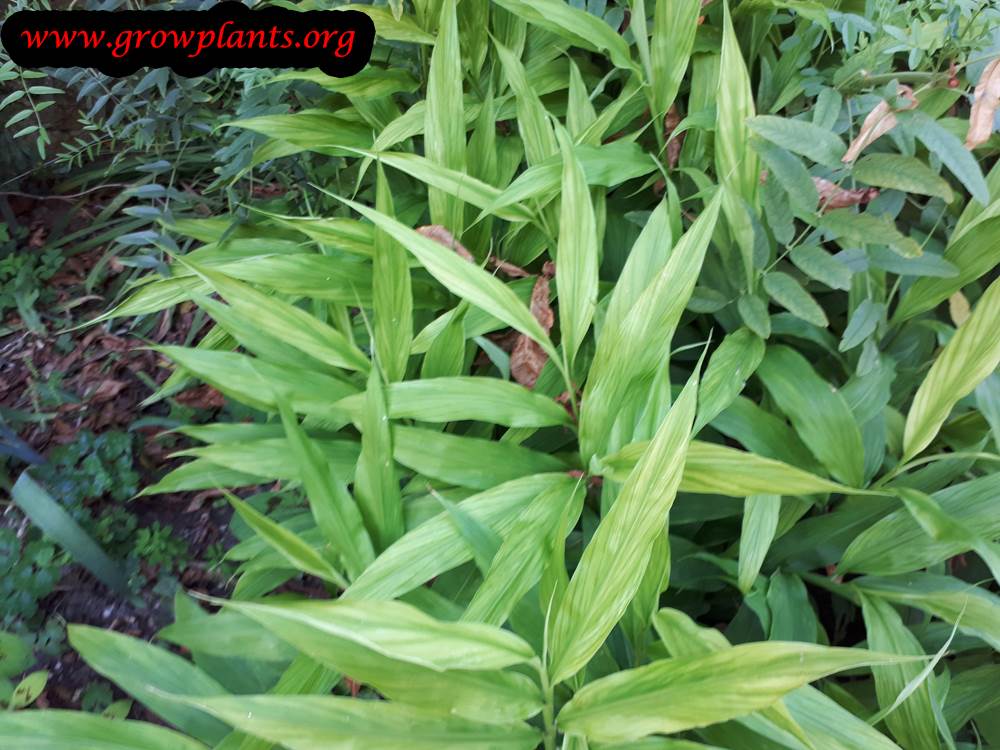
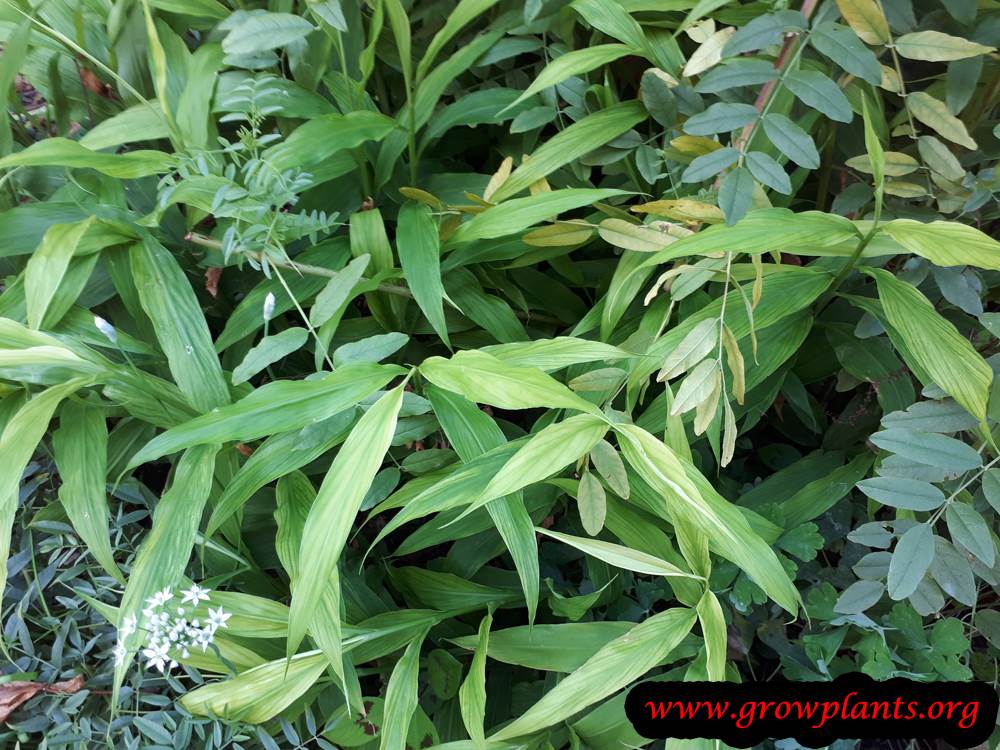
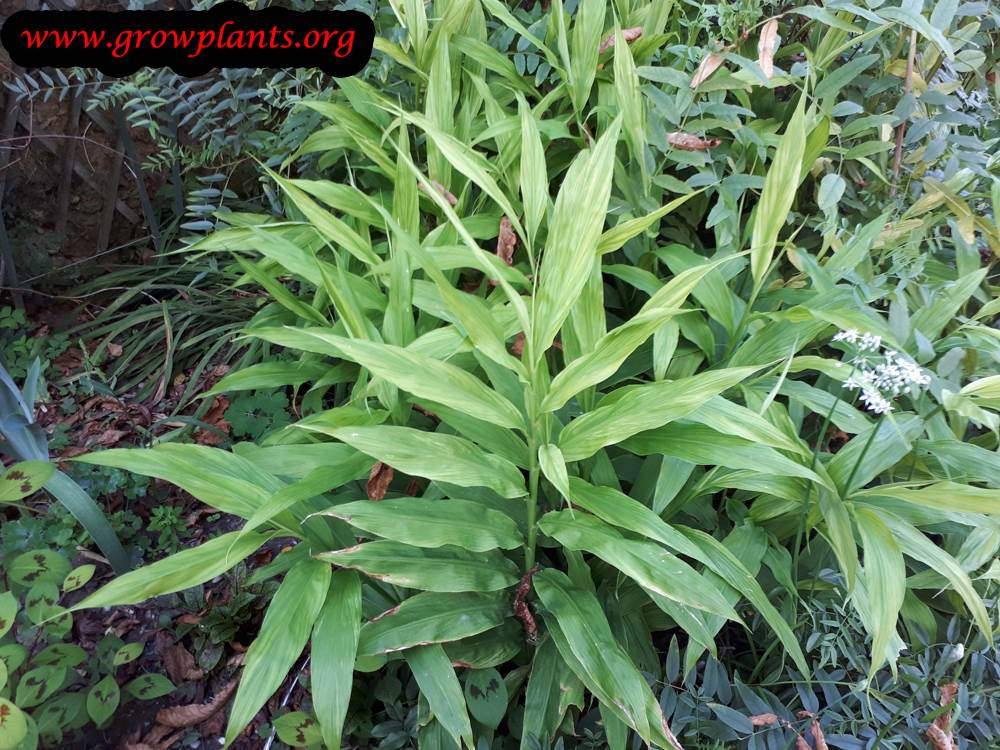
- Leaves & Foliage: Linear, aromatic green leaves arranged along the stems; the stems and leaves are also edible.
- Flower Characteristics: Red, cone- or beehive-shaped flower spikes, pollinated by bees, birds and butterflies (flowering is uncommon in cultivation).
Primary Uses & Landscape Value
- Edible Uses: Spicy brown-skinned rhizome eaten raw, used as a spice, in beverages, stir-fries and cooking; young leaves and stems used in salads, stir-fries and cooked dishes.
- Functional & Ornamental Roles: Culinary and medicinal crop, fragrant ornamental foliage plant, suitable for pots and indoor growing.
Care Guide: Planting, Soil & Watering
Overview: Ginger is a tropical rhizome crop that grows best in rich, moist, well-draining soil in warm, frost-free, partly shaded conditions. It needs steady moisture through the growing season but must never sit waterlogged.
Quick Care Requirements
| Requirement | Ideal Condition |
|---|---|
| Planting Season | Year-round in warm climates; in cooler areas plant in spring |
| Growth Rate | Moderate to Fast |
| Soil Type | Rich, moist, free-draining soil high in organic matter |
| Water Need | Moderate to High — keep consistently moist in growth, easing off as it dies back |
Planting & Establishment
- Best Planting Season: Plant sections of rhizome in the warm season — year-round in the tropics, or in spring where it is cooler; it needs frost-free conditions.
- How to Plant:
- Hole Preparation: Plant pieces of rhizome, each with a visible growth bud, in a shallow trench in rich, loose soil.
- Soil Amendments: Dig in plenty of compost and organic matter for a rich, moisture-retentive yet free-draining bed.
- Planting Depth: Set rhizome pieces about 5 cm deep with the growth buds facing up.
- Growth Speed & Expectations: Growth is moderate to fast in warmth; the annual leafy stems reach 0.7–1.2 m and the rhizome is ready to harvest in autumn to winter.
Soil, Watering & Drainage Care
- Soil Mix & Drainage Needs: Grow in rich, moist, free-draining soil (or a good potting mix in containers); ginger likes constant moisture but rots in waterlogged ground.
- Watering Schedule & Technique:
- Young / Newly Planted: Keep the soil evenly moist and warm after planting to encourage the rhizome to sprout.
- Established: Water regularly to keep the soil consistently moist through the growing season, in the light shade it prefers.
- Seasonal Adjustments: Water freely during warm, active growth and reduce as the foliage yellows and dies back before harvest.
Climate, Light & Hardiness
Culinary ginger is a subtropical to Mediterranean-climate rhizome perennial whose stems die back annually; it needs frost-free conditions to grow outdoors year-round, or can be grown indoors as a houseplant. It prefers half to full shade rather than intense direct sun.
Quick Climate Specifications
| Climate Zones | Subtropical, Mediterranean |
|---|---|
| USDA Hardiness Zones | 9+ |
| Frost Tolerance | Very Low |
| Light Conditions | Half Shade to Full Shade |
Sunlight & Light Exposure
Optimal Light Setup
Prefers half to full shade rather than full sun, consistent with its origin as a tropical forest-floor plant.
Temperature Extremes & Hardiness
USDA Hardiness & Regional Limits
Suited to outdoor growing in USDA zone 9 and warmer; the rhizome does not reliably survive freezing ground temperatures.
Cold Damage & Winter Protection
The above-ground stems naturally die back each year; where winters bring frost, the rhizome needs to be lifted and stored, or grown in a container that can be moved indoors, since it is not cold-hardy in the ground.
Frost Sensitivity
Frost-sensitive with essentially no cold tolerance in the ground; it needs consistently frost-free conditions, whether outdoors in a warm climate or indoors.
Wind, Humidity & Microclimate
Humidity Preferences
Prefers humid conditions typical of subtropical and tropical climates.
Rainfall & Seasonal Moisture
Needs average to generous, consistent moisture in rich soil rather than a pronounced dry season.
Growing in Pots, Balconies & Indoors
Culinary Ginger is one of the easiest edibles to grow in a pot, and the grower confirms it works both indoors as a houseplant and in containers. Because it is frost-tender (hardy only to about zone 9), a pot is the natural way to grow it in cooler climates so it can come indoors for winter.
Quick Details
- Container Size: A wide, fairly shallow pot – the rhizome spreads sideways near the surface
- Indoor Suitability: A good, easy houseplant in a warm, bright spot
- Best Spot: Part to full shade; it does not want harsh direct sun
- Soil & Drainage: Rich, moist mix that still drains; keep frost-free
- Watering in Pots: Average to plenty – keep evenly moist while in growth, easing off as top growth dies back
Indoors & On the Windowsill
- Genuine houseplant: The grower confirms it grows indoors; a warm room with bright, indirect light suits it well – it dislikes strong direct sun.
- Windowsill growing: Start a plump supermarket rhizome just below the surface of a wide pot on a warm sill; new shoots appear within a few weeks in warmth.
- Overwintering: Where winters are cold, keep the pot indoors; as leaves yellow, let it rest almost dry and warm until it reshoots.
On a Balcony or Patio
- Light & wind: On a patio give it a warm, sheltered spot with bright light but shade from fierce midday sun. Pots dry fast in heat, so check moisture often.
- Practicalities: Bring the pot in well before the first frost – the rhizome will not survive cold.
Choosing the Pot, Soil & Long-Term Care
- Pot & drainage: Use a wide, shallow pot with strong drainage holes; skip a standing-water saucer to avoid root rot. Terracotta breathes and dries faster, while glazed or plastic pots hold moisture longer, which suits ginger.
- Potting mix: A rich, well-aerated organic mix – peat or coir with plenty of compost or organic matter, lightened with perlite or vermiculite for drainage.
- Feeding: Potted plants exhaust their soil quickly as nutrients leach out – feed lightly but regularly through the growing season.
- Repotting: Refresh the mix or pot up about every two years; for clumping perennials, lift and divide, trimming the roots and old top growth as you go.
Fertilizing & Feeding
A moderate feeder: build the leafy canopy with nitrogen early, shift toward potassium as the rhizome bulks up, then stop feeding entirely as the canopy dies back before harvest.
Quick Fertilizing Specs
| Feeding Level | Moderate feeder |
|---|---|
| Main Nutrient Priority | Nitrogen to build the leafy canopy early, then a potassium-inclusive feeding as the rhizome bulks up |
| Best Feeding Period | Spring through summer while the canopy is actively growing and the rhizome is forming |
| Organic Options | Compost or well-rotted manure worked into rich, moisture-retentive soil |
| Reduce/Stop Feeding | Stop feeding as foliage yellows and dies back ahead of harvest |
| Micronutrients | Usually met by rich, organic soil and a complete fertilizer; correct only a diagnosed deficiency |
| Soil pH | Prefers rich, moisture-retentive soil; avoid extremes rather than targeting an exact number |
Feeding by Growth Stage
Establishment after planting
Help newly planted rhizome pieces root in and put up their first shoots.
| Nutrient direction | A balanced, modest feeding supports early rooting without forcing lush top growth before roots are ready. |
|---|---|
| Timing | At planting and through the first weeks of sprouting. |
| Frequency | A light feeding as shoots first appear. |
| Fertilizer types | A balanced complete fertilizer worked lightly into the soil, Compost or well-rotted organic matter at planting |
| Precautions | Keep soil consistently moist and warm; cold or wet soil stalls establishment more than any feeding choice. |
Leafy canopy development
Build a full stand of leafy stems that will feed rhizome growth later in the season.
| Nutrient direction | A nitrogen-forward feeding drives the leafy top growth the plant needs before it invests in the rhizome. |
|---|---|
| Timing | As the canopy fills in through late spring and early summer. |
| Frequency | Regular light feedings while the canopy is expanding. |
| Fertilizer types | A nitrogen-forward complete fertilizer, Organic matter or compost renewed as a top-dressing |
| Precautions | Keep humidity and soil moisture high; this canopy stage is thirsty and the plant tolerates shade better than harsh sun. |
Rhizome bulking
Support the rhizome as it thickens and stores the energy the canopy has produced.
| Nutrient direction | Shift toward a balanced to potassium-inclusive feeding to favor rhizome development over more leafy growth. |
|---|---|
| Timing | Mid to late summer as the rhizome swells underground. |
| Frequency | Continue feeding at a steady, moderate pace through this stage. |
| Fertilizer types | A balanced to potassium-inclusive fertilizer, Compost worked around the base of the plants |
| Precautions | Avoid heavy late nitrogen, which favors more leaf growth over rhizome bulking. |
Maturation and dieback before harvest
Let the plant wind down naturally as it approaches harvest.
| Nutrient direction | No feeding is needed once the canopy begins yellowing and dying back ahead of harvest. |
|---|---|
| Timing | Autumn into winter, as leaves yellow before the rhizome is dug. |
| Frequency | No feeding during this dieback period. |
| Fertilizer types | No feeding at this stage; withhold fertilizer as the plant prepares for harvest. |
| Precautions | Do not fertilize during dieback; the plant is done taking up nutrients and the focus shifts to timing the harvest. |
Nutrient Deficiency Signs & Corrections
Canopy leaves are pale and undersized, slowing leafy growth.
| Possible causes | low available soil nitrogen, leaching from frequent watering in rich, moist soil, insufficient organic matter |
|---|---|
| Appears first on | older, lower leaves |
| What to check | recent feeding history, soil organic matter, watering frequency |
| Possible correction | Apply a nitrogen-forward fertilizer during the canopy stage and build soil organic matter. |
Leaf margins scorch or brown as the rhizome is bulking up.
| Possible causes | low soil potassium during bulking, heavy nitrogen feeding late in the season, drought stress limiting uptake |
|---|---|
| Appears first on | older leaf margins |
| What to check | fertilizer balance used during bulking, soil moisture consistency, overall canopy vigor |
| Possible correction | Shift to a balanced or potassium-inclusive fertilizer as rhizomes bulk up. |
New leaves emerge pale to yellow while veins remain green.
| Possible causes | waterlogged or poorly drained soil, high soil pH tying up iron, root stress in dense plantings |
|---|---|
| Appears first on | newest leaves |
| What to check | soil drainage, soil pH, planting density |
| Possible correction | Improve drainage, correct pH if needed, and apply a chelated iron product per its label. |
Pruning, Training & Seasonal Maintenance
Culinary ginger’s top growth is essentially annual: it sends up a single flush of stems each year and then dies back, so pruning is really about harvest timing rather than shaping a lasting structure. Cutting the yellowing stems once top growth dies down in autumn/winter is both the pruning event and the cue to lift the rhizome. Flowering is rare and incidental in cultivated ginger, so it isn’t something pruning needs to protect or manage for.
Quick Pruning & Maintenance Specs
| Pruning Tolerance | High – stems are annual and naturally die back; cutting doesn’t damage a permanent framework |
| Primary Pruning Window | Autumn–Winter, when stems yellow and the rhizome is ready to lift |
| Typical Frequency | Once per annual growth cycle, plus ongoing infected-leaf removal |
| Main Objective | Harvest-linked stem removal and leaf-spot sanitation |
| Young Plant Priority | Leave stems undisturbed until they begin natural dieback |
| Mature Plant Priority | Cut yellowing/dead stems at harvest; remove infected leaves during the growing season |
| Best Tool Type | Bypass secateurs or precision snips for stems, spade for lifting the rhizome |
| Avoid Heavy Pruning During | Active summer growth, while stems are green and the rhizome is still bulking |
Pruning by Plant Age & Size
Newly Established
Leave the first flush of stems undisturbed beyond removing any damaged leaves; don’t cut green growth early.
Young / Formative
No structural training applies – stems are simple, unbranched, reed-like growth from the rhizome.
Mature / Established
At the end of each growing cycle, cut yellowing or dead stems at harvest time and remove Phyllosticta-infected leaves as seen through the season.
Seasonal Pruning Schedule
Dormant/Autumn–Winter
Objective: harvest-linked removal. Cut and lift once yellowing stems signal the rhizome is mature; do not cut green, actively growing stems early, since this reduces how large the rhizome can bulk up before harvest. Expected response: if a piece of rhizome is left or replanted, new stems emerge the following growing season.
Ongoing Sanitary
Remove Phyllosticta zingiberi-infected leaves as seen. The best leaves for culinary use are those taken when the rhizome is pulled, rather than stripped piecemeal from living stems.
Special Growth to Remove
- Yellowed or dead stems at harvest time
- Phyllosticta-infected leaves through the season
An occasional flowering shoot, if one appears, does not need special protection or removal – seed set is not the goal of cultivation.
Container & Small-Space Pruning
Ginger grows well in pots. Cut back dying stems at the same seasonal cue as in-ground plants, then lift and harvest the rhizome from the container, replanting a piece to continue production.
Tools
- Bypass secateurs or precision snips – cutting stems at harvest and removing infected leaves
- Spade – lifting the rhizome
Tool Hygiene & Disease Risk
Increased risk: Phyllosticta zingiberi leaf spot affects this species. Disinfect blades after cutting infected leaves before moving to clean stems or another plant.
Cut Placement & Technique
Cut stems near soil/rhizome level when lifting rather than tearing them away, which can wound the rhizome and invite rot.
Heavy Pruning & Rejuvenation
There is no rejuvenation concept here in the classic sense – removing the entire top growth annually is routine harvest practice, not a stress response, and the plant is expected to regrow from replanted rhizome the following cycle.
Post-Pruning Care
If saving rhizome pieces to replant, let cut surfaces cure/dry briefly before replanting to reduce rot risk, and keep soil on the drier side of moist until new shoots appear.
Common Pruning Mistakes
- Cutting green, actively growing stems early to ‘tidy up,’ which reduces how much the rhizome can bulk up before harvest
- Harvesting all the rhizome without saving a piece to replant when continuous production is wanted
When NOT to Prune
Avoid cutting back during active summer growth, while stems are still green and the rhizome is still bulking up.
Recommended Tools (by task)
- bypass_secateurs – stem removal at harvest
- precision_snips – infected-leaf removal
- garden_spade – lifting the rhizome
- blade_disinfectant – limits spread of Phyllosticta leaf spot
Propagation Guide
Ginger root is propagated from pieces of its own edible rhizome (often called ‘seed ginger’) rather than from seed — cultivated ginger rarely produces viable seed, so rhizome division is essentially the only method used. Propagation is easy.
Quick Propagation Specs
| Best Propagation Method | Rhizome division (‘seed ginger’) |
| Propagation Difficulty | Easy |
| Vegetative True-to-Type | Yes |
| Best Propagation Season | All year where frost-free; in colder areas, plant in spring |
Rhizomes, Tubers, Bulbs & Corms
Rhizome Division
Cut the rhizome into sections, each with at least one plump, healthy growth bud/eye. Avoid sections that are shriveled or affected by the Phyllosticta zingiberi leaf spot or rhizome flies the site lists as this plant’s pest issues. Letting cut surfaces callus for a day or so before planting can reduce rot risk. Plant shallowly in rich, moist, frost-free soil; in colder climates hold divisions until spring rather than planting over winter.
For step-by-step rhizome selection, planting depth, and harvest timing, see our step-by-step guide to growing ginger from a rhizome.
Bloom & Flower Guide
Quick Details
- Bloom Season: Summer (ginger flowers only rarely in cultivation)
- Time to First Bloom: Mature clumps may flower in the warm season, but ginger seldom blooms outside the tropics
- Flower Appearance: A red-and-green, cone- or beehive-shaped flower spike rising from the base of the plant
- Edibility: Grown for its edible rhizome – the flower is not the harvested part
Detailed Blooming Overview
Ginger is prized for its aromatic rhizome, and its flowering is something of an uncommon bonus. When conditions are warm and settled enough, a mature clump can send up a cone-like spike of small flowers, but in most gardens outside the tropics ginger rarely blooms.
Flower Characteristics
- Small flowers set in a red-and-green, beehive-shaped cone on a separate short spike.
- Rises from the base rather than the leafy stems.
Bloom Care & Thinning
- Care: Sustained tropical warmth and humidity are needed to coax it into flower.
- Pollination: Bees, birds and butterflies visit the flowers.
Fruit & Uses
Ginger is grown chiefly for its aromatic, spicy rhizome, which can be eaten raw or cooked and is a staple spice and beverage flavouring worldwide. The leaves are also edible and used as a milder-flavoured green in salads and stir-fries.
Quick Edible Specs
| Edible Parts | Rhizome, leaves |
|---|---|
| Main Use(s) | Culinary spice, beverage flavouring (rhizome); salad/stir-fry green (leaves) |
| Eaten Raw or Cooked | Rhizome: raw or cooked. Leaves: raw (salad) or cooked (stir-fry) |
| Preparation Required | Rhizome: peel; slice/grate as needed. Leaves: wash; use fresh |
| Harvest Season | Rhizome: autumn/winter. Leaves: best harvested at the same time the rhizome is pulled, though can be taken autumn/winter generally |
| Storage | Fresh rhizome keeps for a while in a cool place; can be sliced/dried for longer storage |
Bulbs, Corms & Rhizomes
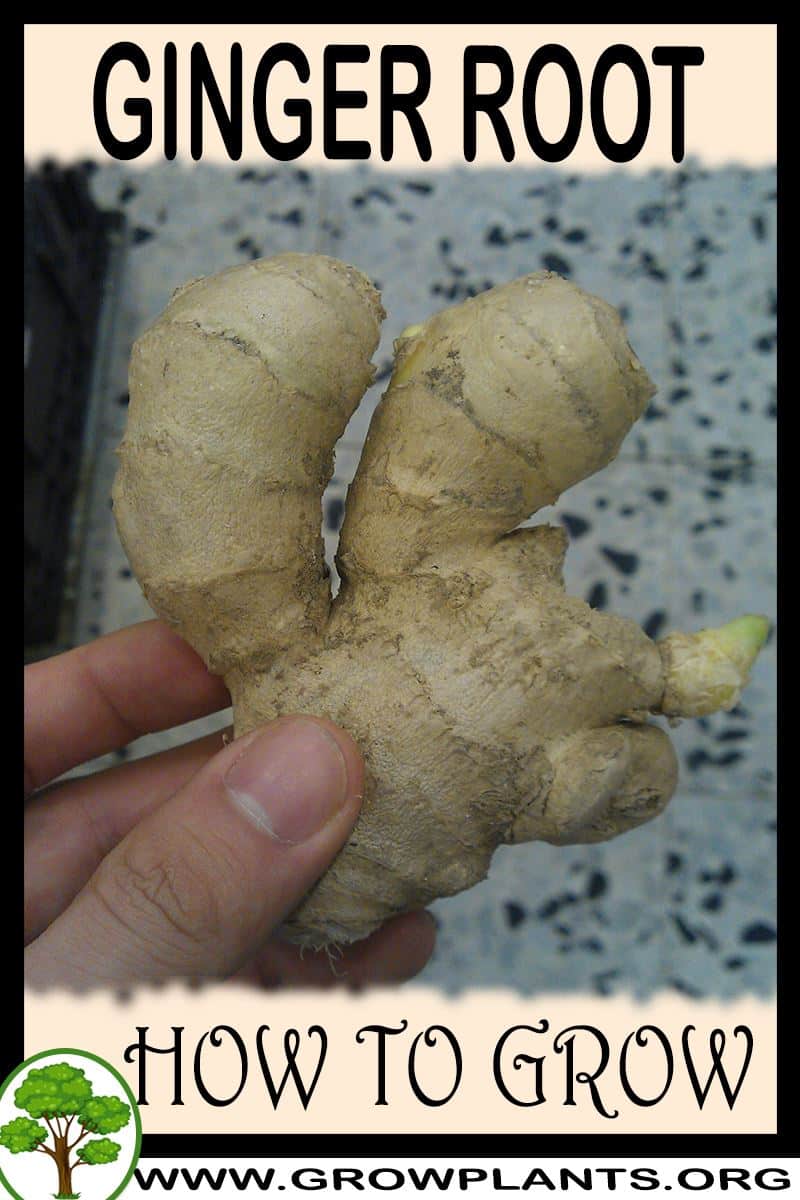
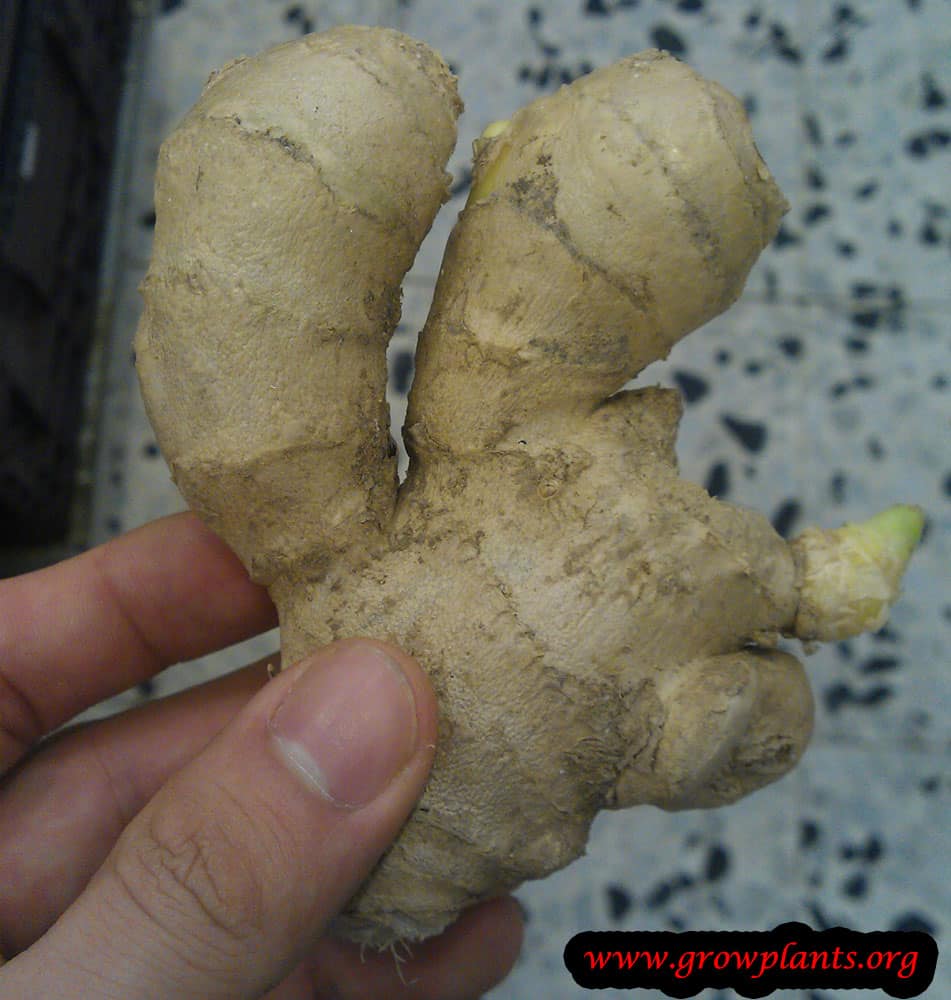
The rhizome has a brown peel and yellow, spicy flesh. It is lifted in autumn or winter once the clump has developed. Fresh rhizome is eaten raw (grated or thinly sliced) or cooked, and is widely used as a spice and in beverages such as ginger tea.
Leaves & Greens
The linear leaves are also edible and milder in flavour than the rhizome. They are best harvested at the same time as pulling the rhizome, and are used fresh in salads or cooked in stir-fries.
Harvesting
Rhizomes are dug up (not repeat-cut) once the plant is established, typically in autumn/winter; leaves are conveniently gathered at the same time, though light picking can be done through the growing season as well.
Preparation, Uses & Safety
No detoxification step is needed for either part. The rhizome is peeled before eating and used raw or cooked as a spice and beverage ingredient; leaves are simply washed and used fresh in salads or cooked in stir-fries. No specific toxicity caveat applies to normal culinary use.
Pests, Diseases & Troubleshooting
Overview: Ginger (Zingiber officinale) is grown for its rhizome, so its worst problems are soil-borne: bacterial wilt and Pythium/Fusarium rhizome rots that thrive in warm, wet, poorly drained soil, plus root-knot nematodes that open the door to rot. Insect damage from shoot borer, aphids and mealybugs is secondary. Clean seed rhizomes and sharp drainage are the whole game.
Quick Troubleshooting Overview
| Issue / Pest | Main Symptom | Primary Solution |
|---|---|---|
| Bacterial wilt | Sudden wilt in moist soil, milky ooze from cut stems | Certified clean seed, drainage, rotation, destroy infected clumps |
| Rhizome / soft rot | Yellowing, drooping, soft rotten rhizome | Raised free-draining beds, clean seed, Trichoderma |
| Root-knot nematode | Stunting, wilting, galled roots and rhizomes | Rotation, clean seed, marigold cover, solarisation |
| Shoot borer | Wilting yellow shoot with bore-hole and frass | Cut out bored shoots, neem, keep weed-free |
| Leaf spot | Pale-centred dark-margined spots on leaves | Airflow, remove leaves, copper in wet weather |
| Waterlogging rot | Mushy rhizome, collapse in wet soil | Improve drainage, raised beds, ease off water at maturity |
Common Pests & Management
- Root-knot Nematodes (Meloidogyne spp.):
- Symptoms: Stunted, yellowing plants that wilt in heat; lifted rhizomes and roots carry small galls and, in ginger, rough ‘water-soaked’ rhizome lesions. A leading cause of decline and a gateway for rot.
- Prevention & Control: Rotate away from other host crops, plant only clean, certified seed rhizomes, and enrich soil with compost and marigold/mustard green manures that suppress nematodes. Solarise beds in hot regions; discard galled rhizomes.
- Shoot Borer (Conogethes punctiferalis):
- Symptoms: The commonest ginger insect pest: pseudostems yellow and wilt where a caterpillar bores in, leaving a hole and frass at the entry point; the central shoot dies.
- Prevention & Control: Cut and destroy bored, wilting shoots with the larva inside, keep the crop weed-free, and encourage parasitic wasps. Neem sprays deter egg-laying; time any treatment to young larvae before they tunnel in.
- Aphids & Mealybugs (Aphis / Pseudococcus, Planococcus spp.):
- Symptoms: Aphids curl and yellow young leaves with sticky honeydew; mealybugs form white cottony masses on leaf sheaths and, importantly, on stored rhizomes, encouraging rot.
- Prevention & Control: Hose off aphids and encourage beneficials; inspect and clean seed rhizomes before planting and storage. Horticultural oil or insecticidal soap for active colonies; a neem drench helps on rhizome mealybugs.
- Chinese Rose Beetle & Leaf-eaters (Adoretus sinicus and others):
- Symptoms: Lacy, skeletonised feeding on leaves at night, leaving a fine net of veins; heavy feeding weakens young clumps.
- Prevention & Control: Hand-pick at dusk, use light-reducing cover as they are drawn to lit foliage, and keep plants vigorous. Neem deters feeding; damage is usually cosmetic on established clumps.
Diseases & Fungal Issues
- Bacterial Wilt (Ralstonia solanacearum):
- Symptoms: The most destructive ginger disease: rapid yellowing and wilting despite moist soil, water-soaked pseudostem bases, and a milky bacterial ooze from cut stems held in water; rhizomes rot with a foul smell.
- Treatment & Management: No cure once infected – prevention only. Use certified disease-free seed, plant in well-drained soil on raised beds, rotate widely, disinfect tools, and rogue out and destroy infected clumps with the surrounding soil. Never move drainage water from infected areas.
- Rhizome / Soft Rot (Pythium spp., Fusarium oxysporum):
- Symptoms: Yellowing lower leaves and drooping shoots; the rhizome turns soft, brown and mushy (Pythium) or dries with rot and root browning (Fusarium yellows). Worst in waterlogged, warm soil.
- Treatment & Management: Plant clean seed in raised, free-draining beds and never let soil stay saturated. Treat seed rhizomes before planting, remove infected clumps promptly, and improve drainage; biofungicides (Trichoderma) help suppress soil inoculum.
- Leaf Spot (Phyllosticta zingiberi):
- Symptoms: Small oval spots with pale centres and dark margins on leaves, sometimes with a yellow halo; heavy spotting reduces vigour in humid weather.
- Treatment & Management: Improve airflow, avoid overhead watering, and remove spotted leaves. A copper fungicide protects in persistently wet conditions; keep plants unstressed and well fed.
Growing Difficulties & Abiotic Problems
- Rhizome Rot from Waterlogging:
- Cause & Symptoms: Ginger demands moisture but rots quickly in heavy, poorly drained or waterlogged soil, especially as the crop matures.
- Correction Strategy: Grow on raised beds or in free-draining, compost-rich soil; keep evenly moist during active growth and taper off as leaves yellow toward harvest.
- Sunscald & Heat Stress:
- Cause & Symptoms: Leaf margins scorch and bleach under intense full sun and drying wind, as ginger naturally grows in dappled forest shade.
- Correction Strategy: Provide light afternoon shade in hot climates, mulch to keep roots cool and moist, and shelter from desiccating wind.
- Poor / Delayed Sprouting:
- Cause & Symptoms: Cold soil, immature or dried-out seed pieces, or lack of a viable eye lead to slow, patchy emergence.
- Correction Strategy: Plant plump seed rhizomes with visible buds into warm soil, pre-sprout in a warm, humid spot, and keep the bed warm and lightly moist until shoots appear.
What Helps – Products & Tools
Ginger care leans on hygiene and drainage more than sprays: certified clean seed rhizomes, Trichoderma or other biofungicide seed treatments and copper fungicide for leaf spot and rot suppression, neem for shoot borer and mealybugs, and insecticidal soap/horticultural oil for aphids. There is no rescue spray for bacterial wilt – prevention only.