


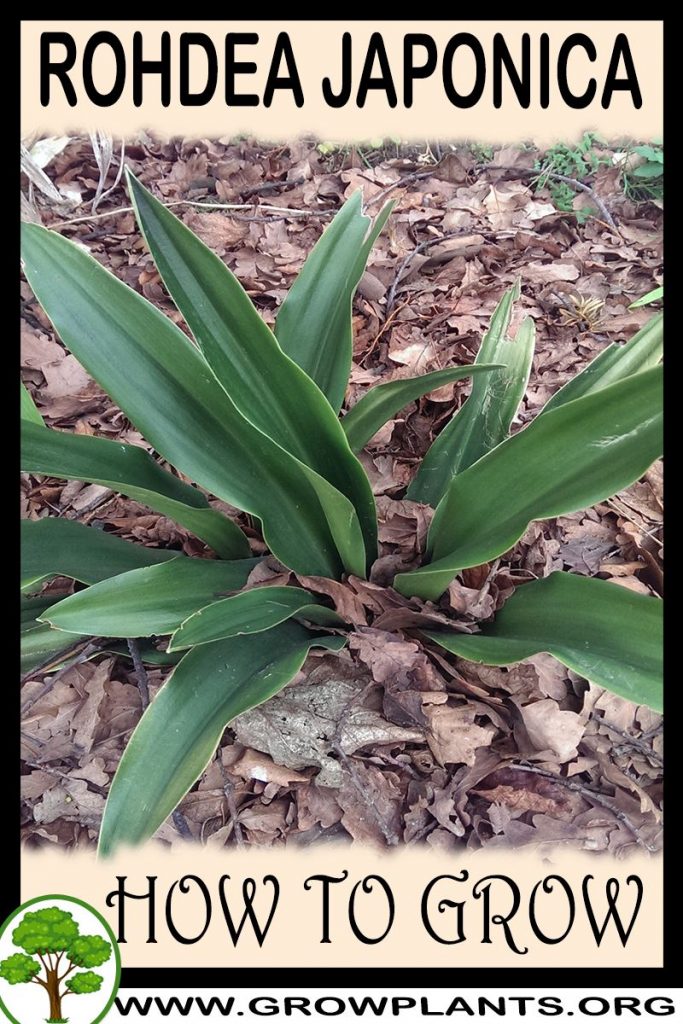
Plant Profile & Key Characteristics
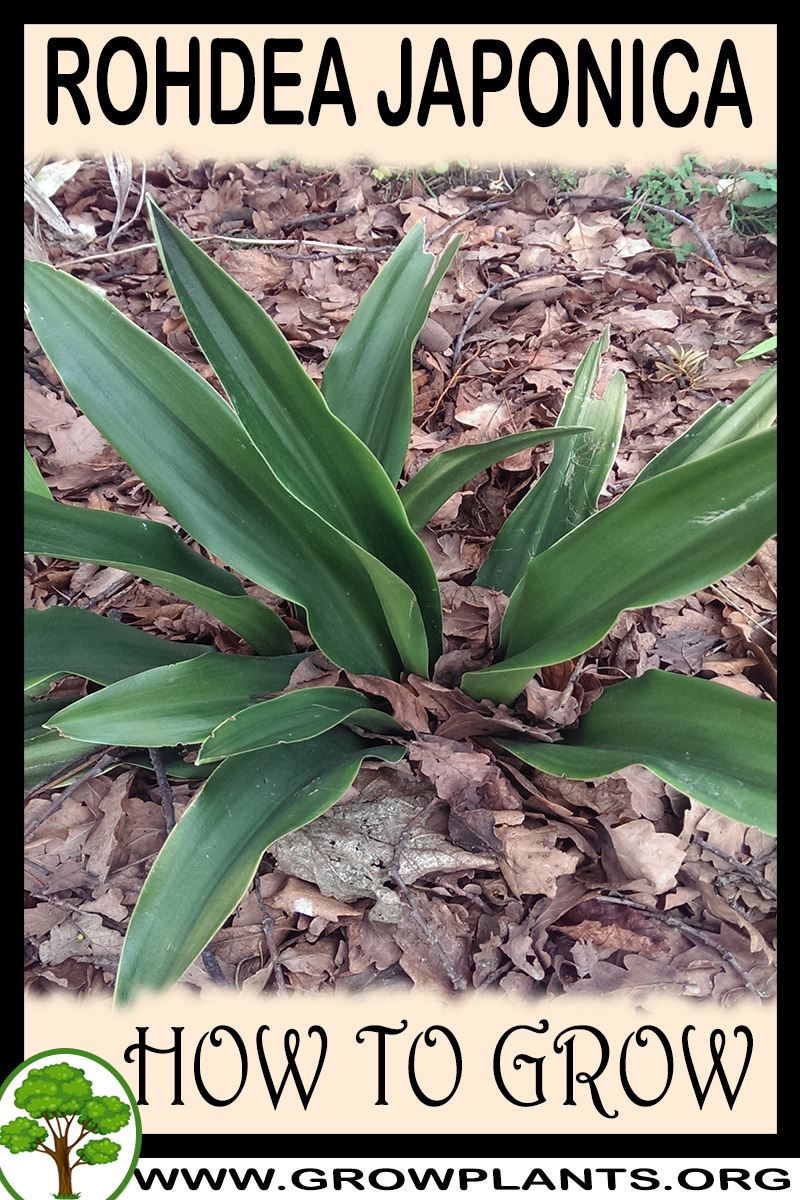
Overview: An evergreen, rhizomatous perennial forming a rosette of strap-like leaves about 20-40 cm (8-16 in) tall. It is grown as a shade-tolerant foliage ornamental, prized for its bold rosettes and showy (but inedible) red fruit spikes.
Quick Specifications
| Specification | Attribute |
|---|---|
| Plant Type / Life Cycle | Perennial (herbaceous, rhizomatous) |
| Foliage Type | Evergreen |
| Mature Size | 20-40 cm (8-16 in) tall |
| Growth Rate | Moderate |
| Root System | Rhizomatous |
| Hardiness | USDA zones 6-10 |
Growth Form & Structure
- Height & Spread: A clump of 20-40 cm (8-16 in) in the ground; also grown as a houseplant or in containers, where the rosette stays neat.
- Growth Habit & Form: Evergreen, clump-forming perennial spreading slowly by rhizome, the leaves arising in a tight rosette from the base.
- Lifespan & Maturity: A durable, long-lived perennial that thickens into larger clumps over the years.
Anatomy & Physical Features
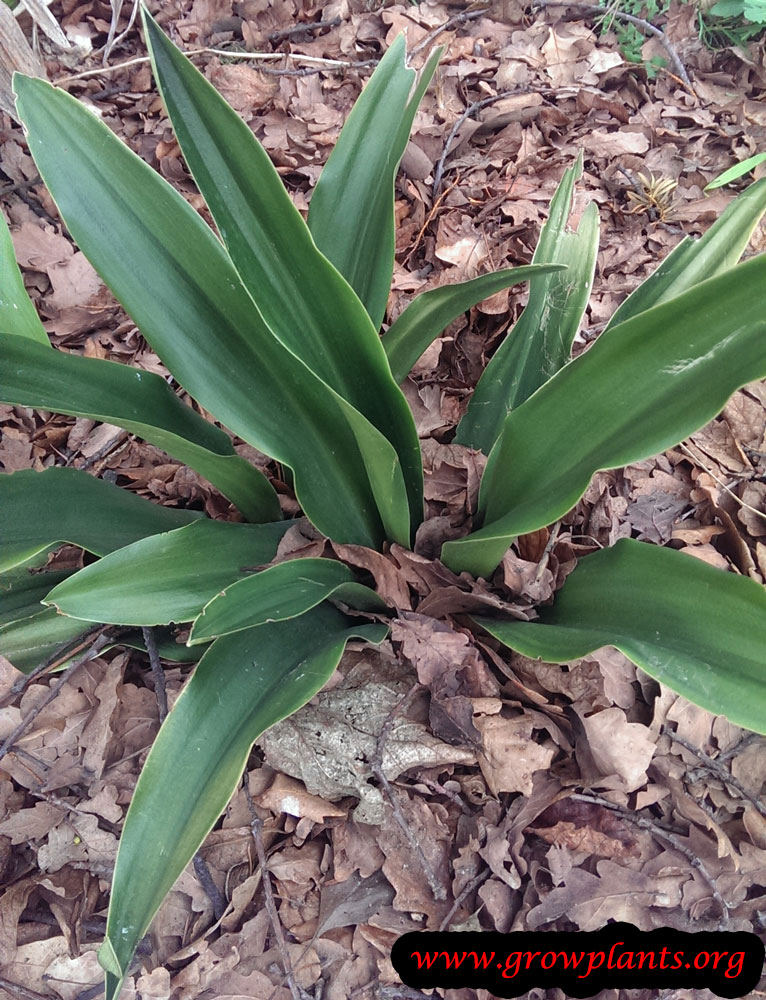
- Leaves & Foliage: Green, linear leaves (a variegated form is green with yellow) held in a rosette from the base.
- Flower Characteristics: Yellow flowers packed closely on a short stem into a dense, hive-shaped spike.
- Fruit Profile: Showy red berries clustered on the stem — strictly ornamental and not edible.
Primary Uses & Landscape Value
- Functional & Ornamental Roles: A shade and woodland ground-level ornamental grown for its evergreen rosettes and decorative red fruit; well suited to shady borders, containers and as a houseplant.
Care Guide: Planting, Soil & Watering
Overview: Rohdea japonica is a shade-loving, evergreen woodland perennial that grows from a rhizome and prefers part to full shade in rich, moist, well-drained soil. It is grown for its bold foliage and needs steady, moderate moisture in a cool spot.
Quick Care Requirements
| Requirement | Ideal Condition |
|---|---|
| Planting Season | Spring, summer or autumn |
| Growth Rate | Moderate |
| Soil Type | Rich, humus-rich, moist but well-draining |
| Water Need | Moderate — keep evenly moist |
Planting & Establishment
- Best Planting Season: Plant in spring, summer or autumn in a shaded, sheltered position; it is happiest in cooler conditions and tolerates cold well.
- How to Plant:
- Hole Preparation: Dig a hole a little wider than the root ball and work leaf mould or compost into the surrounding soil to create a rich, moisture-holding root zone.
- Soil Amendments: Mix in plenty of humus, leaf mould or compost — it thrives in the sort of rich, organic woodland soil found under trees.
- Planting Depth: Set the rhizome and crown at soil level so the base of the leaves sits at the surface, not buried.
- Growth Speed & Expectations: A steady, moderate grower forming a slowly expanding clump of upright, strappy leaves; it is long-lived and undemanding once settled.
Soil, Watering & Drainage Care
- Soil Mix & Drainage Needs: It wants soil that holds moisture yet drains freely, high in organic matter; it dislikes both drought and waterlogging. It also makes a good container or house plant in shade.
- Watering Schedule & Technique:
- Young / Newly Planted: Keep the soil evenly moist while the plant establishes, never letting it dry out completely.
- Established: Water regularly to keep the soil consistently moist, particularly in dry spells; it resents drying out in deep shade under trees.
- Seasonal Adjustments: Water more in warm, dry weather; reduce in winter while growth is slow, keeping the soil just moist.
Climate, Light & Hardiness
Rohdea japonica (Japanese Sacred Lily) is an evergreen woodland-floor perennial for temperate, Mediterranean, or subtropical climates, grown in half to full shade. At USDA hardiness zone 6–10, site care data specifically flags a cold climate as beneficial rather than merely tolerated - this is a plant that does well with real winter chill, not just one that survives it.
Quick Climate Specifications
| Climate Zones | Temperate, Mediterranean, or subtropical |
|---|---|
| USDA Hardiness Zones | 6–10 |
| Optimal Temp Range | approximately 5–22°C (41–72°F) |
| Cold Damage Begins | The thick, leathery evergreen leaves tolerate frost well; visible damage generally requires an unusually hard or prolonged freeze. |
| Approx. Survival Minimum | Established plants are reliable through the stated zone 6–10 range. |
| Frost Tolerance | High |
| Light Conditions | Half Shade / Full Shade |
| Wind Tolerance | Low |
| Salt / Coastal Tolerance | Low |
Sunlight & Light Exposure
Optimal Light Setup
Bright to deep shade under tree canopy mimics its natural forest-floor habitat and keeps the broad evergreen leaves from scorching.
Shade & Heat Management
Consistent shade through summer prevents leaf burn, particularly in warmer parts of its range.
Best Exposure / Orientation
A shaded woodland bed, north-facing border, or understory planting beneath trees or shrubs suits it well.
Temperature Extremes & Hardiness
USDA Hardiness & Regional Limits
Reliable outdoors year-round across zone 6–10; per site data, it actually benefits from a genuinely cold winter rather than merely tolerating one, so it is a good choice for gardens with real seasonal chill.
Cold Damage & Winter Protection
Little to no winter protection is needed within its zone range; the plant's cold-climate affinity means winter chill supports rather than threatens its health.
Frost Sensitivity
Low; the tough, leathery leaves are well adapted to frost.
Extreme Heat Tolerance
Moderate; consistent shade and soil moisture are needed to offset heat stress, particularly at the warmer end of its range.
Wind, Humidity & Microclimate
Humidity Preferences
Average to above-average; woodland-floor humidity levels suit it well.
Dry-Air Tolerance
Moderate; it prefers the more humid, sheltered conditions typical of a shaded understory setting.
Wind Tolerance
Low; broad leaves can be damaged by strong, exposed wind, so a sheltered planting position is preferred.
Coastal / Salt Tolerance
Low; not adapted to salt spray or exposed coastal sites.
Rainfall & Seasonal Moisture
Prefers fairly consistent woodland-floor moisture rather than a pronounced dry season.
Microclimate Recommendations
A cool, shaded, sheltered woodland setting with real winter chill and even moisture reproduces its preferred conditions and supports the healthiest growth.
Growing in Pots, Balconies & Indoors
Rohdea japonica, the sacred lily, is a tough, shade-loving evergreen that the grower confirms grows both indoors and in containers. Its leathery, strap-like leaves handle low light and neglect, making it an easy, long-lived houseplant.
Quick Details
- Container Size: A 20-30 cm (8-12 in) pot suits its 20-40 cm (8-16 in) clump
- Indoor Suitability: A good, undemanding houseplant for shade
- Best Spot: Half to full shade – it dislikes strong direct sun
- Soil & Drainage: Rich, free-draining mix
- Watering in Pots: Average – keep lightly moist, never waterlogged
Indoors & On the Windowsill
- An easy houseplant: The grower marks it suitable indoors, and it is prized for tolerating deep shade and low light where other plants fail.
- Windowsill growing: A north or east window with indirect light is ample; keep it off hot, sunny sills.
- Safety: All parts are poisonous if eaten – keep it away from children and pets.
On a Balcony or Patio
- Light & shelter: A shaded, sheltered balcony or patio corner suits it; it is slow and steady and dislikes hot sun.
- Moisture: Water when the surface dries – pots dry faster than the ground, but it will not tolerate standing water.
Choosing the Pot, Soil & Long-Term Care
- Pot & drainage: Use a pot with strong drainage holes and skip a standing-water saucer to avoid root rot. Terracotta breathes and dries out faster, while glazed or plastic holds moisture longer.
- Potting mix: A well-aerated, organic-rich mix – peat or coir blended with perlite or vermiculite – keeps roots oxygenated in a pot.
- Feeding: Potted plants need feeding a little more often than those in open ground, as regular watering leaches nutrients from the mix. A light feed in the growing season is plenty for this slow grower.
- Repotting: Refresh the top of the mix each year and pot up or renew the mix roughly every couple of years; when doing so, lightly trim the root ball to keep the plant in scale with its container. It resents frequent disturbance, so pot up only when crowded.
Fertilizing & Feeding
A light feeder: this shade-loving evergreen needs only an occasional light balanced feeding through its active growing season, with feeding held back once cool weather slows it down.
Quick Fertilizing Specs
| Feeding Level | Light feeder |
|---|---|
| Main Nutrient Priority | Balanced feeding with adequate nitrogen for the rosette of leaves |
| Best Feeding Period | Spring through summer while new growth is active |
| Organic Options | Compost or leaf mold worked into the soil |
| Reduce/Stop Feeding | Hold off feeding through cool autumn and winter conditions |
| Micronutrients | Usually met by a complete fertilizer and organic matter; correct only diagnosed deficiencies |
| Soil pH | Slightly acidic to near neutral |
Feeding by Growth Stage
Spring flush of growth
Support fresh leaves and the developing flower cluster as growth resumes in spring.
| Nutrient direction | A balanced complete fertilizer with adequate nitrogen fuels new rosette growth. |
|---|---|
| Timing | As new growth resumes in spring. |
| Frequency | A light feeding at the start of active growth is enough. |
| Fertilizer types | A balanced complete fertilizer, Compost or leaf mold worked into the soil |
| Precautions | Keep feeding light; this shade-adapted evergreen is not a hungry plant. |
Summer growth and berry development
Maintain the evergreen rosette and support the showy red berry clusters through summer.
| Nutrient direction | An occasional light balanced feeding sustains foliage and fruiting stems without forcing soft growth. |
|---|---|
| Timing | Through the summer active growing season. |
| Frequency | An occasional light feeding through summer is usually enough. |
| Fertilizer types | A balanced complete fertilizer, Compost as a top-dressing |
| Precautions | Avoid overfeeding, which can produce lush but weak leaves in this naturally slow, shade-tolerant grower. |
Cool-season rest
Let the evergreen rosette coast through cooler autumn and winter conditions without pushing new growth.
| Nutrient direction | None – hold fertilizer while growth slows in cool weather. |
|---|---|
| Timing | During cooler autumn and winter conditions. |
| Frequency | No feeding during this rest; resume only when active growth returns in spring. |
| Fertilizer types | No feeding at this stage; do not fertilize during the cool-season rest. |
| Precautions | Withhold fertilizer now; feeding a plant that is not actively growing risks salt buildup in the soil. |
Nutrient Deficiency Signs & Corrections
Older, lower leaves fade to pale green or uniform yellow and overall growth slows.
| Possible causes | low available soil nitrogen, nitrogen leaching from heavy watering or rain, thin, low-organic-matter soil |
|---|---|
| Appears first on | older, lower leaves |
| What to check | recent feeding history, soil organic matter, watering and drainage |
| Possible correction | Apply a light balanced feeding during active growth and build soil organic matter. |
Interveinal yellowing on older leaves while the veins themselves stay green.
| Possible causes | low soil magnesium, high potassium feeding competing with magnesium uptake, leaching in light, sandy soils |
|---|---|
| Appears first on | older, lower leaves |
| What to check | soil magnesium status, how potassium-heavy recent feeding has been, soil texture and drainage |
| Possible correction | Apply a labeled magnesium source such as Epsom salt or a dolomitic amendment and rebalance feeding. |
Leaf margins brown or scorch and growth stalls despite adequate watering.
| Possible causes | fertilizer salt buildup in the root zone, especially in containers, underwatering that concentrates salts, excessive or too-frequent feeding |
|---|---|
| Appears first on | leaf margins and tips |
| What to check | recent fertilizer amounts, watering consistency, drainage, especially in containers |
| Possible correction | Ease off feeding, water thoroughly to flush accumulated salts, then return to lighter feeding. |
Pruning, Training & Seasonal Maintenance
Rohdea japonica is an evergreen rosette that needs only light, ongoing grooming rather than a seasonal cutback: individual leaves are removed as they age and yellow, and the showy red fruit cluster is usually left on the plant for its autumn–winter display before being cut back with the spent leaves once it has faded. Because the whole plant grows from one central rosette, cuts should never risk the growing point itself.
Quick Pruning & Maintenance Specs
| Pruning Tolerance | Low – leaf and flower-stem grooming only, no structural cuts |
| Primary Pruning Window | Autumn–Winter, once the fruit display has faded |
| Typical Frequency | Light, ongoing touch-ups plus one autumn–winter tidy |
| Main Objective | Remove spent tissue while keeping the evergreen rosette intact and undamaged |
| Young Plant Priority | None; let a young rosette fill in undisturbed |
| Mature Plant Priority | Remove individual dead/damaged leaves at the base; cut the flower/fruit stem back once it declines |
| Best Tool Type | Precision snips |
| Avoid Heavy Pruning During | Never remove multiple leaves at once from the crown – it has a single growing point and cannot regenerate a lost center |
Pruning by Plant Age & Size
Newly Established
No pruning – allow the rosette to establish fully before removing anything.
Young / Formative
No structural training applies to a single-crown rosette plant.
Mature / Established
Ongoing removal of individual yellowed or damaged leaves at the base; cut the fruiting stem out once its red berries and the cluster have faded, typically in autumn–winter.
Seasonal Pruning Schedule
| Autumn–Winter | Remove fully dead leaves and the spent flower/fruit stem once its ornamental display is over; do not remove leaves that are still green, even if older |
| Ongoing Sanitary | Snap or snip off any individual leaf that yellows, tears, or rots as it happens |
Special Growth to Remove
- Dead or yellowed outer leaves – remove at the base, working from the outside of the rosette in
- Spent flower/fruit stems – leave in place through the red-fruit display, then cut back once faded
Container & Small-Space Pruning
Rohdea japonica is grown both as a houseplant and in outdoor containers. In a pot, grooming stays the same light leaf-by-leaf routine; because it is slow-to-medium growing and single-crowned, there is no size or height control to manage – never cut into the crown to “control size.”
Tools
- Precision snips for individual leaves and the flower/fruit stem – no loppers or saws are needed
Tool Hygiene & Disease Risk
Routine – clean, sharp snips are sufficient. Its listed pest, scale, is not typically spread by pruning cuts, so no special disinfection protocol is warranted.
Cut Placement & Technique
Cut dead leaves flush at the base near the crown without nicking neighboring healthy leaf bases. Cut the fruit stem low, close to where it emerges from the rosette.
Heavy Pruning & Rejuvenation
Not tolerated – there is no woody framework and only one growing point, so hard cutting back or rejuvenation pruning is not an option. A rosette that declines should be assessed for root/rhizome health rather than pruned harder.
Post-Pruning Care
No extra feeding is needed for routine leaf grooming. Keep the crown dry after cuts to avoid rot, since this is a rhizomatous plant sensitive to wet crowns.
Common Pruning Mistakes
- Removing the fruiting stem too early, before its ornamental red-berry display has finished
- Cutting leaves too close to the crown or nicking the growing point, which the plant cannot replace
When NOT to Prune
Do not remove the fruit cluster while it is still colorful and intact – it is a key ornamental feature of this plant. Avoid any cut into the central crown at any time.
Recommended Tools (by task)
- precision_snips – the only cut this rosette plant needs: clean removal of individual leaves and the spent fruit stem without disturbing the crown.
Propagation Guide
Rohdea japonica is most easily increased by dividing its clumping rhizomes; the site notes that grafting or vegetative propagation is not strictly necessary, meaning the species form generally grows true from seed extracted from its showy red fruit. Division is the more practical, faster choice for most growers, while seed is a slower alternative mainly useful for the plain species.
Quick Propagation Specs
| Best Propagation Method | Rhizome division (offsets) |
| Alternative Methods | Seed |
| Propagation Difficulty | Easy (division); Moderate (seed) |
| Seed True-to-Type | Cultivar-dependent – the plain species generally comes true, but variegated forms typically do not |
| Vegetative True-to-Type | Yes |
| Best Propagation Season | Division in spring; seed sown fresh once the red fruit ripens |
Growing from Seed
Seed Handling & Viability
Extract seed from the ripe red fruit and clean off the pulp before sowing; the fruit itself is ornamental but not edible.
Sowing Season
Sow fresh as soon as the fruit ripens rather than drying and storing the seed.
Germination Conditions
Cool, shaded, consistently moist conditions, matching this plant’s general preference for half to full shade.
Germination Time
Germination is often slow and can be irregular, sometimes taking several months.
Seedling Care
Keep seedlings shaded and evenly moist; given the species’ medium growth rate, young plants take a while to bulk up to a worthwhile size.
Division, Offsets, Pups & Suckers
Rohdea japonica forms offsets from its clumping rhizome. Divide established clumps in spring, making sure each division keeps roots and several leaves attached before replanting. Division is the only reliable way to keep a variegated selection’s leaf pattern (such as the green-and-yellow variegated form this species is known for), since seedlings of variegated plants commonly revert to plain green.
Bloom & Flower Guide
Quick Details
- Bloom Season: Spring to summer
- Flower Appearance: Small pale-yellow flowers packed tightly along a short, thick spike
- Edibility: Not edible – the plant contains toxic compounds
Detailed Blooming Overview
Japanese sacred lily (Rohdea japonica) flowers from spring into summer, but the bloom is a quiet, curious one: many small yellow flowers crowd together onto a short, stout stem, packed so densely that the head takes on a honeycomb- or hive-like look low among the evergreen leaves.
Flower Characteristics
- Small yellow flowers set very close together on a short spike.
- The dense cluster forms a distinctive hive-like head near the base of the plant.
Bloom Care & Thinning
- Safety: All parts of the plant are toxic if eaten – best kept as an ornamental only.
Pests, Diseases & Troubleshooting
Overview: Rohdea japonica, the Nippon or sacred lily, is a tough, long-lived evergreen shade perennial with few enemies; its main pest is scale insects on the thick strappy leaves, with mealybugs, slugs and (in dry indoor air) spider mites occasionally appearing, and its main diseases are fungal leaf spot and crown/root rot in overly wet conditions. Good shade, drainage and airflow keep it virtually problem-free.
Quick Troubleshooting Overview
| Issue / Pest | Main Symptom | Primary Solution |
|---|---|---|
| Scale insects | Brown/white bumps on leaves; honeydew | Wipe off; horticultural oil on crawlers |
| Mealybugs | White cottony masses in leaf axils | Alcohol dab; oil or insecticidal soap |
| Slugs and snails | Ragged holes and slime trails | Barriers, hand-pick, iron-phosphate pellets |
| Leaf spot | Brown blotches on evergreen leaves | Remove leaves, airflow, copper if severe |
| Crown / root rot | Base rots and collapses in wet soil | Improve drainage, avoid overwatering |
| Leaf scorch | Bleached, crispy patches in sun | Grow in shade; even moisture |
Common Pests & Management
- Scale insects (Diaspididae / Coccidae):
- Symptoms: Small immobile brown, tan or white bumps along the thick, strappy evergreen leaves and stems; feeding causes yellow blotches, a sticky honeydew (soft scales) and sooty mould, and weakens the clump. This matches the source “scale” note.
- Prevention & Control: Wipe or scrape off scales with a soft cloth or a cotton bud dipped in a little dilute soap or alcohol on this small, tough plant. For wider infestations apply horticultural oil to smother the scales and their crawlers, covering leaf bases and undersides, and repeat per label. Protect the parasitic wasps that attack scale.
- Mealybugs (Pseudococcidae):
- Symptoms: White, cottony masses in leaf axils and at the base of the clump, with honeydew and sooty mould; growth pales and slows.
- Prevention & Control: Dab colonies with a cotton bud dipped in dilute alcohol or soap, and rinse plants periodically. Horticultural oil or insecticidal soap controls heavier infestations; check the crown and roots, since a related root mealybug can lurk in the potting mix.
- Slugs and snails (Gastropoda):
- Symptoms: Ragged holes and notches chewed in the leaves, plus slime trails, in the damp shade this plant favours.
- Prevention & Control: Remove hiding places and hand-pick at night in damp weather. Grit or copper barriers protect clumps, and iron-phosphate pellets are a wildlife-safer control where damage is significant.
- Spider mites (Tetranychus urticae):
- Symptoms: Fine stippling and a dull look to leaves in hot, dry indoor or greenhouse air, occasionally with webbing.
- Prevention & Control: Raise humidity and keep the plant out of hot dry drafts; hose or wipe the foliage. Horticultural oil or insecticidal soap controls outbreaks.
Diseases & Fungal Issues
- Fungal leaf spot / anthracnose (Colletotrichum / Cercospora spp.):
- Symptoms: Brown or blackish spots and blotches on the evergreen leaves, sometimes with yellow halos, spreading in warm, wet, poorly ventilated conditions and marring the foliage.
- Treatment & Management: Remove and destroy spotted leaves, improve airflow, and avoid overhead watering so leaves stay dry. Good spacing and sanitation usually suffice; a copper fungicide helps only where leaf spot is persistent.
- Southern blight / crown rot (Sclerotium rolfsii / fungi):
- Symptoms: The base of the plant rots and collapses in warm, wet, humid soil, sometimes with white fungal threads and small seed-like sclerotia at the crown.
- Treatment & Management: Ensure excellent drainage and avoid mulch piled against the crown, and do not overwater in heat. Remove and destroy affected plants and the surrounding soil crust; do not replant susceptible plants in the same spot without improving conditions.
- Root rot from overwatering (Pythium / Phytophthora):
- Symptoms: Yellowing, wilting and mushy black roots when grown in soggy soil or a waterlogged pot, despite the plant’s love of moisture-retentive shade.
- Treatment & Management: Grow in rich but free-draining soil or mix and let the surface dry slightly between waterings; never leave pots standing in water. Repot rotted plants into fresh, airy medium after trimming dead roots.
Growing Difficulties & Abiotic Problems
- Leaf scorch in sun:
- Cause & Symptoms: Bleached, brown, crispy patches on leaves exposed to direct sun, as this is a woodland shade plant that burns in strong light.
- Correction Strategy: Site in full to part shade; move scorched container plants out of direct sun. Provide even moisture, since drought worsens scorch.
- Leaf-tip burn from dryness or salts:
- Cause & Symptoms: Brown, dry leaf tips and margins from dry air, under-watering, or salt build-up from hard water or over-feeding in pots.
- Correction Strategy: Keep humidity up and watering even, flush pots occasionally to leach salts, and feed sparingly. Trim unsightly brown tips for appearance.
What Helps — Products & Tools
This resilient shade plant rarely needs more than a wipe-down: horticultural oil and insecticidal soap deal with scale and mealybugs, iron-phosphate pellets or barriers handle slugs, and a copper fungicide covers stubborn leaf spot. The real keys are cultural — shade, free-draining but moisture-retentive soil, airflow and no waterlogging. Follow labels and treat only when a problem is actually present.