



Plant Profile & Key Characteristics
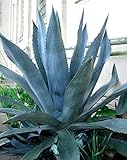
Overview: Agave shrevei is a slow-growing evergreen succulent forming a stemless rosette of thick, spine-tipped green to grey leaves about 60-90 cm (2-3 ft) across. It is a monocarpic perennial grown as a drought-tolerant ornamental and edible plant, dying after a single towering bloom while young offsets take its place.
Quick Specifications
| Specification | Attribute |
|---|---|
| Plant Type / Life Cycle | Perennial (monocarpic succulent – dies after flowering) |
| Foliage Type | Evergreen |
| Mature Size | Rosette 60-90 cm (2-3 ft) tall and wide; flower stalk 2-4 m (6-13 ft) |
| Growth Rate | Slow |
| Root System | Shallow, fibrous |
| Toxicity | Raw sap is a skin and mucous-membrane irritant (calcium oxalate crystals and saponins); leaves, hearts and flowers are edible only after cooking |
| Hardiness | USDA zone 8+ |
Growth Form & Structure
- Height & Spread: Leaf rosette 60-90 cm (2-3 ft) tall and wide, with a tall flowering stalk of 2-4 m (6-13 ft); grows in the ground or in large containers 30-50% wider than the root ball.
- Growth Habit & Form: Stemless basal rosette of fleshy leaves that produces a single, unbranched flowering stalk.
- Lifespan & Maturity: Slow to mature – the basal rosettes take at least 5 years to reach eating size; the plant flowers once, then dies and is replaced by offsets, with bloom delayed a few extra years in cooler climates.
Anatomy & Physical Features
- Leaves & Foliage: Fleshy leaves in green to grey (sometimes yellow-edged), borne in a rosette, spear-shaped with a sharp pointed spine; edible when cooked.
- Flower Characteristics: Sweet yellow flowers borne in umbel-like clusters on a tall stalk (full detail in the Bloom accordion).
Primary Uses & Landscape Value
- Edible Uses: Cooked or roasted leaves and basal rosettes; flowers, buds and stalk used for syrup, juice and alcohol.
- Functional & Ornamental Roles: Drought-tolerant ornamental for desert, xeriscape and Mediterranean gardens; large container specimen.
Note: Leaves end in a sharp, rigid spine that can cause a puncture wound — site away from foot traffic and handle with care.
Care Guide: Planting, Soil & Watering
Overview: This drought-tolerant agave thrives in full sun and lean, sharply drained sandy soil, and resents any standing water at its roots. It needs only occasional watering, drying out fully between drinks.
Quick Care Requirements
| Requirement | Ideal Condition |
|---|---|
| Planting Season | Spring in zones 7–8; spring–summer in zones 9–10a; spring–autumn in zone 10b; year-round in zone 11+ |
| Growth Rate | Slow |
| Soil Type | Sandy, gritty and sharply free-draining |
| Water Need | Low — let the soil dry out completely between waterings |
Planting & Establishment
- Best Planting Season: Plant in the warm, frost-free part of the year — spring in the cooler zones 7–8, spring to summer in zones 9–10a, spring to autumn in zone 10b, and year-round in zone 11 and warmer.
- How to Plant:
- Hole Preparation: Dig a hole slightly wider than the root ball on a well-drained or raised site; in rainy locations plant on a mound or raised bed so the crown never sits in a puddle, which can rot and kill the plant.
- Soil Amendments: Work coarse sand or grit into heavy soil to sharpen drainage — a lean, gritty mix suits it far better than rich soil.
- Planting Depth: Set the rosette so the base of the leaves rests at soil level; never bury the crown, as it rots easily if kept damp.
- Growth Speed & Expectations: Slow-growing; in climates cooler than its native range the leaves grow more slowly still and flowering takes several extra years.
Soil, Watering & Drainage Care
- Soil Mix & Drainage Needs: Sharp drainage is essential — use a cactus or succulent mix, or sandy soil amended with grit. In pots choose a container about 30–50% larger than the root ball with ample drainage holes to prevent root rot.
- Watering Schedule & Technique:
- Young / Newly Planted: After planting give only small amounts of water every few days, keeping the soil barely moist but never soggy until the roots establish.
- Established: Water sparingly and deeply, then allow the soil to dry out completely before watering again; avoid overwatering.
- Seasonal Adjustments: Water even less in cool or wet weather and through winter; a little more during prolonged desert heat. Add mulch around young plants in cold winters for protection.
Climate, Light & Hardiness
Agave shrevei is well suited to dry, sunny climates - desert, Mediterranean, subtropical, tropical, and temperate regions - grown in full sun to half shade. It is somewhat more cold-hardy than many agave species, reliably surviving to about USDA zone 8, with established plants briefly tolerating zone 7 conditions.
Quick Climate Specifications
| Climate Zones | Desert, subtropical, Mediterranean, tropical, and temperate |
|---|---|
| USDA Hardiness Zones | Typically zone 8 and warmer; established plants may overwinter in zone 7 with protection |
| Frost Tolerance | Moderate |
| Light Conditions | Full Sun to Half Shade |
| Wind Tolerance | High |
| Salt / Coastal Tolerance | Moderate–High |
Sunlight & Light Exposure
Optimal Light Setup
Full sun gives the tightest rosette and best gray-green leaf color; half shade is also tolerated, especially in intense inland heat.
Direct Sun Requirement
Several hours of direct sun daily are ideal for strong, compact growth.
Shade & Heat Management
Handles full sun well in hot climates; light afternoon shade is only needed in the most extreme desert heat.
Best Exposure / Orientation
A south- or west-facing bed with sharp drainage suits it well; cold, wet roots are the bigger risk in cooler climates rather than too much sun.
Temperature Extremes & Hardiness
USDA Hardiness & Regional Limits
Hardy outdoors year-round in roughly USDA zone 8 and warmer, somewhat more cold-tolerant than Agave americana; with good drainage, mulch, and a sheltered site, established plants can persist through occasional dips into zone 7. Cold tolerance varies with plant age, drainage, and exposure duration, so younger plants need extra winter protection.
Cold Damage & Winter Protection
Cold, wet soil is more damaging than cold air - ensure sharp drainage and mulch the root zone in borderline climates.
Frost Sensitivity
Established plants tolerate moderate frost reasonably well, though hard or prolonged freezes can still damage or kill leaf tissue, especially on young rosettes.
Extreme Heat Tolerance
Very heat tolerant and well matched to hot, dry desert and Mediterranean summers.
Wind, Humidity & Microclimate
Humidity Preferences
Prefers dry to moderate humidity, in keeping with its arid origins.
Dry-Air Tolerance
Excellent tolerance of dry air and low-humidity climates.
Wind Tolerance
Handles wind well due to its low, ground-hugging rosette form.
Coastal / Salt Tolerance
Generally performs well near the coast, tolerating salty air better than most soft-leaved plants, though direct salt spray on foliage is best avoided.
Rainfall & Seasonal Moisture
Adapted to climates with a pronounced dry season and does not want consistently wet conditions, particularly through winter.
Microclimate Recommendations
Raised beds, slopes, or berms that shed water quickly help in rainier climates, keeping the crown and roots from sitting wet in cold weather.
Growing in Pots, Balconies & Indoors
Agave shrevei is an architectural succulent that does very well in a free-draining pot on a sunny patio or balcony. The grower does not rate it as a true indoor houseplant – it needs strong, direct sun – but a young or compact plant can sit on a bright, sunny windowsill, where it stays smaller and is unlikely to flower.
Quick Details
- Container Size: A pot 30-50% larger than the root ball; pot up to a larger container each time it fills (the grower’s guidance)
- Indoor Suitability: Not a true houseplant; a young or compact plant can grow on a bright, sunny windowsill
- Best Spot: Full sun to light shade – outdoors or the brightest position you have
- Soil & Drainage: Gritty, free-draining cactus/succulent mix; plenty of drainage holes. A ready-made cactus and succulent soil mix provides that structure without mixing it yourself.
- Watering in Pots: Water sparingly and let the mix dry out between waterings – never leave it soggy
Indoors & On the Windowsill
- Houseplant limits: The grower marks it as not an indoor houseplant – agaves need the full, direct sun that a room interior rarely provides, so indoors they stretch, lose colour and will not bloom.
- Windowsill growing: A young or compact plant can do well on the brightest, most direct sill you have (a south-facing window is ideal). Keep the sharply spined tips away from where people brush past.
- Overwintering indoors: Most agaves take only light frost, so in cold-winter climates grow yours in a pot and move it to a bright, frost-free spot (a cool porch, conservatory or sunny window) for the winter, kept nearly dry until warmth returns.
- Safety: Agave sap can irritate skin and eyes and the plant is toxic to cats and dogs, while the leaf tips are needle-sharp – site it well away from children, pets and walkways.
On a Balcony or Patio
- Light & heat: Give it the sunniest corner; agaves love the reflected heat from walls, railings and paving. Pots dry quickly there, but the plant is drought-tolerant – still check the mix and water only once it is dry.
- Bloom stalk & wind: When a mature plant flowers the stalk can be tall and top-heavy, so shelter it from strong wind and weight the base of the pot for stability.
- Weight & runoff: A large agave in a big pot is heavy – make sure a balcony can take the load, and stand the pot where drainage water can escape freely.
Choosing the Pot, Soil & Long-Term Care
- Pot & drainage: Use a pot about 30-50% bigger than the root ball with strong drainage holes; skip a standing saucer of water to avoid root rot. Terracotta is ideal because it breathes and dries fast, while glazed or plastic pots hold moisture longer.
- Potting mix: A gritty, fast-draining cactus and succulent mix – coarse sand, grit or perlite with only a little organic matter.
- Feeding: Agaves are adapted to poor soils and need little food; because nutrients leach from pots, a weak feed once during the growing season is plenty.
- Repotting: Pot up as the plant fills its container and to give offsets room; refresh the mix every couple of years – the grower notes that after a few years the old mix drains less freely and is best replaced.
Grower’s Container Tip
- Size up gradually: Choose a pot 30-50% larger than the root ball and step up a size each time the plant fills it.
- Leave room for pups: A mature agave needs a wider pot so its daughter plants (offsets) have space to form.
- Ballast the flower stalk: When it blooms the stalk can be heavy and top-heavy, so place something heavy in the base of the pot to stop it toppling.
- Refresh the soil: After a few years the mix drains less well, so replace it with fresh, gritty compost.
Fertilizing & Feeding
A very light feeder. In well-drained soil an occasional light feeding through the warm active growing season is plenty, and the plant simply rests without feeding through cold or dormant periods.
Quick Fertilizing Specs
| Feeding Level | Light feeder |
|---|---|
| Main Nutrient Priority | A dilute, low-nitrogen complete fertilizer during active growth |
| Best Feeding Period | The warm active growing season |
| Organic Options | A little compost or worm castings worked into gritty, well-drained soil |
| Reduce/Stop Feeding | Let the plant rest without feeding through cold weather and dormancy |
| Micronutrients | Usually met by a complete fertilizer; correct only a diagnosed deficiency |
| Soil pH | Tolerates a wide range; prefers well-drained, slightly acidic to near-neutral soil |
Feeding by Growth Stage
Warm-season active growth
Support steady, firm rosette growth during the warm growing season.
| Nutrient direction | A dilute, low-nitrogen complete fertilizer keeps growth firm and well colored; too much nitrogen forces soft, weak, floppy growth on a succulent. |
|---|---|
| Timing | As warm weather arrives and the plant is actively growing. |
| Frequency | Feed sparingly; an occasional light feeding across the warm growing season is usually enough. |
| Fertilizer types | A dilute low-nitrogen complete fertilizer, A little compost or worm castings in gritty, well-drained soil |
| Precautions | Keep feeding light and always on well-drained soil; overfeeding a succulent produces soft growth and invites salt buildup at the roots. |
Cool-season dormancy and rest
Let the plant coast through cold weather and dormancy without pushing new growth.
| Nutrient direction | None – withhold fertilizer while the plant is dormant and not actively growing. |
|---|---|
| Timing | Through cold weather, winter, and any dormant rest period. |
| Frequency | No feeding at this stage; resume only when active growth returns in warm weather. |
| Fertilizer types | No feeding at this stage; do not fertilize until active growth resumes. |
| Precautions | Do not fertilize a dormant succulent; feeding a plant that is not growing wastes nutrients and risks salt buildup and root damage. |
Nutrient Deficiency Signs & Corrections
Overall pale, washed-out color and unusually slow growth even in the warm season.
| Possible causes | very low available soil nitrogen, long stretch in the same tired, depleted mix, cold or waterlogged roots limiting nutrient uptake |
|---|---|
| Appears first on | older, lower leaves and overall growth |
| What to check | recent feeding history, how long the plant has been in the same soil, root health and drainage |
| Possible correction | Apply a dilute low-nitrogen complete fertilizer during active growth and refresh the gritty mix if it is exhausted. |
Interveinal yellowing on the newest leaves while the veins stay greener.
| Possible causes | poor iron availability in alkaline soil, waterlogged or cold roots impairing micronutrient uptake, genuinely low soil micronutrients |
|---|---|
| Appears first on | the newest, youngest leaves |
| What to check | soil pH and alkalinity, drainage and watering habits, whether a complete fertilizer is being used |
| Possible correction | Correct soil pH and drainage first, then apply a chelated micronutrient product per its label only if the deficiency persists. |
Leaf tips and margins brown or scorch and growth stalls even though the plant is not underfed.
| Possible causes | fertilizer salt buildup in the root zone, overfeeding or feeding too often, infrequent watering that concentrates salts in the mix |
|---|---|
| Appears first on | leaf tips and margins |
| What to check | recent fertilizer amounts and frequency, drainage, especially in containers, any white crust on the soil surface |
| Possible correction | Ease off feeding, water thoroughly through well-drained soil to flush accumulated salts, then return to lighter feeding. |
Pruning, Training & Seasonal Maintenance
Agave shrevei is a compact, single-headed rosette that, like other agaves, is monocarpic: it grows for years, flowers once on a 2–4m stalk, and then dies, so pruning is limited to removing finished material rather than shaping the plant. Its smaller scale (60–90cm leaves) means the cuts involved are lighter-duty than on the larger agave species, but the same rule applies – timing has no effect on whether or when it blooms, so the goal is sanitation and, after flowering, clearing the spent stalk and dying rosette while leaving the offsets alone.
Quick Pruning & Maintenance Specs
| Pruning Tolerance | Low – sanitary removal only |
| Primary Pruning Window | Any time a leaf is fully brown/dry; leaves are noted to finish their cycle mainly in winter/spring on this species |
| Typical Frequency | Occasional |
| Main Objective | Sanitation and, after the single bloom, removing the stalk and dying mother rosette |
| Young Plant Priority | Leave alone – do not remove green leaves |
| Mature Plant Priority | Remove the lowest dead leaves; after bloom, clear the 2–4m stalk and rosette, keep offsets |
| Best Tool Type | Bypass secateurs or loppers – a saw is rarely needed at this smaller scale except at the thickest base of an old stalk |
| Avoid Heavy Pruning During | Always – green leaf tissue should not be cut |
Pruning by Plant Age & Size
Newly Established
Remove only visibly dead or transplant-damaged leaves; a young plant needs its reserves to establish.
Young / Formative
No structural training – the compact rosette form is fixed and simply enlarges from the centre.
Mature / Established
Remove the lowest browned leaves as they finish their cycle, more noticeably in winter/spring on this species. Once the plant sends up its stalk and finishes flowering, cut away the dried stalk and collapsing rosette, leaving the young offsets undisturbed.
Seasonal Pruning Schedule
Post-Flowering
Objective: manage the plant’s one-time end-of-life event. Remove: the flower stalk once fully dry, and the collapsing rosette. Do not remove: the developing offsets. Expected response: offsets take over the space. Flowering impact: none – a single terminal event.
Ongoing Sanitary
Objective: tidiness. Remove: fully brown, dry leaves, most commonly noticeable through winter into spring on this species. Do not remove: leaves still more than half green.
Structural Pruning & Training
No shaping is possible on the fixed rosette form. Given the plant’s smaller overall size compared to larger agaves, spread/hazard control from leaf removal is a minor consideration rather than a major one – mostly relevant where the plant borders a narrow path.
Special Growth to Remove
- Basal offsets – retain; they are the plant’s means of continuing after the mother rosette blooms and dies.
- Spent flower stalk – remove once fully dried.
- The dead mother rosette after flowering – clear once fully collapsed.
Container & Small-Space Pruning
Because this is one of the more compact agave species, it is a comfortable long-term container subject compared to larger-stalked agaves. The no-cut-green-tissue rule still applies; separate offsets before they crowd the pot, and note that even a 2–4m bloom stalk can unbalance a container – add ballast at the base rather than trying to control size by cutting.
Tools
- Bypass secateurs – individual dry leaves.
- Loppers – thicker leaf bases and the finished stalk.
Tool Hygiene & Disease Risk
Routine – clean, sharp tools are enough; no tool-transmitted disease is indicated for this species.
Cut Placement & Technique
Cut dead leaves close to the stem, angled to shed water. Wear heavy gloves and eye protection – the leaf margins carry stiff spines. Take a dried stalk down in manageable sections rather than as one piece.
Heavy Pruning & Rejuvenation
Not tolerated – cutting healthy leaf tissue only removes stored reserves and cannot delay or reverse the bloom-and-die cycle once started.
Post-Pruning Care
No feeding after removing dead material. After clearing a spent stalk and rosette, keep the exposed base on its normal dry-between-waterings routine.
Common Pruning Mistakes
- Cutting partly-green leaves for tidiness, wasting stored reserves.
- Separating offsets before they have independent roots.
- Working without gloves or eye protection.
When NOT to Prune
- Do not remove any leaf that is still more than half green.
- Do not separate offsets until they show independent roots.
Recommended Tools (by task)
- bypass_secateurs – individual dry leaves; a clean cut without crushing the fleshy tissue.
- loppers – thicker leaf bases and the dried stalk on this smaller-scale species.
Propagation Guide
Agave shrevei can be propagated from seed and, when the plant naturally produces them, by separating basal offsets or pups. Individual leaf cuttings are not recommended as a routine Agave propagation method.
Quick Propagation Specs
| Best Vegetative Method | Basal offsets or pups, when naturally produced |
| Alternative Method | Seed |
| Leaf Cuttings | Not recommended |
| Seed True-to-Type | Generally suitable for raising the species; seedlings may still vary naturally |
| Vegetative True-to-Type | Yes, from offsets/pups |
Offsets and Pups
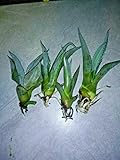
When a rooted or rootable basal offset is present, separate it carefully from the parent plant while retaining as much of its own root tissue as possible. Allow damaged surfaces to dry briefly if needed, then pot the offset into a very well-drained Agave or succulent growing medium.
Growing from Seed
Sow fresh, mature seed in a clean, well-drained propagation medium. Keep the medium lightly moist rather than wet and provide warm, bright conditions while seedlings establish.
Aftercare
Keep newly established offsets and seedlings in excellent drainage and increase light gradually. Avoid prolonged wet conditions around the developing roots.
Bloom & Edible Flower Guide
Quick Details
- Bloom Season: Summer, and only once in the plant’s life
- Time to First Bloom: After many years of growth — commonly a decade or more — then a single flowering
- Flower Appearance: Sweet yellow flowers in clusters on a tall stalk rising from the rosette
- Edibility: Edible flower — the sweet yellow flowers, buds and flower stalk are all eaten cooked (a traditional food), not raw
- Safety: The raw sap and sharp spines can irritate skin, so handle with care
Detailed Blooming Overview
Agave shrevei is a monocarpic century plant: the grey-green rosette grows for many years and then flowers a single time before dying. A tall flower stalk rises from the centre of the mature rosette, carrying clusters of sweet yellow blooms. The grower notes that the flowers, buds and the stalk itself are all eaten — agave flowers are a traditional cooked food. After flowering the mother rosette dies, leaving offsets (pups) to carry the planting on.
Flower Characteristics
- Colour & form: sweet yellow flowers held in clusters on a tall stalk; buds and stalk are edible too.
- A once-in-a-lifetime bloom: the rosette flowers a single time, then dies, leaving pups behind.
- Pollination: in its native range the nectar-rich flowers are worked mainly by nectar-feeding bats, with hummingbirds and night-flying moths also visiting.
Bloom Care & Thinning
- Managing the bloom: there is no way to hold flowering back once it begins, so the best plan is to enjoy the display and let pollinators feed on the nectar.
- Harvesting the flowers: gather the sweet buds and blooms while young and cook them — they are not eaten raw.
- After flowering: once the bloom fades the mother rosette declines — cut the spent flower stalk down and remove the dying rosette, leaving the surrounding pups in place.
- Carrying it on: detach the rooted offsets (pups) and replant them to replace the parent.
- In a container: the flowering stalk is tall and top-heavy, so weight or stake the pot while it blooms to stop it tipping over.
Fruit & Uses
The source describes the fleshy, spine-tipped leaves and basal rosette of Agave shrevei as edible once the plant is established, along with the sweet flowers, flower stalk and buds. As with other agaves, nothing here is eaten raw – leaves are cooked, roasted or baked, and no part should be assumed safe fresh off the plant.
Quick Edible Specs
| Edible Parts | Leaves and basal rosette; flowers, flower stalk & buds |
|---|---|
| Main Use(s) | Culinary (cooked leaves); flowers/stalk noted as sweet, used the way other edible agaves are (juice/syrup-type uses) |
| Eaten Raw or Cooked | Cooked only |
| Preparation Required | Cook / Roast / Bake leaves; harvest the basal rosette only once the plant is well established |
| Harvest Season | Leaves: winter/spring |
| Time to First Harvest | Not until the plant and its basal rosette are well established – see Growth/Propagation for how slow this species develops |
| Storage | Not specified by the source |
| Safety/Toxicity Caveat | As in other Agave species, raw sap and leaf tissue are irritant (calcium oxalate crystals and saponins) and can irritate skin and mouth; because the edible-use claims for this particular species closely mirror generic Agave-genus text rather than species-specific documentation, treat any reported edibility with caution and confirm species identity before eating |
Leaves & Greens
Leaves are cut at the base once almost fully grown (young rather than old growth is preferred), harvested in winter or spring, and then cooked, roasted or baked – never eaten raw.
Flowers & Flower Buds
The site describes the yellow flowers, which grow as clustered umbels on a tall stalk, as sweet and edible, along with the stalk itself and the unopened buds. As with other edible agaves, these are a processed/cooked-style food rather than something picked and eaten fresh.
Preparation, Uses & Safety
Leaves and the basal rosette must be cooked – roasted or baked – before eating; the flower, stalk and buds are used the way other sweet agave flower parts are, rather than eaten raw. Because this species’ edible-use description closely echoes generic Agave-genus boilerplate rather than being clearly species-specific, and because A. shrevei is not a widely documented food agave outside a regionally used wild subspecies, treat these edible claims cautiously and verify the exact species before relying on them. Raw sap and leaf tissue in this genus are known irritants to skin and mouth (calcium oxalate crystals, saponins), which is consistent with the site’s own instruction to cook every part before eating.
Pests, Diseases & Troubleshooting
Overview: Agaves are tough, drought-adapted succulents whose troubles are dominated by one serious pest — the agave snout weevil — and by rots that follow wet, poorly drained soil rather than by foliar disease. Manage them culturally first: sharp drainage, restrained watering, full sun, and prompt removal of damaged or grub-infested plants before problems spread. This species (a Sierra Madre highland agave) is uncommon in cultivation, so the profile below is the well-established genus profile; confirm any unusual local pest before treating.
Quick Troubleshooting Overview
| Issue / Pest | Main Symptom | Primary Solution |
|---|---|---|
| Agave snout weevil | Base collapses, plant topples, tissue turns to foul mush from grubs | Remove/destroy infested plants; preventive soil drench of infested plantings |
| Scale & mealybugs | White cottony masses or limpet-like bumps in leaf axils and undersides | Wipe/wash off; horticultural oil or insecticidal soap |
| Agave (eriophyid) mite | Corky scarring and distorted, cupped new leaves at the center | Remove worst leaves; miticide/oil only if severe |
| Crown & root rot | Soft, brown, sour-smelling base; leaves loosen and fall | Improve drainage, cut watering, remove affected tissue |
| Anthracnose | Sunken dark spots with pink-orange spore masses in humid conditions | Improve airflow, avoid overhead water, copper if needed |
Common Pests & Management
- Agave snout weevil (Scyphophorus acupunctatus):
- Symptoms: The signature killer of large agaves. Adult weevils chew into the base of the crown to lay eggs; the C-shaped white grubs then tunnel through the core, introducing bacteria that rot the tissue. The first visible sign is a plant that looks wilted with lower leaves shriveling and folding down, then a soft base that lets the whole rosette topple with a light push. A sour smell and mushy interior confirm it.
- Prevention & Control: Prevention is everything — the pest is nearly impossible to reverse once the core is destroyed. Keep plants unstressed, avoid wounding the base, and inspect stressed or flowering agaves closely. Remove and destroy (bag or burn) any collapsed plant along with its grubs and surrounding soil so adults don’t emerge. In collections with a known history, a preventive soil drench of a systemic insecticide around healthy plants is the standard defence; time it before the adults become active in warm weather.
- Armored & soft scale (Diaspididae / Coccidae):
- Symptoms: Small limpet-like brown or grey bumps clustered on leaf undersides and along the spines. Heavy infestations cause yellow blotches, general loss of vigor, and (with soft scale) sticky honeydew and black sooty mould.
- Prevention & Control: Scrape or wipe off light infestations with a cloth. Treat with horticultural oil or insecticidal soap, coating the undersides thoroughly; repeat every one to two weeks. Encourage lady beetles and parasitic wasps by avoiding broad-spectrum sprays.
- Mealybugs (Pseudococcus / Planococcus spp.):
- Symptoms: White cottony tufts tucked deep in the leaf axils and, for root mealybugs, a white powdery coating over the roots and inner pot wall. Feeding weakens the plant and can stunt new growth.
- Prevention & Control: Dab visible clusters with a cotton swab dipped in dilute alcohol, or wash them out of the axils with a firm water spray. Horticultural oil or insecticidal soap for wider outbreaks. For root mealybugs, unpot, wash the roots, and repot into fresh gritty mix.
- Agave (eriophyid) mite (Aceria / eriophyid spp.):
- Symptoms: Microscopic mites feeding in the crown cause corky brown scarring, ridging, and distorted, cupped or streaked new leaves emerging from the center. Often mistaken for physical or cold damage.
- Prevention & Control: Cut out and destroy the most disfigured central leaves. Because the mites shelter deep in the folded crown, a wetting oil or sulfur-based miticide worked into the center is needed for control; treat only if scarring is progressive.
- Spider mites (Tetranychus urticae):
- Symptoms: Chiefly a problem on indoor or greenhouse plants in hot, dry air. Fine pale stippling on the leaves and, when severe, delicate webbing between spines.
- Prevention & Control: Raise humidity and rinse the foliage. Insecticidal soap or horticultural oil knocks them back; predatory mites work well in enclosed spaces.
Diseases & Fungal Issues
- Crown & root rot (Phytophthora / Pythium spp.):
- Symptoms: The most common way agaves die in cultivation. Water-soaked, soft, browning tissue at the base and lower leaves that yellow, loosen and pull away easily. Roots turn dark and mushy. Almost always triggered by wet, cold, or poorly drained soil.
- Treatment & Management: A cultural problem first: plant in fast-draining, gritty mix or a raised gravelly bed, water sparingly, and never let the crown sit wet or shaded. Remove rotted tissue back to firm flesh and let it callus dry. Severely affected plants are usually best discarded.
- Bacterial soft rot (Pectobacterium / Erwinia spp.):
- Symptoms: Rapidly spreading, slimy, foul-smelling collapse of the core, frequently following snout-weevil grub damage or a freeze wound. Tissue turns to dark mush.
- Treatment & Management: No chemical cure. Cut away all affected tissue with a sterilised blade, keep the wound dry and airy, and control the weevils and cold injury that let it in. Destroy plants that are rotted to the core.
- Anthracnose (Colletotrichum agaves):
- Symptoms: Sunken, dark, sometimes concentric leaf lesions bearing pink to salmon spore masses in wet, humid weather; spots may run together and disfigure whole leaves.
- Treatment & Management: Improve airflow, keep foliage dry, and avoid overhead watering. Remove and destroy infected leaves. A copper-based fungicide protects new growth during prolonged wet spells.
- Leaf spot / zebra disease (fungal complex):
- Symptoms: Various grey-brown spots, bands, or blotches on leaves, usually cosmetic but unsightly on show plants in humid, crowded conditions.
- Treatment & Management: Space plants for airflow, keep leaves dry, remove badly marked leaves. Fungicide is rarely warranted outdoors in dry climates.
Growing Difficulties & Abiotic Problems
- Overwatering & rot:
- Cause & Symptoms: By far the leading cause of failure. Soft, translucent, yellowing lower leaves and a base that goes mushy when soil stays wet, especially in winter or in containers without drainage.
- Correction Strategy: Use a very free-draining mineral mix, water only when the soil is dry well down, and cut watering sharply in cool weather. Ensure pots drain freely and never sit in a saucer of water.
- Sunburn & etiolation:
- Cause & Symptoms: Plants moved abruptly from shade into fierce sun scorch with bleached tan patches; plants kept too dark stretch, pale, and grow soft, floppy leaves.
- Correction Strategy: Acclimatise gradually to strong light over a couple of weeks. Grow in full sun for tight, well-coloured rosettes; provide bright light indoors.
- Cold & frost damage:
- Cause & Symptoms: Water-soaked, then browning or translucent leaf areas after a freeze; damaged tissue invites soft rot.
- Correction Strategy: Protect from hard frost, keep plants dry going into cold, and site in the warmest, best-drained spot. Wait until warm weather to trim frost-killed tissue.
- Nutrient & salt issues:
- Cause & Symptoms: Brown leaf tips and margins from salt buildup in containers; slow, pale growth in exhausted mineral soil.
- Correction Strategy: Flush pots occasionally with clean water, feed lightly with a dilute balanced or cactus feed in the growing season only, and refresh the top of the mix.
What Helps — Products & Tools
For this plant the useful kit is narrow and cultural: sharp gritty/mineral potting mix and good drainage above all, horticultural oil and insecticidal soap for scale, mealybug and mite, cotton swabs and dilute alcohol for spot-treating axils, sulfur miticide for eriophyid scarring, copper fungicide for anthracnose in wet spells, and — where snout weevil is known — a preventive systemic soil drench for healthy plants. Always follow the label and protect pollinators.