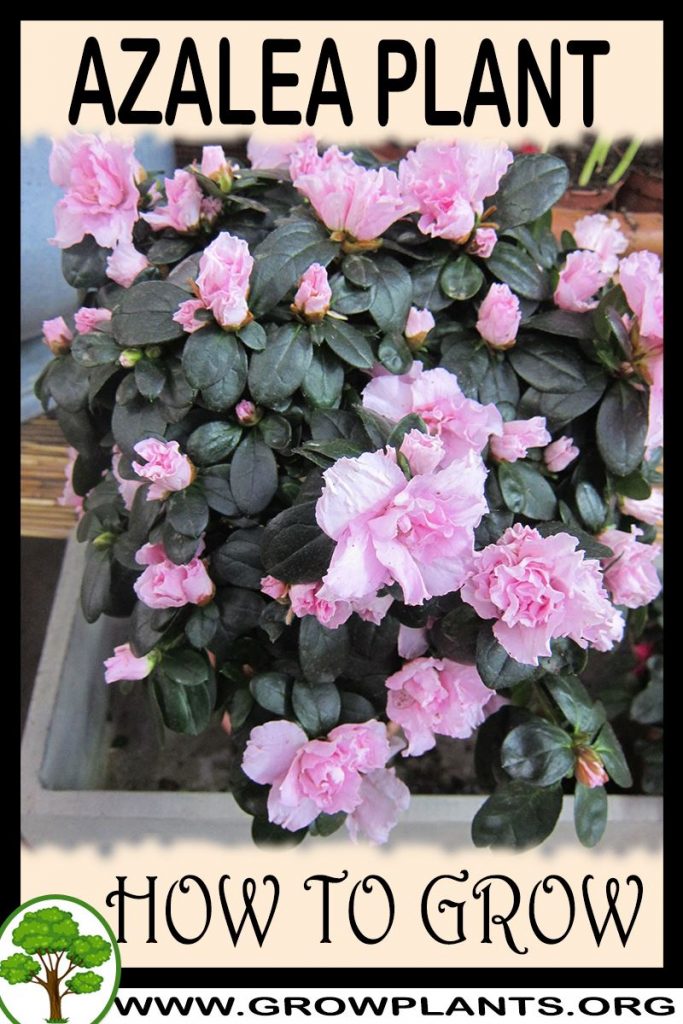
Plant Profile & Key Characteristics
Overview: Azalea (genus Rhododendron) is a moderate-growing subshrub to shrub, evergreen or deciduous, reaching 0.2-2.5 m (8-100 in) and grown for its abundant, colourful flowers. It is used as an ornamental hedge, shrub, container and houseplant.
Quick Specifications
| Specification | Attribute |
|---|---|
| Plant Type / Life Cycle | Perennial |
| Foliage Type | Evergreen or deciduous (depending on type) |
| Mature Size | 0.2-2.5 m (8-100 in) tall |
| Growth Rate | Moderate |
| Toxicity | Toxic – a Rhododendron; all parts poisonous to people and pets |
| Hardiness | USDA zone 3+ |
Growth Form & Structure
- Height & Spread: 0.2-2.5 m (8-100 in) in the ground depending on type; well suited to containers and grown indoors with good light
- Growth Habit & Form: Subshrub to shrub, densely branched
- Lifespan & Maturity: Long-lived; moderate rate to reach full size
Anatomy & Physical Features
- Leaves & Foliage: Green, elliptic to ovate leaves
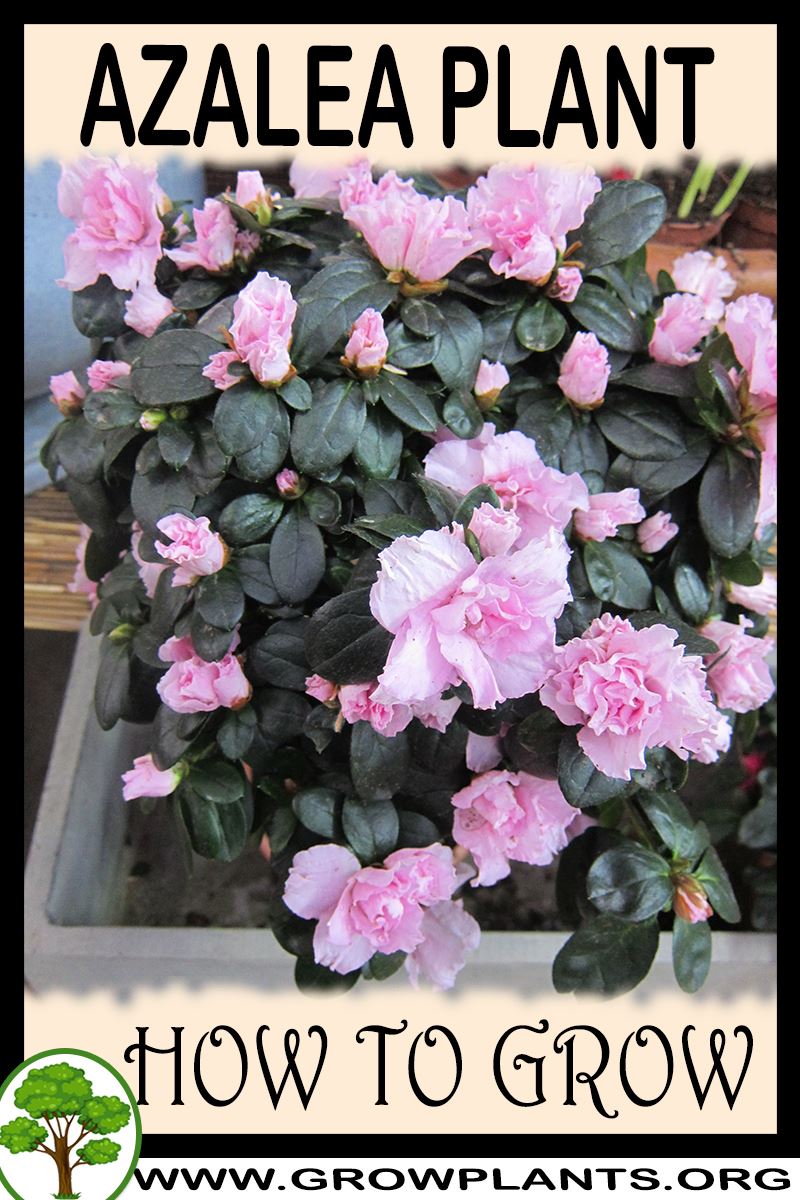
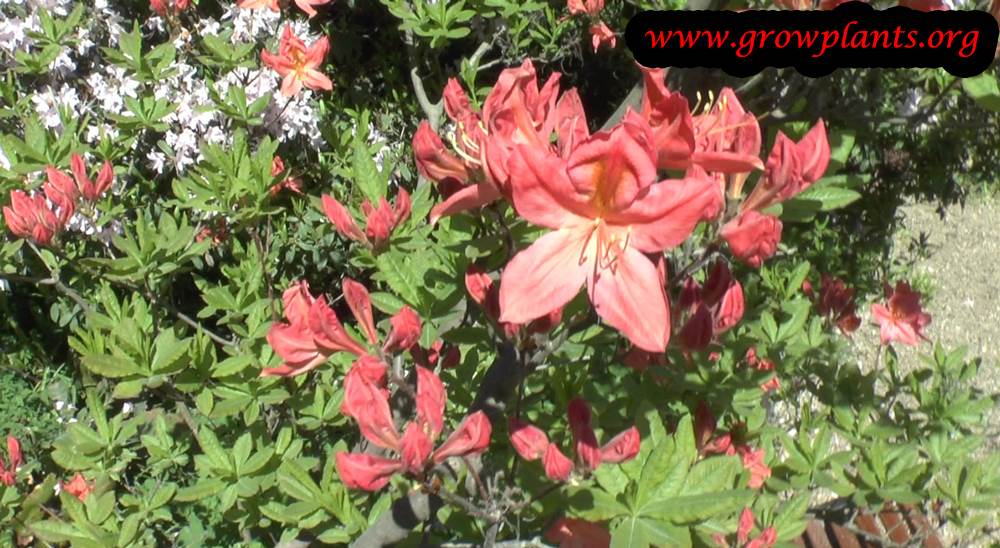
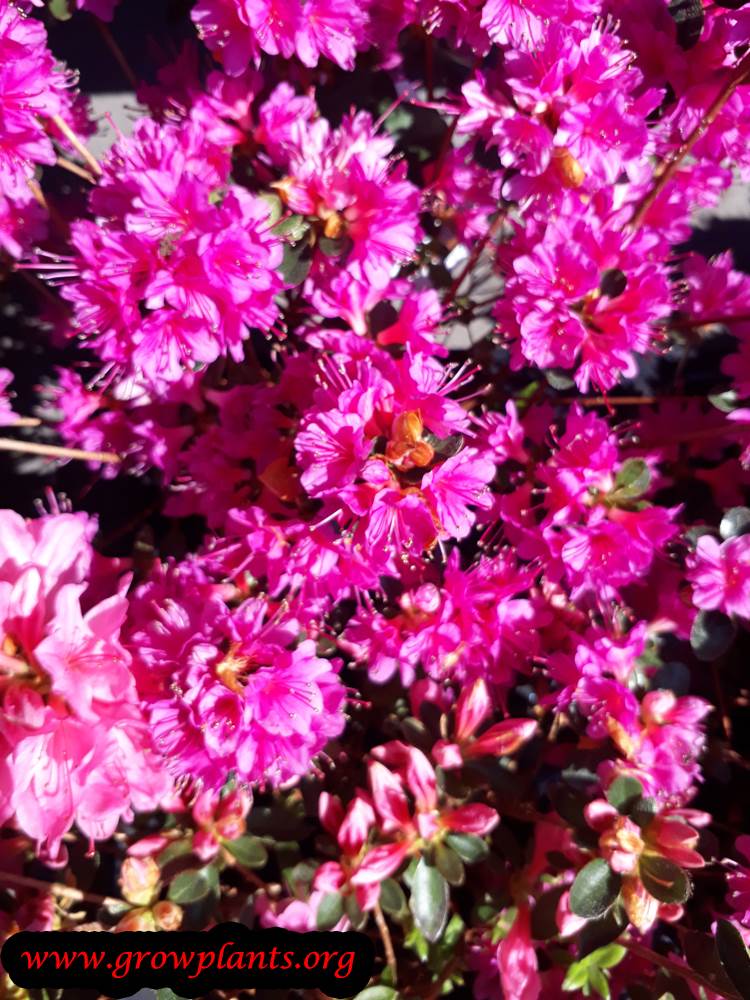
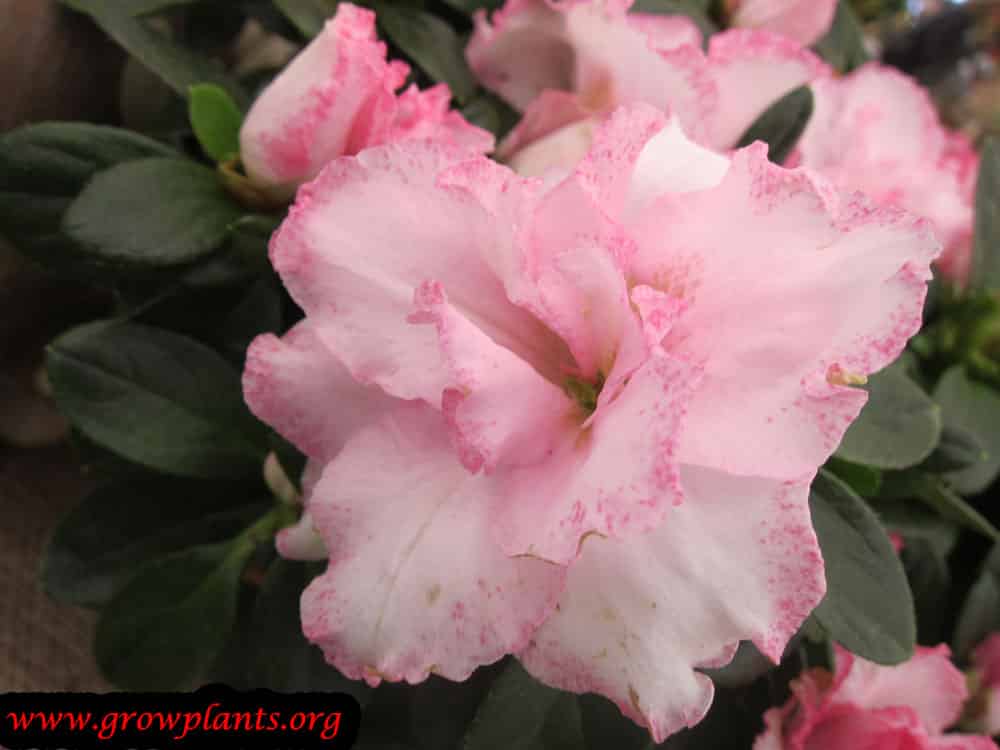
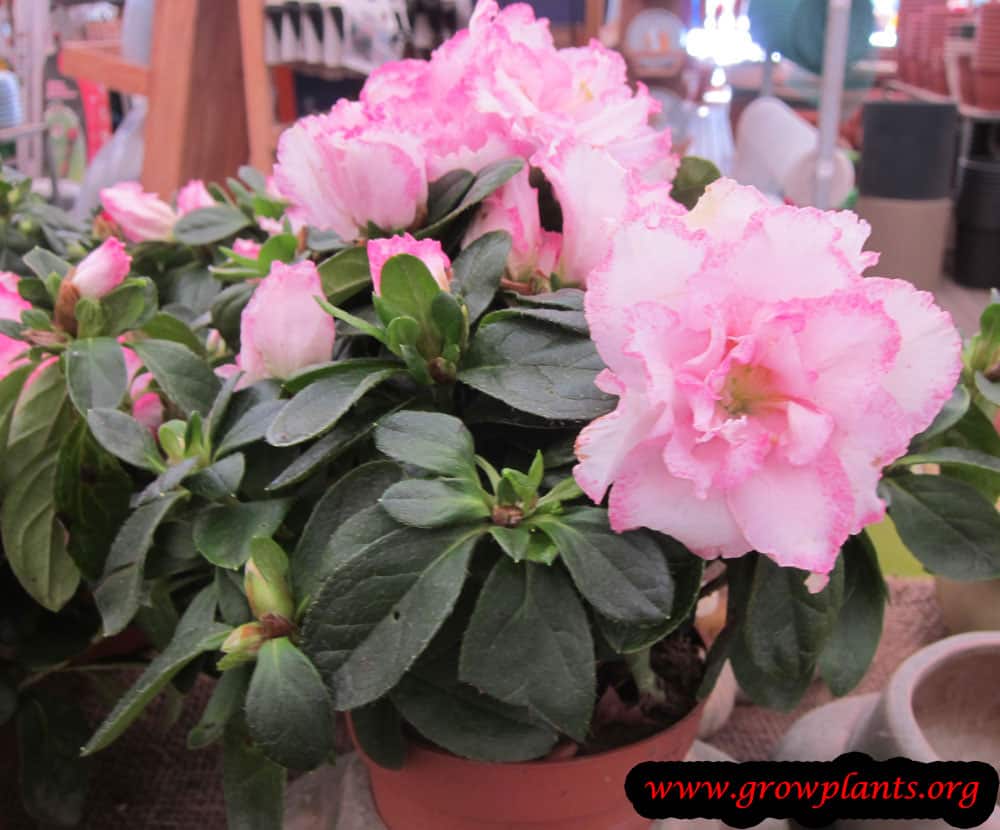
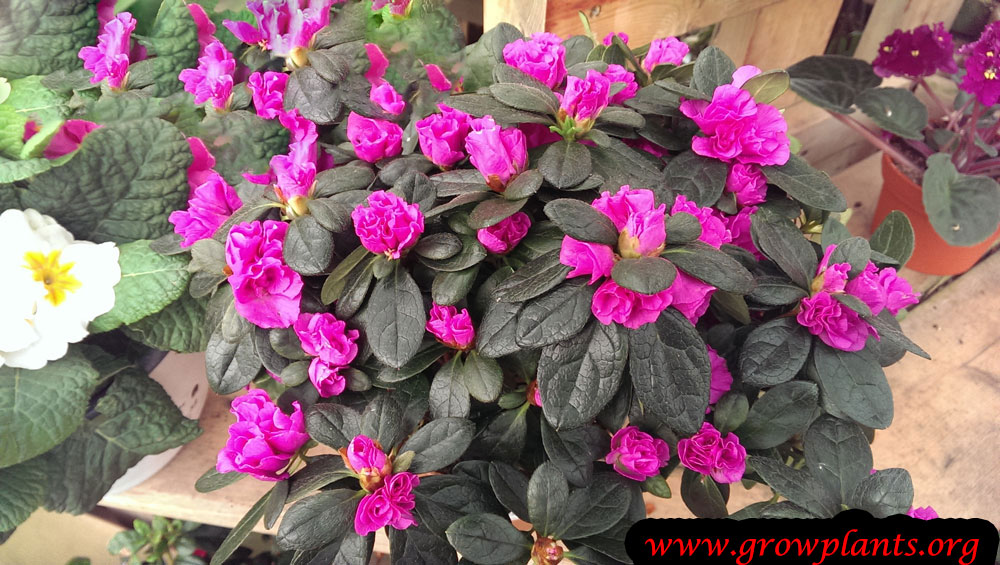
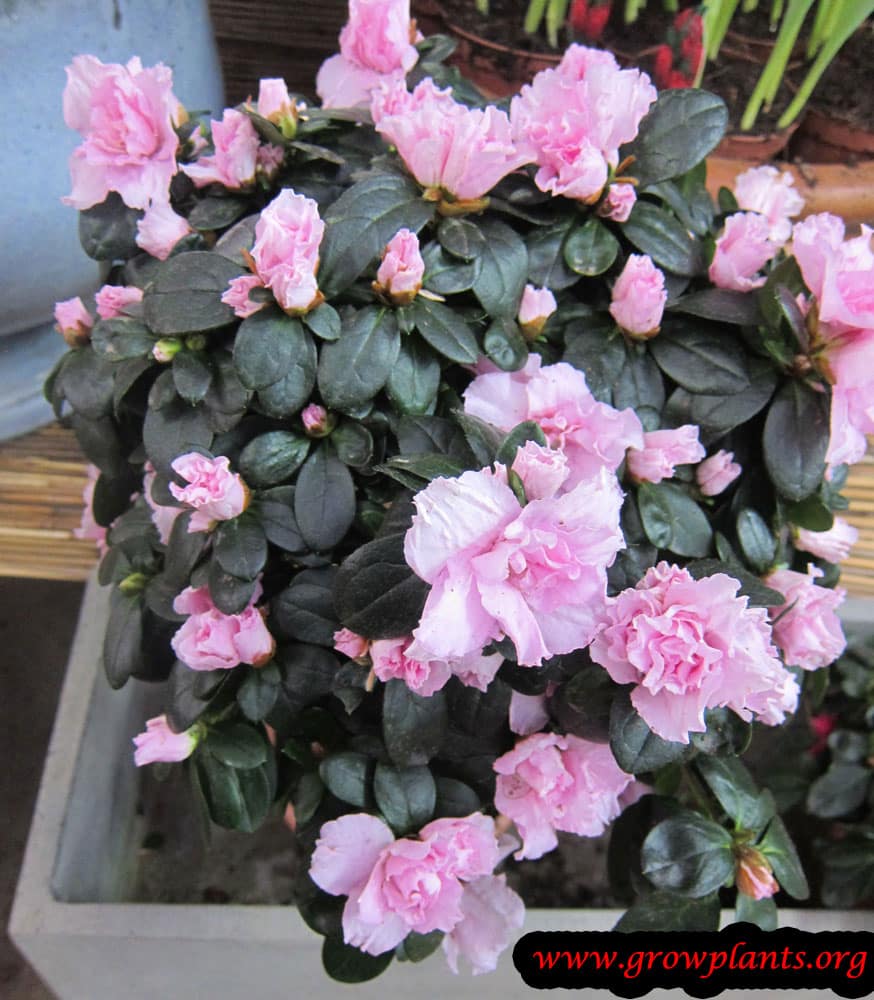
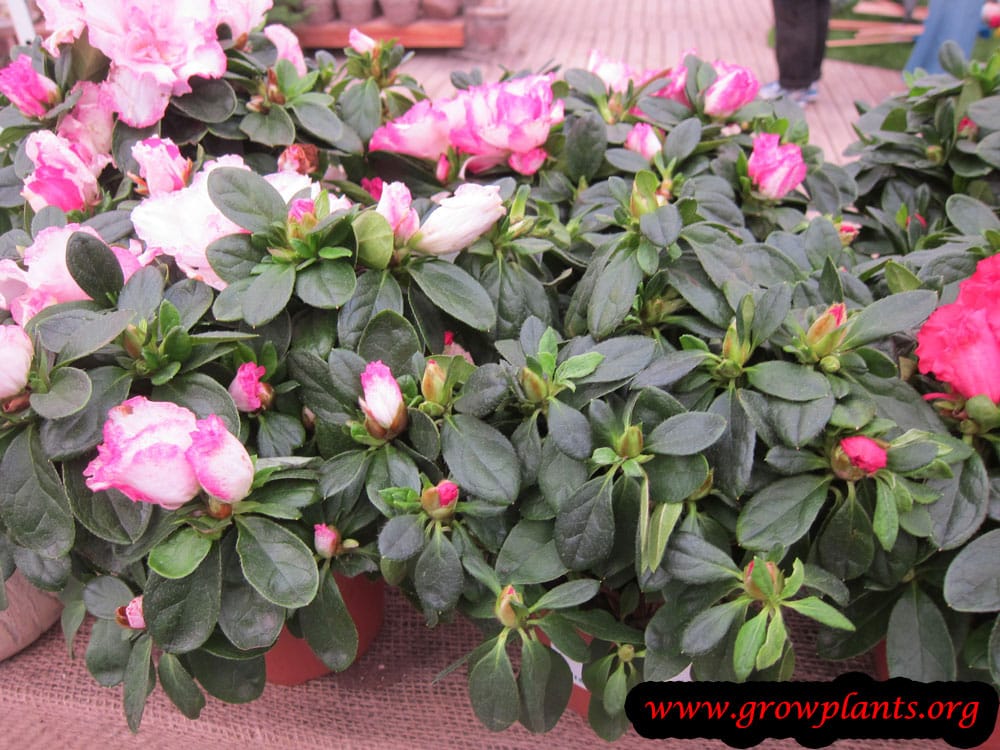
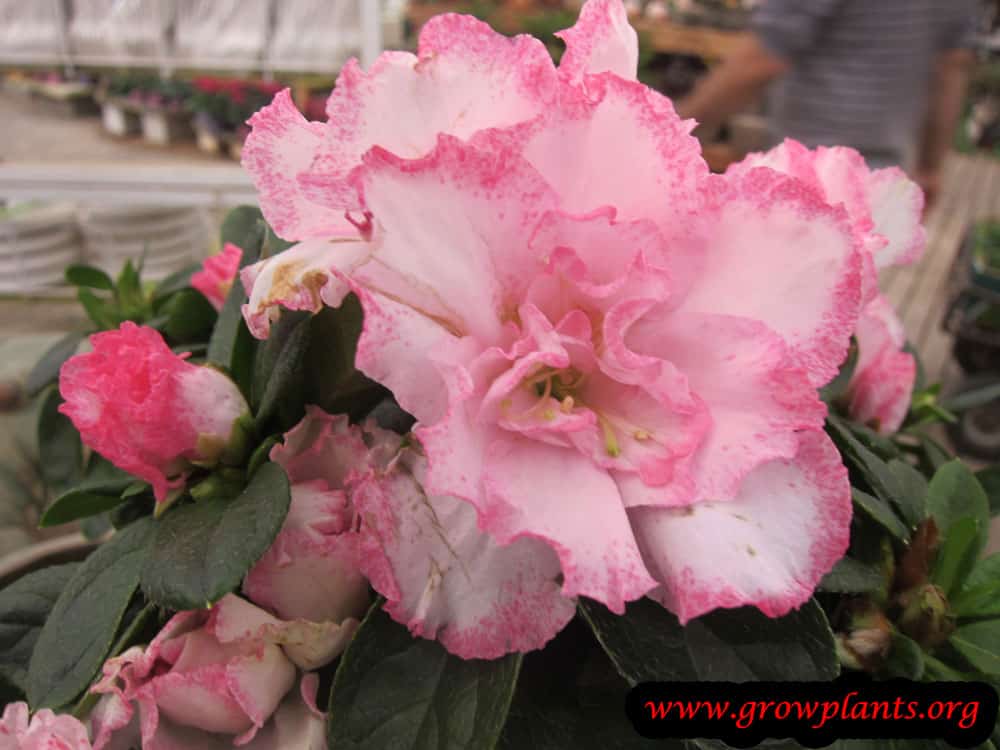
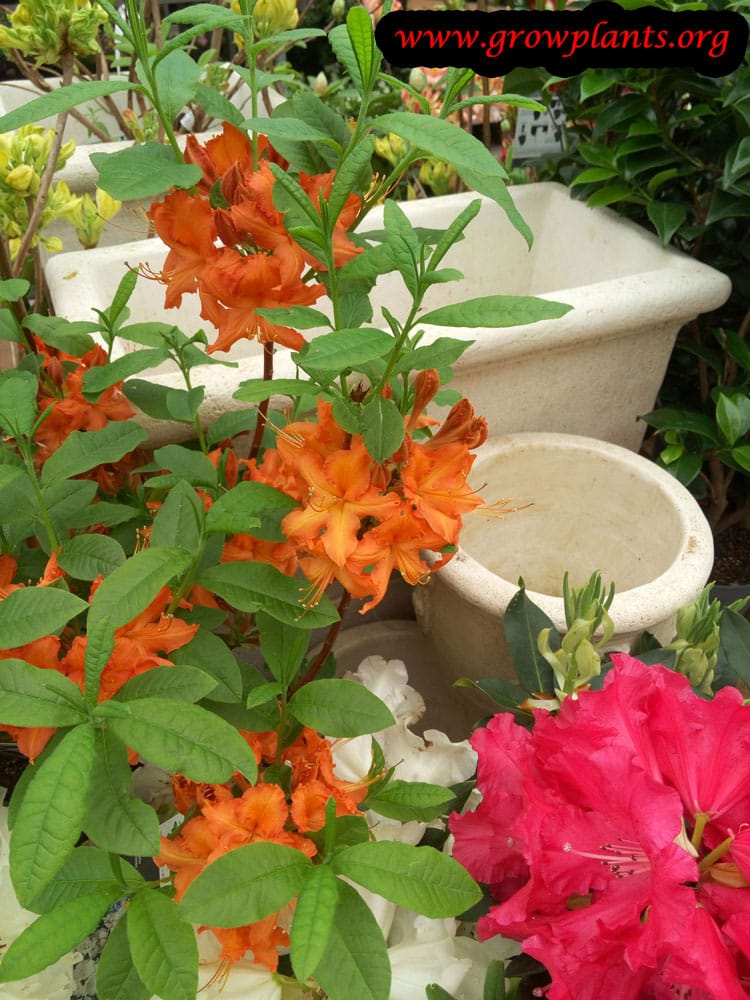
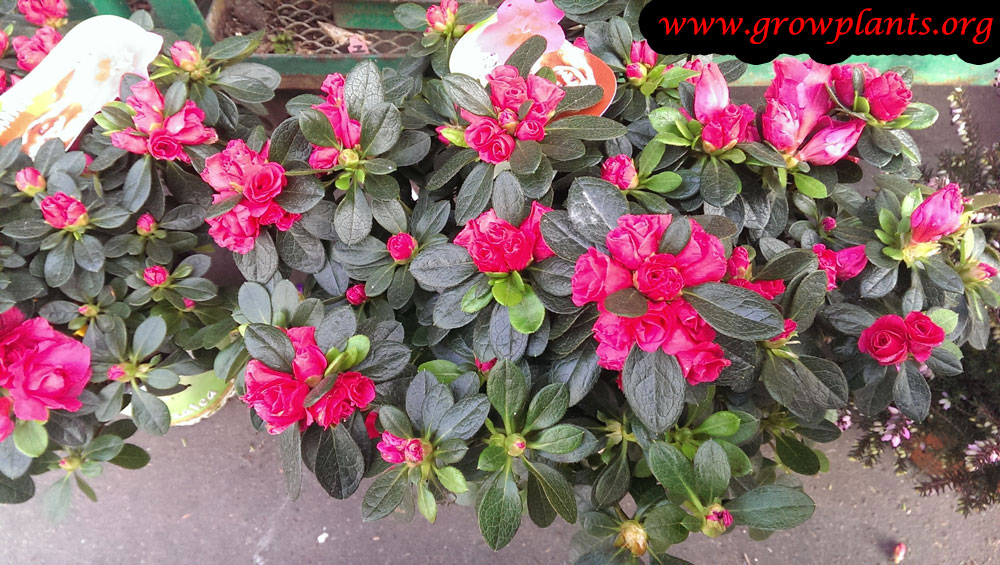
- Flower Characteristics: Showy five-petalled flowers in pink, purple, red, yellow, white, peach, orange or bicolours, some spotted (see the Bloom guide)
Primary Uses & Landscape Value
- Functional & Ornamental Roles: Ornamental flowering shrub or hedge, container plant and indoor flowering pot plant
Care Guide: Planting, Soil & Watering
Overview: Azalea is an acid-loving evergreen shrub that thrives in dappled shade to sun in rich, moist, well-draining, distinctly acidic soil. Its shallow, fibrous roots need consistent moisture and excellent drainage – they must never dry out completely nor sit in waterlogged ground.
Quick Care Requirements
| Requirement | Ideal Condition |
|---|---|
| Planting Season | In spring; in warm climates, autumn planting is preferable so roots establish in cool weather |
| Growth Rate | Moderate |
| Soil Type | Rich, moisture-retentive but well-draining, humus-heavy soil |
| Soil pH | Acidic, roughly 4.0–6.0 |
| Water Need | Moderate to High – keep consistently moist, never bone-dry or waterlogged |
Planting & Establishment
- Best Planting Season: Plant in spring; in warm-winter regions, plant in autumn so the roots settle before summer heat.
- How to Plant:
- Hole Preparation: Dig a wide, shallow hole no deeper than the root ball but two to three times as wide, suiting the shallow root system.
- Soil Amendments: Blend in generous acidic organic matter such as peat, composted pine bark or leaf mould to enrich, acidify and open the soil.
- Planting Depth: Set the top of the root ball slightly above the surrounding soil so the shallow roots are never buried, then mulch to conserve moisture.
- Growth Speed & Expectations: Moderate, reaching about 0.2–2.5 m at maturity.
Soil, Watering & Drainage Care
- Soil Mix & Drainage Needs: Needs an acidic, humus-rich, well-aerated soil that holds moisture yet drains freely; in pots use an ericaceous (acidic) potting mix with good drainage. A mulch layer keeps the shallow roots cool and evenly moist.
- Watering Schedule & Technique:
- Young / Newly Planted: Water regularly to keep the root ball consistently moist through the first season; the shallow roots dry out quickly.
- Established: Water deeply whenever the surface begins to dry, ideally with soft or rainwater to preserve acidity.
- Seasonal Adjustments: Increase in hot, dry weather; reduce in cool, wet periods but never let the root ball dry out.
Climate, Light & Hardiness
Azaleas are evergreen or deciduous shrubs grown across temperate, Mediterranean and subtropical climates in acidic, moist, well-drained soil. They favour part shade to full sun depending on type, and hardiness ranges from very cold-hardy deciduous kinds to frost-tender evergreen ones, so cold tolerance depends heavily on the species and cultivar.
Quick Climate Specifications
| Climate Zones | Temperate, Mediterranean, subtropical; some as houseplants |
| USDA Hardiness Zones | Approximately zone 3 and warmer (per site data), varying widely by type |
| Optimal Temp Range | Approximately 15–27 °C (59–81 °F) |
| Frost Tolerance | Varies from High (hardy deciduous types) to Very Low (tender evergreen types) |
| Light Conditions | Full sun to full shade; many prefer half shade |
Sunlight & Light Exposure
Optimal Light Setup
Full sun to full shade is tolerated across the group, but most azaleas flower and grow best in half shade or dappled light.
Shade & Heat Management
In hot regions, afternoon shade prevents leaf scorch and helps flowers last longer.
Temperature Extremes & Hardiness
USDA Hardiness & Regional Limits
The site gives a broad range from around zone 3 upward. Because azaleas span extremely hardy deciduous species and frost-tender evergreen ones, cold tolerance varies by cultivar, plant age, exposure duration, and conditions - choose a type matched to your winter.
Cold Damage & Winter Protection
Deciduous azaleas go dormant and endure hard frost well, while evergreen types can lose foliage and flower buds to freezing; frost also damages any open blooms.
Frost Sensitivity
Highly type-dependent - verify the specific cultivar rather than assuming a single frost threshold for the genus.
Extreme Heat Tolerance
Prefers mild conditions; hot, dry heat stresses the shallow roots and foliage.
Wind, Humidity & Microclimate
Humidity Preferences
Prefers moderate humidity and cool, moist air around the roots.
Wind Tolerance
Low to moderate; drying and cold winds damage foliage and buds.
Coastal / Salt Tolerance
Low; azaleas are generally salt-sensitive and unsuited to exposed coastal salt spray.
Microclimate Recommendations
A sheltered, lightly shaded bed with acidic, moisture-retentive soil suits most azaleas; container plants are more exposed to root-zone freezing.
Growing in Pots, Balconies & Indoors
Azaleas are among the most rewarding container shrubs, and the grower confirms they can be grown indoors given good light – the compact evergreen florist types make fine bright, cool-room pot plants, while hardier kinds shine on a shaded patio or balcony. A pot also lets you tailor the acid soil they need and shelter tender types over winter.
Quick Details
- Container Size: Compact – a 3-10 L (0.8-2.5 gal) pot for small types; pot up as the plant grows (0.2-2.5 m across the group)
- Indoor Suitability: Suitable indoors in a bright, cool spot (grower: yes, with light)
- Best Spot: Bright but out of scorching sun; half to full shade suits it – cool conditions bring the best flowers
- Soil & Drainage: Acidic (pH 4-6), rich, moist, well-drained mix (grower’s guidance)
- Watering in Pots: Average to generous – keep the acid mix moist with soft or rainwater; never bone dry
Indoors & On the Windowsill
- Suitable with light: As the grower notes, give it a bright spot; compact evergreen (florist) azaleas make lovely indoor pot plants in a cool, bright room.
- Care indoors: Keep the ericaceous mix evenly moist, raise humidity, and keep it away from hot, dry radiator air, which causes bud drop.
- Overwintering: Tender azaleas can be moved to a cool, bright, frost-free room in cold climates and returned outdoors when mild.
On a Balcony or Patio
- Light & shelter: A lightly shaded, sheltered position is ideal – shield from harsh midday sun and cold, drying wind.
- Watering: Pots against warm walls dry fast; check moisture often and keep the root ball evenly damp.
Choosing the Pot, Soil & Long-Term Care
- Pot & drainage: A pot with strong drainage holes; empty any saucer after watering to stop root rot. Terracotta dries faster, glazed or plastic holds moisture longer.
- Potting mix: An acidic (ericaceous), rich, open mix with perlite for drainage.
- Feeding: Use an ericaceous feed in the growing season; nutrients leach from pots, so feed lightly and regularly.
- Repotting: Refresh the mix and pot up every couple of years; prune lightly after flowering for shape.
- Safety: All parts are toxic if eaten – keep it away from children and pets when grown indoors.
Fertilizing & Feeding
A moderate feeder: give balanced nutrition as growth begins and through the flowering season, then reduce feeding as growth slows and stop during dormancy.
Quick Fertilizing Specs
| Feeding Level | Moderate |
|---|---|
| Main Nutrient Priority | Balanced nutrition using an acidifying fertilizer; adequate nitrogen supports both foliage and bloom |
| Best Feeding Period | Active growth through the flowering season |
| Soil pH | Distinctly acidic soil |
| Reduce/Stop Feeding | Taper off as growth slows and stop feeding during dormancy. |
| Organic Options | Compost or a slow-release organic fertilizer worked into the soil |
| Micronutrients | Iron and manganese availability drops in alkaline soil; watch for interveinal yellowing on new leaves |
Feeding by Growth Stage
Spring growth flush
Support new shoots and leaves as growth resumes in spring.
| Nutrient direction | A balanced complete fertilizer formulated for acid-loving plants with enough nitrogen to drive healthy new growth. |
|---|---|
| Timing | As new growth begins in spring. |
| Frequency | Light feedings through the active growing season as growth develops. |
| Fertilizer types | Balanced complete fertilizer for acid-loving plants, Slow-release granular fertilizer, Compost or well-rotted organic matter |
| Precautions | Avoid heavy nitrogen, which pushes soft leafy growth at the expense of flowers. |
Flowering period
Sustain flowering and overall vigor during bloom.
| Nutrient direction | Continue balanced nutrition; steady, adequate nitrogen and potassium support flowering better than high-phosphorus bloom products. |
|---|---|
| Timing | Through the flowering season. |
| Frequency | Light, steady feeding while the plant is actively flowering. |
| Fertilizer types | Balanced complete fertilizer for acid-loving plants, Slow-release granular fertilizer, Compost or well-rotted organic matter |
| Precautions | Do not rely on high-phosphorus bloom boosters; balanced feeding with enough nitrogen drives better flowering. |
Dormancy / winter rest
Let the plant rest through its dormant period; no nutrients are needed while growth has stopped.
| Nutrient direction | None – withhold fertilizer while the plant is dormant. |
|---|---|
| Timing | During the dormant or resting period, generally from late autumn through winter. |
| Frequency | No feeding at this stage. |
| Fertilizer types | No feeding at this stage – withhold fertilizer until active growth resumes in spring. |
| Precautions | Do not fertilize until active growth resumes in spring; feeding a dormant plant risks salt buildup and root injury. |
Nutrient Deficiency Signs & Corrections
Older, lower leaves turn uniformly pale green to yellow and growth is weak and slow.
| Possible causes | Low nitrogen availability in the soil, Cold or waterlogged soil limiting root uptake, Leaching of nitrogen from light, sandy soils |
|---|---|
| Appears first on | Older, lower leaves first. |
| What to check | Recent feeding history, Soil drainage and moisture, Whether older leaves are affected before the new growth |
| Possible correction | Apply a balanced complete fertilizer and correct any drainage or watering problems before adding more. |
The youngest leaves yellow between the veins while the veins themselves stay green.
| Possible causes | Alkaline soil pH reducing iron availability, Waterlogged or cold roots impairing uptake, A genuine shortage of available iron |
|---|---|
| Appears first on | New, young leaves at the shoot tips. |
| What to check | Soil pH, Drainage and root health, Whether only the new growth is affected |
| Possible correction | Correct soil pH toward the plant’s preferred range and, if the problem persists, apply a chelated iron product per its label. |
Brown, scorched leaf edges and tips, sometimes with wilting even when the soil is moist.
| Possible causes | Excess fertilizer or salt buildup in the soil, Under-watering that concentrates salts around the roots, Salt accumulation in containers |
|---|---|
| Appears first on | Leaf margins and tips across many leaves. |
| What to check | Recent fertilizer amounts, Salt buildup or the need to leach the soil, Watering consistency |
| Possible correction | Ease off feeding, leach the soil with plain water, and give only light feeding once the plant recovers. |
Pruning, Training & Seasonal Maintenance
Azalea (evergreen or deciduous Rhododendron, grown as an ornamental or informal hedge across a wide hardiness range) is a shallow-rooted, twiggy shrub grown for its spring flush of bloom. It asks for little pruning — deadheading, light shaping, and occasional renewal — and the governing rule is timing: flower buds for next year set on new growth soon after flowering, so all shaping is done right after the blooms fade. Prune later and you remove the coming display.
Quick Pruning & Maintenance Specs
| Pruning Tolerance | Moderate to high – evergreen types renew from old wood; all resent bad timing more than the cut itself |
| Primary Pruning Window | Immediately after flowering, before new buds set |
| Secondary Maintenance Window | Deadheading during and just after bloom |
| Typical Frequency | Minimal – a light annual tidy; renewal only when leggy |
| Main Objective | Keep dense and floriferous; shape or maintain an informal hedge |
| Young Plant Priority | Pinch after bloom to build density |
| Mature Plant Priority | Deadhead, shape lightly, renew old wood if bare |
| Best Tool Type | Precision snips and bypass secateurs; loppers for renewal |
| Avoid Heavy Pruning During | Summer to spring (bud set through bloom) |
Pruning by Plant Age & Size
Newly Established
Remove only damaged shoots and let it fill out; a light pinch after the first bloom begins the bushy habit.
Young / Formative
Pinch shoot tips just after flowering to force branching and density — the way to a full azalea. If grown as an informal hedge, build the outline with light cuts made only after bloom, not by hard shearing.
Mature / Established
Deadhead, shape lightly, and remove weak or dead inner twigs. Renew or lower an old bare plant only when needed.
Seasonal Pruning Schedule
Post-Flowering
Objective: shape, pinch and (for hedges) trim in the safe window. Remove spent trusses, shorten stray shoots to a leaf whorl, and pinch for density — all before summer bud set. Avoid cutting into summer, which removes next year’s buds.
Ongoing Sanitary
Rub out aphid-infested tips and remove dead twiggy growth; clear fallen blooms to limit petal blight.
Flowering & Fruiting Wood
Flowers open on the previous season’s shoots, with next year’s buds set on new growth just after bloom. This is why even hedged azaleas must be trimmed right after flowering: a mid-summer shear removes the buds and leaves you a green but flowerless shell. Deadhead by removing only the spent truss, sparing the shoot tips behind it.
Structural Pruning & Training
Prefer selective thinning of weak inner twigs and reduction to a side shoot over overall shearing, which builds an outer crust of growth and hides bare interior wood. For an informal hedge, keep it loose and cut only after bloom. Height and spread on an old plant are best reset by renewal, not repeated heading.
Special Growth to Remove
Own-rooted, so no graft suckers to worry about; remove spent trusses and dead interior twigs, and retain healthy low shoots that clothe the base.
Container & Small-Space Pruning
Good in pots; keep it compact by pinching after each bloom, not by shearing, and match the canopy to the shallow, acid-loving roots. A pot azalea stays fullest with regular light tip work rather than one hard cut.
Tools
Precision snips for deadheading and pinching; bypass secateurs for woodier shoots; loppers for renewal of old stems. Reserve hedge shears strictly for a plant deliberately kept as a formal hedge — and even then cut only just after flowering.
Tool Hygiene & Disease Risk
Routine in most cases — clean, sharp tools. The common pest is aphids on soft tips; clearing spent blooms reduces petal blight, which sanitation, not tools, controls.
Cut Placement & Technique
Pinch or cut just above a leaf whorl to force branching; deadhead by removing only the old truss and sparing the new tips below. On renewal cuts, take whole old stems back low to encourage fresh basal growth.
Heavy Pruning & Rejuvenation
Evergreen azaleas tolerate hard renewal: a leggy old plant can be cut back well into old wood right after flowering and will resprout over a season, at the cost of that year’s bloom. Deciduous types renew less vigorously, so renovate them more gradually by removing a share of old stems each year.
Post-Pruning Care
Keep the acidic, rich, moist but well-drained soil evenly watered and mulched after renewal; a canopy opened in strong sun can expose inner wood to scorch, so avoid drastic thinning in hot exposure. Light pruning needs no feeding.
Common Pruning Mistakes
- Shearing a hedge in summer and removing every flower bud.
- Cutting the shoot tips behind spent trusses when deadheading.
- Building an outer shell by repeated shearing while the interior goes bare.
- Renovating a deciduous azalea as hard as an evergreen one and losing plants.
When NOT to Prune
Do not prune from summer through flowering, and avoid cutting plants stressed by heat or drought. Let newly planted azaleas establish before shaping.
Recommended Tools (by task)
- precision_snips — for deadheading and pinching soft tips.
- bypass_secateurs — for shaping woodier shoots after bloom.
- loppers — for renewal cuts on old leggy stems.
Pruning Troubleshooting
| Problem | Possible Cause | What to Check | Corrective Action |
| Green but flowerless after trimming | Sheared after buds set in summer | Timing of the trim | Trim/shape only just after flowering |
| Bare interior, growth only on the surface | Repeated shearing instead of thinning | Where live growth sits on the plant | Thin selectively and renew old wood to refill the inside |
| Old plant leggy and sparse | Never renewed | Age of the main stems | Hard-renew evergreen types after bloom; stage deciduous ones |
Propagation Guide
Azaleas can be raised from seed, cuttings or layering: species come reasonably true from seed, but named forms are propagated vegetatively to stay true. Evergreen azaleas root readily from summer cuttings, while deciduous kinds are slower and are often layered instead.
Quick Propagation Specs
| Best Propagation Method | Semi-hardwood cuttings (evergreen types) |
| Alternative Methods | Seed; simple or ground layering; grafting for difficult forms |
| Propagation Difficulty | Moderate |
| Seed True-to-Type | Cultivar-dependent — species fairly uniform, hybrids variable |
| Vegetative True-to-Type | Yes |
| Best Propagation Season | Summer for cuttings; sow seed late winter to spring |
| Germination Temperature | 18–21°C (64–70°F) |
| Cutting Rooting Time | Several weeks for evergreen types |
| Seed Sowing Depth | Surface-sown — do not cover, the fine seed needs light |
Growing from Seed
Seed Handling & Viability
The seed is very fine; keep it dry and cool until sowing.
Sowing Depth & Orientation
Surface-sow onto moist, acidic sphagnum or a peat-based mix and leave uncovered, as light aids germination.
Germination Conditions
Keep evenly moist and humid at about 18–21°C (64–70°F).
Stem Cuttings
Cutting Type
Semi-hardwood tip cuttings for evergreen azaleas; deciduous azaleas need very soft, early-season growth.
Best Timing
Summer for evergreen types; take deciduous-azalea cuttings much earlier, while growth is still soft.
Rooting Setup
Acidic, free-draining medium under mist or a humid cover.
Rooting Hormone
Beneficial, and routinely used for the harder-rooting deciduous kinds.
Rooting Time
Evergreen cuttings root in several weeks; deciduous cuttings are slower and less certain.
Air & Ground Layering
Simple or ground layering of low shoots is reliable, especially for deciduous azaleas that resist cuttings; the layer roots over a season before separation.
Bloom & Flower Guide
Quick Details
- Bloom Season: Spring to autumn, or autumn to spring in warm climates
- Flower Appearance: Funnel-shaped flowers in pink, purple, red, yellow, white, peach or orange (some spotted), with five petals fused at the base
- Edibility: Toxic – do not eat; all parts of azaleas contain harmful compounds
Detailed Blooming Overview
Azaleas are evergreen or deciduous shrubs in the genus Rhododendron, grown for a generous flowering that runs spring to autumn in mild areas and autumn to spring where winters are warm. The funnel-shaped blooms come in pink, purple, red, yellow, white, peach and orange, often spotted or bicoloured, and make fine flowering hedges. Note that every part of the plant is poisonous if eaten, so site it away from children and pets.
Flower Characteristics
- Funnel- to trumpet-shaped flowers with five petals fused at the base
- Colours include pink, purple, red, yellow, white, peach and orange, sometimes bicoloured or spotted
- Borne freely, often covering the shrub
Bloom Care & Thinning
- Deadheading: pinch off faded blooms to tidy the plant and steer energy into next year’s buds
- Siting for bloom: dappled shade or bright, indirect light with steady moisture suits it best
- Safety: wash up after handling and never let any part of the plant be eaten
Bloom Health & Protection
- Azalea petal blight turns open flowers watery, spotted and slimy in warm, wet weather – removing affected blooms and fallen litter helps, and a fungicide can protect the display where it recurs
Pests, Diseases & Troubleshooting
Overview: Azaleas (Rhododendron) are acid-loving, shallow-rooted shrubs whose signature pests are the azalea lace bug and spider mites that silver the foliage, plus whitefly, vine weevil and rhododendron borer; but the true killer is Phytophthora root rot in wet or heavy soil. Petal blight, powdery mildew, leaf gall and lime-induced chlorosis round out the picture. Grow in acidic, humus-rich, free-draining soil in dappled shade and most problems never start.
Quick Troubleshooting Overview
| Issue / Pest | Main Symptom | Primary Solution |
|---|---|---|
| Azalea lace bug | Coarse silvery/yellow stippling on top of leaves, black tar spots beneath | Encourage predators; horticultural oil on undersides, target nymphs |
| Spider mites | Fine bronzed stippling, webbing in hot dry sites | Hose, raise humidity, oil/soap |
| Vine weevil | Notched leaf edges (adults); wilting from root-eaten larvae | Beneficial nematodes, night hand-picking |
| Phytophthora root rot | Wilt, dull foliage, dieback, dark rotted roots – the killer | Sharp drainage, raised acidic beds, never waterlog |
| Petal blight | Spots on flowers turning to slimy brown collapse | Remove blooms/litter, airflow; avoid overhead water |
| Chlorosis | Yellow leaves with green veins on alkaline soil | Acidify soil, iron chelate, ericaceous feed |
Common Pests & Management
- Azalea lace bug (Stephanitis pyrioides):
- Symptoms: The signature azalea pest: coarse grey-white to yellow stippling mottling the upper leaf surface, with tell-tale shiny black tar-like faecal spots and cast skins on the undersides. Heavy feeding bleaches whole leaves; worst on plants in too much sun.
- Prevention & Control: Inspect leaf undersides from early in the season and target the first generation of wingless nymphs. Encourage lacewings, assassin bugs and spiders by avoiding harsh sprays. Thoroughly coat the undersides with horticultural oil or insecticidal soap; siting plants in shade greatly reduces attack.
- Spider mites (southern red mite) (Oligonychus ilicis):
- Symptoms: Fine pale-to-bronze stippling and a dull, dusty cast, with fine webbing on the undersides; damage builds in hot, dry, sunny positions.
- Prevention & Control: Hose down the foliage, raise humidity, and reduce heat/drought stress by correct siting and mulch. Encourage predatory mites and treat outbreaks with horticultural oil or insecticidal soap, repeating to catch new hatchlings.
- Whitefly (azalea whitefly) (Pealius azaleae):
- Symptoms: Tiny white flies rising from disturbed foliage, with honeydew and sooty mould on the leaves; nymphs are flat scales on the undersides.
- Prevention & Control: Use yellow sticky traps, encourage Encarsia parasitoids, and hose foliage. Insecticidal soap or neem on leaf undersides in the evening controls persistent numbers.
- Black vine weevil (Otiorhynchus sulcatus):
- Symptoms: Adults chew distinctive notches into leaf margins at night; the far more damaging cream-coloured, legless larvae eat the roots and bark, causing sudden wilting and collapse – a top killer of container azaleas.
- Prevention & Control: Hand-pick adults at night, use sticky barriers on pots, and check root balls. Drench with entomopathogenic nematodes (Steinernema/Heterorhabditis) in warm moist soil to kill the larvae; discard heavily infested root balls.
- Rhododendron borer (Synanthedon rhododendri):
- Symptoms: Wilting, dying individual branches with sawdust-like frass around small holes and galleries under the bark near the crown.
- Prevention & Control: Keep plants vigorous (borers favour stressed, wounded plants), prune out and destroy infested wood well below the tunnelling, and avoid bark injury. Pheromone traps help time monitoring.
- Aphids and thrips:
- Symptoms: Aphids curl and sticky the soft new growth; thrips silver the leaves and scar buds and flowers, sometimes carrying viruses.
- Prevention & Control: Blast off aphids and conserve natural enemies; for thrips use blue sticky traps and spinosad or insecticidal soap. Treat only when populations warrant it.
Diseases & Fungal Issues
- Phytophthora root and crown rot (the main killer) (Phytophthora cinnamomi):
- Symptoms: General wilting, dull olive-green then yellowing foliage, branch dieback and stunting; roots are sparse, brown and rotted with a reddish-brown discolouration under the crown bark. Fast in warm, waterlogged, poorly drained soil.
- Treatment & Management: Prevention is critical: plant in acidic, humus-rich, sharply drained soil, ideally on a raised bed, and never let the root zone stay saturated. Remove and destroy affected plants with surrounding soil; phosphonate treatments can suppress it, but drainage is the real defence. Choose resistant rootstocks/varieties where available.
- Petal blight (Ovulinia azaleae):
- Symptoms: Small watery spots on the petals that rapidly enlarge into soft, slimy brown collapse, turning whole trusses to mush that clings to the plant; a signature azalea flower disease in warm humid bloom weather.
- Treatment & Management: Remove and bag spent and infected blooms and clean up fallen petals to reduce overwintering sclerotia. Avoid overhead watering during bloom and improve airflow. Protectant fungicide sprays during flowering help in high-humidity regions.
- Powdery mildew (Erysiphe / Microsphaera spp.):
- Symptoms: White powdery patches or, on some deciduous azaleas, purple-brown blotches and yellowing with sparse felt on the undersides; worst on crowded, shaded, dry-rooted plants.
- Treatment & Management: Improve airflow and light, avoid drought stress, and remove badly affected leaves. Sulphur, potassium bicarbonate or a suitable fungicide checks severe cases; choose resistant varieties.
- Azalea leaf gall (Exobasidium vaccinii):
- Symptoms: Thickened, swollen, pale green-to-pinkish fleshy galls replacing leaves or flower parts in spring, later turning white and powdery with spores – a distinctive but usually minor disease.
- Treatment & Management: Hand-pick and destroy galls before they turn white and shed spores; improve airflow and reduce leaf wetness. Fungicide is rarely needed if galls are removed promptly.
- Leaf spot and dieback (Cercospora / Septoria / Botryosphaeria):
- Symptoms: Brown to purple leaf spots and, with dieback fungi, wilting branches with dark cankers, usually entering through stressed or injured wood.
- Treatment & Management: Prune out dead and cankered wood well into healthy tissue, clean up fallen leaves, and keep plants vigorous and unstressed. Copper fungicide reduces leaf-spot pressure in wet seasons.
Growing Difficulties & Abiotic Problems
- Lime-induced (iron) chlorosis:
- Cause & Symptoms: On alkaline or high-pH soil these ericaceous plants cannot take up iron and manganese; leaves yellow between green veins, worst on new growth.
- Correction Strategy: Grow only in acidic soil (pH ~4.5–6); acidify with elemental sulphur or ericaceous compost, apply iron chelate and ericaceous feed, and mulch with pine needles or bark. Use rainwater rather than hard tap water.
- Drought stress and leaf scorch:
- Cause & Symptoms: Shallow fibrous roots dry out fast; leaves scorch, brown at the margins, wilt and drop in heat, drought or drying wind.
- Correction Strategy: Keep the root zone evenly moist with a generous organic mulch, water in dry spells (with soft/rainwater), and site out of hot afternoon sun and wind.
- Waterlogging:
- Cause & Symptoms: Heavy, poorly drained soil suffocates the roots and invites Phytophthora, causing yellowing and collapse.
- Correction Strategy: Plant high in raised, free-draining acidic beds, improve soil with organic matter and grit, and never site in a wet hollow.
- Winter and cold injury:
- Cause & Symptoms: Hard frost, cold wind and winter sun brown the evergreen leaves and can kill flower buds, especially on tender or early forms.
- Correction Strategy: Shelter from cold wind and early-morning sun, mulch the roots, and choose hardy varieties for cold areas; protect tender indica-type azaleas from frost.
- Bud drop / failure to flower:
- Cause & Symptoms: Buds abort from drought at bud-set, deep shade, or over-feeding with nitrogen.
- Correction Strategy: Keep evenly moist through late summer when buds form, give adequate light (dappled shade), and feed with a low-nitrogen ericaceous fertiliser.
What Helps – Products & Tools
Start with siting and soil – acidic, humus-rich, sharply drained ground in dappled shade solves most problems before they begin. Helpful products include horticultural oil and insecticidal soap (lace bug, mites, whitefly, aphids), entomopathogenic nematodes (vine weevil larvae), spinosad (thrips), sulphur or potassium-bicarbonate and copper fungicides (mildew, leaf spot, petal blight), and iron chelate plus ericaceous feed for chlorosis. Spray oils in the evening to protect pollinators.